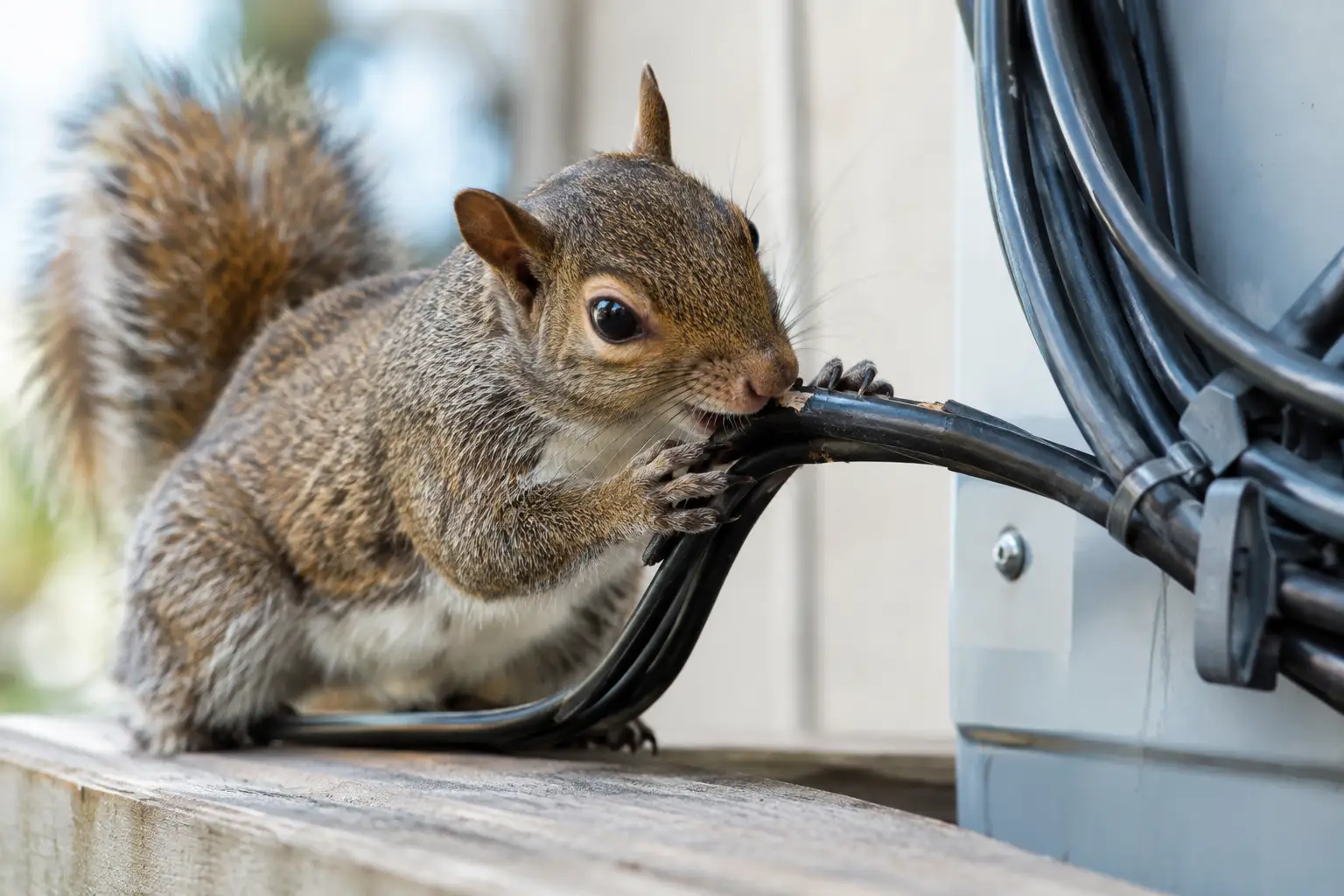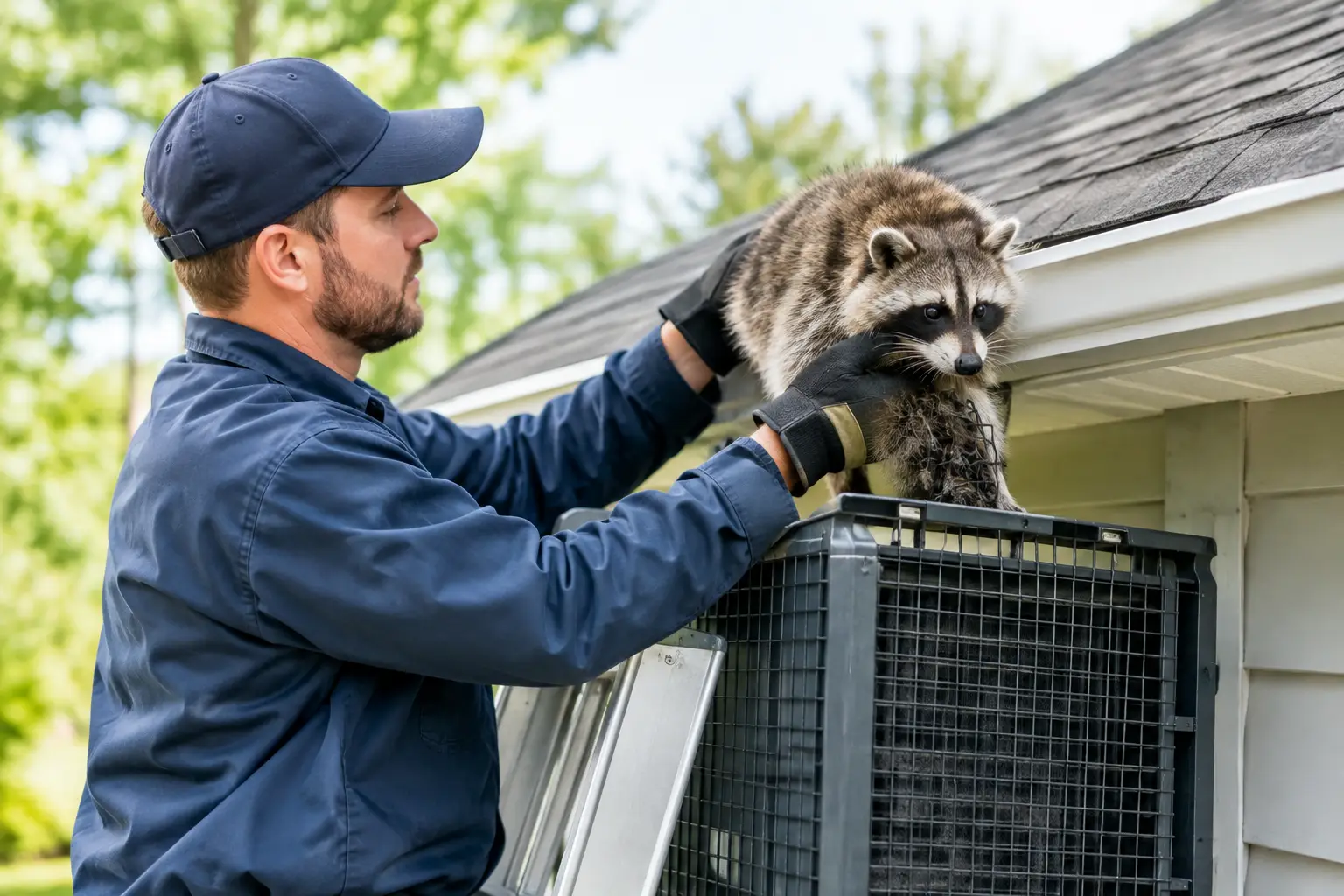
If you are hearing scratching above the ceiling at dawn or noticing torn vent screens near the roofline, the question is not random – can squirrels chew roof vents? Yes, they can, and they do it more often than many property owners expect. In NYC and New Jersey, squirrels regularly target weak roof vents, ridge vents, gable vents, and soffit openings to get into warm, protected attic spaces.
This is not minor exterior damage. Once a squirrel gets past a vent, the problem can move quickly from noise to insulation damage, odor, contamination, and electrical risk. For homeowners, landlords, and property managers, a chewed vent is often the first visible sign of a larger attic intrusion.
Why squirrels go after roof vents
Squirrels are persistent gnawers. Their front teeth never stop growing, so chewing is part of how they wear them down. That natural behavior becomes a structural problem when they find soft aluminum, thin vent screening, plastic louvers, or rotted trim around the roofline.
Roof vents are attractive because they sit near ideal nesting space. An attic is dry, elevated, and usually undisturbed. During cold weather and baby season, female squirrels are especially motivated to force entry. If the vent cover is weak or already loose, they may enlarge the opening in a short amount of time.
In dense neighborhoods across NYC and NJ, squirrels often travel roof to roof using trees, fences, utility lines, and adjoining structures. That means homes, brownstones, multifamily buildings, and commercial properties can all be vulnerable. A vent does not need to be badly damaged to become an access point. Sometimes one small lifted edge is enough.
Can squirrels chew roof vents made of metal?
They can damage many metal vents, but the answer depends on the material and condition. Thin aluminum vents are much more vulnerable than heavy-gauge steel protection. Squirrels may not chew through every solid metal component, but they can bend edges, tear light mesh, widen seams, and exploit fasteners that have loosened over time.
That is why property owners should not assume a metal vent is squirrel-proof. If the metal is thin, corroded, loosely attached, or paired with weak screening, a determined squirrel can still break in. We see this often on older homes where the vent itself is intact but the surrounding wood or trim has softened from moisture.
Plastic roof vents are at even greater risk. They are easier to chew, crack, or pry apart, especially when exposed to years of sun and temperature swings.
Signs squirrels are damaging your roof vents
The obvious sign is visible chewing around the vent cover, but many infestations start with sounds before you ever spot exterior damage. Scratching, scurrying, rolling noises, and sudden activity in the attic early in the morning or late in the afternoon often point to squirrels.
You may also notice insulation scattered near attic openings, droppings, dark rub marks, nesting material, or a musty animal odor. Outside, look for bent vent flaps, torn screen, chew marks on corners, and debris collecting below the roofline.
In multifamily and managed properties, tenant reports are often the first clue. One unit may hear movement while another notices staining, odor, or increased noise near soffits and upper walls. When that happens, the problem should be checked quickly because squirrels can expand their travel routes inside voids.
What happens after squirrels get into the attic
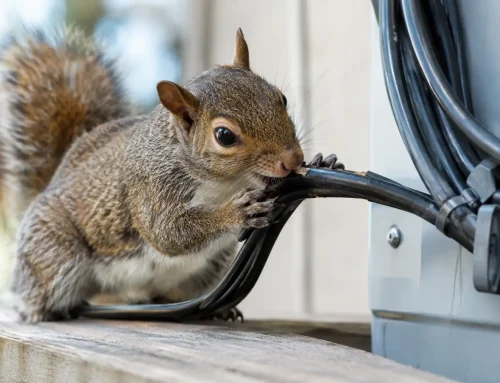
Once inside, squirrels do more than make noise. They tear insulation for nesting, leave urine and droppings, and may chew wood, stored items, and wiring. Chewed electrical wires create a serious fire risk. Contaminated insulation can also affect indoor air quality and leave lingering odor.
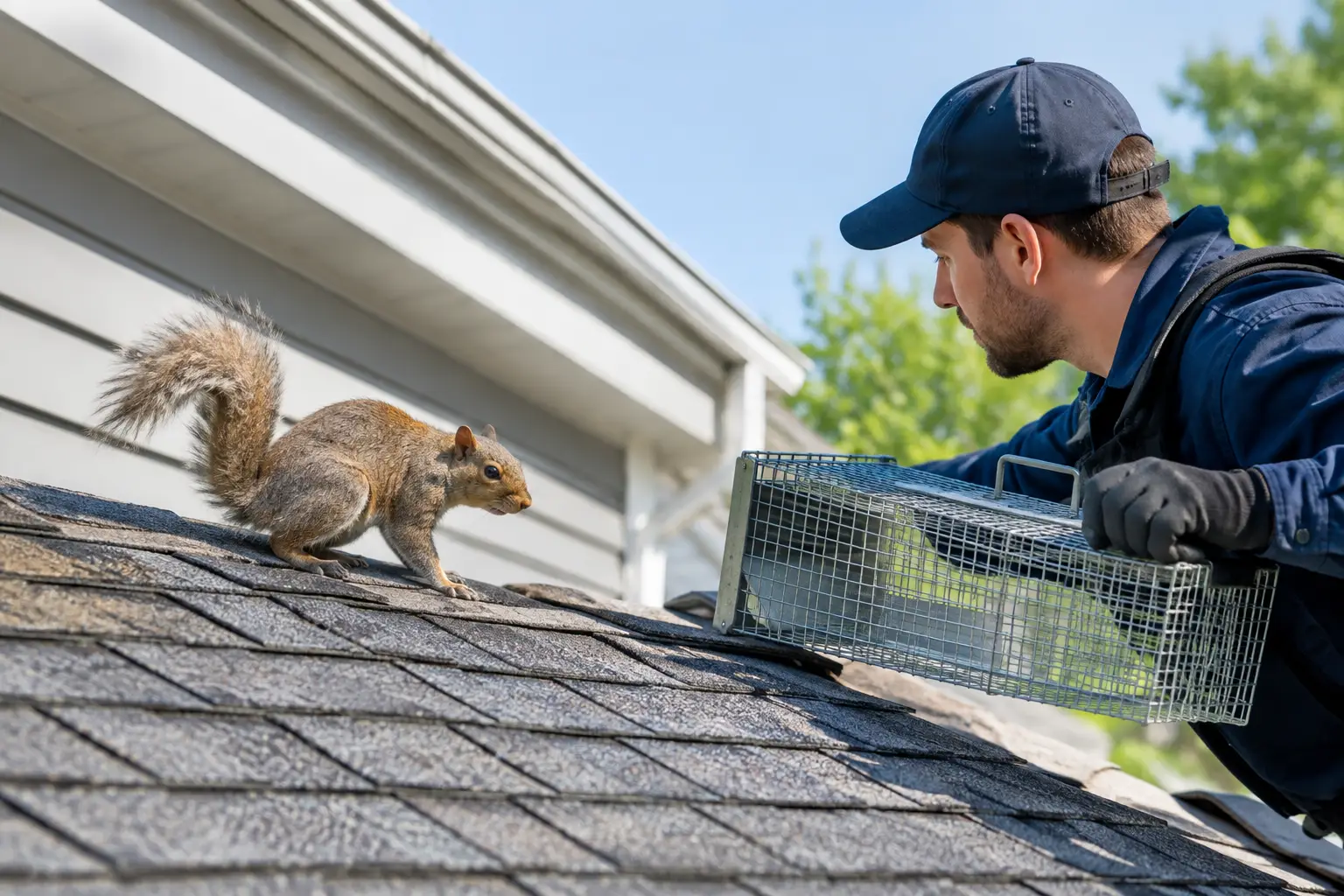
If a mother squirrel has young in the attic, the timeline gets more complicated. Removing the adult without locating the babies can lead to orphaned animals, odor, and repeat entry attempts. Humane wildlife control matters here. The right approach is not just to get something out of the attic. It is to remove the animals safely, identify all entry points, and restore the damaged area so the problem does not return.
Why DIY vent repairs often fail
This is where many property owners lose time and money. They see a chewed vent, buy hardware cloth or a replacement cover, and patch the opening the same day. If squirrels are already inside, that can trap them in the attic or push them to chew a new hole somewhere else.
Even when no animals are inside, surface repairs often fail because the wrong materials are used. Light screening, stapled patches, foam products, or basic caulk will not hold up against active wildlife pressure. The repair may look fine from the ground while the squirrel simply reopens it from the roofline.
There is also a safety issue. Roof work in NYC and NJ can involve steep pitches, narrow access, attached structures, and weather exposure. For commercial properties and larger residential buildings, one missed opening can leave the entire exclusion job unfinished.
The right way to handle squirrel-damaged vents
A professional response starts with inspection, not guessing. The goal is to confirm whether squirrels are actively using the vent, identify secondary entry points, and determine whether there are babies, nesting material, or contamination inside.
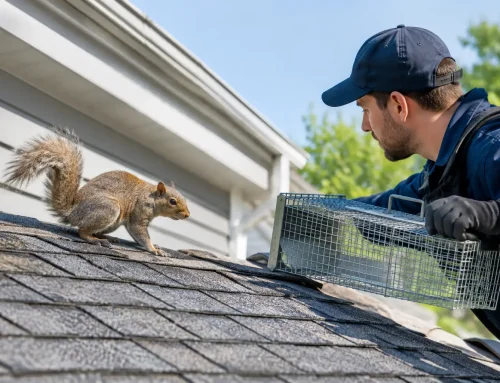
From there, the work usually involves humane removal, one-way exclusion when appropriate, sealing all access points, and installing durable vent protection designed for wildlife pressure. If the attic has been damaged, cleanup and restoration are just as important as the exclusion itself. That can include insulation removal and replacement, disinfection, odor treatment, and repair of chewed or compromised building materials.
This full-service approach matters because squirrel problems rarely stop at one hole. If one roof vent failed, nearby ridge vents, gable vents, soffits, and roof returns should also be checked. Treating only the visible damage leaves the building exposed.
Can squirrels chew roof vents more than once?
Yes. If the original attractants remain, squirrels may return to the same part of the structure again and again. They remember successful entry routes. A home or building that offered shelter once may stay on their pattern, especially when surrounding trees and roof access remain easy.
That does not mean trees always need to be removed. It does mean the building should be professionally secured with materials that match the risk. In many cases, reinforced vent covers, ridge-vent protection, sealing of construction gaps, and correction of rotten trim make the difference between a one-time repair and a repeat invasion.
Season also matters. Activity often spikes in spring and fall, but winter attic invasions are common because squirrels are seeking warmth. Waiting for the noise to stop on its own is risky. Even if an animal leaves temporarily, the damage and contamination remain.
When to call for professional help
If you can see a chewed vent, hear attic activity, or notice recurring squirrel presence near the roofline, it is time to act. The earlier the inspection happens, the more likely you are to avoid wider damage inside the attic or wall voids.
For property managers and landlords, fast response is especially important when tenants are reporting noise, odor, or signs of contamination. Delays can turn a wildlife issue into a repair issue, a sanitation issue, and a resident-relations issue at the same time.
Animal Control NYC & NJ handles these situations with humane wildlife removal, vent and entry-point protection, attic cleanup, and structural repair. That kind of start-to-finish service matters when you need the animals gone and the building secured without coordinating multiple contractors.
How to reduce the risk going forward
Good prevention is practical. Have the roofline inspected if the property is older, if squirrels are active around the structure, or if you have already had one intrusion. Weak vents, loose screening, roof gaps, and deteriorated wood should be corrected before an animal uses them.
It also helps to pay attention to small warning signs. A bent vent cover or a few scratches near the opening may look minor, but those are often the early stage of an active entry attempt. Catching it early is far less expensive than dealing with attic restoration later.
If you are asking can squirrels chew roof vents, there is usually a reason. Noise above the ceiling, movement near the roofline, or visible vent damage should not be ignored. A fast inspection and proper exclusion can stop a small entry point from becoming a larger attic problem.