You usually know raccoons have been in the attic before you ever see them. The smell changes first. Then come the heavy nighttime sounds, stained drywall, torn insulation, and the kind of mess that does not stay contained above the ceiling. Disinfecting attic after raccoons is not a light cleanup job. It is a contamination problem, a damage problem, and often a re-entry problem all at once.
For homeowners, landlords, and property managers in NYC and NJ, speed matters. Raccoon droppings, urine, nesting debris, and food waste can create serious health concerns, especially in enclosed attic spaces with poor ventilation. If babies were present, if an animal died in the attic, or if the insulation is heavily soiled, the cleanup becomes more involved fast. The goal is not to make the attic smell better for a week. The goal is to restore it safely and keep the issue from coming back.
Why disinfecting attic after raccoons is more than surface cleaning
A raccoon infestation leaves behind more than visible waste. Urine can soak into insulation, wood framing, and ceiling materials. Feces may collect in one latrine area or spread across multiple sections of the attic. Parasites such as fleas and ticks can remain after the animals are gone, and damaged ductwork or crushed insulation can affect air quality throughout the building.
This is where many property owners lose time and money. They remove a few droppings, spray a store-bought disinfectant, and assume the problem is handled. A week later, the odor returns. A month later, stains appear on the ceiling, or new animals come back through the same opening. Proper remediation means identifying what must be removed, what can be cleaned, and what needs to be sealed or rebuilt.
Start with removal, not cleanup
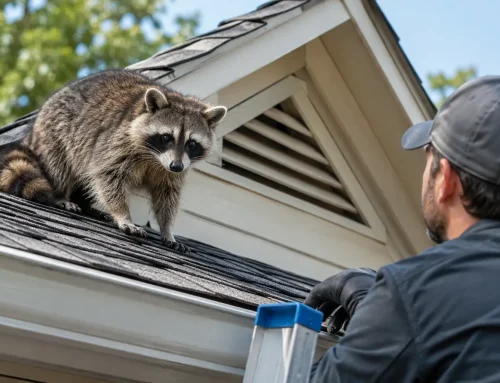
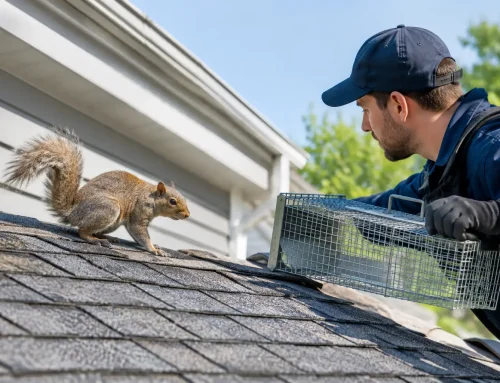
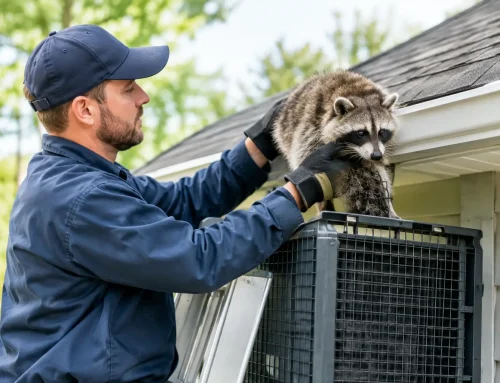
Before any sanitizing begins, every raccoon must be out of the structure. That includes adults, juveniles, and any hidden nesting activity. Cleaning an attic while raccoons still have access is wasted effort. It can also be dangerous.
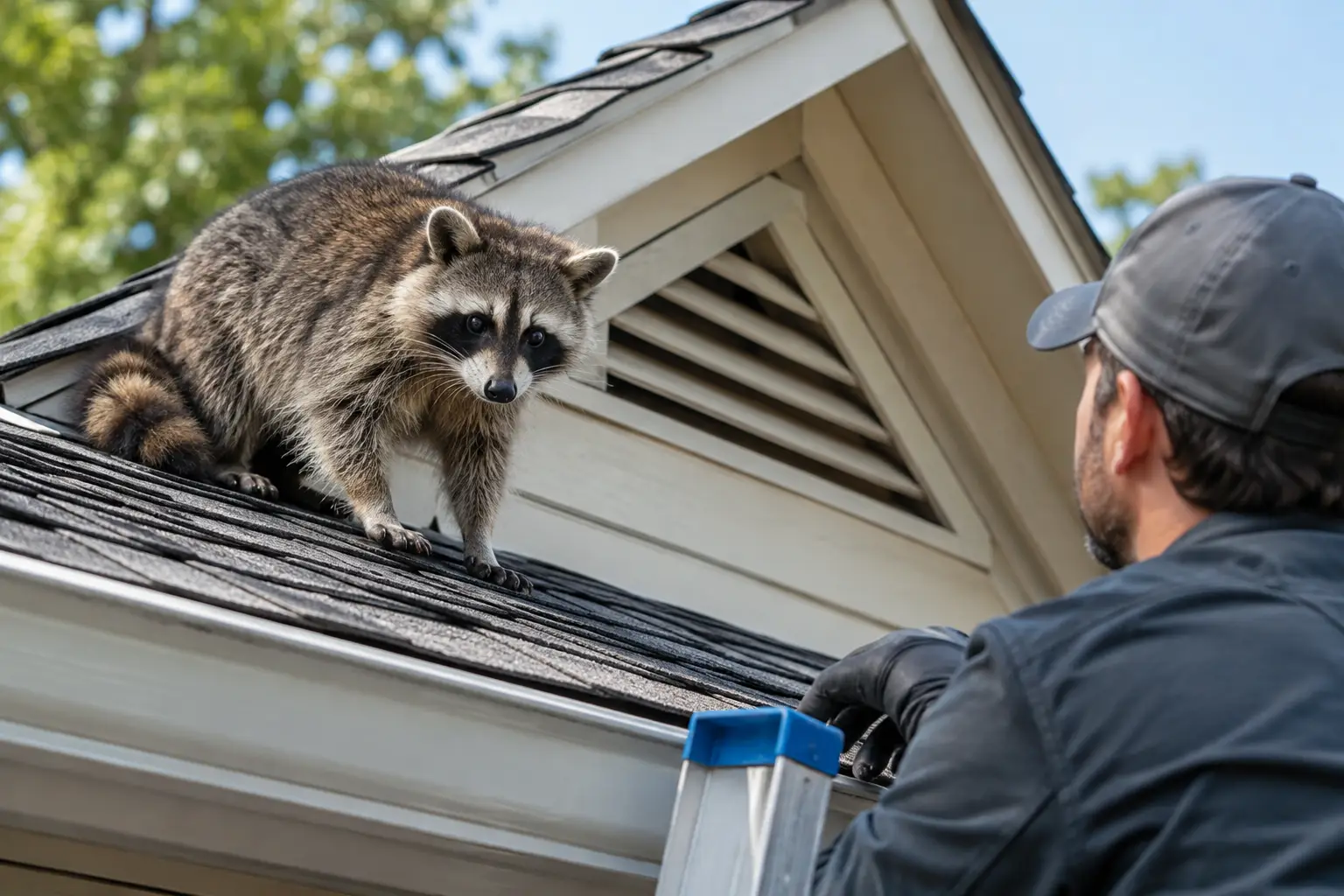
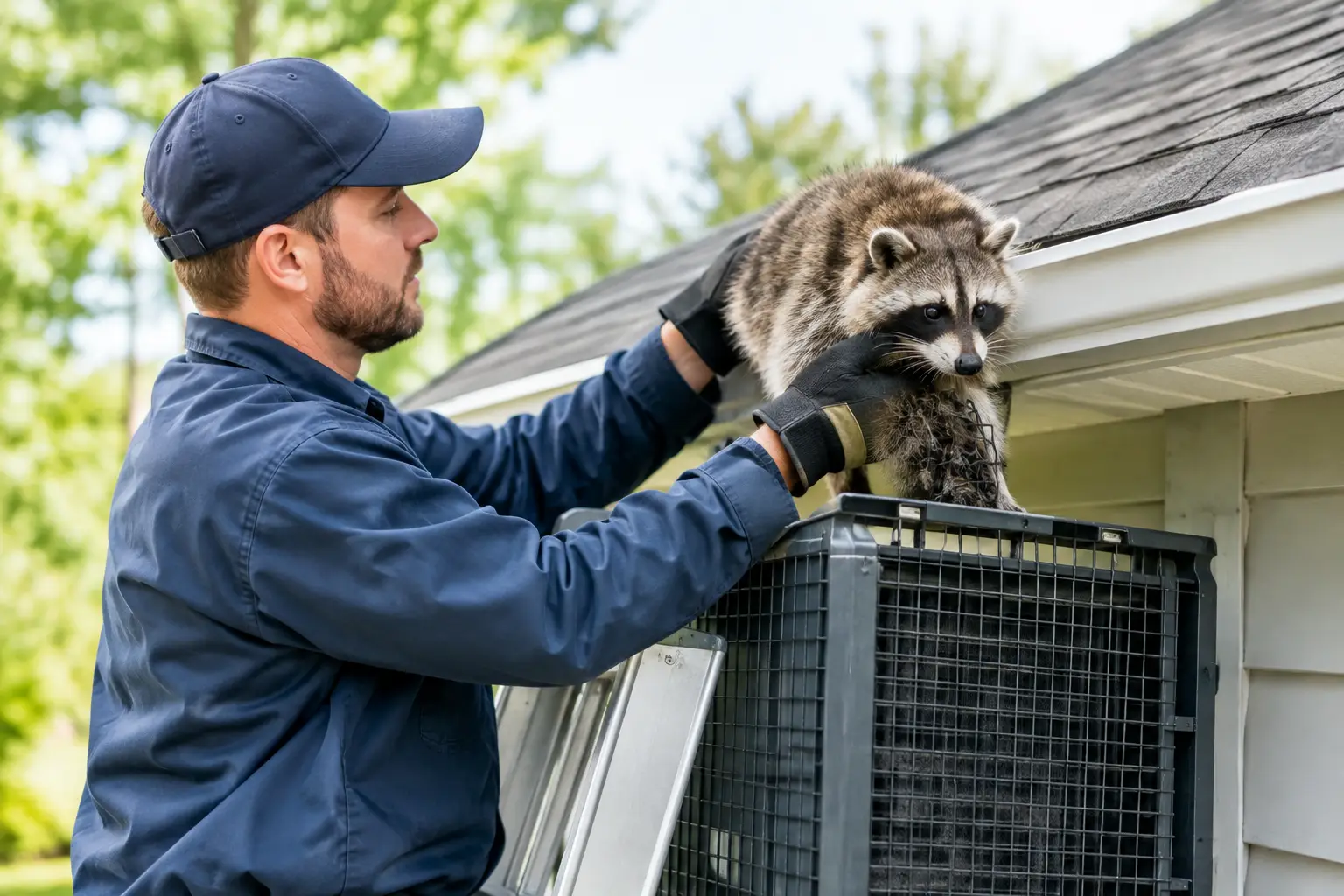
Raccoons are strong, defensive animals, especially when young are involved. In occupied buildings, they often enter through roof edges, soffits, vents, dormers, or construction gaps along the eaves. Once removal is complete, those entry points need to be identified so cleanup happens in a controlled space, not an active wildlife zone.
If there is any uncertainty about whether the attic is fully clear, the job should stop there. Disinfection only makes sense after inspection and confirmed removal.
What has to come out of the attic
In a lightly affected attic, cleanup may involve localized waste removal and targeted sanitation. In a heavily used raccoon den, partial or full material removal is often the right call. It depends on how long the animals were present, how concentrated the contamination is, and whether moisture or mold has developed.
The materials most often removed are soiled insulation, nesting debris, contaminated storage items, and any porous material saturated with urine or feces. Cardboard boxes, old fabric, and loose-fill insulation are especially hard to salvage. Once waste has worked down into the insulation layer, spraying over the surface does not solve the real problem.
Wood framing can often be cleaned and treated if the contamination has not caused deep deterioration. Drywall is more case-specific. If staining is minor and the source is addressed quickly, it may be salvageable. If urine has penetrated broadly or the ceiling below is sagging or discolored, replacement may be necessary.
How attic disinfection should be handled
Waste removal comes first
Droppings and nesting debris need to be removed carefully to avoid stirring contaminated dust into the air. Dry sweeping or using a regular household vacuum is a bad idea. That can aerosolize particles and spread contamination through the attic and beyond.
Professional cleanup typically involves controlled removal methods, protective equipment, and containment practices that reduce exposure risk. This matters in smaller homes, multifamily buildings, and commercial properties where airborne contaminants can move into occupied areas.
Surface sanitation is only one step
Once waste and contaminated materials are out, hard surfaces can be treated with the appropriate disinfecting products. The point here is not to soak everything blindly. Different surfaces respond differently, and over-wetting wood or hidden cavities can create a second problem with moisture.
A proper disinfecting process targets the areas raccoons used most, including framing, subflooring, pathways, and latrine spots. If there is evidence of parasites, that treatment may also need to be addressed as part of the restoration plan.
Odor control has to go deeper than fragrance
If an attic still smells after cleaning, that usually means contamination remains in porous materials or inaccessible voids. Deodorizers can help after the source is removed, but they cannot replace source removal. In many raccoon jobs, odor control only works when sanitation is paired with insulation replacement and sealing of affected zones.
That is why full-service wildlife cleanup is often the most efficient path. Removal, disinfection, insulation work, and exclusion all affect the final result.
Health and safety risks to take seriously
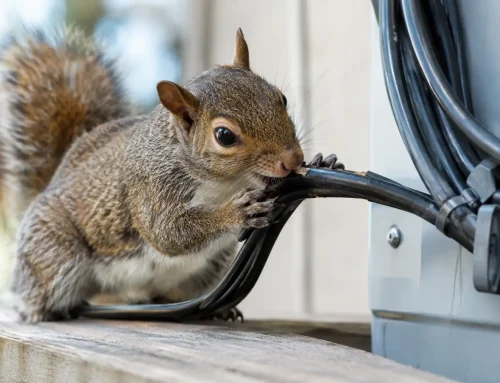
Disinfecting attic after raccoons is not just about cleanliness. Raccoon waste can carry pathogens, and the attic environment adds its own hazards. Tight access, heat, nails, exposed wiring, low visibility, and unstable flooring all raise the risk level.
For occupied properties, there is also the question of what the HVAC system has been exposed to. If raccoons damaged ducts or contaminated areas near air movement, odors and particulates may spread into living or working spaces. That is one reason commercial buildings, rental properties, and family homes with children or elderly occupants should not treat this as a casual maintenance task.
People often ask whether they can clean it themselves. Sometimes a very minor, fresh mess in an easy-access area can be handled cautiously. But once you have heavy droppings, widespread urine saturation, dead animal odor, or damaged insulation, the safer move is to bring in a wildlife remediation team.
Signs the attic needs full restoration, not just disinfection
Insulation is flattened, torn, or urine-soaked
Raccoons compress insulation as they travel and build nesting areas. Even if parts of it look usable, performance drops when it is packed down or contaminated. In many jobs, replacing insulation is part of restoring both sanitation and energy efficiency.
Entry points are still open
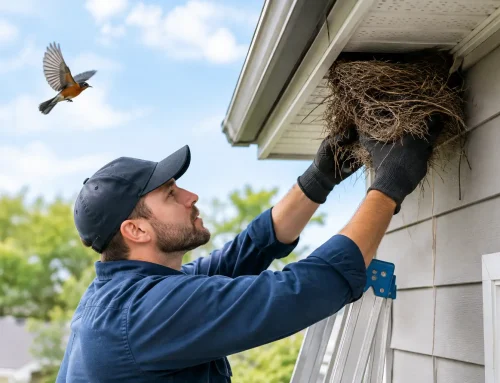
An attic can be perfectly sanitized and still become contaminated again if roof gaps, vent openings, soffits, or fascia damage remain unsealed. Exclusion is not an add-on. It is part of the fix.
There are stains, moisture, or mold concerns
If urine has penetrated building materials or the attic has been humid for an extended period, mold may become part of the job. At that point, cleanup needs to account for more than wildlife waste alone.
Multiple service trades would otherwise be needed
Many property owners try to split the work between animal removal, insulation, sanitation, and roofing contractors. That usually slows the process and creates finger-pointing if something is missed. A provider that handles wildlife removal, cleanup, and repair under one scope can move much faster.
What professional attic remediation should include
The right service starts with a detailed inspection, not a generic spray-and-go treatment. You want confirmation that the raccoons are gone, identification of all active and former entry points, assessment of contamination levels, and a clear plan for cleanup and restoration.
From there, the work may include humane raccoon removal, droppings and nesting debris removal, contaminated insulation removal, attic disinfection, odor treatment, parasite treatment where needed, insulation replacement, and sealing or reinforcing vulnerable access points. In many NYC and NJ properties, ridge vents, roof returns, soffits, and gaps along additions are common weak spots that need attention before the job is truly finished.
Animal Control NYC & NJ handles that kind of start-to-finish wildlife remediation because attic problems rarely stay in one lane. The animal is only part of the issue. The contamination and structural vulnerability are what keep costing you if they are not corrected.
Timing matters more than most owners expect
The longer raccoons stay in the attic, the more expensive the cleanup tends to become. Waste builds up. Odors spread. Insulation gets ruined. Wood and drywall absorb contamination. If babies are born in the den, the timeline can stretch further, and so can the damage.
Quick action does not mean rushing into unsafe cleanup. It means getting the attic inspected early, stopping the intrusion correctly, and moving straight into remediation before the contamination spreads or attracts other pests.
If you are hearing movement overhead, noticing a strong animal odor, or seeing signs of staining or insulation damage, do not wait for the problem to get obvious. The best attic cleanups are the ones that happen before a raccoon den turns into a major restoration project. A clean attic is good. A sealed, disinfected, fully recovered attic is what actually lets you move on.