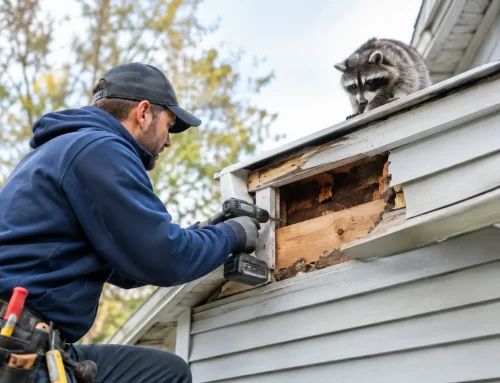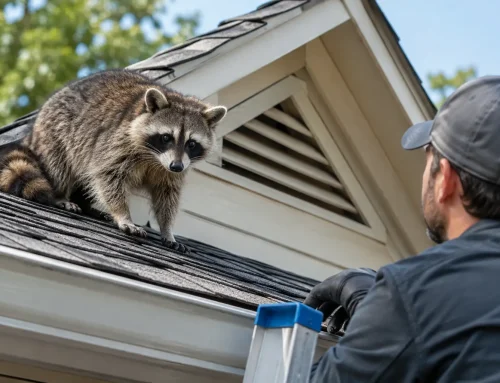
A loose crawlspace vent can become an open door for rats, mice, squirrels, raccoons, opossums, and stray cats. Once an animal gets underneath a building, the problem can move quickly from noise and odor to torn insulation, chewed wiring, contaminated soil, damaged ductwork, and tenant complaints. The best ways to block crawlspace animals start with identifying how they entered – and confirming no animal is still trapped inside.
Start With a Crawlspace Inspection, Not a Quick Patch
Closing a hole before inspecting the crawlspace is one of the costliest mistakes property owners make. If a mother raccoon, squirrel, or opossum is sealed inside, it may tear through a new repair to escape. If young animals are left behind, the result can be odor, insects, and a difficult cleanup situation.
A professional inspection should cover every crawlspace vent, foundation gap, utility line opening, access door, bulkhead, damaged lattice panel, and connection between the crawlspace and garage or basement. In NYC and New Jersey, older homes often have multiple small foundation defects that are easy to miss from ground level.
Look for greasy rub marks, droppings, nesting material, torn vapor barriers, tracks in loose soil, and chewed wood or wiring. The type of damage helps determine the likely animal. Rats can enter through openings as small as a half inch. Mice need even less space. Raccoons and groundhogs require larger openings, but they can bend weak vent covers or dig beneath an unsecured access point.
Best Ways to Block Crawlspace Animals at Entry Points
The right exclusion method depends on the animal, the construction of the home, and whether the opening is active. A thin piece of hardware cloth stapled over a vent may discourage small animals temporarily, but it will not stop a determined raccoon or rat if the materials and fasteners are inadequate.
Secure vents with heavy-duty animal-proof barriers
Crawlspace vents are a common entry point because old screens rust, tear, or pull loose. Replace damaged screening with galvanized steel mesh or another durable animal-resistant material sized appropriately for the species pressure at the property. The barrier should be firmly fastened to solid framing or masonry, not loosely attached to brittle trim.
Ventilation still matters. Never block required airflow with solid materials unless a qualified contractor has evaluated the crawlspace design. A properly installed vent guard allows air movement while preventing animals from pushing, chewing, or squeezing through.
Seal gaps around pipes, conduits, and utility lines
Utility penetrations often leave irregular openings large enough for rodents. Seal them with durable materials that animals cannot easily chew through, such as metal flashing, mortar, steel mesh, or purpose-built pipe collars. Expanding foam alone is not an animal-proof repair. Rodents can chew it, and larger animals can pull it apart.
Pay close attention to HVAC lines, cable runs, plumbing, and old abandoned service openings. These gaps may be hidden behind shrubs, decks, or exterior equipment, which is why a full exterior inspection matters.
Repair access doors and foundation openings
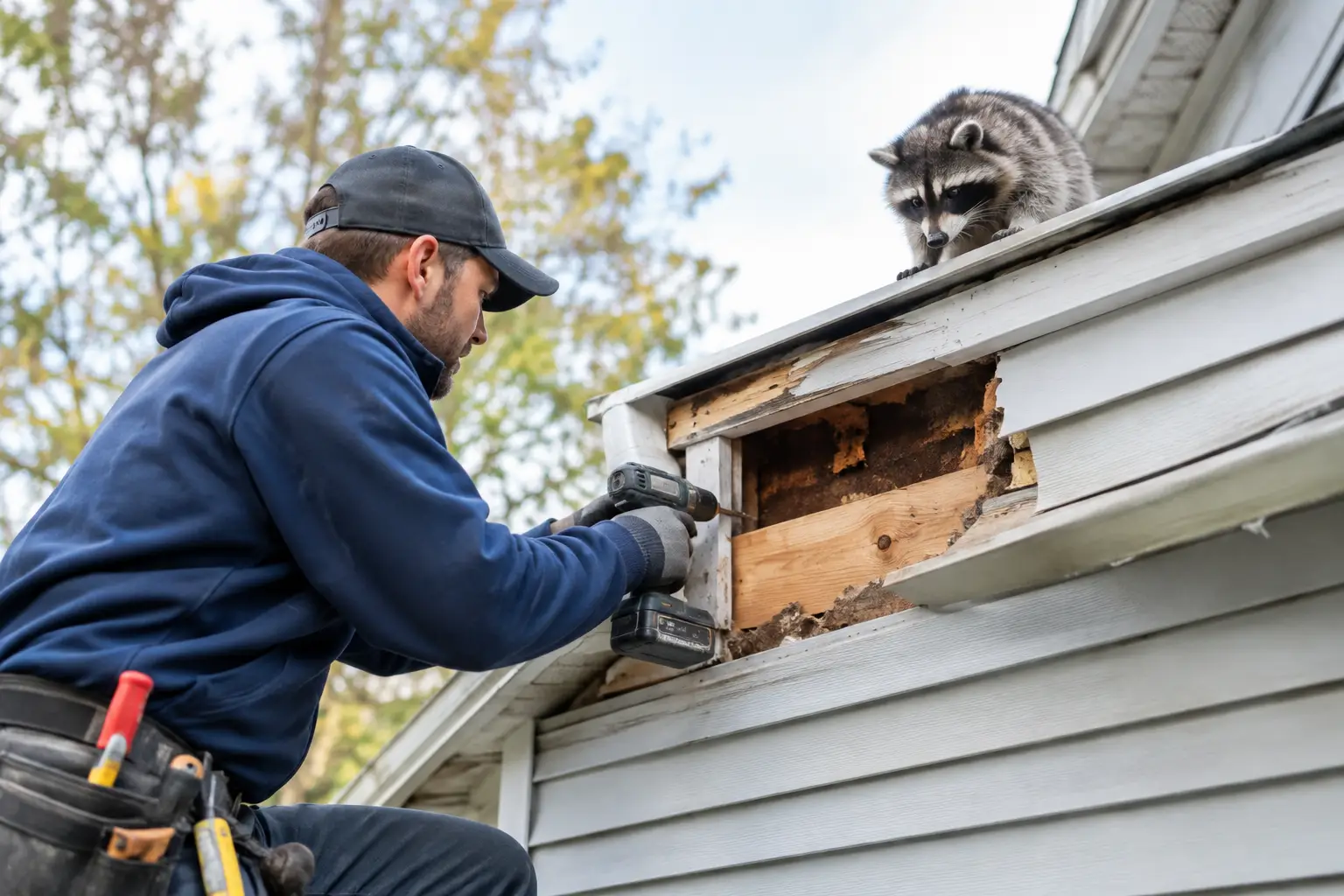
A warped crawlspace door, loose bulkhead, broken lattice, or missing hatch is an invitation to wildlife. Replace rotted wood, reinforce frames, and install a locking or screw-secured access panel that fits tightly. Ground-level doors should also be protected from digging at the edges.
Where animals have tunneled beneath a door or wall section, install an underground barrier or trench guard. The material must extend below grade and bend outward to discourage digging. This is especially useful for groundhogs, skunks, and raccoons that repeatedly work at the same soft-soil area.
Remove Animals Humanely Before Final Sealing
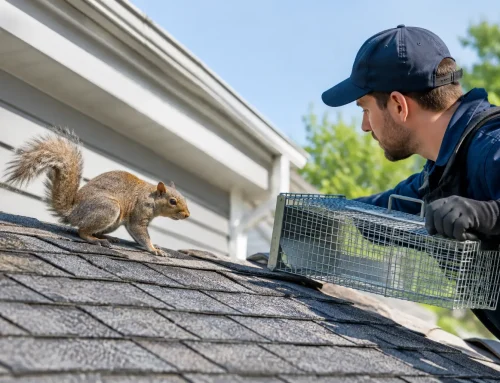
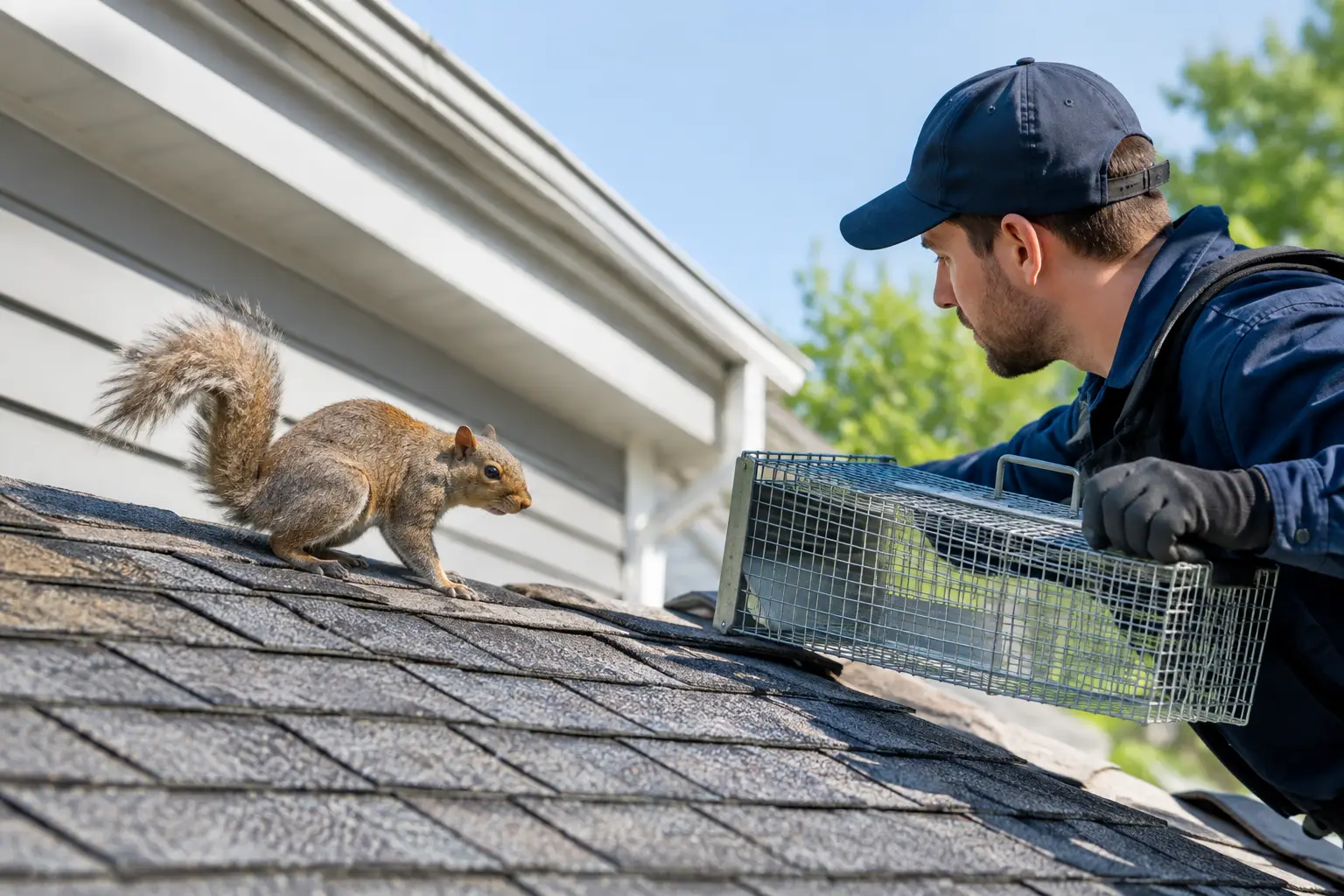
Exclusion is not the same as trapping. When there is evidence of an active animal inside, the correct approach is to remove it humanely before completing permanent repairs. Depending on the species and situation, that may involve a one-way exclusion device, live trapping, or a targeted removal plan.
Timing matters. Spring and early summer can bring dependent young, particularly with squirrels, raccoons, and opossums. Sealing an active den during this period can create a serious animal welfare issue and leave young animals behind. Bats also require specialized handling because of health concerns and seasonal restrictions around maternity colonies.
Do not handle wildlife, droppings, or nesting material with bare hands. An animal that appears weak, aggressive, disoriented, or unusually tame may be sick or injured. Call a trained wildlife professional for safe removal, especially if there is any possible contact with people or pets.
Clean and Repair the Crawlspace After Removal
Blocking the entrance solves only part of the problem. A crawlspace used by rodents or wildlife can hold urine, droppings, parasites, food debris, and nesting materials long after the animal is gone. Odors can travel upward into living spaces through gaps in flooring and utility chases.
Remove contaminated insulation and damaged vapor barrier material when needed. Then clean and disinfect affected surfaces using proper protective equipment and methods suited to the contamination level. If moisture, mold, or standing water is present, correct that issue too. Damp crawlspaces attract insects and rodents and can weaken wood over time.
Check wiring, ductwork, plumbing insulation, and structural wood for chewing or damage. Rodent-chewed electrical wiring is not a cosmetic concern – it can become a fire risk. Property managers should document the condition and repairs, particularly in multi-unit buildings where crawlspace access may affect several tenants.
Reduce the Conditions That Attract Animals
Even a well-sealed crawlspace needs exterior maintenance. Animals are more likely to investigate a building when food, cover, water, and easy climbing routes are nearby.
Keep garbage containers closed, clean up spilled birdseed, and avoid leaving pet food outdoors. Trim vegetation away from foundation vents and access doors so animals cannot approach unseen. Repair leaking outdoor faucets and make sure downspouts carry water away from the foundation. Standing water and damp soil encourage insects, which can draw in rodents and other wildlife.
For rats and mice, exterior sanitation is especially important in dense NYC and New Jersey neighborhoods. A sealed crawlspace can still be tested repeatedly if rodent activity around trash areas, alleys, garages, or neighboring properties remains high. Exclusion works best alongside a practical rodent-control plan.
When DIY Repairs Are Not Enough
Small, clearly inactive gaps may be manageable for an experienced homeowner. But professional help is the safer choice when there are droppings, strong odors, damaged wiring, repeated break-ins, digging, a suspected nest, or an animal you cannot identify. It is also the right call for commercial properties, apartment buildings, homes with crawlspace contamination, and any situation involving bats, raccoons, or aggressive wildlife.
Animal Control NYC & NJ provides professional wildlife trapping and removal, crawlspace sealing, sanitation, and damage repair for property owners who need the issue handled from start to finish. A species-specific plan prevents the common cycle of patching an opening, hearing new activity a few nights later, and paying for the same repair twice.
A crawlspace should be dry, secure, and quiet – not a shelter for wildlife. If you hear movement below the floor or find new damage around a vent, act before one access point becomes a larger contamination and repair project.