A bird flying past your building is normal. Birds nesting inside a vent, under solar panels, in a sign, or above a drop ceiling are not. Bird removal NJ service is often needed when noise, droppings, nesting material, odor, or repeated bird activity signals that a small exterior problem has become a property issue.
For New Jersey homeowners, landlords, facility managers, and business owners, the goal is not simply to make birds leave for a day. The job is to identify the species, remove or manage the problem humanely, clean contaminated areas, and close the access points that made the structure attractive in the first place.
When Bird Activity Needs Professional Attention
Birds can create serious problems when they choose a building instead of a tree or open ledge. Pigeons, starlings, house sparrows, gulls, and other nuisance birds may nest in attic vents, chimney areas, soffits, warehouse rafters, rooftop equipment, parking structures, and solar panel gaps. Their activity can build quickly, especially during nesting season.
The warning signs are usually obvious once you know where to look. You may hear chirping, scratching, or wing movement in a wall or ceiling. You may see twigs protruding from a vent cover, feathers around rooftop equipment, or droppings collecting on walkways and loading areas. In commercial settings, birds often gather around dumpsters, food service areas, signs, awnings, and HVAC units.
Do not ignore a blocked dryer, bathroom, or kitchen exhaust vent. Nesting material can restrict airflow, create a fire concern, and pull moisture back toward the building. A nest in a roofline or attic can also bring in mites, insects, odors, and moisture that affect insulation and interior finishes.
Bird Removal NJ Requires the Right Timing and Method
Not every bird situation is handled the same way. Some bird species, nests, eggs, and young birds are protected under federal or state regulations. That means a responsible technician must first inspect the area, identify what is present, and determine what work can legally and humanely be performed.
This is where do-it-yourself removal often creates a larger problem. Pulling a nest from an active vent or roof cavity without checking for eggs or young birds can leave wildlife trapped inside the structure. Closing an opening too soon can create odor, insect activity, and repeated attempts by adult birds to get back in. It can also expose you to droppings, parasites, and unstable roof or ladder conditions.
Professional bird control begins with an inspection. The technician looks for the entry route, nesting location, species activity, structural damage, and sanitation needs. From there, the work may involve carefully removing inactive nesting material, using humane exclusion methods, installing protective barriers, or scheduling work around an active nesting period when required.
The right solution depends on the property and the bird behavior. A single bird in a chimney may require a different approach than a recurring pigeon problem on a retail plaza or birds nesting under dozens of solar panels.
Common Bird Problems Around New Jersey Properties
Residential properties commonly have birds entering attic vents, chimneys, eaves, soffits, and roof gaps. Older homes can be especially vulnerable where screens are missing, ridge vents are open, or fascia has deteriorated. Birds may also nest inside shutters, porch roofs, gutters, and decorative exterior features.
Commercial buildings face a different set of pressures. Flat roofs, ledges, warehouse doors, rooftop mechanical units, storefront signs, and covered loading docks provide shelter from weather and predators. When birds roost in these spaces, droppings can create slip hazards, damage exterior finishes, affect customer-facing areas, and trigger tenant or employee complaints.
Solar panels are another frequent issue. The protected gap beneath a panel can become a nesting and roosting area, especially for pigeons. Nesting debris may interfere with drainage and ventilation, while accumulated droppings can stain roofing materials and complicate maintenance. Solar panel animal proofing uses the appropriate perimeter barriers to keep birds from getting underneath without damaging the system.
What a Complete Bird Control Service Should Include
A quick nest removal may solve the immediate noise, but it does not solve the reason birds got inside. Effective bird control should address the entire condition from inspection through exclusion and cleanup.
A professional service plan may include:
- Inspection of vents, rooflines, attics, soffits, chimneys, solar panels, signs, and exterior ledges
- Humane bird removal or exclusion based on the species, nest status, and property conditions
- Removal of inactive nests, feathers, droppings, and nesting debris where permitted
- Sanitization and deodorizing of contaminated spaces
- Repairs or protective installations such as vent covers, gutter guards, ridge-vent protection, screening, and exclusion barriers
- Recommendations for correcting food, water, shelter, and waste conditions that attract birds
Cleanup matters as much as removal. Bird droppings can be acidic and may stain siding, roofs, masonry, equipment, and vehicles. In enclosed areas, dried droppings and debris should not be swept or disturbed casually. Proper protective equipment and controlled cleanup methods help reduce the spread of dust, parasites, and contamination.
If birds have been active in an attic or crawl space for an extended period, insulation may need closer evaluation. Nesting material can flatten insulation, retain moisture, and create odor. In more severe cases, attic restoration, insulation replacement, disinfection, or minor structural repair may be needed before the area is fully recovered.
Why Exclusion Is the Long-Term Fix
Birds return to reliable nesting locations. If an opening remains available, the same pair or a new group may come back during the next nesting cycle. That is why exclusion is the most important part of bird prevention.
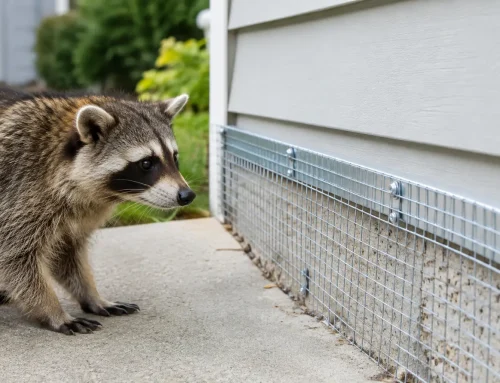
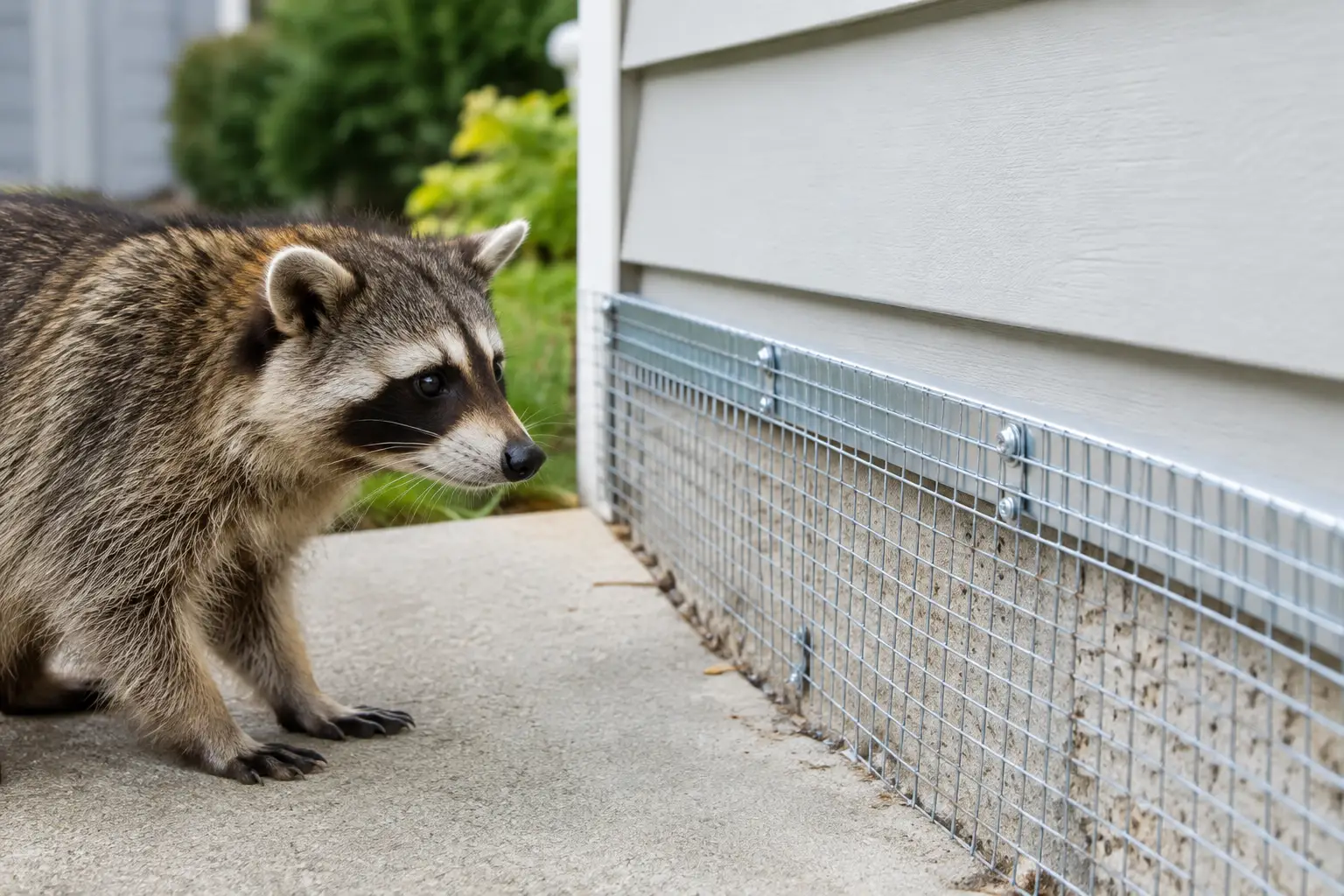
Exclusion does not mean sealing every opening without a plan. It means securing the specific access points birds use after confirming that no animals are trapped inside. Depending on the structure, this may include screened vent covers, chimney caps, protected ridge vents, repaired soffits, sealed gaps around roof penetrations, or properly fitted barriers around solar arrays.
Property maintenance also plays a role. Overflowing dumpsters, uncovered food waste, standing water, unsecured pet food, and neglected gutters can make a building more attractive to birds. For commercial properties, regular exterior inspections are especially useful because small gaps and damaged screens can become larger access points before anyone notices the activity.
Do Not Wait for a Larger Infestation
Bird problems rarely stay limited to a few feathers. A nest can block a vent. A roosting area can create a daily buildup of droppings. Birds in an attic can damage insulation and leave odors that persist after they are gone. The longer activity continues, the more likely the property will need cleanup and repair in addition to removal.
Call for professional help promptly if you have birds entering a vent, attic, chimney, wall cavity, or commercial interior. Fast action is also appropriate when droppings are accumulating near entrances, food service areas, walkways, HVAC equipment, or solar panels. Emergency service can be particularly valuable when a bird is trapped indoors or nesting material has created a ventilation concern.
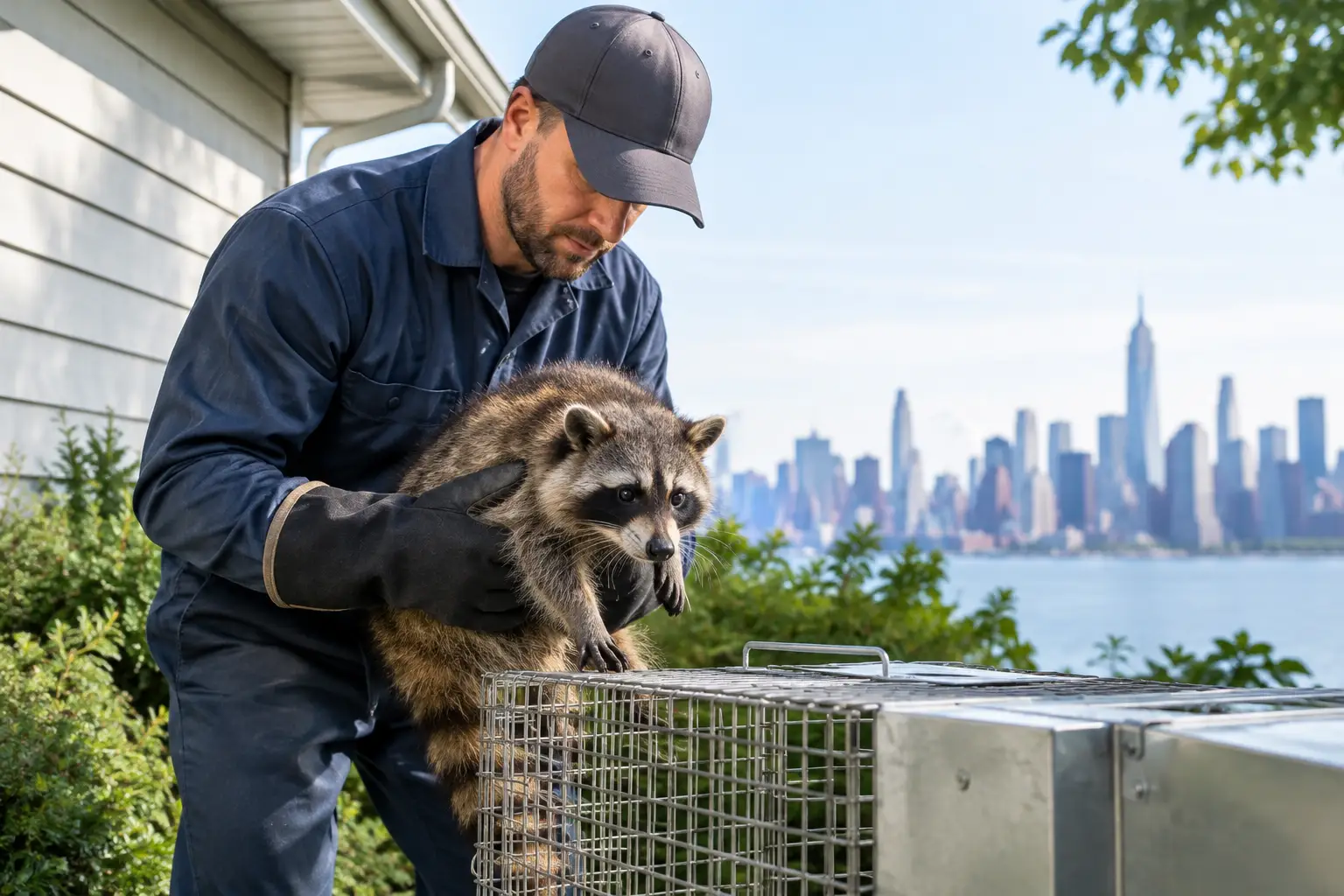
Animal Control NYC & NJ provides professional wildlife trapping and removal service for properties that need a complete response, including humane bird control, sanitation, exclusion, and damage repair. The focus is simple: resolve the active problem safely, protect the building, and reduce the chance of a return visit from the same birds.
A clean roofline, protected vent, and properly secured solar panel system are easier to maintain than a recurring bird problem. Address the first signs of nesting early, and your property can stay quieter, cleaner, and protected through the next season.