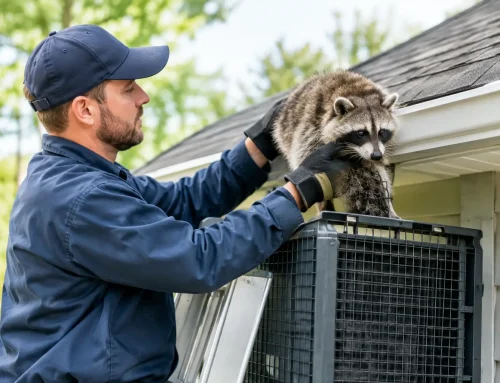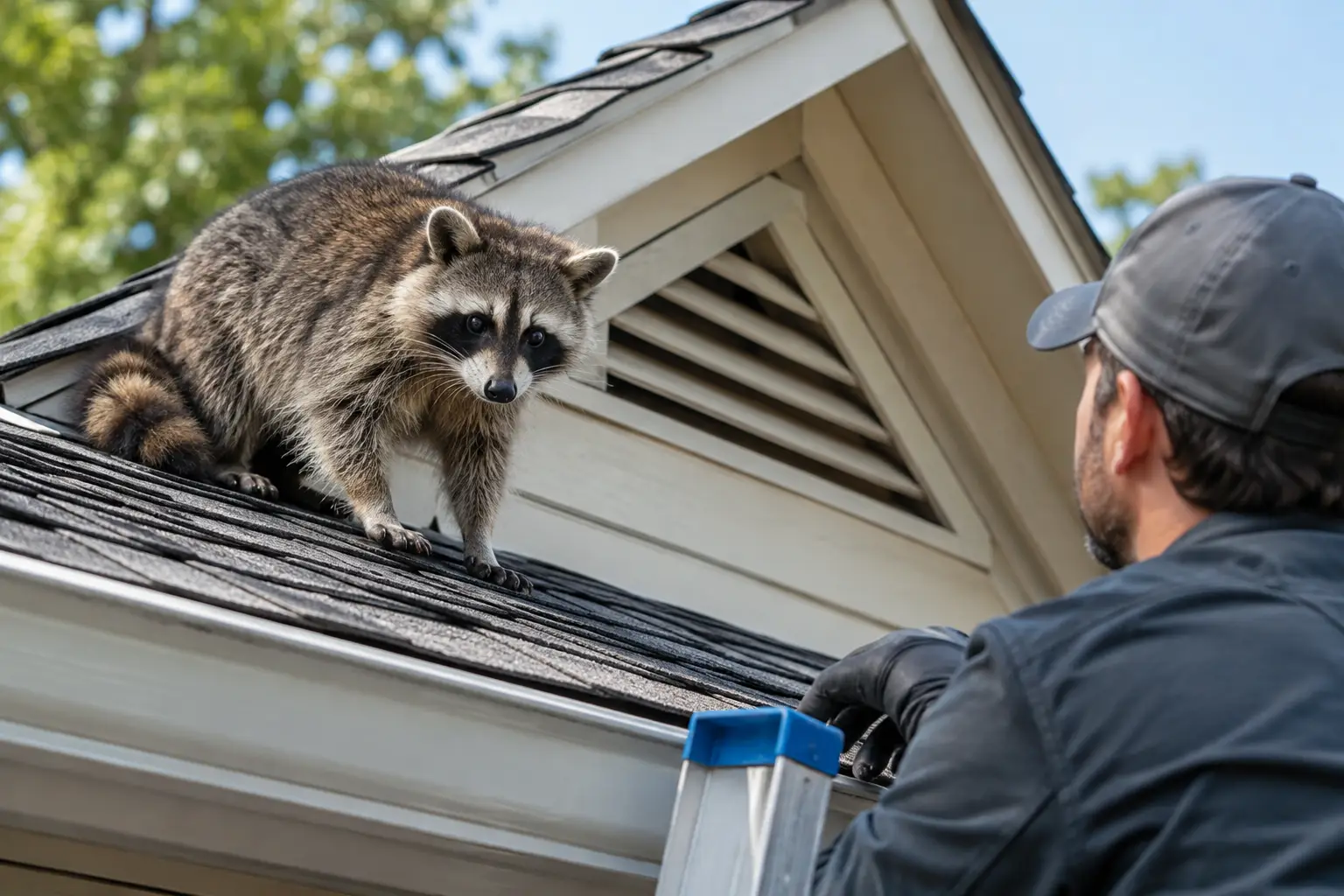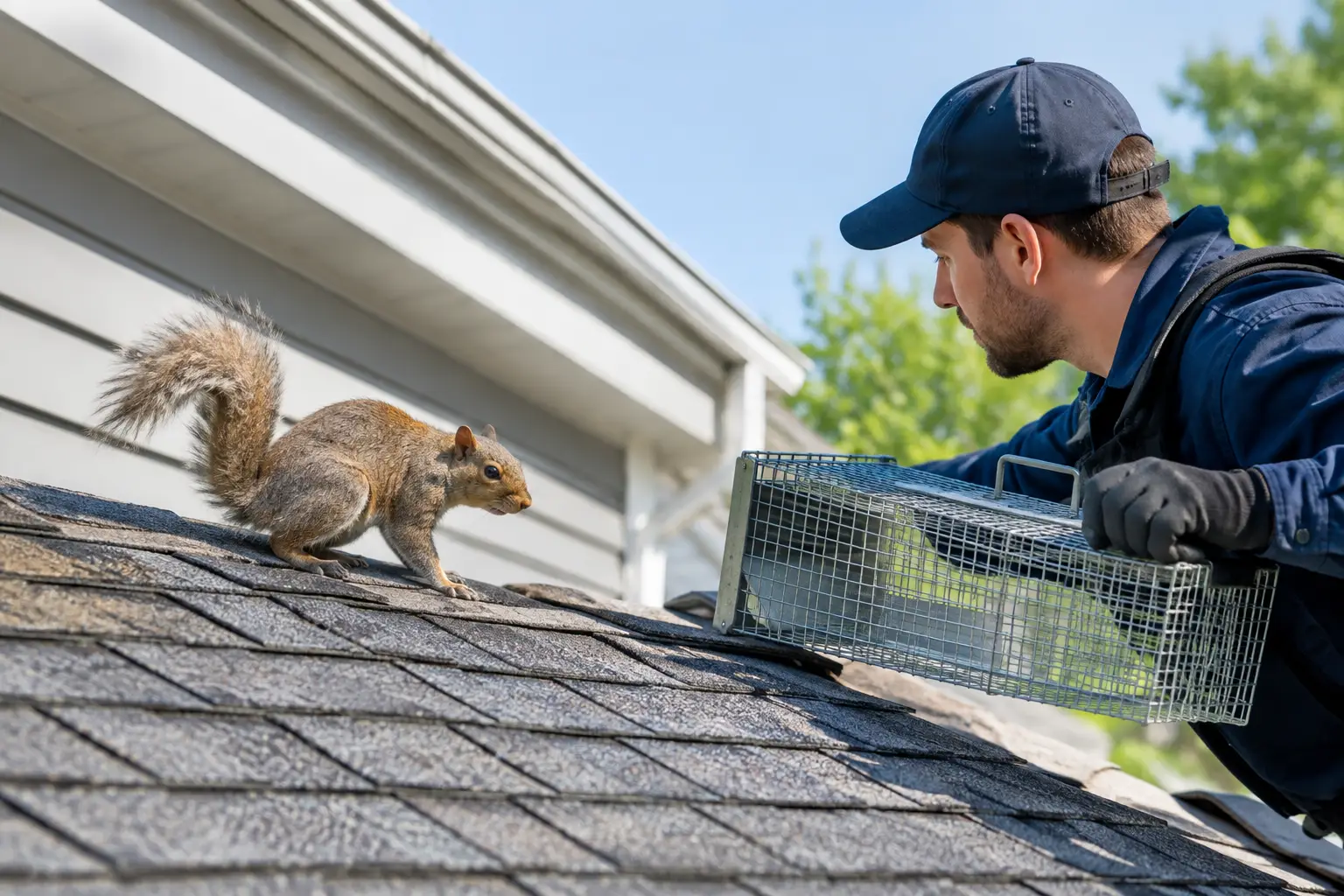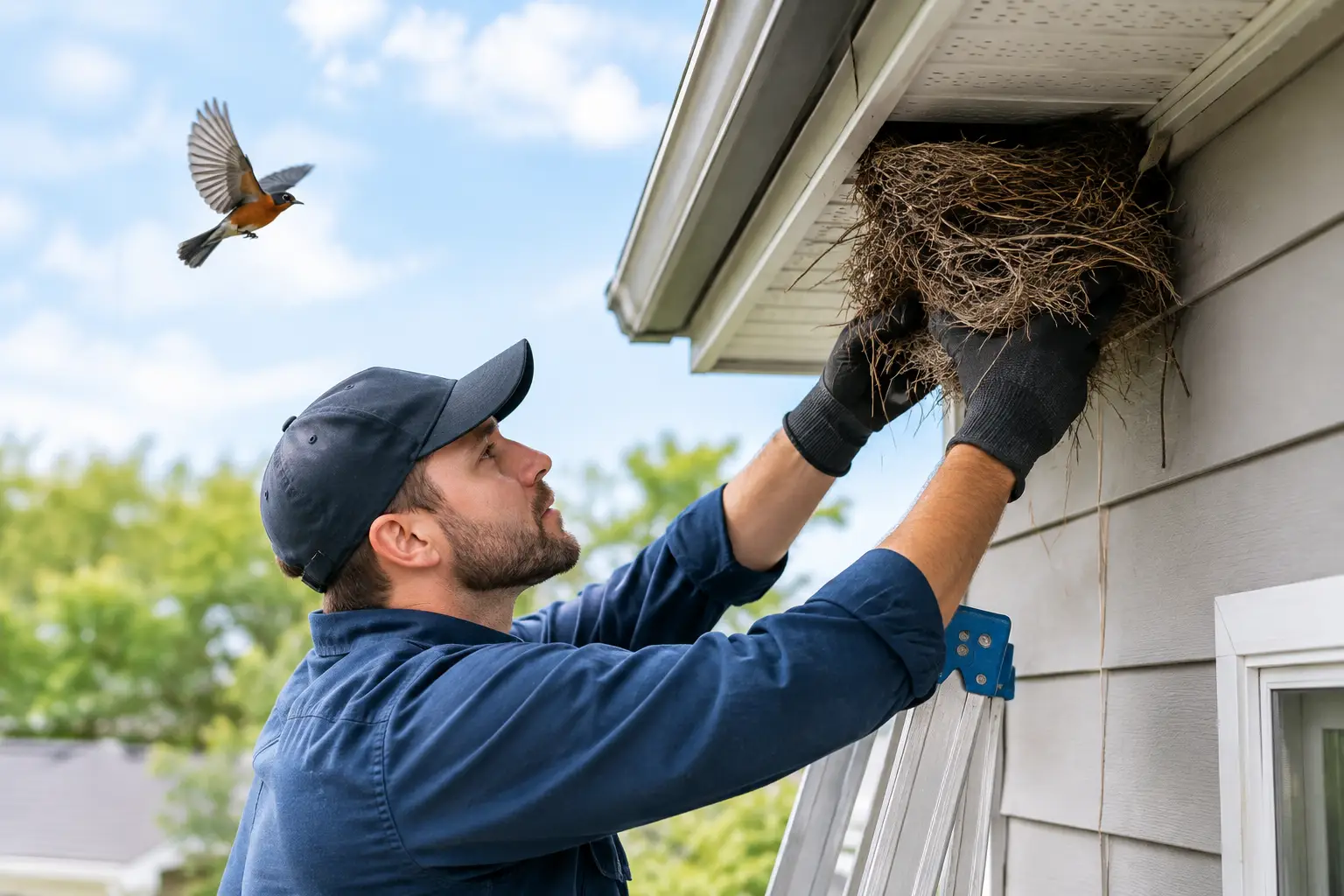
You usually hear squirrels before you see them. It starts with scratching over the ceiling, quick movement in the walls, or sudden noise near the roofline at dawn. Once that happens, squirrel removal services stop being a nice-to-have and become a property protection issue. In New York City and New Jersey, squirrels regularly enter attics, soffits, crawl spaces, vents, and commercial roof systems, where they can damage insulation, wiring, and wood in a very short time.
This is not a problem to wait out. Squirrels do not wander into a structure by accident and then leave because the space feels inconvenient. If they have found shelter, warmth, or a place to nest, they tend to stay until they are physically removed and the entry points are sealed. For homeowners, landlords, building managers, and business operators, that means the real solution has to cover removal, sanitation, and repairs together.
When squirrel removal services are the right call
A squirrel on a fence or in a tree is normal. A squirrel in your attic is a structural issue. The difference matters because indoor squirrel activity usually means there is an opening somewhere along the roofline, fascia, eaves, chimney area, or vent system. In many cases, customers call only after hearing repetitive scratching or seeing chewed material near the roof, but the damage often started earlier.
The most common warning signs are consistent noise in the attic or walls, droppings, torn insulation, visible chewing around entry holes, foul odor from nesting material, and stains near ceiling corners or soffits. In commercial settings, the signs can include tenant complaints, odors in upper units, damaged rooftop components, and recurring activity around loading areas or utility penetrations.
The timing also matters. Spring and fall are especially active periods, and that creates an it-depends situation for removal. If young squirrels are present in a nest, the job has to be handled carefully. A fast but careless approach can separate a mother from her babies and leave animals trapped inside. Humane service means identifying whether a nest is active, removing the animals properly, and then closing the structure only when it is safe to do so.
Why squirrels cause expensive damage fast
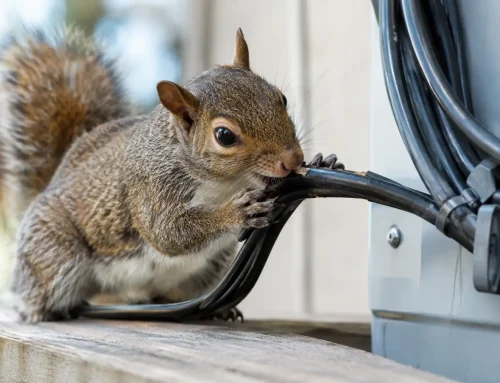
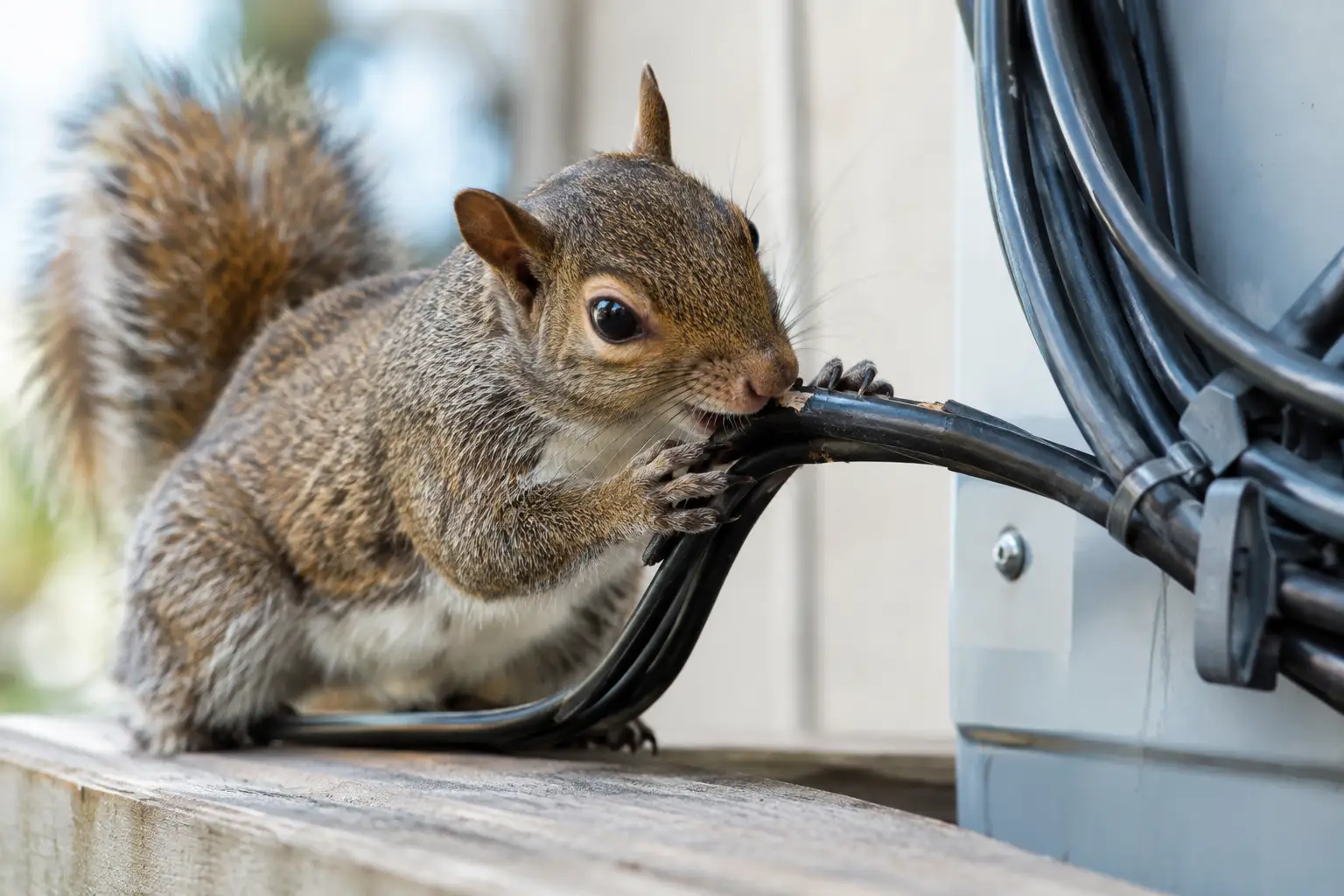
People often underestimate squirrel damage because squirrels look small compared to raccoons or other wildlife. The problem is that they chew constantly. That chewing can damage wood trim, roof decking edges, storage boxes, personal belongings, and electrical wiring. Once wiring is involved, the risk is no longer just nuisance noise. It becomes a safety issue.
Attics are especially vulnerable. Squirrels flatten and contaminate insulation, build nests with debris, and create urine and fecal buildup that affects air quality. If the infestation lasts long enough, the attic may need more than trapping. It may require removal of soiled insulation, sanitizing, deodorizing, and restoration before the space is truly recovered.
On larger properties, delays get even more expensive. A multifamily building or commercial facility may deal with repeated tenant reports, overhead noise, odor complaints, and new openings as squirrels move through connected spaces. What looked like a small wildlife issue can quickly turn into an operations problem.
What professional squirrel removal services should include
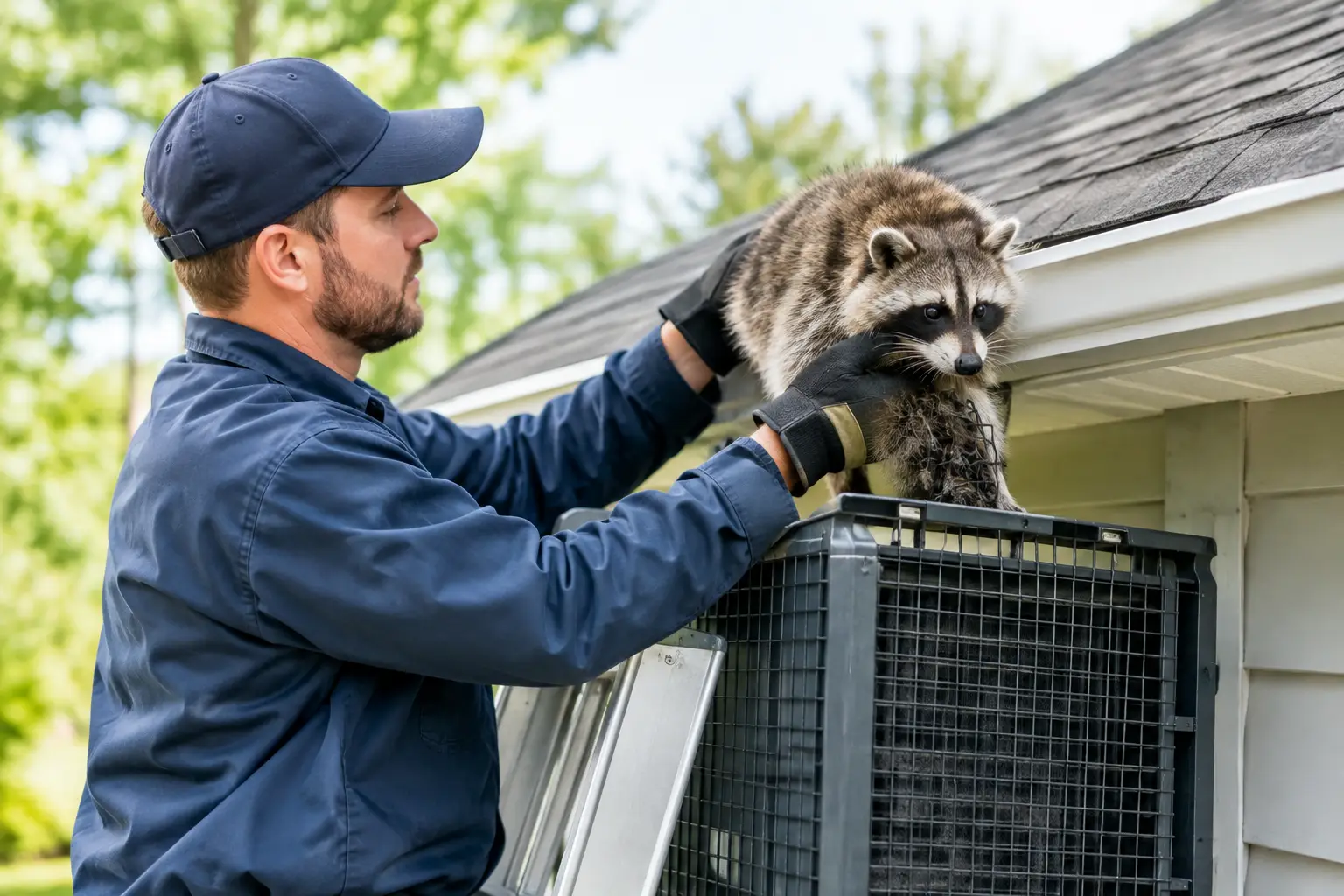
Not all wildlife work is the same. Basic trapping alone is rarely enough. Effective squirrel removal services should start with a full inspection of the structure, not just the room where noise is being heard. The technician needs to identify where squirrels are entering, whether more than one animal is involved, whether young are present, and what damage has already been done.
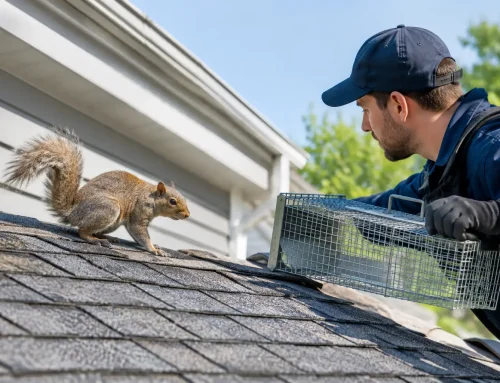
From there, humane trapping and removal should be paired with exclusion. That means sealing the accessible entry points that allowed the intrusion in the first place. If the openings remain, another squirrel can move in shortly after the first one is gone. This is one of the biggest reasons do-it-yourself efforts fail. The animal may be removed, but the structure still invites the next one.
Cleanup is another part many property owners do not think about until the smell lingers or insulation starts falling through access gaps. Nesting debris, droppings, urine contamination, and damaged insulation should be addressed as part of the recovery process. In some homes and buildings, attic restoration, insulation replacement, disinfecting, and odor treatment are just as important as the removal itself.
For that reason, full-service providers have an advantage. If one company can inspect, trap, sanitize, repair, and animal-proof the structure, the work moves faster and accountability is clearer. You are not left coordinating separate contractors while the problem continues above your ceiling.
Squirrel removal services for NYC and NJ properties
Urban and suburban properties across NYC and NJ create ideal conditions for squirrel intrusion. Dense rooflines, older housing stock, shared building walls, mature trees, utility pathways, and crowded exterior structures all give squirrels access to homes and commercial buildings. They can move from tree limbs to roofs, from roofs to vents, and from one compromised area to another with very little effort.
That local environment changes how the work should be done. In a detached suburban home, the focus may be attic access, soffit repair, and tree-related entry points. In a brownstone, mixed-use property, warehouse, or multifamily building, the inspection may need to account for shared voids, roof transitions, parapets, and difficult access areas. The service should match the building type, not rely on a one-size-fits-all trap placement.
Fast response also matters more in this market. In occupied rental properties and commercial spaces, delays can trigger tenant complaints, disrupt operations, and increase liability if contamination or damage spreads. That is why emergency availability is not just a convenience. It is part of responsible property management.
Why DIY squirrel control often makes things worse
Property owners often try to solve squirrel issues with hardware store traps, repellents, loud noises, or by closing holes immediately. The problem is that these methods usually address only the symptom. Without inspection, it is easy to trap the wrong area, miss secondary entry points, or block animals inside the structure.
Repellents are especially unreliable. A squirrel that has already built a nest in an attic is not likely to abandon a protected space because of scent-based products or sound devices. Temporary disturbance may cause the animal to shift deeper into the structure instead of leaving.
Closing an opening too early is another common mistake. If squirrels are still inside, they may chew out through another part of the building, creating even more damage. If babies are present, the result can be worse – trapped animals, odor, and a more complicated removal.
Professional service costs more than a quick do-it-yourself attempt, but failed DIY work often leads to bigger repair bills. The right question is not just what removal costs today. It is what delay, repeat infestations, and hidden damage cost if the issue is handled halfway.
What to expect during a service visit
A proper service call should feel structured and decisive. First comes inspection and confirmation of activity. The technician should evaluate the roofline, vents, soffits, attic conditions, and any visible damage. They should also determine whether the issue involves a single squirrel, multiple animals, or a nesting situation.
Next comes a removal plan based on the structure and the season. Humane trapping, one-way exit strategies where appropriate, and species-specific handling all matter. This is where experience shows. Squirrel jobs often require more precision than customers expect because access points can be small while damage spreads far beyond the opening.
Once the animals are removed, the job should move into exclusion and repair. That can include sealing entry points, protecting vents, reinforcing vulnerable roofline areas, replacing damaged materials, and addressing attic contamination. Animal Control NYC & NJ approaches wildlife work as a complete property recovery service, which is the standard serious property owners should look for.
Choosing squirrel removal services that actually solve the problem
The best company is not the one that simply offers trapping. It is the one that can resolve the animal issue, address health risks, and restore the damaged part of the building. Ask whether the service includes inspection, humane removal, cleanup, sanitizing, exclusion, and repair options. If the answer is no, you may still be left with an attic full of damage after the squirrels are gone.
It also helps to choose a provider that understands local building conditions in New York City and New Jersey. Rooflines, attached structures, older homes, and commercial facilities all create access patterns that require real field experience. Speed matters, but accuracy matters just as much.
If you are hearing movement overhead or seeing signs of squirrel activity around the roof, act before the damage spreads. A fast inspection now is usually cheaper, cleaner, and less disruptive than waiting for wiring problems, insulation collapse, or a recurring infestation. The sooner the structure is cleared, cleaned, and sealed, the sooner the property starts acting like your property again.