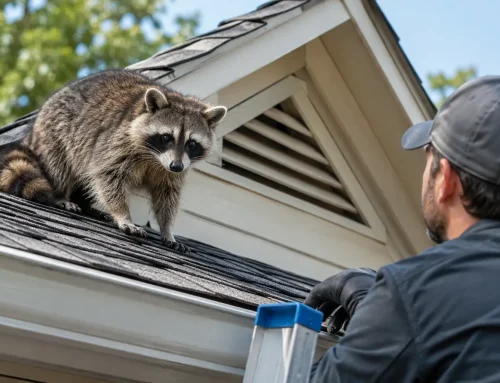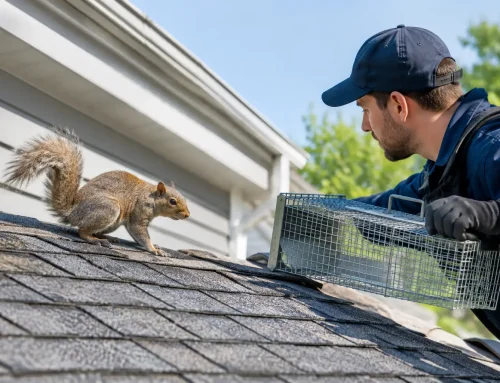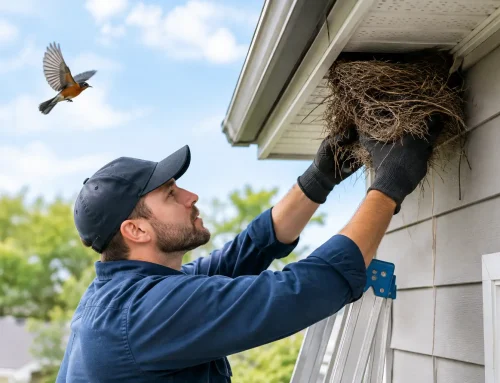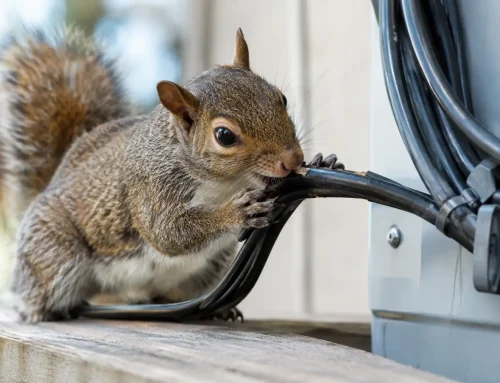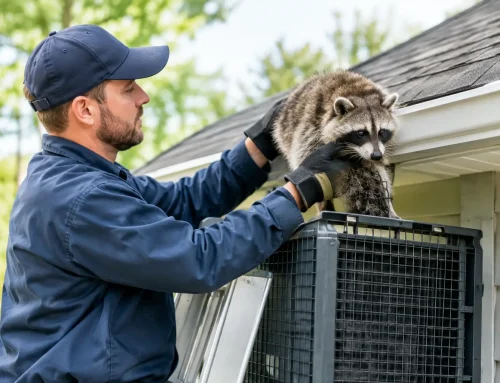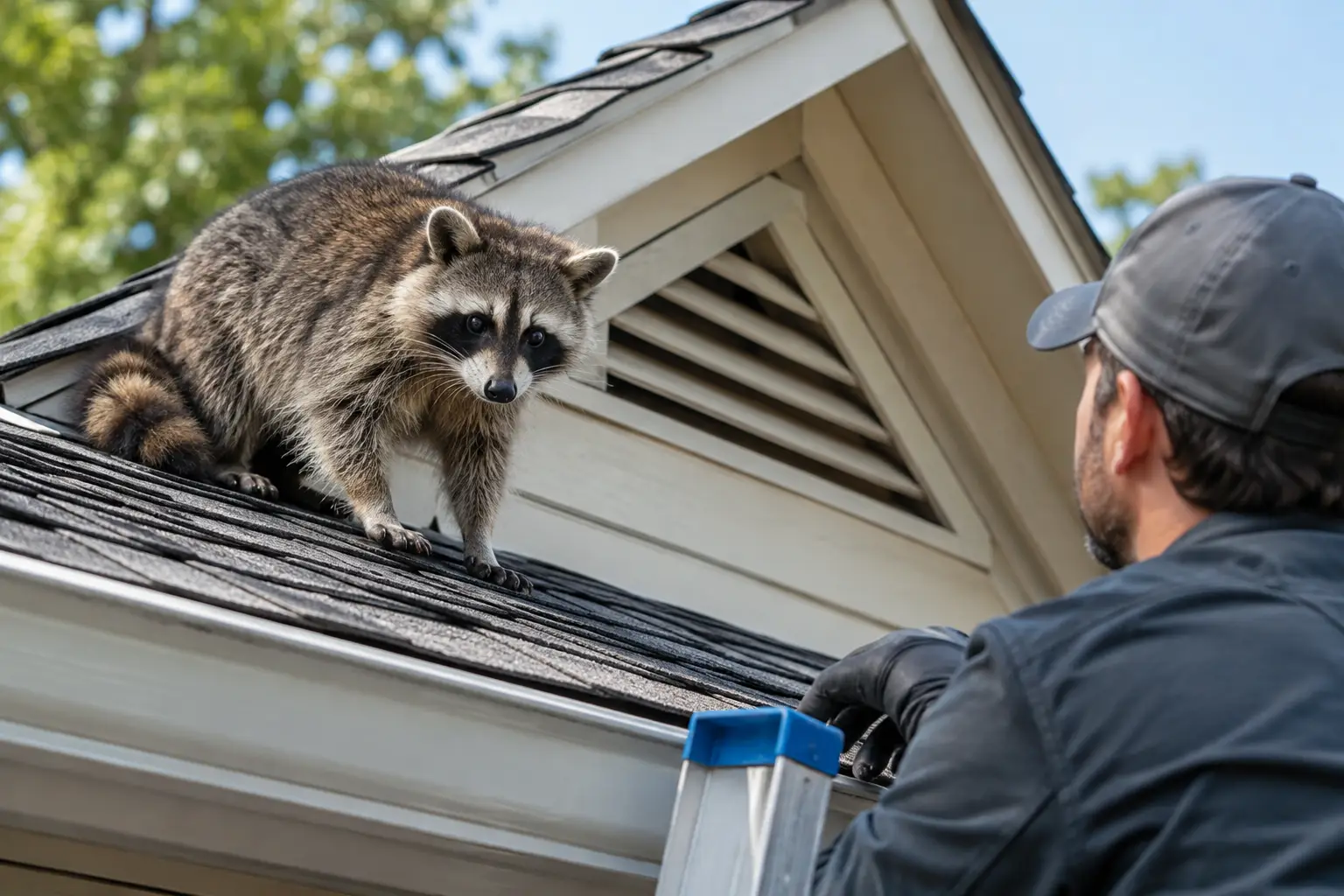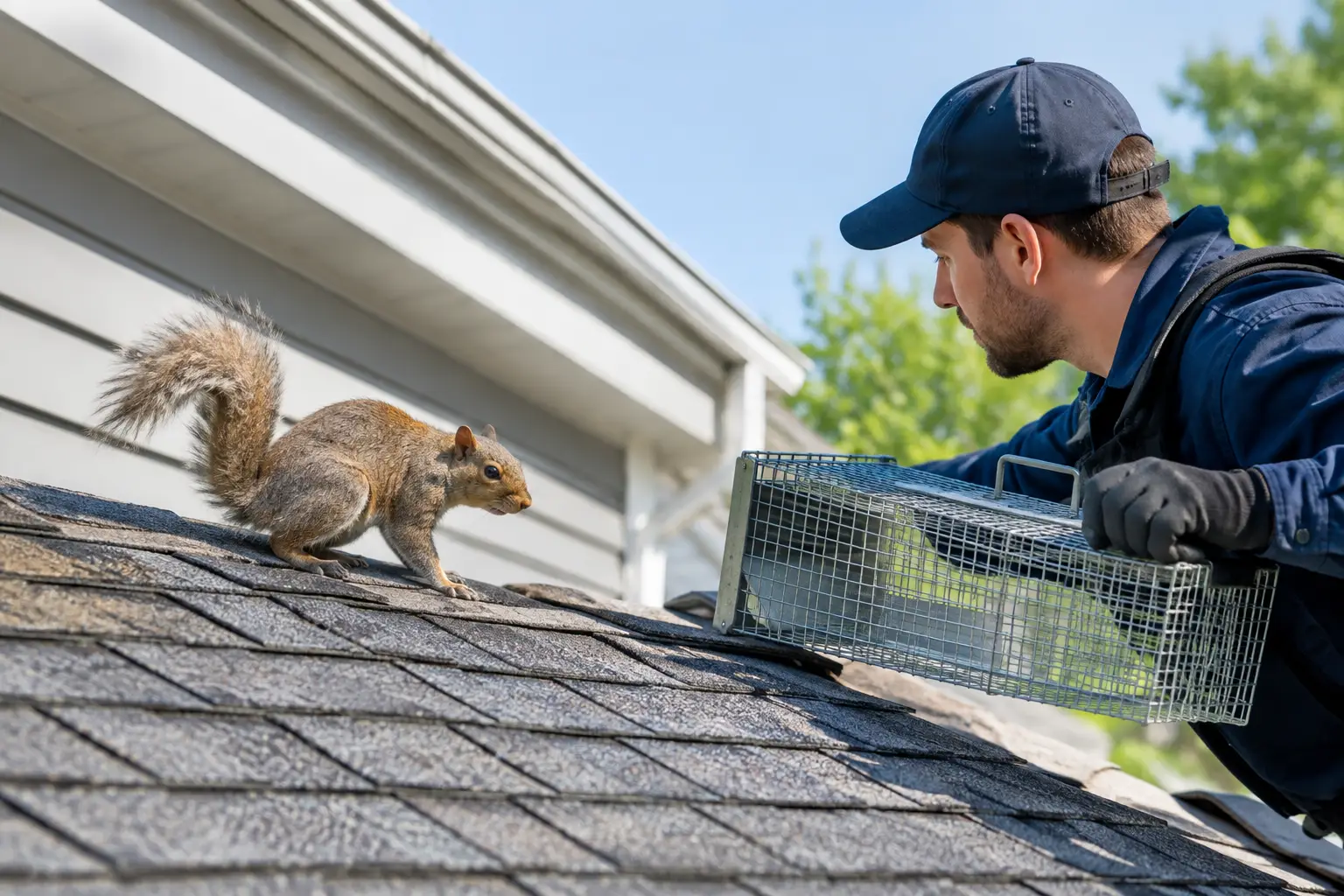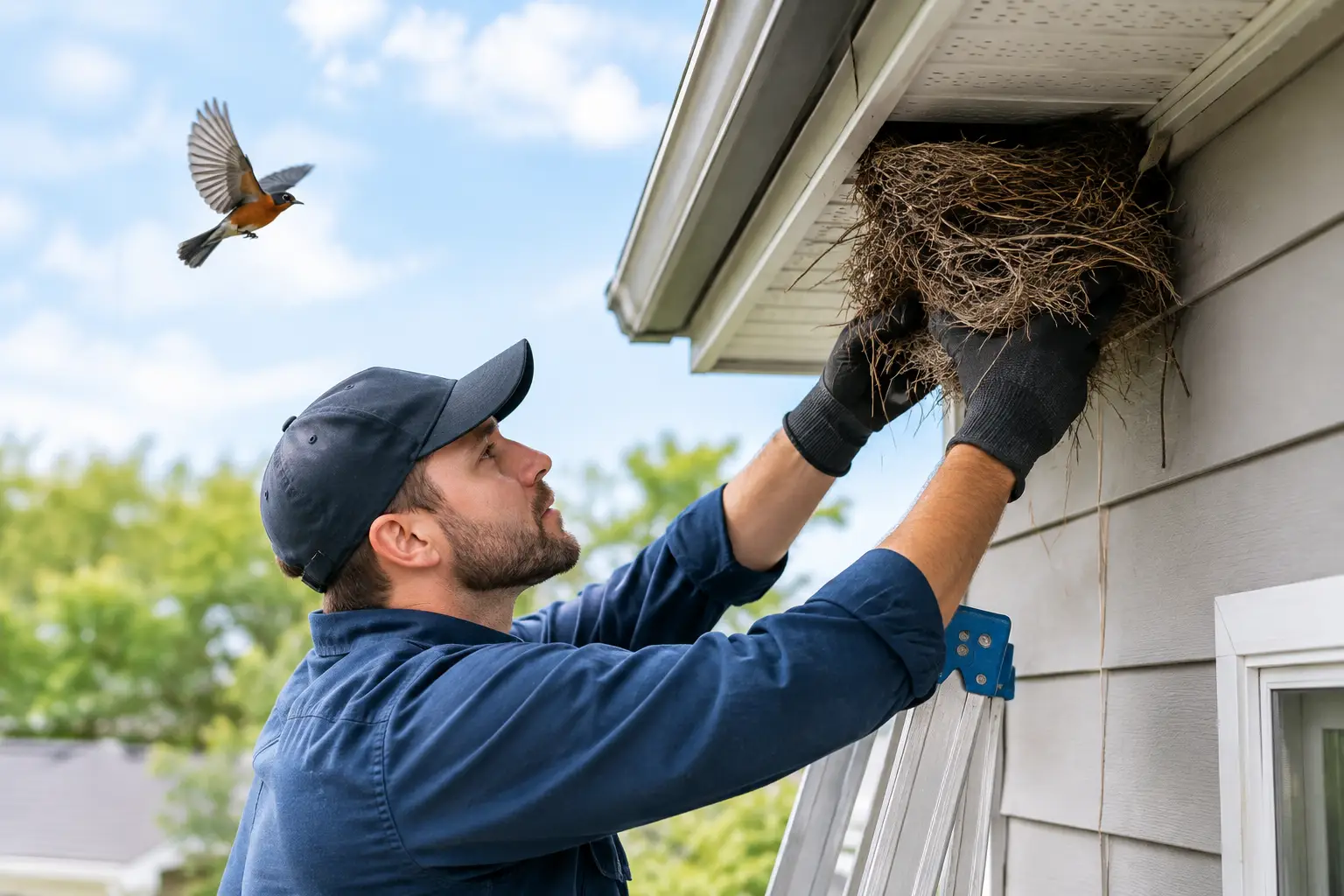
A scratching sound above the ceiling at 2 a.m. is rarely a problem that fixes itself. Squirrels, raccoons, rats, mice, bats, and birds use small roofline openings to reach attics, where they can tear insulation, chew wiring, contaminate surfaces, and create expensive damage. Proper attic proofing stops access at the structure, but it must be done in the right order: remove the animal first, then close every entry point without trapping wildlife inside.
For property owners in New York City and New Jersey, this is not just a seasonal maintenance task. Dense neighborhoods, aging buildings, attached row homes, mature trees, roof decks, and shared utility lines give wildlife plenty of routes onto a roof. A complete exclusion plan protects the attic, reduces repeat service calls, and helps preserve the building’s value.
What Attic Proofing Actually Includes
Attic proofing is the process of identifying and securing the exterior gaps, vents, roofline weaknesses, and utility penetrations that animals use to enter an attic. It is more than placing a screen over one obvious hole. Wildlife commonly finds several access points, including a main opening and smaller backup routes.
A professional inspection typically focuses on the roof edge, soffits, fascia boards, ridge vents, gable vents, roof returns, chimney flashing, dormers, pipe chases, loose siding, and areas where cables or utility lines enter the building. On older NYC and NJ properties, deteriorated wood and poorly fitted vent covers are especially common entry points.
The material matters. Animals can pull apart light plastic mesh, chew through weak foam, bend thin metal, or reopen a gap around a temporary patch. Durable attic exclusion often requires heavy-gauge galvanized steel screening, properly fastened vent guards, metal flashing, hardware cloth, and repairs to damaged structural materials. The correct solution depends on the species and the condition of the building.
Why Sealing a Hole Too Soon Can Make the Problem Worse
The biggest attic proofing mistake is sealing an active entrance before confirming that every animal has left. If a squirrel, raccoon, bat, or rodent is trapped inside, it may chew through another section of the roofline, enter wall voids, or die in an inaccessible area. A mother animal may also be separated from young that cannot leave on their own.
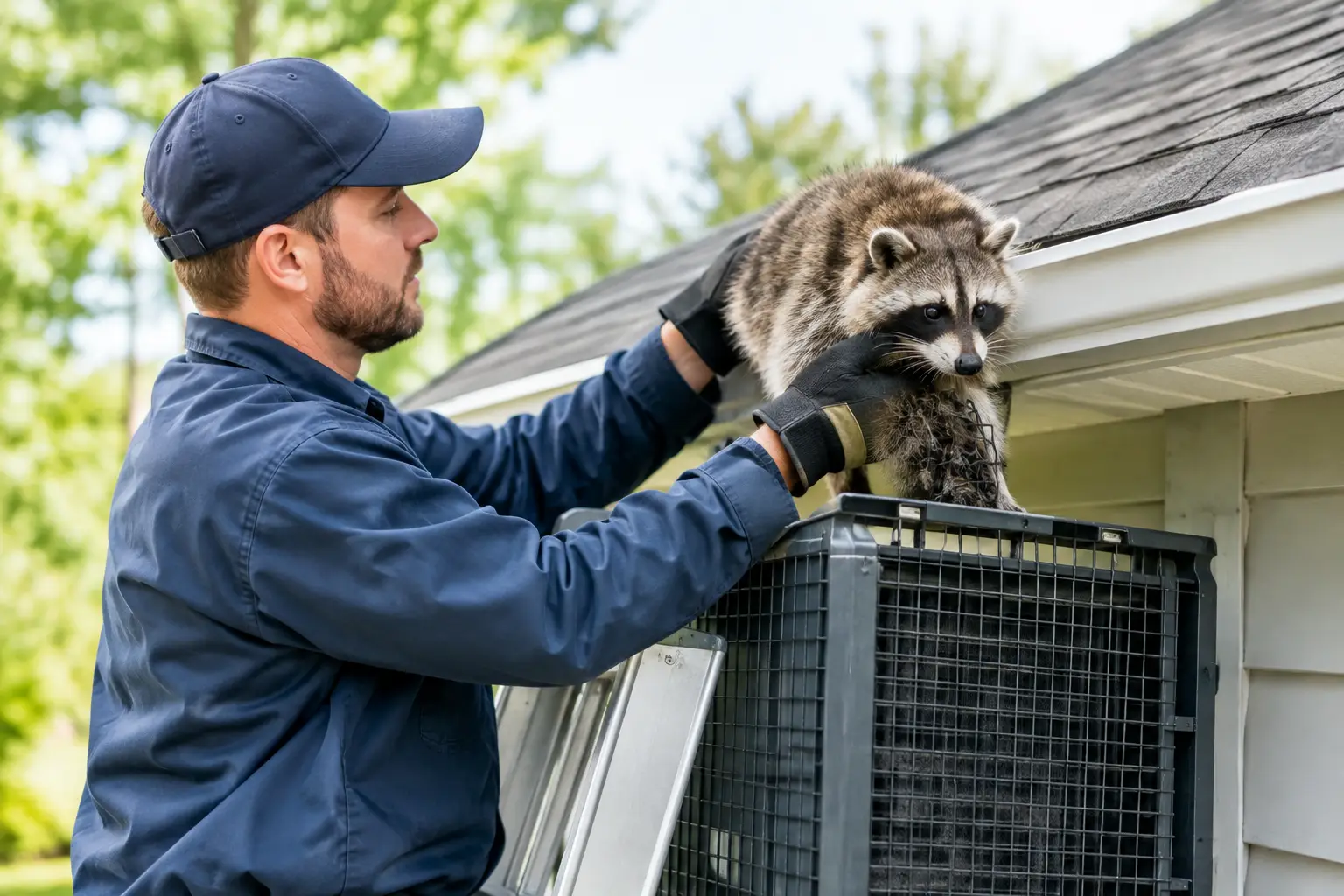
This is why humane removal and exclusion belong in the same job. Technicians first identify activity, determine the likely species, inspect for young, and locate all active travel routes. Depending on the animal, a one-way exclusion device may allow it to exit while preventing re-entry. In other situations, humane trapping or species-specific removal is necessary before repairs begin.
Timing matters. Spring and early summer can bring nesting birds, baby squirrels, and raccoon litters. Bat activity requires particular care because bats may use narrow openings and can be protected by seasonal restrictions. An experienced wildlife professional can determine whether immediate sealing is appropriate or whether a staged removal plan is safer.
Common Attic Entry Points in NYC and NJ Homes
Animals do not need a dramatic opening to get inside. Mice can fit through gaps about the width of a pencil, and bats can enter through openings as small as three-eighths of an inch. Rats, squirrels, and birds use slightly larger gaps, while raccoons can tear open weak soffits, roof vents, or damaged fascia.
The most frequent problem areas include:
- Ridge vents with missing, loose, or inadequate protective screening
- Soffit and fascia damage along roof edges
- Uncovered gable vents, attic fans, and louvered vents
- Gaps around plumbing stacks, cable lines, conduits, and HVAC penetrations
- Chimney flashing, roof intersections, and loose shingles
- Roof-to-wall gaps near additions, decks, garages, or adjoining buildings
A hole visible from the ground is often only part of the issue. Raccoons can pull apart a weak vent cover, while squirrels may gnaw an opening wider over time. Rats can travel from utility lines, tree branches, garages, or neighboring structures before entering near the roof. An inspection should follow the animal’s route, not just repair the place where noise was first noticed.
Signs You Need Attic Proofing Now
Fresh droppings, nocturnal movement, scratching, chirping, gnawing, foul odors, and ceiling stains all deserve attention. You may also notice torn soffit panels, displaced insulation, damage around vents, greasy rub marks along exterior travel routes, or debris collecting beneath a roof opening.
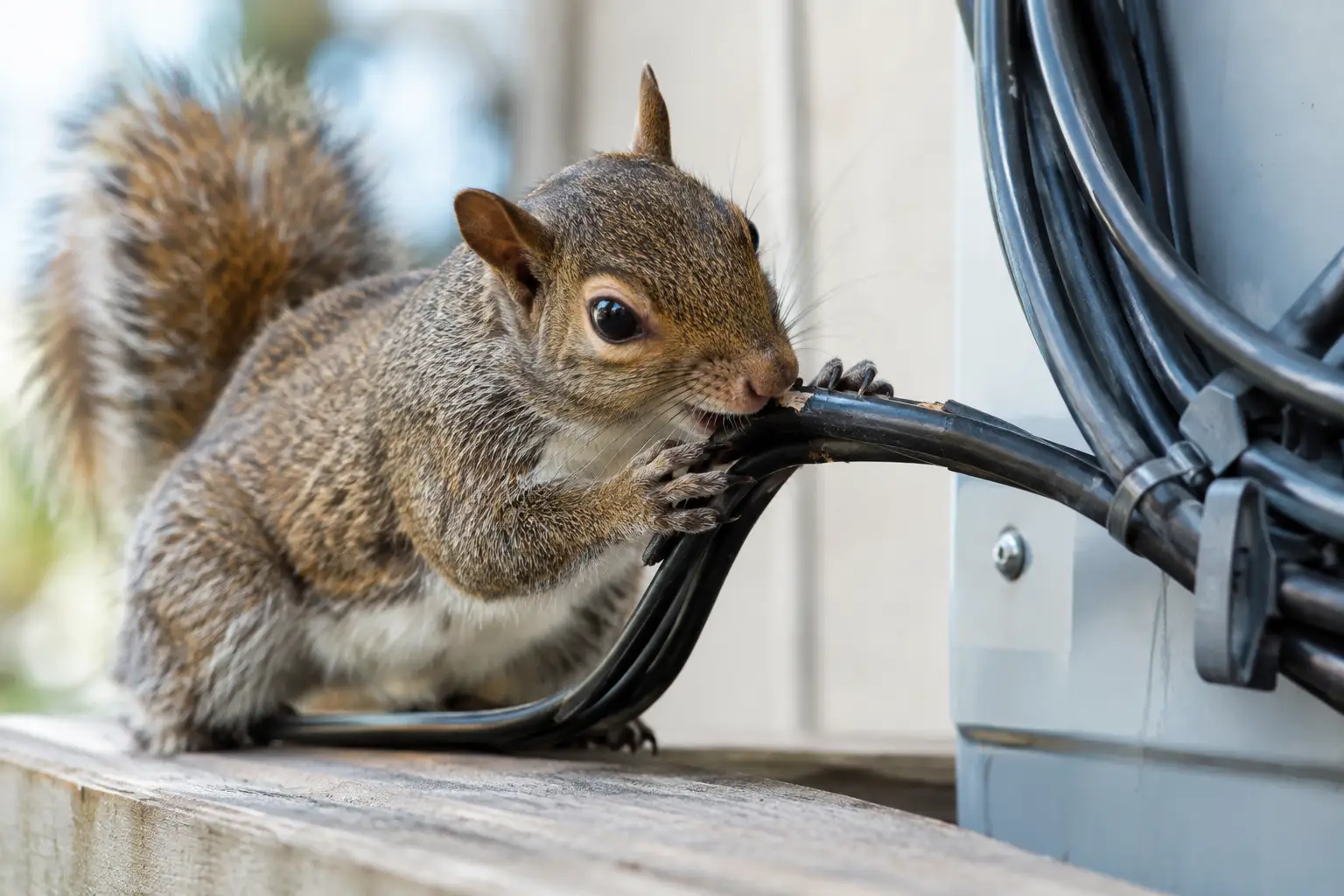
Some warning signs call for immediate professional help. A strong odor can indicate a dead animal or heavy contamination. Chewed electrical wiring can create a fire risk. Bat droppings, rodent waste, and raccoon latrines can expose occupants and maintenance staff to disease-related hazards when disturbed. Do not sweep droppings or pull down contaminated insulation without proper protective procedures.
For landlords and property managers, attic activity can quickly turn into a tenant issue. Noise, odors, flies, ceiling damage, and concerns about health risks require a fast response. Addressing the animal, the contamination, and the weak entry points in one coordinated project prevents a temporary fix from becoming an ongoing building problem.
The Right Order for Professional Attic Proofing
Effective exclusion begins with a full exterior and interior assessment. The technician looks for entry holes, paw prints, droppings, nesting material, damaged insulation, trails, and signs that animals are still active. The attic inspection helps distinguish between a current infestation and damage left from an earlier problem.
Next comes species-specific removal. A squirrel in a soffit, a raccoon in an attic, and bats behind a gable vent cannot be handled with the same approach. The removal method should protect people, avoid unnecessary harm to the animal, and prevent a panicked animal from causing more property damage.
Once the space is confirmed clear, permanent exclusion work can begin. This may include reinforcing ridge vents, screening louvers, repairing soffits and fascia, sealing utility gaps, replacing compromised vent covers, and repairing roofline damage. Any work that blocks ventilation must preserve proper airflow. Simply covering every vent with the wrong material can create moisture problems, shorten roof life, or contribute to mold.
Cleanup is the final critical step. Animals often compress or soil insulation, leave droppings and nesting debris, and create odor conditions that attract new wildlife. Depending on the damage, the attic may need waste removal, disinfection, deodorization, insulation replacement, mold treatment, or restoration of damaged materials. Proofing without cleanup leaves the consequences of the infestation behind.
DIY Repairs vs. Professional Exclusion
Homeowners can handle minor maintenance when there is no active wildlife issue, such as trimming branches away from the roof, securing loose exterior materials, and watching for damaged vent covers. But a visible gap near an attic is not automatically safe to seal. The risk is higher when there are animal sounds, droppings, babies, roof damage, or uncertainty about the species.
DIY foam, caulk, and lightweight mesh usually fail against persistent wildlife. They may look sealed initially, but rodents chew through them and raccoons can rip them away. Roof work also carries fall hazards, especially on steep, wet, or aging roofs. In attached homes and commercial properties, an improperly sealed opening can even redirect wildlife into a neighboring unit or a different area of the building.
Professional attic proofing costs more than a quick patch, but it addresses the cause of the intrusion. The value comes from inspection, humane removal, durable materials, species-specific exclusion, and cleanup coordination. It is the difference between closing one hole and protecting the entire access route.
Keep the Exterior From Becoming a Wildlife Highway
After exclusion work, routine exterior maintenance helps keep animals from testing the same vulnerable areas again. Keep tree limbs trimmed back from the roof where possible, repair loose soffits promptly, keep trash secure, and inspect vents after storms or roofing work. If a building has a recurring rodent issue, address ground-level food sources and access routes as well as attic openings.
Animal Control NYC & NJ approaches attic problems as complete property recovery: humane removal, permanent exclusion, sanitation, and repair. That approach matters because an attic should not remain a hidden source of odors, contamination, or repeat wildlife activity after the animal is gone.
When you hear movement overhead or find damage at the roofline, act before a small opening becomes a major repair. A careful inspection and properly timed attic proofing can restore a quiet, clean attic and keep wildlife where it belongs: outside.