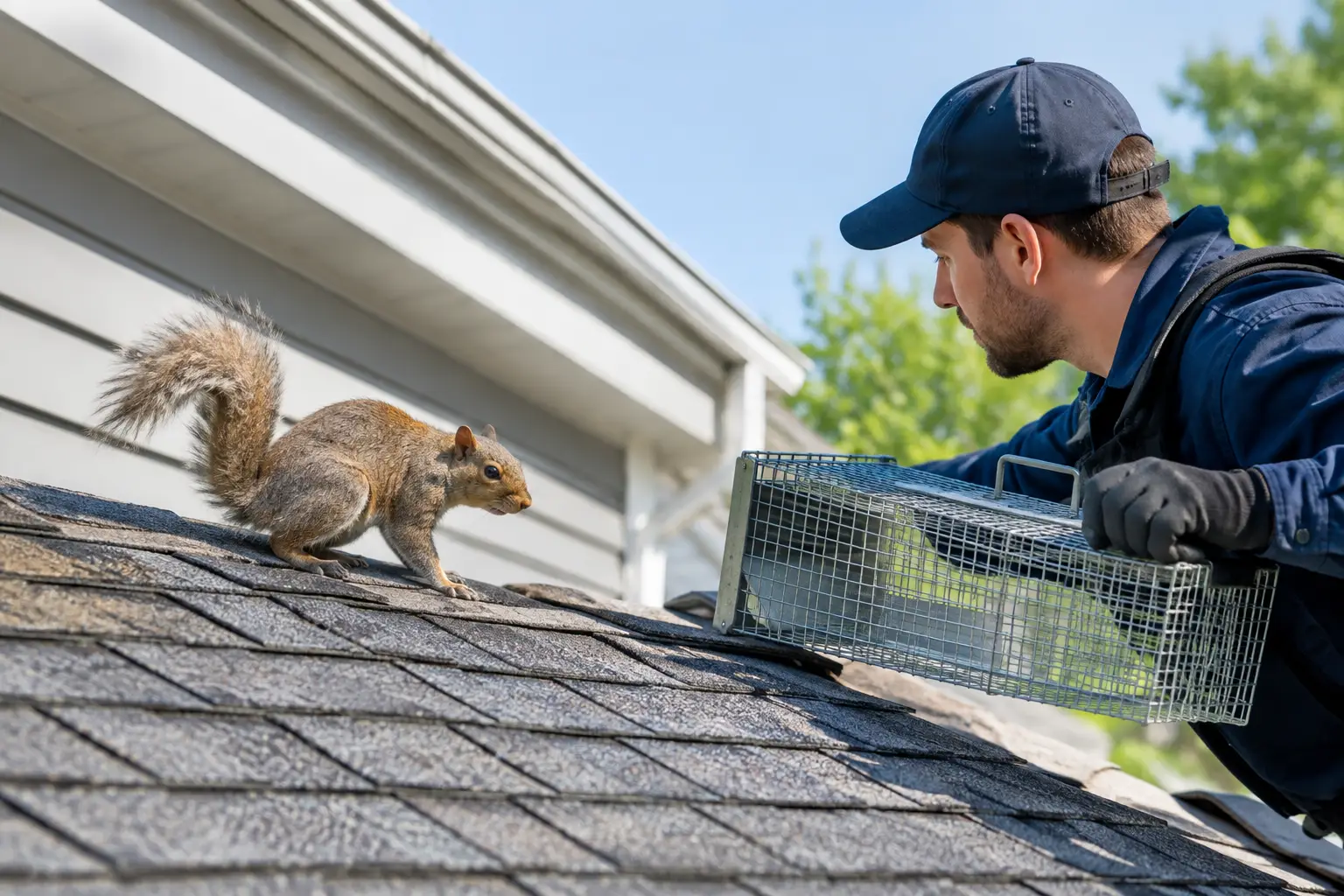
A squirrel running across a roof may look harmless. The situation changes quickly when scratching starts above the ceiling, insulation appears in the yard, or a tenant reports noises in the walls at 5 a.m. Squirrel trapping is often necessary when an animal has entered a structure, but placing a trap is only one part of solving the problem. The real job is removing the squirrel humanely, protecting people and pets, finding every entry point, and closing the building before the next squirrel moves in.
For homeowners, landlords, and commercial property managers in New York City and New Jersey, waiting can turn a single wildlife issue into damaged wiring, contaminated insulation, roof repairs, and ongoing tenant complaints. Fast, professional action limits the damage and gets the property back under control.
When Squirrel Trapping Is the Right Response
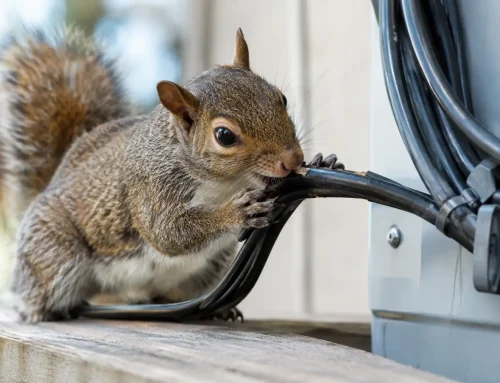
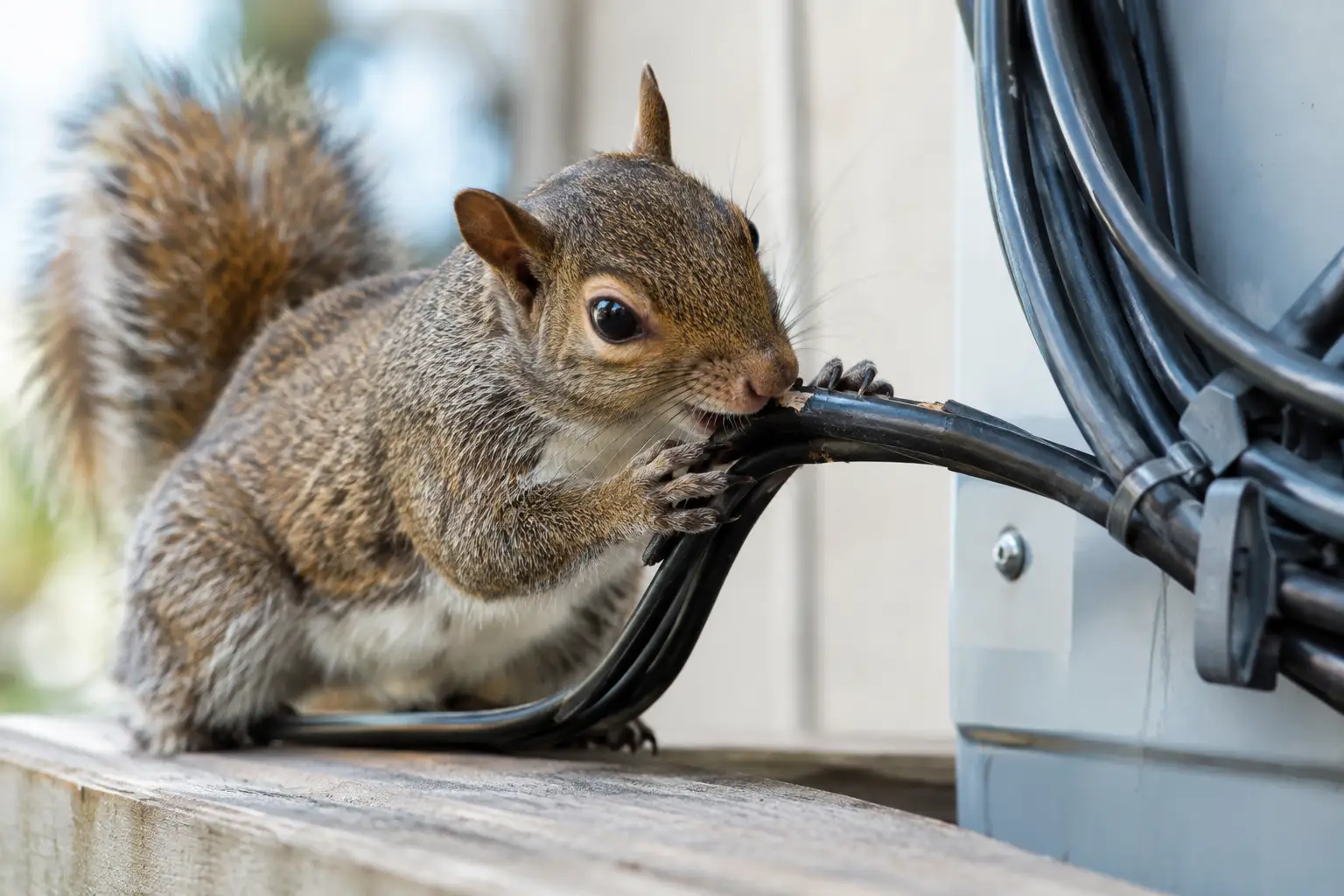
Squirrels commonly enter attics, soffits, rooflines, chimneys, crawl spaces, wall voids, and gaps around vents. In dense neighborhoods, mature trees, utility lines, fire escapes, and connected rooflines give them easy access to buildings. Once inside, they may chew wood, insulation, PVC pipes, and electrical wiring to create or enlarge a nesting space.
The strongest sign is repeated daytime activity. Squirrels are generally active after sunrise and before sunset, so running, scratching, rolling sounds, or gnawing during the day often points to a squirrel rather than a rat or raccoon. A professional inspection is still the right first move because animal sounds can be misleading, and the removal strategy depends on the species, location, season, and condition of the structure.
Watch for these signs that the issue needs immediate attention:
- Scratching, scampering, or chewing sounds in the attic or walls during daylight hours.
- Torn soffit, damaged fascia, loose vent screens, or gaps at roof intersections.
- Insulation pulled apart or compressed near an attic opening.
- Chewed wires, droppings, nesting material, or a sharp odor in enclosed spaces.
- A squirrel entering the same roof gap, vent, or chimney repeatedly.
A squirrel outside is not automatically a trapping problem. If the animal is simply using a tree or passing through a yard, exclusion and habitat adjustments may be enough. Trapping becomes appropriate when squirrels are inside the building, causing damage, or repeatedly defeating repairs.
Why DIY Squirrel Trapping Can Create Bigger Problems
A hardware-store trap may seem like a quick fix, but it can leave the actual entry problem untouched. Catching one adult squirrel does not tell you whether another squirrel is in the attic, whether a litter is present, or whether the roof opening remains accessible. If a gap is sealed too early, an animal can be trapped inside. If young squirrels are separated from their mother, they may die in the structure and create odor, insect, and sanitation issues.
There are legal and humane considerations as well. Wildlife trapping, handling, and relocation rules vary by location and species. A property owner who traps an animal without a clear plan for lawful handling, safe transport, and exclusion may create unnecessary risk. Improperly placed traps can also catch non-target animals or expose pets and children to harm.
Then there is the safety issue. Squirrels can bite or scratch when stressed. Their droppings, urine, parasites, and nesting debris may contaminate insulation and other enclosed areas. Attics also present their own hazards: unstable flooring, exposed nails, electrical wiring, poor ventilation, and tight access points. Professional wildlife technicians use species-specific equipment and inspection methods designed for these conditions.
Professional Squirrel Trapping Starts With an Inspection
Effective squirrel removal begins before any trap is set. A technician checks the exterior from the ground up, including roof edges, ridge vents, plumbing penetrations, dormers, chimneys, gable vents, soffits, and areas behind gutters. Inside, the inspection focuses on travel routes, nesting evidence, contamination, chewed materials, and the condition of insulation.
This step identifies whether the property has one active entry point or several. It also helps determine whether trapping, a one-way exclusion device, repair work, or a combination of methods is the safest approach. In many cases, the goal is not simply to catch an animal. It is to allow squirrels to exit safely while preventing re-entry once the space is clear.
Timing matters. During nesting periods, a technician must account for dependent young before sealing an opening. That is one reason a rushed patch job can become expensive. The correct approach protects the building without creating an animal welfare problem behind the walls or ceiling.
The Squirrel Trapping Process That Actually Solves the Problem
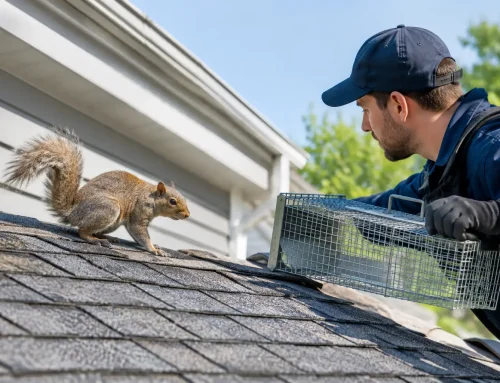
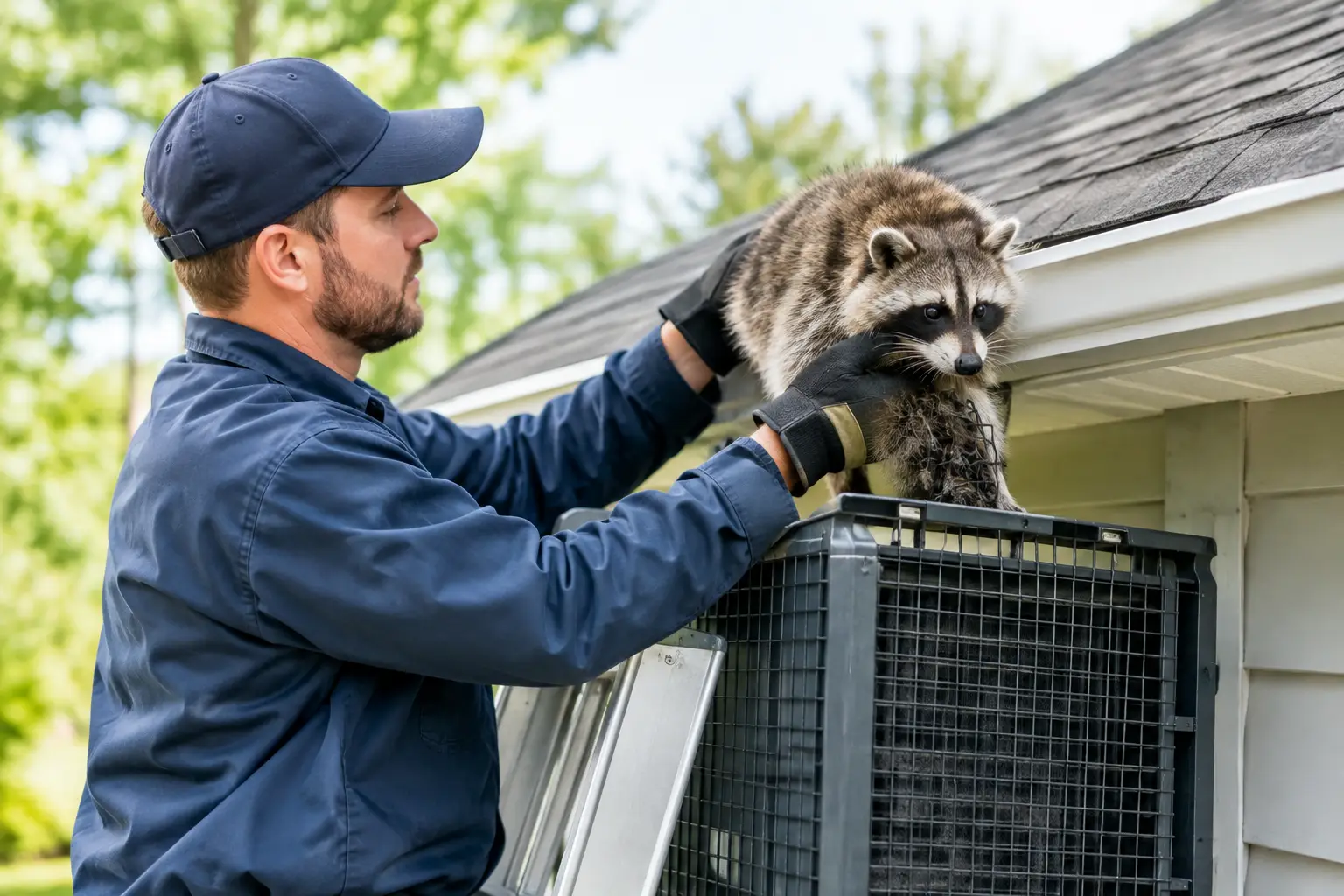
A professional squirrel trapping plan is tailored to the building and the level of activity. Traps may be positioned at active routes or near the point of entry, using secure placement that minimizes risk to people, pets, and non-target wildlife. Equipment is monitored and handled according to applicable regulations and humane practices.
Removal is only the middle of the job. Once technicians confirm that squirrels are no longer active inside, they can address the access point with durable exclusion materials. Depending on the property, this may include reinforcing vulnerable roof areas, securing attic and gable vents, protecting ridge vents, repairing soffit damage, screening chimney openings, or correcting gaps around exterior structures.
A proper exclusion repair must be strong enough to resist gnawing and weather exposure while still allowing the building to ventilate as designed. Covering a vent with the wrong material can restrict airflow or fail quickly. This is where wildlife control and construction knowledge need to work together.
Clean Up the Damage Before It Becomes a Second Problem
Squirrels do not always leave obvious damage behind. Attic insulation can hold urine, droppings, nesting material, and odors long after removal. Chewed wires should be evaluated promptly, particularly in older buildings where electrical systems may already be vulnerable. Water intrusion around a damaged soffit or roofline can also lead to mold and wood deterioration.
Post-removal work may include removing contaminated insulation, disinfecting affected surfaces, deodorizing enclosed spaces, and installing clean insulation where needed. In crawl spaces and attics, technicians may also identify moisture conditions that make the area more attractive to wildlife or contribute to mold growth.
For multifamily and commercial properties, cleanup is not just about appearance. It helps protect maintenance staff, tenants, customers, and future occupants from avoidable exposure to contaminated materials. It also documents that the property was addressed thoroughly rather than patched temporarily.
Preventing the Next Squirrel Entry
Squirrel prevention is most effective when it focuses on the building, not just the animals outside. Tree branches should be managed where practical, especially when they create a direct bridge to a roof. Garbage areas should be kept closed and clean. Bird feeders near structures can attract squirrels and encourage repeat visits.
Still, landscaping alone will not secure an attic. Squirrels can climb siding, brick, downspouts, utility lines, and nearby structures. Durable exclusion work at the roofline and vents is the more reliable defense. Property managers should also include exterior wildlife checks in seasonal maintenance, particularly after storms, roof work, or construction projects that may loosen flashing or create new gaps.
If squirrel activity returns after a previous removal, do not assume the original work failed without another inspection. New damage, a second entry point, or changes to the surrounding property can create a new route. Wildlife behavior and building conditions both change over time.
Get Help Before Attic Damage Spreads
Squirrels can turn a small roofline opening into a serious property repair issue faster than most owners expect. Animal Control NYC & NJ provides professional wildlife trapping and removal, exclusion repairs, attic cleanup, sanitation, and restoration for properties across NYC and New Jersey. The goal is straightforward: remove the active animals humanely, correct the conditions that allowed entry, and leave the structure protected.
If you hear daytime scratching overhead or see squirrels entering a roof gap, treat it as an active building issue rather than a nuisance that might disappear. Early inspection gives you more humane removal options and a better chance of avoiding major repairs later.