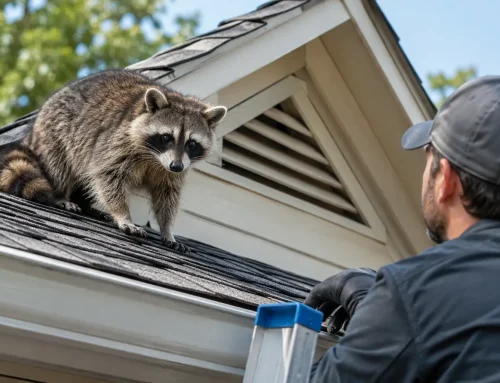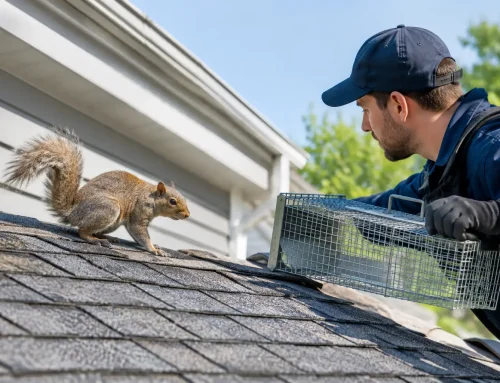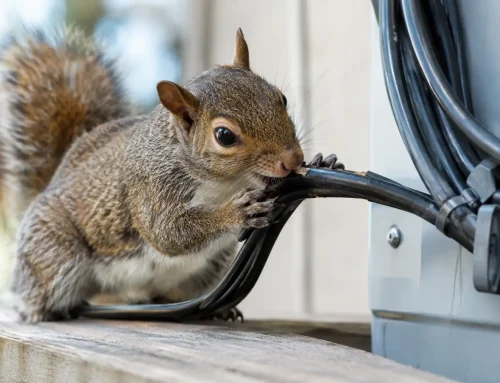
A crawl space can look quiet from above while becoming a nesting site, feeding area, or travel route below your floors. Once rats, mice, raccoons, squirrels, opossums, or stray cats get inside, crawlspace animal proofing is the step that stops a one-time removal from turning into a repeat infestation. It protects the structure, reduces contamination risks, and closes the openings animals use to return.
For homeowners, landlords, and property managers in New York City and New Jersey, this work needs to be done in the right order. Sealing a crawl space before confirming that every animal is out can trap wildlife inside. Removing an animal without repairing the entry point leaves the property exposed again the same night.
Why Animals Target Crawl Spaces
Crawl spaces offer what urban and suburban wildlife looks for: darkness, shelter from weather, warmth from plumbing or ductwork, and limited human activity. A loose foundation vent, damaged lattice panel, uncapped pipe opening, or gap where utility lines enter the building can be enough for small rodents to enter. Larger openings under porches, additions, decks, and low exterior walls may allow raccoons, opossums, or feral cats to get through.
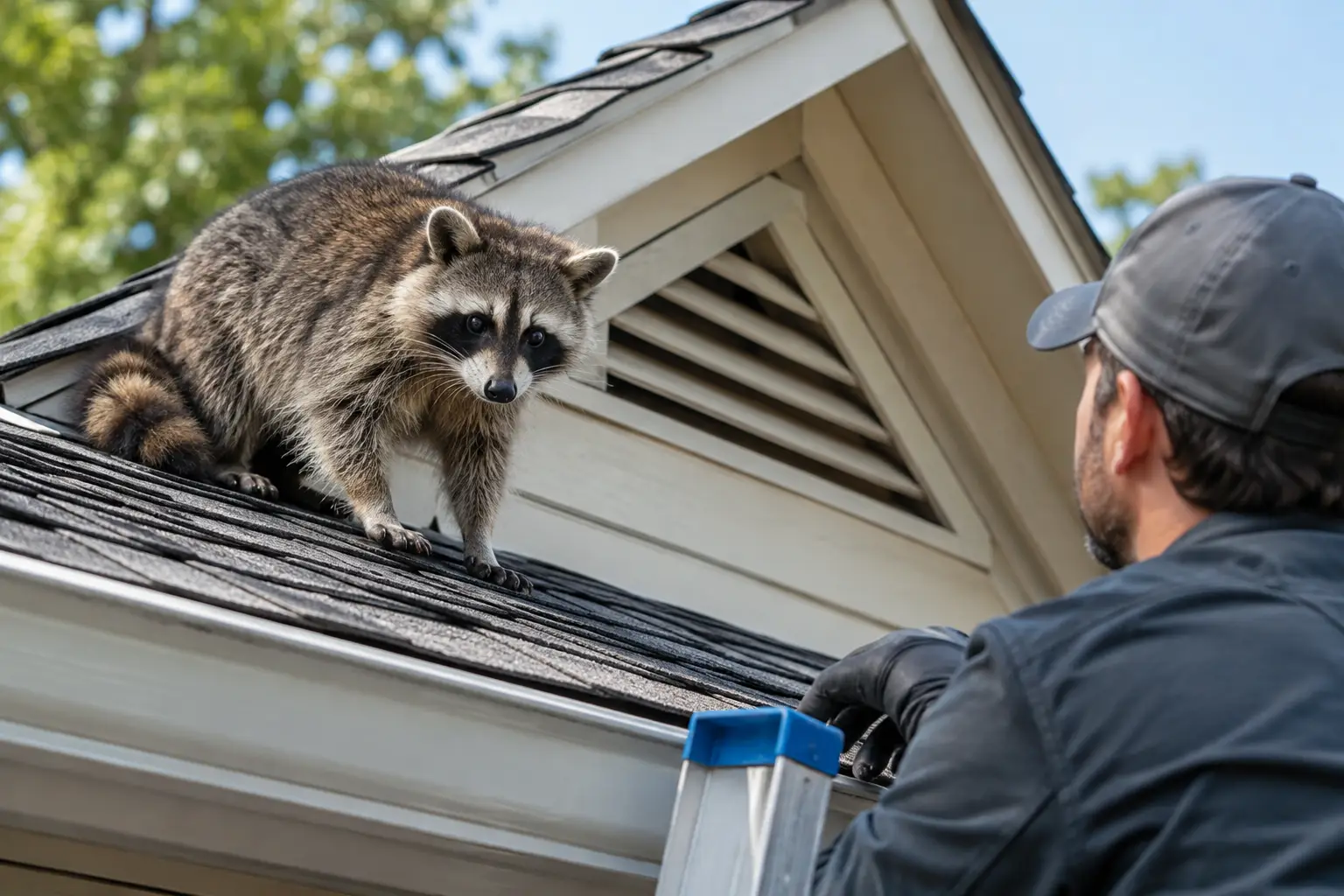
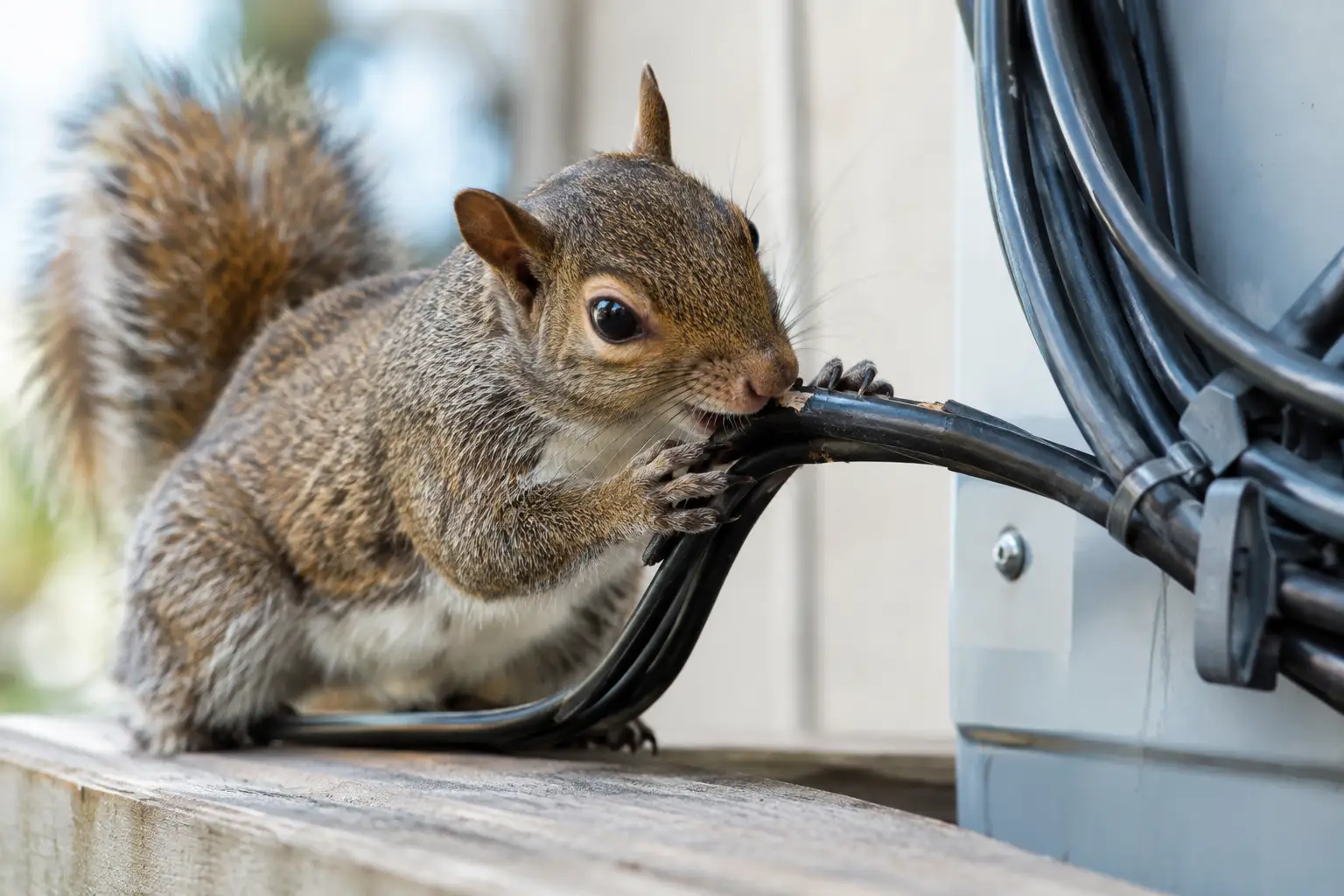
Rats and mice often use crawl spaces as a protected base before moving into wall voids, kitchens, basements, or commercial storage areas. Raccoons can tear insulation, damage ductwork, and leave heavy contamination. Squirrels may enter through small structural gaps and chew wood, wiring, and vapor barriers. The species matters because the removal and exclusion plan must match the animal’s behavior and the size of the entry point.
A musty odor, scratching below the floor, droppings, torn insulation, gnawed wiring, or insulation pulled into a nest are all warning signs. In multifamily buildings and commercial properties, tenant complaints about odors, insects, or rodent activity can also point to a crawl space problem that has been left untreated.
Crawlspace Animal Proofing Starts With Inspection
Effective crawlspace animal proofing is not simply putting wire mesh over a vent. A professional inspection identifies how animals got in, whether they are still active, where they are nesting, and what damage or sanitation work is required.
The inspection should cover the crawl space interior and the exterior perimeter, including foundation vents, access doors, utility penetrations, window wells, porch areas, drainage openings, roofline-to-wall transitions, and gaps hidden behind landscaping or stored materials. Professionals also look for secondary entry points. Animals frequently have more than one route in and out, especially in older NYC and NJ properties with patched foundations, additions, or aging vent covers.
Fresh tracks, droppings, rub marks, nesting material, and damaged screening help determine activity levels. This matters because an opening can look old while the infestation is current. If a mother raccoon or opossum has young inside, removal must be handled humanely and carefully before exclusion work begins.
Removal Must Come Before Sealing
The right sequence is inspection, removal, confirmation of exit, cleanup, and exclusion. Skipping any stage creates expensive problems.
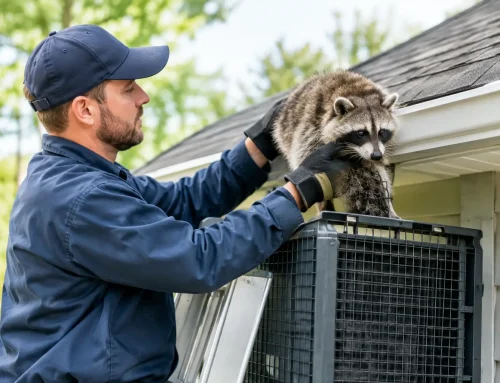
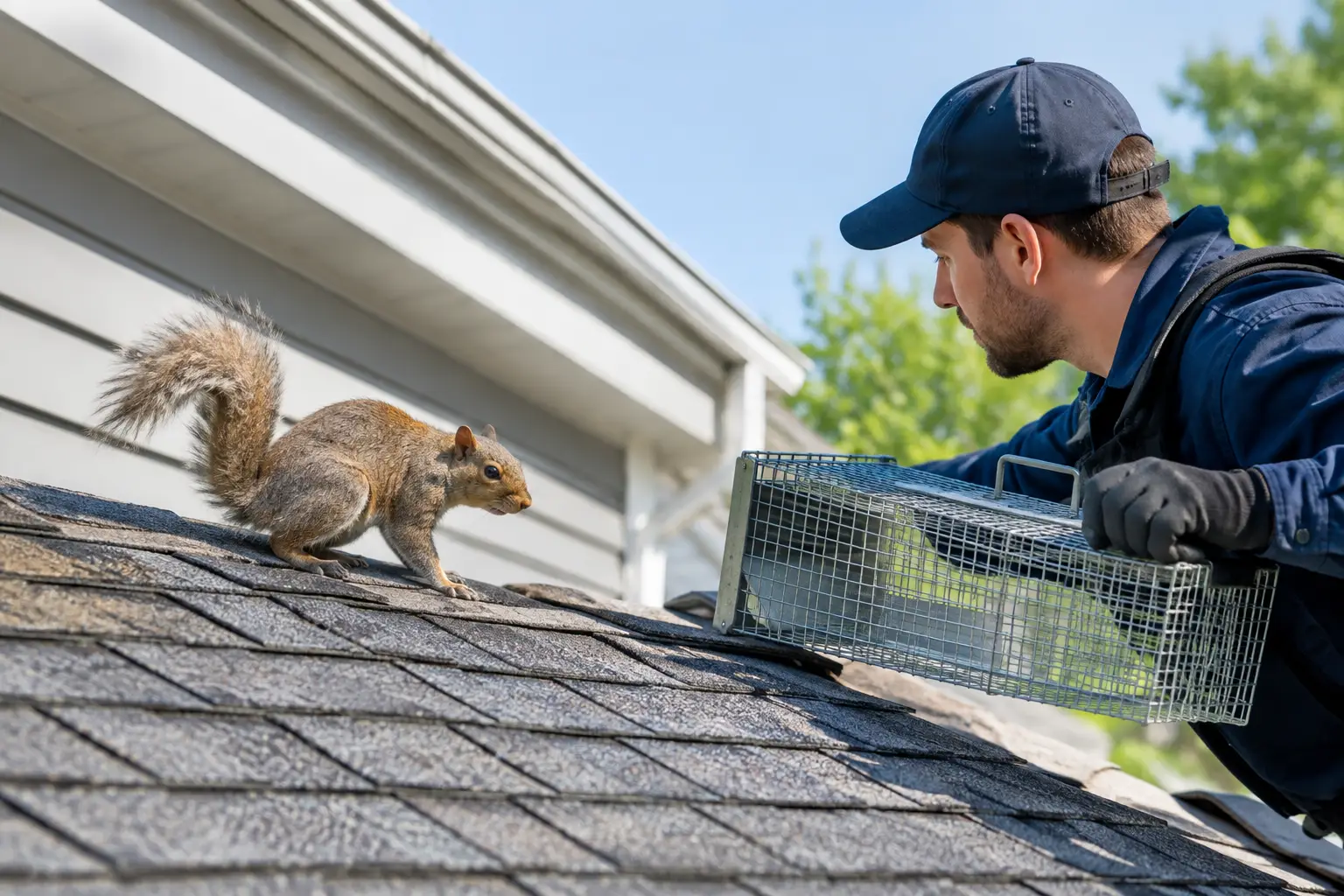
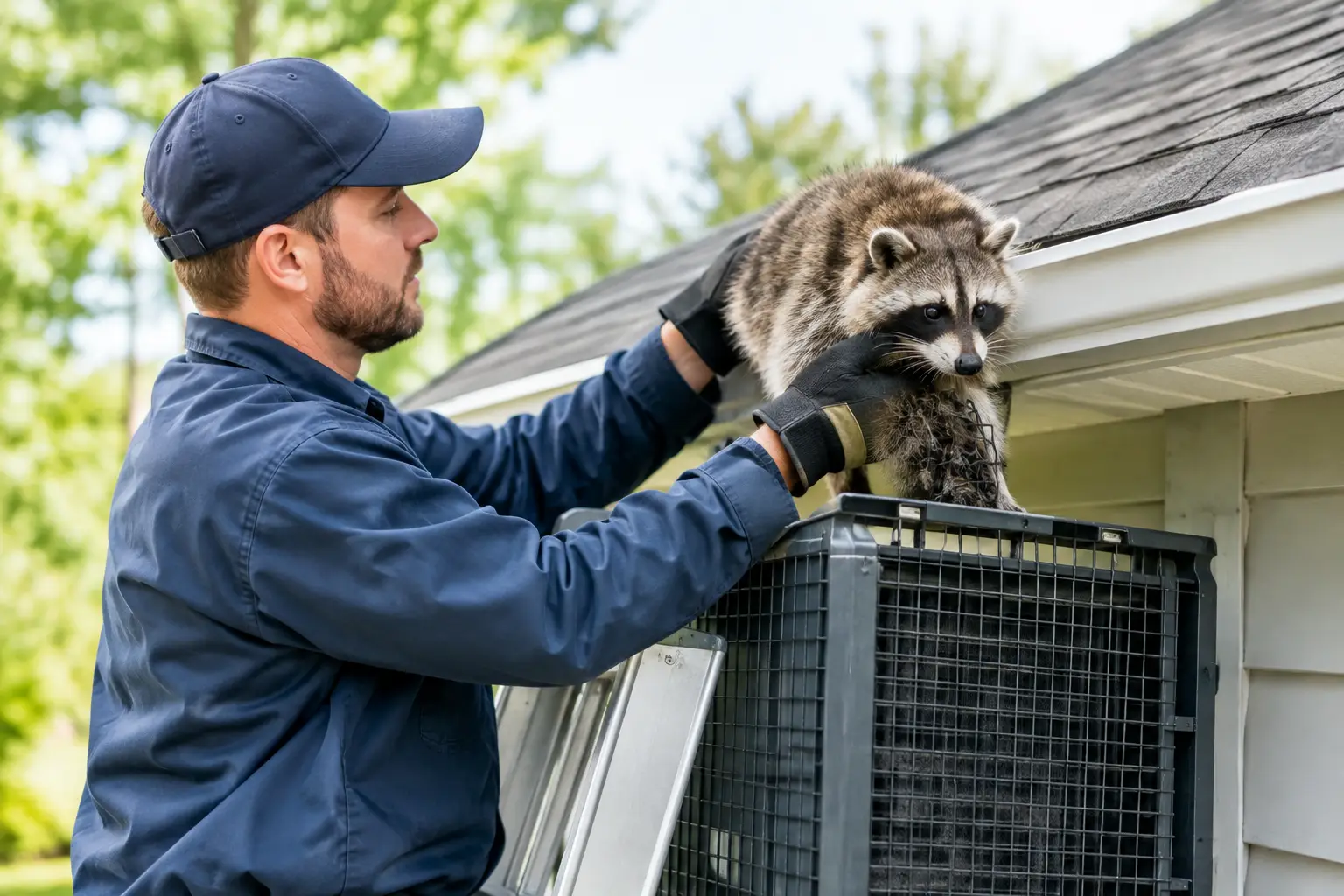
For rodents, a control plan may include targeted trapping and population reduction before all gaps are sealed. For raccoons, squirrels, or opossums, humane trapping or one-way exclusion methods may be appropriate depending on the season, species, and site conditions. A one-way door can allow an animal to leave while preventing re-entry, but it should only be installed when there is a verified primary exit and no dependent young left behind.
Never block an active opening with foam, wood scraps, or a temporary screen if you are not sure what is inside. Animals trapped beneath a building may chew new exits into siding, floors, ductwork, or walls. In some cases, they may die in inaccessible areas, creating odor and insect issues that require additional removal and disinfection.
Animal Control NYC & NJ provides humane wildlife removal alongside the repair work needed to keep animals from coming back. That full-service approach is especially valuable when a crawl space has contamination, damaged insulation, mold concerns, or multiple entry points that require more than a quick patch.
Materials That Hold Up Against Wildlife
Exclusion materials need to resist chewing, pulling, weather, and routine building movement. Thin plastic vent covers and loose chicken wire are rarely enough. Rodents can chew through weak materials, while raccoons can pull apart poorly secured screening.
Professional repairs commonly use heavy-gauge galvanized steel mesh, hardware cloth, metal flashing, reinforced vent covers, secure access-door repairs, and durable fasteners anchored into sound masonry or framing. The mesh opening must be small enough to stop mice and rats while still allowing proper ventilation where ventilation is required.
Every repair has to account for moisture. A crawl space cannot be sealed carelessly in a way that traps water, blocks intended drainage, or worsens mold conditions. Depending on the building, the correct solution may include protected vents, vapor barrier repair, drainage correction, access-door replacement, or sealing utility gaps with pest-resistant materials. The goal is to deny animal access without creating a moisture problem underneath the property.
Cleanup Is Part of the Proofing Job
Animal waste in a crawl space is more than an odor issue. Droppings, urine, nesting debris, and carcass material can attract insects, create unpleasant smells that rise into living areas, and expose occupants or workers to potential health concerns. Rodent droppings can contaminate insulation and stored materials. Raccoon waste requires special care because it may contain parasites.
Cleanup should begin only after active animals have been removed. The affected area may need removal of contaminated insulation and nesting material, disinfection of surfaces, odor treatment, and replacement of damaged vapor barriers. If moisture has been present for a long period, mold remediation may also be necessary.
This is where the lowest quote can become the most expensive choice. A company that only sets traps may solve the immediate animal problem but leave behind waste, damaged insulation, and open entry points. A complete crawl space service addresses the animal, the contamination, and the structural vulnerability at the same time.
Common Mistakes That Lead to Repeat Infestations
Property owners often notice the problem after hearing movement or smelling an odor, then seal the most obvious hole. Unfortunately, animals are good at finding overlooked gaps. The most common repeat-infestation issues include leaving utility penetrations open, using weak screening, failing to secure crawl space doors, and ignoring damage beneath decks or additions.
Another mistake is treating every sound as a rodent problem. A raccoon, squirrel, opossum, rat, or cat may require a different removal method and different repair standard. Misidentifying the species can result in ineffective trapping, trapped young, or a gap repair that does not withstand the animal’s strength.
Season also matters. Spring and early summer often bring nesting activity, while colder weather pushes animals toward sheltered spaces. A crawl space that seems inactive in one season may become an active entry point later unless all vulnerable areas are addressed.
When to Call for Professional Help
Call for professional service promptly if you see a raccoon or opossum entering beneath the building, find substantial droppings, smell a persistent dead-animal odor, hear repeated scratching below floors, or notice damaged vents and insulation. Fast action can prevent animals from moving farther into walls or living spaces.
For landlords and facility operators, speed also protects tenants, reduces complaints, and helps limit damage to wiring, HVAC systems, insulation, and structural materials. Emergency wildlife situations should not be handled with poison, unsecured traps, or do-it-yourself sealing that risks trapping an animal inside.
A properly protected crawl space is not just cleaner and quieter. It removes the sheltered entry route that wildlife depends on. If you suspect activity below your property, arrange an inspection before the damage spreads, then make sure removal, sanitation, and permanent exclusion are completed as one coordinated job.