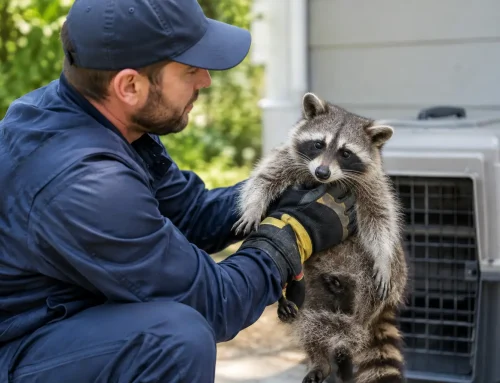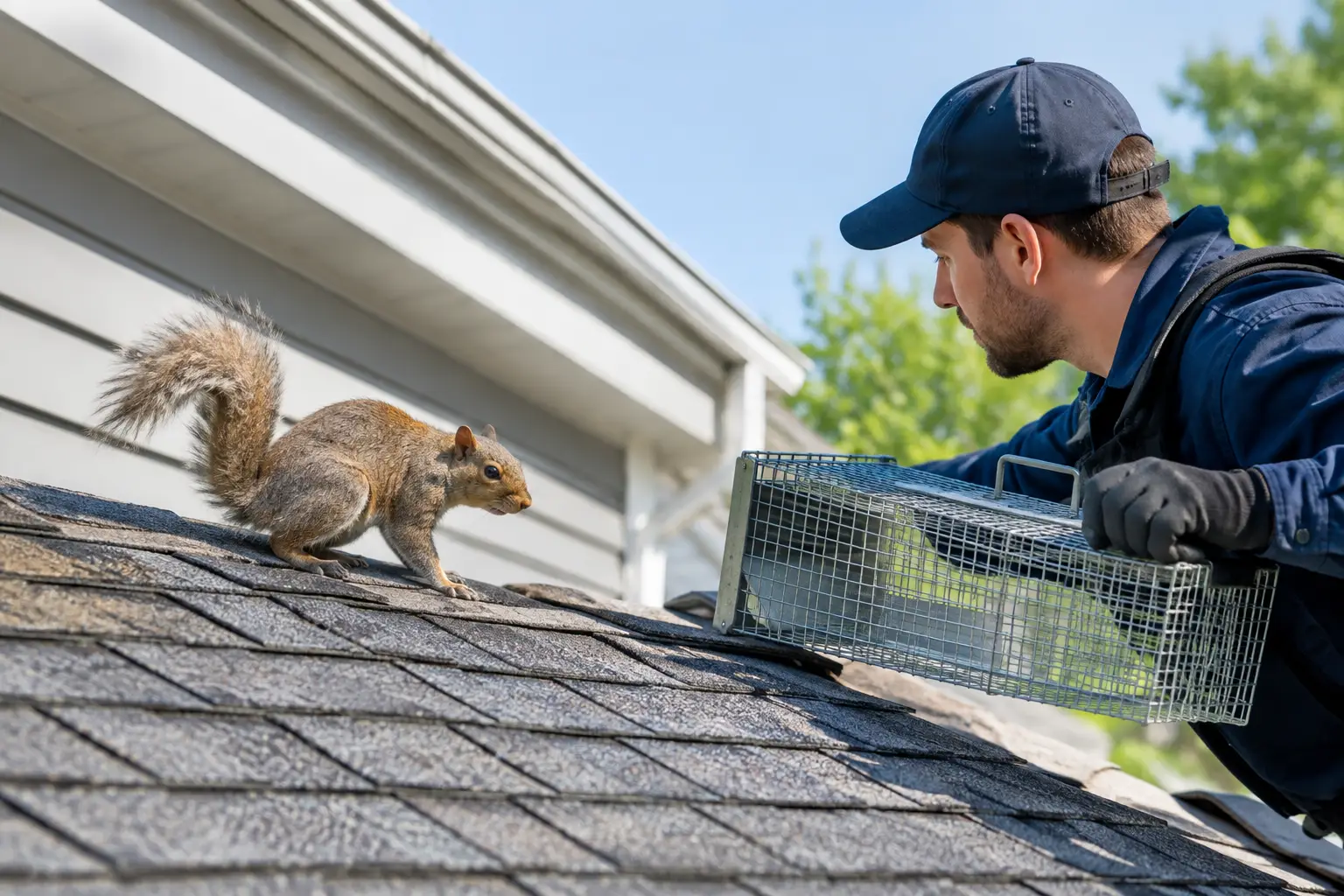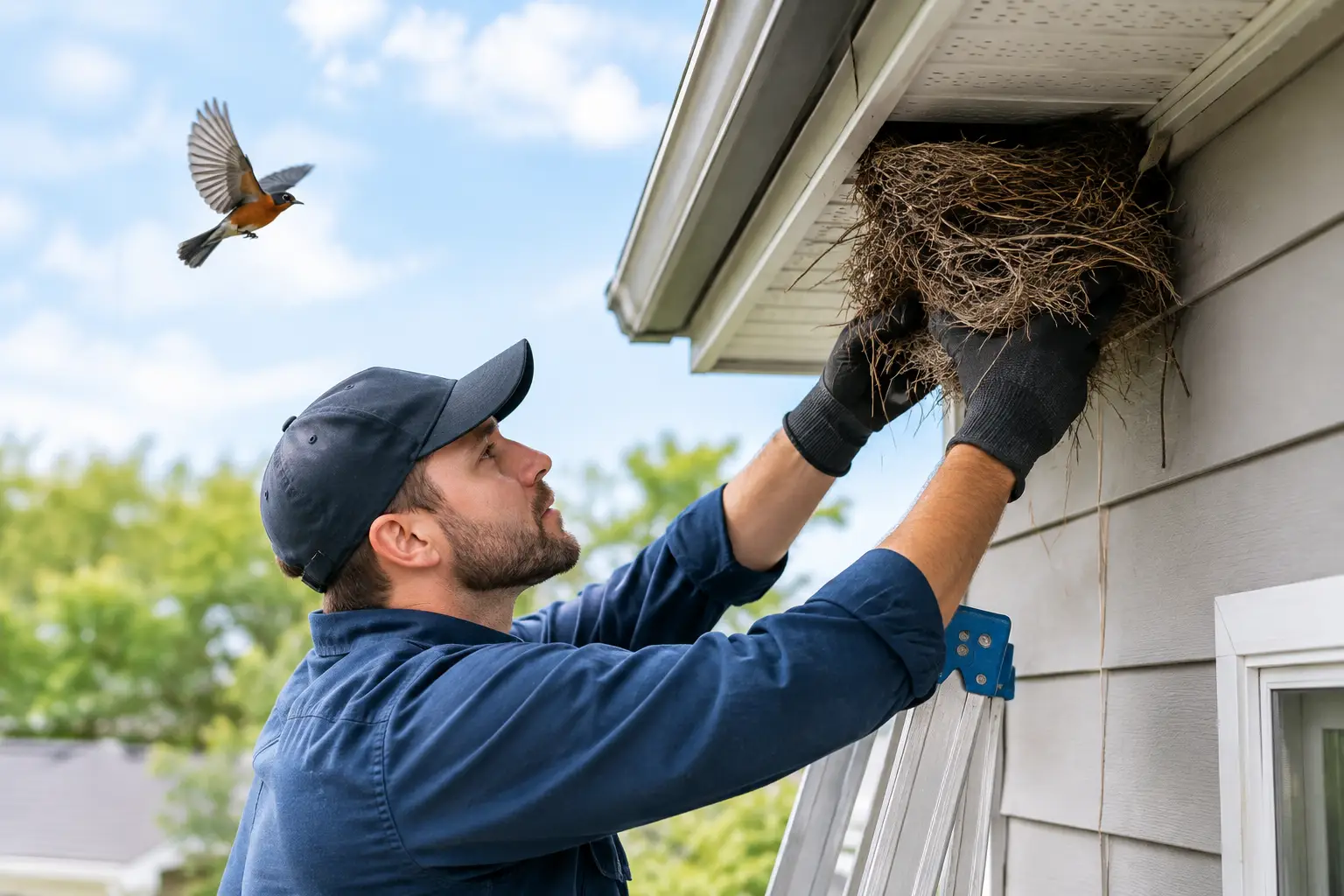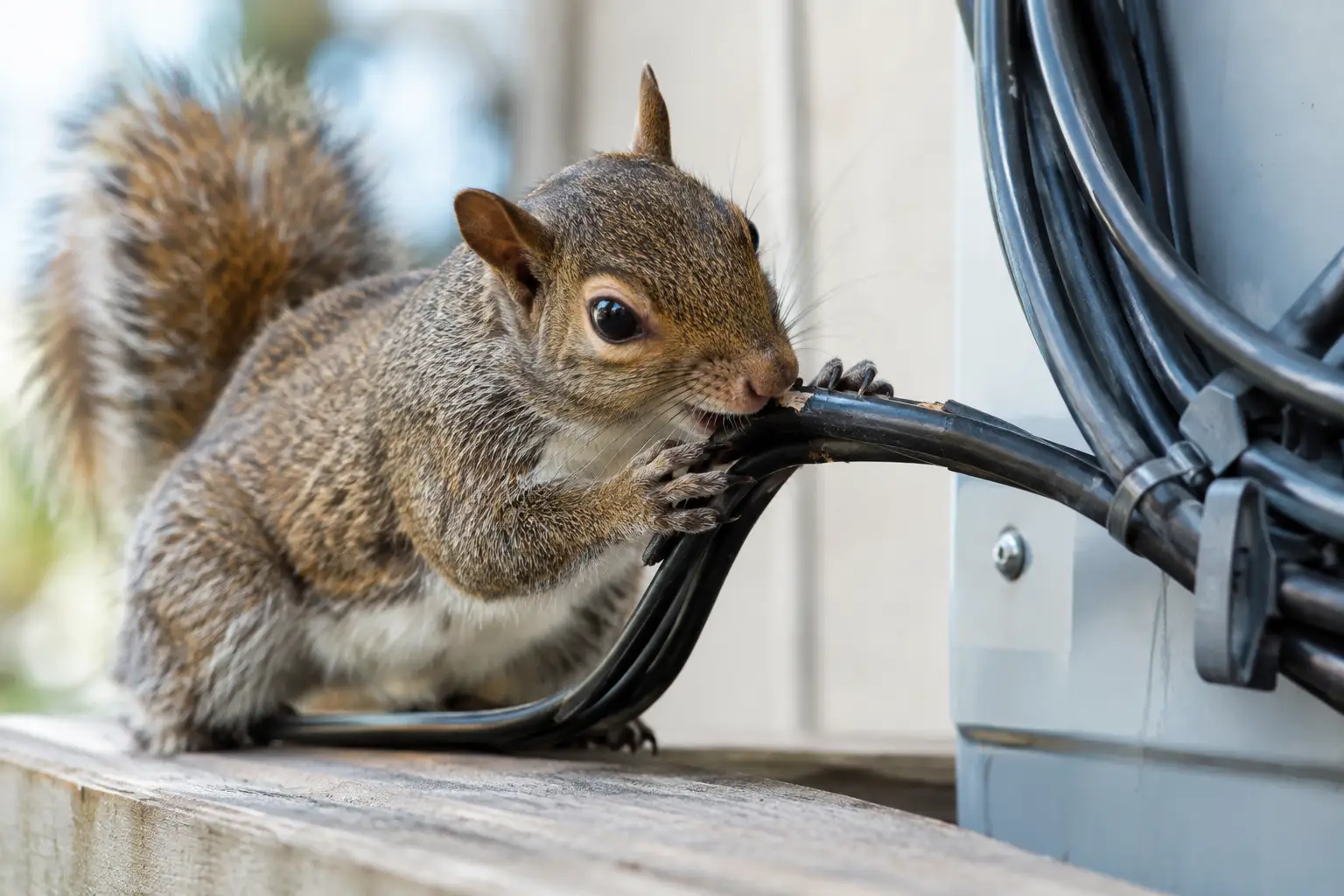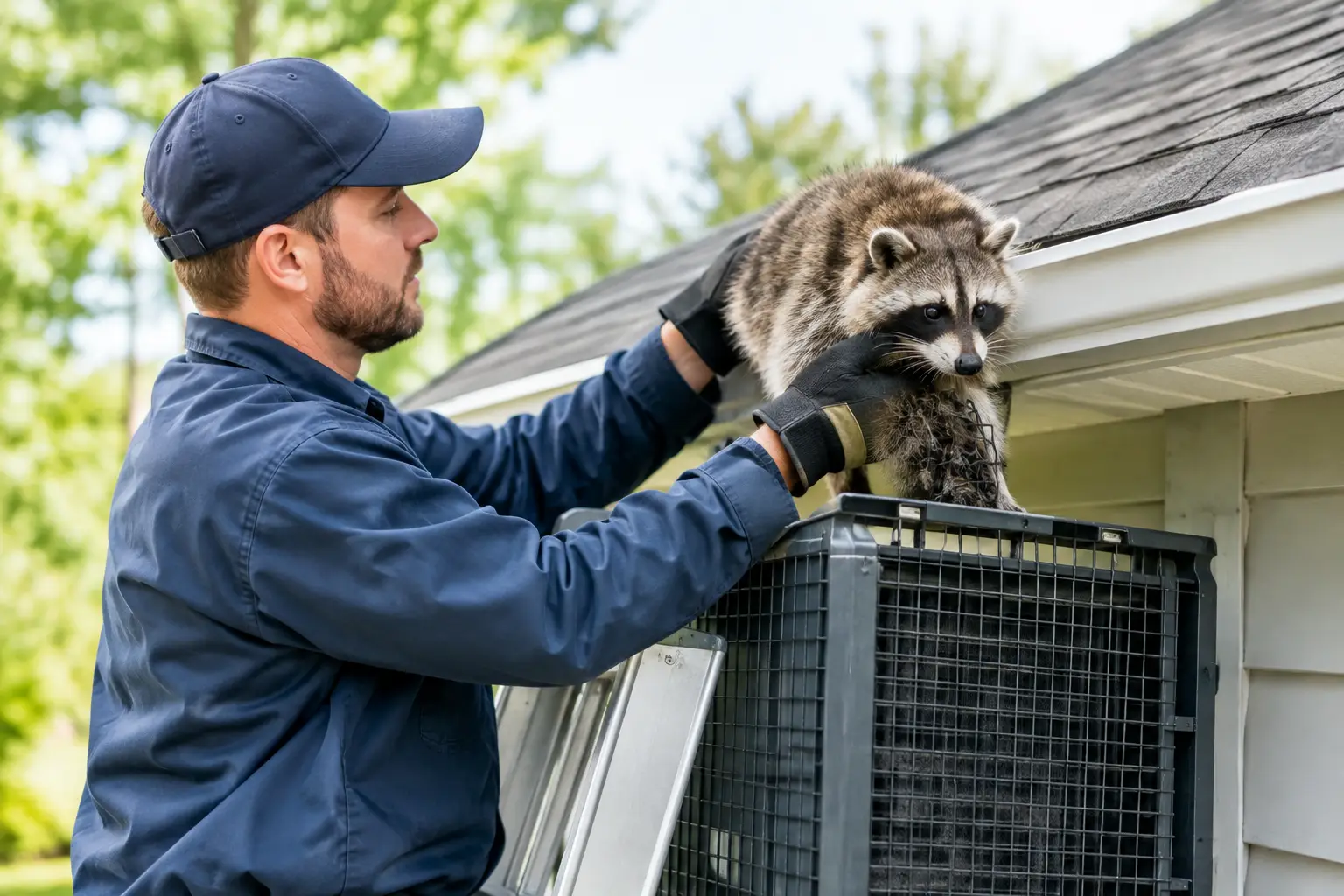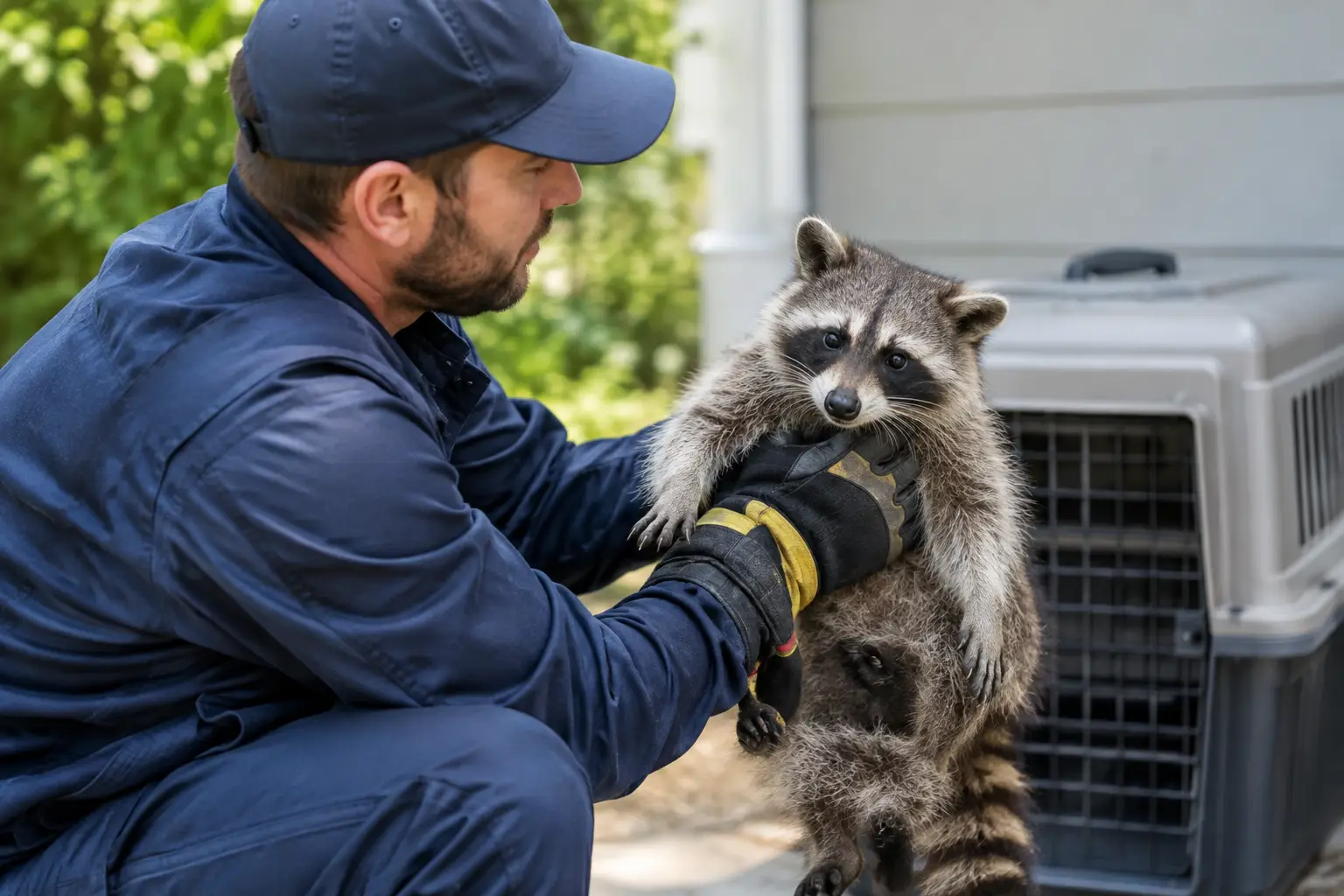
The problem usually starts with a smell, a scratching sound after dark, or a dog fixated on one corner of the deck. Opossum under deck removal becomes urgent when that sheltered space turns into a den site, especially if there are babies involved or the animal has started leaving droppings, nesting debris, or damage behind.
In New York City and New Jersey, decks, porches, stoops, and low exterior structures give opossums exactly what they want – darkness, cover, and protection from weather and predators. Homeowners often assume the animal will leave on its own. Sometimes it does. Sometimes it stays long enough to create sanitation issues, attract other pests, and turn a small wildlife problem into a property repair job.
Why opossums end up under decks
An opossum is not trying to attack your home. It is looking for a safe, low-traffic hiding spot. A deck with open skirting, loose lattice, gaps at ground level, or damaged screening is easy access. If the area stays dry and quiet, that space can become a temporary shelter or a den for a female with young.
Food sources nearby make the situation more likely. Pet food left outside, unsecured trash, fallen fruit, bird seed, compost, and even insects around the yard can draw opossums toward the property. Once they discover a protected opening under a deck, they often return to the same route night after night.
This is why removal is only half the job. If the entry point stays open, another animal can move in shortly after the first one is gone.
Signs you need opossum under deck removal
Not every under-deck noise is an opossum. In this region, raccoons, skunks, feral cats, and groundhogs can use the same type of space. Correct identification matters because the removal method changes by species, season, and whether young are present.
Common signs of an opossum under a deck include slow shuffling or scratching sounds at night, a musky or foul odor near the deck, droppings around openings, disturbed insulation or leaves used as nesting material, and visible tracks in soft soil. You may also spot the animal entering or exiting around dusk.
Opossums are generally less aggressive than many homeowners fear, but they should still not be approached. A cornered animal may hiss, bare its teeth, or defend itself. The bigger concern is contamination and the risk of handling wildlife without the right equipment and experience.
The risks of leaving an opossum under a deck
A single opossum under a deck does not always mean major structural damage, but it can still create serious problems. Waste buildup is the first issue. Urine and droppings can contaminate soil, attract flies, and create persistent odors that drift into nearby windows, crawl spaces, or lower-level living areas.
The second issue is nesting. If a female is denning with babies, the timeline changes. Blocking the opening too early can separate the mother from her young, which is both inhumane and likely to create a worse problem. If young are left behind, you can end up with odor, insect activity, and a difficult recovery process.
There is also the matter of secondary wildlife activity. Openings under a deck that accommodate an opossum can also invite skunks, rats, snakes, and other nuisance animals. What starts as one visible animal may point to a larger vulnerability around the property.
Why DIY opossum removal often goes wrong
People commonly try bright lights, loud music, mothballs, ammonia, or homemade repellents. These methods are unreliable, and in many cases they only push the animal deeper into the space or make it leave temporarily. If the access point remains open, the problem often returns.
Trapping without a plan can also go wrong fast. You need to know whether the animal is actively denning, whether there are babies, where the animal is entering, and what local wildlife regulations require. Removing the adult while leaving dependent young behind is one of the most common DIY mistakes.
There is also a safety issue. Deck areas can hide nails, sharp lattice, contaminated debris, and parasites. Property owners trying to reach under the structure often put themselves at risk for bites, scratches, and exposure to animal waste.
How professional opossum under deck removal works
The right process starts with a hands-on inspection. A technician identifies the species, confirms entry and exit points, checks for nesting activity, and looks for signs of young. This step matters because a skunk under a deck requires a different handling strategy than an opossum, and a female with babies requires a different approach than a transient adult.
After inspection, the removal plan is built around humane capture or controlled one-way eviction when appropriate. It depends on the layout of the structure, how long the animal has been there, and whether juveniles are present. If babies are found, they must be handled properly and the family unit addressed together. Quick fixes are not enough.
Once the animal is removed, cleanup is the next priority. That may include removing nesting material, contaminated debris, and waste, followed by sanitizing the affected area. If odors are left behind, they can continue to attract other animals or create ongoing complaints from tenants or neighbors.
The final step is exclusion. Openings under the deck are sealed with durable materials designed to withstand weather and wildlife pressure. If lattice is broken, skirting is loose, or gaps along the perimeter are wide enough for re-entry, those conditions need to be corrected before the job is truly complete.
When babies are involved
This is where experience matters most. Opossum breeding season can turn what looks like a simple removal into a more delicate operation. Young opossums may be tucked into nesting material under the deck, or they may still be dependent on the mother. If you scare the adult out and shut the opening, you can trap juveniles beneath the structure.
Humane wildlife control means checking thoroughly before any exclusion work is done. It also means choosing a method that removes the problem without creating another one. Property owners usually call when they want the animal gone fast, and that is understandable. But fast should still be done correctly.
Preventing the next opossum problem
A clean removal means little if the site remains attractive. The most effective prevention combines structural exclusion with habitat correction. Sealing the bottom perimeter of the deck is the main defense, but food and shelter conditions around the yard also matter.
Trash should be secured, pet food should not be left outdoors overnight, and fallen fruit or seed buildup should be cleaned up regularly. Dense brush, stored debris, and wood piles near the deck can also make the area more inviting. In some cases, neighboring properties contribute to the issue, which means your deck may stay a target unless it is professionally animal-proofed.
This is especially relevant for landlords, property managers, and commercial property operators. A single complaint about noise or odor under a deck can point to broader exterior maintenance issues. Addressing the opening, cleanup, and surrounding attractants together is usually the most cost-effective move.
When to call for professional help
If you have repeated nighttime noise, visible animal activity, odor near the deck, or signs that an animal is nesting, it is time to act. The same applies if you have tried to scare the animal away and nothing changed, or if you are not sure whether the animal is an opossum, skunk, raccoon, or something else.
For homes and buildings across NYC and NJ, speed matters, but so does doing the work in the right order – inspection, humane removal, sanitation, and exclusion. That is how the problem gets solved instead of postponed. Animal Control NYC & NJ handles wildlife issues with that full-service approach, so property owners are not left chasing multiple contractors after the animal is gone.
If an opossum has made a home under your deck, the best next step is simple: deal with the animal, clean the space, and close the opening before the next guest finds it.