A mouse in the kitchen is rarely just a mouse. A scratching sound over the ceiling can point to a nest in the attic, a damaged soffit, or an opening around a utility line that has been active for months. Effective rodent exclusion NJ service addresses the source of the problem: how rats and mice are getting into the building and what allows them to stay.
For New Jersey homeowners, landlords, property managers, and business operators, quick action matters. Rodents contaminate food areas, damage insulation, chew wiring, leave droppings in stored belongings, and create complaints that can spread quickly through multi-unit properties. Trapping or baiting may reduce activity, but it will not provide lasting control if exterior access points remain open.
What Rodent Exclusion in NJ Actually Means
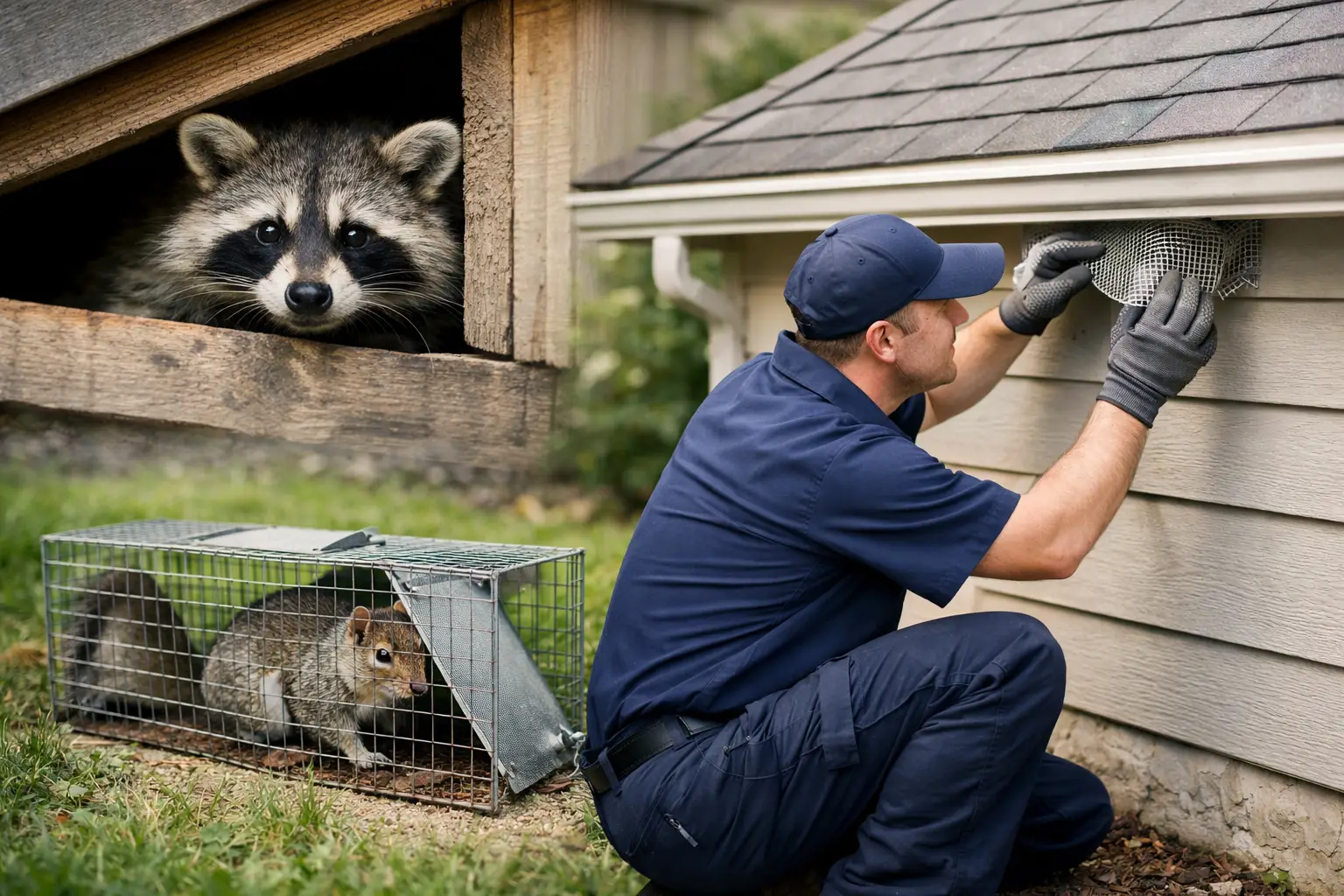
Rodent exclusion is the process of inspecting a structure, identifying active and potential entry points, and sealing them with materials built to withstand chewing, weather, and normal building movement. It is not simply stuffing a visible hole with foam. Mice can fit through openings roughly the size of a dime, while rats can use gaps around pipes, foundation cracks, damaged vents, and poorly fitted doors.
A professional exclusion plan looks at the entire building envelope. That includes the foundation, siding transitions, garage door corners, roofline, soffits, crawl space vents, utility penetrations, chimney gaps, basement windows, and areas behind decks or exterior equipment. In many cases, the entry point is not where the rodent activity is most obvious. A rat seen near a basement utility room may be entering through a compromised drain area or a gap several rooms away.
The goal is straightforward: remove or control the rodents already inside, block access for new rodents, and correct the conditions that make the property attractive in the first place.
Why Traps Alone Do Not Solve a Rodent Problem
Traps are useful when placed correctly and checked consistently. They can confirm activity, reduce an existing population, and help a technician determine where rodents are traveling. But traps do not close a gap under a rear door, repair a broken crawl space vent, or stop mice from entering behind a stove through an unsealed plumbing line.
This is especially relevant in New Jersey, where seasonal changes drive rodents toward warm, protected structures. As temperatures drop, mice and rats seek attics, basements, wall voids, storage rooms, restaurants, warehouses, and apartment buildings. In spring and summer, exterior vegetation, overflowing trash areas, bird feeders, and standing water can support continued activity around the property.
A complete approach balances removal with repair. Sealing too early can also be a mistake if rodents are still inside. Depending on the conditions, the work may require a controlled trapping phase before final closure, or one-way devices in carefully selected locations. The right sequence depends on the species, the building layout, the level of activity, and whether young animals may be present.
Common Entry Points Around New Jersey Properties
Rodents take advantage of small construction gaps that property owners may never notice during normal maintenance. Older homes, renovated buildings, commercial facilities with multiple utility lines, and attached townhomes often have several access routes.
The most common problem areas include:
- Gaps where gas, water, cable, HVAC, and electrical lines enter the structure
- Damaged foundation vents, crawl space screens, and basement window wells
- Openings beneath siding, around brick ledges, or where additions meet the original structure
- Worn garage door seals, exterior door sweeps, and loading dock gaps
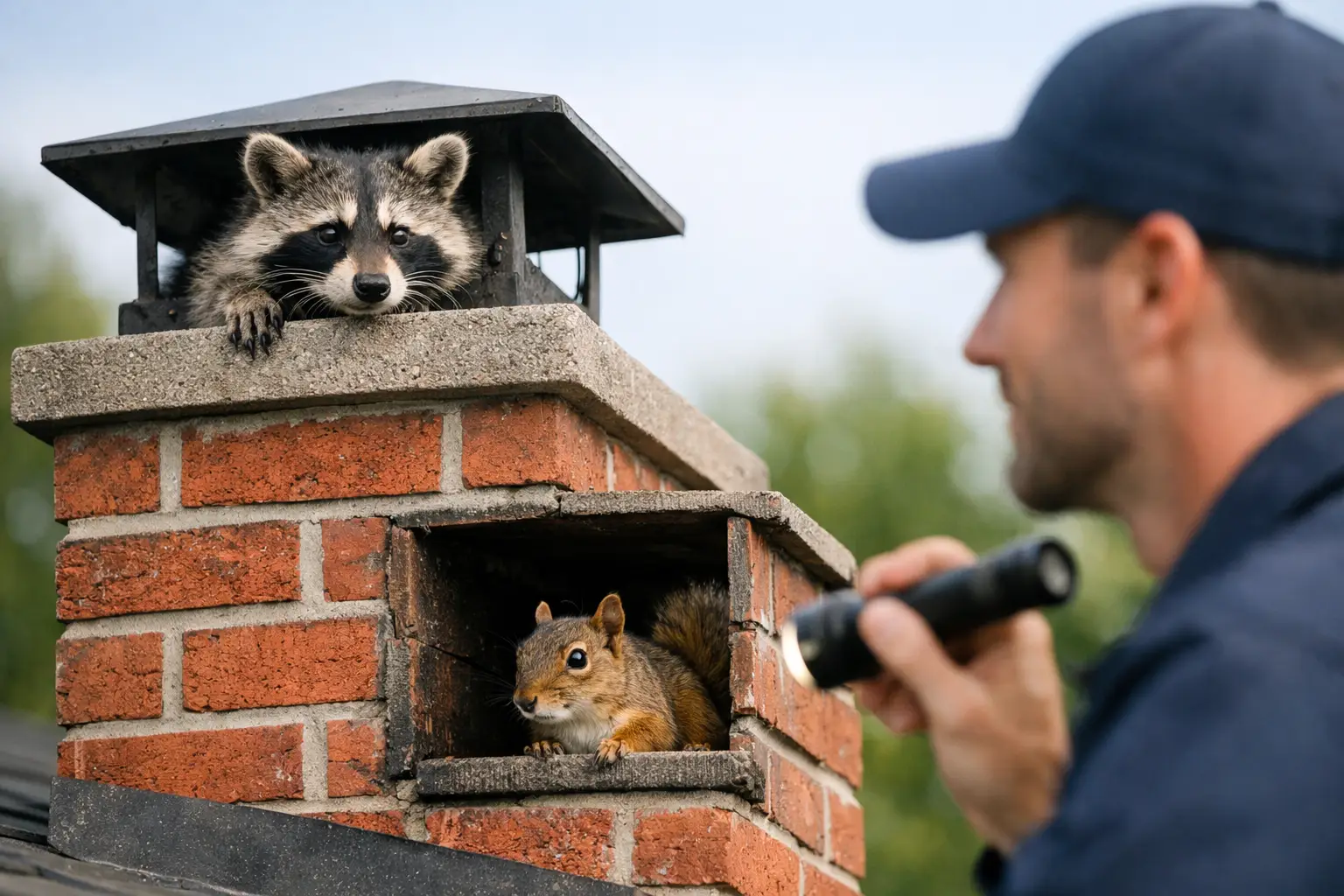
- Unscreened roof vents, damaged soffits, fascia gaps, and openings near chimneys
- Cracks around drain lines, broken cleanout covers, and utility-room penetrations
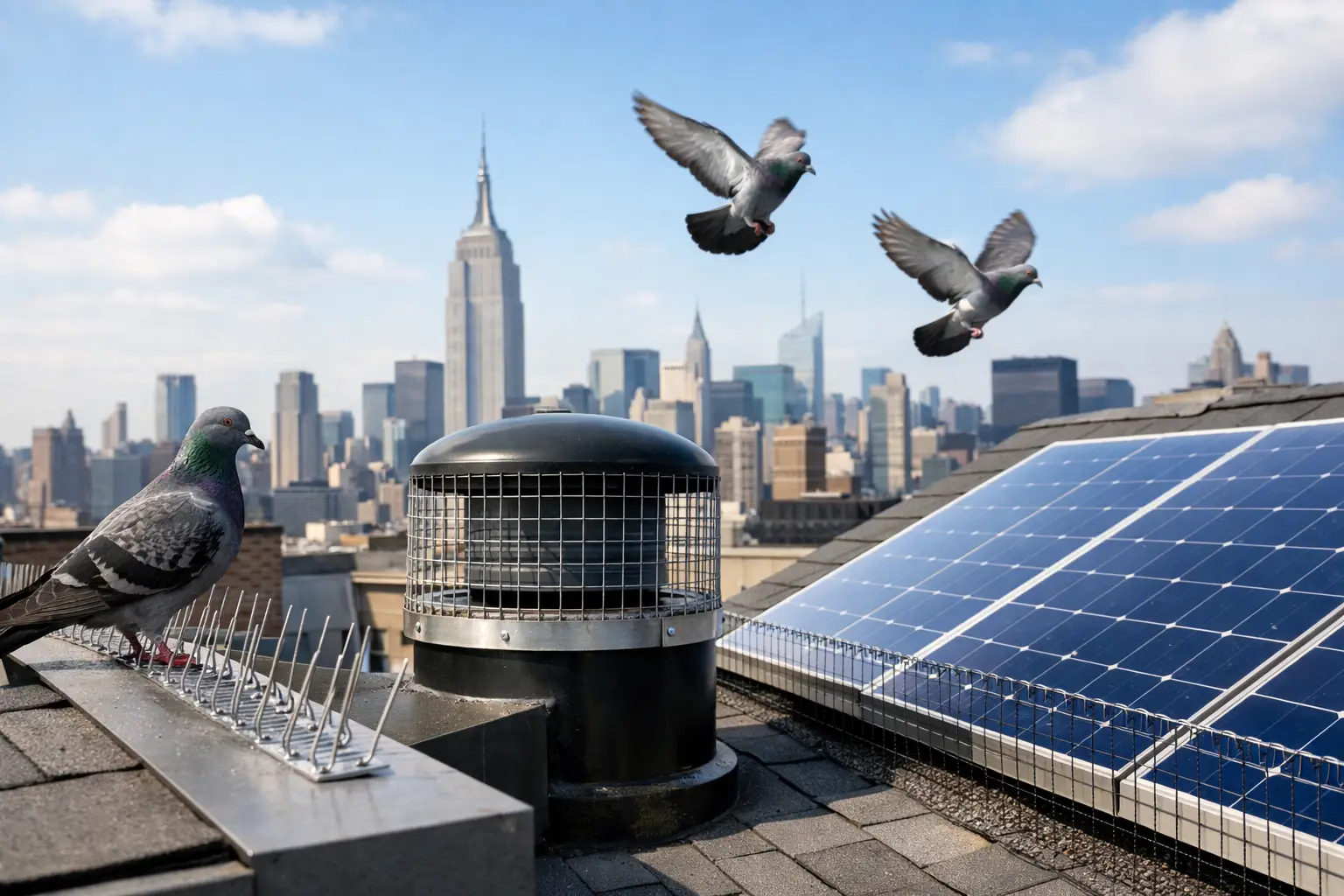
The material matters as much as the location. Rodents can chew through weak plastic, low-grade mesh, wood filler, and many temporary patch products. Professional repairs often use heavy-gauge metal screening, hardware cloth, flashing, fitted vent covers, concrete-based repairs, and durable door sealing systems. Each repair should allow the building to ventilate and drain as intended. Closing a vent incorrectly can trade a rodent issue for moisture damage.
Signs You Need Professional Rodent Exclusion
Some infestations are obvious. You see a rat in a restaurant storage area, find mouse droppings in pantry drawers, or hear repeated movement in a ceiling. Other signs are easy to dismiss until damage becomes significant.
Watch for fresh droppings, grease marks along baseboards or pipes, shredded insulation, gnawed food packaging, chewing on wiring, foul odors in wall voids, and recurring activity after store-bought traps have been used. Outside, burrows along foundations, gnaw marks near doors, torn vent screens, and rub marks around utility openings deserve attention.
Property managers should treat repeat tenant reports as an inspection priority, even when sightings seem isolated. In multi-family buildings, rodents can move through utility chases, shared walls, drop ceilings, boiler rooms, trash rooms, and connected basements. Treating one apartment without identifying building-level travel routes often leads to recurring complaints in another unit.
A Professional Rodent Exclusion Process
A reliable exclusion job starts with a detailed inspection, not a guess. Technicians identify droppings, rub marks, nesting evidence, entry gaps, food sources, moisture conditions, and damage that may be hidden behind insulation or within accessible voids. They also determine whether the activity involves mice, rats, squirrels, or another animal, because the repair strategy changes by species.
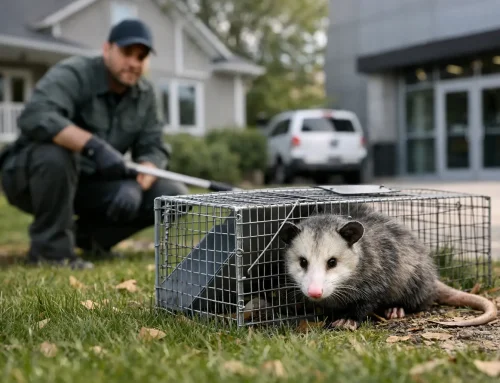
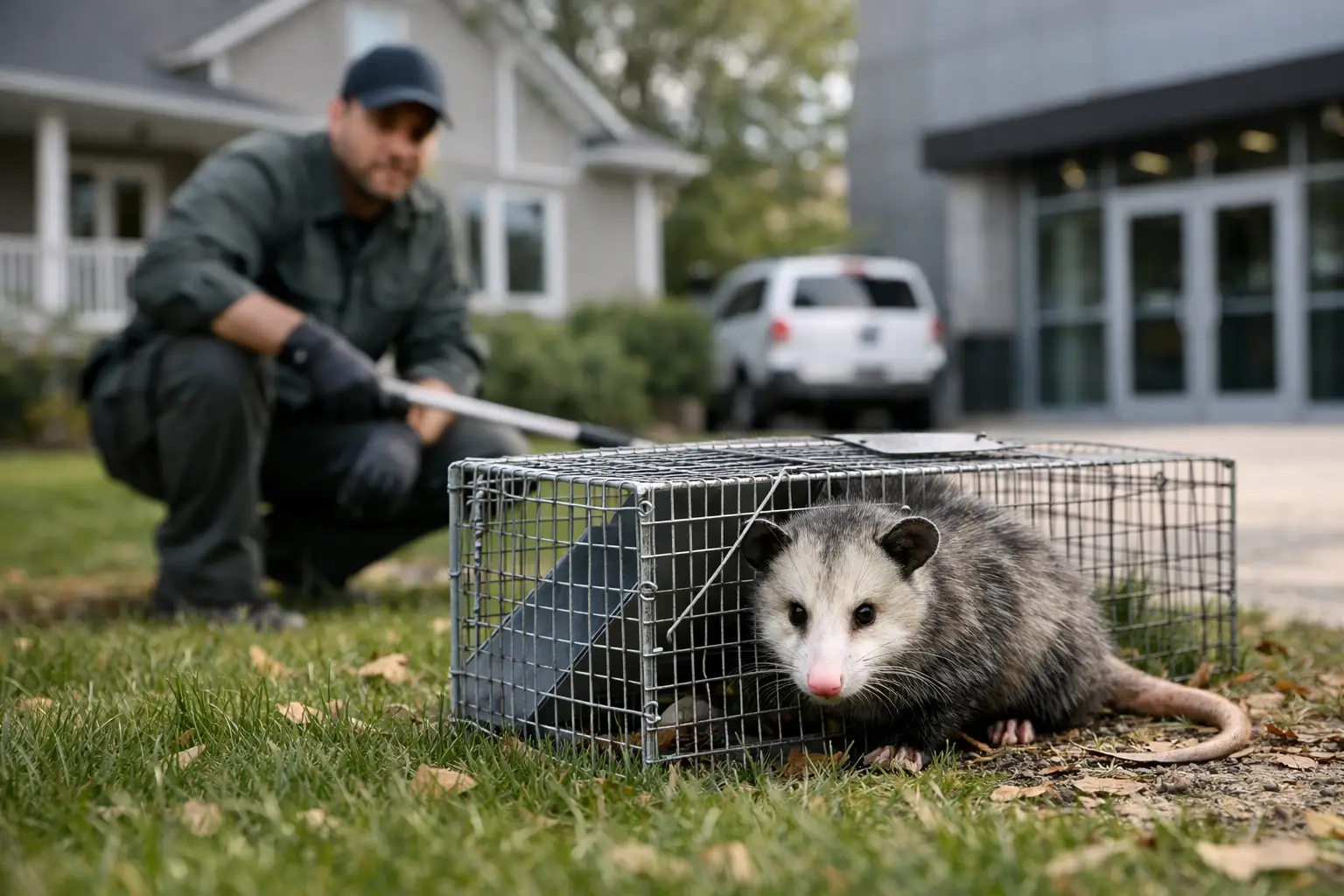
Next comes an active-control plan. This may involve trapping, monitoring stations, targeted baiting where appropriate and lawful, or other species-specific measures. Placement is critical. Random traps placed in open areas tend to underperform because rodents usually travel along walls, edges, pipes, and protected runways.
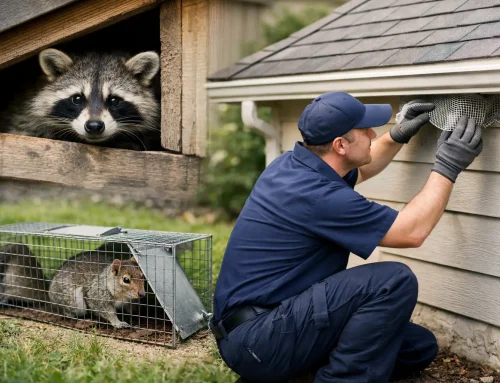
Once activity is controlled, exclusion repairs can be completed. The work may include securing vents, sealing penetrations, repairing soffit and fascia damage, closing foundation gaps, reinforcing vulnerable roofline areas, and replacing worn door sweeps. Larger properties may need a phased plan that prioritizes active hot spots while addressing the full exterior over time.
The final stage is cleanup and prevention. Rodent droppings, urine, nesting materials, and contaminated insulation should be handled with proper safety procedures. Sweeping or vacuuming dry droppings without precautions can disturb contaminated dust. Attic restoration, crawl space cleanup, disinfection, odor treatment, and insulation replacement may be necessary when an infestation has been established for a long period.
Rodent Exclusion NJ for Homes, Rentals, and Businesses
A single-family home may need attic access repairs and kitchen plumbing seals. A rental property may require coordinated unit inspections, trash-area improvements, and repairs in common utility spaces. A restaurant, warehouse, grocery operation, or office building may need after-hours service, discreet monitoring, sanitation recommendations, and documentation that supports ongoing facility management.
There is no one-size-fits-all repair package. A historic home may need carefully fitted materials that preserve exterior appearance. A newer building may have construction-related gaps around mechanical systems. Commercial sites often need attention at delivery doors, dumpsters, floor drains, and rooftop equipment. The best plan focuses first on the access routes and conditions most likely to cause immediate reinfestation.
Food and waste management also affect results. Secure garbage lids, reduce clutter near exterior walls, clean spills promptly, store pet food in sealed containers, and keep vegetation from pressing against the structure. These steps will not replace structural exclusion, but they make the building less rewarding for rodents trying to establish a route.
Do Not Wait for Damage to Spread
Rodent activity rarely stays contained. Mice can multiply quickly inside wall voids and insulation. Rats can damage wiring, contaminate work areas, and create serious sanitation concerns. The longer an access point remains open, the more likely the issue becomes a cleanup and restoration project rather than a simple repair.
Animal Control NYC & NJ provides professional wildlife trapping, rodent control, exclusion repairs, sanitation, and property recovery for customers who need the problem handled from inspection through final sealing. Emergency situations, recurring infestations, and signs of contamination deserve a prompt professional response.
If you are hearing movement, finding droppings, or seeing repeat rodent activity after treatment, do not keep replacing traps without addressing the entry route. A thorough inspection and properly completed exclusion work can protect the building, the people inside it, and the repairs you have already paid for.