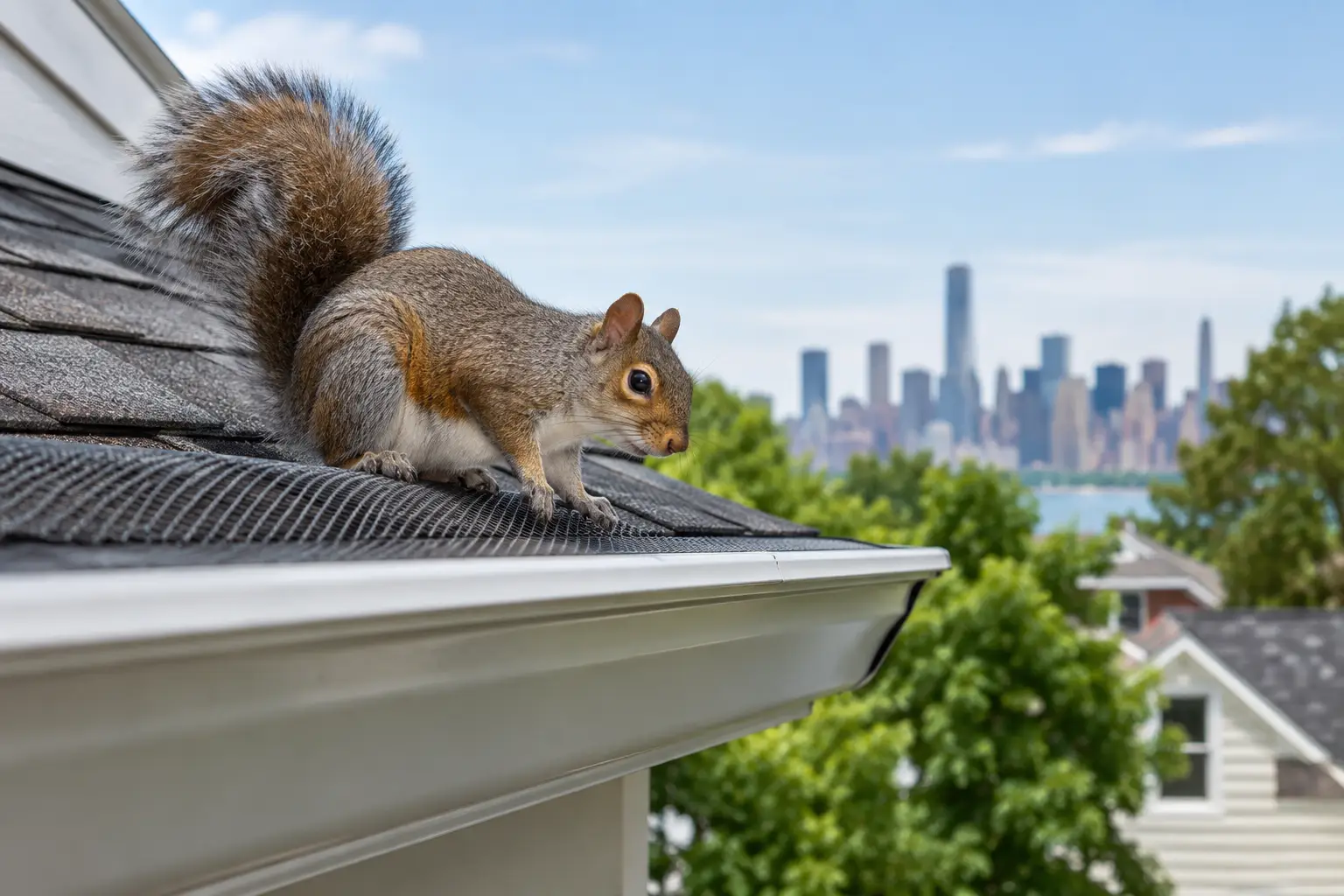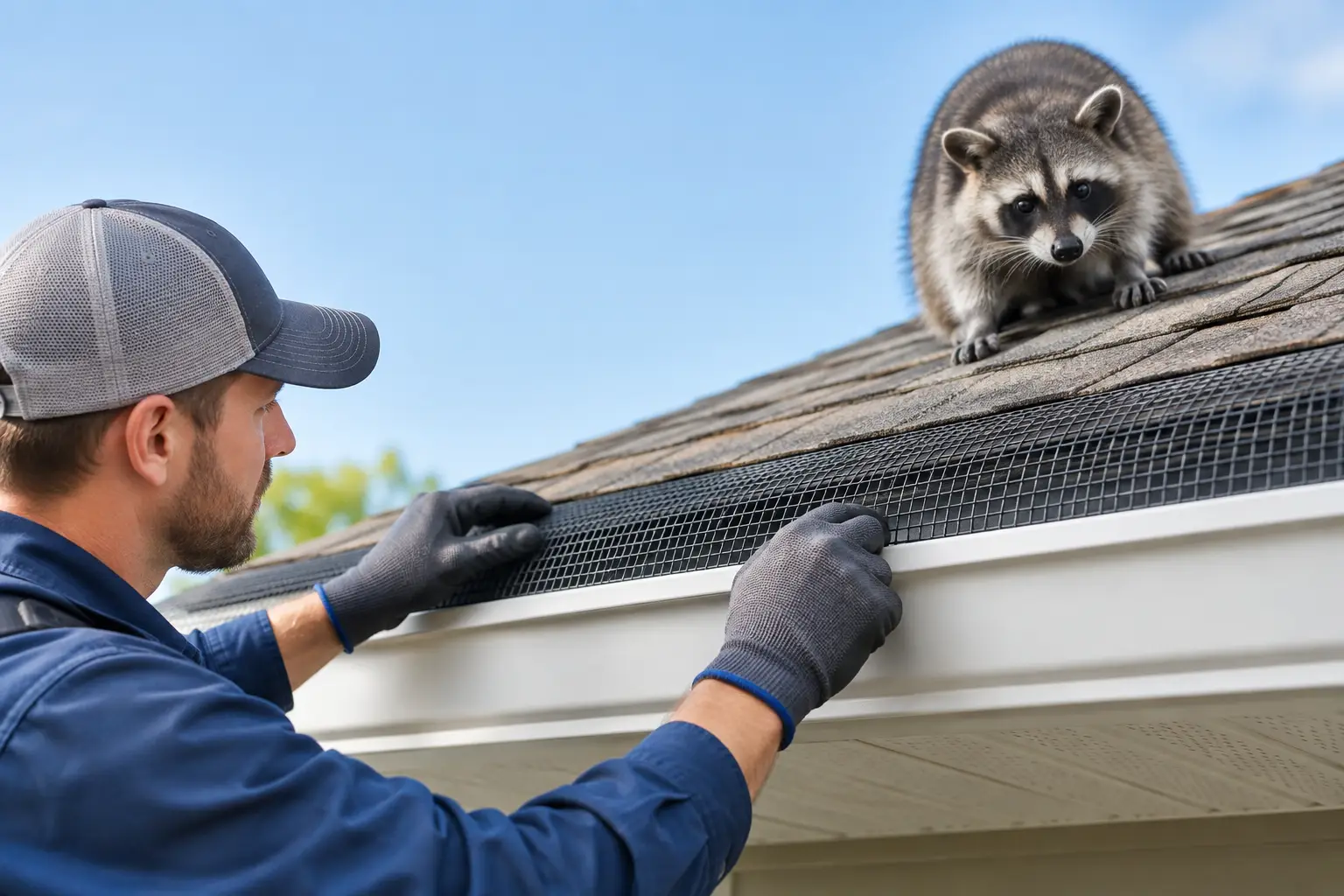
A scratching sound above the fireplace at 2 a.m. is rarely something to ignore. Chimney animal problems can quickly move from an unsettling noise to a blocked flue, contaminated living space, damaged masonry, or a trapped animal emergency. In New York City and New Jersey, open or poorly protected chimneys commonly attract raccoons, squirrels, birds, bats, rats, and occasionally other wildlife looking for warmth, shelter, or a protected place to nest.
The right response depends on the animal, the season, and whether young are present. What does not change is the need to address both the animal inside the chimney and the opening that allowed it in. Removing wildlife without securing the chimney often leads to the same problem returning days or weeks later.
Why Chimney Animal Problems Escalate Quickly
A chimney is an inviting entry point because it is elevated, enclosed, and often overlooked. To a squirrel or raccoon, an uncapped flue can resemble a hollow tree. To birds, it can provide shelter from weather and predators. Once an animal gets inside, smoke shelves, dampers, flue liners, and connected wall voids can make removal more complicated than it appears from the ground.
Some animals remain in the flue, while others find a route into an attic, crawl space, or wall cavity. Raccoons can tear apart weak chimney caps and dislodge damaged flashing. Squirrels may chew surrounding wood or wiring. Birds can build nests substantial enough to restrict airflow. A blocked flue can create a serious ventilation issue if a fireplace, furnace, boiler, or water heater vents through that chimney.
There is also a sanitation concern. Droppings, nesting debris, urine, parasites, and dead-animal odors can affect indoor air quality. In rental properties and commercial buildings, these conditions can lead to tenant complaints, operational disruptions, and preventable liability.
Animals Commonly Found in NYC and NJ Chimneys
Raccoons
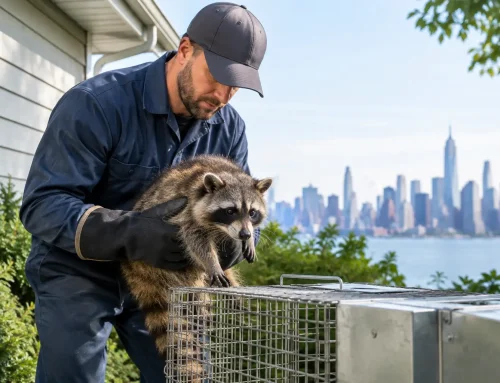
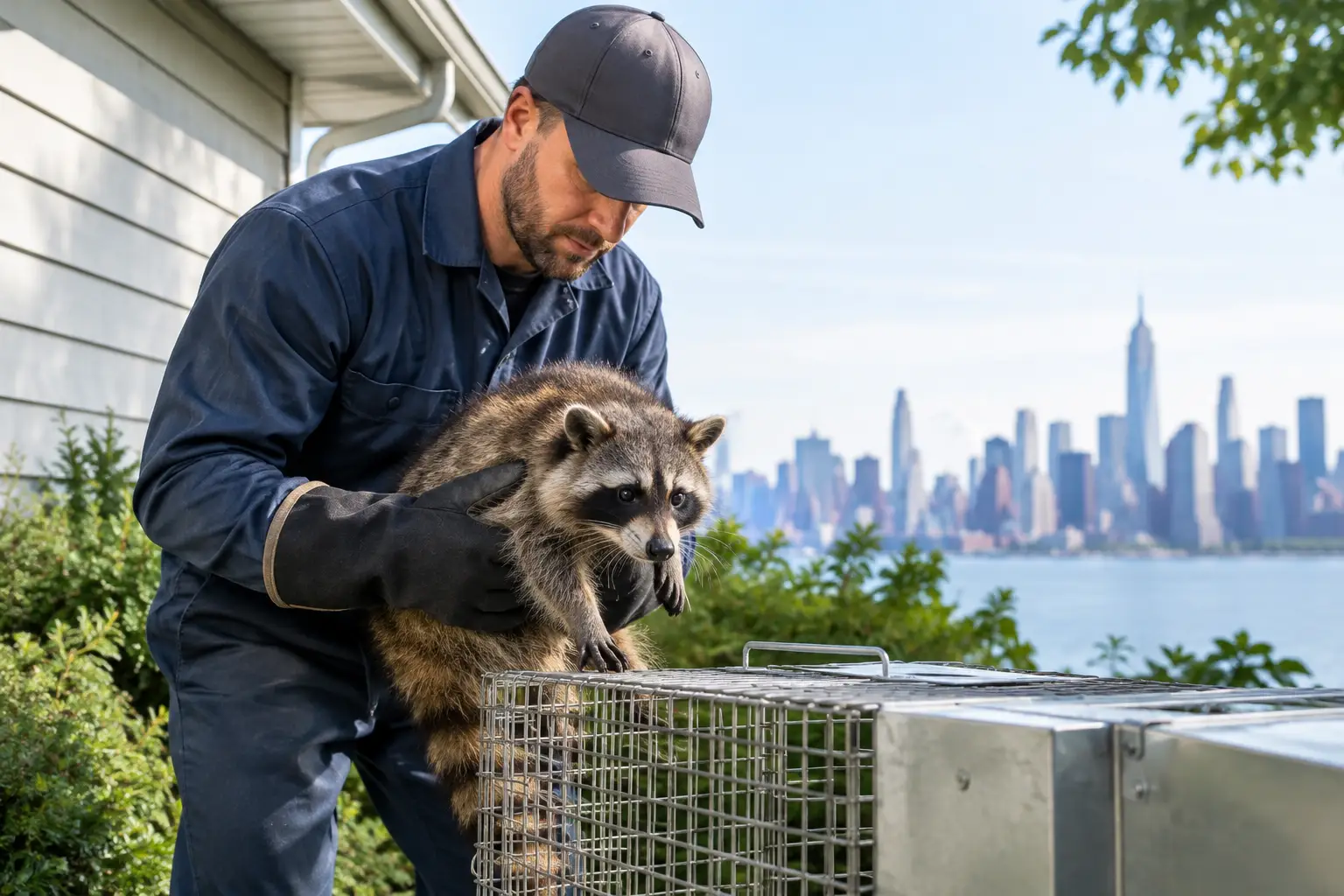
Raccoons are among the most difficult chimney intruders. Adult females often use chimneys as den sites during breeding season because the space is dark, sheltered, and high above ground. If a mother raccoon has babies in the chimney, trapping or sealing the opening without a species-specific plan can separate the family and leave young animals behind.
Raccoons are strong, intelligent, and capable of causing significant damage around the crown, cap, and roofline. Loud thumping, chittering, and repeated nighttime movement near the fireplace are common signs. A professional inspection should determine whether kits are present before removal work begins.
Squirrels and Rats
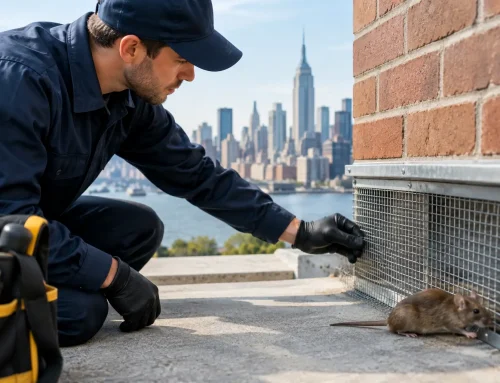
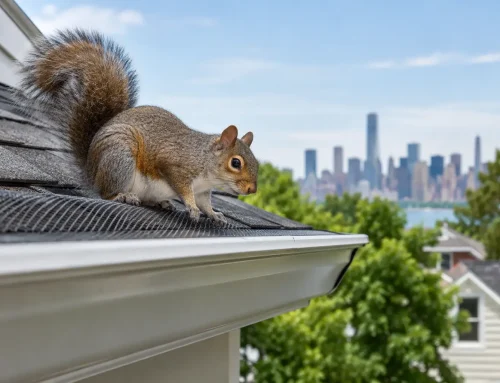
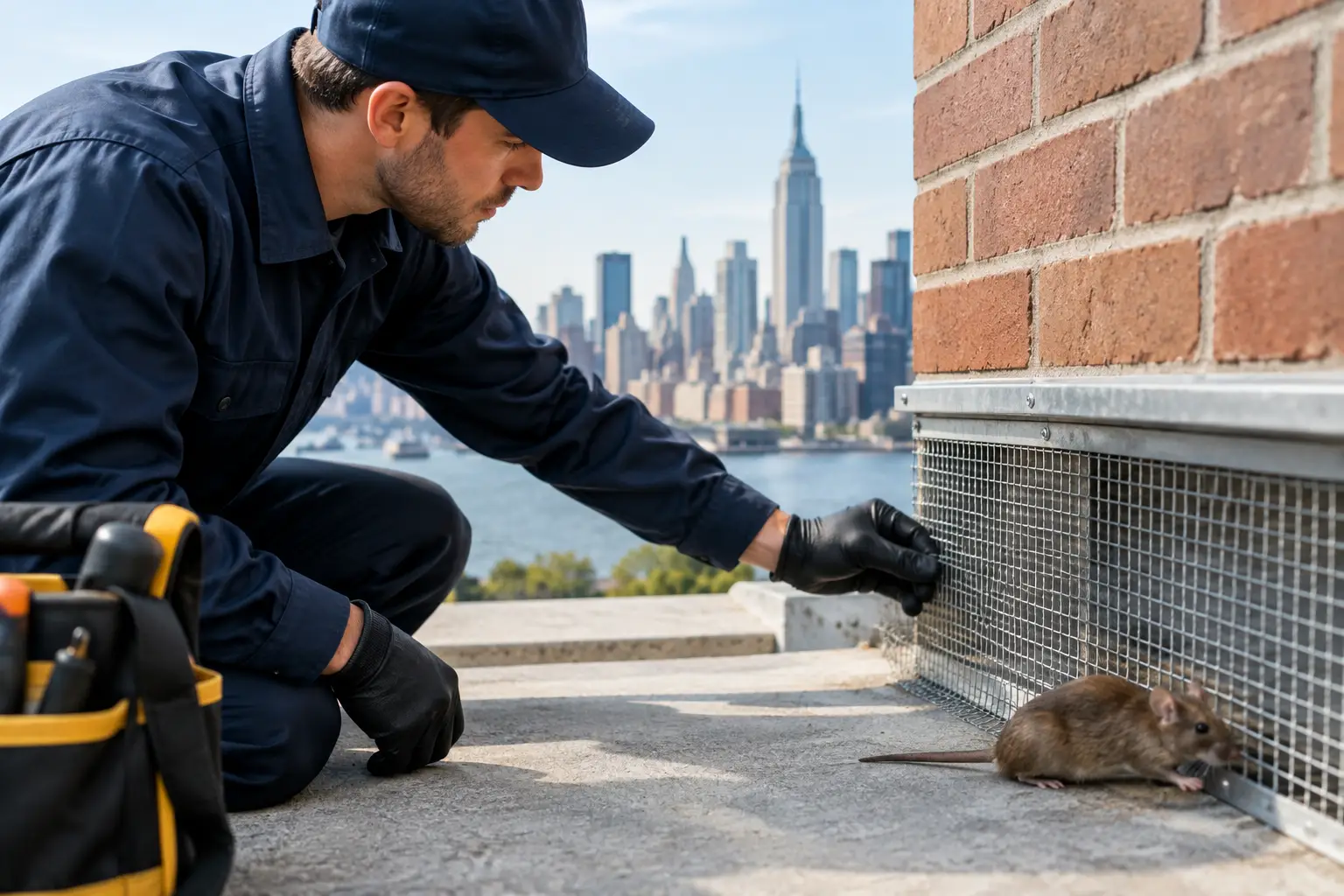
Squirrels are active during the day and may be heard running, scratching, or rolling nesting materials down the flue. They can become trapped in smooth chimney liners and may enter living areas through an open damper. Rats may use gaps around chimney structures, roof joints, or deteriorated masonry as access routes, especially where food sources and clutter support an exterior rodent population.
These animals can chew insulation, wood, and electrical materials. Their activity often indicates that the chimney cap or adjacent roofline has an opening that needs more than a temporary patch.
Birds and Bats
Birds may nest on top of a chimney, behind a damaged cap, or directly in the flue. Nesting material can block proper exhaust and may create odor, insect, and fire concerns. Removal timing matters because active nests, eggs, and protected bird species can require a careful approach.
Bats can enter through very small gaps near flashing, rooflines, and chimney structures. A bat in a chimney is not always alone. Professional exclusion work identifies all potential exits and uses methods designed to let bats leave safely while preventing re-entry. Sealing gaps too early can trap bats inside the building.
Signs You Need Professional Chimney Wildlife Help
Do not light the fireplace to force an animal out. Smoke, heat, and panic can injure wildlife, push it farther into the structure, or create a fire and carbon monoxide risk if nesting material is blocking the flue. Keep the damper closed if possible, keep pets away from the fireplace, and avoid trying to reach into the chimney.
Call for an inspection when you notice persistent sounds from the fireplace or chimney chase, foul or ammonia-like odors, droppings near the hearth, debris falling into the firebox, damaged caps, or animals repeatedly entering and exiting the roofline. Daytime squirrel activity and nighttime raccoon movement require different removal methods, which is one reason a quick visual guess is not enough.
A dead animal inside a chimney can be especially urgent. The odor can intensify rapidly, and flies or other insects may appear indoors. The carcass must be located, removed safely, and followed by appropriate cleaning and deodorization. Simply masking the smell does not resolve the contamination source.
The Safe Way to Solve a Chimney Animal Intrusion
Effective chimney wildlife control begins with identifying the species and its access point. A trained technician examines the chimney cap, crown, flashing, roofline, attic connections, vent structures, and accessible portions of the flue. The inspection should also look for nesting activity, young animals, existing damage, and conditions that could allow another animal to enter.
Removal methods should be humane and matched to the situation. This may involve one-way exclusion devices, species-appropriate trapping, hand removal of accessible nesting material, or carefully timed work when dependent young are not present. The goal is to remove the animal without creating a second problem inside the home or building.
After removal, the chimney needs to be cleaned of accessible debris and evaluated for damage. If droppings, urine, nesting material, or a carcass were present, sanitation is part of the job. Depending on the extent of contamination, that can include disinfection, odor treatment, insulation replacement in affected adjoining spaces, or restoration work where animals damaged building materials.
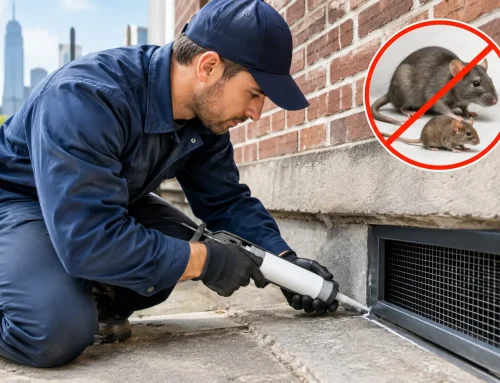
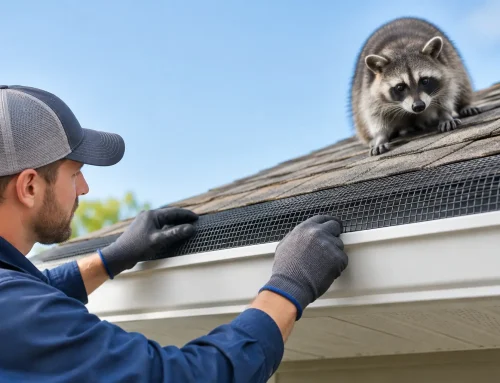
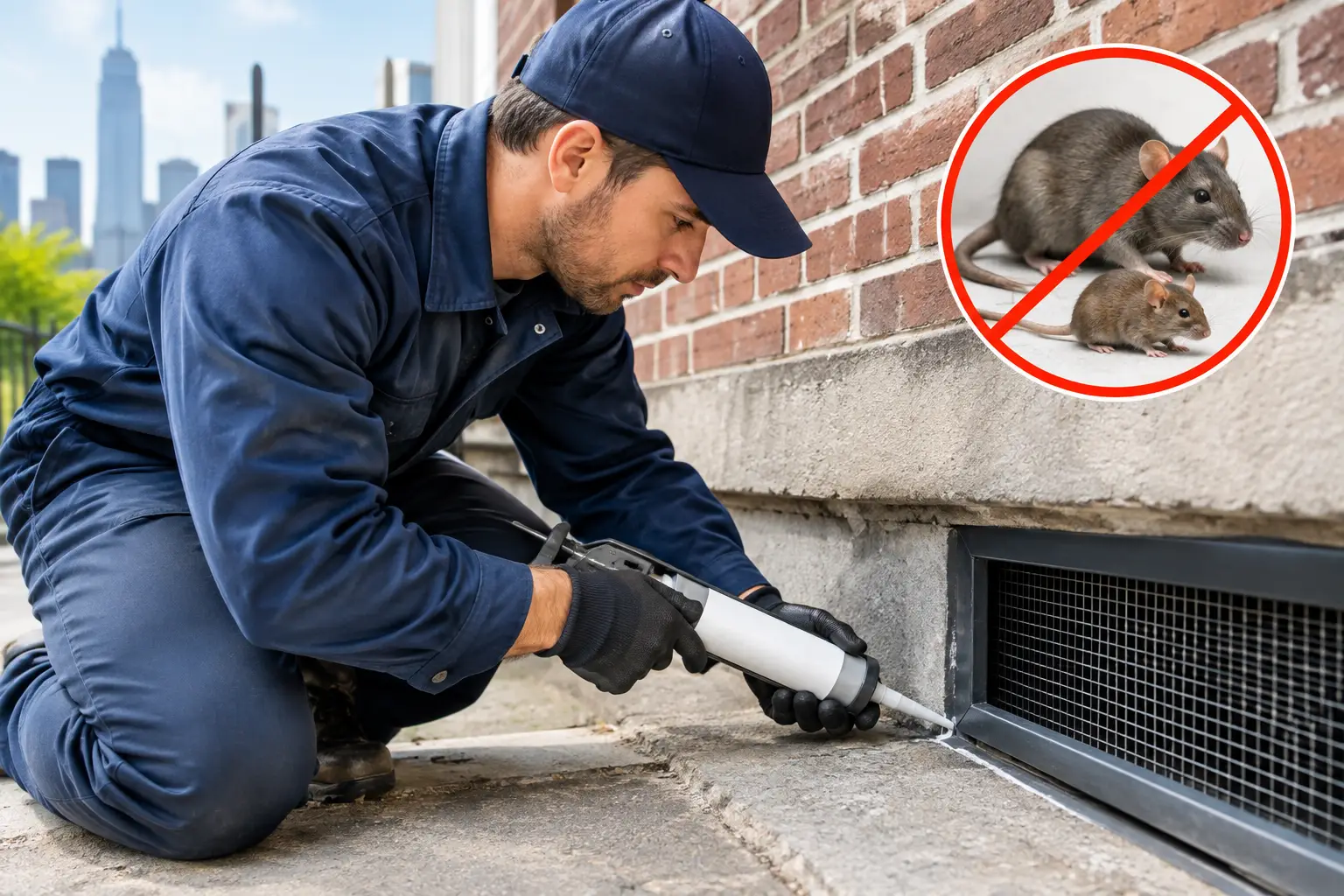
The final step is exclusion. A quality chimney cap or wildlife guard must fit securely and allow the chimney or appliance to vent as designed. It should be made for the specific chimney type, not improvised with loose screen material that can rust, collapse, or restrict airflow. Nearby entry points around roof junctions, attic vents, soffits, and ridge vents may also need repair. Wildlife follows the easiest route, and closing only one gap may redirect it to another weak spot.
Why DIY Chimney Fixes Often Fail
A hardware-store cap can help in some situations, but installation is not always straightforward. Chimneys vary widely in condition, height, liner type, and ventilation requirements. A cap that is too small, poorly anchored, or installed over an active animal can make the situation worse. On older NYC and NJ properties, deteriorated mortar, damaged crowns, and irregular masonry can complicate a simple-looking repair.
DIY removal also carries avoidable safety risks. Climbing onto a roof, handling frightened wildlife, opening a damper beneath an animal, or disturbing a nest can lead to bites, falls, property damage, and exposure to droppings. There are times when an owner can clear minor exterior debris safely from the ground, but an occupied chimney is not the place to experiment.
Protect Your Chimney Before the Next Nesting Season
Prevention is most effective before animals establish a den or nest. Have chimney caps, flashing, crowns, and roofline openings checked after storms, major wind events, and winter freeze-thaw cycles. Trim branches that give squirrels and raccoons easy roof access, but remember that animals can climb siding, gutters, and nearby structures as well.
For property managers, routine roof inspections should include chimney guards and exterior wildlife entry points. One unsecured chimney can affect multiple units through odors, noise, shared ventilation paths, or animal movement in wall voids. Early repairs are generally less disruptive than emergency removal after an animal has already nested.
Animal Control NYC & NJ provides 24/7 wildlife response for chimney intrusions, including humane removal, dead-animal removal, cleanup, exclusion, and repairs that help prevent repeat entry. If you hear movement, see nesting debris, or notice a damaged chimney cap, address it before the next animal turns a small opening into a larger property problem.