A scratching sound above the ceiling at 2 a.m., droppings near stored boxes, or a raccoon tearing at a roof vent is not a problem to put off. A professional wildlife removal company does more than get an animal out of the building. The right team identifies how it entered, addresses contamination and damage, and closes the opening before the next animal finds it.
For homeowners, landlords, property managers, and commercial operators across New York City and New Jersey, fast action protects the property, the people inside it, and the animals involved. Wildlife problems rarely stay limited to one noise in the attic. Left alone, they can lead to chewed wiring, ruined insulation, odors, leaks, tenant complaints, and repeated infestations.
What a Wildlife Removal Company Should Handle
Removing an animal is only one part of the job. A squirrel can leave through an open trap door but return through the same damaged soffit. A rat can be removed from a basement, while a larger infestation remains active behind walls or under flooring. A bird nest may be cleared from a vent, but the vent remains exposed to the next nesting pair.
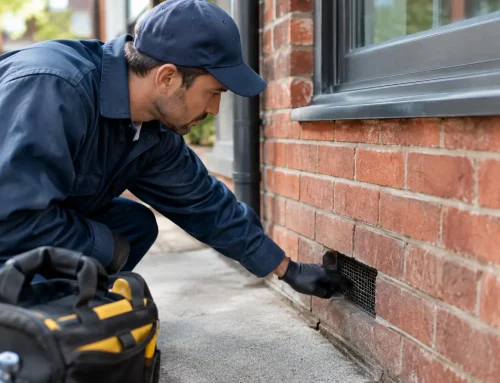
Professional wildlife control begins with an inspection. Technicians look for entry points, nesting materials, rub marks, droppings, damaged vents, gaps along rooflines, compromised crawl space screens, and signs of moisture. The inspection should identify the species, the extent of activity, and the conditions that made the property vulnerable.
From there, the work may include humane trapping and removal, species-specific control methods, dead animal removal, cleanup, disinfection, odor treatment, and exclusion repairs. Where wildlife has damaged a structure, the job can also require insulation replacement, attic restoration, crawl space sealing, mold removal, ridge-vent protection, gutter guards, or solar panel animal proofing.
That full-service approach matters because removal without repair is temporary. Repair without removing active animals can trap them inside. The work needs to be coordinated in the right order.
When You Need a Wildlife Removal Company Right Away
Some wildlife issues are clearly urgent. If an animal is inside a living or working area, immediate professional help is the safest option. Bats, raccoons, rats, mice, and birds can create health concerns through droppings, urine, parasites, and contaminated surfaces. An injured, aggressive, or trapped animal also requires careful handling.
Call for service promptly when you notice persistent attic or wall noises, animal droppings, strong odors, visible nesting material, chewed wires, holes around the roof or foundation, or animals entering through vents. Water stains near attic activity deserve attention too. Wildlife can dislodge insulation, tear ductwork, and damage roof components that allow moisture into the building.
Property managers and landlords should take reports seriously even when the problem seems small. One tenant hearing movement in a ceiling can indicate a shared roofline or utility chase problem affecting multiple units. In commercial properties, wildlife activity near food storage, customer areas, mechanical rooms, dumpsters, or loading zones can quickly become a sanitation and operational concern.
Animals That Commonly Damage NYC and NJ Properties
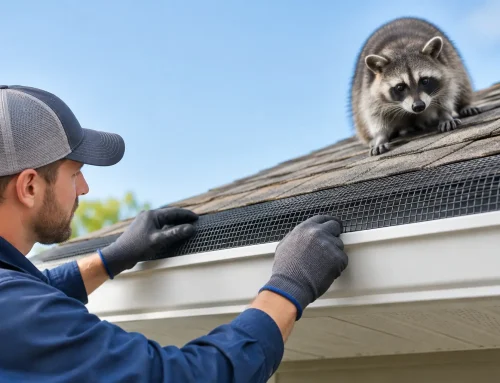
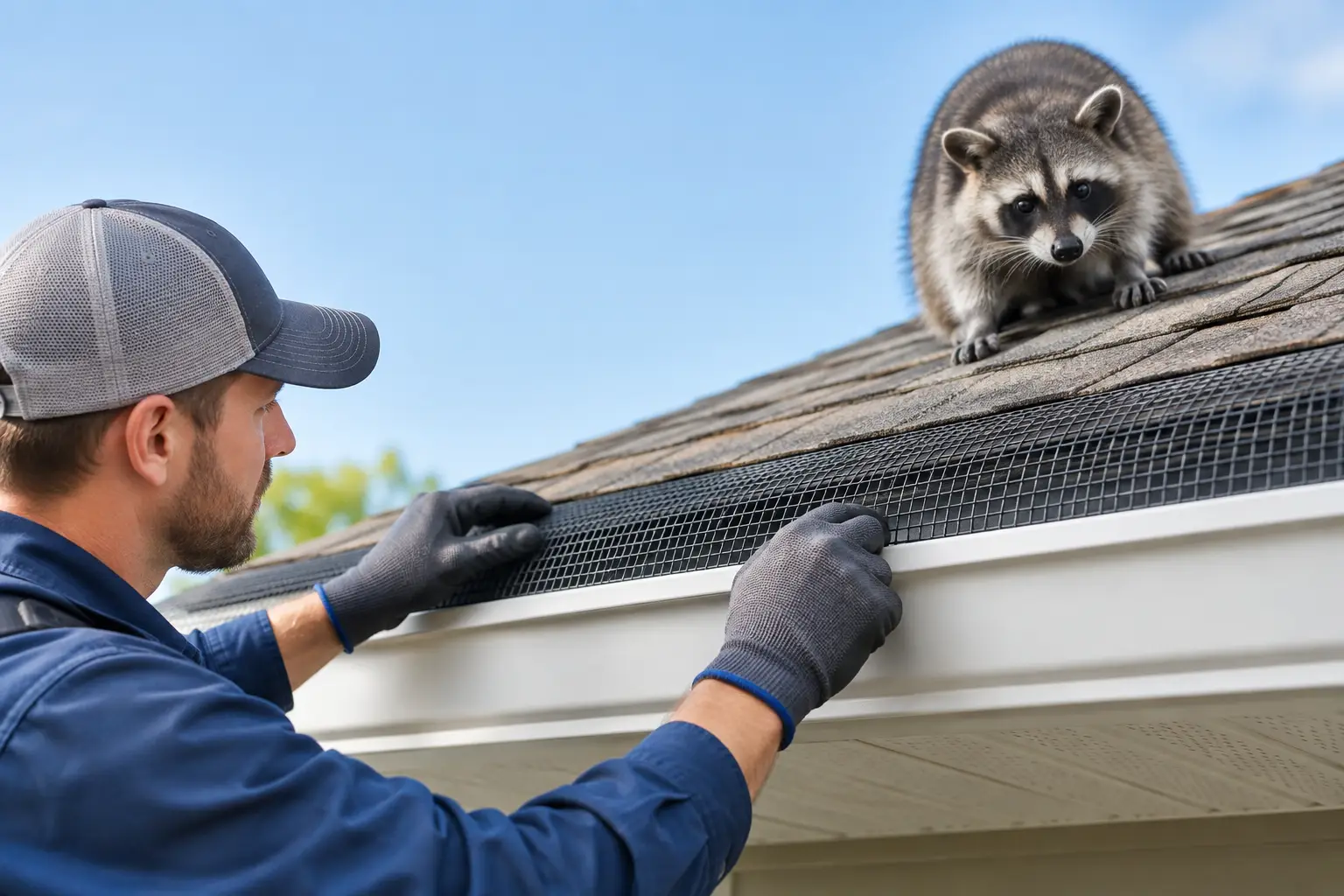
Each species leaves different clues and requires a different response. Raccoons are strong and destructive. They can pull apart soffits, tear open roof vents, and contaminate attics with heavy droppings. Squirrels often chew their way into eaves, vents, and roof gaps, then damage wiring and insulation while nesting.
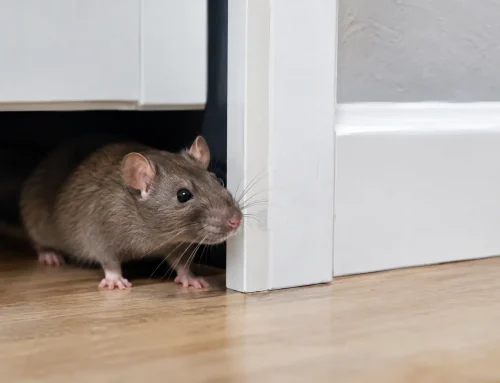
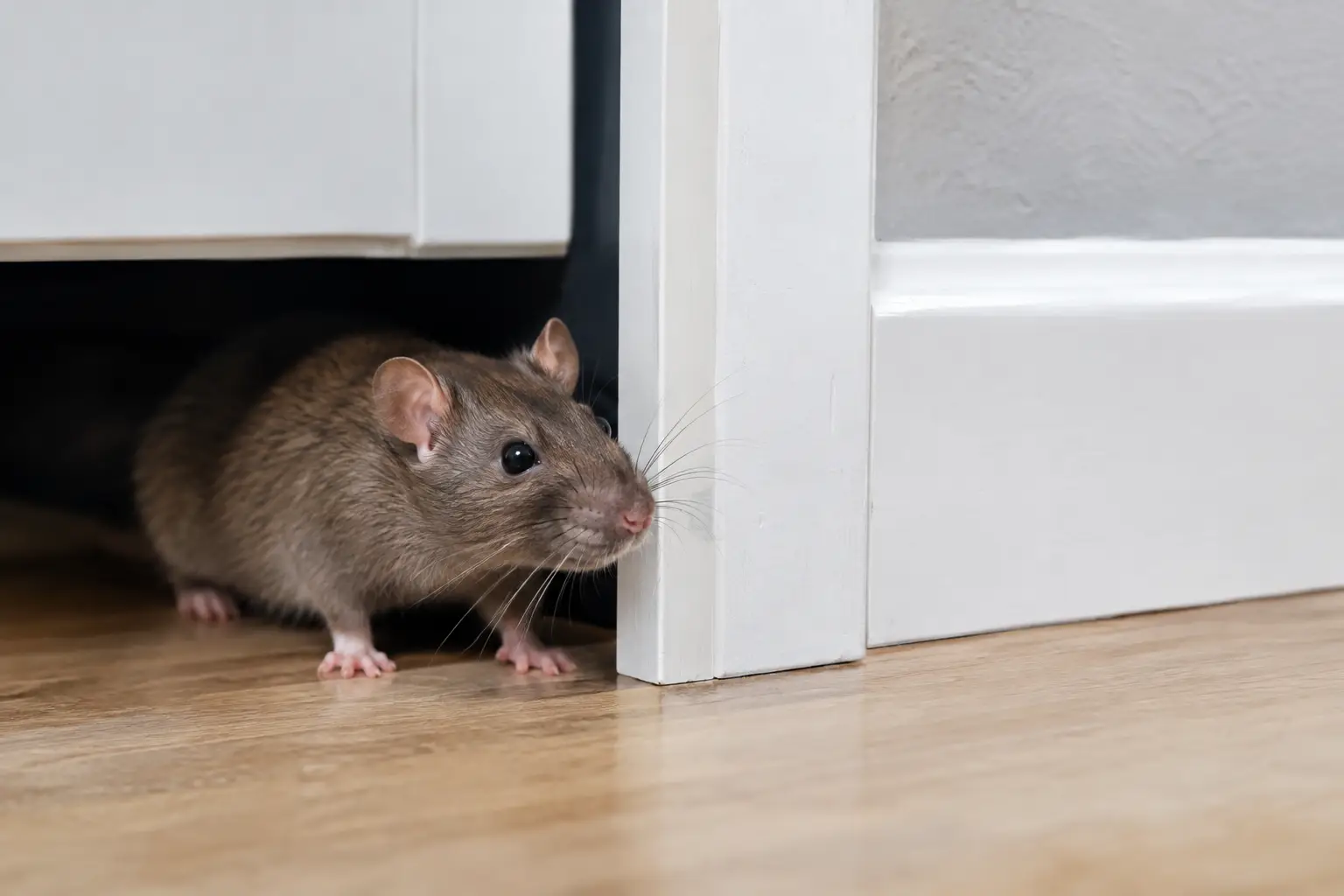
Rats and mice can move through extremely small openings and may travel through wall cavities, ceilings, basements, and utility lines. Effective rodent control requires more than setting traps. The source of entry, food access, nesting areas, and travel routes must be addressed.
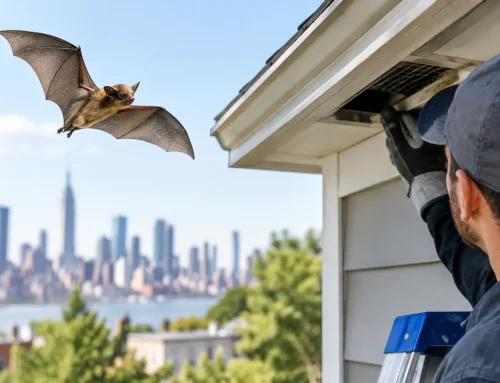
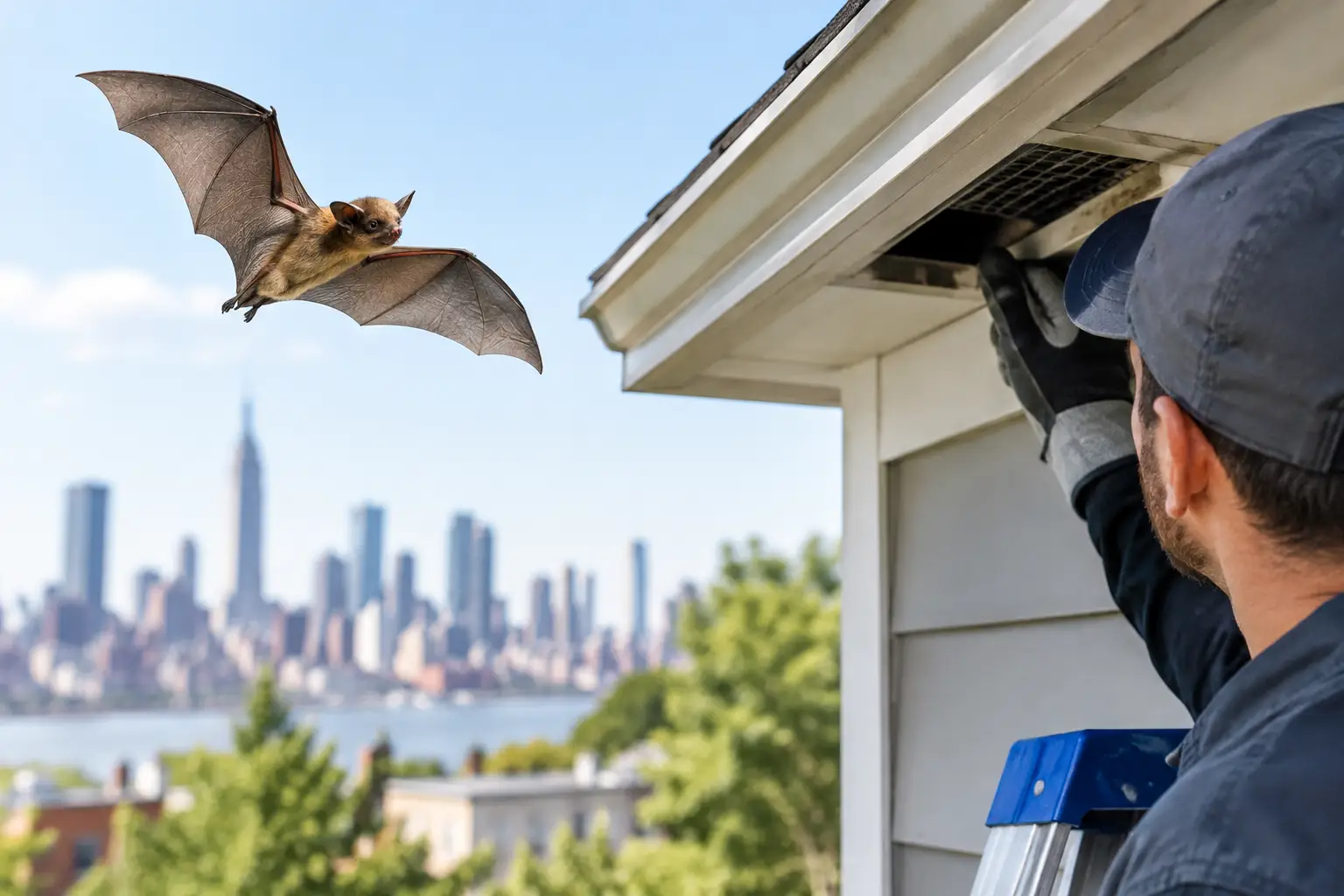
Birds may build nests in exhaust vents, on ledges, under solar panels, and inside roof features. Bats can enter through narrow structural gaps and should never be handled directly. Snakes, opossums, groundhogs, and chipmunks create different risks, from burrowing beneath structures to taking shelter in crawl spaces or garages.
A trained technician can distinguish active wildlife activity from old damage and determine whether young animals may be present. That matters. Timing and removal methods must protect the property without separating dependent young from their mothers.
Why DIY Removal Can Make the Problem Worse
A homeowner can sometimes spot an entry hole, but sealing it immediately is not always the right move. If animals are still inside, they may die in the walls, force their way into living spaces, or create new damage trying to escape. Closing a hole before identifying all entry points can also send the animal to another weak area of the building.
Store-bought repellents, ultrasonic devices, and improvised traps often fail because they do not solve access or nesting conditions. Some methods may be unsafe around children, pets, tenants, or food-handling areas. Handling droppings without proper protection can spread contaminated dust, especially in enclosed attics, crawl spaces, and mechanical areas.
There is also the risk of misidentifying the animal. A nighttime attic sound could be rats, squirrels, raccoons, or bats. The correct response depends on the species, the season, the structure, and local requirements. Humane removal is not guesswork.
The Right Process: Remove, Clean, Repair, Protect
A reliable wildlife removal service follows a process designed to end the current problem and reduce the chance of another one.
First comes a detailed inspection of the interior and exterior. This includes rooflines, soffits, vents, chimneys, foundations, crawl spaces, attics, wall penetrations, garages, and exterior utility areas. The goal is to locate active entry points and understand the damage.
Next, the team uses the appropriate humane removal strategy. Depending on the animal and the conditions, that may involve trapping, controlled one-way exclusion, targeted rodent control, or safe removal from a vent, attic, crawl space, or interior area. Emergency situations may require 24/7 response, especially when animals are inside occupied spaces or creating an immediate hazard.
Once activity is controlled, cleanup becomes critical. Wildlife waste can soak into insulation, wood, stored belongings, and ductwork. Proper cleanup may involve removing contaminated insulation, disinfecting affected surfaces, treating odors, and addressing mold or moisture conditions uncovered during the inspection.
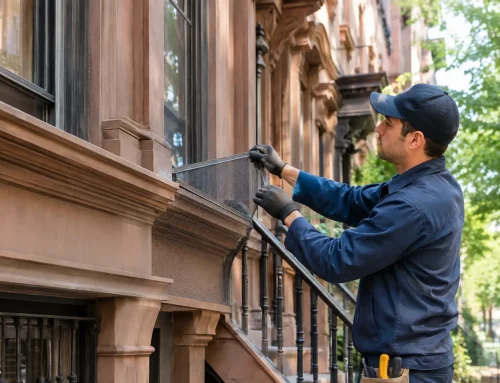
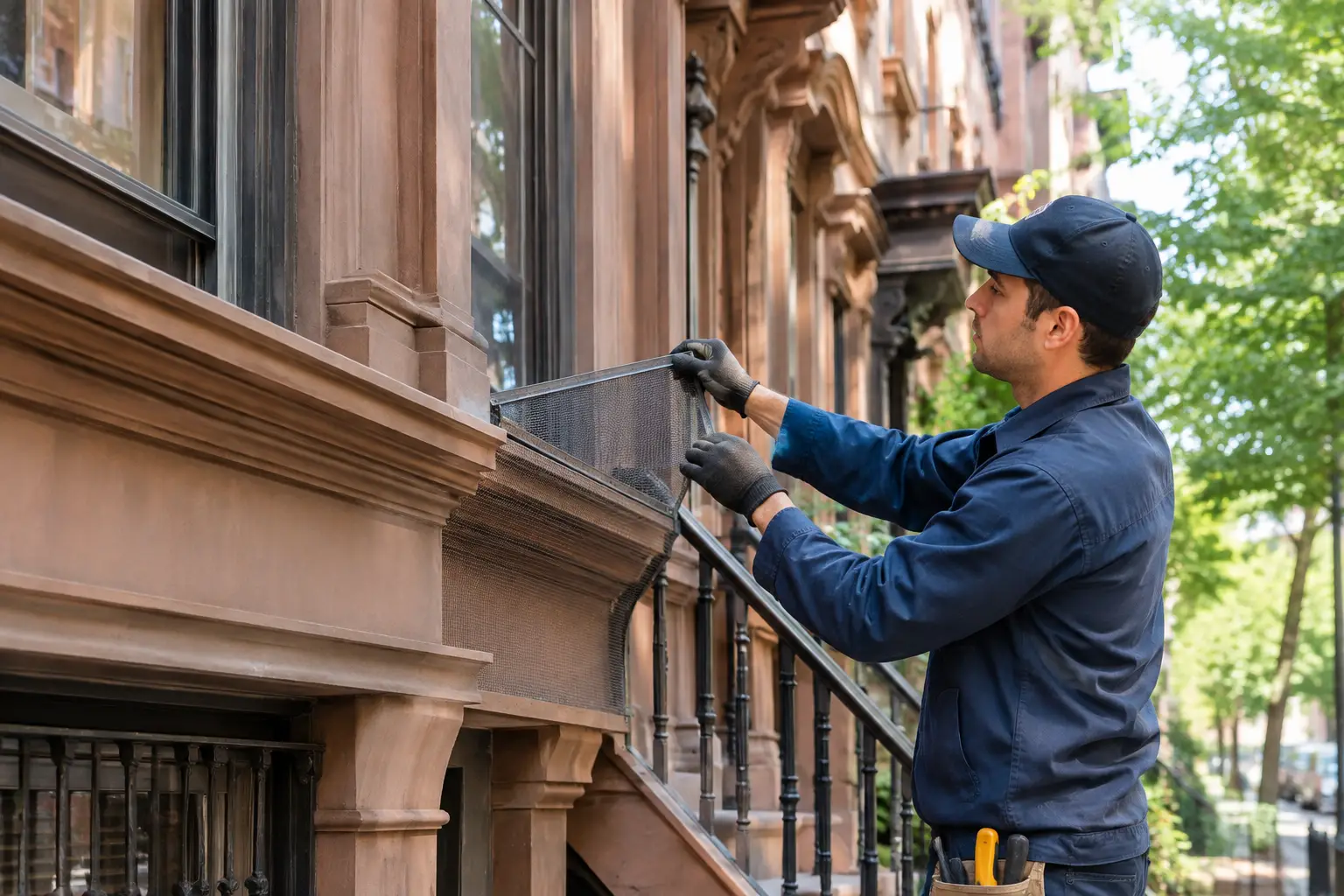
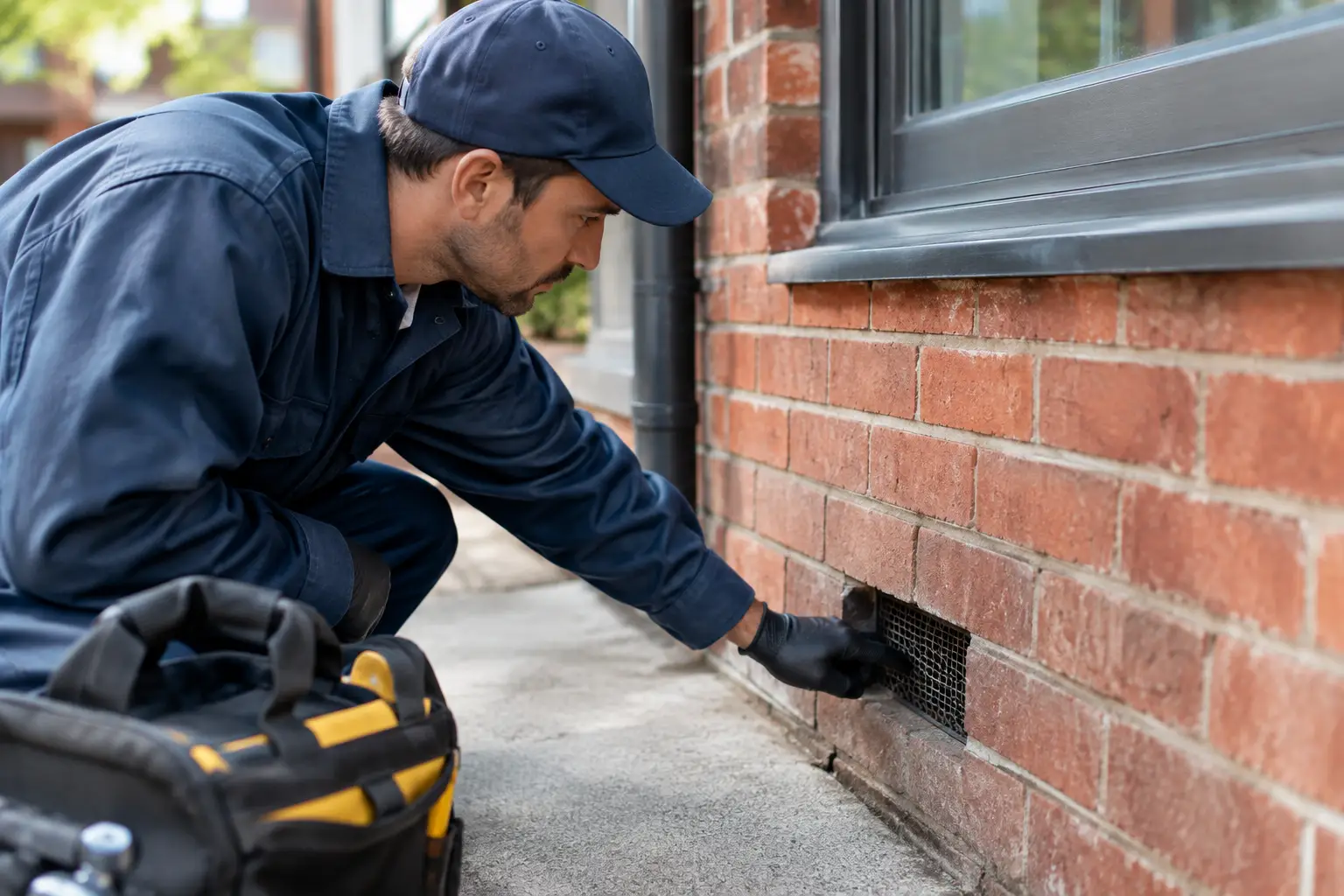
The final step is exclusion and repair. This can include sealing gaps, reinforcing vulnerable roof areas, screening vents, repairing soffits, securing crawl spaces, protecting ridge vents, and installing barriers under solar panels. These are not cosmetic add-ons. They are what turn animal removal into long-term property protection.
Questions to Ask Before Hiring
Not every provider offers the same level of service. Before scheduling work, ask whether the company handles both removal and structural exclusion, whether cleanup and sanitation are available, and how it approaches young animals or sensitive species. You should also ask what areas will be inspected and whether the proposed repairs address every active entry point.
For a commercial building or multifamily property, ask about documentation, access coordination, sanitation procedures, and how the work can be completed with minimal disruption. A strong provider understands that a restaurant, warehouse, apartment building, office, and single-family home each have different safety and access needs.
Animal Control NYC & NJ provides professional wildlife trapping, removal, cleanup, exclusion, and damage remediation for properties throughout NYC and New Jersey. The goal is not simply to remove the animal you can see. It is to restore the affected area and help protect the structure from the next intrusion.
If you hear movement, find droppings, or see damage around a roofline, vent, attic, crawl space, or solar panels, act before the problem expands. Early professional service is usually cleaner, safer, and less expensive than waiting for wildlife damage to become a major repair.