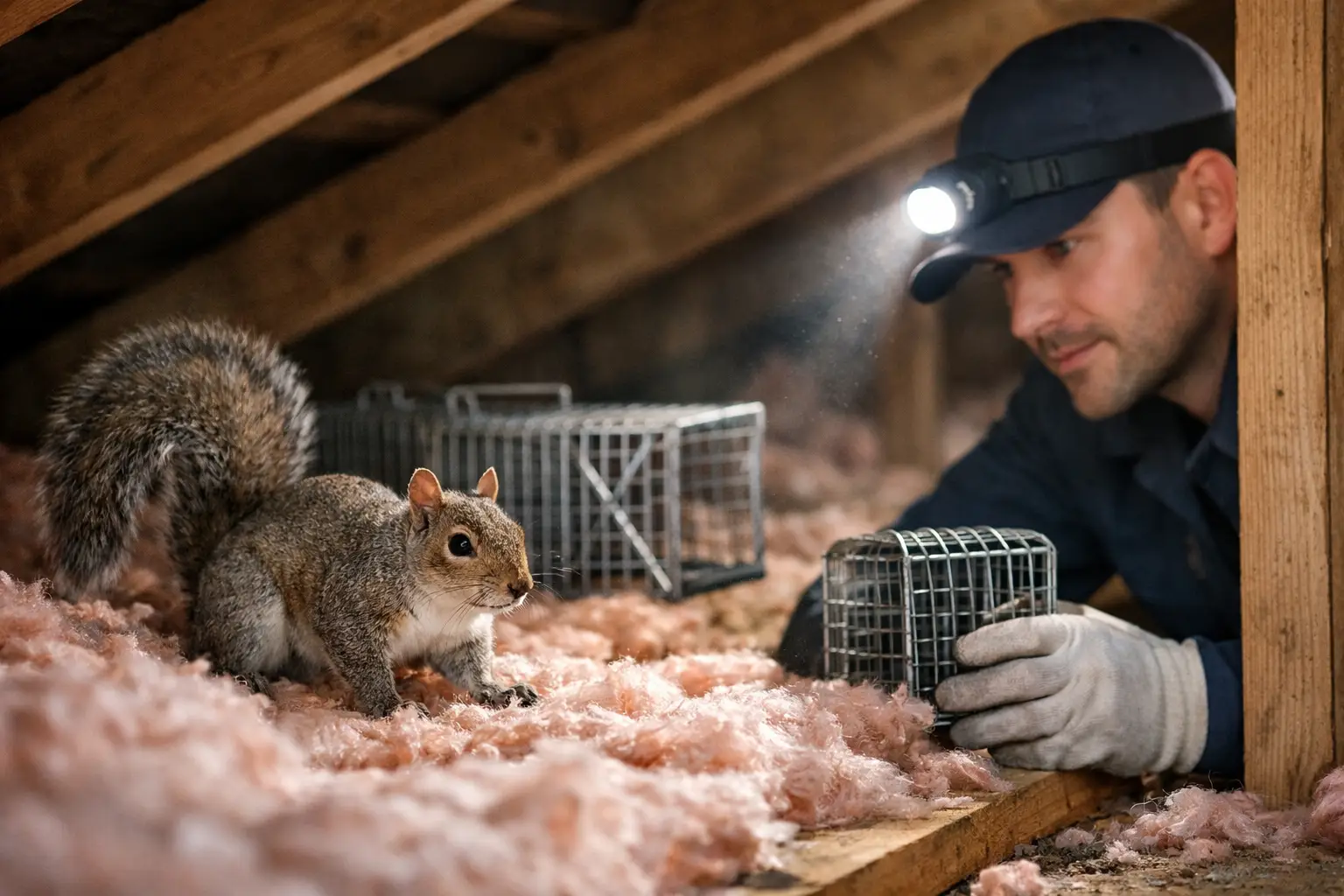
A scratching sound above the ceiling at 6 a.m. is not a minor inconvenience. When squirrels enter an attic, they can chew electrical wiring, tear apart insulation, contaminate stored belongings, and create access points that invite other wildlife inside. Fast, professional squirrels in attic removal protects the structure, the people inside it, and the value of the property.
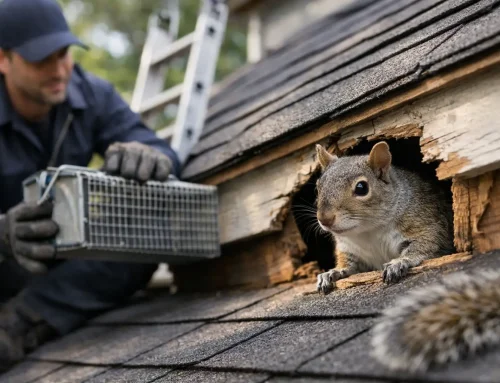
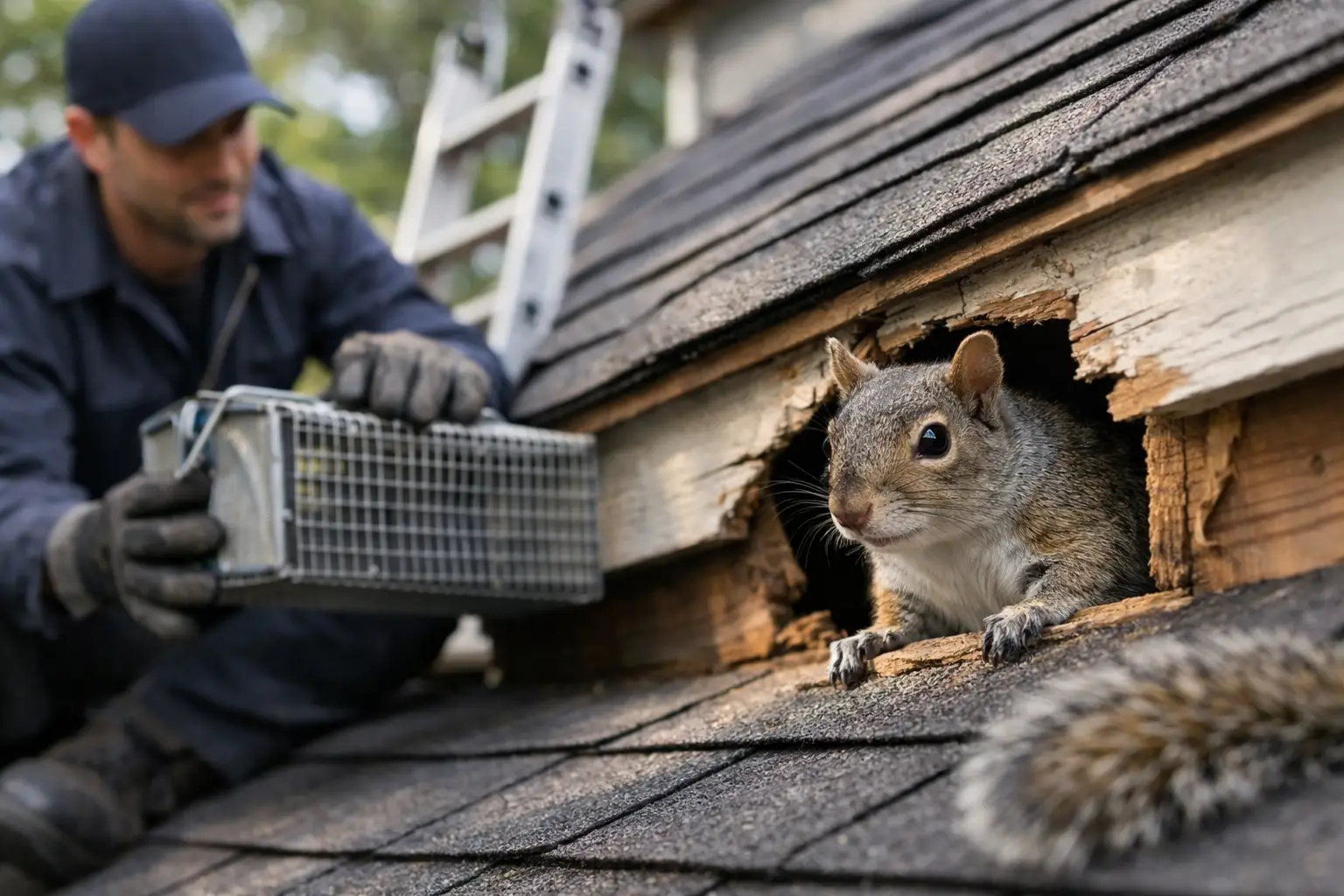
In New York City and New Jersey, squirrels commonly enter through roof gaps, open vents, damaged soffits, loose fascia boards, and spaces around utility lines. Once inside, they may build nests in insulation or wall voids, especially during spring and late summer when they are raising young. Removing the visible squirrel is only one part of the job. The real solution includes inspection, humane removal, cleanup, and permanent exclusion.
Signs You Have Squirrels in the Attic
Squirrels are active during daylight hours, so homeowners often hear them early in the morning or again in the afternoon. Their movement is usually quicker and lighter than a raccoon’s, but persistent gnawing or scurrying should never be ignored.
Common warning signs include:
- Scratching, running, or rolling sounds in the ceiling or walls during the day
- Chewed wood, wiring, ductwork, roof edges, or attic vents
- Torn or compressed insulation that has been used for nesting
- Droppings, urine odor, or debris near attic access points
- Squirrels repeatedly traveling along gutters, rooflines, or nearby tree branches
A squirrel outside does not always mean there is one inside. But repeated activity around one roof section, especially near a vent or damaged trim, is a strong reason to schedule an inspection. Property managers should take tenant reports seriously as well. Delayed action can turn one entry point into a recurring building maintenance issue.
Why Squirrels in an Attic Cause Serious Damage
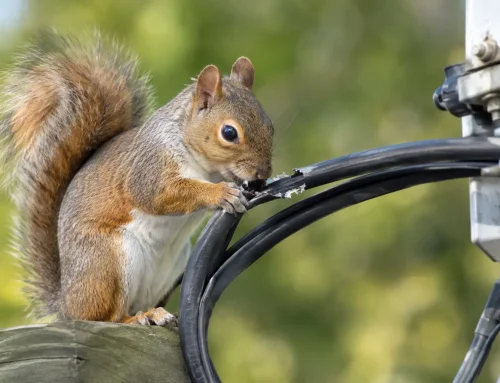
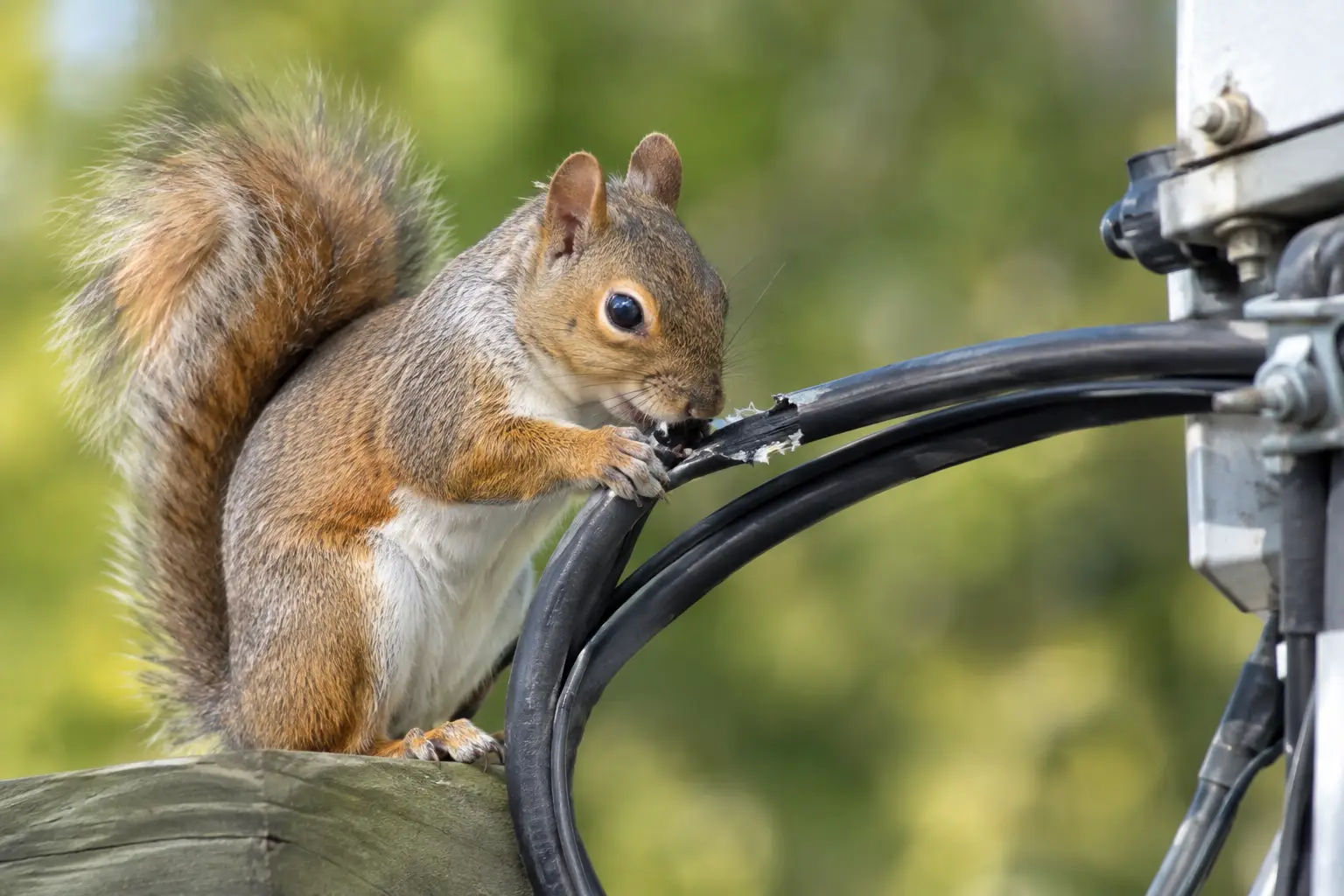
Squirrels have teeth that continually grow, which means they gnaw often. In an attic, that behavior can damage framing, plastic piping, vent covers, cable lines, and electrical wiring. Exposed or compromised wiring creates a potential fire hazard, while damaged insulation reduces energy efficiency and can increase heating and cooling costs.
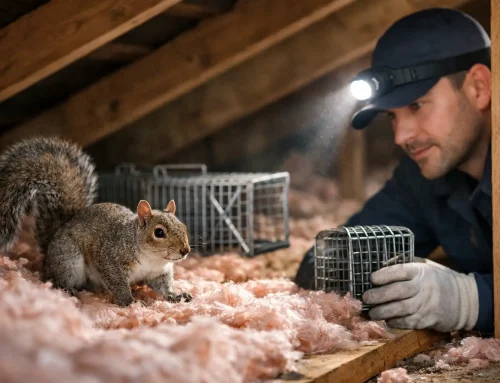
Nest material creates another concern. Squirrels may pull apart fiberglass insulation, cardboard, paper, leaves, and stored items to build a sheltered nest. Their urine and droppings can contaminate insulation and leave odors that linger after the animals are gone. If a squirrel dies in a wall or inaccessible attic area, the odor and insect activity can become a separate problem requiring professional removal and sanitation.
There is also a timing issue. A squirrel may be a mother with dependent young. Sealing an entrance too early can trap babies inside, cause the mother to damage another part of the structure trying to return, and leave animals dying behind walls. That is why effective removal needs a species-specific plan rather than a quick patch over a hole.
How Professional Squirrels in Attic Removal Works
A proper service starts with a detailed inspection of the attic, roofline, vents, soffits, fascia, chimney areas, and exterior access routes. The goal is to identify how squirrels entered, whether more than one animal is present, whether nesting activity is occurring, and what damage needs attention.
Humane Removal Comes First
Depending on the season, access point, and activity level, a wildlife professional may use humane trapping, one-way exclusion devices, or a carefully managed removal strategy. The right method depends on whether young squirrels are present and whether the animals have multiple routes in and out of the building.
Trying to trap or block squirrels without confirming the full situation can make matters worse. A squirrel that cannot reach its nest may chew through siding, roofing, or drywall. A do-it-yourself trap placed in the wrong area can also capture a non-target animal or leave an animal exposed to stress and weather.
Exclusion Stops the Next Infestation
After squirrels are safely out, every vulnerable entry point must be addressed. This may include reinforcing attic vents, screening roof openings, repairing soffits and fascia, securing gaps around pipes, and protecting ridge vents. A single sealed hole is not enough if other weak areas remain along the roofline.
Exclusion work should use durable materials designed to withstand gnawing and weather. Temporary foam, thin plastic, or loosely attached mesh often fails quickly. In dense NYC neighborhoods and wooded New Jersey communities alike, squirrels can find small exterior weaknesses that are easy to miss from the ground.
Cleanup and Attic Restoration Matter
Removal without cleanup leaves behind contamination and damage. If squirrels have soiled or shredded insulation, affected sections may need to be removed and replaced. The attic may also need deodorizing, sanitizing, and repairs to damaged wood, wiring protection, or vent systems.
Animal Control NYC & NJ provides a full-service approach that can include humane removal, attic sanitation, insulation replacement, damage repair, and wildlife proofing. That helps property owners avoid coordinating separate trappers, cleaners, and contractors while the original entry points remain unresolved.
What Not to Do When You Hear Squirrels Overhead
Do not seal a hole while you still hear activity in the attic. This is one of the most common mistakes and can trap squirrels inside the structure. It is especially risky during nesting season, when babies may not be able to leave on their own.
Avoid using poison. Poison is inhumane, may be illegal or restricted depending on the product and location, and can lead to dead animals in walls, ceilings, or inaccessible attic spaces. It also creates risk for children, pets, and other wildlife.
Do not assume mothballs, loud noises, bright lights, or store-bought repellents will solve the problem. These methods may briefly disturb an animal, but they do not repair entry points or remove a nest. In many cases, squirrels simply shift deeper into the attic or return once the disturbance stops.
If you can safely observe the exterior, note where squirrels are entering and leaving. That information can help during an inspection. But avoid climbing onto the roof, opening an active nest, or handling a squirrel. Wildlife can bite when cornered, and attic surfaces can be unsafe to walk on.
When to Call for Emergency Wildlife Service
Some squirrel problems can wait for a scheduled inspection, but others need immediate attention. Call for prompt professional help if you see exposed or chewed wiring, smell burning, notice water entering through a damaged roof area, find a squirrel inside living space, or hear persistent activity near a bedroom ceiling or commercial tenant space.
Commercial properties have additional concerns. A squirrel infestation above offices, restaurants, retail spaces, or multifamily units can lead to complaints, sanitation concerns, business interruptions, and costly repairs. Fast response limits the spread of damage and gives building managers a documented plan for removal and repairs.
Preventing Future Attic Intrusions
Prevention begins outside. Trim tree branches that provide easy access to the roof, keep gutters maintained, and inspect roof edges after storms or wind damage. Pay close attention to ridge vents, attic louvers, chimneys, soffits, and transitions where additions or utility lines meet the building.
Prevention is not always as simple as cutting every nearby branch. Mature trees provide shade and value, and in urban areas they may not be on your property to trim. In those cases, strong vent protection and targeted exclusion become even more important. A professional inspection can prioritize the areas that pose the highest risk without unnecessary work.
If squirrels have already entered, do not wait for the sounds to disappear. Quiet does not always mean the problem is over. It may mean the animal is nesting, has moved into a wall void, or has left behind damage that still needs repair. Early action gives you more options, reduces restoration costs, and helps ensure your attic is safe, clean, and closed to the next animal looking for shelter.