Hearing scratching over the ceiling at 2 a.m. is usually the moment this stops being a small problem. Animal in attic removal is not just about getting one raccoon, squirrel, rat, or bat out of the house. It is about stopping damage, avoiding health risks, and making sure the same entry point does not turn into next week’s emergency.
In NYC and New Jersey, attic intrusions happen fast. Rooflines, soffits, ridge vents, loose flashing, and aging construction give wildlife the openings they need. Once inside, animals tear insulation, chew wood and wiring, leave droppings and urine, and often create nesting areas that keep the problem active. For homeowners, landlords, and property managers, the right response is a professional one – removal, cleanup, and exclusion handled as one job.
Why animal in attic removal needs a full-service approach
A lot of property owners first think in terms of trapping. Trapping can be part of the solution, but by itself it is rarely the whole solution. If an animal got into the attic, there is an access point. If there is an access point, there is a reason it was attractive – shelter, warmth, food, or a safe nesting site.
That is why professional animal in attic removal starts with inspection, not guesswork. The species matters. A squirrel problem is handled differently than a raccoon issue. Bats require a different process than rats. Timing matters too. During baby season, removing the mother without locating the young can leave animals trapped inside the structure, which creates odor, noise, and a much larger cleanup problem.
A proper service call should identify the animal, map the entry points, assess contamination, and determine whether damage repair is needed right away. That is what turns an emergency response into a permanent fix.
Common attic animals in NYC and NJ
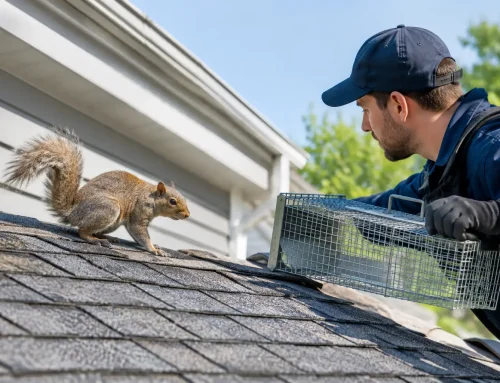
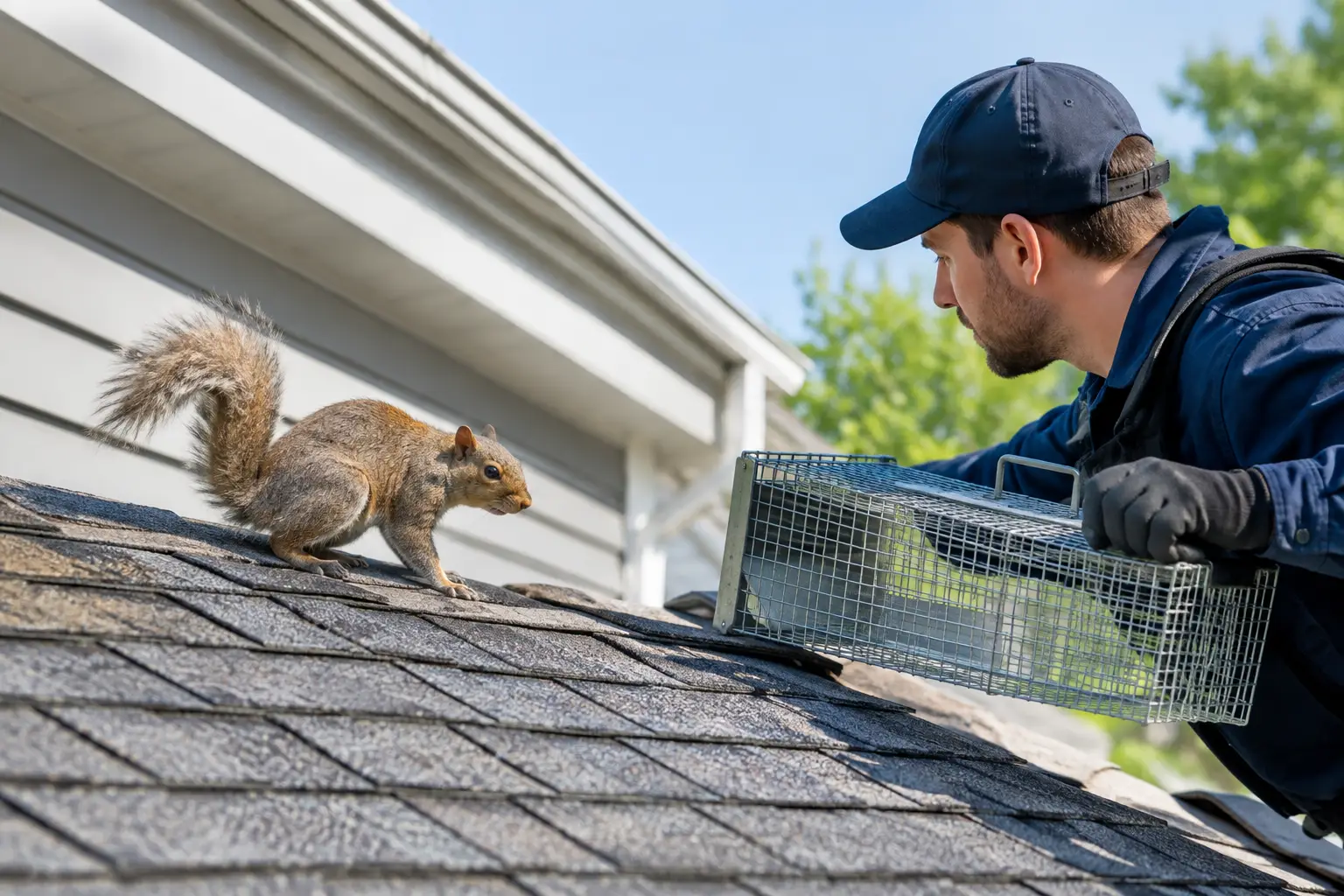
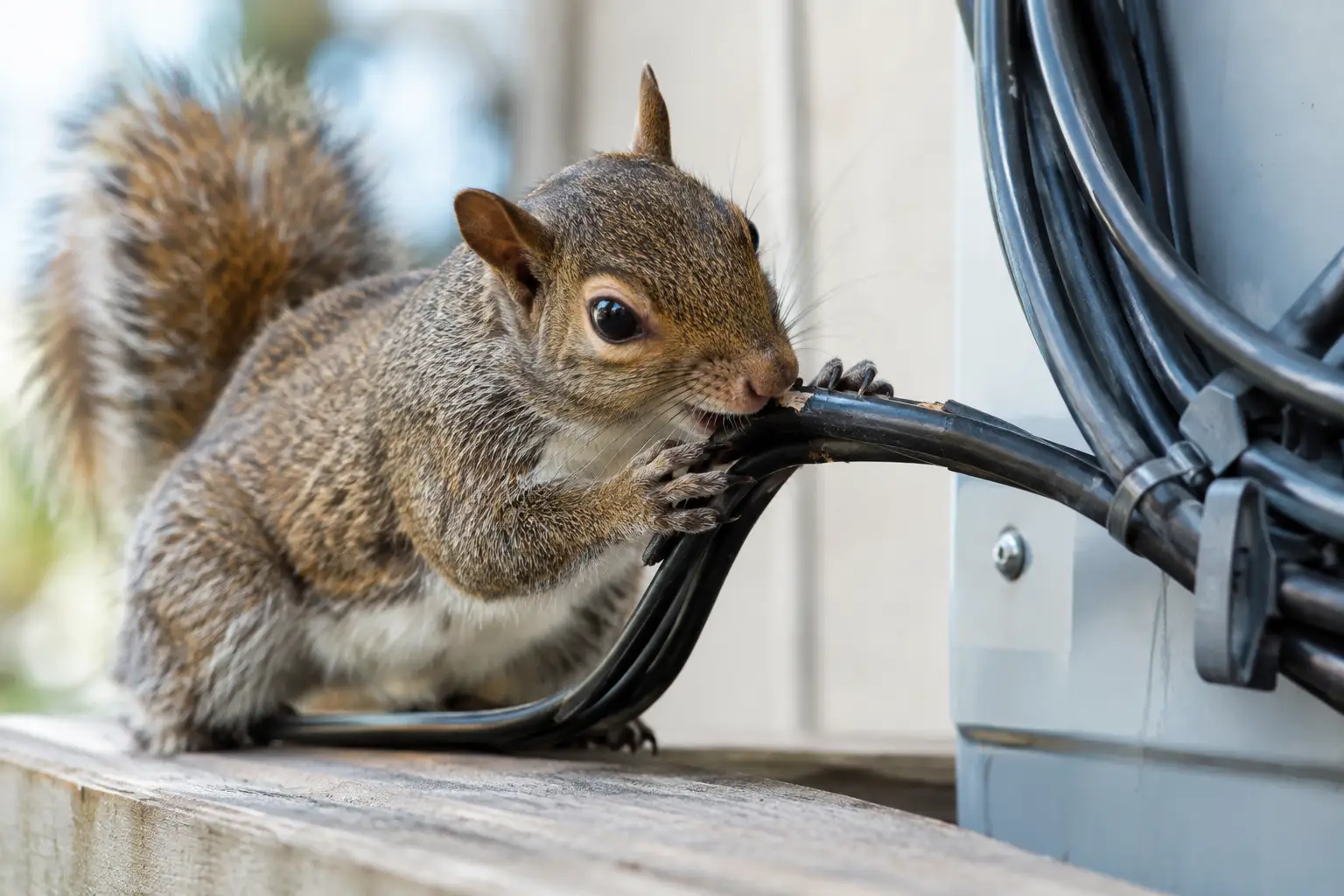
Squirrels are one of the most common attic invaders in the region. They can chew through weak roof edges, fascia, and vents, then build nests in insulation. They are active during the day, so the noise often sounds like running or rolling overhead in the morning and late afternoon.
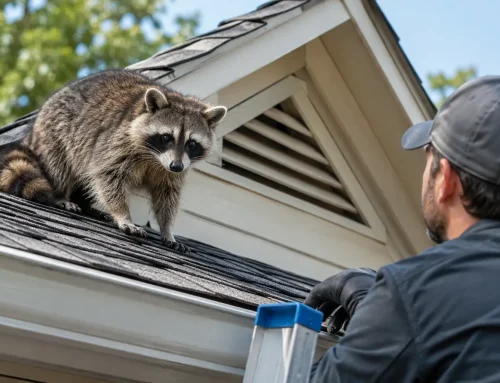
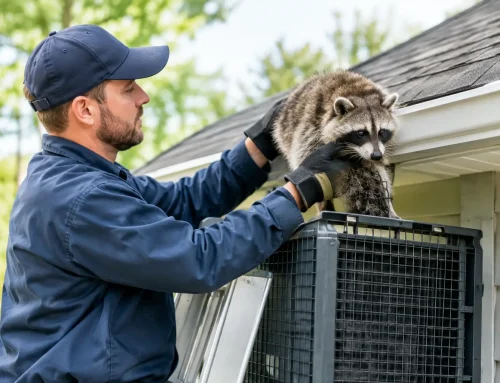
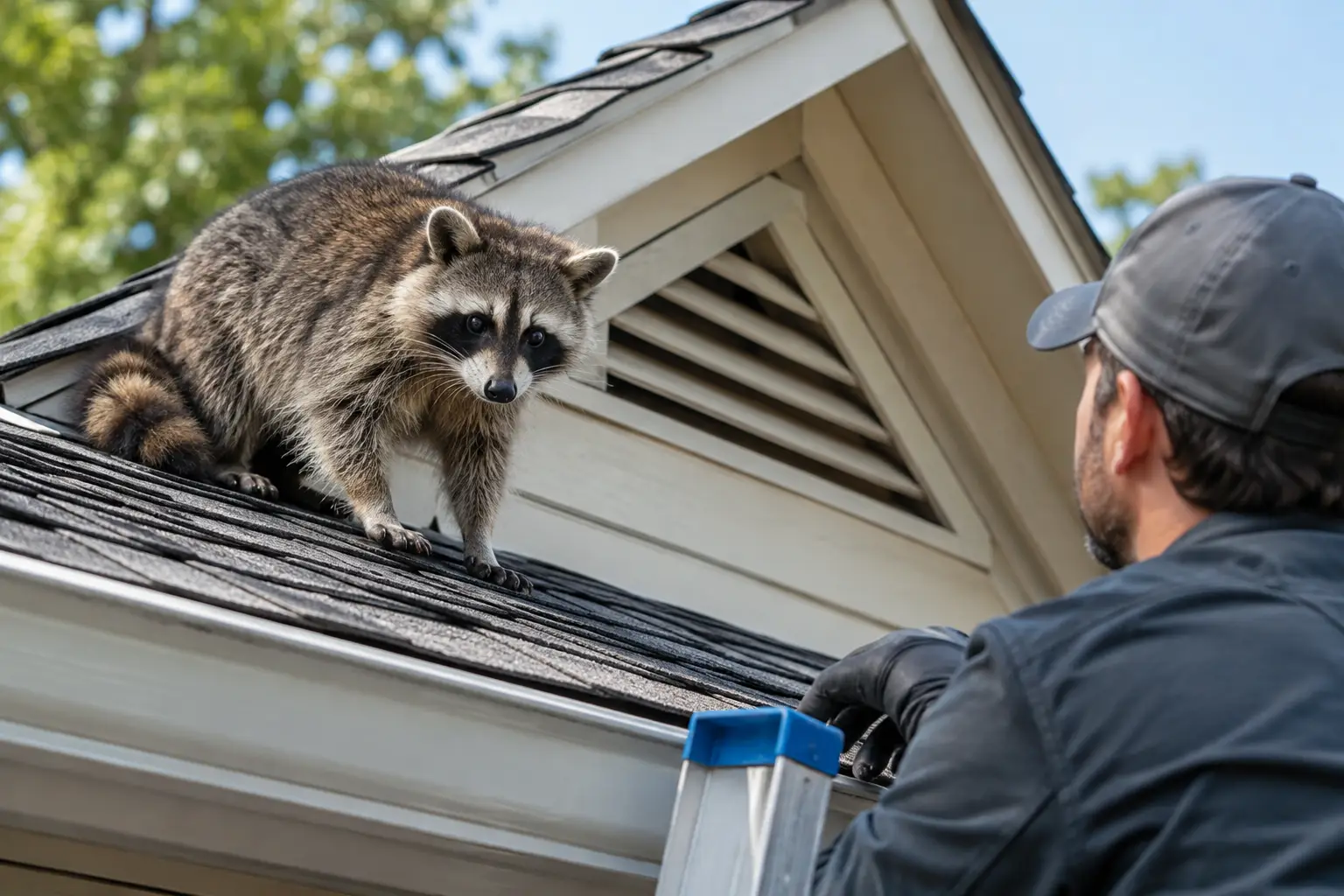
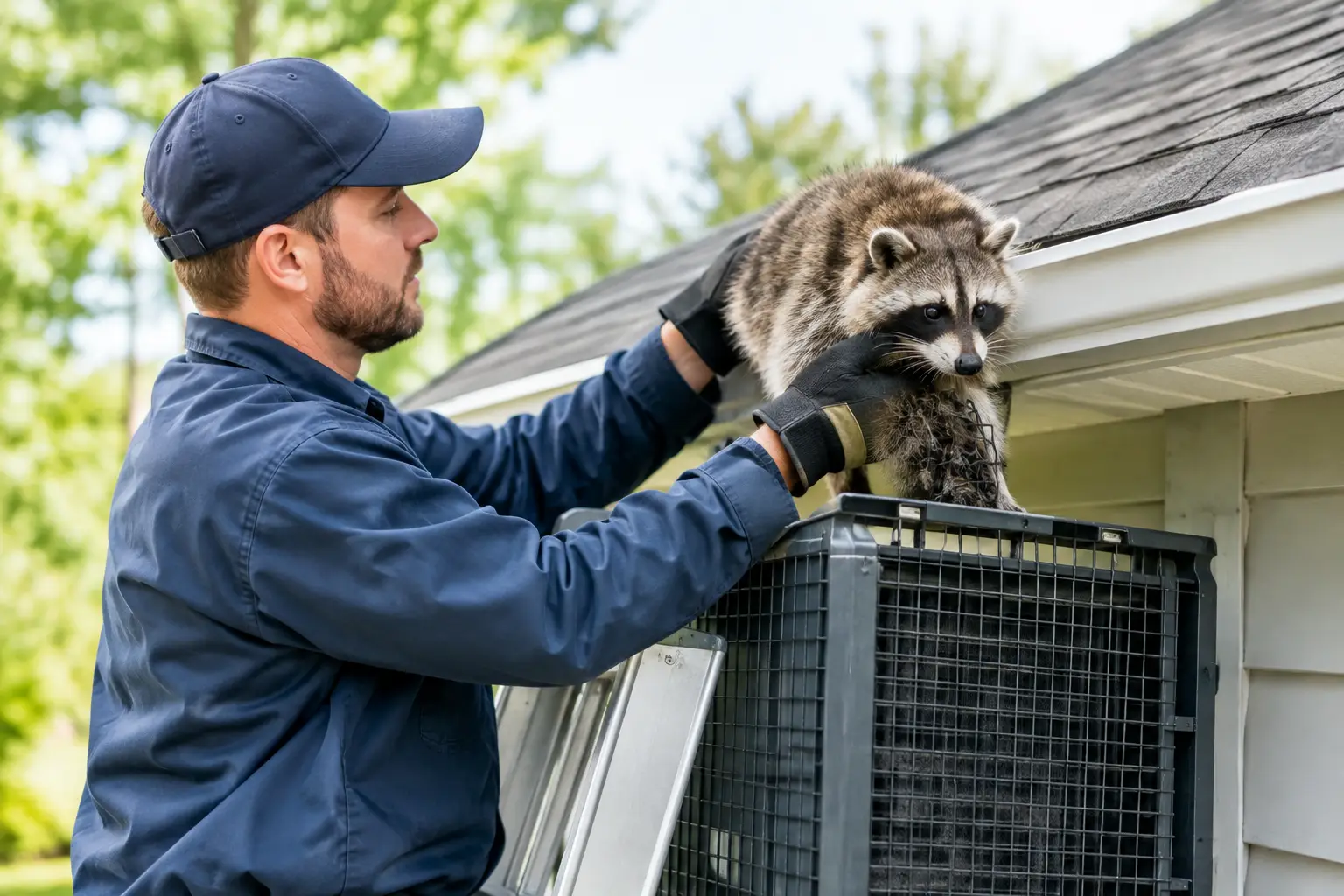
Raccoons create a different level of damage. They are strong enough to tear open soffits, shingles, or vent covers, and they often choose attics for denning. If a raccoon has babies in the attic, the job requires care, experience, and a humane removal plan.
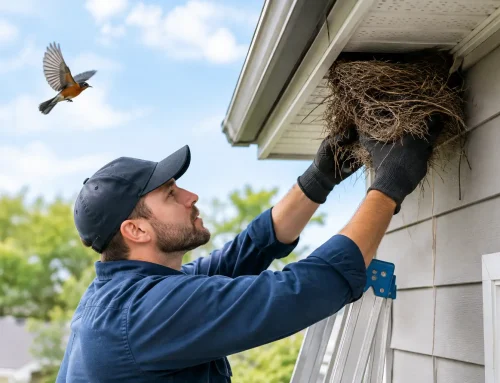
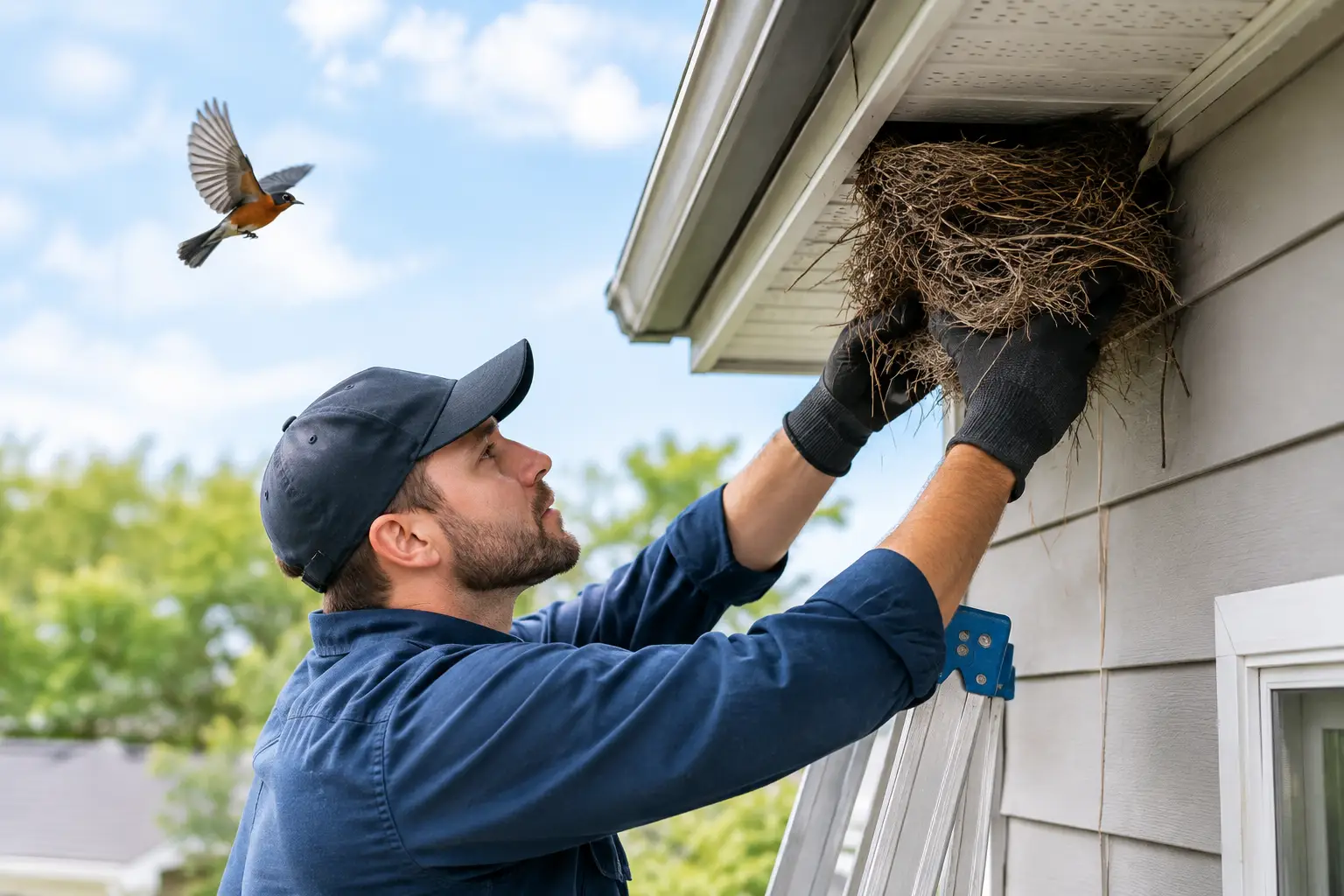
Rats and mice use much smaller openings and can spread through walls as well as attic spaces. Their presence often comes with droppings, gnaw marks, and odor. Bat problems are more sensitive because exclusion must be done correctly and at the right time. Birds can also enter through vents or roof gaps, especially in older structures or commercial properties.
The point is simple: the method depends on the species. A one-size-fits-all approach usually leads to repeat calls.
Signs you need animal in attic removal now
Some warning signs are obvious, and some are easy to dismiss until the damage gets worse. Scratching, thumping, chirping, or heavy movement above the ceiling are common indicators. Stains on ceilings, strong urine odor, droppings near access points, torn vent screens, and insulation scattered near the attic hatch also point to active wildlife.
In multifamily buildings and managed properties, complaints may start from the top-floor unit before anyone realizes the attic is involved. In commercial buildings, you may notice odor, noise during opening hours, or evidence near rooflines and service areas.
If you are seeing activity around gutters, eaves, or roof edges, that often means animals are using the exterior as an access route. Waiting usually gives them more time to nest, contaminate the space, and widen the opening.
What happens during professional animal in attic removal
A professional job usually begins with a detailed inspection of the attic and the exterior. The goal is to confirm what animal is present, where it entered, and whether there are multiple entry points. This part matters because many infestations are bigger than they first appear.
Next comes humane removal. Depending on the species, that may involve live trapping, one-way doors, hands-on extraction of young, or species-specific exclusion work. The safest method is the one that removes the animal without driving it deeper into the structure or leaving dependent animals behind.
After removal, the attic still needs attention. This is where many cheap services stop too early. If droppings, urine-soaked insulation, nesting debris, or dead animal odor remain, the property is not truly recovered. Cleanup, sanitation, and damaged insulation removal may be necessary. In some cases, mold or odor treatment is also needed.
The final stage is exclusion and repair. Entry holes are sealed, vulnerable roof and vent areas are reinforced, and damaged materials are addressed so the attic is no longer an easy target. That may include ridge-vent protection, screening, soffit repairs, or sealing gaps around roof penetrations.
The risks of waiting too long
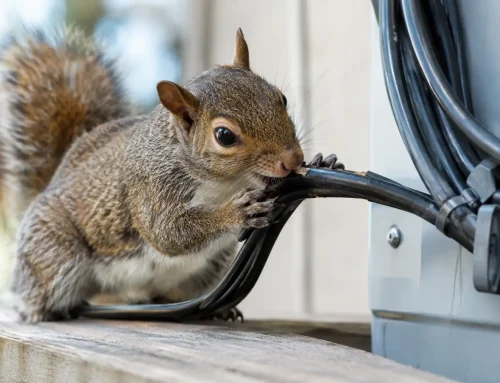
Attic wildlife problems rarely stay contained. Rats and squirrels can damage wiring. Raccoons can tear up insulation and structural materials. Bats and rodents create contamination that can affect indoor air quality and create cleanup issues that go well beyond simple removal.
There is also the risk of secondary problems. A trapped or dead animal can create severe odor and attract insects. Moisture from waste contamination can lead to staining and, in some situations, mold growth. In rental and commercial settings, delay can also mean tenant complaints, business disruption, and greater liability.
The trade-off is straightforward. Acting early usually means a smaller repair bill and a simpler removal process. Waiting often turns removal into remediation.
Why DIY animal in attic removal often fails
Many property owners try store-bought traps, repellents, or patching holes before the animal is actually out. That can make the situation worse. Sealing an active entry can trap animals inside walls or attics. Using the wrong trap can injure the animal, miss the actual target species, or create legal and safety issues depending on the situation.
Repellents are another common dead end. Noise machines, sprays, and scent products may cause temporary movement, but they rarely solve a true nesting problem. If the attic offers warmth and shelter, animals usually return unless the access point is professionally secured.
The real issue is that removal and proofing have to happen in the right order. Miss that sequence, and you are paying twice.
Choosing the right animal in attic removal service
When you are comparing providers, look for a company that handles more than trapping. You want inspection, humane removal, cleanup, exclusion, and repair from one team. That reduces delays and avoids the usual handoff problem where one contractor removes the animal and another is left to deal with contamination and damage.
Availability matters too. Wildlife problems do not wait for business hours, and severe attic activity can become an immediate safety issue. A 24/7 response is especially important for landlords, property managers, and commercial operators who need fast action and clear communication.
Local experience matters in NYC and NJ because building types vary. A brownstone, a detached home, a warehouse, and a mixed-use property all present different access points and service challenges. A qualified team should understand how wildlife behaves in dense urban settings as well as suburban neighborhoods.
For many customers, the biggest advantage is getting the whole property restored in one engagement. Animal Control NYC & NJ handles removal, sanitation, exclusion, and structural recovery so the problem is not just moved out – it is actually solved.
What to do if you hear animals overhead tonight
Do not enter the attic to investigate on your own, especially if you suspect raccoons, bats, or a large rodent issue. Keep pets and children away from the area, avoid disturbing the ceiling below the activity, and do not seal exterior holes until the species and occupancy status are confirmed.
If you can safely observe the outside of the property from the ground, look for activity near rooflines, vents, soffits, and gutters. That information can help speed up inspection, but the next step should still be a professional visit.
Fast, humane animal in attic removal protects more than the attic. It protects the rest of the building from the damage, contamination, and repeat invasions that follow when the job is only half done. When the noise starts overhead, the best move is to treat it like the urgent property issue it is.