The scratching starts above the ceiling at 2 a.m., and suddenly the question is not academic anymore. Wildlife trapping versus repellents becomes a real decision when a raccoon is tearing insulation, squirrels are chewing entry points, or birds are nesting in vents. For property owners in New York City and New Jersey, the right choice depends on the animal, the location, the level of damage, and whether the problem is already inside the structure.
Wildlife trapping versus repellents: what changes the outcome
Repellents sound appealing because they seem simple. Spray a product, place a device, and the animal leaves. In a few limited situations, that approach can help. But once wildlife has settled into an attic, crawl space, wall void, roofline, or commercial building, repellents rarely solve the full problem.
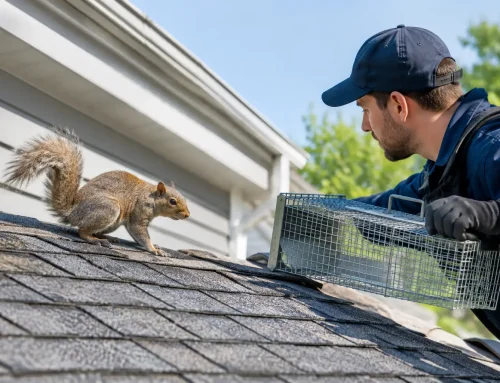
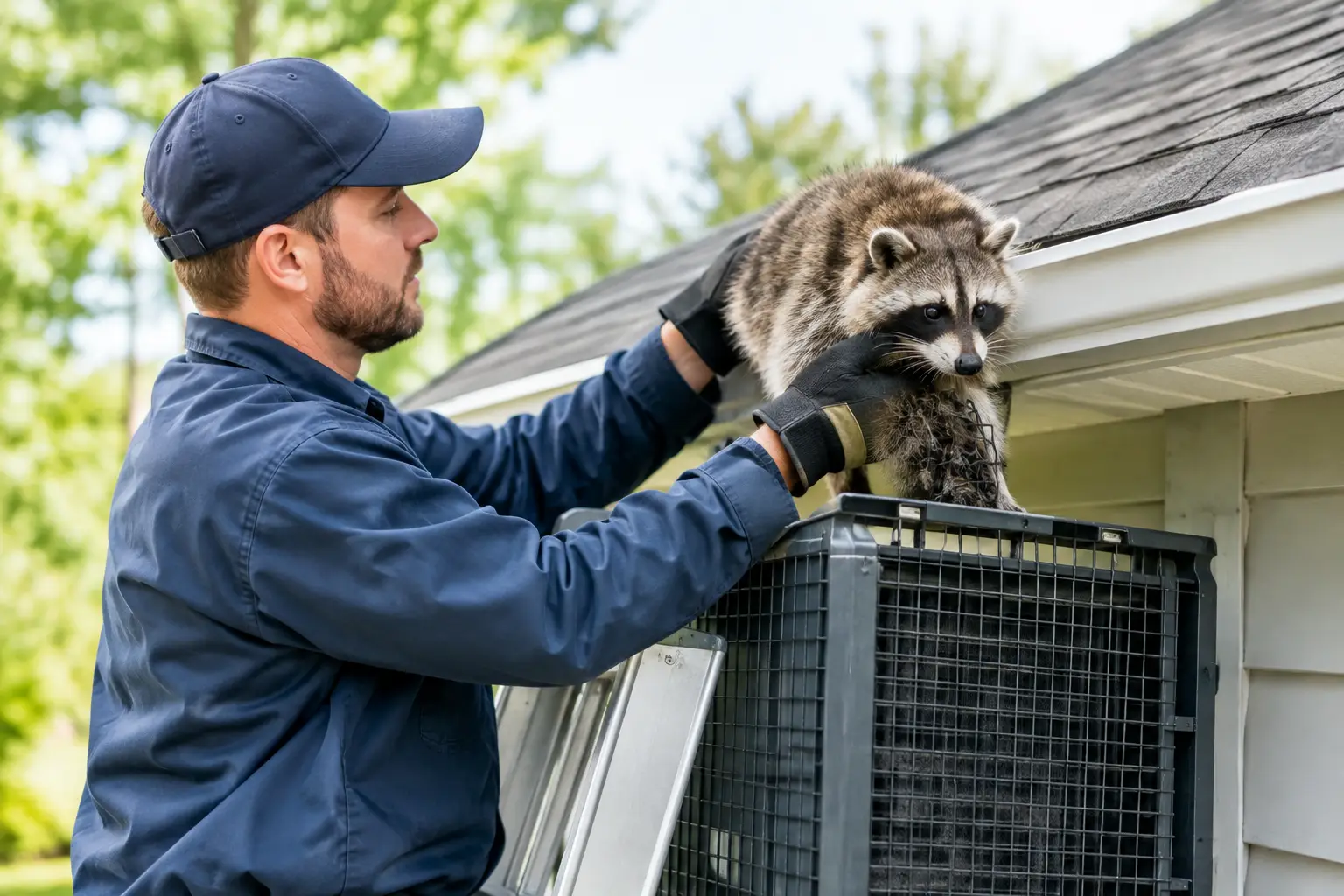
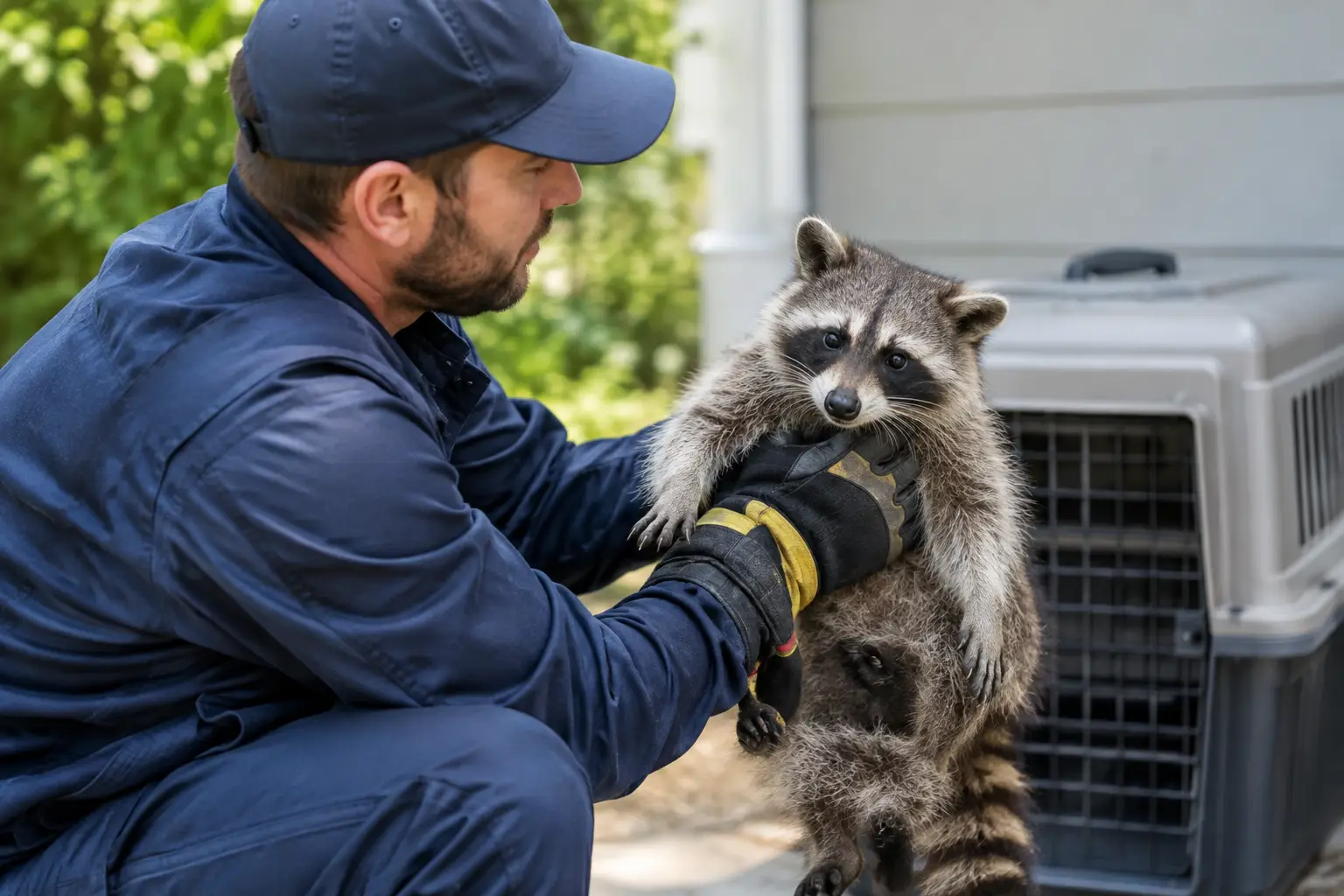
Trapping is different. It is a direct removal method used when an animal is already occupying the property or returning repeatedly. A professional can identify the species, place the right equipment, remove the animal humanely, and then address the opening that allowed access in the first place. That matters because removal without exclusion often leads to the same problem a week later.
The biggest mistake property owners make is treating an active wildlife intrusion like a minor nuisance. If the animal is nesting, breeding, contaminating insulation, or damaging building materials, delay usually makes the cleanup more expensive.
When repellents can work
Repellents have a role, but it is smaller than most people hope. They tend to work best as a short-term deterrent in outdoor areas where animals are investigating but not yet established. For example, a repellent may discourage browsing in a garden bed or reduce light animal activity around a non-critical exterior area.
Inside or on a structure, results are far less reliable. Urban wildlife adapts quickly. Raccoons, squirrels, rats, pigeons, and bats do not usually abandon a secure shelter because of odor, sound, or taste-based products, especially when there is warmth, food, or a nesting site involved. In many cases, they simply shift to another section of the same building.
Repellents also have a timing problem. By the time a homeowner notices noise, droppings, odors, or damage, the animal has often been there for days or weeks. At that point, the issue is not just presence. It is occupation. That usually calls for removal, sanitizing, and sealing, not a spray bottle or ultrasonic unit.
When trapping is the better option
If an animal is inside the property, trapping is usually the more effective route. This is especially true when there are entry holes, torn soffits, chewed vents, contaminated insulation, or repeated sightings. The goal is not just to scare the animal. The goal is to remove it safely and stop the cycle.
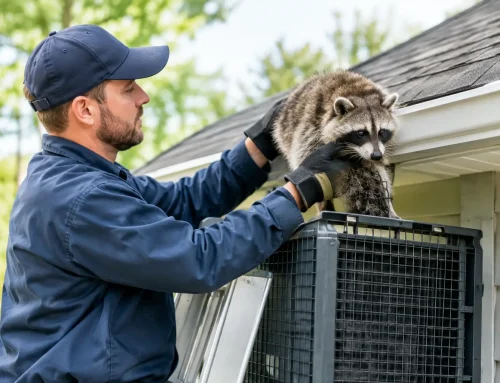
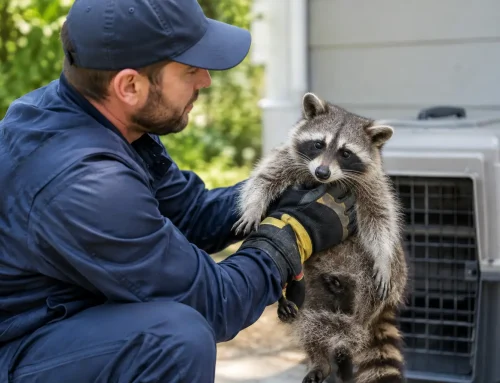
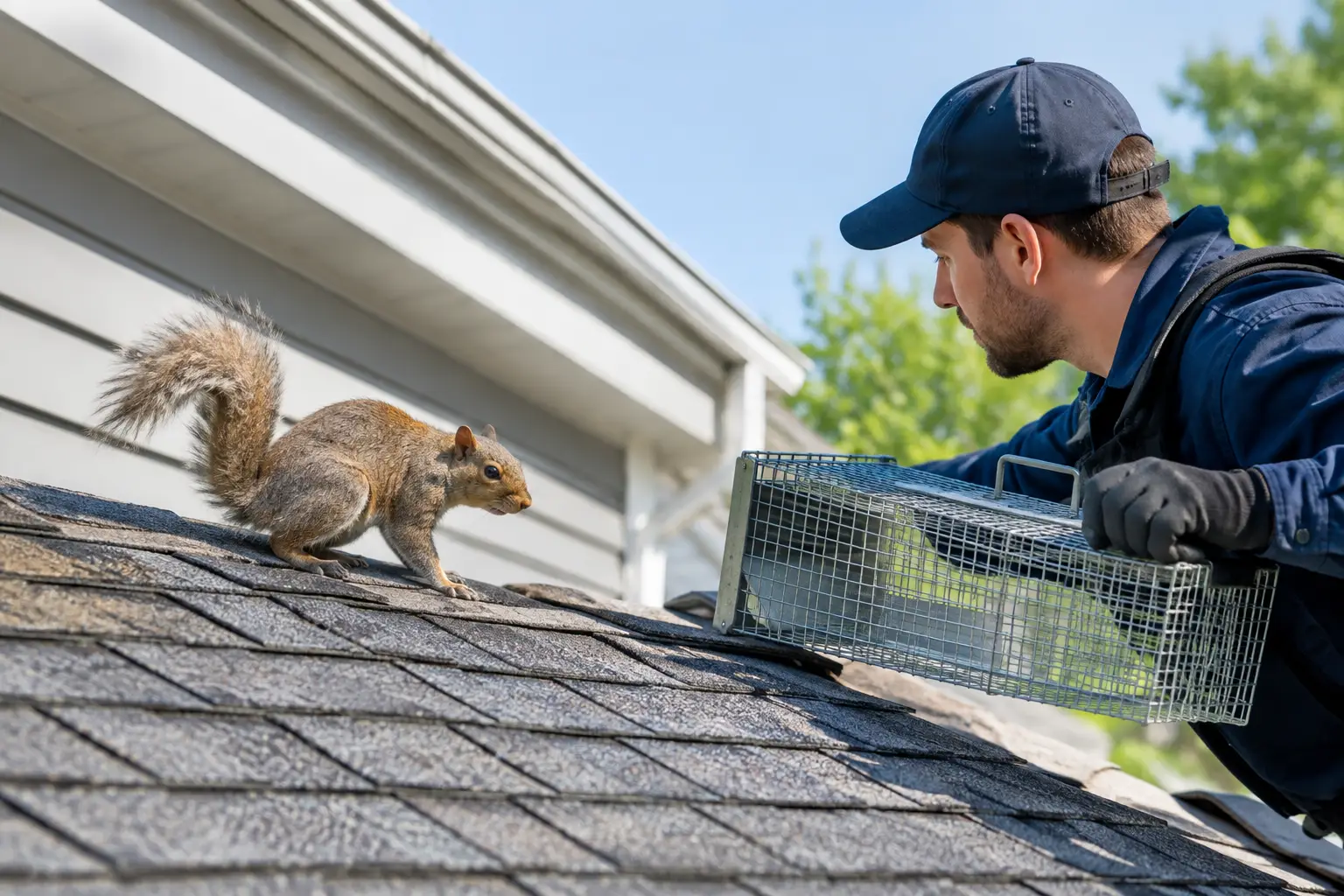
Trapping is often necessary for raccoons in attics, squirrels in soffits, opossums under decks, groundhogs near foundations, and certain recurring rodent or bird situations. It is also critical when there may be young animals present. A repellent used at the wrong time can separate a mother from babies, leaving you with odor, noise, and a much bigger remediation problem inside the structure.
Professional wildlife trapping is not random cage placement. It involves inspection, species identification, understanding travel patterns, checking local rules, and using humane methods that fit the situation. In dense NYC and NJ environments, that level of precision matters. Multi-family properties, retail buildings, warehouses, brownstones, and detached homes all create different access points and safety concerns.
The real issue is not removal alone
A lot of failed wildlife jobs have one thing in common: the animal was addressed, but the property was not. This is where wildlife trapping versus repellents often gets framed too narrowly. The better question is what actually solves the problem long term.
If raccoons were removed from the attic but the roof return was left open, the job is incomplete. If birds were pushed away temporarily but vent guards were never installed, the building is still vulnerable. If a dead rodent was removed but contaminated insulation stayed in place, the odor and health risk remain.
That is why complete wildlife control includes more than getting the animal out. It includes exclusion, cleanup, disinfection, and repair. In many cases, attic restoration, crawl space sealing, vent protection, gutter protection, or insulation replacement are what turn a temporary fix into a permanent one.
Species matters more than most owners realize
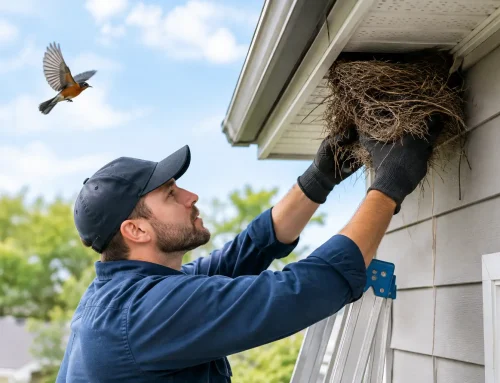
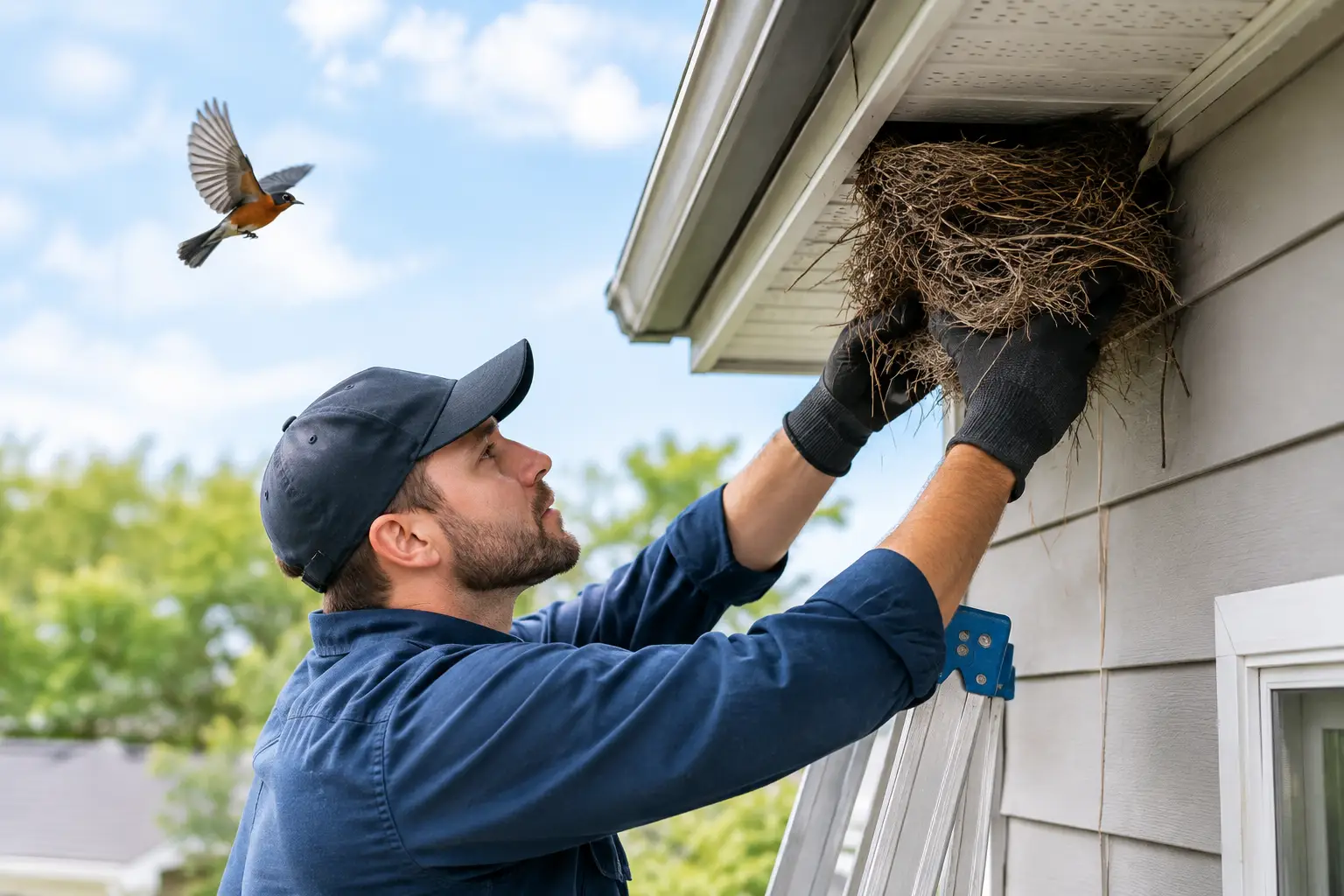
Different animals respond to very different strategies. Squirrels often ignore repellents once they have a nest site. Raccoons are strong, persistent, and comfortable around structures, which makes simple deterrents unreliable. Bats are a specialized case because removal must be handled carefully and legally, often with exclusion systems rather than standard trapping. Birds may require netting, vent guards, cleanup, and proofing, not just deterrent products.
Rodents add another layer. Rats and mice can sometimes be reduced with baiting and sanitation work, but if access points are not sealed, the population returns. The same principle applies across species: if the structure remains open and attractive, the problem is not solved.
That is why professional inspection comes first. You need to know whether you are dealing with one animal, a breeding pair, a colony, or a recurring entry pattern. Guessing costs time.
What property owners should consider before choosing
The first factor is location. If the animal is in a garden bed or crossing the yard, repellents may be worth trying in a limited way. If it is inside the attic, chimney, wall, basement, crawl space, or roofline, direct removal is usually necessary.
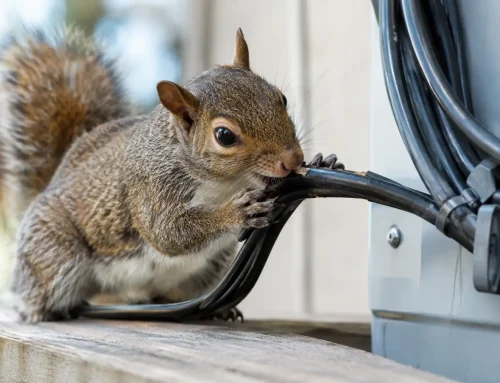
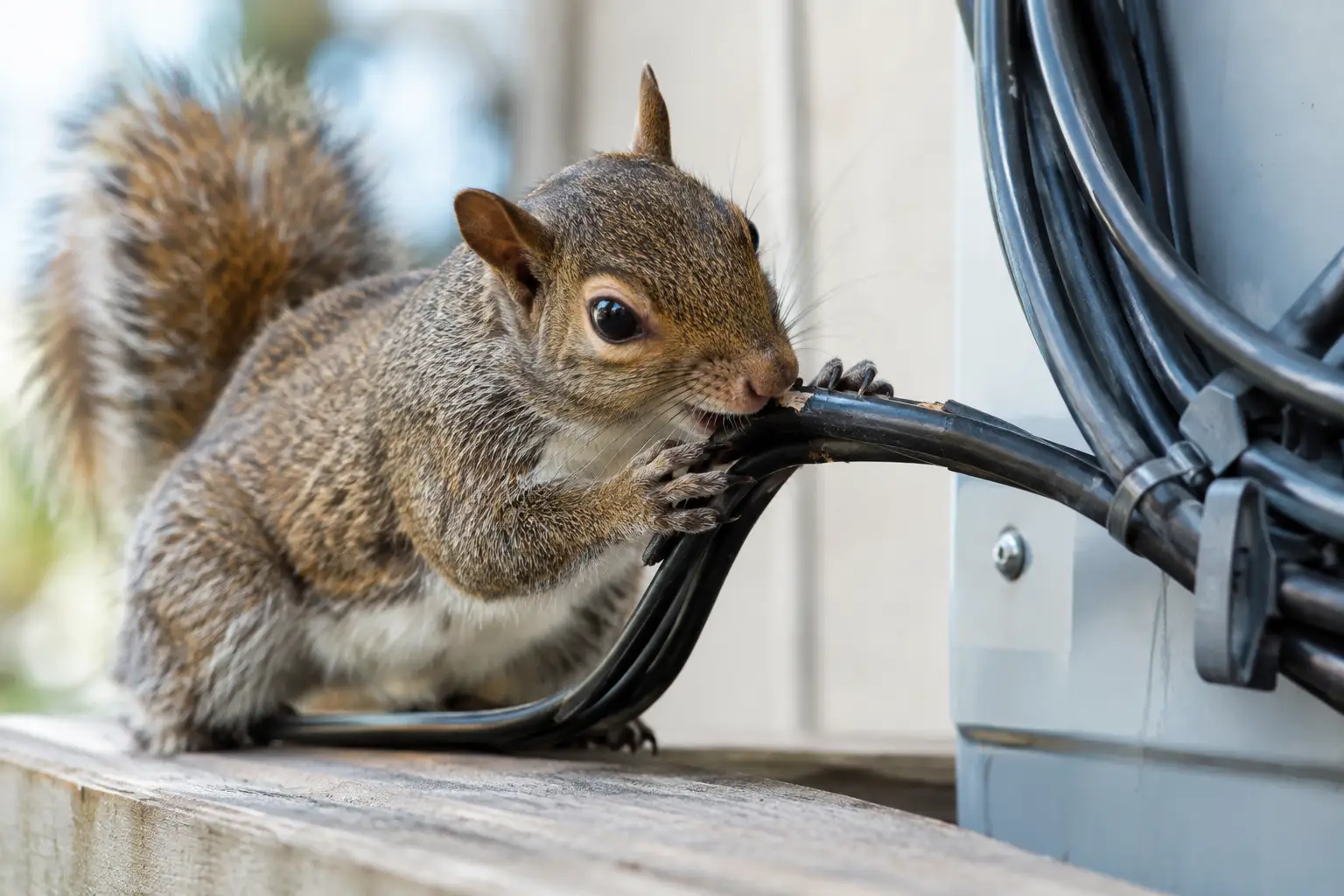
The second factor is damage. Once droppings, urine, nesting debris, chewed wiring, torn ductwork, stained ceilings, or foul odors are present, the job has moved past deterrence. At that stage, the property may need cleanup and repair along with animal removal.
The third factor is urgency. In apartment buildings, retail spaces, restaurants, offices, and managed properties, waiting to see if a repellent works can create tenant complaints, code issues, and higher remediation costs. Fast action protects both the building and the people using it.
The fourth factor is safety. Wildlife problems can involve bites, contamination, parasites, and disease risks. A cornered raccoon, a bat issue, or a heavily contaminated attic is not a casual DIY project. Humane handling and safe cleanup matter just as much as removal.
Why DIY repellents fail so often
Most off-the-shelf repellents are marketed for convenience, not structural wildlife control. They are often used without confirming the species, the number of animals, the nesting cycle, or the actual entry point. That leads to a false sense of progress while damage continues behind the walls or above the ceiling.
There is also a durability issue. Rain, heat, dust, and airflow reduce effectiveness. Sound devices are ignored. Strong-smelling products fade. Some animals simply relocate a few feet away and remain on the property. Meanwhile, entry holes stay open.
For active infestations, DIY methods often waste the most valuable thing in the job: time. By the time the owner calls for service, contamination has spread and repairs are more extensive than they would have been earlier.
A practical way to make the right call
If the animal is outside, not nesting, and not damaging the structure, a limited repellent approach may be reasonable. Monitor it closely. If activity continues, escalate quickly.
If the animal is inside, has returned more than once, or has already caused damage, trapping and full wildlife control are usually the right move. That means inspection, humane removal, exclusion, sanitation, and repair. For serious intrusions in NYC and NJ, that complete approach is what prevents repeat calls.
Animal Control NYC & NJ handles these problems the way they need to be handled in the field – fast, species-specific, and with the property itself in mind. Because the goal is not just to remove wildlife. The goal is to restore the building to a safe condition and keep animals from coming back.
When you are deciding between trapping and repellents, do not focus on what sounds easiest. Focus on what matches the level of intrusion. A small outdoor nuisance can sometimes be discouraged. An animal that has moved into your structure needs a real removal plan, followed by proofing and cleanup that closes the problem for good.