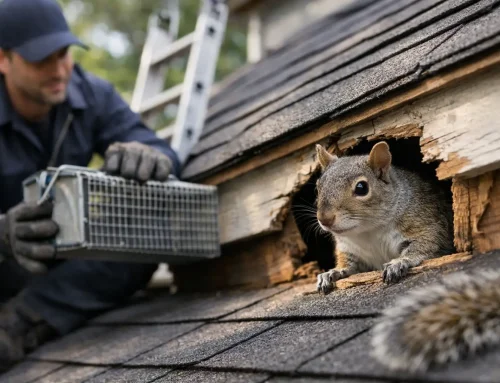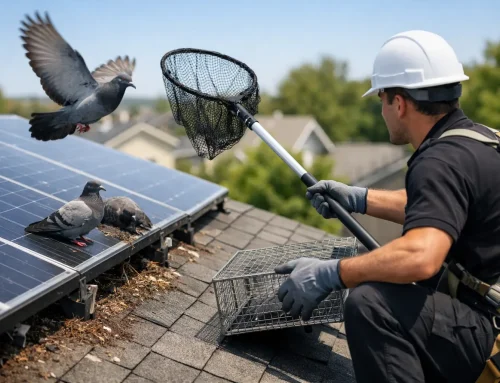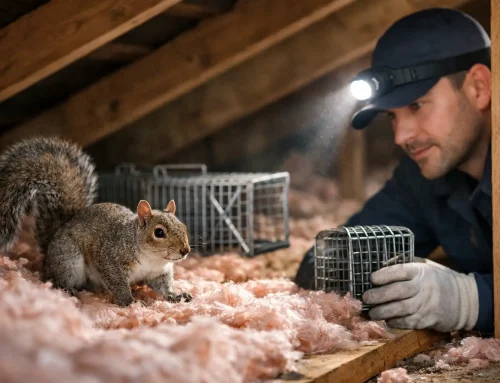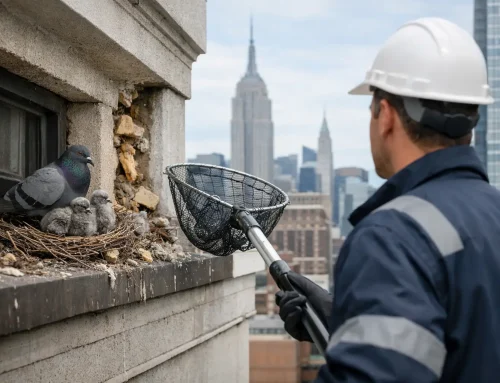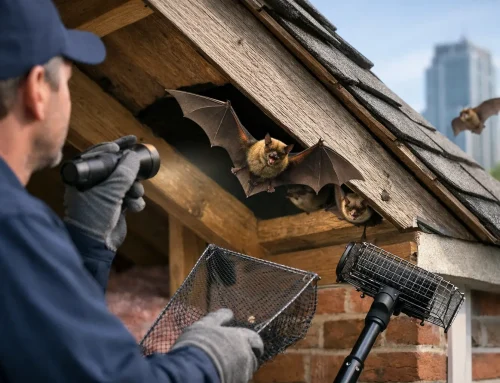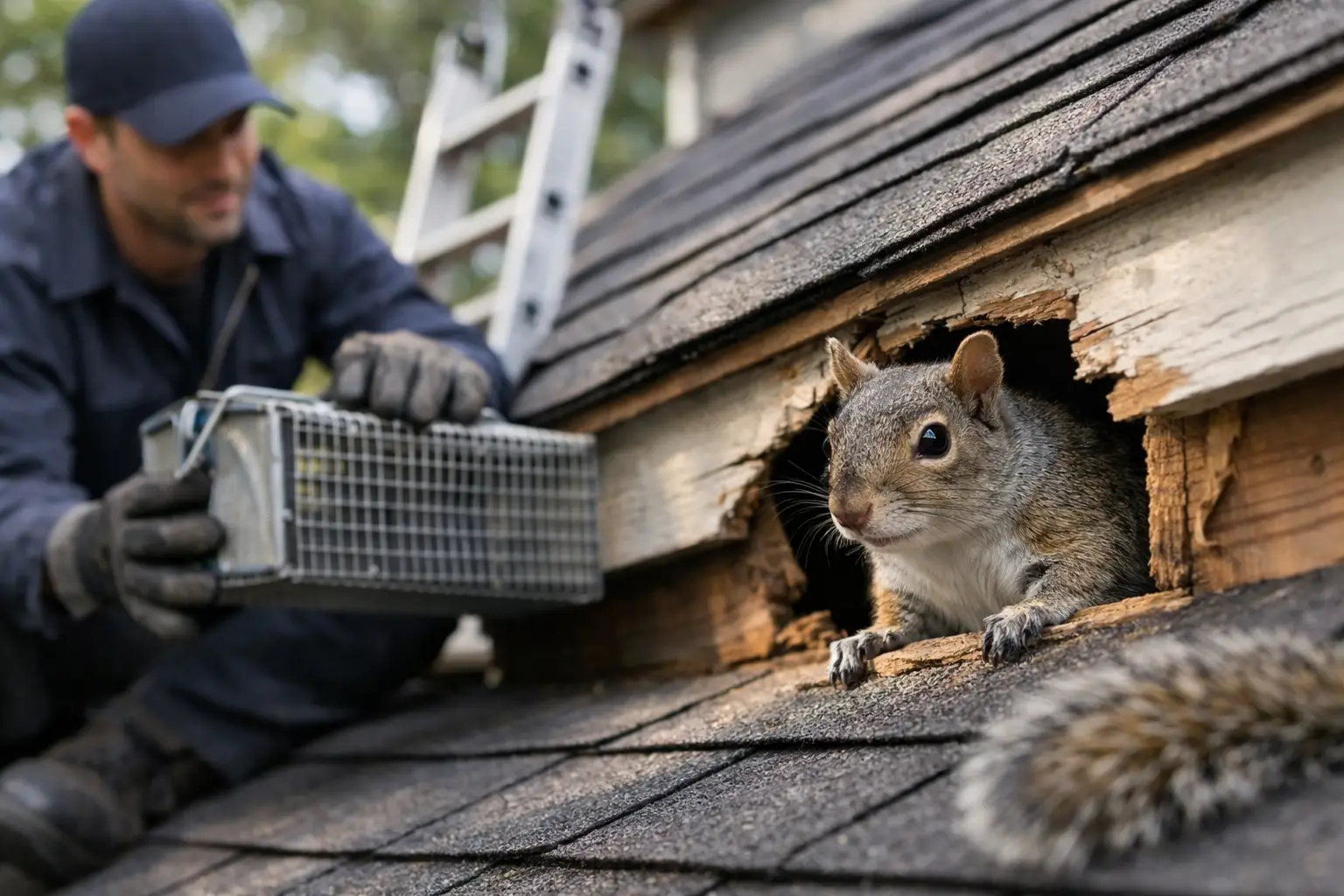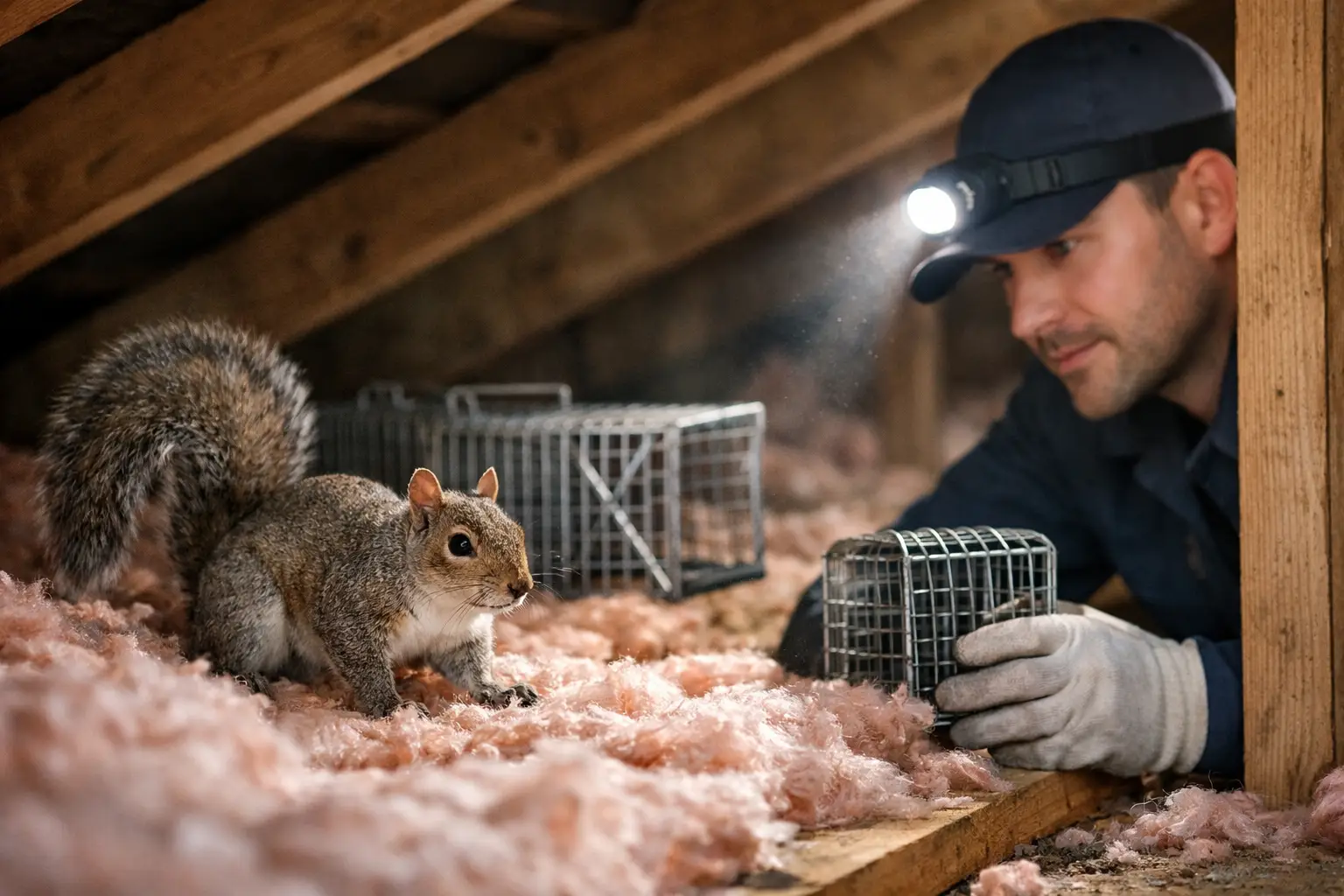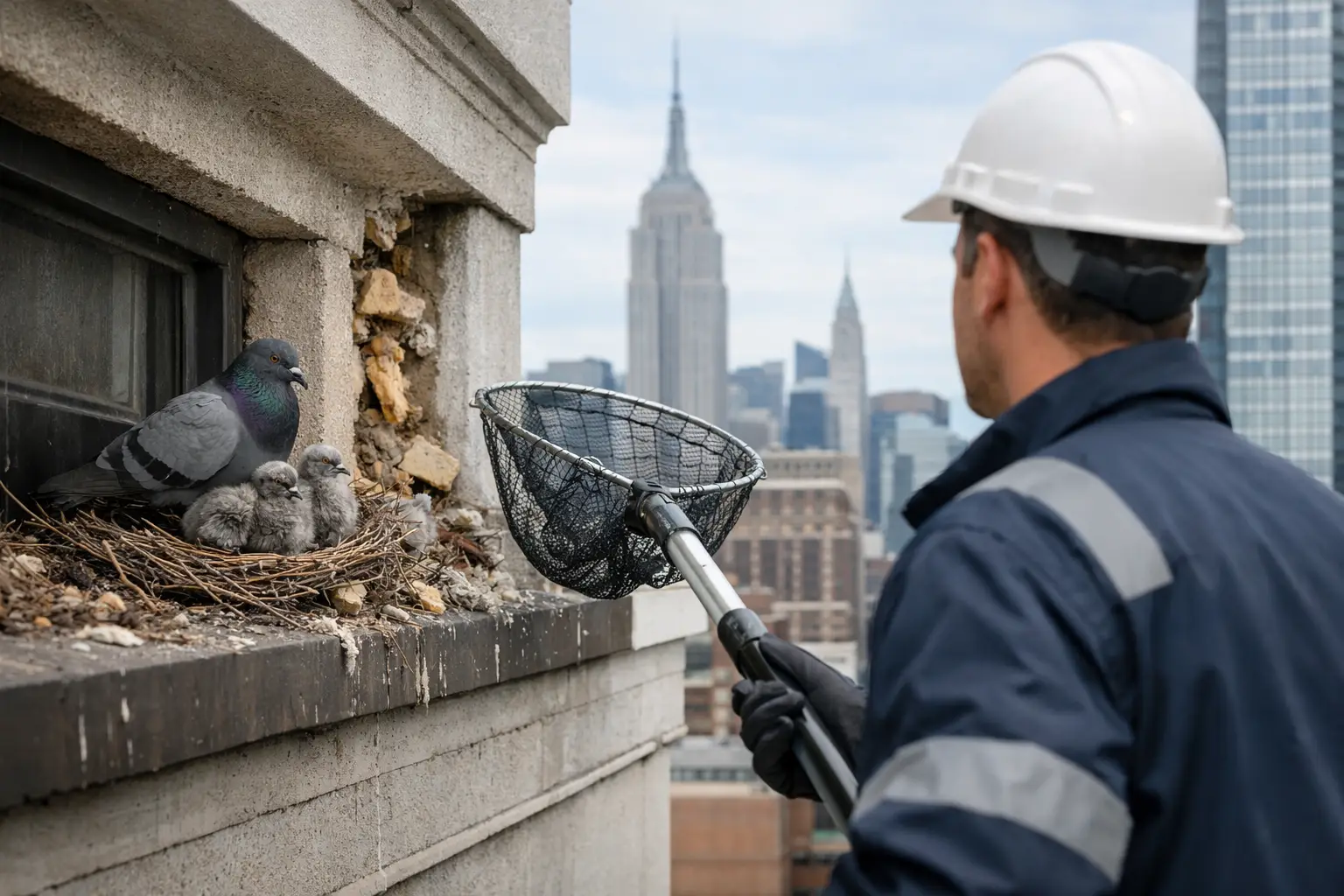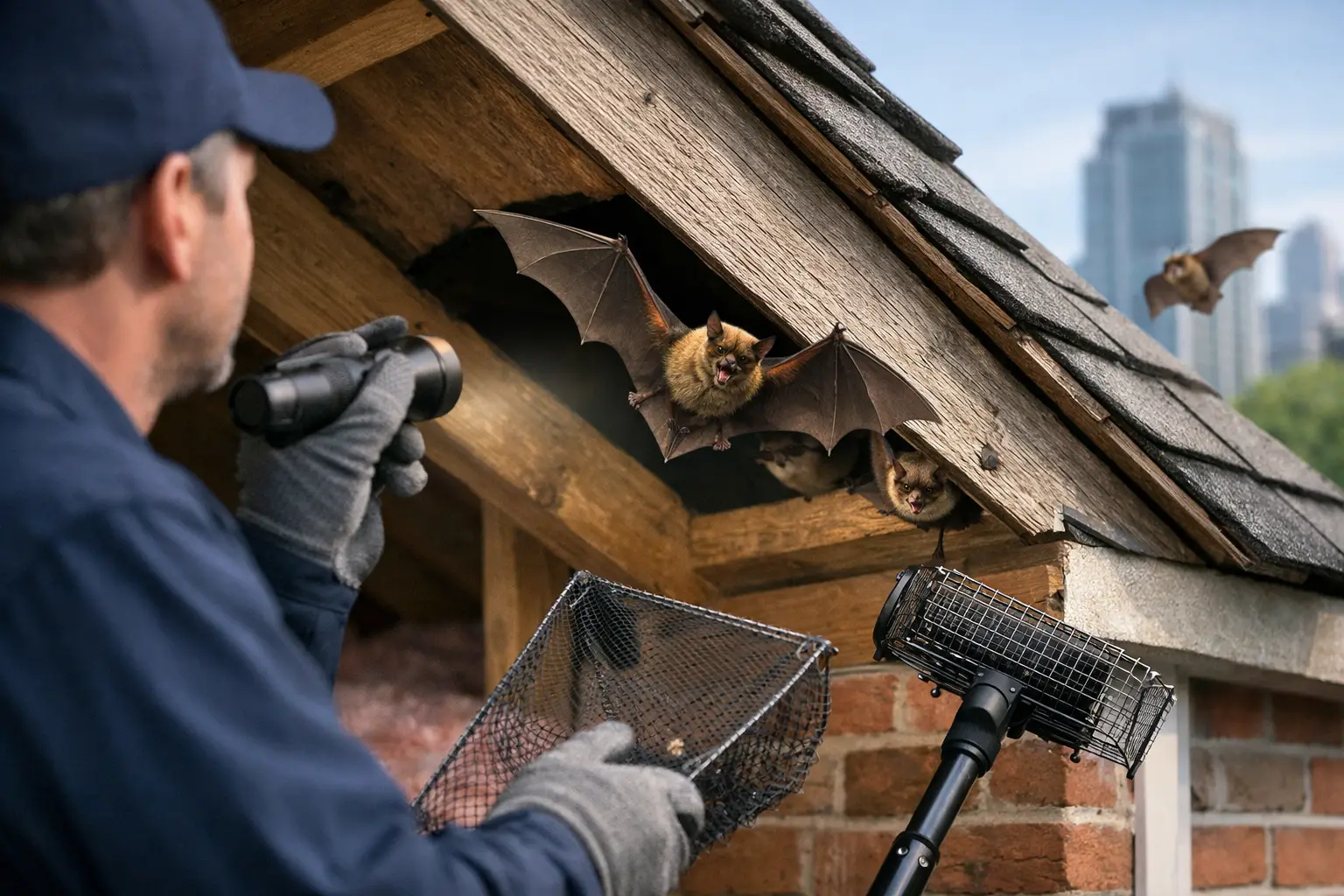
A crawl space usually gets ignored until something starts scratching, odors drift into the house, or insulation is hanging down after an animal nest. If you are searching for how to seal crawl space areas, the goal is not just to close a gap. The goal is to stop repeat animal entry, reduce moisture problems, and protect the structure without trapping anything inside.
In NYC and New Jersey, crawl spaces are common targets for rats, mice, raccoons, skunks, opossums, and other nuisance wildlife. Many property owners make the same mistake – they patch the visible hole fast, only to find a new opening a few feet away or discover an animal was still underneath. Sealing has to be done in the right order.
Why crawl space sealing has to be done carefully
A crawl space is one of the easiest access points on a building. Vents, loose lattice, damaged foundation screens, utility penetrations, and rotted access doors all create weak spots. Once animals get in, the problem spreads beyond noise. You can end up with contaminated insulation, damaged ductwork, droppings, strong odor, and conditions that attract more pests.
Moisture makes the situation worse. Wet crawl spaces soften wood, rust fasteners, and create odor conditions that linger. If you seal openings without addressing water intrusion or ventilation strategy, you may block animals out but still leave the structure vulnerable. That is why proper exclusion is part pest control, part building protection.
How to seal crawl space the right way
The first step is inspection, not repair. Before closing anything, check for active animal presence, droppings, nesting material, tracks, burrows, chewed wood, and greasy rub marks. Look at the full perimeter, not just the obvious entry point. In many cases there is a primary opening and one or two backup routes.
You also need to know what animal you are dealing with. A mouse-sized gap and a raccoon-sized opening call for very different materials and repair methods. Rodents can squeeze through spaces much smaller than most property owners expect, while larger wildlife can rip weak screening back open in one night.
If there is active wildlife inside, remove it first. This matters for humane handling, safety, and odor prevention. Sealing a crawl space with animals still under the structure can lead to dead animal removal, interior damage, and even more aggressive attempts to re-enter. For homes and commercial properties dealing with confirmed wildlife activity, exclusion should happen after trapping, one-way exit work, or species-specific removal.
Step 1: Find every opening
Walk the entire exterior and inspect the crawl space access point, vent openings, pipe penetrations, foundation cracks, loose siding near grade, and any area where utility lines enter. Check corners carefully. Animals often exploit hidden edges where materials have separated over time.
Inside the crawl space, look for daylight. If you can see light through the foundation line, that is a potential entry point. This is also the time to inspect insulation, vapor barriers, and signs of standing water.
Step 2: Use materials animals cannot tear through
One of the biggest reasons DIY sealing fails is material choice. Foam alone is not exclusion. Caulk alone is not exclusion. Lightweight screen is not exclusion. Those products may help with air sealing, but they do not hold up against chewing, clawing, and repeated wildlife pressure.
For most crawl space openings, the repair needs a durable barrier such as galvanized steel mesh, heavy-gauge hardware cloth, metal flashing, or pressure-treated structural repair materials where framing has rotted. The right fit depends on the opening size and what caused the damage. Larger openings often need framing repair before screening can be installed securely.
Fastening matters too. A good exclusion repair is mechanically secured. If a patch can be pulled loose by hand, an animal can likely pull it loose too.
Best places to seal around a crawl space
The most common trouble spots are foundation vents, access doors, corners where lattice meets masonry, and pipe or conduit penetrations. These areas shift over time, especially in older homes and mixed-material structures.
Foundation vents need special attention. They cannot just be stuffed shut with random material. If the vent is meant to stay functional, it should be protected with animal-proof screening that allows the intended airflow while blocking entry. If the crawl space design calls for encapsulation or a different moisture-control approach, the vent strategy may change. That is where experience matters, because the wrong closure can create condensation and mold issues later.
Access doors should close tightly and resist warping. A loose wooden hatch with a half-inch gap around the frame is an open invitation to rodents and larger wildlife. A proper access door repair usually includes stronger framing, tight fit, and reinforced edges.
At utility penetrations, small gaps should be sealed with a combination of chew-resistant backing and appropriate sealant. If the area is large or uneven, metal flashing may be needed to create a solid base before finishing the seal.
When moisture changes the sealing plan
A lot of people ask how to seal crawl space vents and openings as if it is just a pest problem. It is not always that simple. If the crawl space has standing water, chronic dampness, mold, or falling insulation, sealing alone will not fix the underlying issue.
In wet crawl spaces, repairs often need to include cleanup and moisture control. That may mean replacing contaminated insulation, improving drainage, repairing damaged vapor barrier, or addressing conditions that are drawing animals in. Rodents and wildlife often choose crawl spaces that already feel protected, warm, and dry enough to nest in. If the environment remains attractive, pressure on the structure continues.
This is also why complete remediation matters after animal removal. Droppings, urine contamination, nesting debris, and damaged insulation should not be left behind under the house. Sealing over contamination is not a complete fix.
Common mistakes that lead to repeat entry
The fastest way to waste money is to seal only the visible hole and ignore the rest of the perimeter. Animals test structures constantly. If one point is closed and another weak spot remains, the intrusion simply shifts.
Another common mistake is using the wrong screen size or weak material. Chicken wire, thin insect screen, and brittle plastic vent covers do not hold up well against determined animals. The same goes for spray foam used by itself. Foam has a role in finishing and air sealing, but not as a primary wildlife barrier.
Timing is another issue. Sealing during an active infestation without confirming the crawl space is empty can create a bigger problem than the one you started with. Young animals may be hidden in nesting areas, especially in spring. Humane removal and exclusion planning should happen together.
Finally, many property owners skip sanitation. That can leave odor trails behind, which may attract new animals and keep the space unhealthy for occupants.
DIY vs professional crawl space sealing
Small gap repairs around pipes or minor vent reinforcement may be manageable for a skilled property owner, especially if there is no active animal issue and no structural damage. But once the job involves wildlife, contaminated insulation, damaged vents, repeated rodent entry, or larger foundation openings, professional service is usually the safer route.
A professional exclusion job should identify entry points, confirm animal activity, remove the wildlife if needed, clean contaminated areas, and complete durable repairs. That full-service approach is what prevents the cycle of trap, patch, repeat.
For multi-unit properties, commercial sites, and homes with tenant complaints, speed matters too. Delayed sealing gives rodents and wildlife more time to spread contamination and create secondary access points. Animal Control NYC & NJ handles these situations as a complete response – removal, cleanup, sanitizing, and exclusion work done in one process.
What a properly sealed crawl space should do
A good crawl space seal should do more than look closed from the outside. It should resist chewing and clawing, fit the structure securely, account for moisture conditions, and eliminate the conditions that allowed entry in the first place. If insulation is damaged, if odor is present, or if the vent and access system is failing, those issues should be addressed at the same time.
That is the difference between a cosmetic patch and a lasting repair. One hides the problem for a week. The other protects the property.
If you are dealing with animal noise, odor, droppings, or visible crawl space damage, the safest move is to treat sealing as part of a full exclusion and restoration plan. Close the openings the right way, make sure nothing is left behind, and give the structure a better defense than it had before.