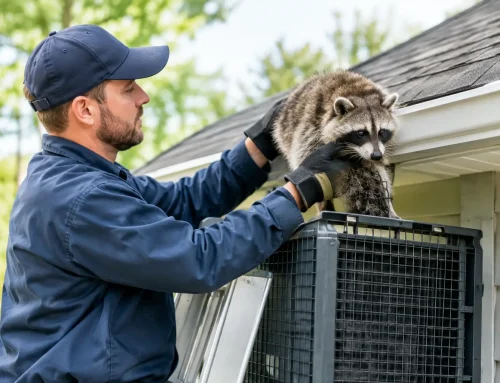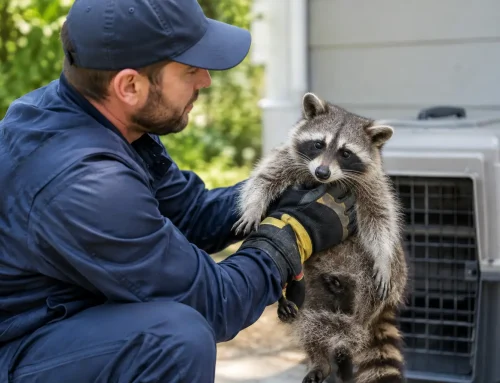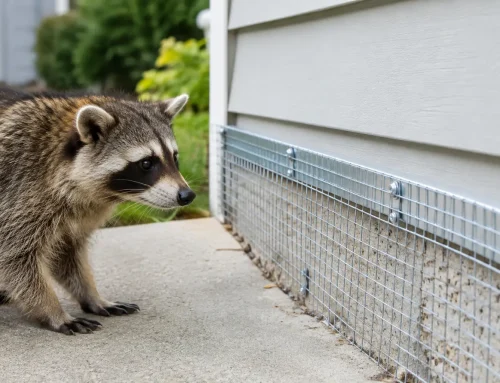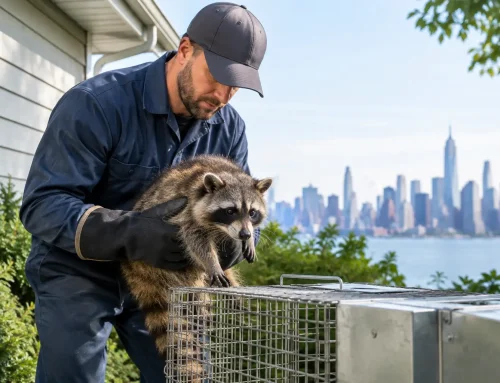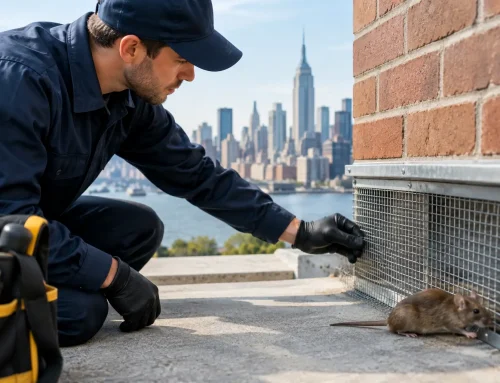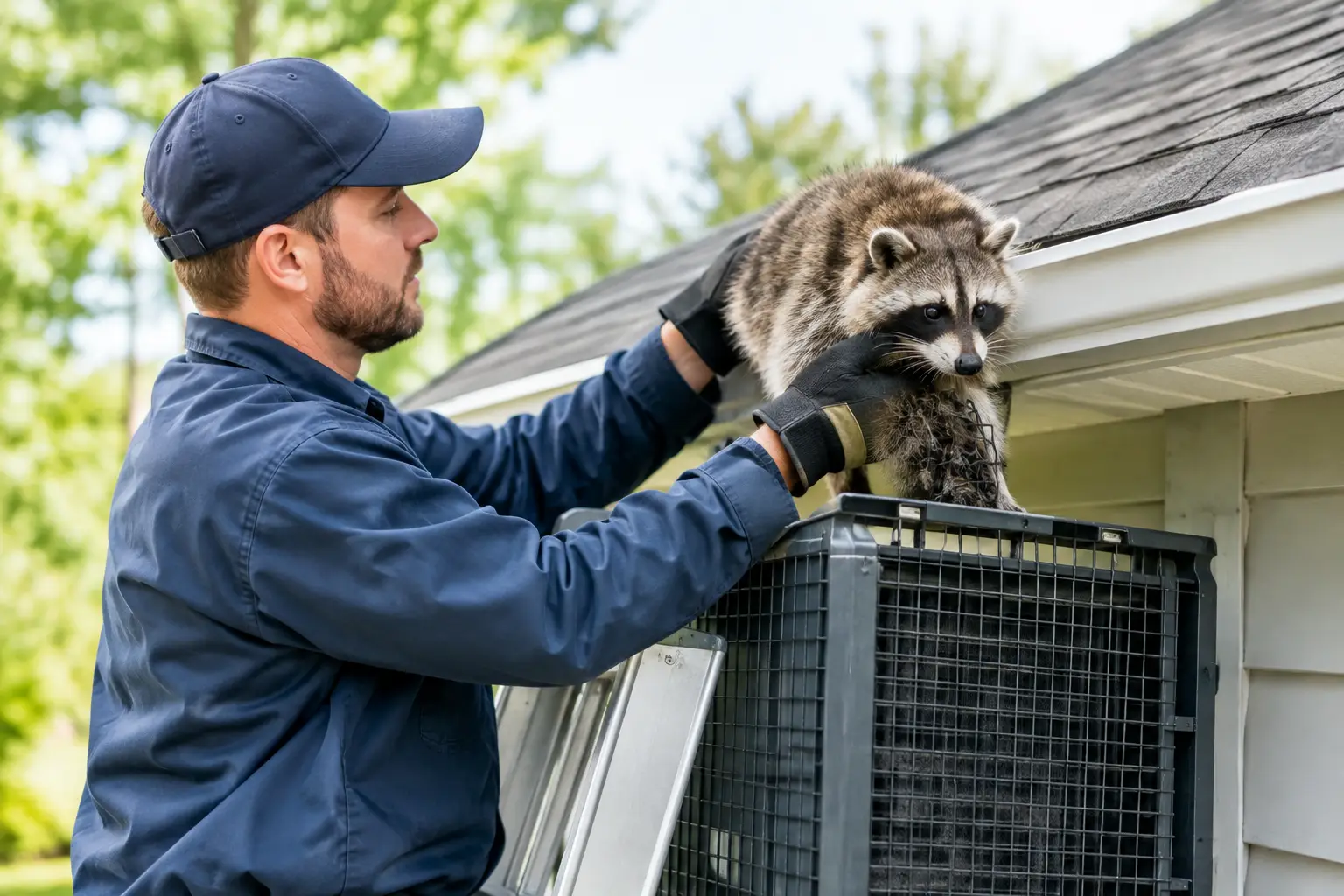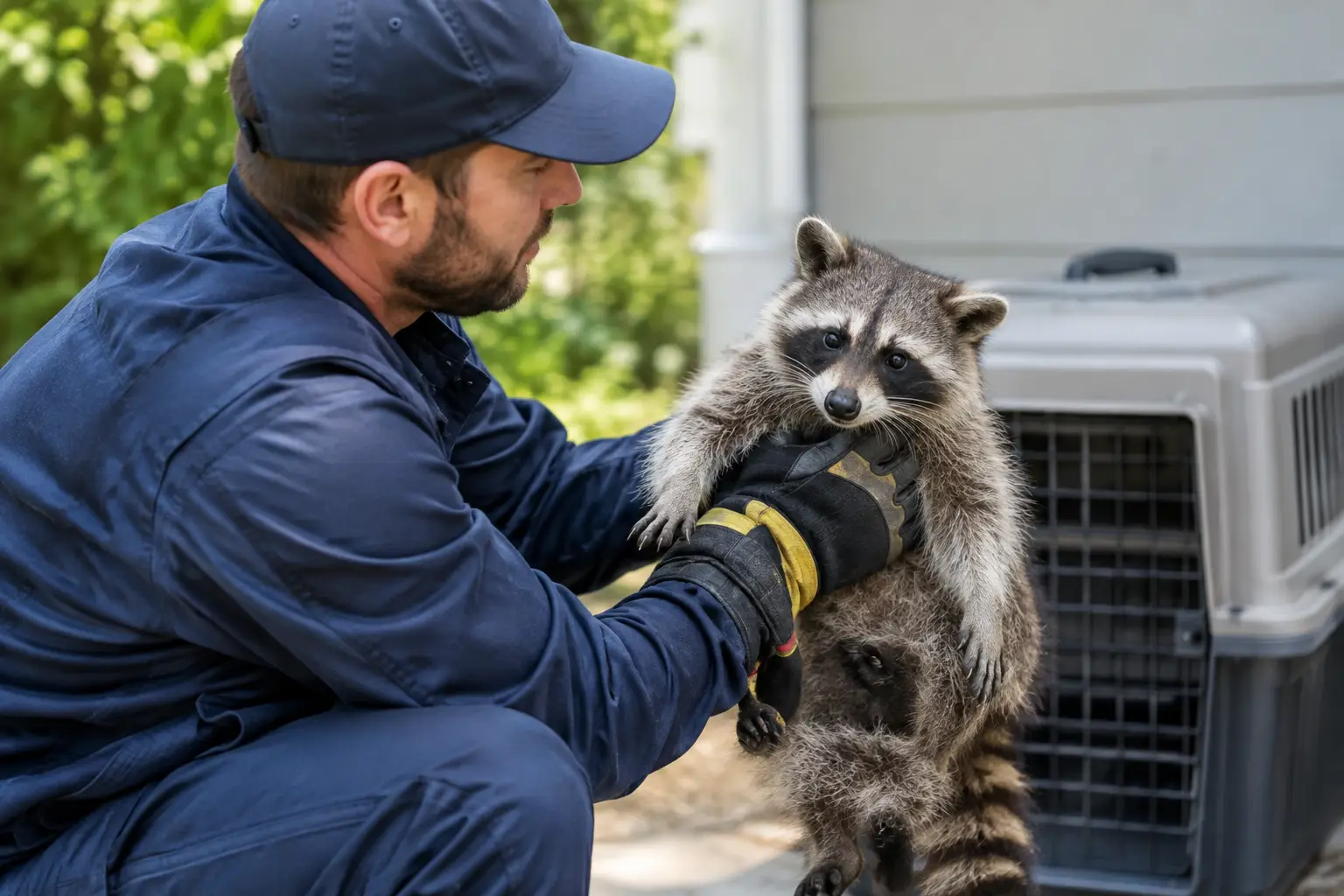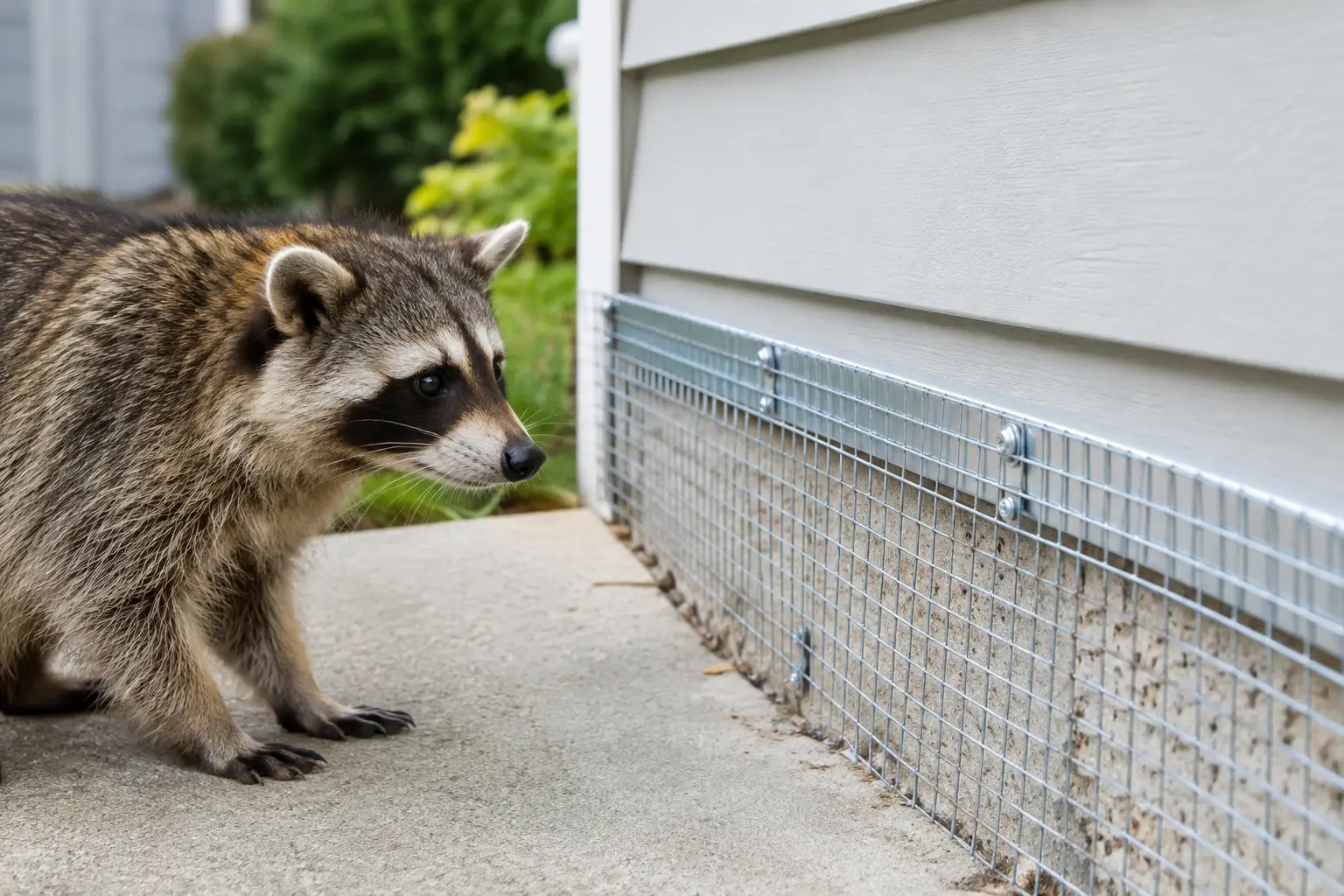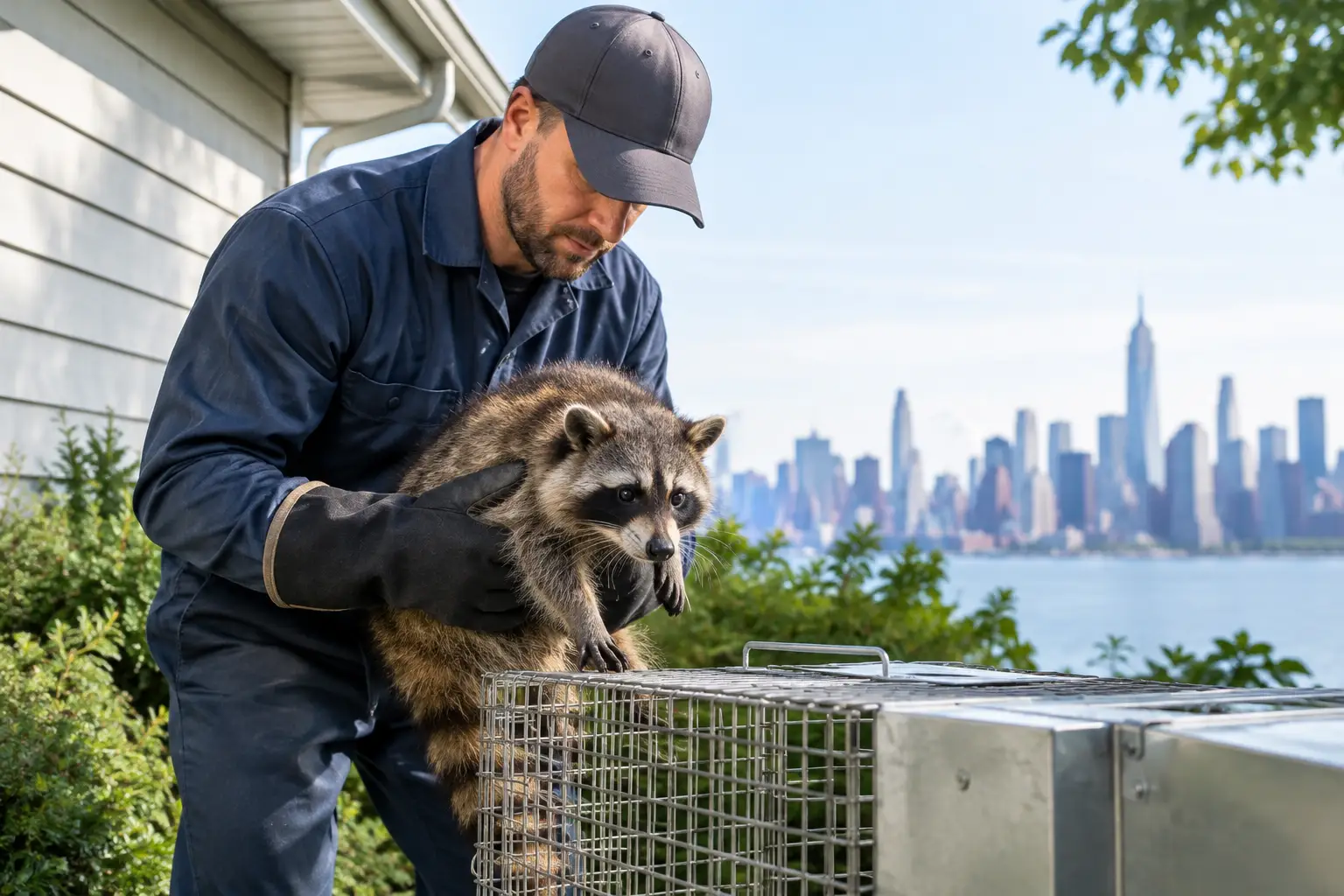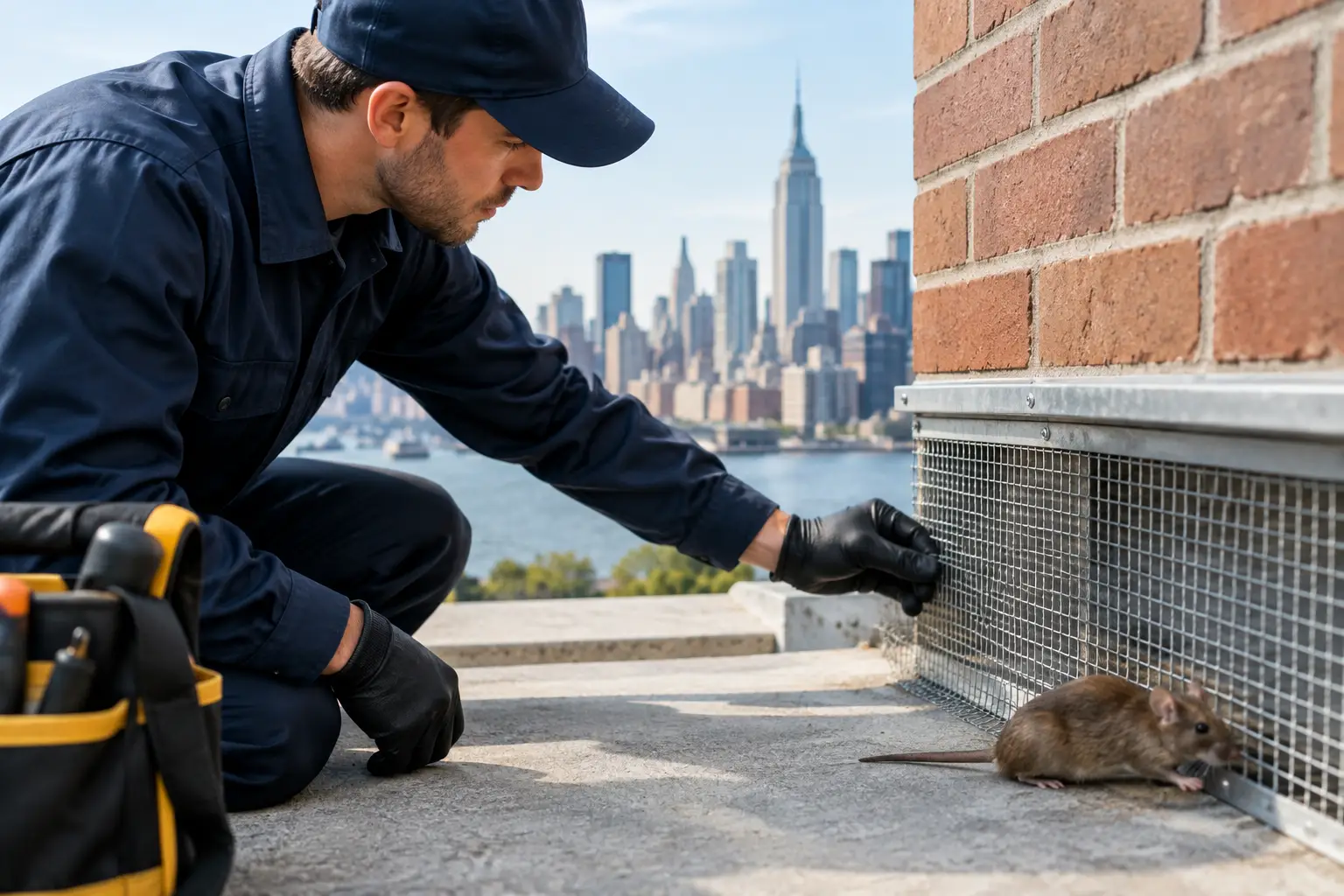
A squirrel running across a fence is normal. A squirrel scratching above your ceiling at 5:30 a.m. is a property problem that needs fast attention. Professional squirrel removal protects your attic, roofline, insulation, wiring, and indoor air from damage that can grow quickly when animals are nesting inside a structure.
Across New York City and New Jersey, squirrels commonly enter homes, multifamily buildings, offices, warehouses, and retail properties through small openings near roofs, soffits, vents, chimneys, and utility lines. Once inside, they do not simply leave because the weather changes or the noise stops. They may return to the same nesting site, bring in more debris, and chew new access points.
Why Squirrels Choose Attics and Roofs
Squirrels look for dry, protected spaces that are difficult for predators to reach. An attic offers warmth, quiet, and ready-made nesting material in the form of insulation, stored boxes, fabric, and paper. A loose soffit panel, open ridge vent, damaged fascia board, or gap around a roof penetration can be all the access they need.
In dense NYC neighborhoods and New Jersey suburbs, tree branches often extend close to roofs, fences create travel routes, and connected structures give squirrels multiple ways to move between properties. A squirrel may enter through one weak point and exit through another, making a quick visual check from the ground unreliable.
The sounds can be confusing. Squirrels are most active during daylight hours, especially early morning and late afternoon. You may hear fast running, rolling nuts, sharp scratching, or intermittent gnawing in the ceiling or walls. Nighttime activity can indicate a different animal, but the only dependable way to identify the intruder is a professional inspection.
Squirrel Removal Is More Than Setting a Trap
Removing the animal is necessary, but it is not the complete job. Effective squirrel removal follows the source of the problem from the first inspection through exclusion and repair. If the entry point remains open, another squirrel can move in as soon as the first one is gone.
A trained wildlife technician begins by inspecting the roofline, attic, crawl space, exterior vents, chimney areas, gutters, and structural seams. The goal is to identify active entry holes, possible secondary openings, nesting material, droppings, chew damage, and signs that young squirrels may be present.
Humane removal methods depend on the season, the building layout, and whether a mother has babies inside. In many cases, a properly installed one-way exclusion device allows an adult squirrel to leave without getting back in. That approach only works when technicians have confirmed that no dependent young will be trapped indoors. When babies are present, separating the mother from the nest can create a more serious issue, including animals dying inside walls or the mother causing additional damage while trying to re-enter.
When trapping is appropriate, it must be performed in accordance with applicable wildlife rules and monitored by an experienced professional. Poison is not a squirrel removal solution. It can leave dead animals in inaccessible spaces, create odor problems, and expose pets, children, and non-target wildlife to unnecessary risks.
What Squirrels Can Damage Inside a Building
Squirrel damage often starts quietly. Insulation may be torn apart for nesting, then packed into corners or around ductwork. Over time, this can reduce insulation performance and leave contaminated material behind.
Chewing is the larger concern. Squirrels have continuously growing teeth and gnaw on wood, plastic, roof components, and occasionally electrical wiring. Damaged wiring can create a fire hazard. Chewed HVAC lines, vent covers, and duct insulation can also lead to repair costs that go far beyond the original entry hole.
Their activity can create other property issues as well. Urine, droppings, nesting debris, and carcasses can affect attic air quality and produce persistent odors. In rental buildings or commercial spaces, recurring scratching sounds and animal odors can quickly become tenant or customer complaints. A removal plan should account for cleanup, not just the live animal.
Signs You Need Professional Squirrel Removal
Do not wait for visible damage in the living area. By the time a ceiling stain, odor, or chewed wire is noticeable indoors, squirrels may have been active above it for weeks.
Call for an inspection if you notice repeated daytime noises in an attic or wall, squirrels entering a gap near the roof, torn or displaced soffits, chewed wood around eaves, insulation visible outside a vent, or droppings and nesting debris in a crawl space. You should also act quickly if you see squirrels entering near solar panels, as the protected space beneath panels can become a nesting area and may require specialized proofing.
Property managers should treat repeated reports from upper-floor tenants as an urgent maintenance issue. In attached homes, apartment buildings, and commercial properties, squirrels can travel through shared voids and roof sections. The visible activity may be on one unit while the actual nest is above another.
The Right Way to Keep Squirrels Out
Exclusion is the repair phase that prevents a repeat invasion. It should be completed only after the animals have been safely removed or confirmed out of the structure. Sealing an active opening too early can trap squirrels inside, forcing them into walls, living spaces, or new exit points.
A professional exclusion plan may include repairing soffits and fascia, securing vulnerable roof intersections, reinforcing ridge vents, screening approved exterior openings, closing gaps around utility penetrations, and repairing damaged trim. The materials matter. Lightweight mesh, foam, or temporary patchwork can be chewed through or pulled loose. Durable repairs must fit the building without interfering with ventilation or drainage.
Tree trimming can reduce easy roof access, but it is not a complete solution. Squirrels can jump surprising distances and may use wires, fences, neighboring roofs, or gutters as alternate routes. The priority is always to make the structure itself inaccessible.
Cleanup and Attic Restoration After Removal
Not every squirrel job requires full attic restoration. If an animal entered briefly and caused no contamination, limited repair may be enough. But a long-term nest can leave heavily soiled insulation, urine-stained materials, odor, and hidden damage that should not be ignored.
After removal, the affected area should be assessed for contaminated insulation, nesting material, moisture issues, and damaged building components. Depending on conditions, the work may include debris removal, disinfection, odor treatment, insulation replacement, crawl space sealing, and minor structural repair. If mold or water intrusion is found during the inspection, it should be addressed at the same time rather than covered up with new insulation.
This complete approach matters because a clean, sealed attic is easier to monitor and less attractive to future wildlife. It also avoids the frustrating cycle of paying for removal, then discovering weeks later that the smell, stains, or scratching never truly went away.
When to Call for Emergency Help
A squirrel in the attic is not always a middle-of-the-night emergency, but certain situations require immediate professional response. Call promptly if an animal has entered a living space, is trapped in a chimney or vent, has chewed visible wiring, is causing active damage to a ceiling, or has died inside a wall or attic. Businesses should also act fast when wildlife activity affects food storage areas, customer spaces, or employee safety.
Do not try to grab, corner, or release a squirrel yourself. A frightened animal can bite, scratch, or run deeper into the building. Closing it into a room may protect the rest of the property temporarily, but keep people and pets away until it can be removed safely.
Animal Control NYC & NJ provides professional wildlife trapping, humane removal, exclusion, cleanup, and repair for property owners who need the whole problem handled in one service process. The sooner a squirrel entry point is identified and secured, the less opportunity the animal has to turn a small roof gap into a major repair.