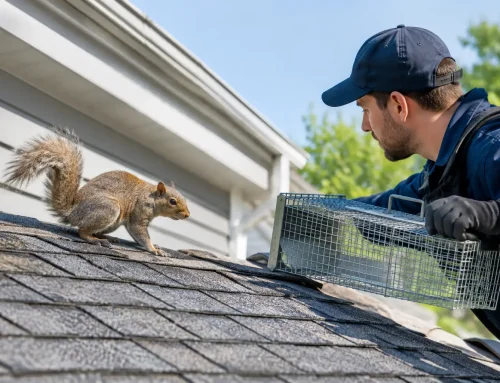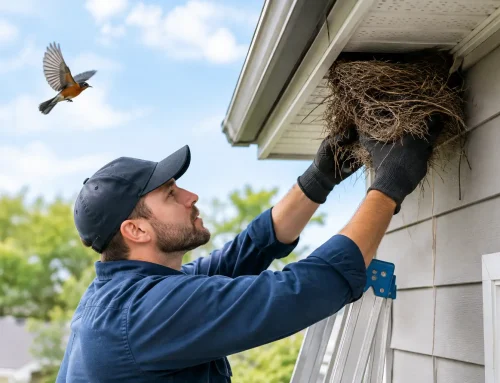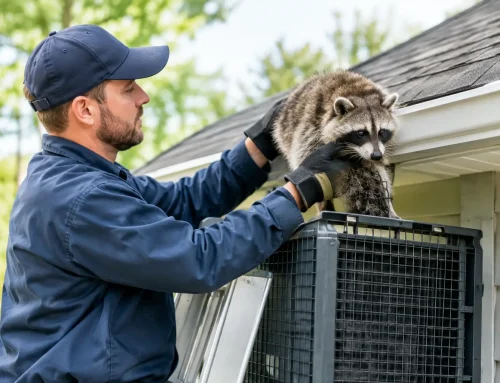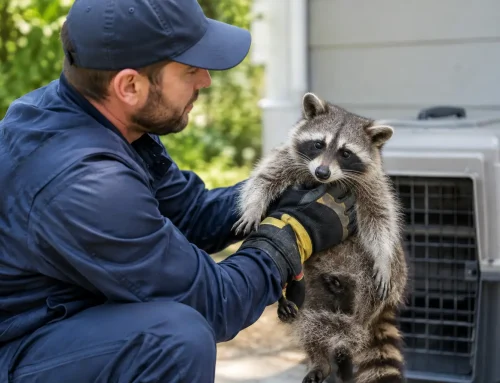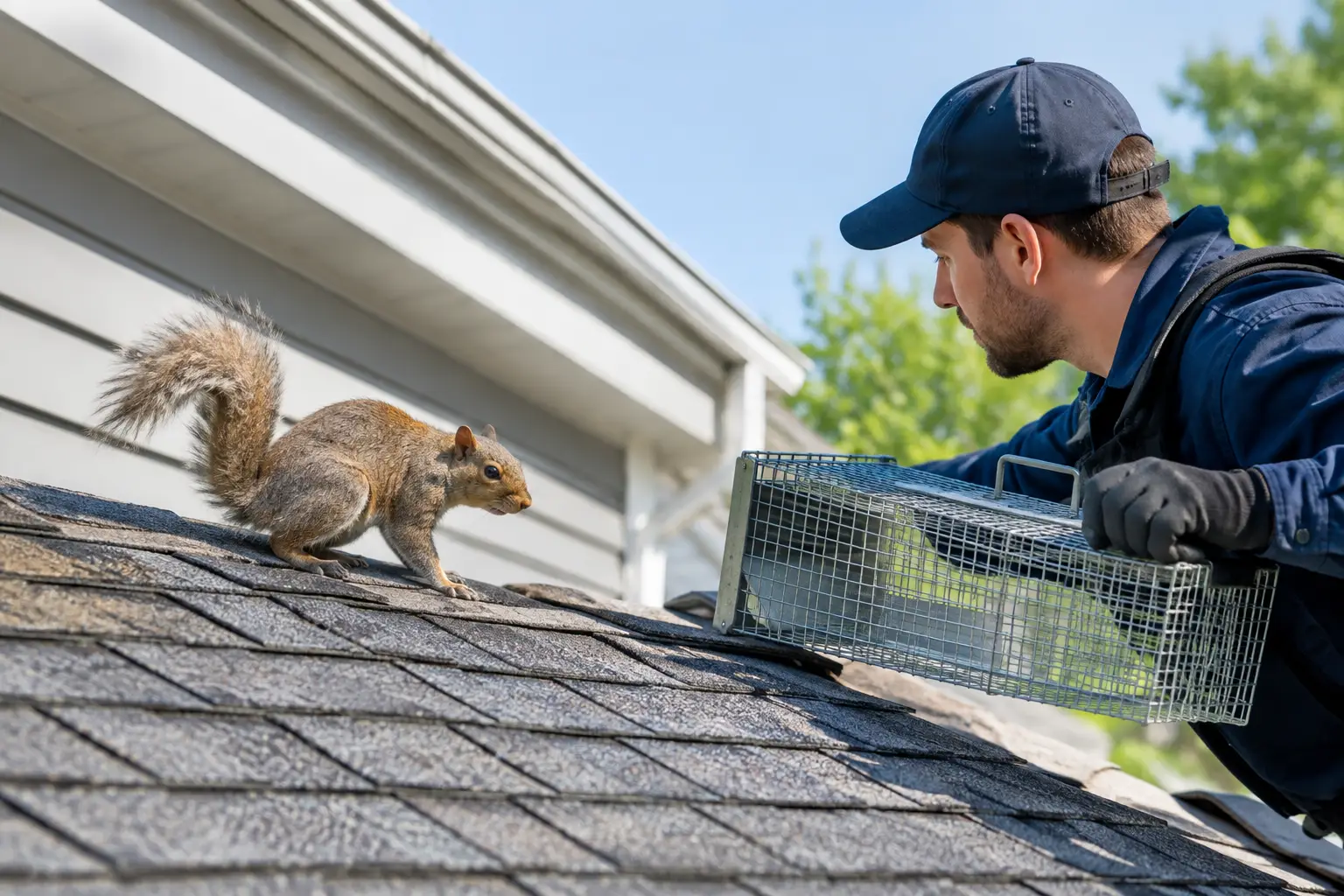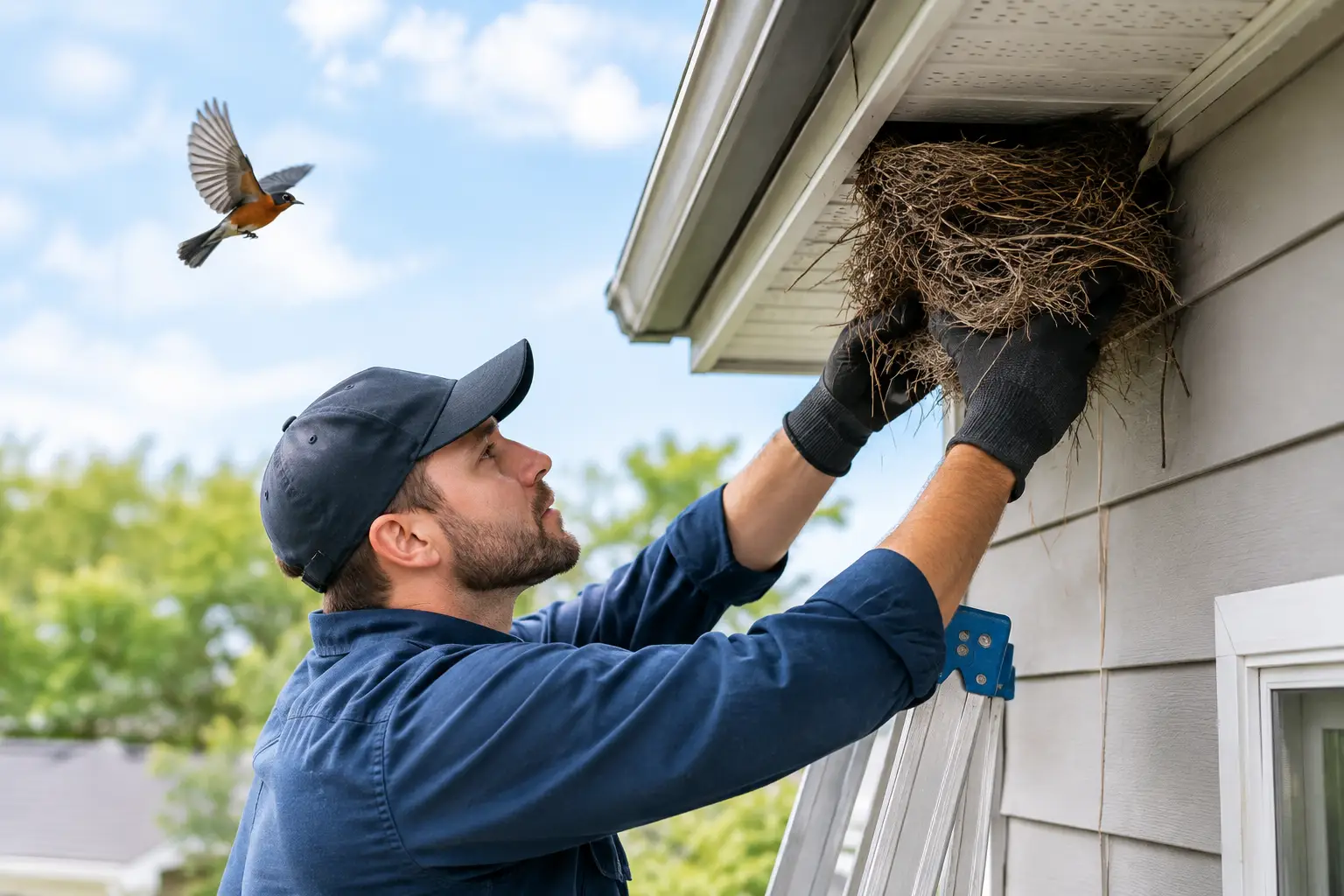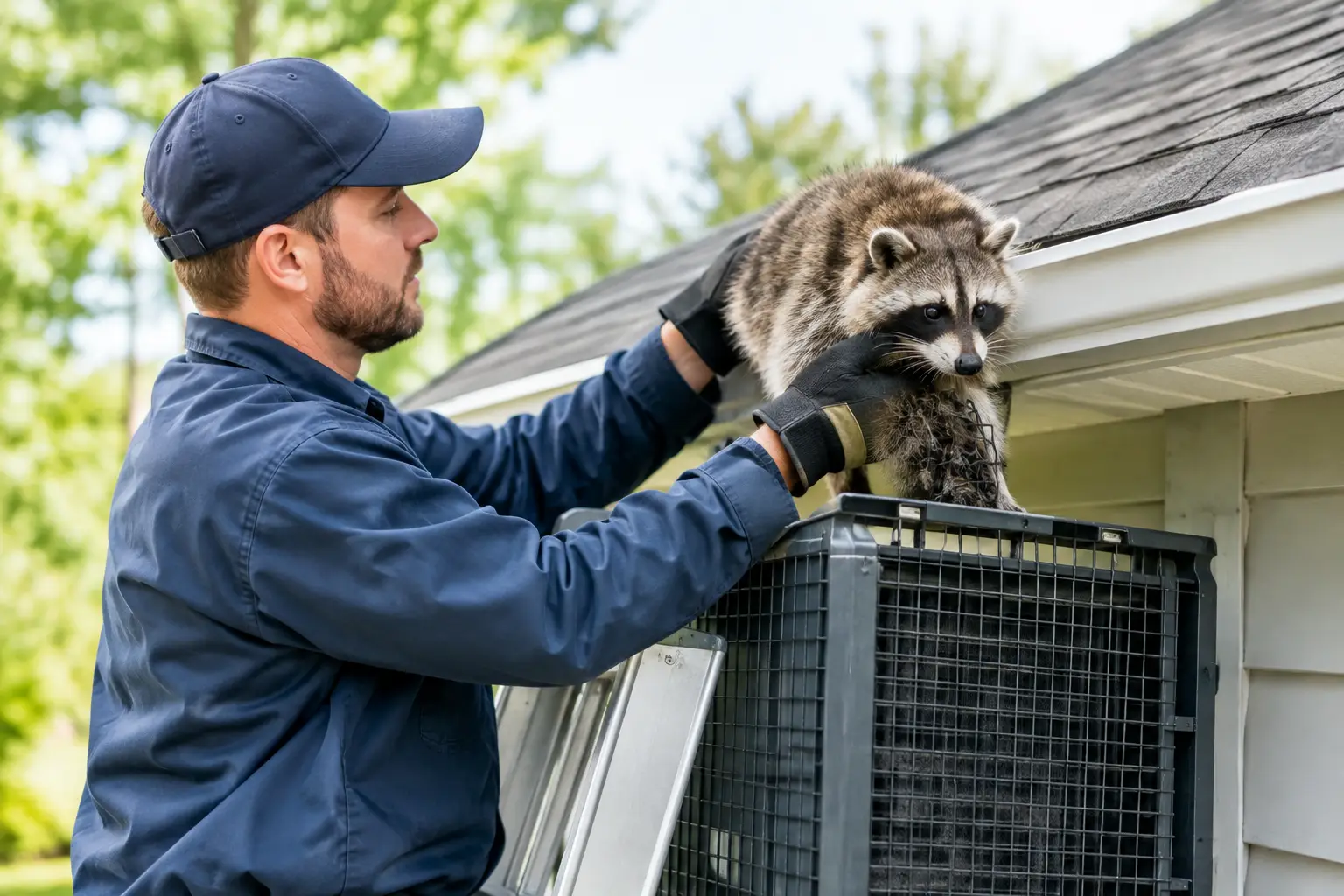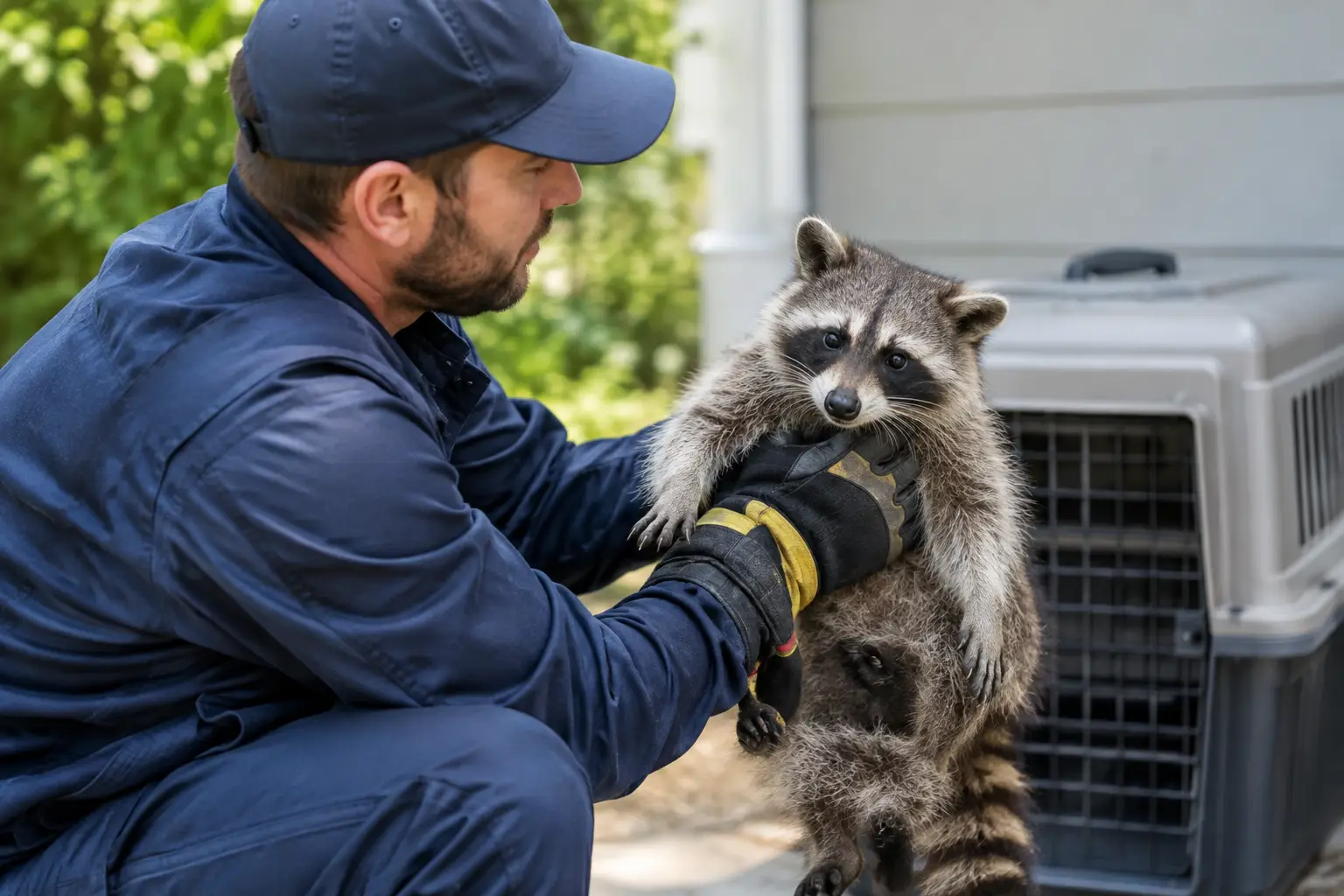
Scratching above the ceiling at sunrise, chewed roof trim, or insulation scattered across the attic usually points to one problem: squirrels have found a way inside. Professional squirrel removal nj service is not just about getting the animal out. The real job is stopping repeat entry, addressing contamination, and repairing the damage before a small intrusion becomes a costly attic or roof problem.
Squirrels are common across New Jersey neighborhoods, from dense multifamily properties to wooded suburban homes and commercial sites. They are quick, persistent, and capable of turning a gap near a ridge vent, soffit, gutter line, or roof return into an active nesting site. When they choose a structure, waiting rarely improves the situation.
Why Squirrels in a Building Need Fast Attention
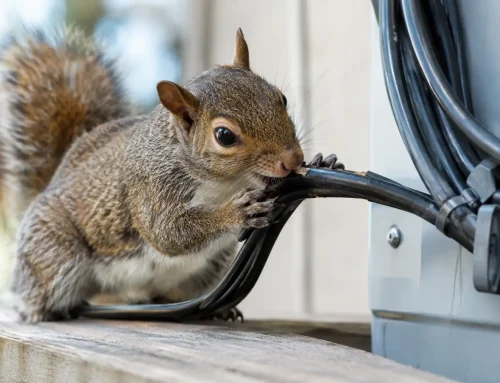
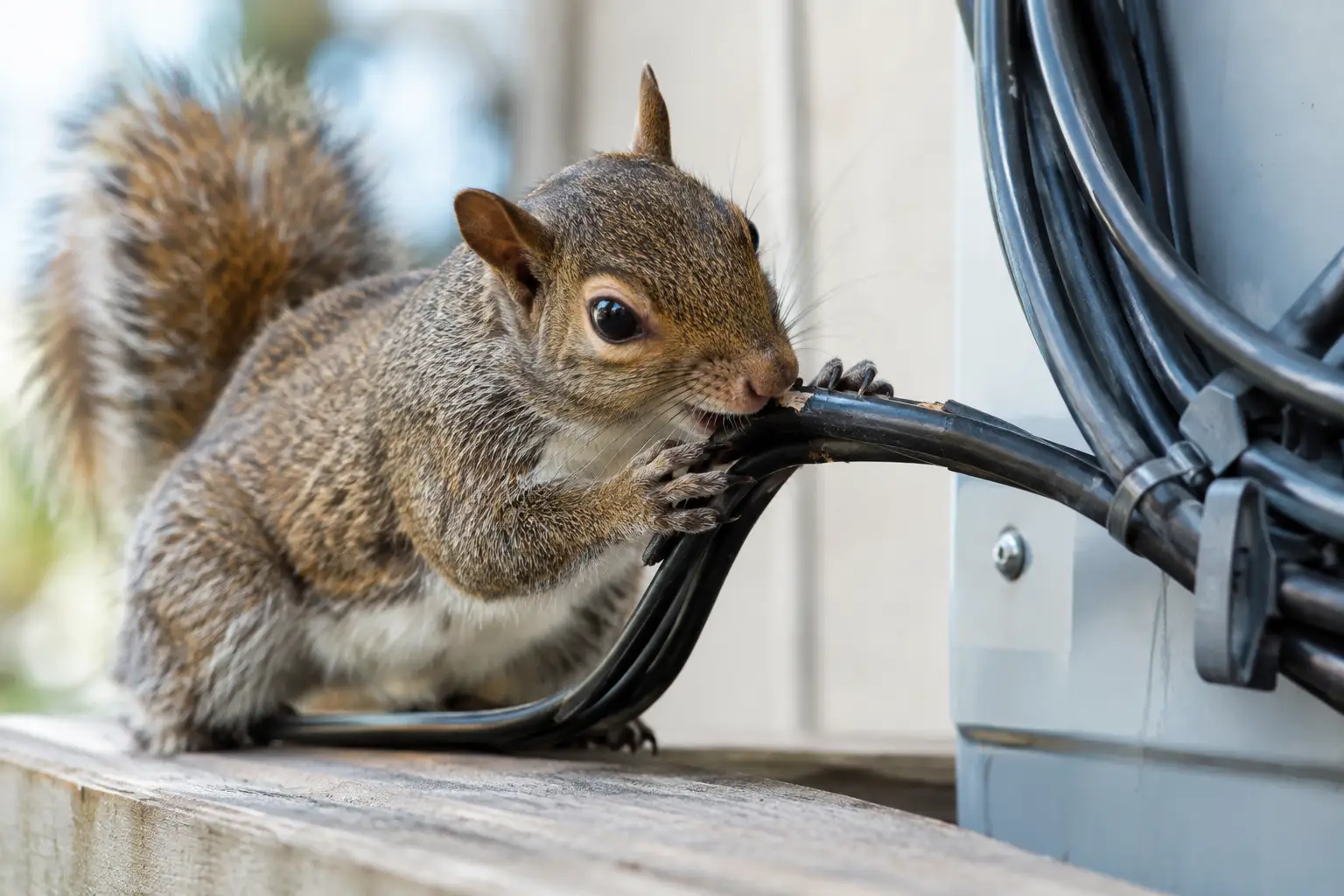
A squirrel in a yard is normal wildlife. A squirrel inside a roof, attic, wall void, crawl space, or commercial building is a property issue that needs a controlled response. Squirrels chew constantly to keep their teeth worn down. Unfortunately, that can include wood framing, fascia boards, PVC pipes, stored belongings, ductwork, and electrical wiring.
The fire risk from exposed or damaged wiring is one reason attic squirrel activity should not be treated as a minor nuisance. Nesting material can also block ventilation, while urine and droppings leave odors and contamination in insulation. In rental properties, these conditions can quickly lead to tenant complaints, damaged ceilings, and unexpected repair costs.
Female squirrels may also use attics as denning areas when raising young. This changes the removal approach. Sealing an entry hole too early can separate a mother from her babies or trap animals inside the structure, creating odor, noise, and a much more difficult removal situation. Proper timing and species-specific methods matter.
Signs You Need Squirrel Removal in NJ
Many property owners first hear squirrels moving overhead in the morning. Unlike rodents that are often most active at night, squirrels are generally active during daylight hours. Repeated running, scratching, rolling sounds, or chewing in the attic during early morning and late afternoon are common warning signs.
Exterior evidence can be just as useful. Look for fresh chew marks around roof edges, damaged soffits, torn screens, loose siding, gaps at roof intersections, or openings near attic vents. A squirrel can use a surprisingly small weak point and then enlarge it with repeated chewing.
Inside the building, you may notice disturbed insulation, droppings, nesting material, urine odor, or water stains near a damaged roofline. In commercial properties, squirrels may enter through loading-area gaps, utility penetrations, warehouse roof openings, or damaged exterior panels. A professional inspection identifies both the active entry point and the vulnerable areas that could become the next one.
Why Trapping Alone Does Not Solve the Problem
Removing one squirrel without closing access points is a temporary fix. Another squirrel can use the same opening within days, particularly if the property is near mature trees, utility lines, or roof-level branches. The lasting solution combines humane removal with exclusion and restoration.
A complete service plan begins by confirming where the squirrels are entering, whether young may be present, and how much damage has occurred. Humane trapping or one-way exclusion methods may be appropriate depending on the conditions. Once the animals are safely out, the access points are secured with materials designed to withstand chewing and weather exposure.
This is where do-it-yourself repairs often fail. Expanding foam, lightweight mesh, loose wood patches, and temporary tape may cover a hole briefly, but squirrels can chew through weak materials. More importantly, a homeowner may seal the wrong opening while leaving an active route elsewhere. The result is squirrels relocating deeper into the building or finding a new way in.
The Right Process for Squirrel Removal NJ Properties
Every building is different, but effective squirrel control follows a clear sequence. The goal is to remove the active animals without causing unnecessary harm, then make the structure less accessible and safer to occupy.
Inspection and entry-point identification
A technician checks rooflines, attic vents, ridge vents, soffits, fascia, chimney areas, siding transitions, crawl-space vents, and other likely access points. In an attic, the inspection also looks for nesting, chew damage, droppings, and compromised insulation. On larger properties, the assessment may include multiple roof sections, shared walls, utility routes, and exterior storage areas.
Humane removal based on activity
The method depends on the squirrel’s location, the season, the number of animals, and whether a nest is present. A trained wildlife professional can use appropriate trapping and exclusion practices while accounting for young animals that may not be visible during an exterior inspection. This avoids the common mistake of closing a building while squirrels are still inside.
Exclusion and structural repair
After removal, damaged areas must be reinforced and sealed. This may include vent protection, soffit repair, roof-gap sealing, chimney screening, fascia repair, gutter guard installation, or ridge-vent protection. Tree branches that touch or overhang the roof can also act as squirrel highways, so trimming may be recommended when conditions allow.
Cleanup and attic restoration
Squirrel droppings, urine, nesting debris, and damaged insulation should be addressed rather than covered up. Depending on the level of activity, cleanup may involve removing contaminated material, disinfecting affected surfaces, odor treatment, and insulation replacement. If moisture or contamination has contributed to mold conditions, that issue should be handled as part of the recovery work.
Attics, Roofs, and Crawl Spaces Have Different Risks
Attics are the most common squirrel problem because they provide warmth, shelter, and soft insulation for nesting. The damage may remain hidden until odors, ceiling stains, or loud activity make it impossible to ignore. By that point, an entry gap may have been active for weeks or months.
Roof-level entry points are often more difficult to spot from the ground. A loose ridge vent, a separated soffit panel, rotted fascia, or an opening behind a gutter can give squirrels direct access. Repairing these areas correctly protects the building while preserving drainage and ventilation.
Crawl spaces present a different challenge. Squirrels may use open vents, deteriorated lattice, utility openings, or gaps in foundation-adjacent structures. Moist conditions in crawl spaces can worsen odor and contamination issues. Sealing should be paired with a careful inspection to make sure no animal remains inside.
What New Jersey Property Owners Should Not Do
Avoid poisoning squirrels or using improvised methods that can injure animals, pets, or people. Poison can also create a dead-animal problem inside a wall or attic, leaving a strong odor and attracting insects. It does not address the structural opening that allowed wildlife access in the first place.
Do not climb onto a steep roof or attempt to block a high entry point without the proper equipment. Falls are a serious risk, and roof damage is easy to worsen with an incorrect repair. It is also unwise to handle a squirrel directly. Even small wildlife can bite or scratch when frightened.
If you suspect babies are present, do not seal the opening yourself. Activity may appear to stop temporarily while young squirrels remain in the den. A professional can evaluate the situation and select a removal plan that protects the property without creating a more serious problem indoors.
When to Call for Emergency Squirrel Service
Prompt help is especially important when squirrels are chewing near electrical wiring, entering living spaces, falling into wall voids, or causing damage to an active roof leak area. Property managers should act quickly when multiple tenants report scratching, odor, or animal sightings, since one attic intrusion can affect several units.
Animal Control NYC & NJ provides professional wildlife trapping and removal, exclusion, cleanup, and repair for homeowners, landlords, businesses, and facility operators. A single coordinated service team can manage the removal and the property recovery work, rather than leaving you to coordinate separate trappers, cleaners, and contractors.
The best time to address squirrels is when the first sounds or exterior damage appear. Fast, humane removal followed by durable repairs keeps a wildlife problem from becoming an attic restoration project.