A few pigeons on a roof can become a building-wide problem faster than most property owners expect. Pigeon removal NJ services are often needed after droppings start staining walkways, nests block gutters, or birds move beneath solar panels and into roof gaps. Waiting rarely makes the problem easier. Pigeons return to reliable roosting and nesting sites, and each new nesting cycle can add more birds, more debris, and more damage.
For homeowners, landlords, property managers, and business owners, the goal is not simply to make pigeons leave for a day. The real solution is humane removal, thorough cleanup, and professional exclusion that prevents the birds from coming back.
Why Pigeons Become a Serious Property Problem
Pigeons are highly adaptable birds. In New Jersey, they commonly roost on ledges, HVAC units, loading docks, awnings, signs, rooflines, parking structures, and solar arrays. A protected overhang or warm space under a solar panel can quickly become an established nesting area.
Their droppings are more than an appearance issue. Large accumulations can create slippery walking surfaces, stain masonry and siding, corrode certain building materials, and clog gutters and roof drains. Nesting material can hold moisture against the structure and may contribute to drainage issues, roof deterioration, or pest activity.
There is also a health and sanitation concern. Droppings, feathers, and nesting debris can attract insects and create contaminated areas around entrances, patios, balconies, attic vents, and mechanical equipment. Cleaning dry droppings without proper protection can send contaminated dust into the air. This is not a job for a pressure washer and a pair of household gloves.
For commercial properties, the consequences can be even more immediate. Bird activity near restaurant entrances, warehouses, apartment buildings, retail centers, and healthcare facilities can lead to tenant complaints, customer concerns, maintenance calls, and unsafe exterior conditions.
Signs You Need Professional Pigeon Removal in NJ
The most obvious sign is repeated bird activity in the same location. If pigeons are consistently gathering on a roof edge, utility ledge, or sign, they have likely identified it as a safe roost. You may also hear cooing or scratching near an attic vent, soffit, rooftop unit, or solar panel system.
Fresh droppings below ledges, heavy feather buildup, loose twigs in gutters, and nesting material around vents are all signs that the activity is established. On solar-equipped homes and buildings, watch for debris collecting beneath panels, visible birds entering at the panel edge, or unexplained mess along the roofline below the array.
Do not overlook interior clues. A foul odor in an attic, ceiling staining, flies near a vent opening, or noises above a top-floor ceiling can indicate that birds have accessed a cavity or are nesting close to the structure. A professional inspection identifies where pigeons are roosting, how they are entering, and which conditions are allowing the problem to continue.
Why DIY Bird Deterrents Often Fail
Property owners often try plastic owls, reflective tape, noise devices, or store-bought spikes. These products may temporarily disrupt pigeons, but they rarely solve an established infestation. Pigeons learn quickly when a visual deterrent poses no real threat, especially when food, shelter, and nesting space remain available.
Improperly installed bird spikes can also create problems. Gaps in coverage allow birds to nest around the material, and low-quality products can detach, damage surfaces, or make roof maintenance harder. Netting can be effective in the right setting, but it must be correctly tensioned and sealed around edges. Poorly installed netting can trap birds or leave access points that make it useless.
The same applies to sealing openings too early. If birds, eggs, or young are still inside a protected area, closing access without an inspection can create odor issues, dead-animal concerns, and additional damage. The right method depends on the location, the size of the bird population, the building design, and whether active nesting is present.
The Professional Pigeon Removal Process
Effective pigeon control begins with identifying the entire problem, not just the birds visible from the ground. A trained technician assesses roof edges, vents, attic openings, gutters, chimneys, signs, loading areas, balconies, and solar panels. The inspection should also identify food sources, water access, damaged screens, loose flashing, and gaps that make the property attractive.
Humane Removal and Nest Management
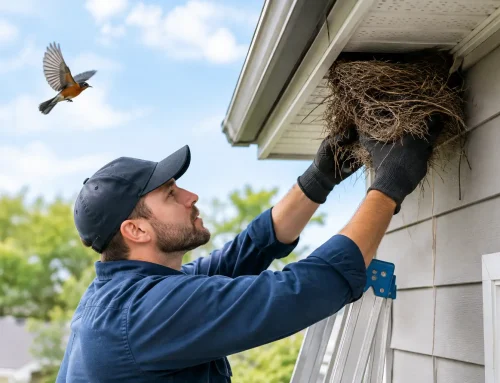
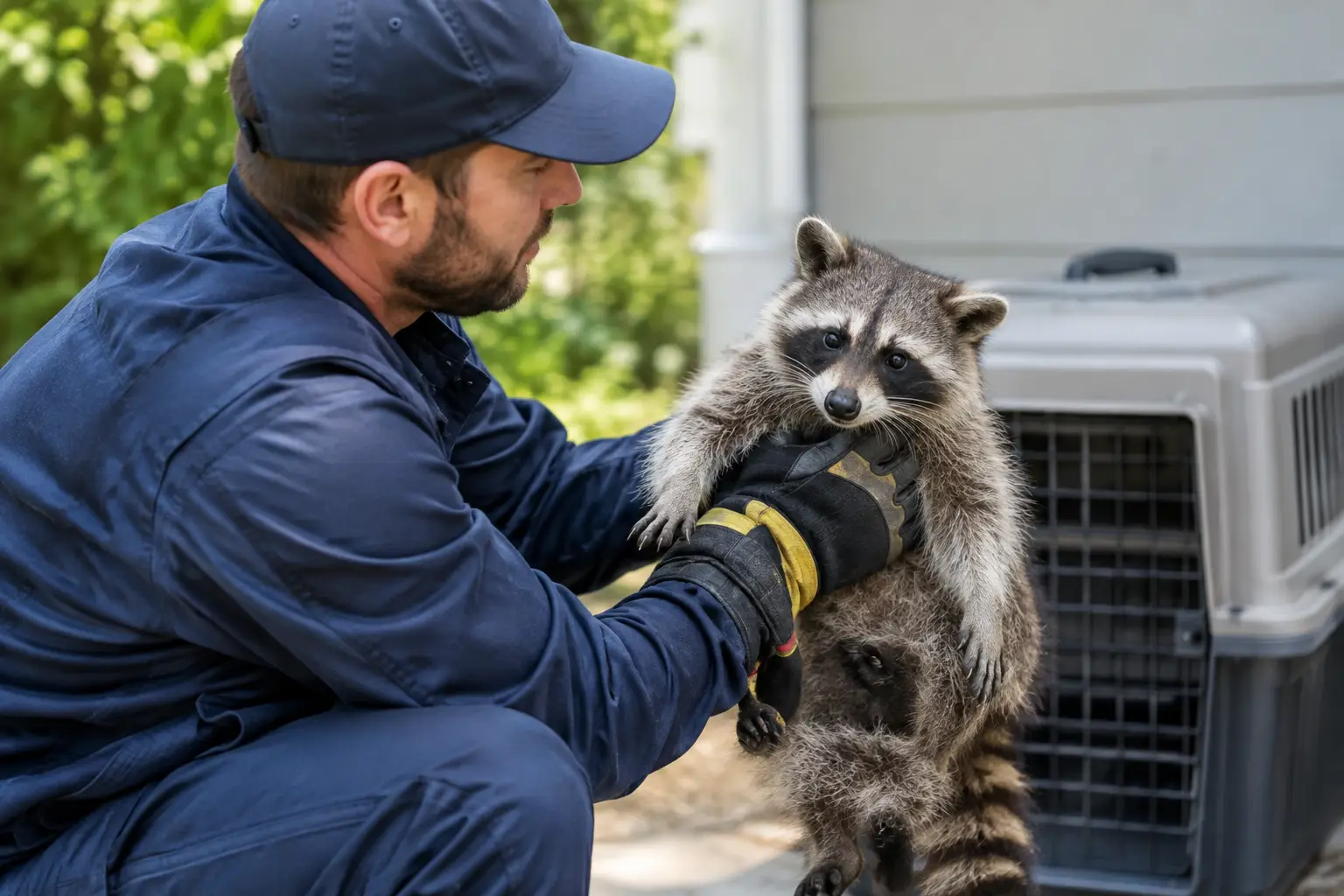
Humane pigeon control may include trapping, one-way exclusion methods, and removal of accessible nesting material where permitted and appropriate. The approach must account for active nests and applicable wildlife regulations. A professional team handles birds responsibly while working to reduce the chance of re-entry.
Simply relocating or chasing pigeons away is not a permanent answer when the property still offers a protected nesting site. The removal step creates an opportunity to correct the conditions that brought them in.
Cleanup, Disinfection, and Damage Assessment
Once bird activity is controlled, cleanup becomes critical. Droppings, feathers, nesting materials, and debris should be removed with appropriate containment and safety procedures. The area can then be disinfected and evaluated for damage to insulation, vents, gutters, rooftop equipment, siding, and roofing materials.
In attics, crawl spaces, and enclosed roof cavities, contamination may require more than surface cleaning. Soiled insulation can retain odor and debris, while damaged vent screens or openings may need repair. Animal Control NYC & NJ provides removal and property recovery services so customers do not have to coordinate separate bird, cleanup, and repair contractors.
Exclusion That Keeps Pigeons Out
Exclusion is what turns pigeon removal into a long-term solution. Depending on the structure, this may include professional bird netting, ledge barriers, properly fitted spikes, vent screening, chimney caps, gutter protection, or repairs to roof and soffit gaps.
The best material is not always the same for every property. Spikes may work well on narrow ledges but are not the answer for a broad rooftop unit or open loading dock. Netting can protect larger recessed areas, while physical screening is often better for vents and access gaps. A site-specific plan prevents unnecessary products and targets the places pigeons actually use.
Solar Panel Pigeon Proofing in New Jersey
Solar panels create a sheltered, elevated space that pigeons favor. Once birds nest beneath the panels, they can deposit debris that restricts airflow, build nests near wiring, and create persistent mess along the roof perimeter. The protected space is difficult for homeowners to clean safely, particularly on steep or multi-story roofs.
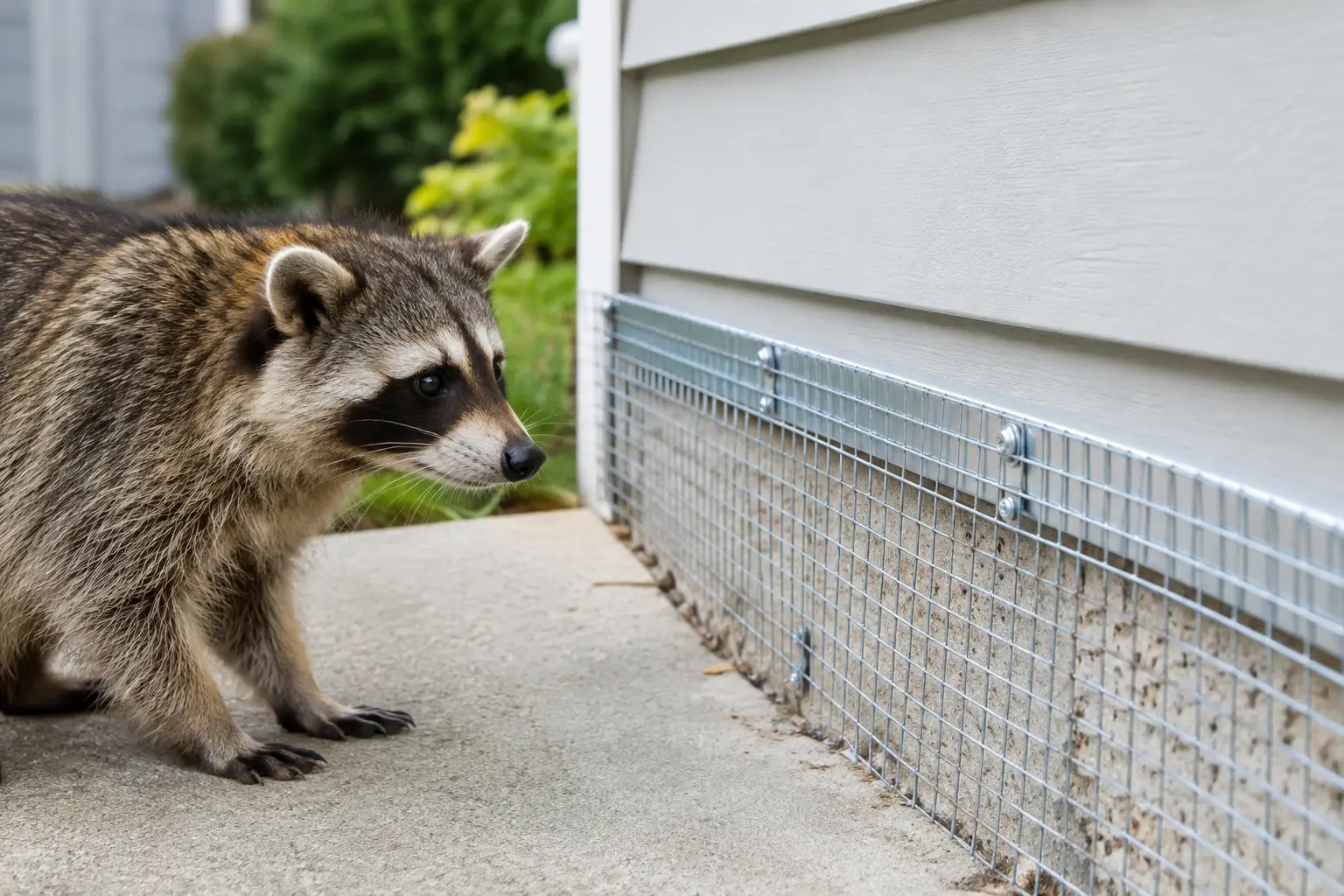
Solar panel pigeon proofing typically involves installing durable mesh around the outer edge of the array. The mesh prevents birds from entering underneath while allowing the panels to ventilate as designed. Before proofing begins, existing nests and debris should be addressed so the enclosure does not trap contamination or birds below the panels.
A professional installer should avoid drilling into the panel frame or compromising the roof system. The objective is a secure barrier that protects the array without interfering with panel function, maintenance access, or manufacturer requirements.
When Pigeon Activity Needs Immediate Attention
Call for service promptly when droppings are accumulating near doors or walkways, birds are inside an attic or wall cavity, nests are blocking drains, or pigeons have moved under solar panels. The same urgency applies to commercial facilities where birds are affecting customers, employees, tenants, inventory areas, or food-service spaces.
Emergency response can also be necessary after storms damage vent covers, roof flashing, screens, or other exclusion points. Those openings may invite pigeons and other wildlife into the building. Addressing the breach quickly is usually far less costly than repairing a contaminated attic, damaged insulation, or water-affected ceiling later.
Protect the Building, Not Just the Roofline
The most reliable pigeon removal plan combines inspection, humane bird control, safe cleanup, and durable proofing. It protects the appearance of the property, reduces health and slip hazards, and keeps roof components, gutters, vents, and solar equipment working as they should.
If pigeons have chosen your home, apartment building, storefront, warehouse, or facility as a regular roost, act before nesting and droppings become a larger repair project. A professional inspection can identify the access points and give you a clear path to a cleaner, safer property.