Scratching over the ceiling at dawn, chewed soffits, or a squirrel dropping from a roofline are not small annoyances. They can be signs that an animal has already found a route into the structure. Effective squirrel exclusion stops that route without treating the symptom as the whole problem. For NYC and New Jersey property owners, the right approach combines humane removal, careful inspection, durable repairs, and cleanup of the mess left behind.
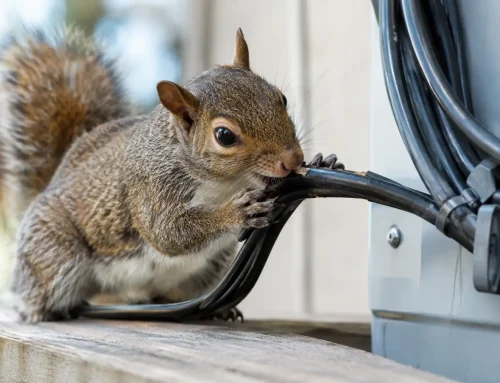
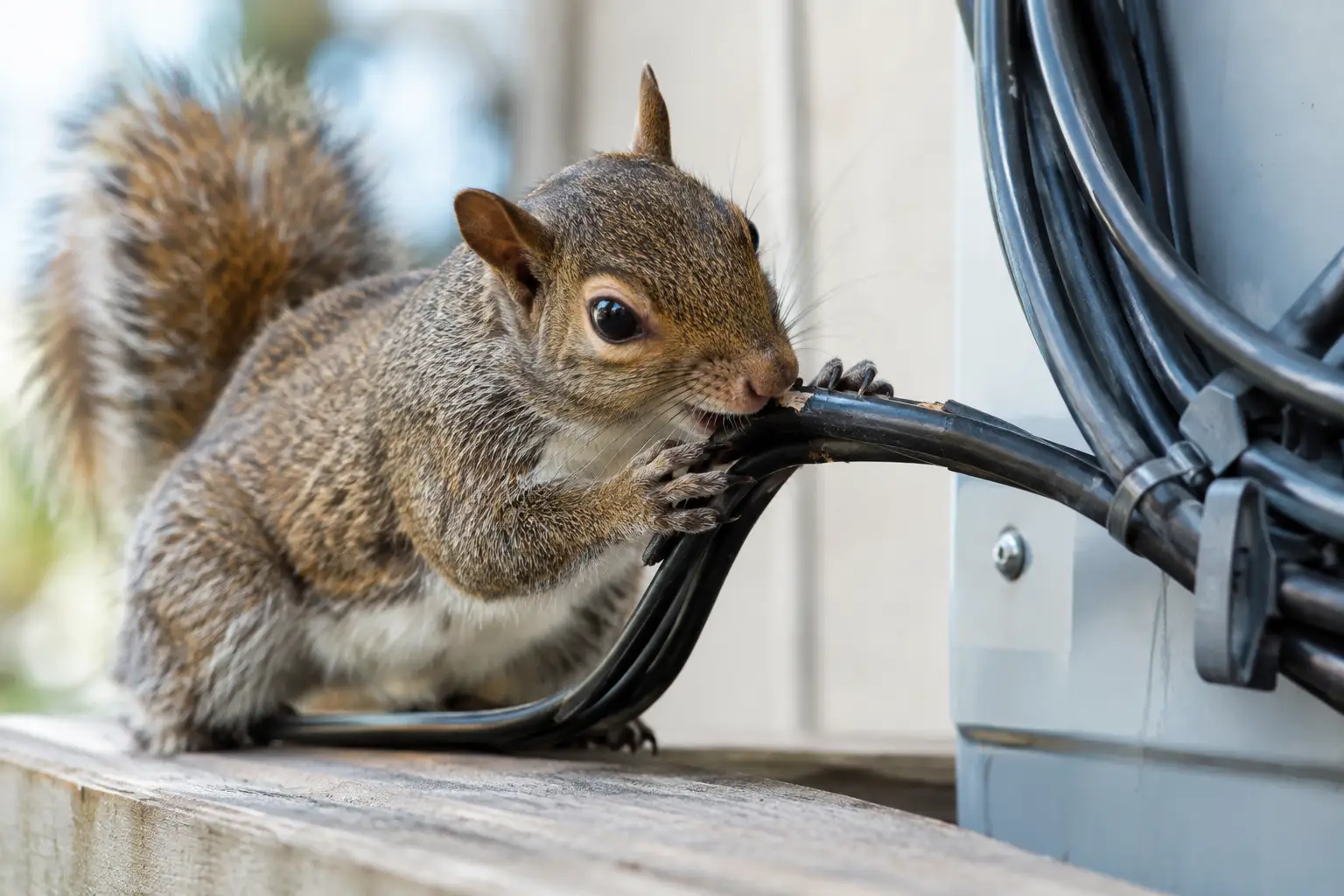
A squirrel can enter through an opening that looks insignificant from the ground. Loose fascia, separated roof returns, damaged vent screens, chimney gaps, and gaps along siding are common access points. Once inside, squirrels can tear insulation apart for nesting, chew wood and wiring, and leave urine and droppings in attics, wall voids, and crawl spaces. The longer they remain, the more expensive the repair can become.
What Squirrel Exclusion Actually Means
Squirrel exclusion is the process of preventing squirrels from getting into a building by locating and securing every active and potential entry point. It is not simply placing wire over one visible hole. A professional exclusion job begins by identifying how the squirrel entered, whether animals are still inside, and what building conditions will let the problem return.
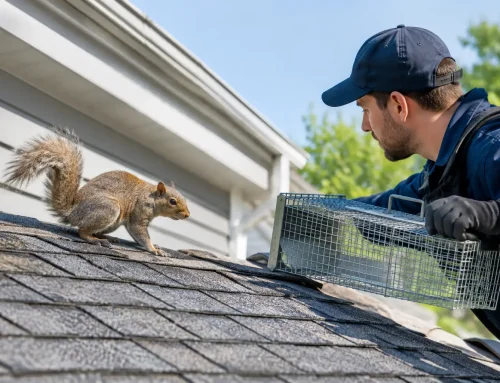
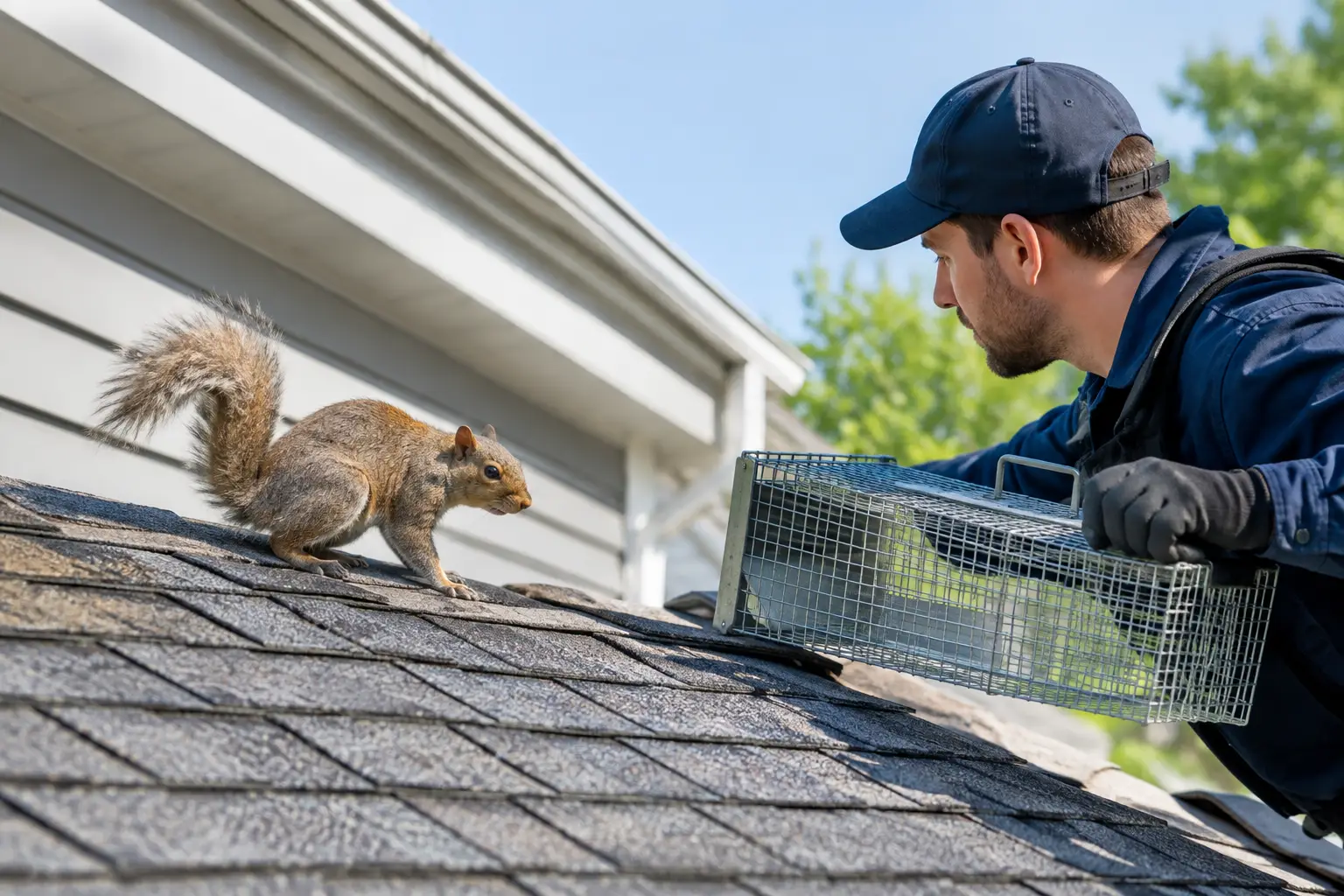
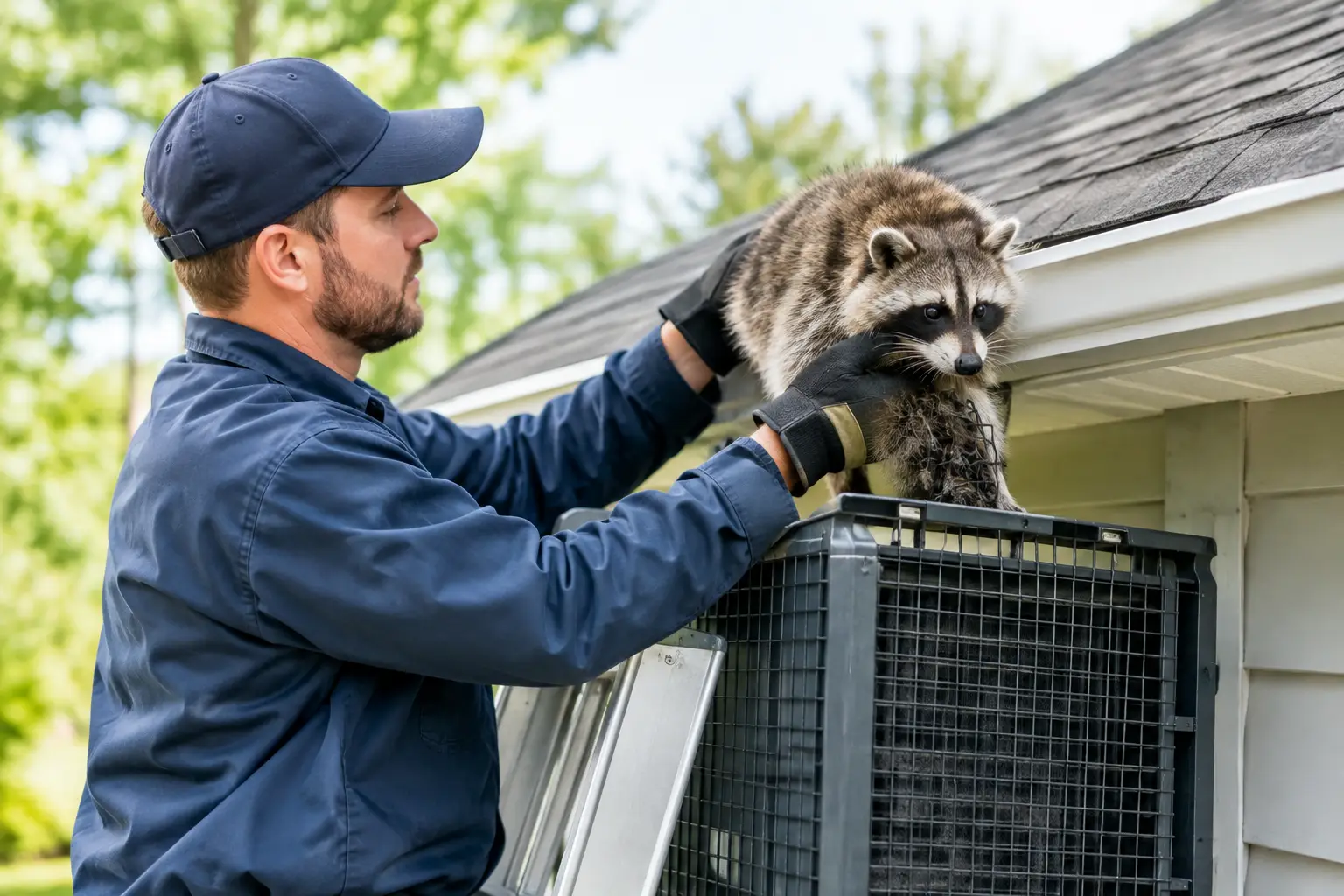
Removal has to come before permanent closure. Sealing an active entry hole while a squirrel is still in the attic can trap the animal indoors. That often creates new damage as it searches for an exit, and it can leave young squirrels separated from their mother during nesting season. A humane, species-specific plan accounts for those risks before repairs begin.
The work may include securing soffits and fascia, reinforcing roof intersections, protecting ridge vents, repairing damaged exterior trim, screening approved vent openings, and closing gaps around utility lines or siding transitions. Materials matter. Lightweight screening, expanding foam, and temporary patches may look acceptable at first, but squirrels can chew through weak materials or exploit the gap around an incomplete repair.
Why Squirrels Get Into NYC and NJ Buildings
Squirrels are excellent climbers, and dense neighborhoods give them plenty of access routes. Tree limbs, utility wires, fire escapes, fences, attached garages, and adjacent roofs can all bring an animal within reach of the upper levels of a home or commercial building.
Older properties are especially vulnerable because weather, settling, and previous repairs create small openings around eaves and rooflines. In multifamily buildings, one weak area can become an access point to shared attic spaces or wall cavities. Commercial properties are not exempt either. Warehouses, offices, restaurants, schools, and managed facilities can have roof penetrations, loading-area gaps, and exterior trim damage that provide shelter.
Squirrels are often most active around sunrise and late afternoon. Homeowners may hear running or rolling sounds above the ceiling, while property managers may receive tenant complaints about scratching in walls or animal activity near roof edges. These are signals to investigate promptly, not wait for the noise to disappear.
Signs You Need Professional Squirrel Exclusion
Not every squirrel seen outside is a structural issue. The concern starts when activity is connected to the building itself. A qualified inspection can separate a temporary visitor from an active intrusion.
Common warning signs include:
- Repeated scratching, scampering, or chewing sounds in an attic, ceiling, or wall
- Torn soffits, lifted roof-edge materials, damaged vents, or chew marks on trim
- Insulation pulled apart or compressed around attic access points
- Droppings, urine odor, nesting debris, or visible animal trails near entry areas
- A squirrel entering the same roofline, eave, or siding gap repeatedly
A fresh opening may be easy to spot, but hidden access points are common. Squirrels can travel through wall voids and emerge far from where they entered. That is why exterior inspection from the ground alone is rarely enough.
The Right Order: Inspect, Remove, Seal, Restore
Exclusion works best when each part of the job follows the right sequence. Skipping steps can leave animals behind, miss contamination, or cause repeat entry through another weak point.
Inspect the Full Structure
The first step is a complete assessment of the roofline, attic, vents, exterior trim, chimney area, siding transitions, and other likely access zones. The goal is to find active entry points as well as gaps that are one storm or one chewing session away from becoming active.
A professional should also look for the damage squirrels caused after entry. Torn insulation, chewed wiring, wet materials, nesting debris, and odor can affect the scope of restoration. In some cases, an attic needs more than an entry repair. It may need removal of contaminated materials, disinfection, and insulation replacement to return the space to usable condition.
Remove Animals Humanely
Once active areas are identified, removal must be handled in a way that does not trap squirrels inside or separate dependent young from the nest. The method depends on where the animal is located, the building design, the season, and whether there is evidence of babies in the attic.
This is one area where fast DIY sealing can create a bigger emergency. If you hear persistent activity after closing a gap, or notice squirrels trying to get back into a sealed area, do not keep adding material to the opening. Have the structure inspected before further closure work is done.
Complete Durable Repairs
After removal is confirmed, permanent exclusion repairs can be completed. The objective is to restore the building envelope, not just cover a hole. Properly installed metal barriers, reinforced repairs, and protected ventilation points help prevent future chewing and repeat access while preserving the function of the roof and ventilation system.
The exact repair depends on the structure. A detached house with aging wood soffits needs a different solution than a brownstone, condo building, retail storefront, or warehouse. Good exclusion work does not use a one-size-fits-all patch on every property.
Clean Up What the Animals Left Behind
Squirrels can contaminate insulation and nesting areas with urine, droppings, and organic debris. Their activity can also bring in insects and leave odors that linger after the animal is gone. Where contamination is significant, cleanup should include removal of affected materials, sanitization, and restoration of damaged insulation or other building components.
This step matters for comfort as much as cleanliness. A repaired entry point does not solve an attic that still smells, has compressed insulation, or contains contaminated nesting material.
Common Squirrel Exclusion Mistakes
The biggest mistake is sealing a visible hole without confirming that every squirrel has left. The second is assuming the visible hole is the only hole. Buildings with damaged eaves or weathered rooflines often have multiple access points, and squirrels will test them all.
Home remedies can also fail quickly. Foam alone is not an animal-proof barrier, and thin materials can be chewed or pulled loose. Improperly covering a vent can interfere with ventilation or create moisture problems. Tree trimming can reduce access, but it will not solve an existing attic intrusion or close a structural gap.
Timing matters as well. During periods when squirrels may be raising young, exclusion requires added care. The right solution may involve a staged removal and repair plan rather than immediate closure of every opening. Protecting the property and handling wildlife humanely are not competing goals when the job is managed correctly.
When to Call for Squirrel Removal and Exclusion
Call for professional help when squirrels are inside the attic, walls, crawl space, or other enclosed part of the building; when you see structural damage; or when the same animal returns to a roofline repeatedly. Fast service is especially valuable when tenants are affected, odors are spreading, electrical damage is suspected, or an opening is exposed to rain.
Animal Control NYC & NJ provides humane wildlife removal and complete exclusion services for homes, multifamily properties, and commercial buildings. The work can include inspection, squirrel removal, entry-point repair, attic cleanup, disinfection, insulation replacement, and related damage restoration, so property owners are not left coordinating multiple contractors after the animal is gone.
If you suspect squirrel activity, avoid handling the animal or entering a contaminated attic without proper protection. Keep pets away from the area, document visible damage if it is safe to do so, and arrange an inspection before a small entry point becomes a larger repair.