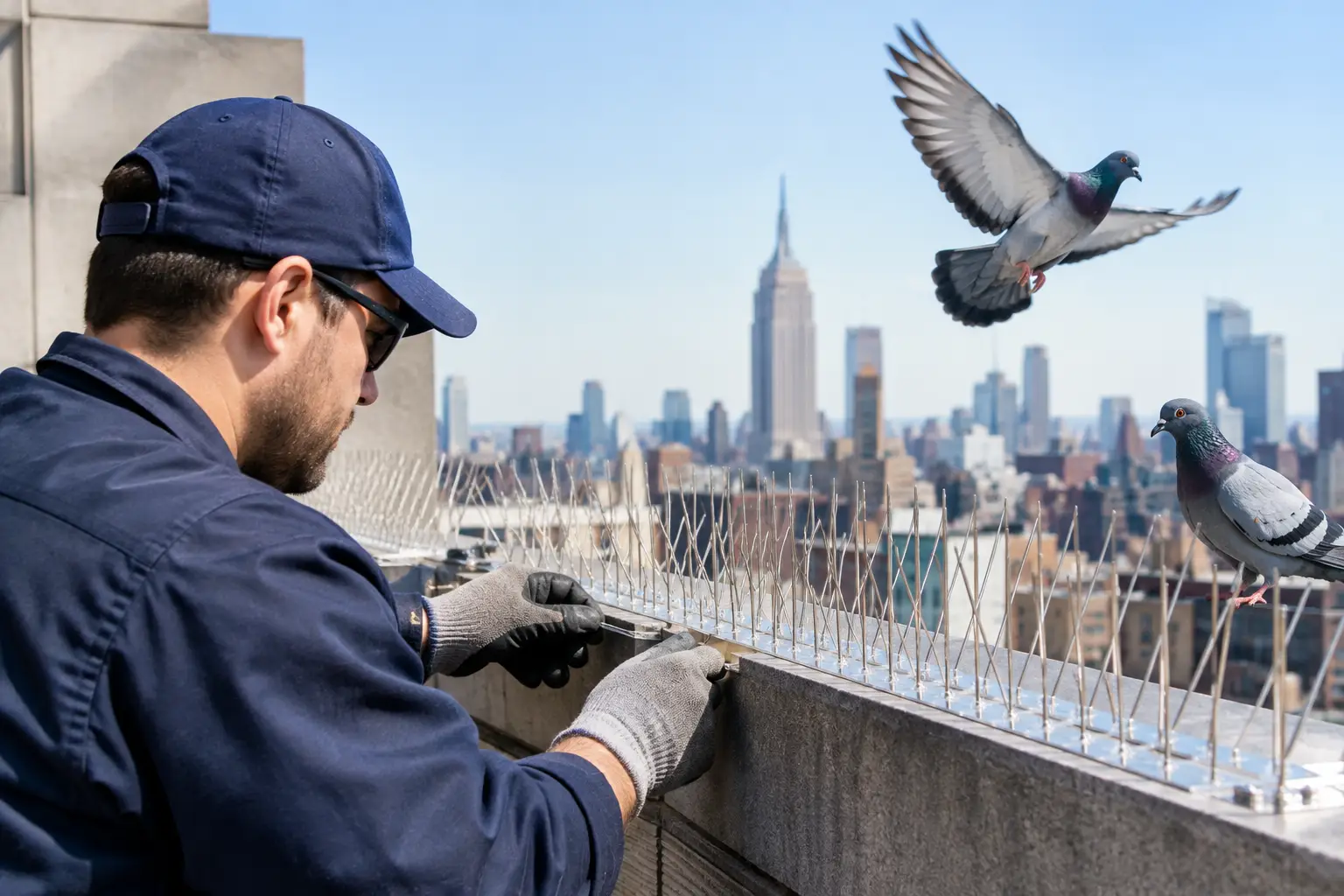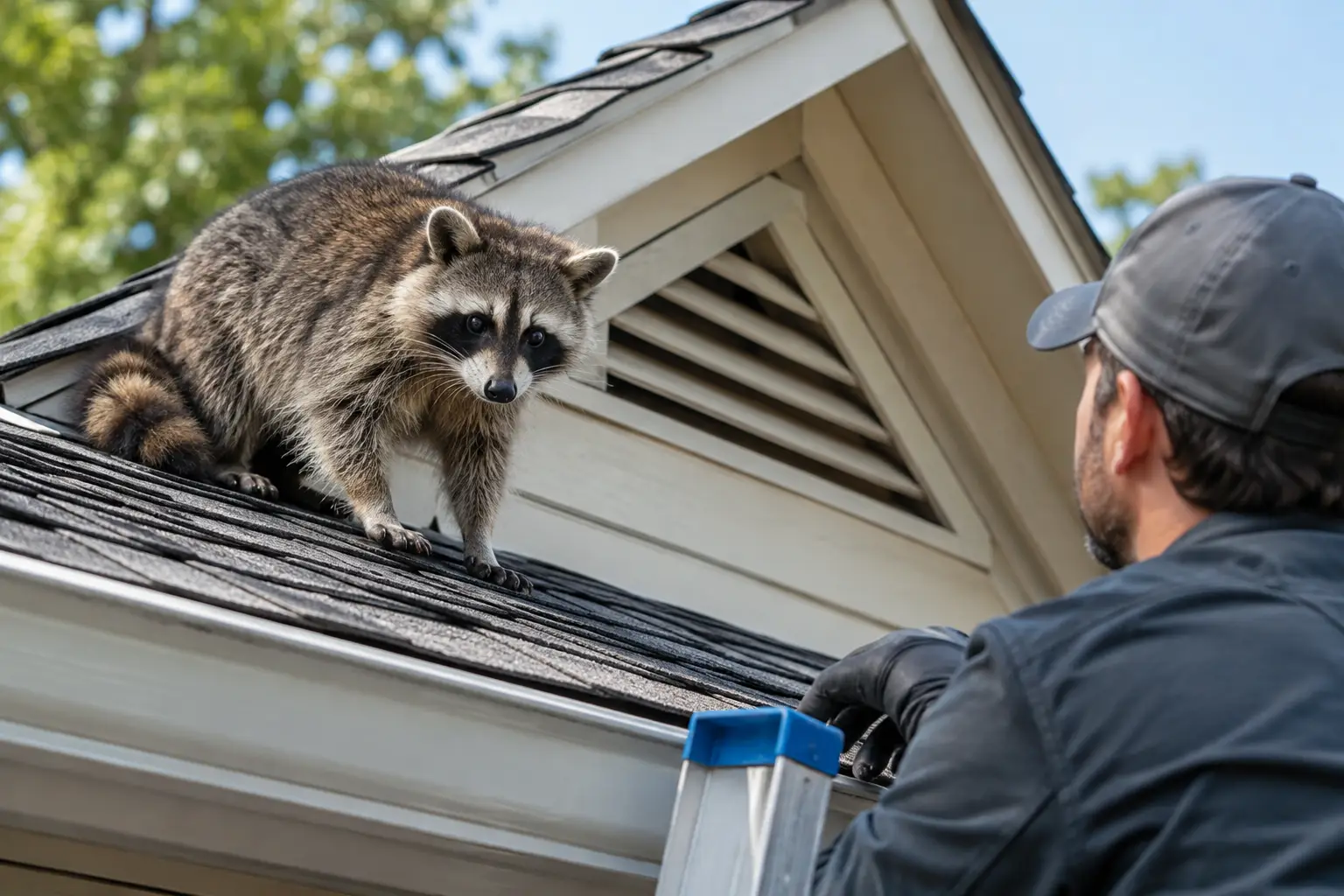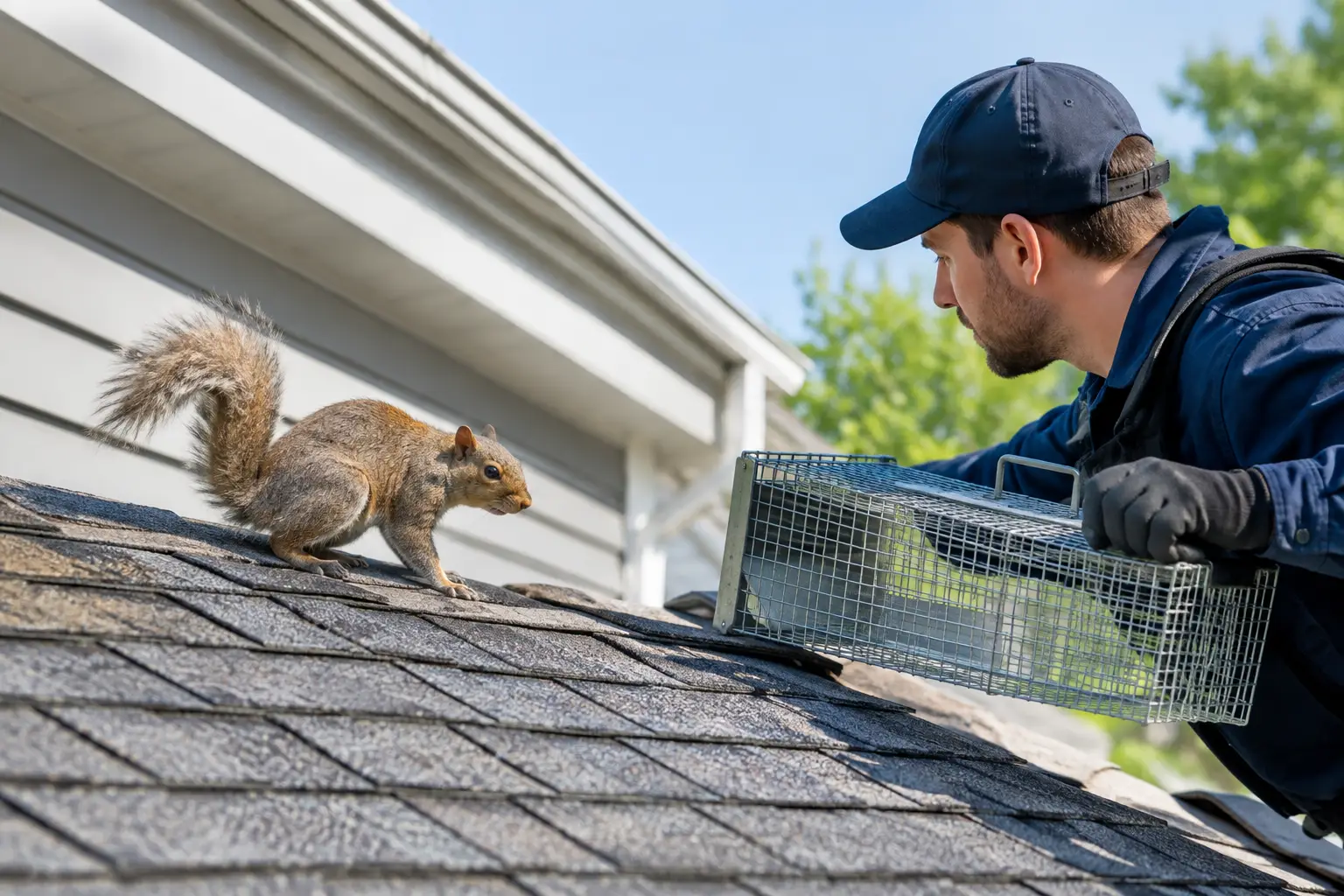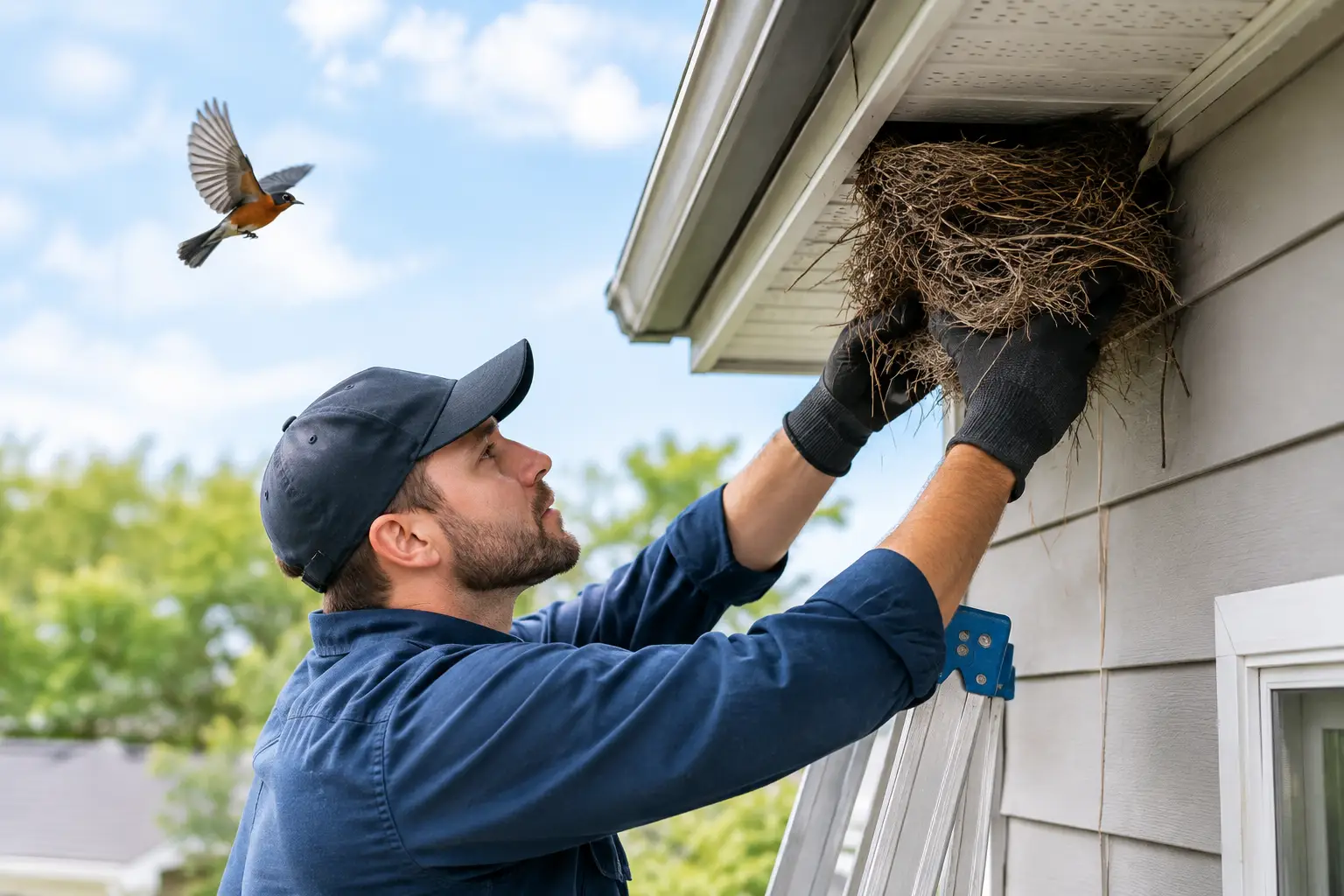
A rat can enter through an opening around the size of a quarter. A mouse needs even less space – often a gap no wider than a pencil. That is why rodent exclusion NYC is not just about setting traps after you hear scratching in a wall. It is the work of finding every active entry point, closing it correctly, and repairing the conditions that keep bringing rodents back.
For homeowners, landlords, restaurant operators, and building managers, speed matters. Rodents contaminate food areas, damage insulation and wiring, create tenant complaints, and can turn a small sighting into a repeat infestation when the building envelope is left open.
What Rodent Exclusion Actually Means
Rodent exclusion is the physical prevention side of rat and mouse control. Trapping or baiting can reduce the current population, but it does not repair the hole under a rear door, the broken vent screen, or the gap where utility lines enter the building. If those access points remain, new rodents can continue moving in.
A professional exclusion service starts with a detailed inspection of the exterior and the vulnerable areas inside the structure. Technicians look at the foundation, basement, crawl space, roofline, pipe penetrations, vents, garage doors, loading areas, utility rooms, and trash storage zones. In NYC, many rodent problems involve more than one pathway. A rat may travel through a shared alley, sewer-adjacent area, or basement void, while mice use gaps behind cabinets, radiators, and wall penetrations.
The goal is not to seal a building blindly. Active rodents must be removed or controlled first so they are not trapped inside walls, ceilings, or inaccessible voids. The right sequence depends on the infestation, the species, the layout of the property, and whether there are young animals present.
Why NYC Buildings Need a Different Approach
New York City properties give rats and mice plenty of opportunities. Older masonry, connected row homes, mixed-use buildings, construction activity, crowded utility routes, food waste, and shared basements all create access and harborage. A clean apartment can still have mice if they are entering from a neighboring unit or a common building area.
Commercial properties face additional pressure. Restaurants, bodegas, warehouses, offices, schools, and multifamily buildings may have delivery doors that stay open, floor drains, dumpster areas, utility chases, and storage clutter that make monitoring difficult. A single gap around a conduit can serve as a protected route between exterior spaces and food or nesting areas.
This is why effective rodent exclusion in NYC requires more than hardware-store foam or a quick patch. Foam alone can be chewed through. Thin plastic vent covers fail. A repair that looks finished from the ground may leave a hidden route open behind siding, flashing, or a wall cavity. Durable exclusion uses the right materials for the location, such as metal screening, properly fitted covers, reinforced barriers, and weather-resistant repair methods.
Common Entry Points for Rats and Mice
The obvious hole is not always the one causing the problem. Rodents commonly enter through gaps around water, gas, cable, and HVAC lines; damaged basement windows; torn foundation vents; unprotected roof and attic vents; loose soffits; gaps at garage doors; and openings beneath exterior doors.
In apartment and commercial settings, interior migration routes matter just as much. Mice can move behind baseboards, beneath kitchen cabinets, around plumbing under sinks, through dropped ceilings, and along utility risers. Rats may use broken drain connections, crawl spaces, boiler rooms, cellar doors, and gaps around trash rooms.
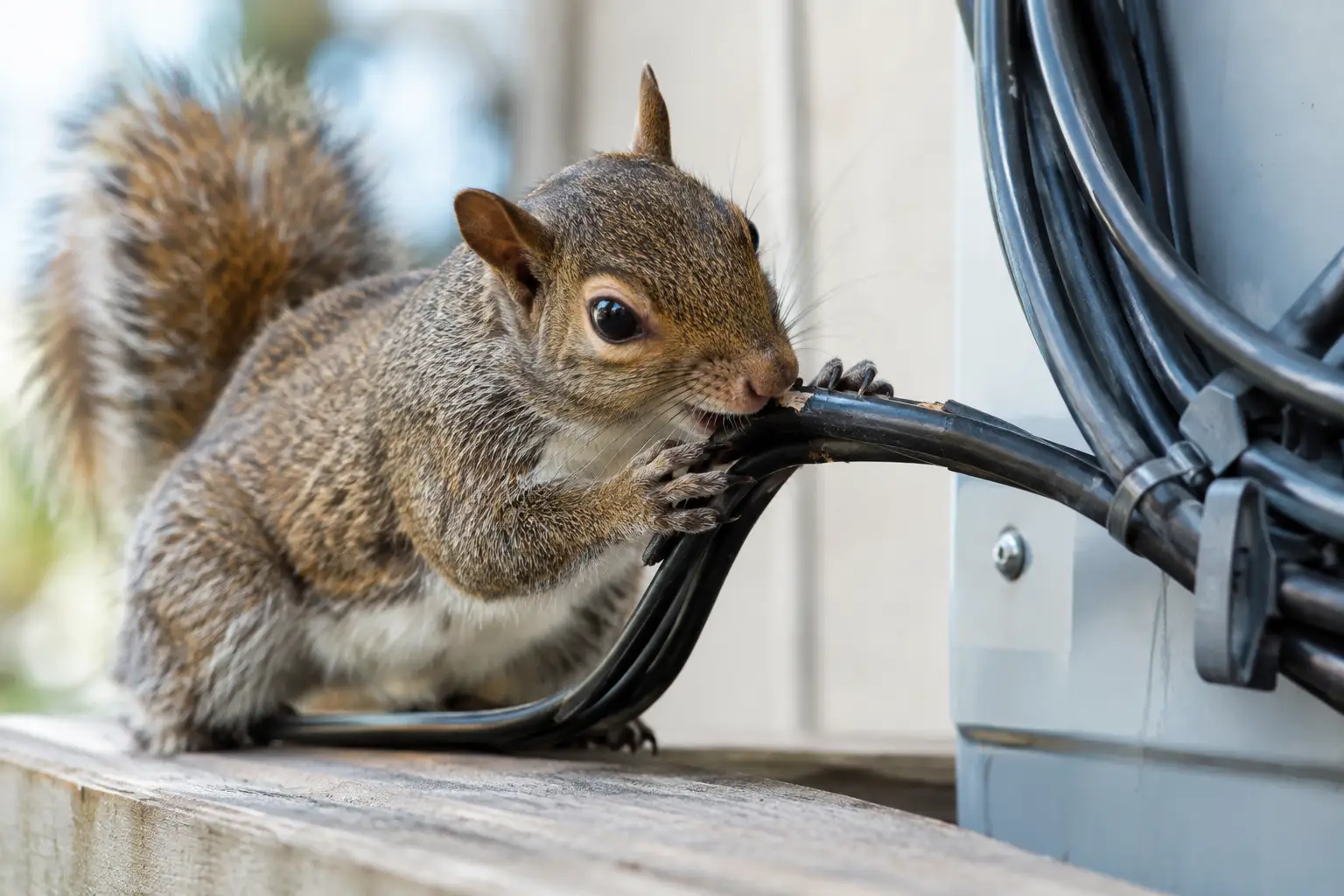
Roof-level access should not be ignored. Trees touching a structure, damaged fascia, open ridge vents, and gaps at dormers can give rodents a route into attics. Once inside, they may shred insulation for nesting, chew wiring, and leave droppings throughout the space. If a rodent infestation has reached the attic, exclusion should be paired with sanitation and damage assessment rather than treating the entry hole as the only issue.
The Right Order for Rodent Control and Exclusion
A lasting result usually follows a clear process. First, the property is inspected to identify rodent activity, entry points, nesting areas, moisture issues, and food sources. Next comes population control through species-appropriate trapping, baiting where appropriate, or removal methods suited to the structure and occupancy.
Once activity is reduced and the plan is in place, exclusion repairs close the routes rodents are using. Larger repairs may be staged when a building has widespread activity. For example, a technician may secure the most active openings first while monitoring other locations to make sure rodents are not redirected into occupied areas.
Cleanup is the final piece that many property owners overlook. Rodent droppings, urine, nesting material, and contaminated insulation can create odor and health concerns. Affected areas may need removal, disinfection, deodorization, and restoration. In severe attic, crawl space, or basement infestations, replacing contaminated insulation may be the practical choice.
Rodent Exclusion NYC for Homes, Rentals, and Businesses
A single-family home may need door sweeps, foundation-gap repairs, vent protection, and attic sealing. A brownstone or attached townhouse may require a broader inspection because rodents can travel through shared walls and connected basement spaces. For landlords and property managers, the work often includes common areas, trash rooms, mechanical rooms, tenant access points, and coordinated repairs across multiple units.
Businesses need exclusion that supports daily operations. A restaurant cannot simply block a delivery entrance without considering staff use and code requirements. A warehouse may need durable protection around loading bays and utility penetrations while maintaining access for equipment. The repair plan should protect the property without creating an unsafe or impractical work area.
This is also where professional documentation helps. Property managers may need clear findings, repair recommendations, photographs, and a plan for monitoring after service. Repeated sightings are easier to solve when the building owner can distinguish between a new entry point, an untreated source area, and normal post-treatment activity.
Signs You Need Professional Exclusion Now
Do not wait for a visible rodent in a kitchen or hallway. Fresh droppings, gnaw marks, grease rub marks along walls, scratching sounds after dark, chewed food packaging, foul odors, and damaged insulation all point to active rodent pressure. In commercial buildings, recurring sightings near storage, trash, or prep areas require prompt attention before the issue affects operations or inspections.
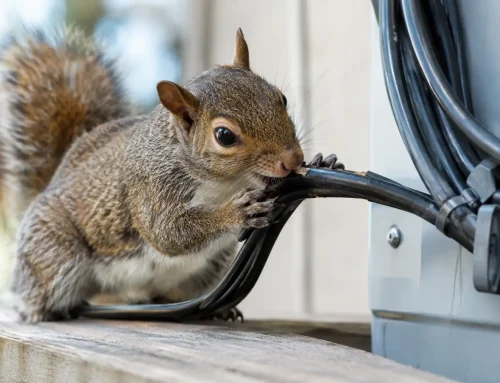
Call for help quickly if you find chewed electrical wiring, a heavy buildup of droppings, rodents in an attic or crawl space, or evidence that activity is moving between units. These situations can require controlled removal, sanitation, and structural repairs performed in the right order.
Animal Control NYC & NJ provides professional wildlife trapping and removal, rodent control, exclusion repairs, cleanup, and property restoration for residential and commercial customers. The focus is complete recovery: address the rodents, close their access routes, and repair the damage that made the problem more costly.
How to Protect the Property Between Visits
Property owners can support exclusion work by keeping food in sealed containers, removing clutter from basements and storage areas, keeping dumpster lids closed, and reporting new droppings or noises quickly. Outdoor maintenance also matters. Keep vegetation from touching the building, repair leaking spigots or drainage problems, and avoid leaving pet food outside overnight.
These steps help, but they are not a substitute for identifying the physical access points. In dense neighborhoods, rodents can be persistent even when a property is clean. The difference is whether they can get inside and find protected nesting space.
If rats or mice have already found a way into your property, treat every sighting as a reason to inspect the structure, not just the room where it happened. Fast removal and durable exclusion can stop a small entry point from becoming the next emergency call.