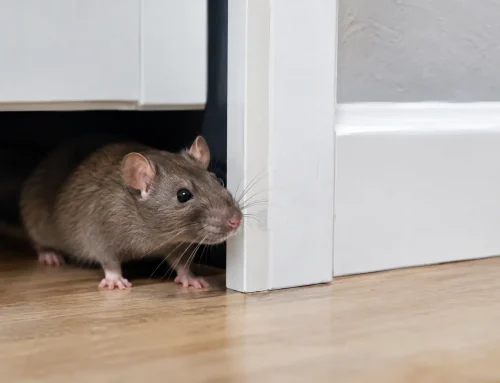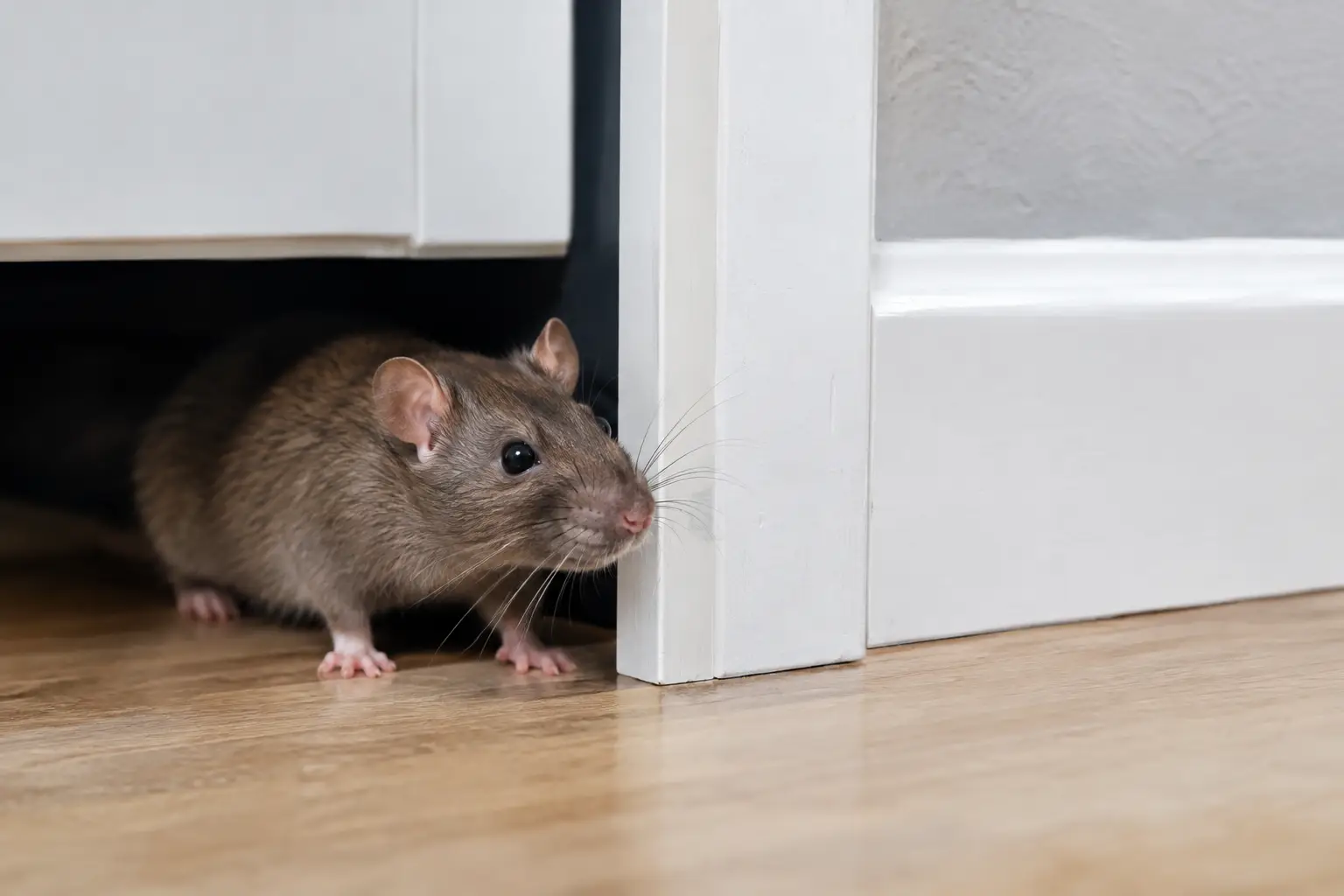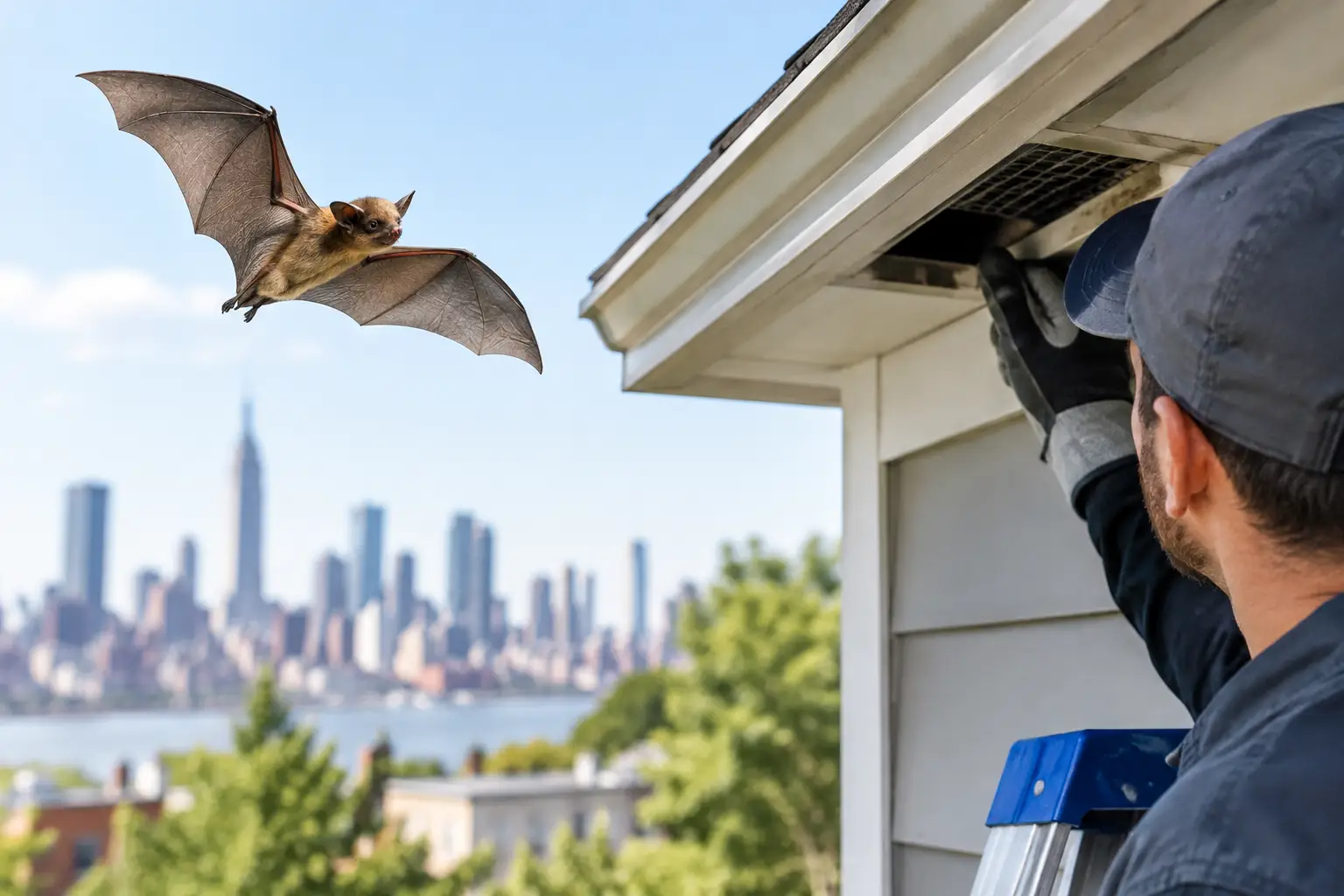
A mouse can enter through a gap as small as a dime. A rat can exploit openings around utility lines, damaged foundation vents, roof edges, basement doors, and cracked masonry. That is why rodent proofing is not a cosmetic repair. It is the work that stops repeat infestations, protects a building’s structure, and keeps rodents out after removal is complete.
For homes, apartment buildings, restaurants, warehouses, offices, and retail properties across New York City and New Jersey, exclusion is often the difference between a one-time rodent problem and a recurring emergency. Traps can remove active animals, but they cannot close the route that brought them inside.
What Professional Rodent Proofing Actually Includes
Effective rodent proofing begins with a full inspection of the structure, not a quick walk around the exterior. Rodents do not always enter at ground level. In dense city neighborhoods, they may travel along utility lines, fences, tree branches, adjoining roofs, pipes, and wall voids before reaching an opening.
A professional inspection looks for fresh droppings, rub marks, gnawing, nesting material, grease trails, damaged insulation, and odors. It also identifies the conditions attracting rodents, such as unsecured trash, pet food, bird seed, standing water, cluttered storage areas, or gaps around loading doors.
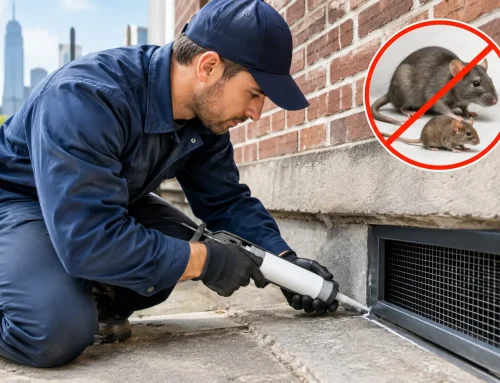
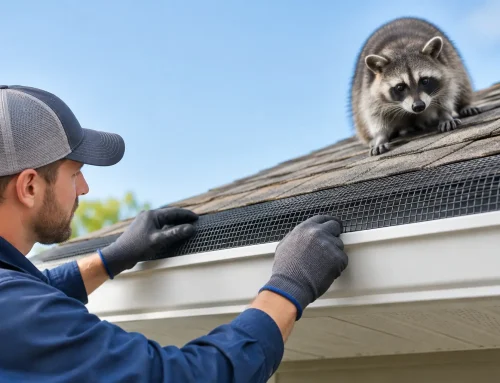
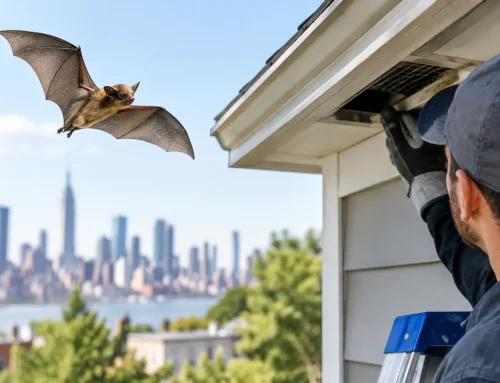
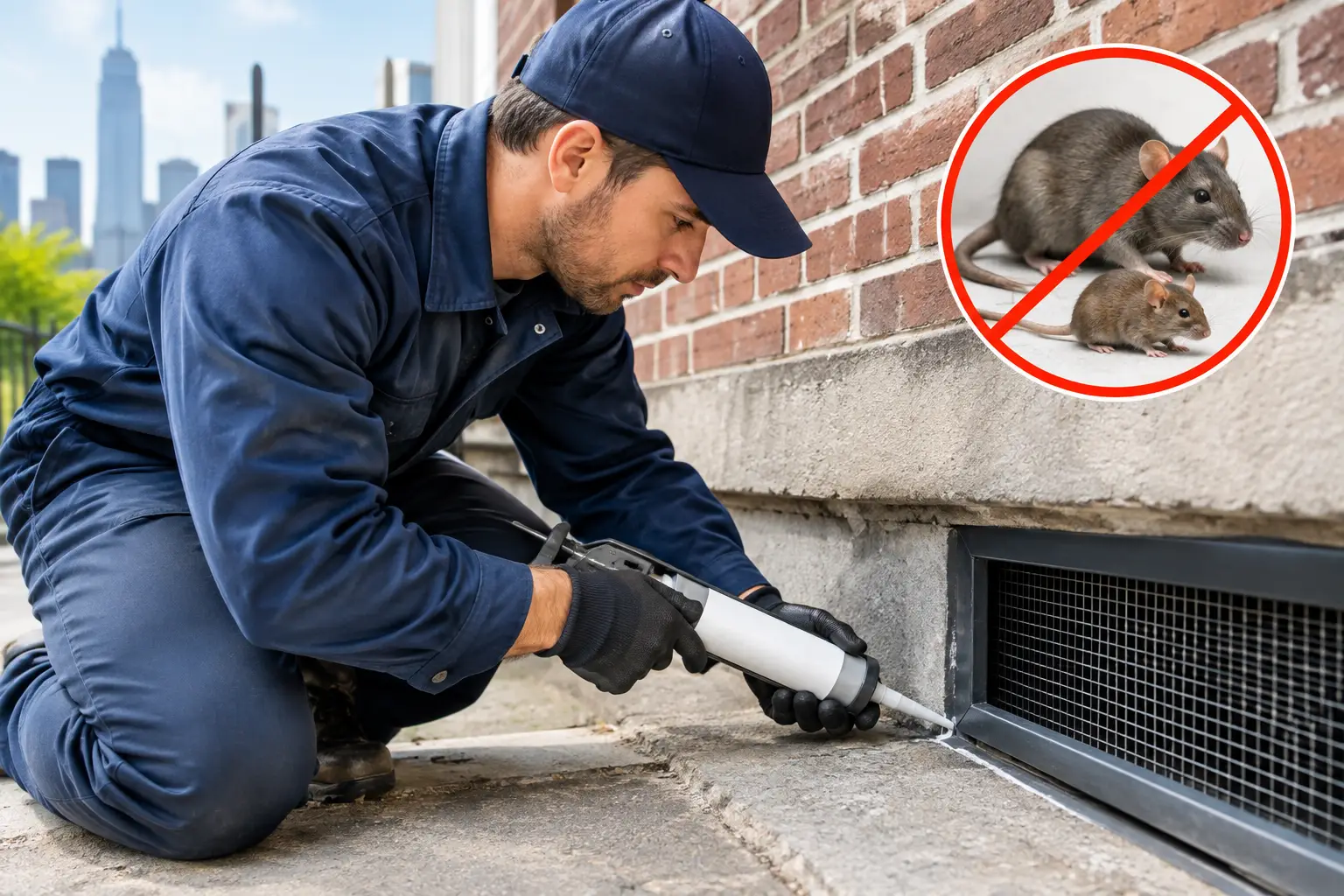
The repair work depends on the building and the species involved. Typical exclusion may include sealing gaps around plumbing and electrical penetrations, reinforcing basement and crawl space vents, repairing damaged soffits, securing ridge vents, closing foundation cracks, fitting door sweeps, and screening openings that lead into attics or wall voids.
Materials matter. Expanding foam alone is rarely a lasting rodent barrier because mice and rats can chew through it. Professional repairs may require heavy-gauge metal mesh, flashing, mortar, concrete, hardware cloth, door sweeps, and properly fastened vent covers. The goal is to create a durable barrier without blocking ventilation, drainage, or safe access to building systems.
Why Rodent Problems Return After Trapping
Property owners often call after setting traps, removing several mice, or seeing temporary results from bait. Then the scratching starts again. This happens because rodents reproduce quickly, travel through hidden structural pathways, and return to any property that offers food, warmth, and access.
A trap addresses the animal that reaches it. Rodent proofing addresses the building conditions that allow animals to enter. Both may be necessary during an active infestation, but exclusion should be planned carefully. Sealing an opening too early can trap rodents inside walls, ceilings, crawl spaces, or attics, creating odor problems and additional damage.
A qualified technician determines where rodents are active, which openings are primary entry points, and when each area should be sealed. In some cases, one-way exclusion devices or targeted trapping are used before final repairs. The right sequence protects the property without leaving animals trapped inside.
High-Risk Areas Around NYC and NJ Buildings
Every property has different vulnerabilities, but a few problem areas appear repeatedly in local inspections. Older brownstones and multifamily buildings may have gaps around pipes, deteriorated masonry, shared utility chases, and aging basement doors. Suburban homes often have vulnerable rooflines, garages, sheds, crawl spaces, and landscaping that gives rodents easy cover.
Commercial properties face a separate set of risks. Restaurants, food storage areas, trash enclosures, loading docks, and utility rooms can attract rodents even when interiors are kept clean. A dock door that does not sit flush with the ground or a damaged exterior drain cover can be enough to create a recurring issue.
Pay close attention to these common access points:
- Gaps around gas, cable, plumbing, and HVAC lines
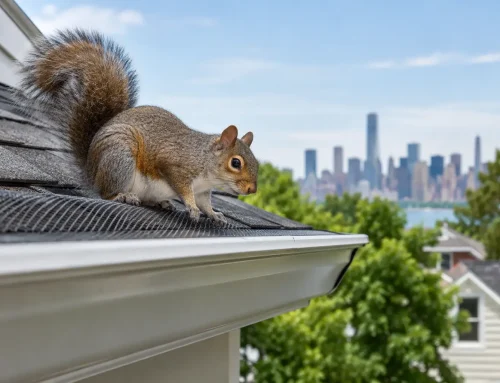
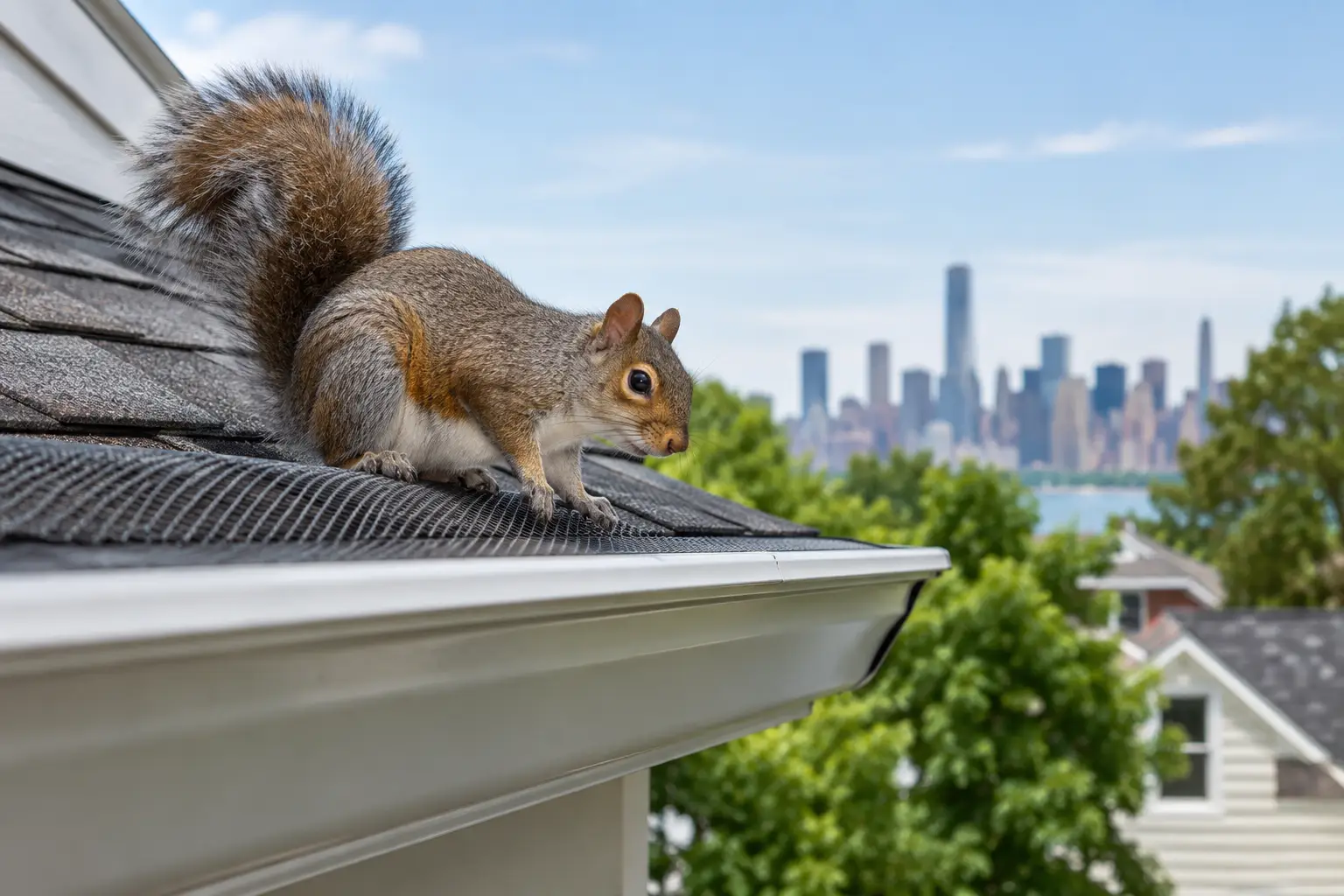
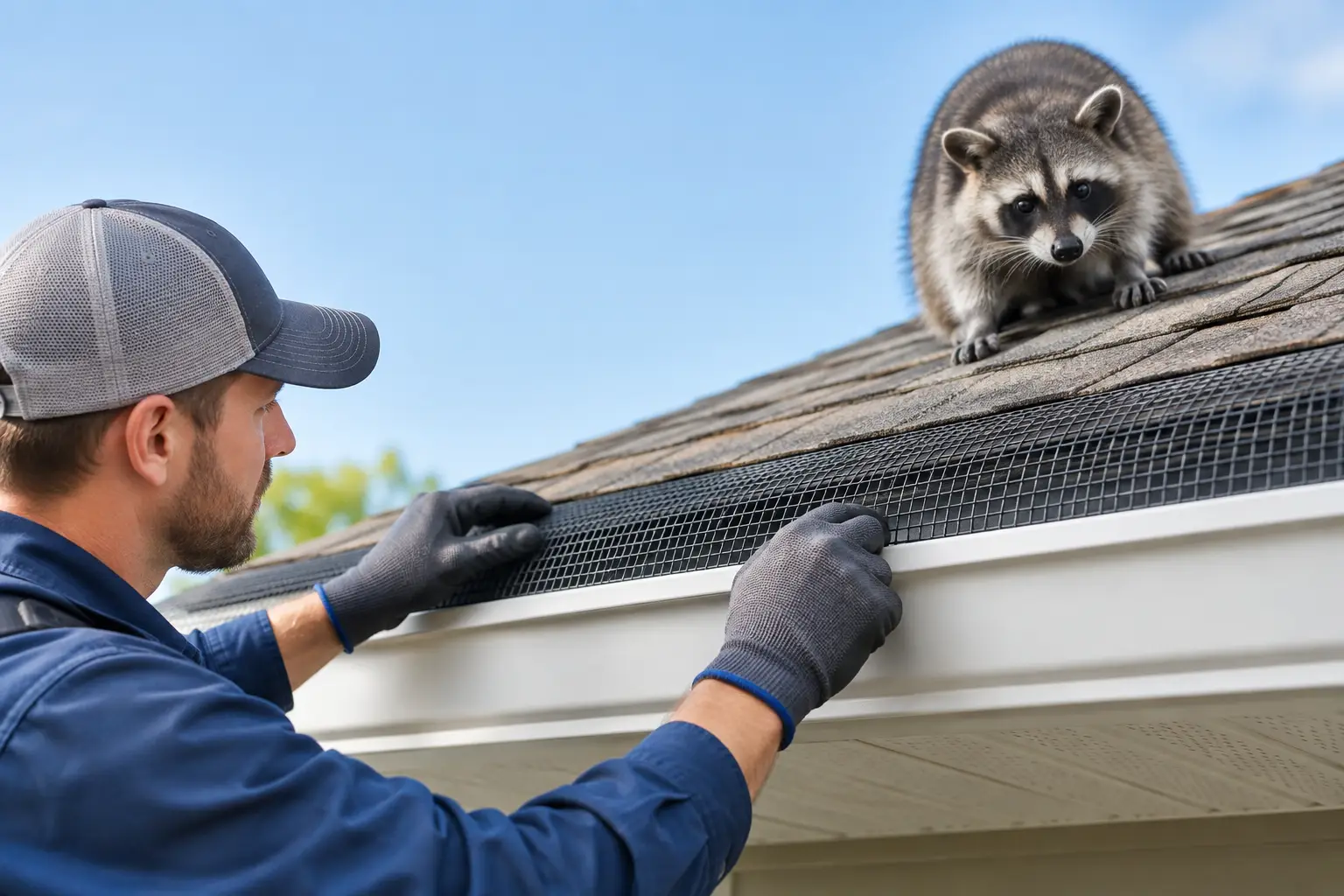
- Loose roof flashing, damaged soffits, and unprotected attic vents
- Foundation cracks, basement windows, and crawl space openings
- Worn door sweeps, damaged garage seals, and loading dock gaps
- Open trash areas, dense vegetation, and clutter stored against walls
The visible hole is not always the only issue. Rodents may use several smaller routes, especially in attached buildings and large facilities. A complete inspection is more reliable than sealing the first opening you find.
Health and Property Risks Should Not Be Ignored
Rodents contaminate more than food. Droppings and urine can affect pantry areas, storage rooms, insulation, HVAC components, and surfaces where people work or live. In rental properties, an unresolved rodent issue can quickly lead to tenant complaints, lost confidence, and potential sanitation concerns.
Chewing is another serious risk. Mice and rats gnaw on wiring, plastic pipes, wood framing, insulation, and stored materials. Electrical damage can create a fire hazard. Contaminated attic insulation or crawl space material may need removal and replacement after an infestation, particularly when nesting activity has been extensive.
Dead rodents behind walls or under floors can also create persistent odors and attract flies or other insects. That is why a complete service plan may include removal, sanitation, odor treatment, insulation replacement, and repair work after the active rodent population is controlled.
When DIY Repairs Are Enough and When They Are Not
A homeowner may be able to handle a simple maintenance repair, such as replacing a worn door sweep or moving firewood away from the foundation. These small measures can reduce risk when there is no evidence of active rodents inside the structure.
However, DIY sealing has limits. If you hear movement in walls or ceilings, find droppings indoors, see gnawed wiring, smell a strong odor, or notice repeated activity after setting traps, the problem requires more than caulk and store-bought bait. Sealing without identifying active travel routes can make the infestation harder to resolve.
Multi-unit buildings and commercial properties also require a broader approach. Rodents can move between units, utility corridors, kitchens, basements, and exterior trash areas. Treating one room while ignoring the shared structure rarely solves the source of the problem.
A Practical Plan for Lasting Rodent Control
The strongest results come from combining removal, exclusion, sanitation, and prevention. First, active rodents must be identified and removed using methods appropriate for the location and level of activity. Next, entry points should be repaired with materials that rodents cannot easily chew through.
After exclusion, affected spaces need attention. Droppings, nesting material, and contaminated insulation should be handled safely rather than swept or vacuumed dry. Food sources should be secured, trash practices corrected, and exterior conditions adjusted to make the property less attractive.
For properties with a history of rodent activity, periodic inspections are worthwhile. Seasonal weather changes can expose new gaps, shift building materials, and push rodents toward indoor shelter. Roof repairs, utility work, landscaping changes, and construction next door can also create fresh access points.
Animal Control NYC & NJ provides professional wildlife removal, rodent control, structural exclusion, cleanup, and damage repair for residential and commercial properties. The objective is not simply to remove the rodent you see. It is to locate how the building is being accessed, resolve the contamination and damage, and help prevent the next infestation.
If you are hearing scratching at night, finding fresh droppings, or seeing signs of gnawing, act before a small entry point becomes a larger repair. A thorough inspection and properly timed rodent proofing can restore a cleaner, safer property and give you a real path to keeping it that way.