Scratching overhead, a sharp urine odor, stained ceilings, or insulation scattered near the attic hatch usually means the problem has moved beyond animal removal. Professional attic restoration services address what wildlife leaves behind: contaminated insulation, droppings, nesting debris, damaged wiring, odors, and the openings that allowed the intrusion in the first place.
For property owners in New York City and New Jersey, this work is not cosmetic. An attic can hold years of rodent activity or a single raccoon nesting event that creates major sanitation and structural concerns. The right response removes the animals humanely, restores the affected space, and closes off future access before the damage spreads.
What Animal Damage Does to an Attic
Wildlife seeks attics because they are warm, dry, protected, and often easy to enter through roof gaps, loose soffits, ridge vents, utility penetrations, or damaged fascia. Squirrels, raccoons, rats, mice, bats, birds, and opossums each leave different evidence, but all can create conditions that require professional cleanup.
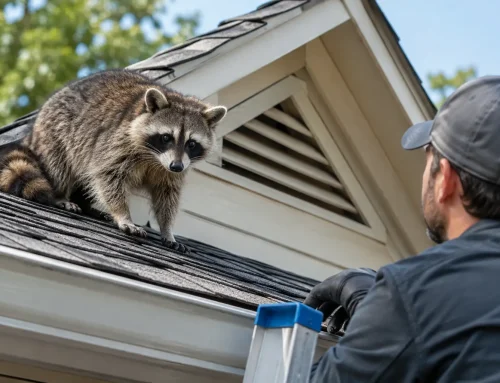
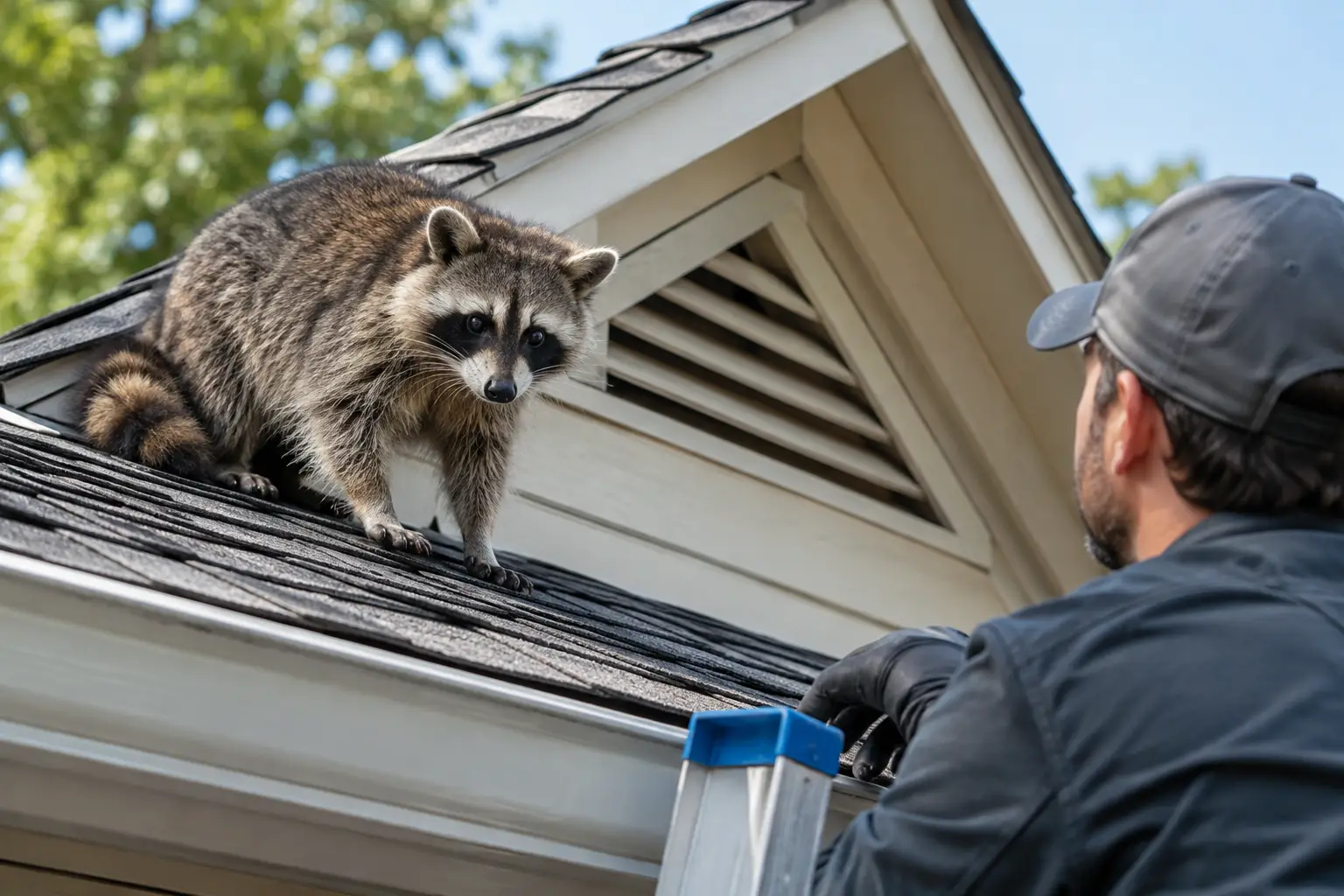
Raccoons are especially destructive because of their size and strength. They can tear open vents, crush insulation into nesting areas, pull apart duct coverings, and contaminate wide sections of an attic with waste. Squirrels chew constantly, creating risks around wood framing, electrical wiring, and stored belongings. Rats and mice can contaminate insulation across a large area even when their entry hole is small.
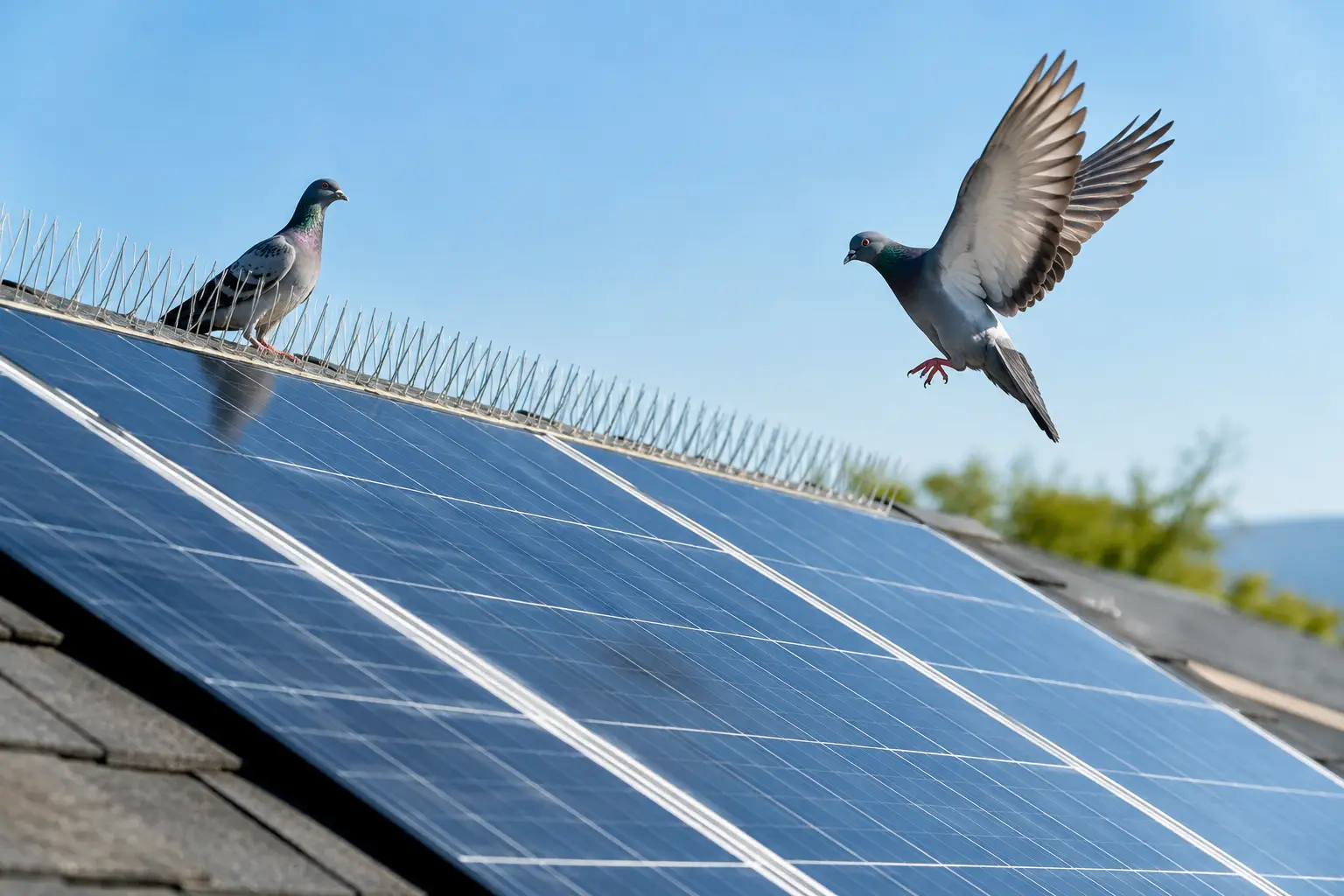
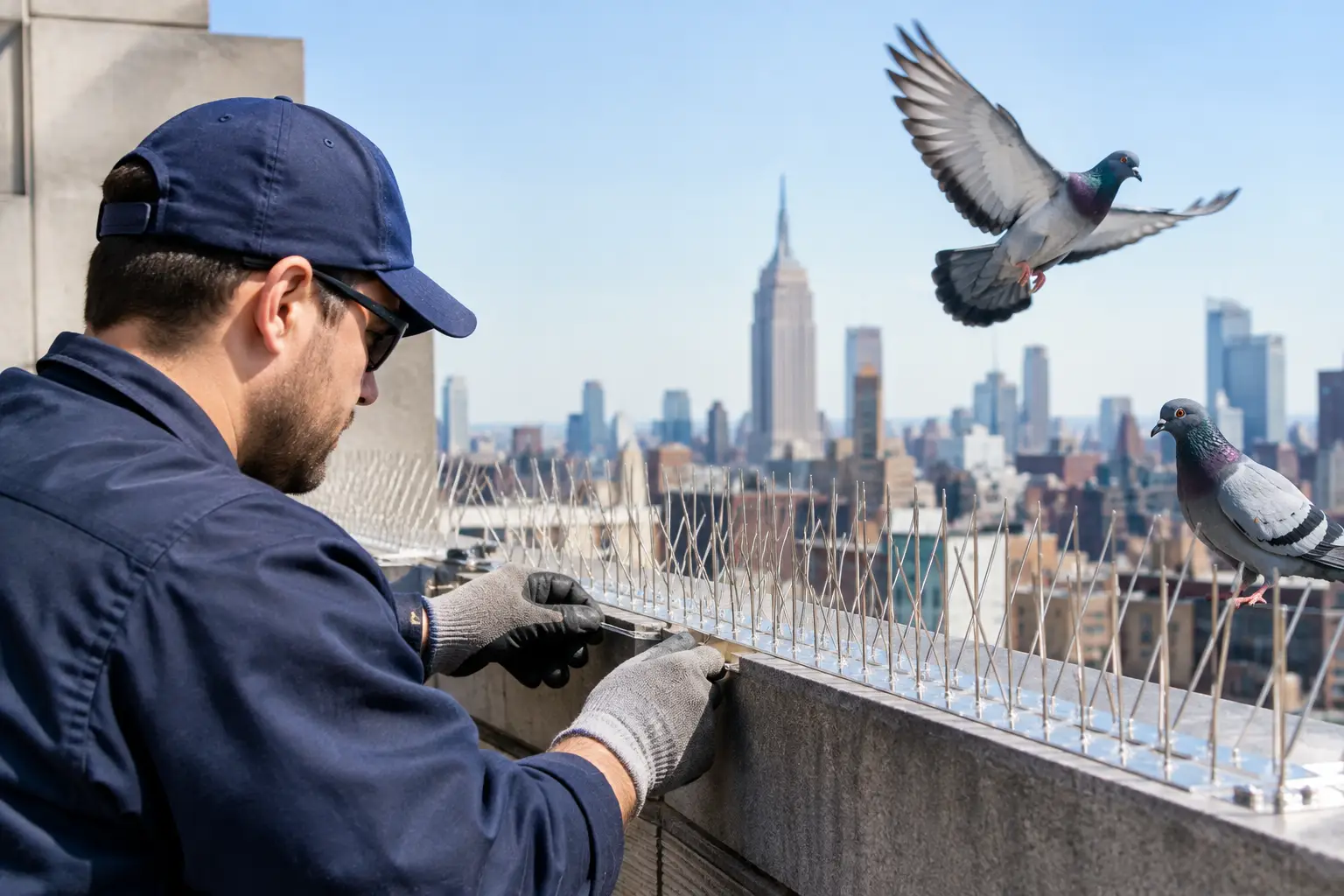
Birds and bats create a different cleanup challenge. Their droppings can accumulate near vents, chimneys, and rooflines, and dry material may become airborne when disturbed. That is why sweeping, vacuuming, or removing insulation without proper containment and protective equipment is not a safe DIY project.
The visible damage is often only part of the problem. Urine can soak into insulation and ceiling materials, creating odors that travel into living or working spaces through gaps around light fixtures, ductwork, and attic hatches. Moisture from nests, damaged ventilation, or animal waste can also support mold growth. If a tenant, employee, or family member notices persistent attic smells or ceiling staining, the source should be investigated promptly.
Attic Restoration Services Are More Than Cleanup
A complete restoration starts with a close inspection of the attic, roofline, and exterior entry points. The goal is to determine which animal caused the damage, whether activity is current, how long the issue has been present, and what building materials need attention. Removing insulation before confirming that all animals are out can trap wildlife inside or leave a new litter behind.
Once removal is complete, the affected attic area is assessed for contamination. In some cases, a small and isolated nesting area can be cleaned and disinfected. In heavier infestations, full insulation removal may be the safer choice. This depends on the species involved, the amount of droppings and urine present, the insulation type, and whether odors have penetrated surrounding materials.
Professional attic restoration services commonly include removal of contaminated insulation and nesting material, disposal of animal waste, detailed sanitation, odor treatment, and installation of new insulation where needed. They may also include minor repairs to damaged wood, ducts, vent covers, wiring protection, and access points. The right scope should be based on the actual condition of the property, not a one-size-fits-all package.
Sanitizing matters because a clean-looking attic is not necessarily a safe attic. Animal waste can contain bacteria, parasites, and other contaminants. A professional crew uses appropriate protective measures and cleaning methods to reduce exposure while preventing contaminated debris from being carried through the home or building.
Removal Must Come Before Restoration
Restoration only works when wildlife exclusion is handled correctly. Sealing a hole while animals are still inside can force them deeper into walls, lead to new damage, or separate a mother from dependent young. This is particularly important with raccoons, squirrels, bats, and birds during nesting seasons.
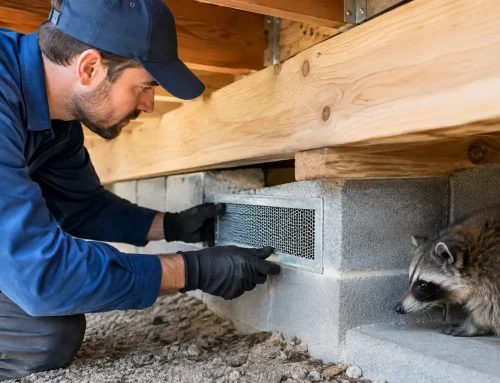
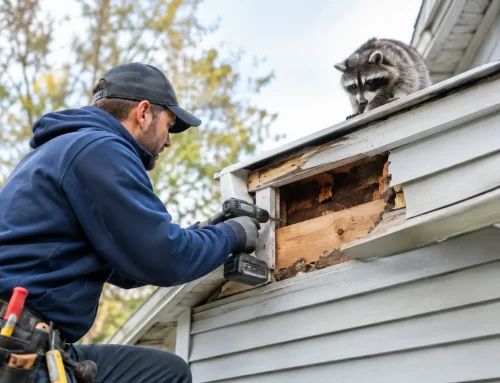
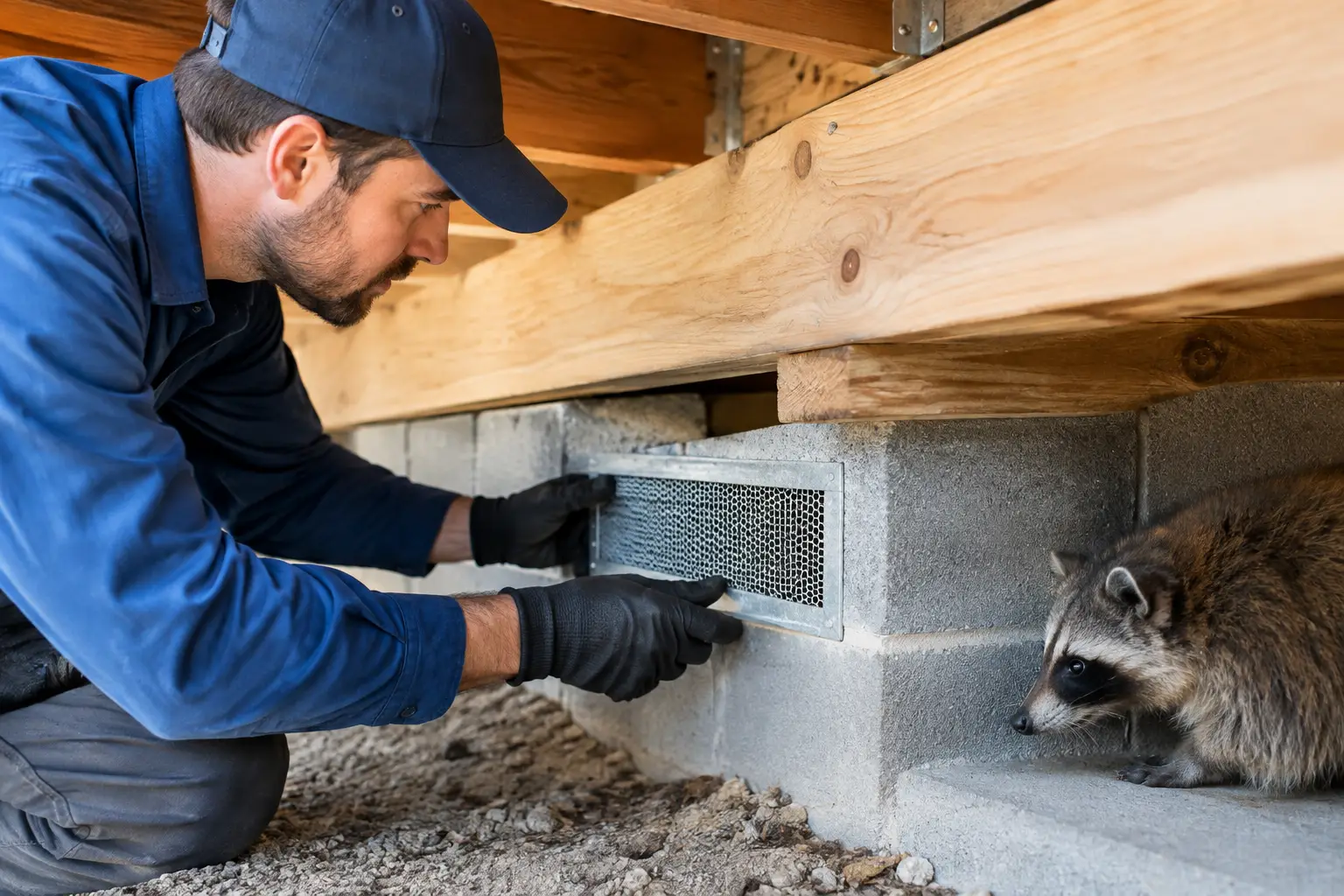
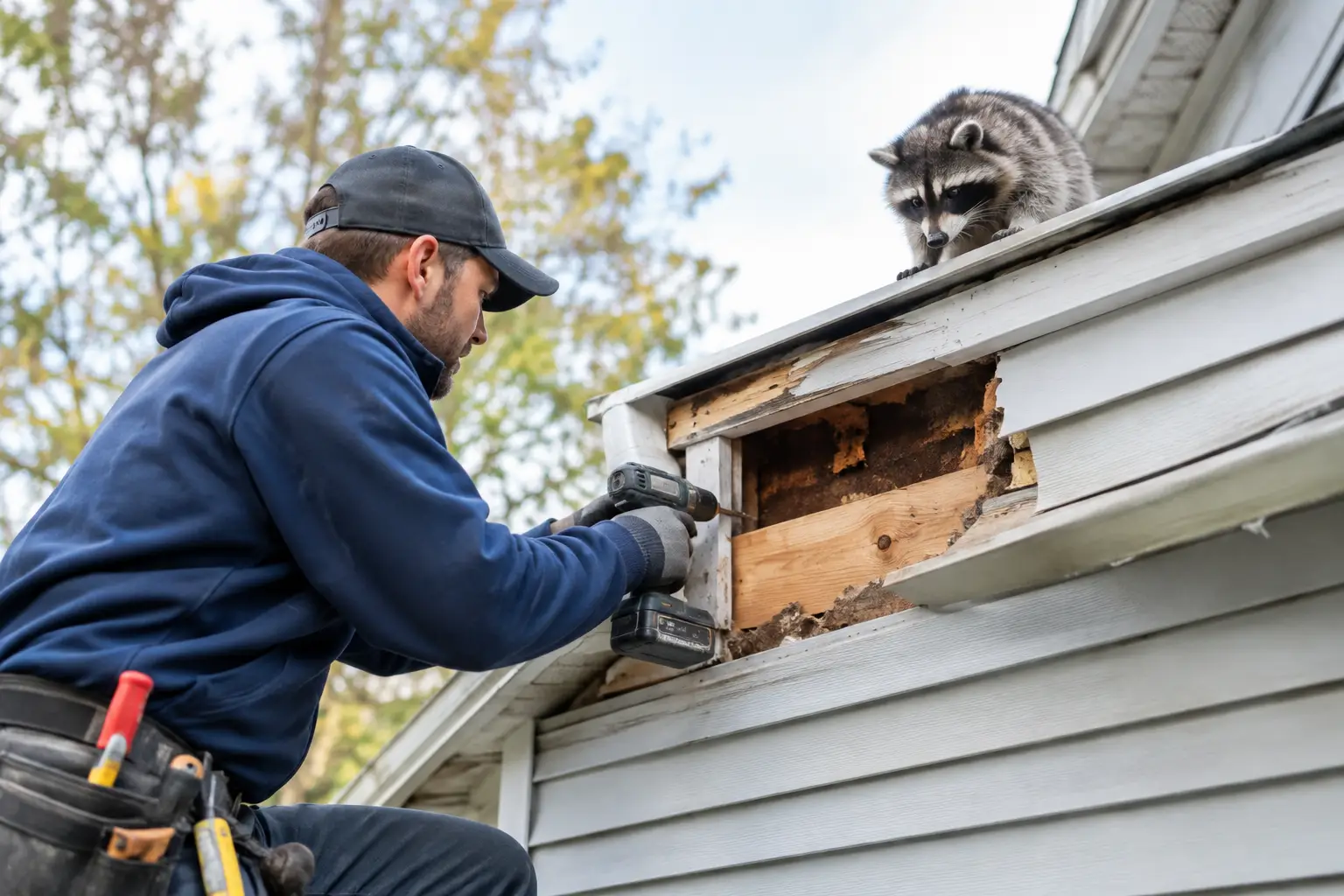
A qualified wildlife control technician identifies active entry points and installs exclusion measures that allow animals to leave without returning when appropriate. After activity has stopped, permanent repairs can be completed. This may involve reinforcing ridge vents, screening vulnerable vents, sealing construction gaps, repairing soffits, securing roof intersections, and protecting other weak areas around the structure.
The strongest repairs are designed for the species involved. A light screen that may discourage birds will not hold against a raccoon. Foam alone is not a long-term rodent barrier. Hardware, vent protection, durable fasteners, and careful construction details make the difference between a temporary patch and a lasting repair.
When Insulation Replacement Is Necessary
Insulation is one of the most common casualties of an attic infestation. Animals burrow into it, flatten it for nests, contaminate it with droppings and urine, and use it to carry food into the attic. Once insulation is heavily affected, cleaning the surface rarely solves the odor or sanitation issue underneath.
Replacement is often recommended when contamination is widespread, when odor remains after treatment, when insulation has been compressed or displaced, or when the material is old and no longer performing well. In a dense NYC building or a New Jersey suburban home, damaged insulation can also contribute to higher heating and cooling costs because conditioned air escapes more easily through poorly insulated attic areas.
There is a practical trade-off. Removing all insulation costs more than treating one limited area, so full replacement is not always necessary. But choosing a cheaper spot-cleaning approach for heavily contaminated material can lead to recurring odor complaints and a second cleanup later. A proper inspection should explain which sections can remain and which should be removed.
New insulation should be installed only after sanitation and exclusion are complete. Otherwise, a new infestation can quickly undo the work.
Watch for Hidden Structural and Safety Issues
Animal activity can expose problems that have been developing for years. Chewed wiring is a major concern with squirrels, rats, and mice. Damaged ductwork can reduce HVAC efficiency and spread odors. Torn vapor barriers, wet wood, and blocked ventilation can contribute to moisture buildup and mold.
A restoration crew should identify conditions that need repair or referral, especially exposed electrical wiring, roof leaks, soft or deteriorated framing, and mold growth. Wildlife control and attic restoration can resolve the contamination and access problems, but serious electrical or roofing repairs may require a licensed specialist in that trade.
Property managers should also document attic conditions before and after restoration. Clear records are useful when responding to tenant concerns, planning maintenance, addressing recurring leaks, or verifying that a wildlife issue was properly resolved.
Why Fast Service Protects the Whole Property
Waiting rarely makes an attic intrusion smaller. Rodents reproduce quickly. Raccoons can enlarge one damaged vent into a major roofline repair. A squirrel chewing near wiring can turn a noise complaint into a safety issue. The longer droppings and urine remain in insulation, the more difficult odor control becomes.
Fast action is especially valuable after hearing nighttime movement, finding a dead animal odor, discovering droppings near an attic hatch, or seeing exterior damage around vents and eaves. For commercial buildings, prompt response also helps limit tenant complaints, protect inventory, and avoid disruptions caused by odors or animal activity above ceilings.
Animal Control NYC & NJ provides wildlife removal, sanitation, exclusion, and attic recovery as one coordinated service. That means property owners do not have to manage separate trappers, cleaning crews, and repair providers while an active animal problem continues.
What to Do Before the Crew Arrives
Avoid entering a contaminated attic unless there is an immediate emergency. Do not handle droppings, nests, or dead animals without proper protection, and do not seal exterior holes if you are unsure whether animals are still inside. Keep children and pets away from the attic access area.
If you can safely observe the exterior from the ground, note where you see animal activity, damaged vent covers, loose soffits, or droppings. Listen for activity times as well. Daytime running and chewing may point to squirrels, while heavy nighttime movement often suggests raccoons or rodents. These details help guide the inspection, but a professional assessment is still needed to confirm the species and scope of damage.
Your attic should be a dry, insulated barrier between the outdoors and the people below it, not a nesting site or a source of contamination. Addressing the animal, the damage, and the entry points together gives the property its best chance of staying clean, protected, and quiet.