That scratching above the ceiling at 2 a.m. is not a problem to put off until morning. When you search for wildlife removal near me, you need a local professional who can identify the animal, remove it safely, protect the people inside the building, and stop it from coming back. For property owners across New York City and New Jersey, fast action can prevent a small intrusion from becoming damaged insulation, contaminated crawl spaces, chewed wiring, tenant complaints, or a larger infestation.
Wildlife Removal Near Me Means More Than a Trap
A trap alone does not solve a wildlife problem. Raccoons can tear open rooflines, squirrels can chew through wood and electrical wiring, rats and mice can contaminate food storage and travel through wall voids, and birds can block vents with nesting material. Bats require especially careful handling because of potential health concerns and laws that may affect how and when exclusion can be performed.
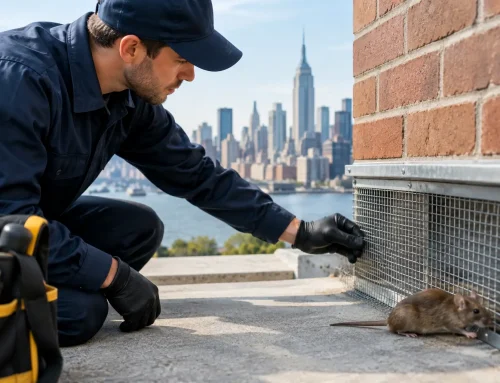
The right response starts with an inspection. A trained wildlife technician looks for entry points, tracks, droppings, nesting material, rub marks, damaged screens, gaps at roof intersections, open vents, and weaknesses around foundations. In dense NYC neighborhoods and suburban NJ communities, animals often use the same overlooked access points: loose soffits, uncapped chimneys, damaged ridge vents, utility openings, roof gaps, and crawl space vents.
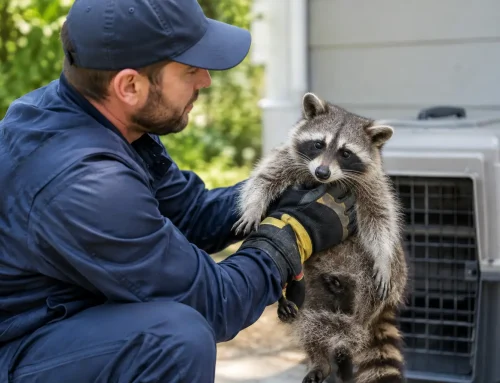
Once the species and access route are confirmed, removal can be planned correctly. That matters because the best method for a squirrel in an attic is not necessarily the right method for a raccoon under a deck or rats inside a commercial kitchen. Humane removal should be species-specific, legal, and focused on resolving the active issue without creating a new one.
Act Quickly When You See These Warning Signs
Some wildlife activity is obvious. Others signs are easy to dismiss until the damage becomes expensive. Call for professional animal removal when you hear persistent movement in walls, attics, ceilings, or crawl spaces, especially at dawn, dusk, or overnight. Strong odors, stains on ceilings, gnawed wires, scattered insulation, droppings, damaged vents, and torn shingles also deserve immediate attention.
Do not attempt to handle a trapped, injured, sick, or dead animal yourself. Wildlife can bite, scratch, carry parasites, or leave contamination behind. If a bat, raccoon, or other animal has had possible contact with a person or pet, contact the appropriate medical or public health authority promptly in addition to arranging removal.
For landlords, building managers, and business owners, speed also protects operations. A bird nesting near ventilation equipment, rodents in a storage area, or animal odors in a shared hallway can quickly become a sanitation and tenant-relations issue. A documented inspection and professional cleanup provide a clearer path to restoring the affected area.
What Professional Wildlife Control Should Include
A reliable local wildlife company should explain what is happening at your property and what it will take to correct it. The work should not end when the animal leaves. A complete service plan often includes removal, cleanup, exclusion, and repair.
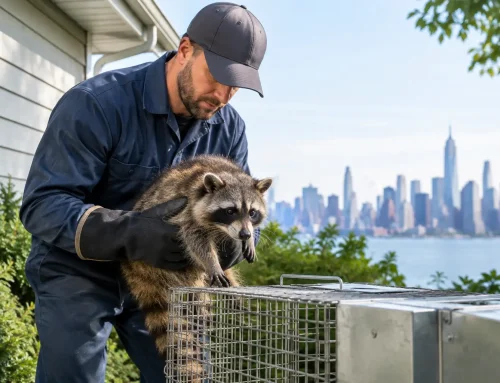
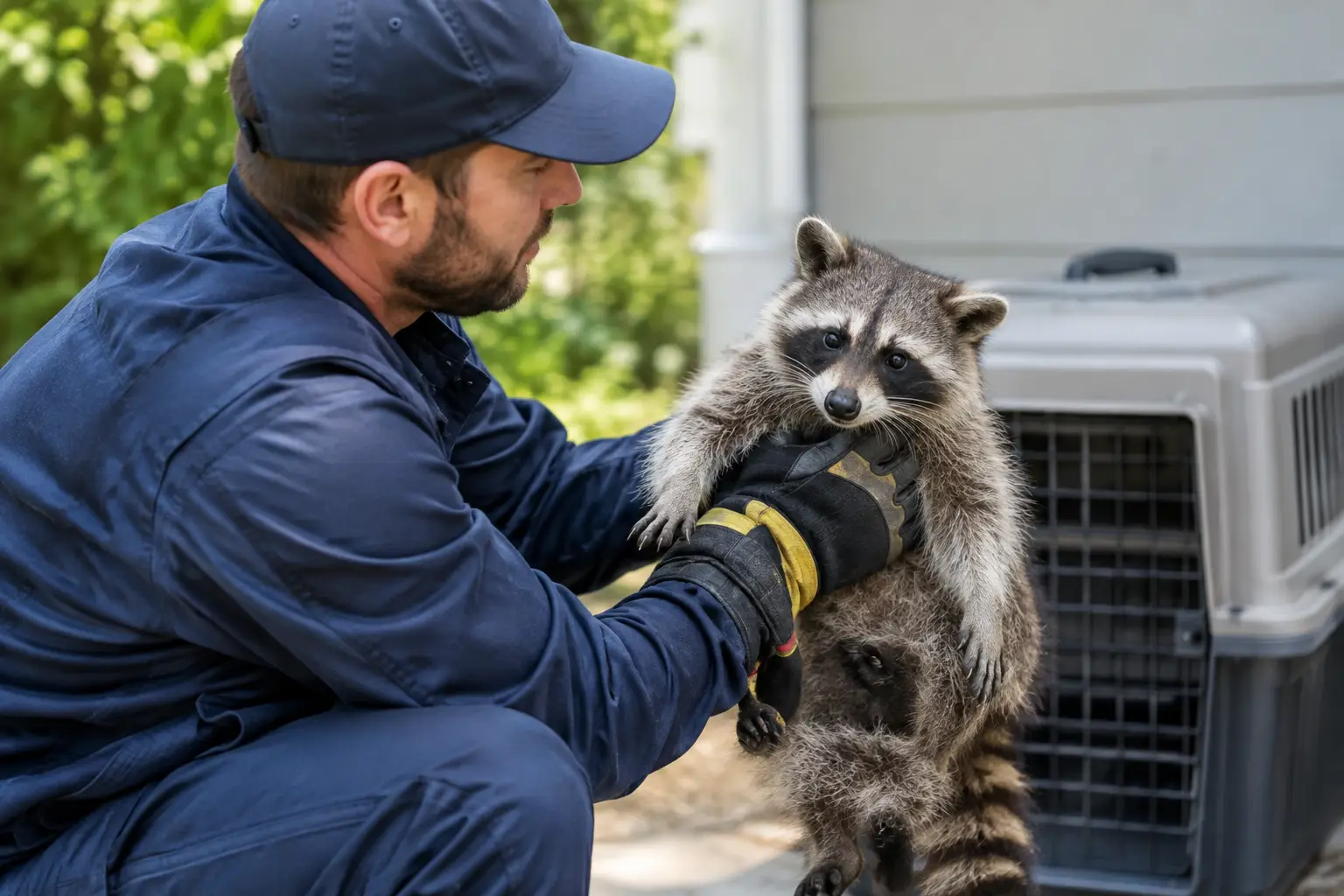
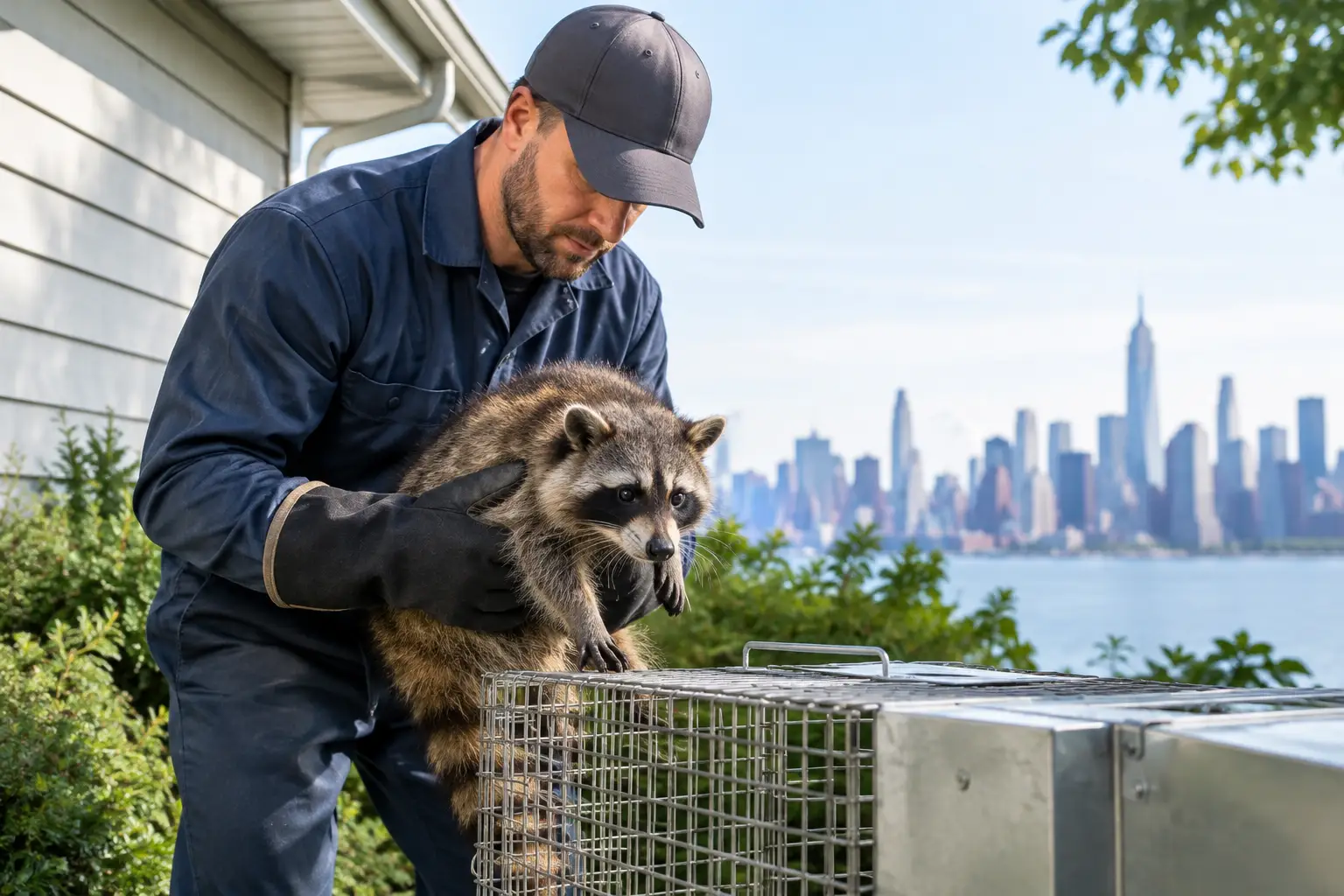
Humane trapping and removal addresses the animal currently inside or around the structure. Depending on the situation, this may involve live trapping, one-way exclusion devices, targeted rodent control, or removal of an animal from a chimney, attic, wall, crawl space, or commercial area.
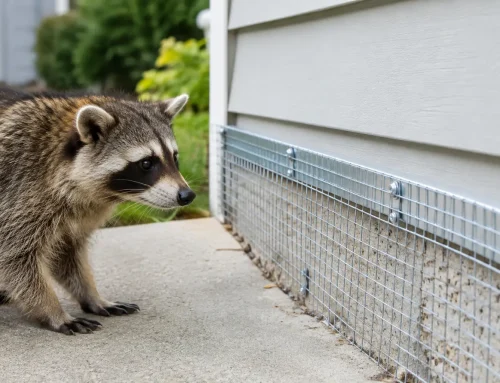
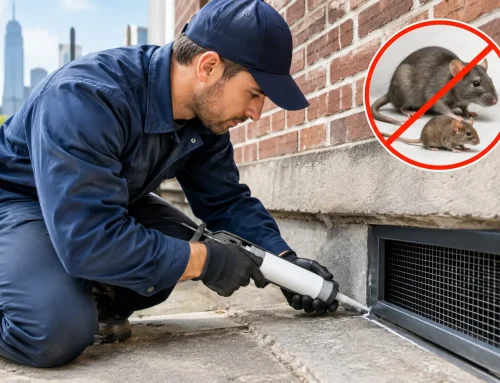
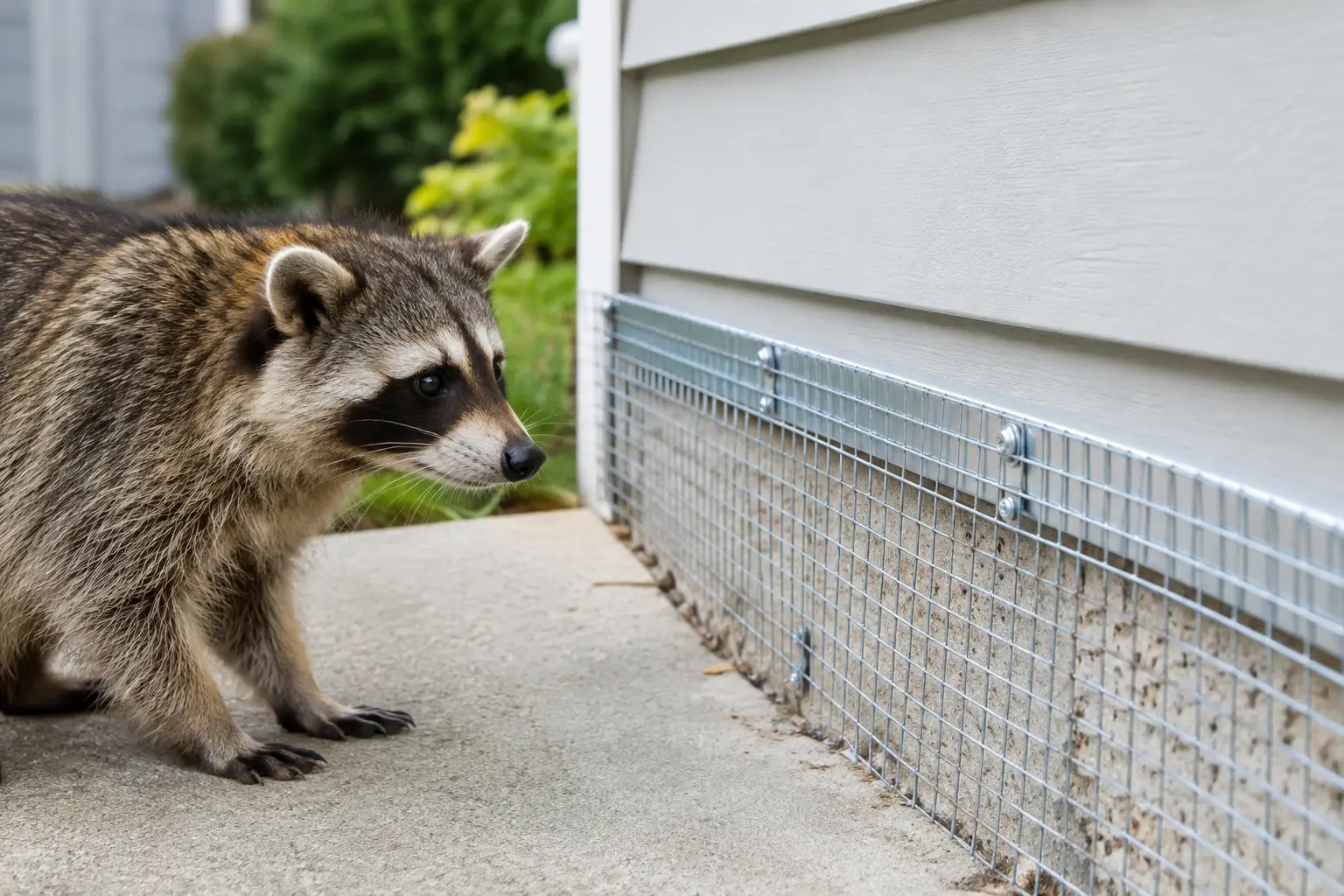
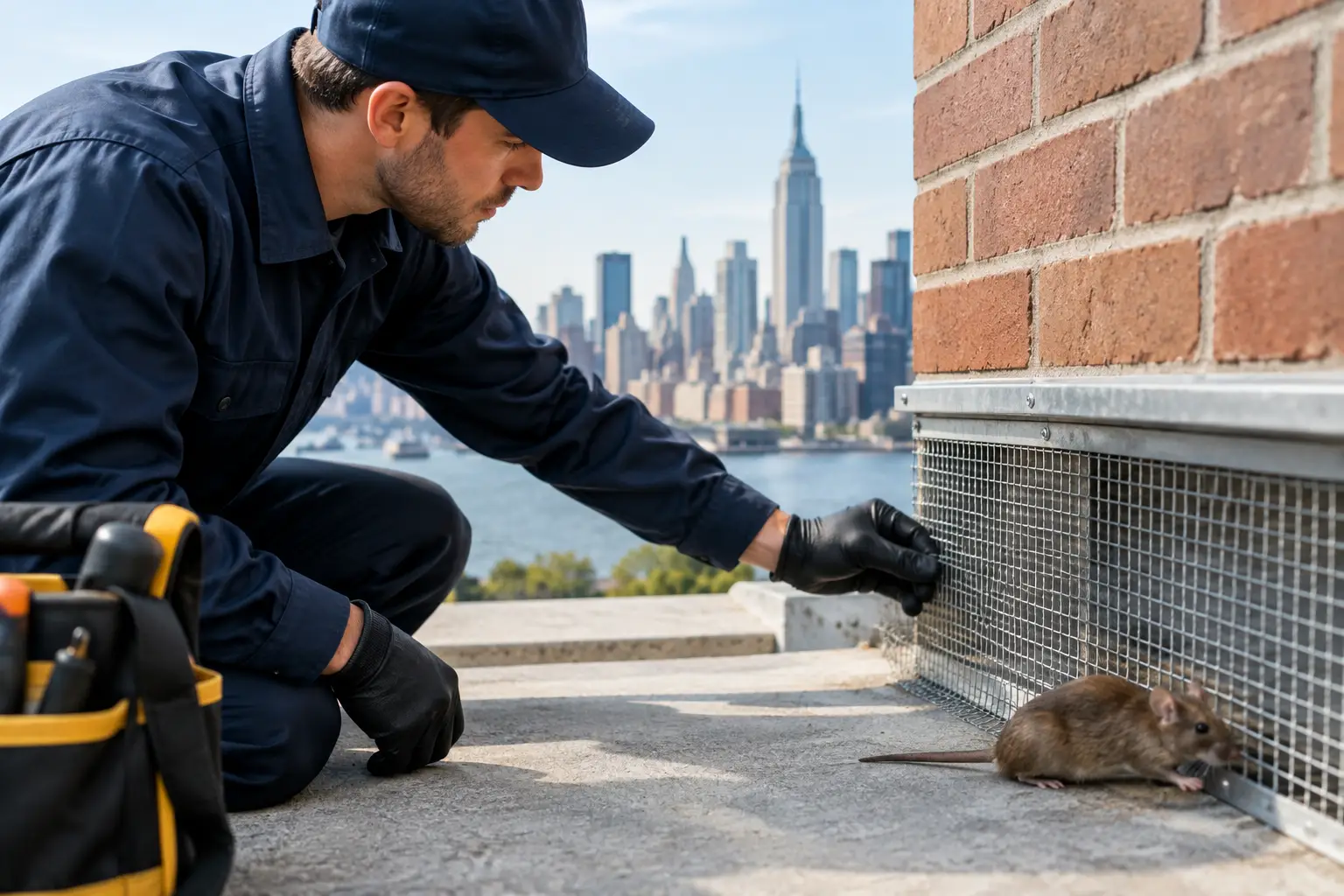
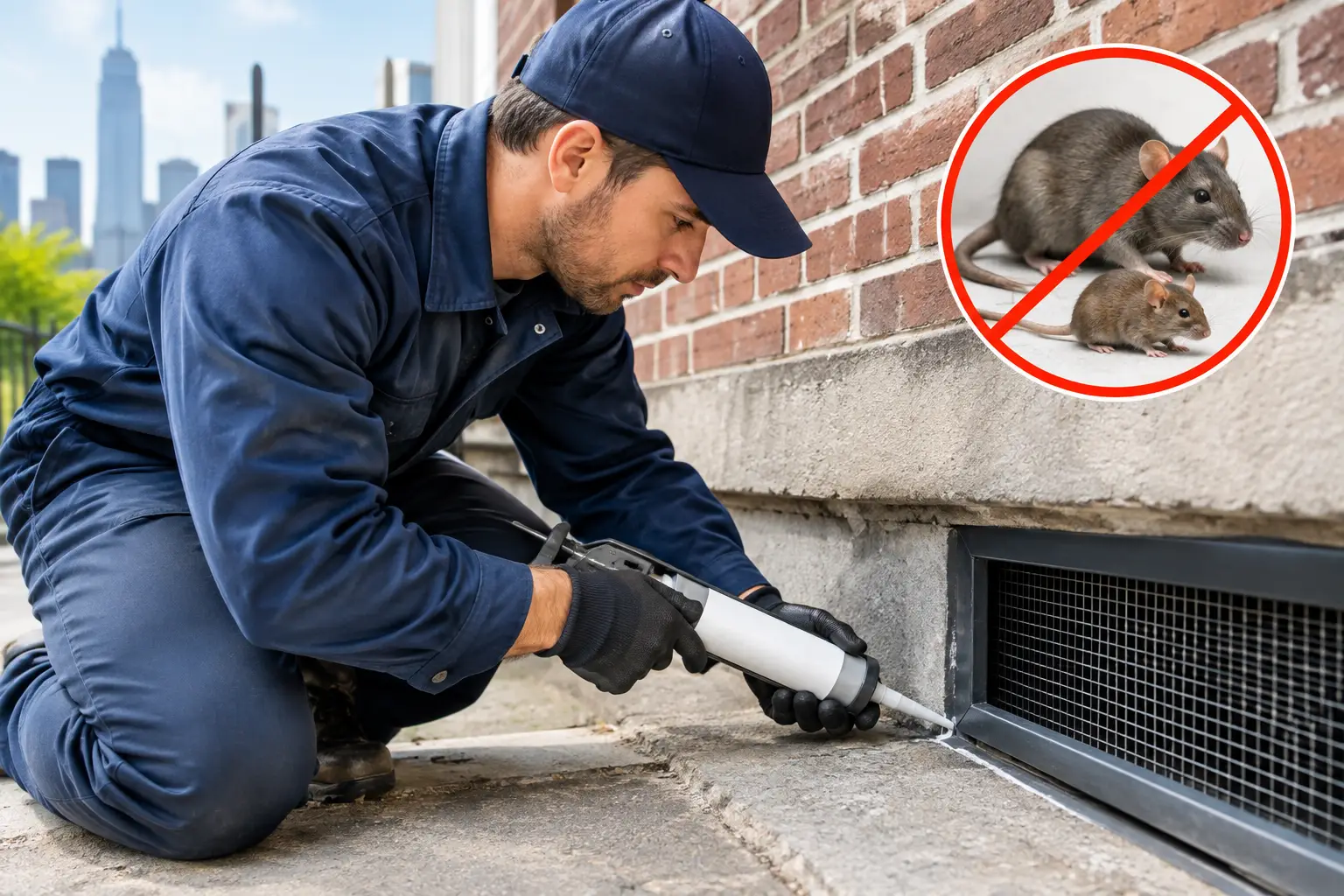
Entry-point sealing and animal proofing stop repeat access. This can include securing roof gaps, covering vents, repairing soffits, sealing crawl space openings, protecting ridge vents, adding gutter guards, and installing solar panel animal proofing. The materials and method should match the animal and the location. A flimsy screen may not hold up against a determined raccoon, while an unsealed roof junction may allow squirrels to return within days.
Sanitation and damage remediation deal with what the animal leaves behind. Urine, feces, nesting material, parasites, and dead animals can create odors and health concerns long after removal. Depending on the contamination, the solution may involve disinfection, odor treatment, insulation removal and replacement, attic restoration, crawl space sealing, mold treatment, or repair of damaged building materials.
Why DIY Wildlife Removal Can Backfire
Homeowners often want to close the visible hole immediately. That can be a mistake if an animal is still inside, particularly when young animals may be present. Sealing an active entry point can trap wildlife in a wall or attic, leading to odors, more structural damage, or an animal forcing its way into living space.
Store-bought repellents are also unpredictable. Noise devices, sprays, mothballs, and improvised barriers rarely correct the conditions that attracted the animal in the first place. Rodent poison creates its own risks, including dead animals in inaccessible areas, odors, exposure concerns for pets and children, and harm to non-target wildlife.
DIY work may be reasonable for basic prevention, such as keeping trash lids closed, removing fallen fruit, and repairing minor exterior damage before an animal gets inside. But active wildlife, contaminated attics, inaccessible carcasses, and roof-level entry points call for professional equipment and experience.
Choosing Wildlife Removal Near Me in NYC and NJ
Local knowledge matters. Urban row homes, apartment buildings, restaurants, warehouses, detached homes, brownstones, and suburban properties all present different access challenges. The company you choose should be able to respond to the actual conditions at your building, not offer a one-size-fits-all treatment.
Ask whether the provider handles the entire process, including inspection, trapping, exclusion, dead animal removal, cleanup, and repair. Confirm that they have experience with the species involved, whether it is rats, mice, squirrels, raccoons, birds, bats, opossums, snakes, chipmunks, or groundhogs. For urgent situations, ask about 24/7 availability and what happens if activity continues after the initial visit.
You should also expect clear communication about the findings. A professional technician should show or describe the entry points, explain why a particular removal method is being used, and outline the repairs needed to prevent reinfestation. The lowest initial price is not always the lowest overall cost if it leaves damaged insulation, open roof gaps, or contamination untreated.
Animal Control NYC & NJ provides full-service wildlife control for homes and commercial properties, combining humane removal with the cleanup, exclusion, and structural repair needed for a lasting result.
Protect the Property After the Animal Is Gone
The final phase is where many wildlife jobs succeed or fail. Once activity has stopped, inspect the property for weaknesses that could become the next entry point. Keep exterior garbage secured, trim branches that create roof access, repair damaged siding and fascia, and make sure vents, chimney openings, and crawl space access points are properly protected.
If an attic or crawl space was affected, do not assume it is clean because it looks quiet. Contaminated insulation can hold odor and waste, while damaged materials can continue to attract pests. Proper remediation helps restore indoor conditions and protects the value of the property.
When an animal is in your attic, walls, roof, crawl space, or business, waiting gives it more time to damage the structure. Get a professional inspection, address the active intrusion safely, and make sure the opening it used is not waiting for the next animal.