A raccoon crashing through an attic at midnight, a bat circling a bedroom, or a rat problem spreading through a restaurant kitchen is not a wait-and-see situation. Emergency animal removal protects people, pets, tenants, inventory, and the structure itself before a wildlife problem becomes a larger sanitation or repair issue.
For homeowners and property managers across New York City and New Jersey, the first priority is simple: keep a safe distance, contain the affected area when possible, and get professional help. Wild animals can bite, scratch, contaminate surfaces, damage wiring, tear insulation, and use hidden openings to bring more animals into the building. Trying to force an animal out without the right equipment often makes the situation worse.
When Animal Removal Is an Emergency
Not every animal sighting requires an immediate response. A squirrel moving through a yard or a bird perched on a roofline may not be urgent. The situation changes when an animal is inside a living or working space, appears injured or aggressive, is trapped in a wall or vent, or creates a direct health or property risk.
A bat inside an occupied room deserves prompt attention, especially if anyone was asleep, a child was present, or a pet may have had contact with it. Bats should never be handled with bare hands. A raccoon, skunk, fox, or stray animal acting unusually – disoriented, aggressive, or active at an unusual time – should also be treated cautiously due to potential disease concerns.
Rodent activity can become an emergency in commercial settings and multifamily properties. Fresh droppings in food storage areas, gnawed electrical wires, rats entering through a broken drain line, or mice spreading between units require fast control and cleanup. Delaying service can lead to tenant complaints, failed inspections, inventory loss, and a much more established infestation.
Dead animals are another urgent concern. A carcass in a wall, attic, crawl space, chimney, or commercial ceiling can attract flies and other pests, create strong odors, and leave contamination behind. Removing the animal is only part of the job. The surrounding area may need disinfection, odor treatment, and repair to prevent another animal from entering through the same point.
What to Do Before Emergency Animal Removal Arrives
Your actions in the first few minutes can reduce risk. Do not corner, chase, feed, or attempt to capture wildlife. Even small animals can bite when frightened, and larger animals can cause serious injuries when trapped indoors.
If the animal is in one room and it is safe to do so, close interior doors to limit where it can travel. Move children and pets away from the area. Keep exterior doors closed unless a trained technician advises otherwise. Opening multiple doors and windows may seem helpful, but it can drive an animal deeper into the property or allow it to move into another unit.
For an animal in an attic, wall, crawl space, chimney, or roofline, avoid sealing the opening immediately. There may be young animals inside, or the animal may be trapped in the structure. Blocking access too soon can create odor problems, damage from frantic chewing, or a new interior entry point. A professional inspection identifies where animals are entering, whether babies are present, and when exclusion can be completed safely.
If there is a bite, scratch, or possible exposure to saliva, wash the area thoroughly with soap and water and seek medical guidance promptly. For an immediate threat to human safety, contact emergency services. Wildlife removal professionals handle nuisance animals and property intrusion; medical emergencies and active public safety threats require the appropriate authorities.
Common Urgent Animal Problems in NYC and NJ
Dense city blocks, older buildings, row homes, suburban rooflines, and commercial properties all create different wildlife access points. In NYC and New Jersey, emergency calls commonly involve raccoons in attics, squirrels in soffits, birds in vents, bats in bedrooms, rats in basements, and mice inside walls, kitchens, and utility rooms.
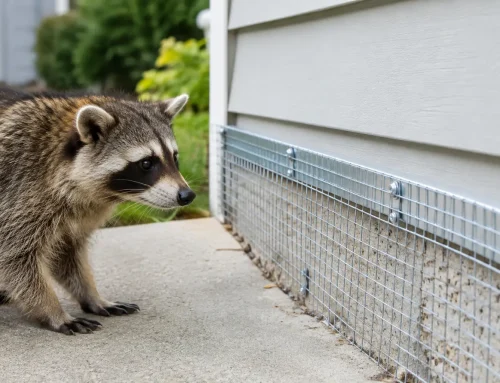
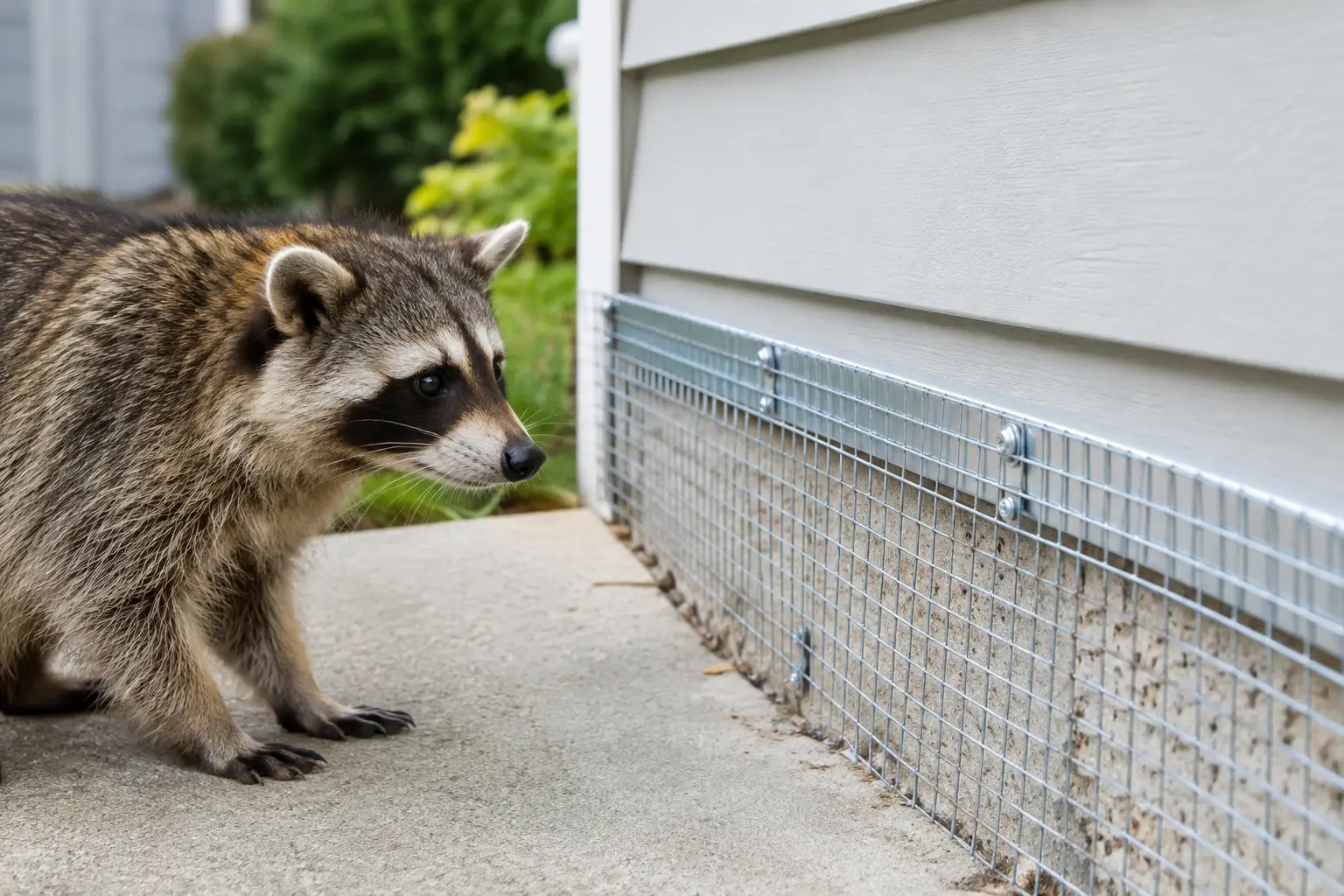
Raccoons are strong, intelligent, and capable of opening weak vents, damaged soffits, and loose roof components. Once inside an attic, they can tear ductwork, crush insulation, damage wiring, and create concentrated waste areas. During spring and early summer, a mother raccoon may be denning with babies, which changes the removal plan.
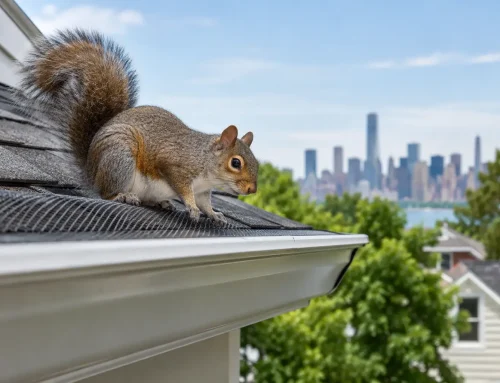
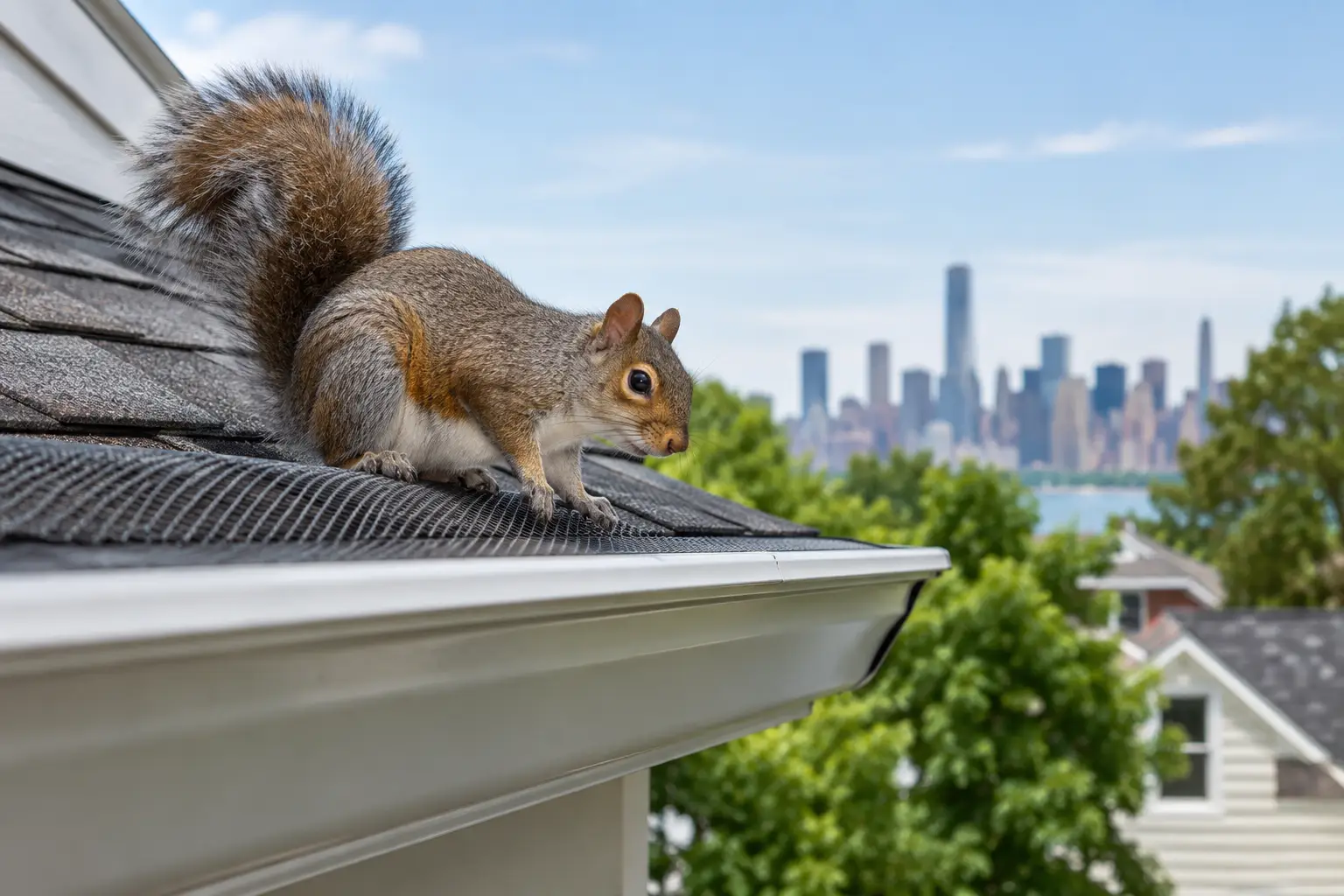
Squirrels often enter through roof gaps, fascia boards, ridge vents, and chimney openings. Their chewing can damage wood, insulation, and electrical lines. The scratching sounds may be loudest early in the morning or around dusk, but the problem does not disappear when the noise stops.
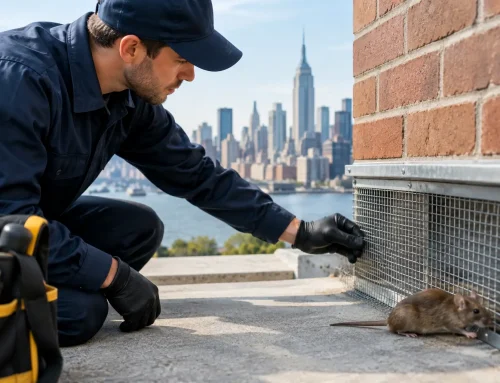
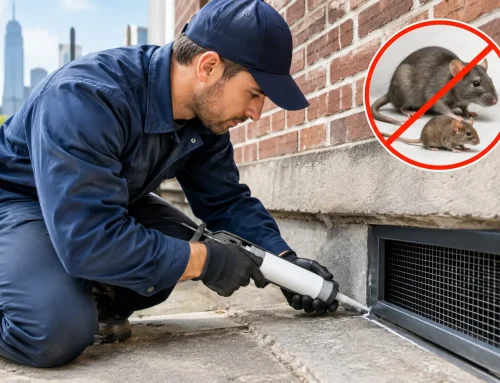
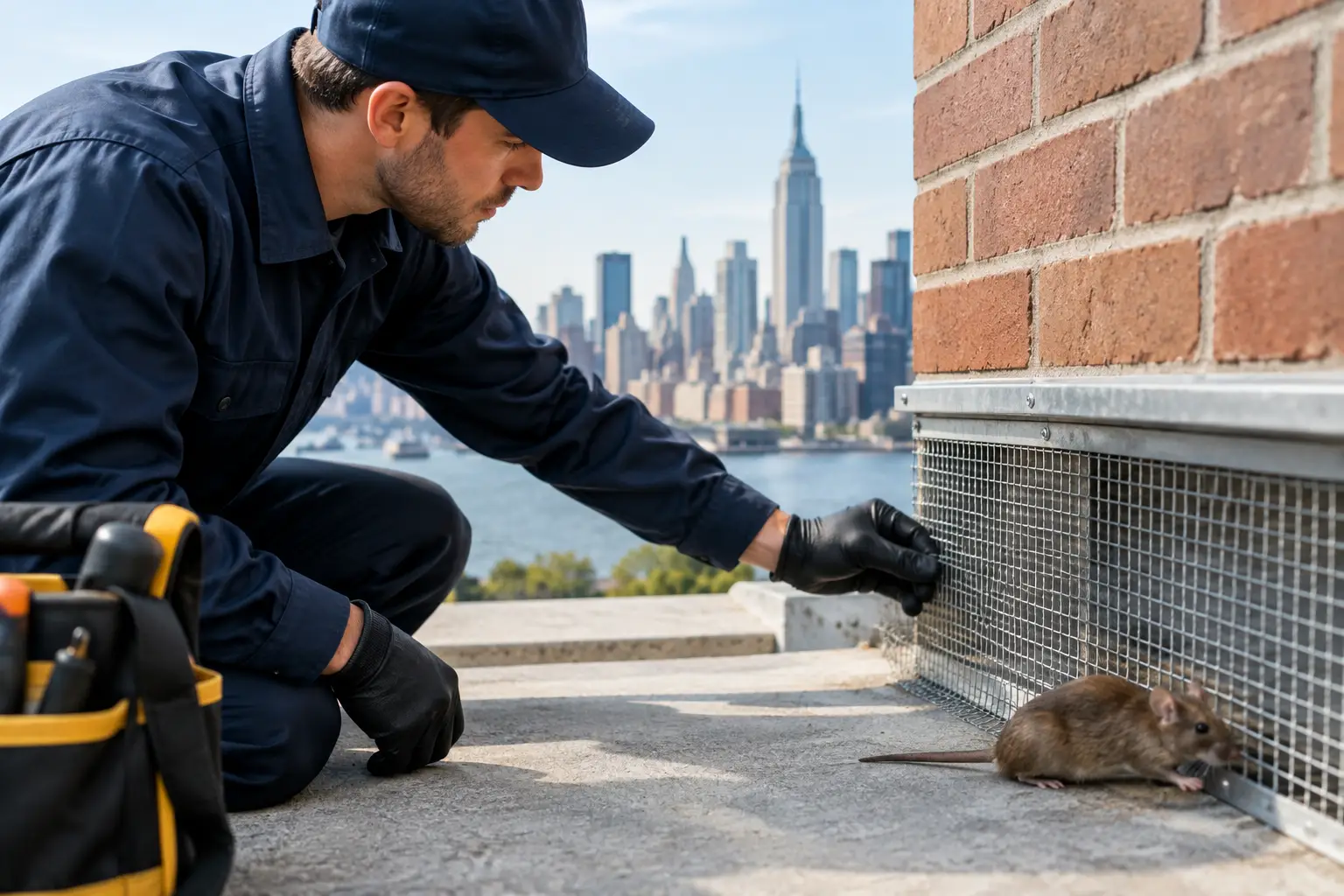
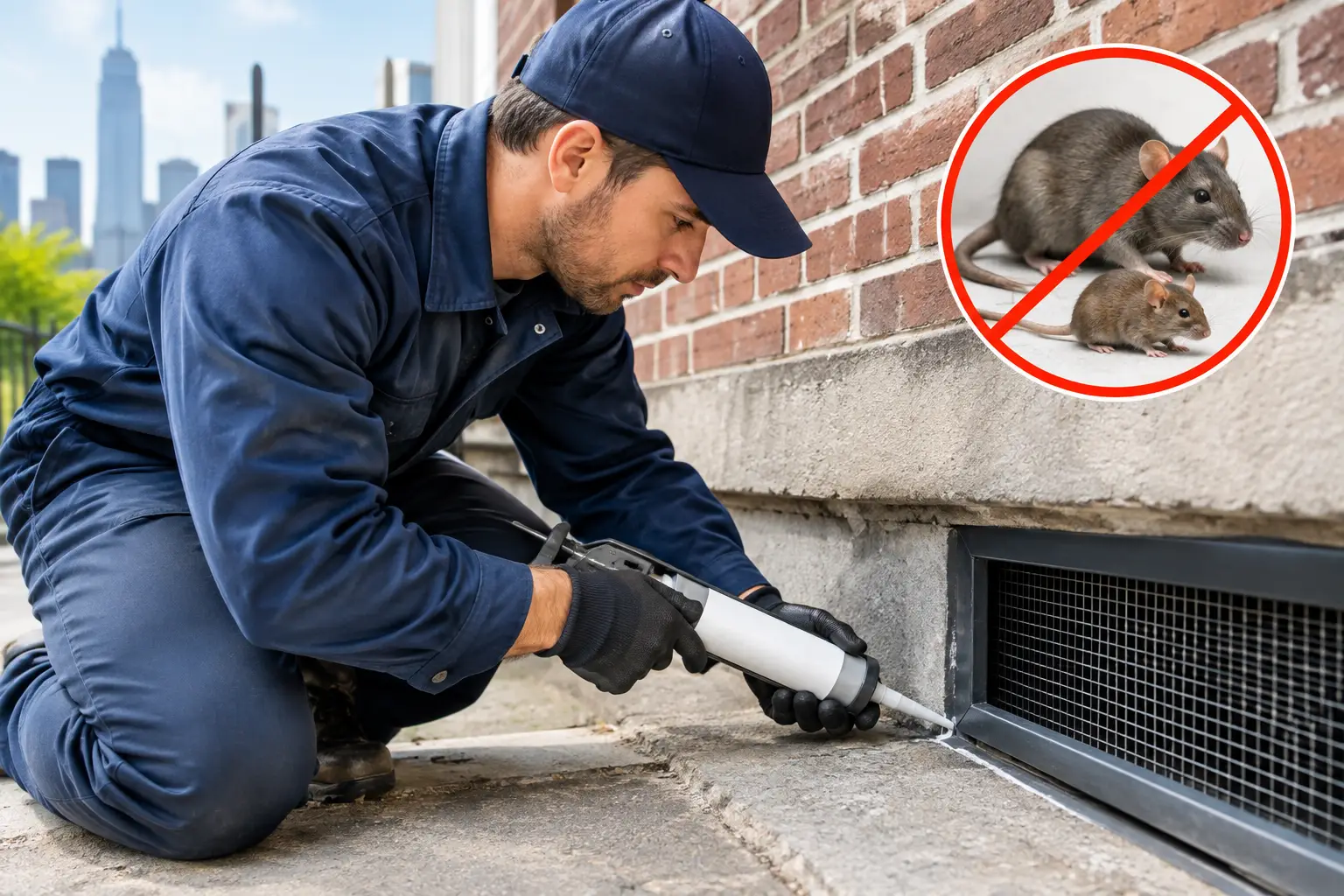
Rats and mice can travel through gaps around pipes, utility penetrations, foundation openings, drains, and damaged doors. In restaurants, warehouses, apartment buildings, and offices, control must be coordinated with sanitation and exclusion. Traps alone may reduce activity, but they will not solve a property with open entry points and available food sources.
Birds and bats need species-appropriate handling. Birds nesting in vents can block airflow and leave droppings and nesting debris behind. Bats require careful exclusion methods that allow them to leave without trapping them indoors. The correct solution depends on the species, season, location, and local requirements.
Emergency Animal Removal Should Solve More Than the Sighting
A fast response matters, but removal without follow-up often leads to repeat calls. The animal you see is usually only one part of the problem. Wildlife enters because a vent is open, a roof edge is damaged, a crawl space door is loose, or a gap around a utility line has been left unprotected.
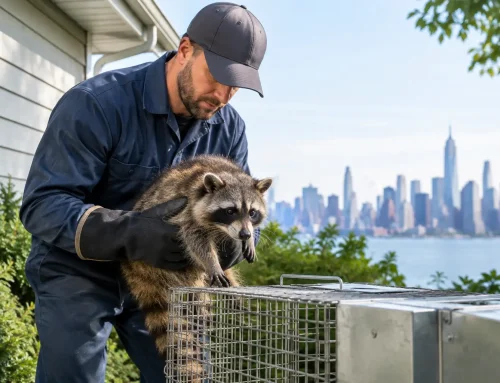
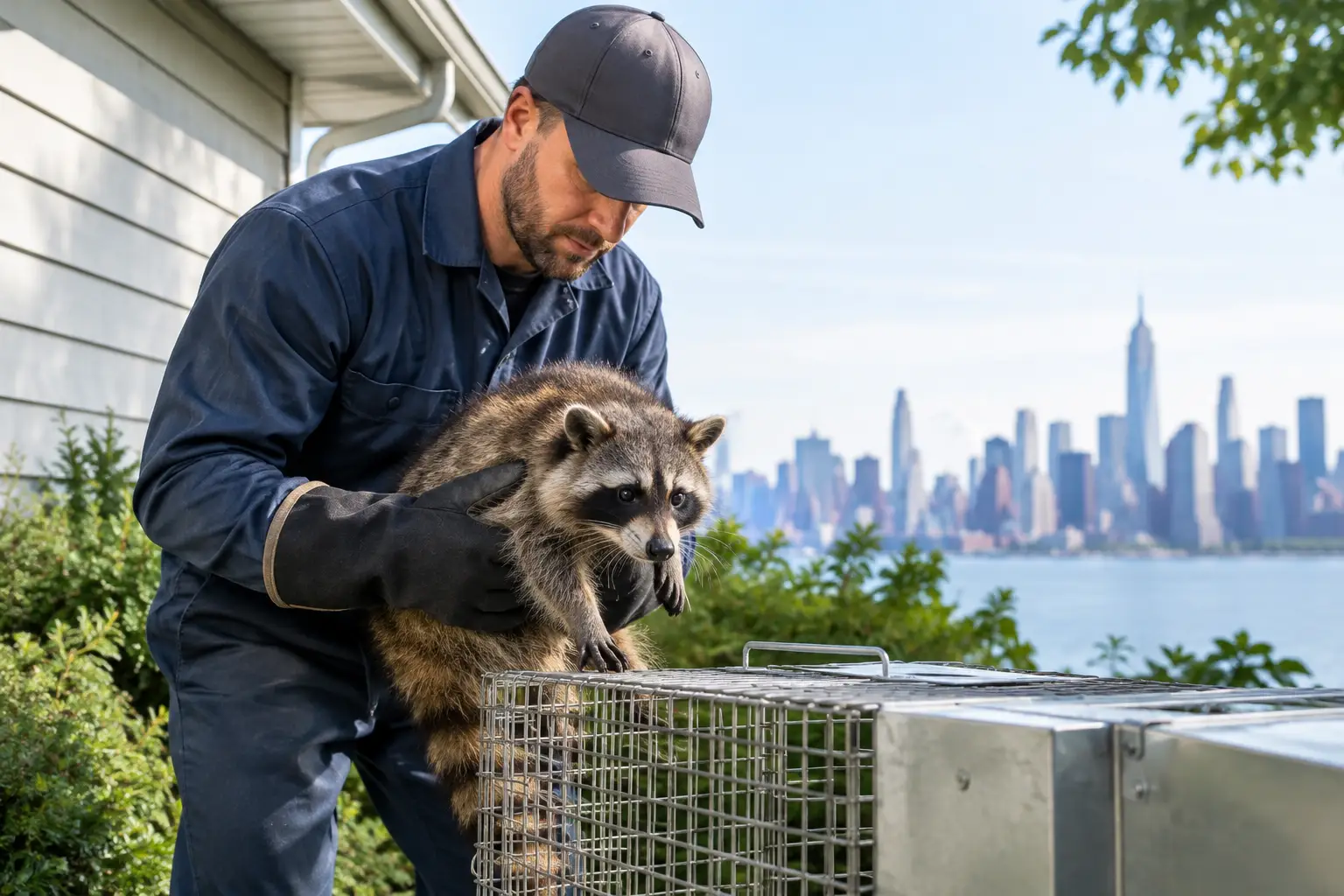
Professional emergency animal removal begins with identifying the animal, locating active entry points, and checking for signs of babies, nesting, contamination, and structural damage. Humane trapping or exclusion is selected based on the species and conditions on site. There is no one-size-fits-all trap or repair that works for every emergency.
After removal, a complete service may include waste cleanup, sanitation, damaged insulation removal, attic restoration, crawl space sealing, odor control, ridge-vent protection, gutter guard installation, or solar panel animal proofing. These steps matter because urine, droppings, nesting material, and damaged insulation can continue affecting the property long after the animal is gone.
For landlords and facility managers, documentation and communication are also part of the response. Residents need clear instructions about affected areas, maintenance teams need to know where repairs are required, and business operators may need a quick path back to safe operations. A coordinated wildlife service prevents the common cycle of calling one company to trap, another to clean, and a third to repair the opening.
Why DIY Removal Can Create Bigger Problems
Store-bought traps, poison, sprays, and foam sealants are tempting when an animal appears after hours. They also create risks. Poisoned rodents can die inside walls or ceilings, causing odors and insect activity. Improper traps can injure animals, catch pets, or fail to address the actual access point. Sealing an active entry hole can trap young animals inside and leave a homeowner with a louder, more expensive problem.
There is also a safety issue. Attics, roofs, crawl spaces, and tight mechanical areas are difficult environments even before an animal is involved. Professionals use the right protective equipment, species-specific methods, and inspection process to handle both the animal and the damage without putting occupants at unnecessary risk.
A Faster Path Back to a Safe Property
When you need help, be ready to describe where the animal is, what it looks or sounds like, when you first noticed it, and whether there has been contact with people or pets. If you can safely take a photo from a distance, it may help identify the species. Do not get close just to obtain one.
Animal Control NYC & NJ provides 24/7 service for urgent wildlife intrusions, humane removal, cleanup, and exclusion repairs across NYC and New Jersey. A quick response can stop an animal from moving deeper into the structure, but the lasting fix comes from removing the reason it got inside.
If wildlife is in your home, building, attic, crawl space, or business, act early. The safest outcome is not simply getting the animal out tonight – it is restoring the property so it cannot return tomorrow.