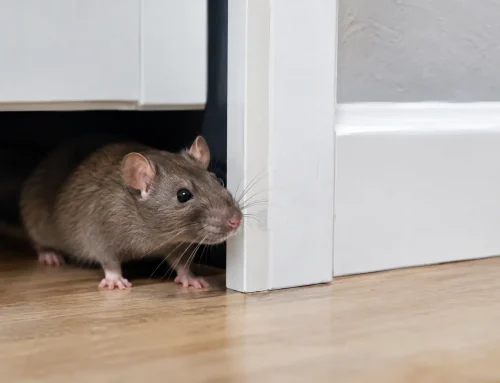
A scratching sound above the ceiling at 2 a.m., droppings in a storage room, or a raccoon pulling apart a soffit is not a problem to put off until next week. Nuisance wildlife removal protects your property, tenants, customers, and family from animal-related damage, contamination, and repeat intrusions. In New York City and New Jersey, fast action matters because animals often use the same opening repeatedly and damage can spread quickly through attics, crawl spaces, walls, roofs, and commercial structures.
Professional removal is about more than getting an animal out of sight. A complete job identifies how it entered, removes it humanely, addresses contamination, and closes the conditions that invited it in. Without those final steps, a trapped raccoon can be replaced by another raccoon, a bird nest can return to the same vent, and rodents can continue moving behind walls even after the visible activity seems to stop.
When You Need Nuisance Wildlife Removal
Wildlife becomes a nuisance when it enters a structure, damages building materials, creates a health concern, disrupts occupants, or threatens business operations. In dense neighborhoods and suburban communities alike, animals are drawn to warm attics, open crawl spaces, food waste, roof gaps, chimney openings, and sheltered mechanical areas.
Common warning signs include thumping or scratching sounds in the attic or walls, greasy marks along rodent travel paths, torn insulation, chewed wiring, droppings, foul odors, nesting materials, and damaged vents or rooflines. You may also see animals entering at dawn or dusk. Raccoons, squirrels, bats, birds, mice, and rats can use openings that are much smaller than many property owners expect.
Do not assume silence means the problem is over. A mother animal may leave temporarily to forage and return to young hidden in an attic, wall void, or chimney. Rodents may stay active in areas you cannot see. A professional inspection helps determine the species, entry points, level of activity, and whether babies, nests, or dead animals are present.
Urgent Situations That Should Not Wait
Call for prompt service if an animal is inside a living or working space, a bat has entered an occupied room, a raccoon is trapped in a structure, or a rodent infestation is affecting food storage or tenant areas. Dead animals also require proper removal and sanitation, particularly when odor is moving through HVAC systems, walls, or ceilings.
Water-damaged insulation, exposed electrical wiring, and a breached roofline raise the urgency. Wildlife damage can turn into a larger restoration bill when rain, mold, insects, or additional animals gain access through the same opening.
What Professional Nuisance Wildlife Removal Includes
A reliable wildlife control service starts with a detailed inspection, not guesswork. The technician looks for tracks, droppings, rub marks, nest material, structural gaps, and conditions around the property that support animal activity. This matters because species require different handling. A squirrel in an attic, a rat infestation in a restaurant area, and bats behind siding are not the same job.
Humane trapping and removal methods are selected based on the animal, location, season, and local regulations. For example, removing an adult animal while leaving dependent young behind can create odor, noise, and a second emergency. A proper plan accounts for the entire animal family and the safest way to remove it from the structure.
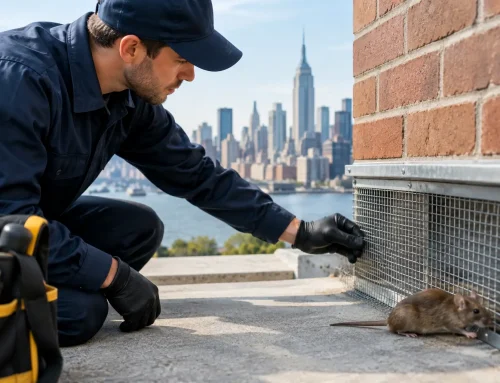
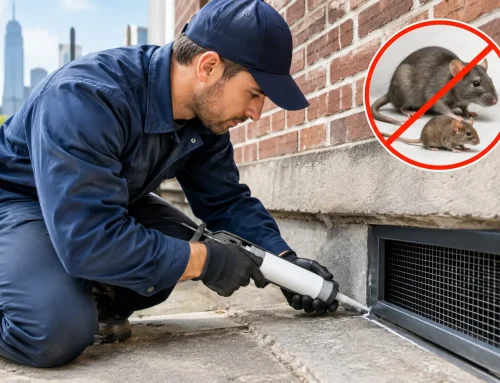
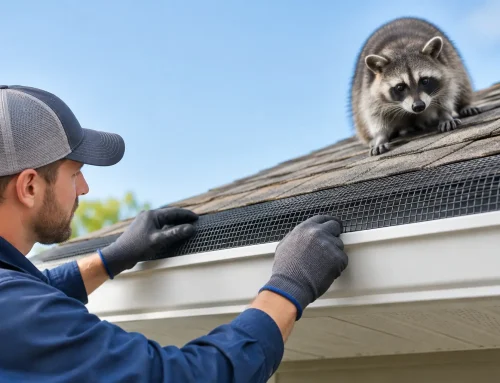
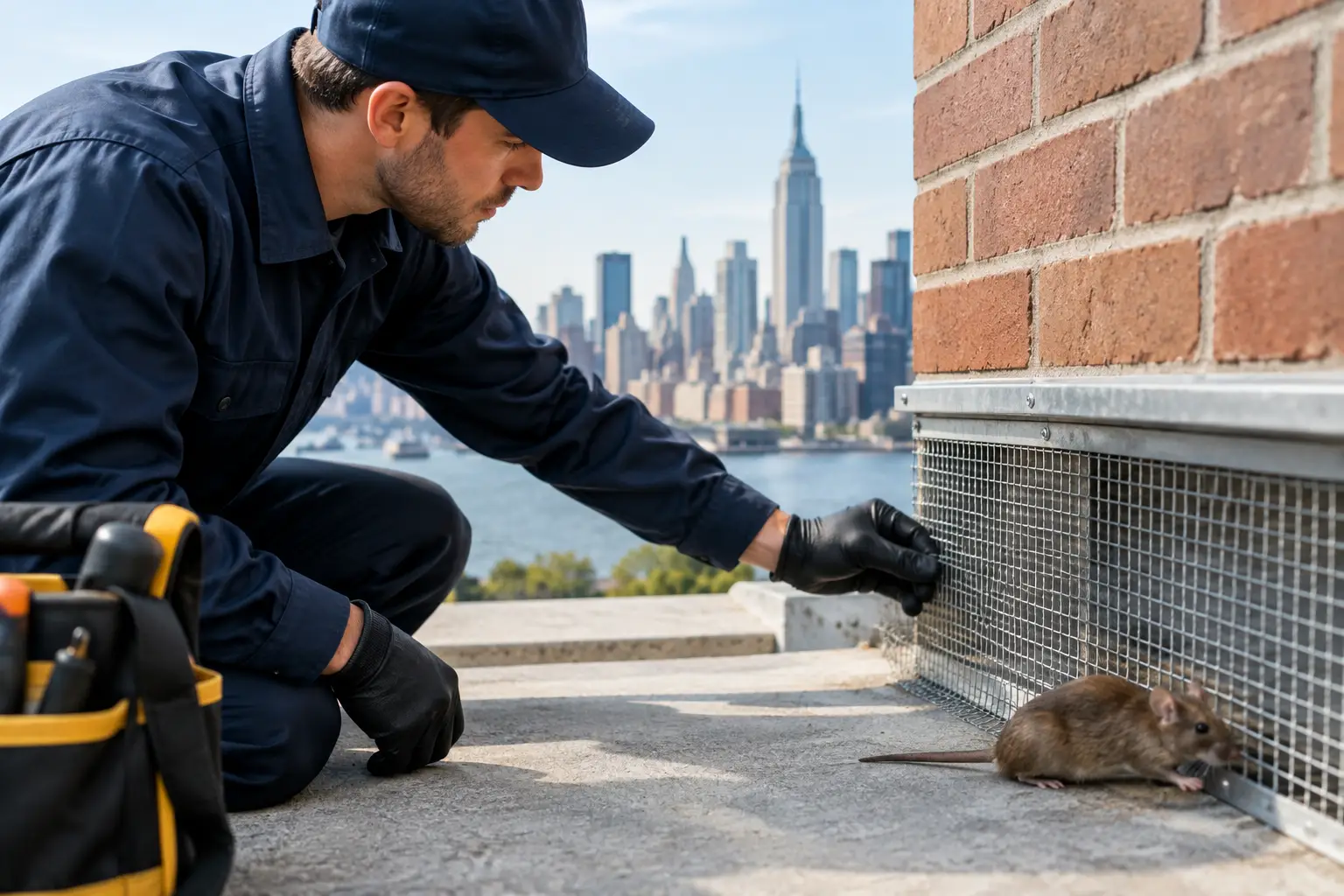
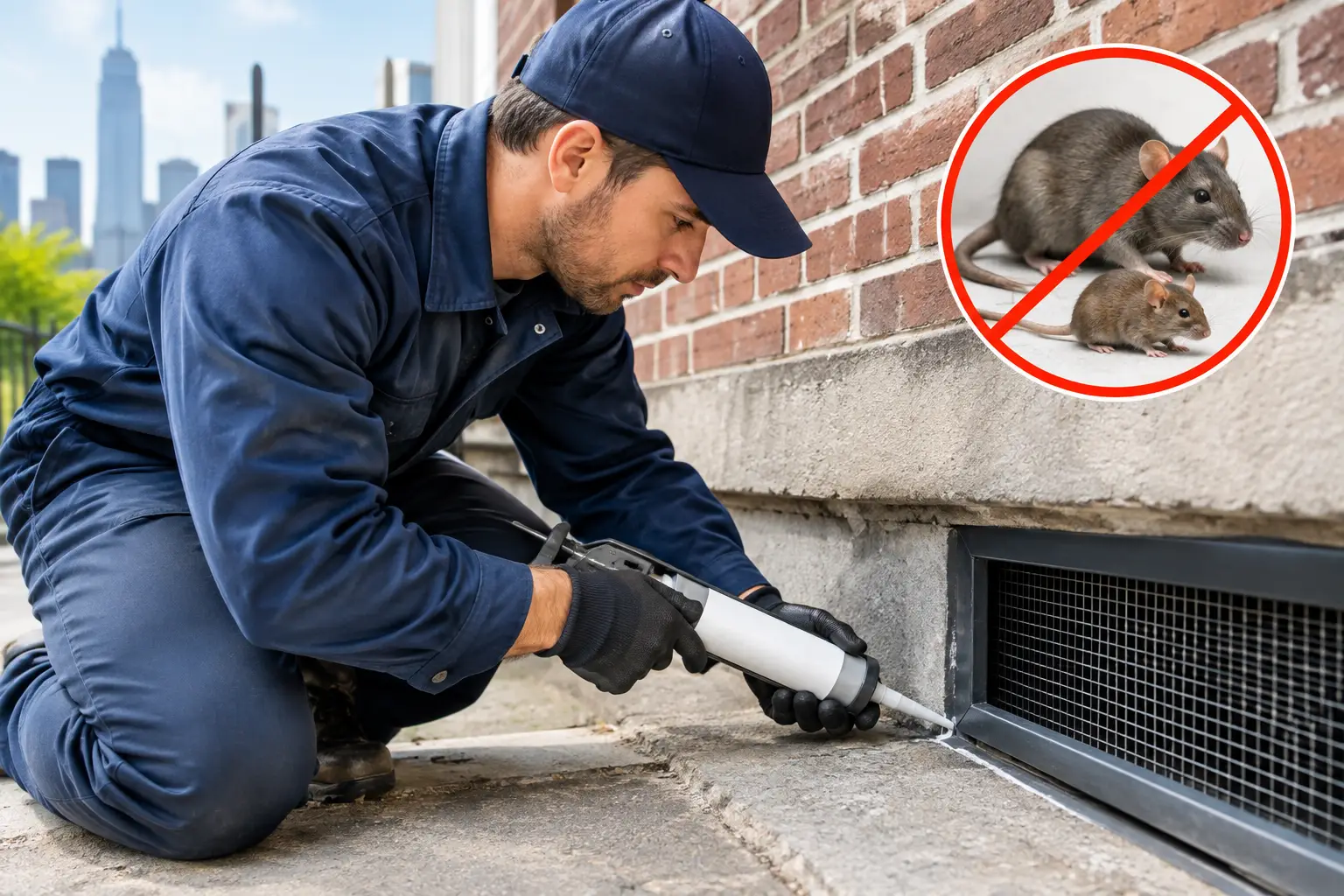
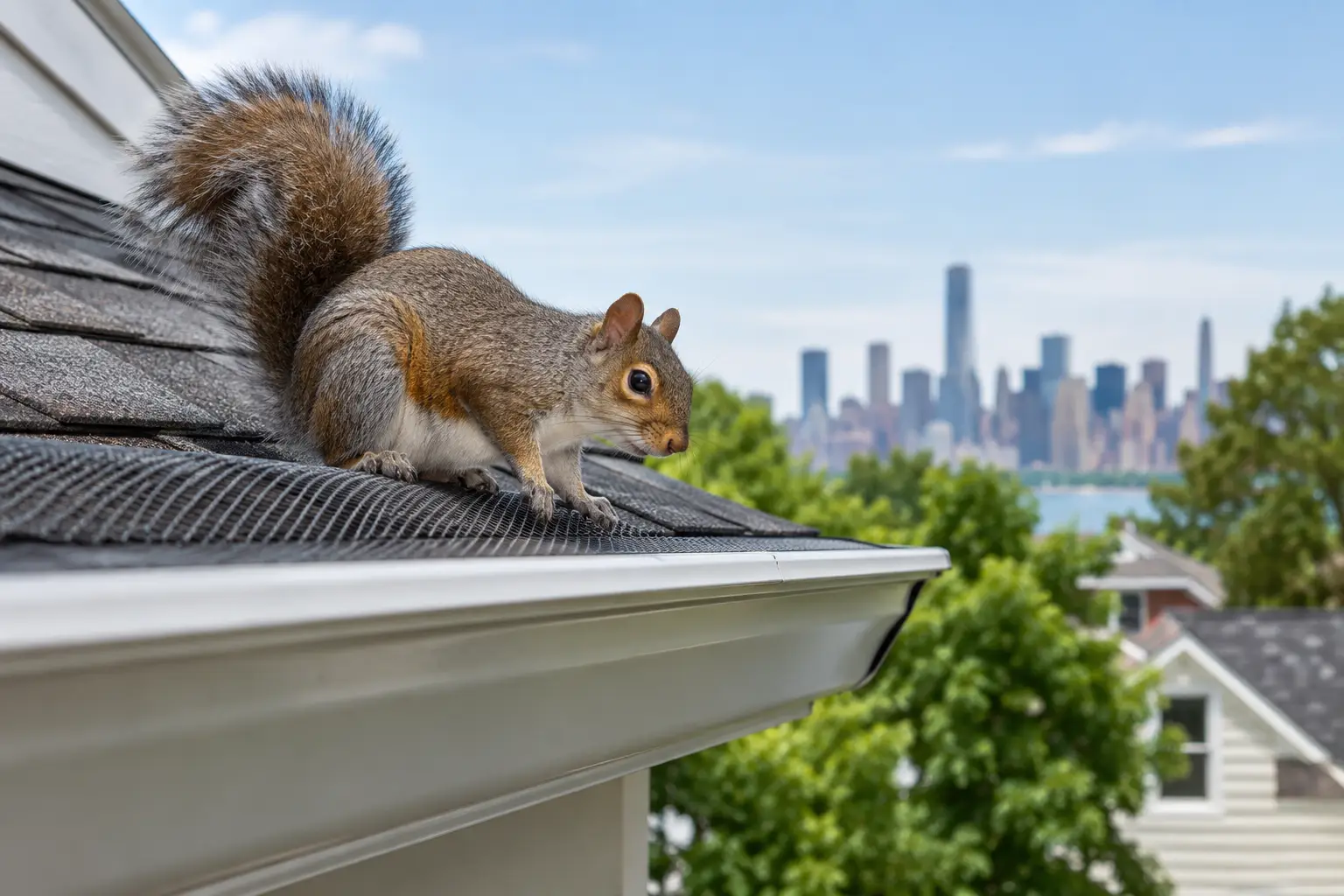
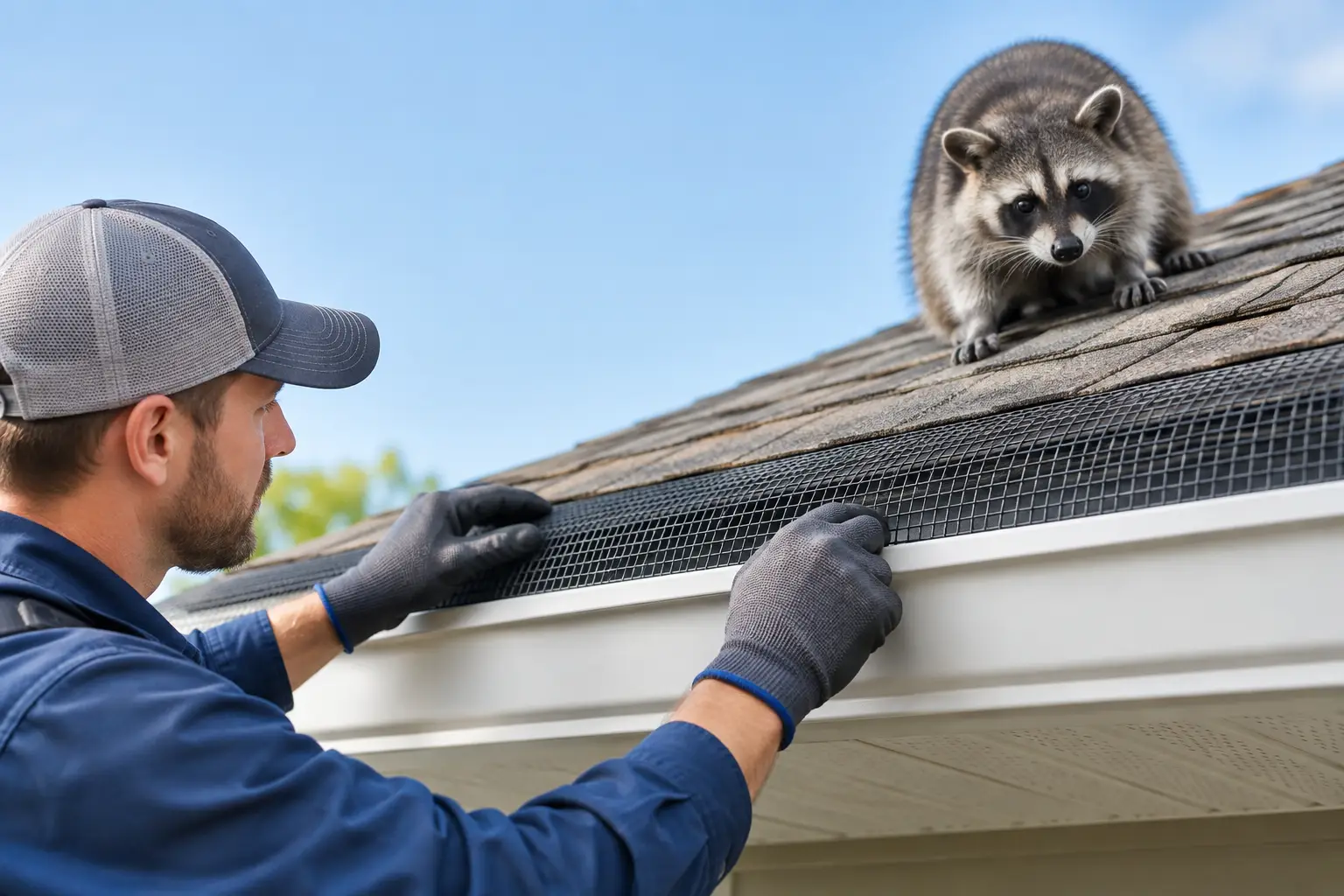
Once active wildlife has been addressed, exclusion work is what keeps the job from becoming a cycle. This may include sealing exterior gaps, repairing damaged soffits, protecting ridge vents, screening vulnerable openings, securing crawl spaces, installing gutter guards where appropriate, and animal-proofing solar panels. Materials and placement matter. A loose patch or poorly fitted screen may slow an animal down, but it will not stand up to a determined raccoon or persistent rodent.
Cleanup is equally important. Droppings, urine, nesting debris, carcasses, and contaminated insulation can create strong odors and introduce pathogens or parasites into the property. Depending on the level of damage, the work may include dead animal removal, disinfection, odor treatment, attic restoration, insulation replacement, crawl space sealing, and mold remediation. Removal without cleanup leaves behind the conditions that can affect indoor air quality and attract other pests.
Wildlife Problems Require Species-Specific Solutions
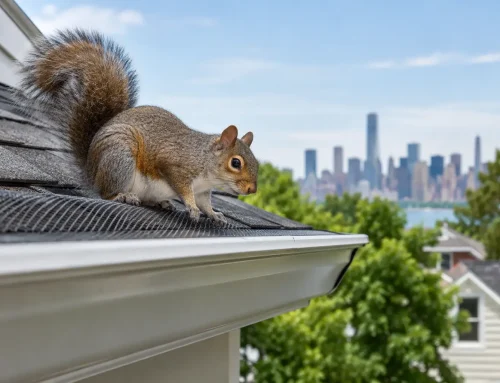
Raccoons are strong, intelligent, and especially destructive around roofs, chimneys, attic vents, and soffits. They can tear open weak materials and leave major contamination behind. Squirrels often chew entry holes larger and may gnaw wires, wood, and insulation. Their daytime movement is commonly heard as rapid scurrying or scratching overhead.
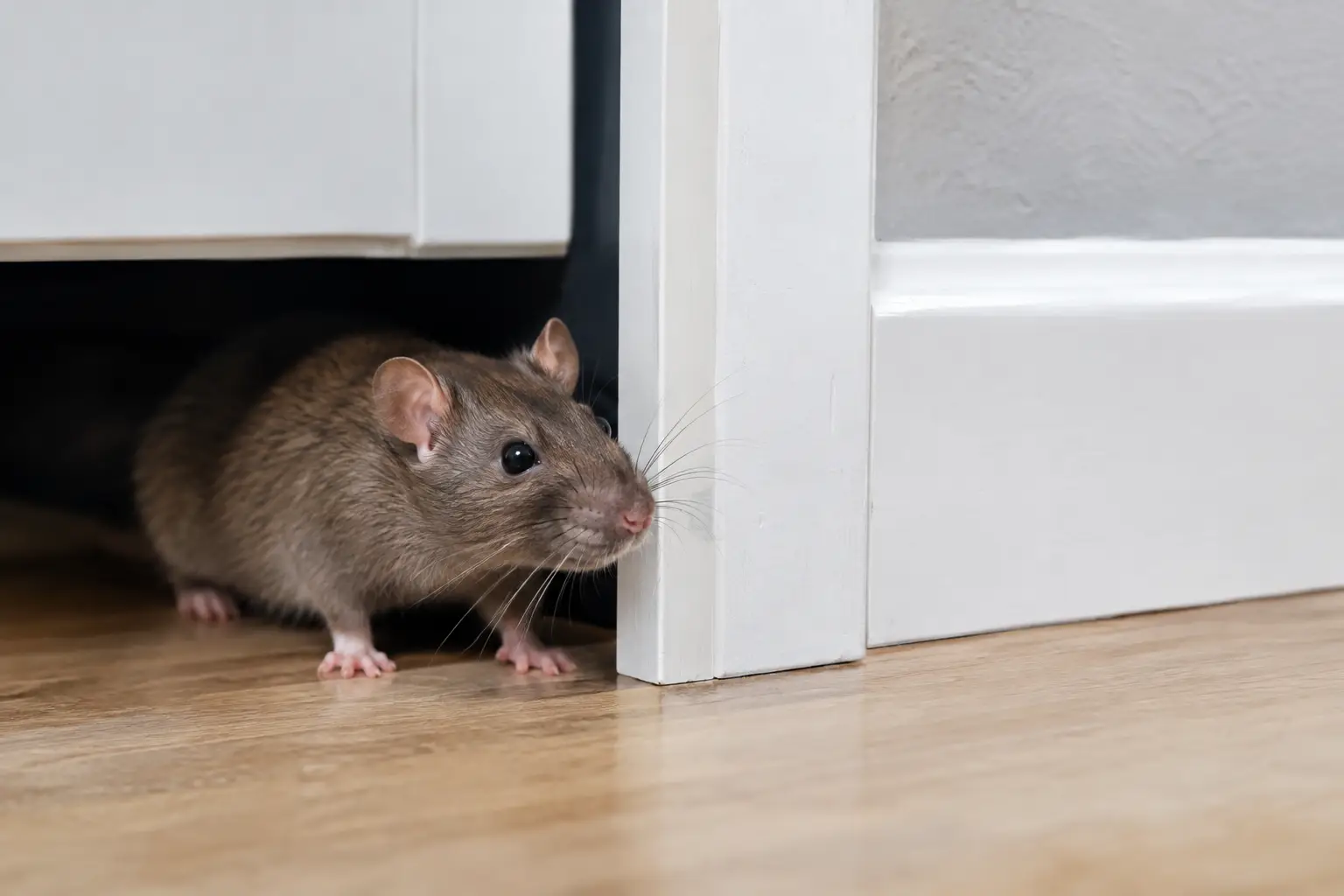
Mice and rats require a different approach. Their populations can grow quickly, and they travel through utility penetrations, wall voids, basements, kitchens, storage areas, and trash zones. Effective rodent control combines targeted trapping or control measures with exclusion and sanitation. Treating only the visible mice or rats without correcting access points and food sources rarely solves the problem for long.
Birds can block vents, foul rooftops and loading areas, and create nesting debris around signs, gutters, ledges, and HVAC equipment. Bats need careful handling because direct contact should be avoided and their entry routes can be difficult to spot. Professional bat control focuses on safe removal practices and exclusion that prevents re-entry without trapping animals inside.
Other calls may involve opossums under decks, groundhogs undermining structures, chipmunks damaging landscape areas, or snakes entering garages, basements, and yards. The best solution depends on the animal’s behavior, where it is located, whether young are involved, and the condition of the property.
Why DIY Wildlife Removal Can Make Things Worse
A store-bought trap or spray may seem like a quick fix, but wildlife problems often involve hazards that are not obvious from the ground. You may be dealing with an animal in a confined space, a nest with young, contaminated insulation, a damaged electrical line, or multiple entry points. Improper trapping can injure an animal, put occupants at risk, or leave a dead animal behind a wall.
Sealing a hole too early is another common mistake. If an animal is still inside, it may create a new opening by chewing through siding, drywall, or roof materials. In the case of bats or a mother raccoon, the result can be a more difficult and costly problem.
Property managers and business owners also need to consider tenant safety, customer experience, sanitation requirements, and the need to document repairs. A coordinated wildlife control service reduces the number of contractors involved and helps restore the property faster.
Protect the Property After Removal
The most effective prevention work focuses on the areas animals use first: roof intersections, vents, eaves, chimneys, crawl space openings, utility lines, exterior gaps, and areas near garbage or food storage. Regular exterior inspections are especially useful after storms, roofing work, construction, or seasonal temperature changes.
Keep tree limbs trimmed away from rooflines where practical, secure trash and food waste, repair loose siding and flashing, and address standing water or clutter around the foundation. These steps help, but they do not replace professional exclusion when animals are already inside. A small opening near a roof vent can be easy to miss from the ground and may be the entire reason the intrusion continues.
Animal Control NYC & NJ provides 24/7 professional wildlife trapping, removal, cleanup, and repair for residential and commercial properties. When you hear movement overhead, find droppings, notice a damaged vent, or smell an unexplained odor, acting quickly can protect the structure and prevent a small entry point from becoming a major restoration project.