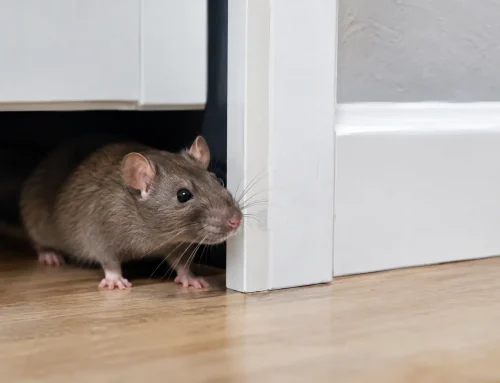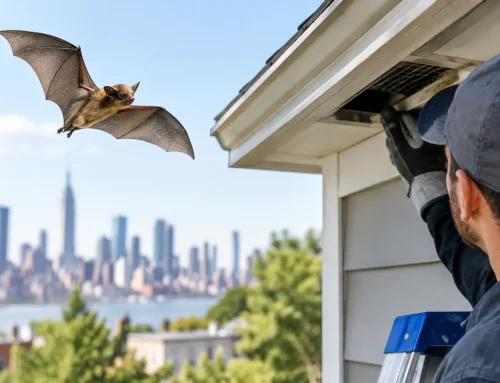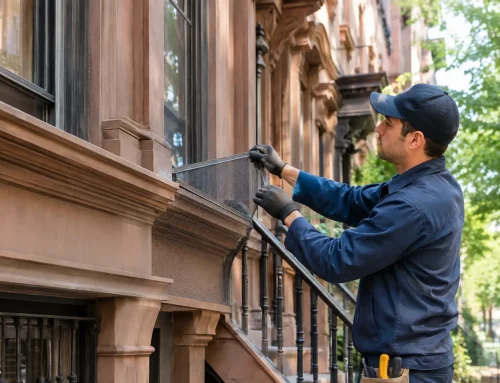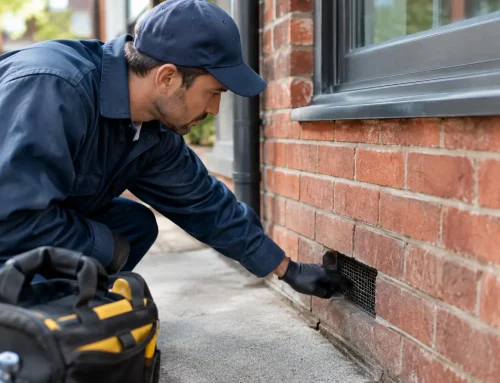
The scratching over a bedroom ceiling usually starts long before an animal reaches the attic. A loose soffit, open roof vent, lifted gutter edge, or damaged fascia can give wildlife the opening it needs. Roofline wildlife proofing is the work of finding and securing those vulnerable areas so squirrels, raccoons, birds, bats, and rodents cannot return after removal.
For NYC and New Jersey property owners, this is not a cosmetic repair. Wildlife at the roofline can damage insulation, chew wiring, contaminate attic areas, block vents, and create ongoing tenant or homeowner complaints. The right solution handles the animal, the opening, and the conditions that made the opening attractive in the first place.
Why Wildlife Targets the Roofline
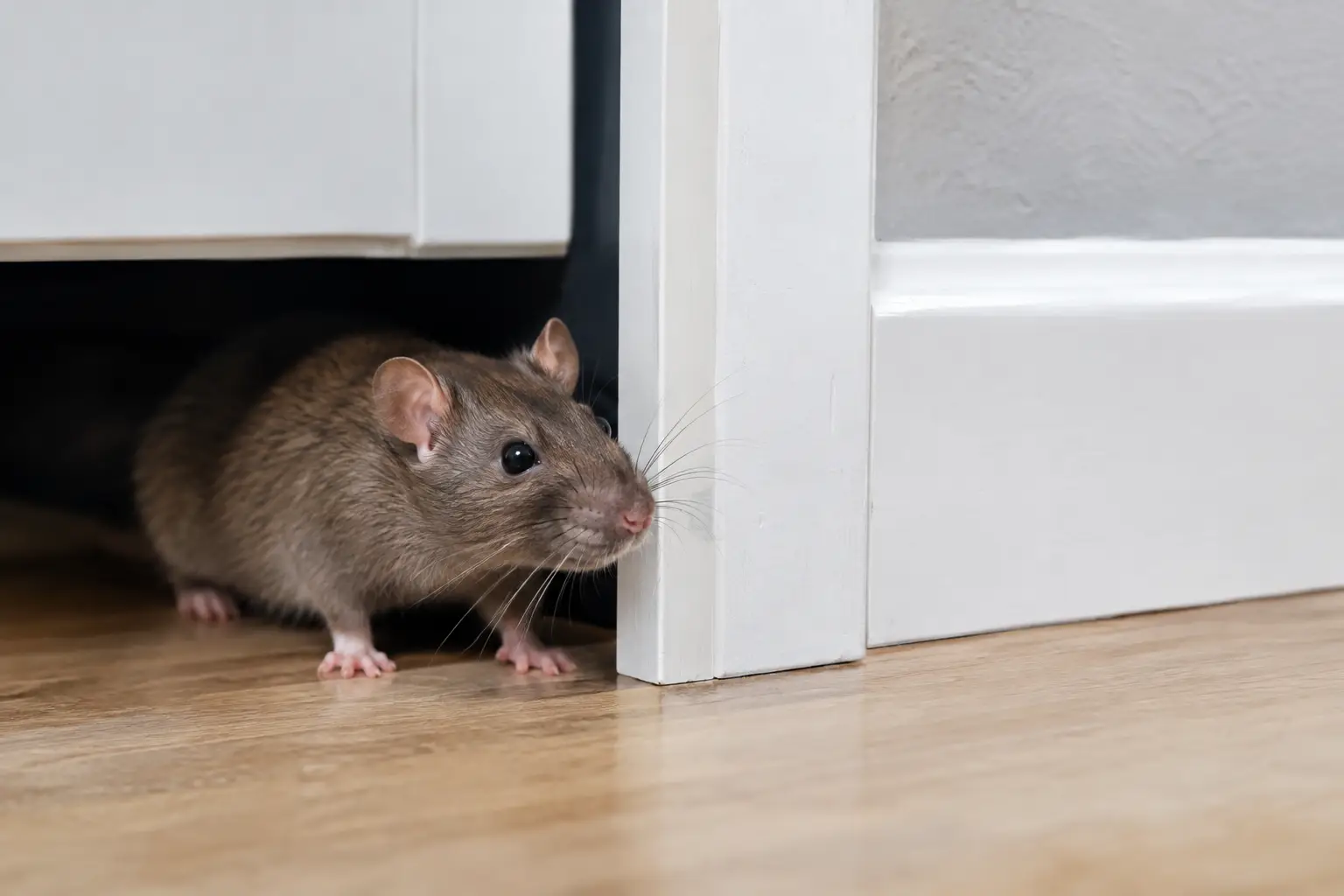
The roofline offers shelter, warmth, and access to hidden spaces. Animals do not need a large opening to create a serious problem. Mice can enter through gaps around utility penetrations and trim. Squirrels can enlarge weak wood around soffits and vents. Raccoons are strong enough to pull apart loose fascia, damaged screens, and unsecured roof edges.
In dense neighborhoods, rooflines also act like travel routes. Tree branches, fire escapes, fences, utility lines, and adjoining structures can give wildlife a direct path to upper levels. Once an animal finds a quiet opening above the living space, it may return repeatedly or establish a nest.
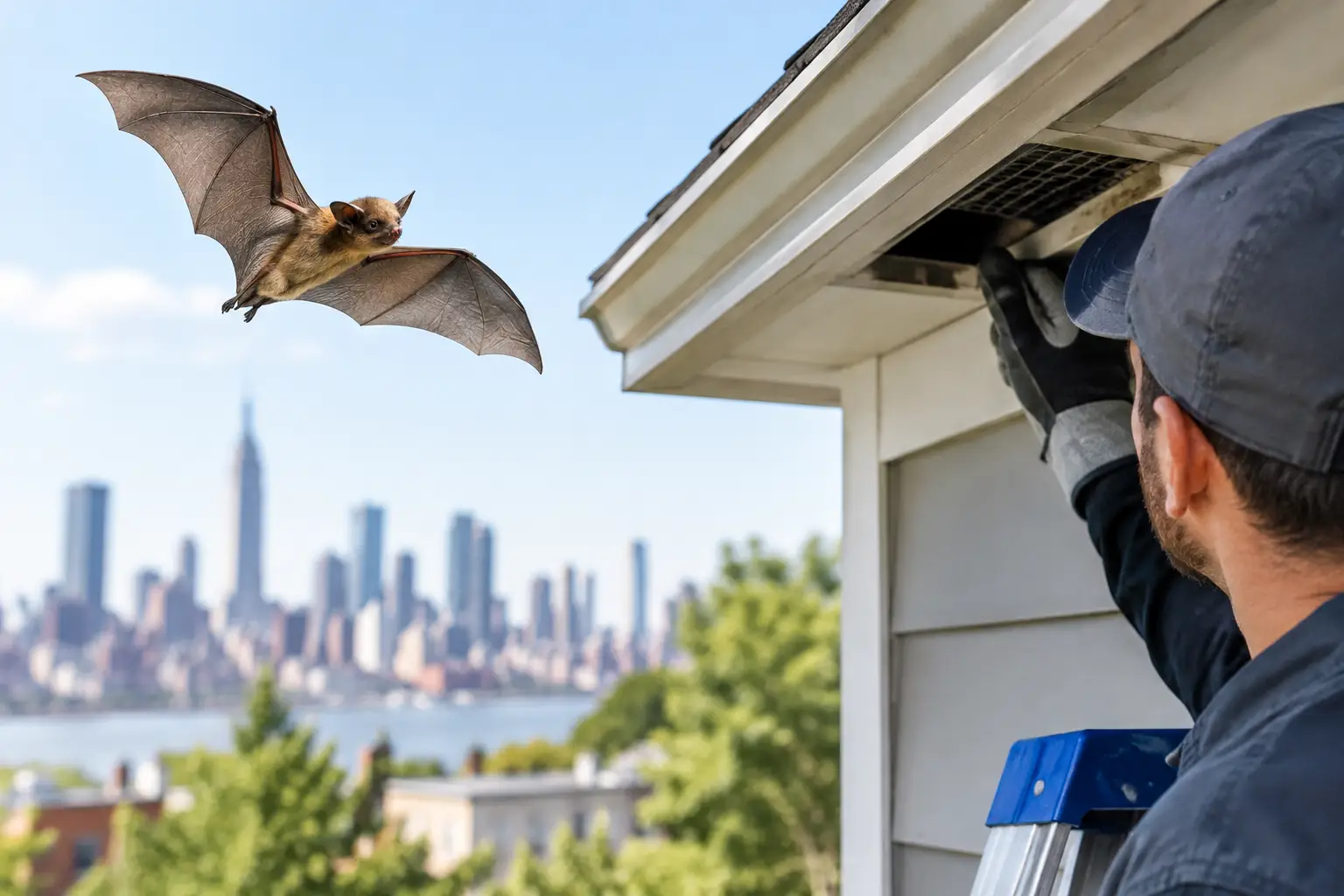
Season matters. Squirrels and raccoons often seek protected denning locations in late winter and spring, while birds may occupy vents and roof gaps during nesting season. Bats can use narrow construction gaps and may leave at dusk to feed, making their entry points easy to miss during a daytime inspection. A repair that looks adequate from the ground may fail if it does not address the exact species and its behavior.
What Professional Roofline Wildlife Proofing Includes
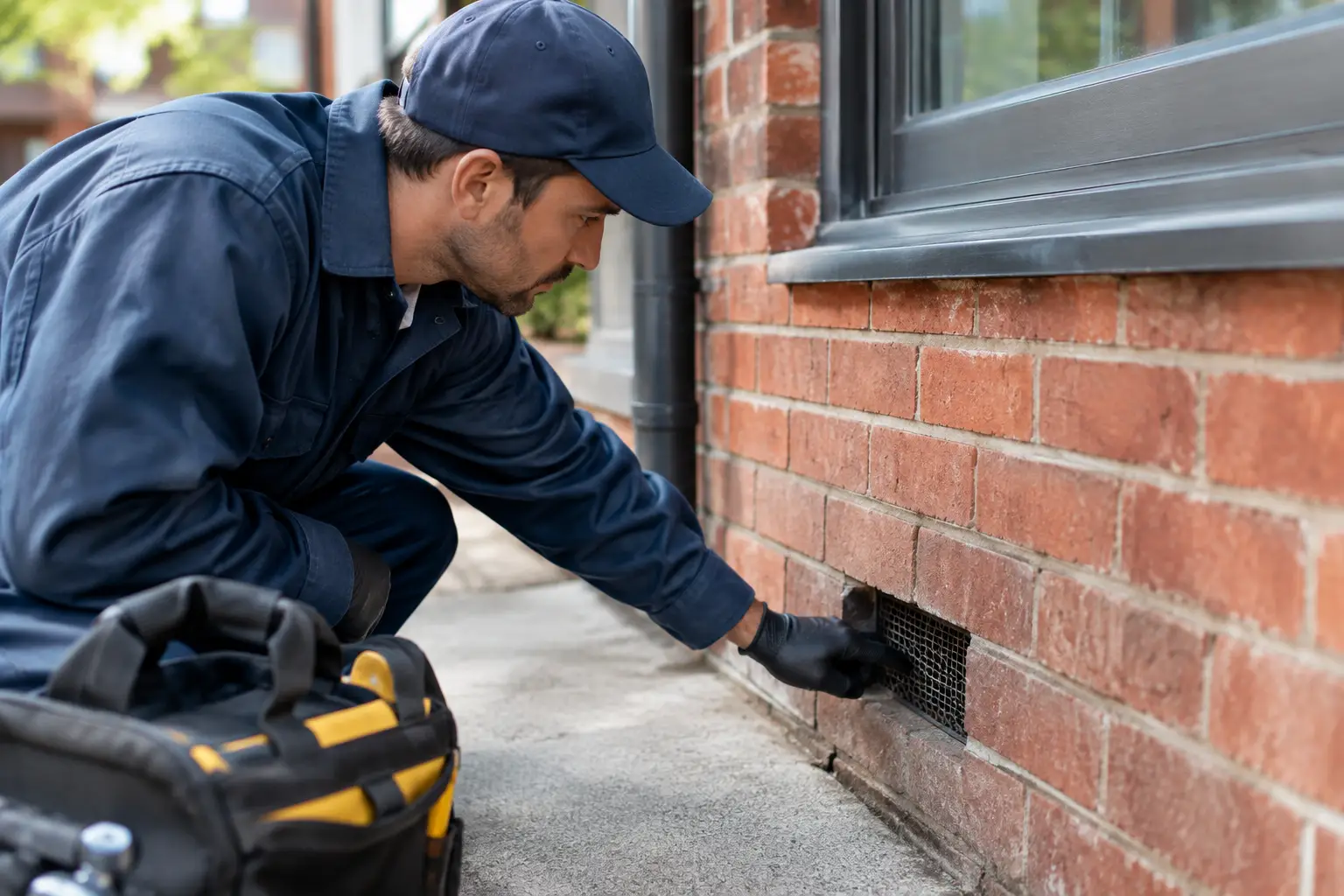
Effective roofline work begins with a detailed exterior inspection, not a quick application of foam or a piece of hardware cloth. A technician checks the roof perimeter, attic access points, vent covers, chimney areas, fascia, soffits, gutter lines, dormers, pipe penetrations, and the connection points between different building materials.
The inspection also determines whether animals are currently inside. This step is critical. Sealing an active raccoon, squirrel, bat, or bird inside the structure can lead to trapped-animal deaths, odor problems, interior damage, or an animal forcing a new exit through ceilings and walls. Humane removal or a properly installed one-way exclusion device may be needed before final sealing.
A complete service generally addresses four connected issues:
- Active animal removal or exclusion
- Repair of entry holes, torn screens, and damaged building materials
- Reinforcement of predictable weak points along the roofline
- Cleanup and restoration when contamination or nesting damage is present
At Animal Control NYC & NJ, the goal is to stop the immediate intrusion while protecting the property from repeat entry. That may include attic restoration, insulation replacement, sanitization, ridge-vent protection, gutter guard installation, and repairs coordinated around the actual source of the problem.
The Roofline Areas That Need the Most Attention
Soffits and Fascia
Soffits close the underside of roof overhangs, while fascia boards run along the roof edge behind the gutters. Both are common failure points because moisture, age, ice, wind, and gutter overflow can weaken them over time. Wildlife often finds soft wood, separated seams, or missing sections before the property owner notices a visible problem.
Raccoons may pry loose fascia or soffit panels. Squirrels can chew through weakened wood and thin materials. Birds may nest behind loose sections. Repair must restore the structure itself, then add durable exclusion where needed. Covering rotten wood without replacing it only gives animals another weak point to exploit.
Ridge Vents and Roof Vents
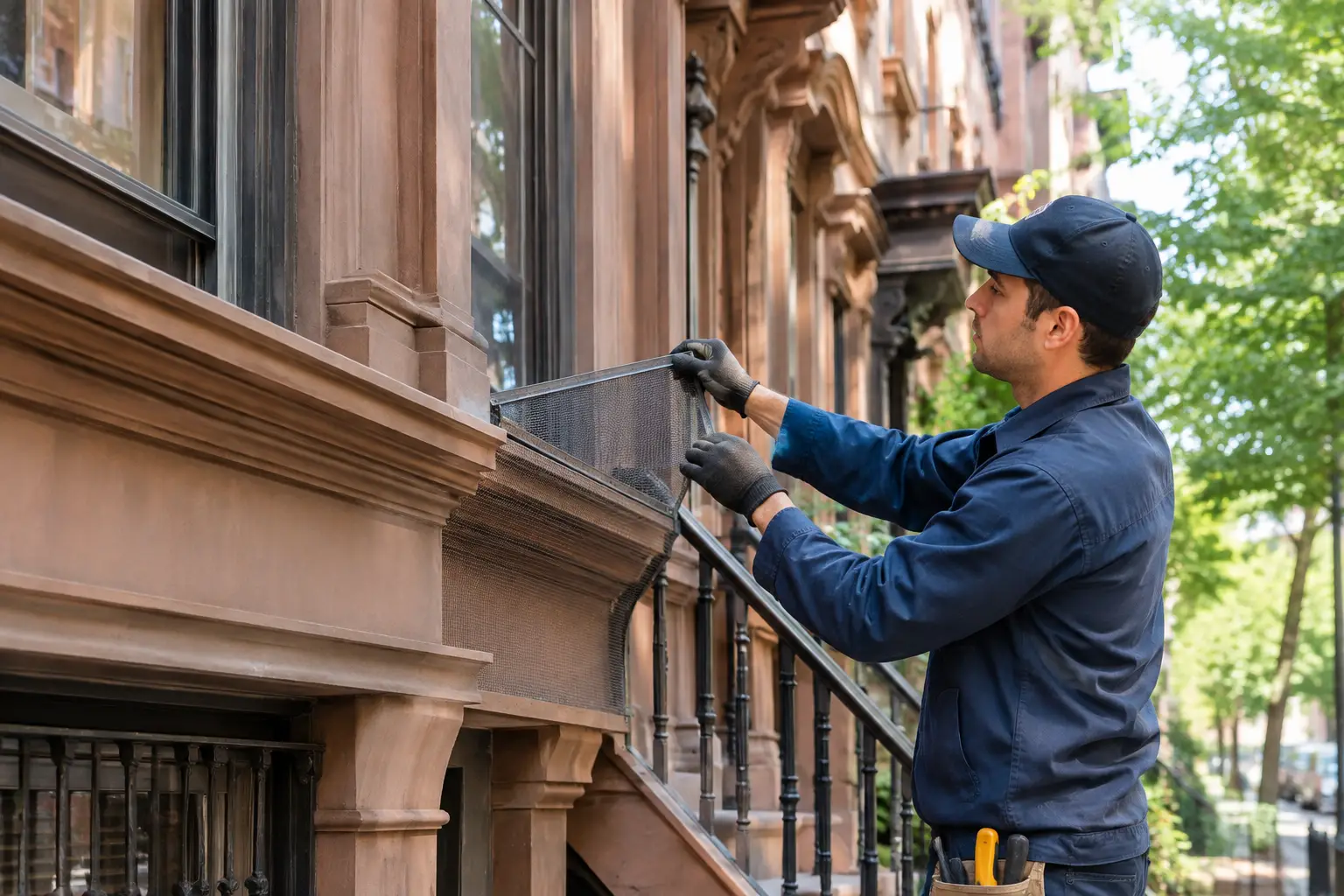
Ridge vents provide attic ventilation, but poorly protected vents can become access points. Squirrels, mice, birds, and bats may enter where vent materials have shifted, deteriorated, or were never designed to withstand wildlife pressure. Standard insect screening is not always enough, especially against chewing animals or raccoons that can pull at loose edges.
Professional ridge-vent protection uses wildlife-resistant materials installed without blocking necessary airflow. This balance matters. Closing off ventilation can contribute to moisture buildup, mold, and roof deterioration. The objective is to preserve the roof system’s function while preventing animal access.
Chimneys, Flashing, and Roof Intersections
An uncapped chimney is an open invitation for birds, squirrels, and raccoons. Chimney caps must be properly fitted and securely fastened, not simply placed on top. Loose flashing around chimneys, skylights, dormers, and roof transitions can also create gaps that wildlife can widen.
These areas deserve close attention because water damage and animal damage often overlap. If staining, soft wood, or peeling paint appears near a roof intersection, the issue may be more than an entry hole. Repairing the underlying moisture problem is often necessary for long-term proofing.
Gutters and Downspouts
Gutters do more than move water. When they sag, clog, or pull away from the fascia, they can expose gaps along the roof edge and create sheltered debris buildup. Birds may nest in clogged gutters, while rodents and squirrels can use nearby branches and downspouts as climbing routes.
Gutter guard installation can reduce debris accumulation and nesting opportunities, but it is not a substitute for repairing damaged fascia or sealing open roofline gaps. The best approach depends on the roof design, surrounding trees, and the animal activity found during inspection.
Why DIY Sealing Often Fails
Foam, caulk, and lightweight screen may appear to solve a small gap, but many animals can chew through, pull away, or work around these materials. DIY work also commonly misses secondary entry points. A homeowner may seal the hole where noise was heard while a squirrel uses a separate gap near a vent or a raccoon returns through loose fascia on the opposite side of the home.
There is also a safety issue. Roofline repairs involve ladders, steep surfaces, electrical lines, and potentially contaminated nesting material. Bat guano, bird droppings, rodent waste, and raccoon feces can present health concerns when disturbed. Commercial buildings and multi-unit properties add another layer of complexity because one entry point can affect several apartments, offices, or common areas.
Temporary repairs may be appropriate after storm damage or during an emergency, but they should be followed by a full inspection. A professional exclusion plan identifies every accessible opening and uses materials suited to the species, structure, and weather exposure.
Timing Matters When Young Animals May Be Present
Not every animal problem can be sealed on the same day. During birthing and nesting periods, young animals may be unable to leave on their own. Closing an adult raccoon or squirrel out while dependent young remain inside can create a serious welfare issue and a much bigger property problem.
That is why species identification comes before exclusion. Humane wildlife control considers whether animals are actively using the space, whether young may be present, and whether a one-way door, monitored trapping, or a delayed final repair is the safest option. Birds and bats may also be subject to seasonal or legal protections, making professional assessment especially valuable.
Protecting Homes, Buildings, and Tenants After Removal
Removal without proofing is usually a short-term fix. Wildlife follows food, shelter, and familiar travel routes. If the roofline remains open, another animal may move in quickly, sometimes within days.
For landlords and property managers, fast roofline repairs can also reduce recurring maintenance requests and prevent a single attic or exterior defect from becoming a larger sanitation issue. For homeowners, proofing protects the quiet, clean condition of attic and upper-floor spaces that animals are most likely to damage without being noticed.
A roofline should be inspected after major storms, roof work, tree trimming, gutter failures, or any unexplained attic noise. Small defects are far less expensive to correct before an animal turns them into a full entry point.
The most useful next step is simple: treat scratching, droppings, damaged trim, or a visible roof gap as an active property issue, not something to watch for another season. Early, humane exclusion and durable repair protect the building before the problem moves from the roofline into the living space.