A rat sighting indoors is rarely a one-time problem. Rats entering house structures usually means they have found a reliable route to food, water, warmth, or shelter – and that route may already be supporting more activity than you can see. In NYC and New Jersey, attached homes, older buildings, basements, crawl spaces, garages, and commercial properties give rats plenty of hidden pathways.
The right response is not to spray a scent, set one trap, or seal the first hole you notice. Effective rat control starts with identifying how rats got inside, removing the active population safely, cleaning contaminated areas, and closing every practical entry point. If one part is missed, the problem often returns.
Why Rats Enter Homes and Buildings
Rats are opportunistic. They do not need a dramatic opening or a neglected property to get inside. A gap around a utility line, broken foundation vent, loose door sweep, damaged soffit, open crawl space vent, or poorly sealed drain connection can be enough. Norway rats often travel at ground level through basements, sewers, garages, and crawl spaces. Roof rats are stronger climbers and may use trees, fences, utility lines, gutters, and rooflines to reach upper levels.
Once inside, rats look for a protected nesting area near dependable resources. Food left in garages, open trash, pet bowls, bird seed, pantry spills, leaking pipes, and cluttered storage spaces all make a property more attractive. In multifamily and commercial buildings, one tenant or food-service area can create a pressure point that affects the entire structure.
Cold weather can increase indoor activity, but rats can enter at any time of year. Construction nearby, flooding, garbage disruptions, landscaping changes, and rodent activity in adjacent properties can also push rats toward a building.
Signs of Rats Entering a House
Hearing movement in a wall or ceiling does not automatically confirm rats, but several signs together should be treated as an active infestation. Fresh droppings are one of the clearest indicators. Rat droppings are typically dark, pellet-shaped, and larger than mouse droppings. They may appear along walls, behind appliances, in cabinets, near utility rooms, or in attic and crawl space areas.
Grease marks are another common clue. Rats tend to use the same travel routes repeatedly, leaving dark rub marks where their oily fur brushes against walls, pipes, beams, or baseboards. Gnaw marks on wood, plastic, wiring, stored products, or insulation also deserve immediate attention. Rats must continually gnaw to wear down their teeth, and damaged electrical wiring can create a serious fire risk.
Other warning signs include a persistent musky odor, shredded paper or insulation used for nests, burrows near foundations, and pets repeatedly focusing on one wall, cabinet, or floor drain. At night, scratching or scurrying in a basement ceiling, attic, or wall cavity may indicate rodents traveling between nesting and feeding areas.
What to Do Immediately
Do not wait for visible damage to get worse. If you believe rats are active indoors, take sensible steps to limit food access and avoid spreading contamination while arranging a professional inspection.
- Store dry food, pet food, and bird seed in hard-sided containers with tight lids.
- Remove accessible garbage, clean spills, and avoid leaving pet bowls out overnight.
- Keep children and pets away from droppings, nesting material, traps, and suspected entry areas.
- Photograph droppings, gnaw damage, or exterior openings before cleaning or making repairs.
- Check for leaks under sinks, near water heaters, in utility rooms, and around exterior hose connections.
Avoid sweeping or vacuuming dry droppings. This can disturb contaminated dust and increase exposure to bacteria and other health hazards. Do not handle a dead rat or nest with bare hands. A professional can assess the contaminated area and determine the proper cleanup and disinfection approach.
It is also wise not to seal an opening immediately if you know rats are actively using it. Trapping rodents inside walls, ceilings, or crawl spaces can lead to dead animal odors, insect activity, and further damage as animals attempt to create another exit. Entry points should be addressed as part of a coordinated removal and exclusion plan.
Where Rats Commonly Get In
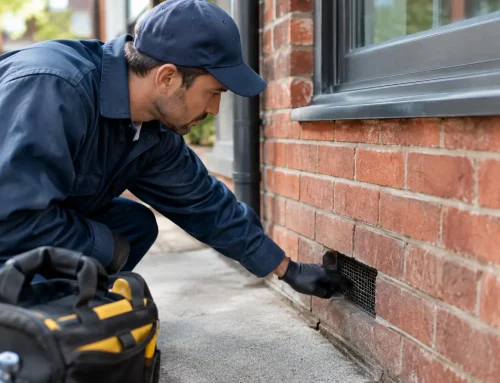
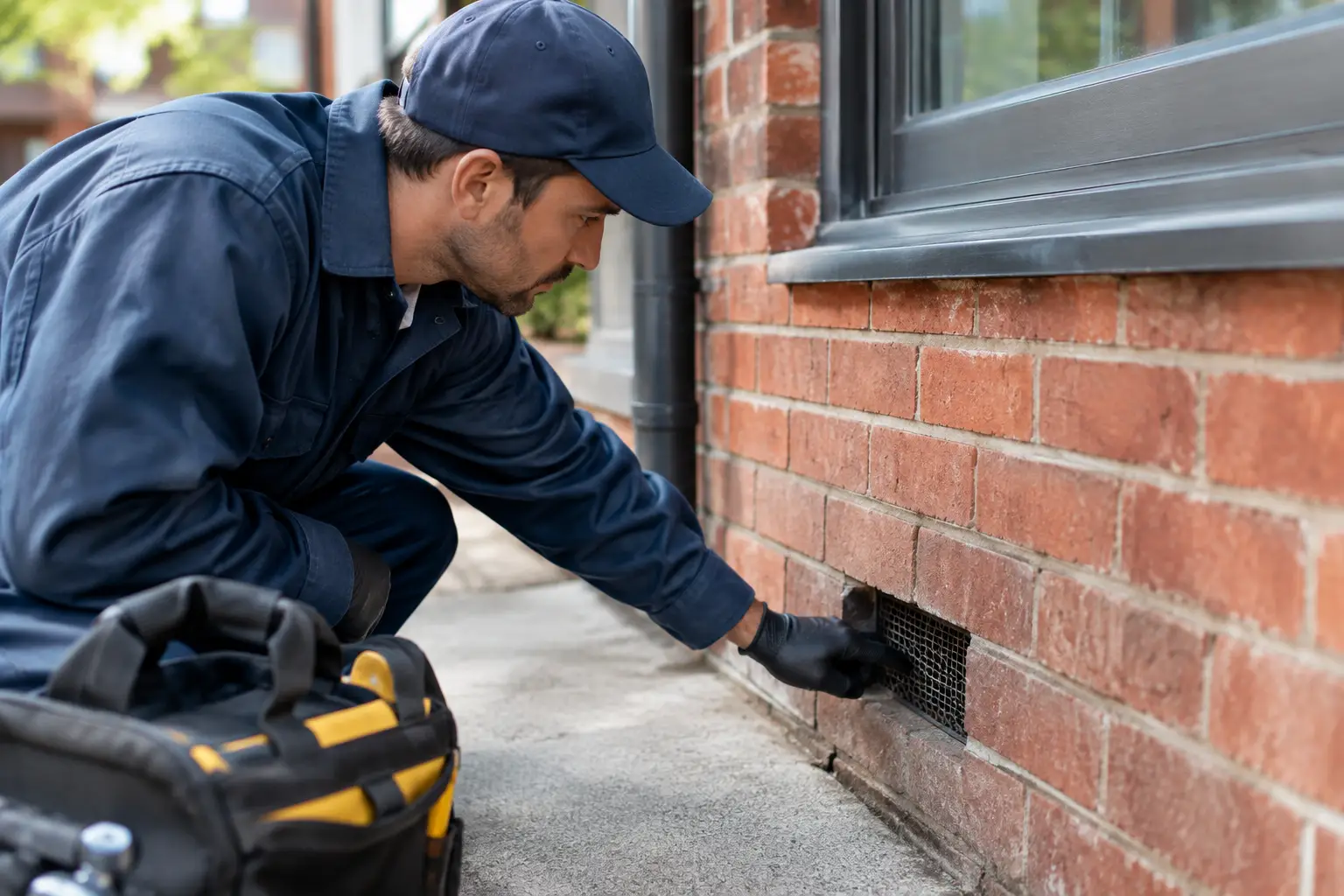
A thorough inspection looks beyond the obvious hole at ground level. Rats can exploit openings around plumbing, gas lines, electrical conduits, HVAC penetrations, garage doors, bulkhead doors, and basement windows. Damaged masonry, missing vent covers, gaps under exterior doors, and cracks at foundation joints are frequent entry points in older NYC and NJ properties.
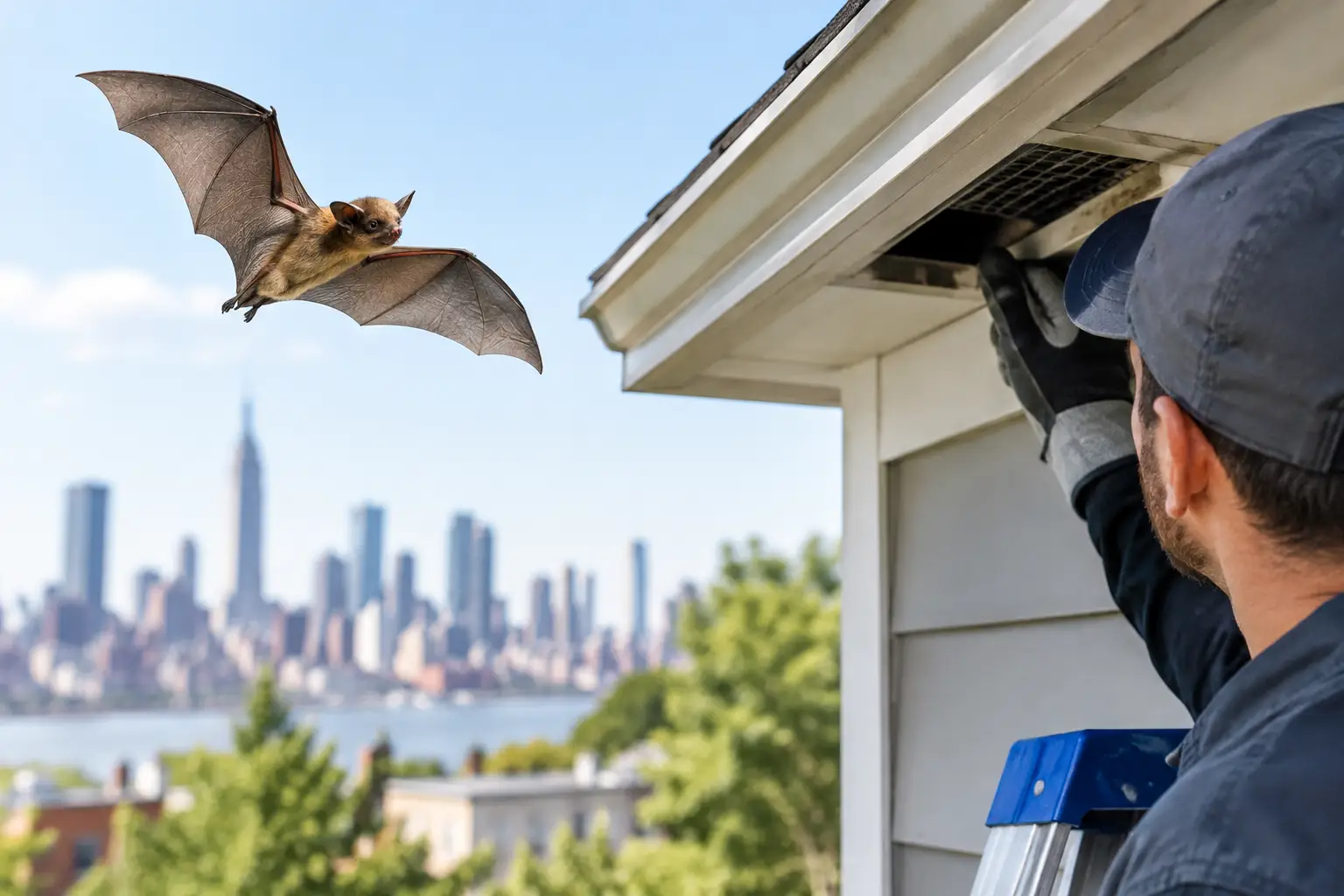
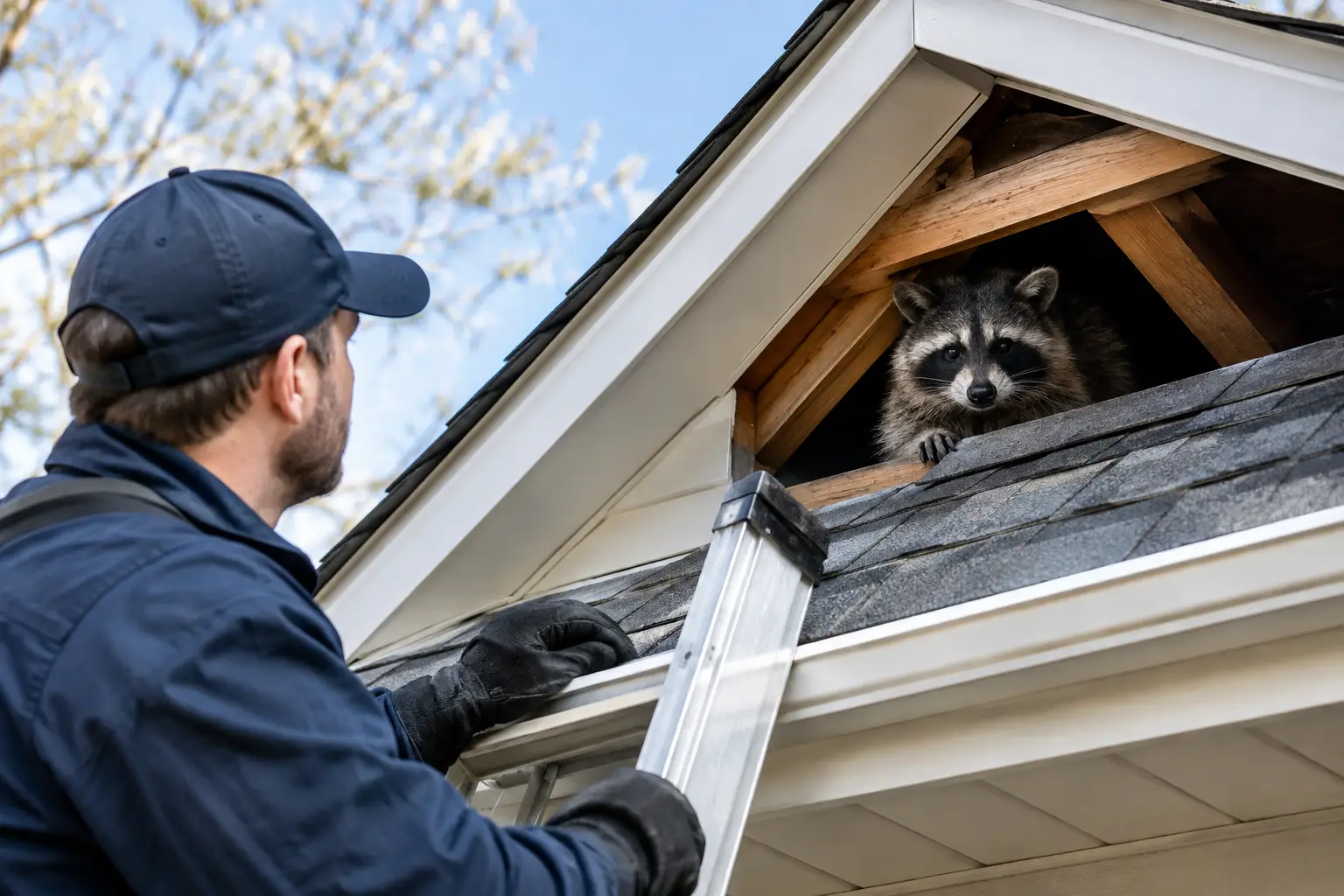
On upper levels, roof rats may use loose fascia, soffits, attic vents, roof intersections, chimney gaps, and openings around cable or utility lines. Overgrown branches that touch or hang close to a roof can give climbing rodents a direct route to vulnerable areas.
For commercial properties, the inspection should include loading docks, dumpsters, rear doors, utility rooms, storage areas, trash compactor zones, floor drains, and exterior drainage connections. Restaurants, supermarkets, warehouses, apartment buildings, and offices often need a broader strategy because rodent pressure can come from both the building and surrounding block conditions.
Why Traps Alone Often Fail
Traps can be useful, but they are only one part of rat control. A few traps placed without identifying travel paths, food sources, nesting areas, and entry points may catch one rat while leaving the core problem untouched. Rats are cautious, intelligent, and capable of avoiding unfamiliar objects, especially in high-traffic areas.
Poison-based approaches also come with trade-offs. Rodenticides can create risks for children, pets, and non-target wildlife when used incorrectly. Rodents that die inside inaccessible walls or ceilings can create strong odors and require additional dead animal removal work. In multifamily buildings and commercial facilities, improper baiting can also complicate sanitation and compliance concerns.
A professional plan uses species-specific placement, monitoring, and exclusion. The objective is to remove active rats while making the property much harder to re-enter. That is a more durable solution than repeatedly reacting to sightings.
Professional Rat Removal and Exclusion
Professional wildlife control begins with an inspection of the structure, surrounding grounds, and likely rodent travel routes. The technician looks for fresh signs, identifies accessible openings, evaluates sanitation concerns, and determines whether the activity is limited to one area or spreading through the building.
The removal phase may involve strategically placed traps and repeat monitoring. The exact method depends on whether the property is a single-family home, apartment building, restaurant, warehouse, office, or construction site. A good plan considers resident and employee safety, pet access, sensitive areas, and the practical realities of the building.
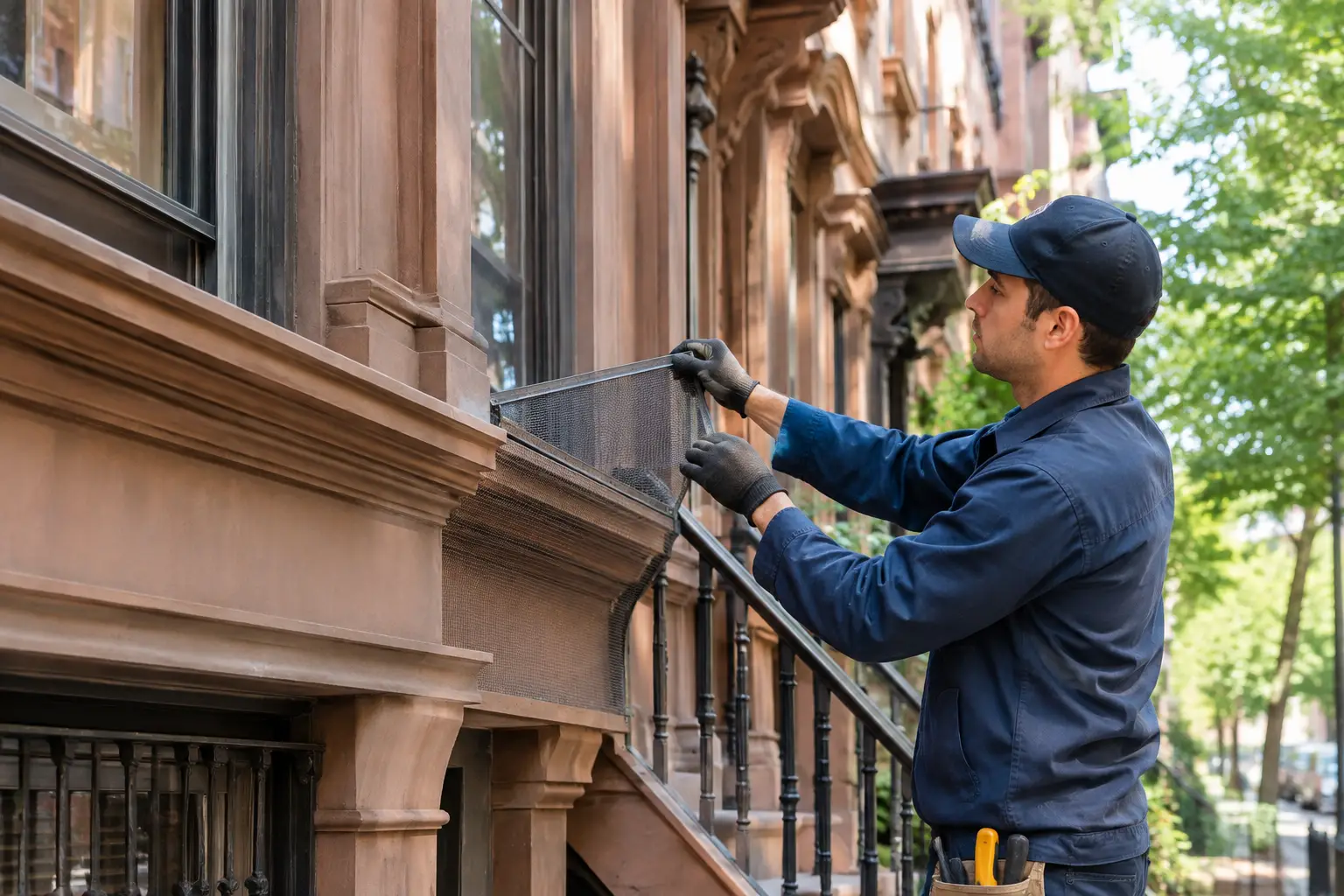
After active removal, exclusion work is what protects the investment. This can include sealing gaps around pipes and utilities, reinforcing vents, repairing damaged screens, installing door sweeps, closing foundation openings, and addressing roofline vulnerabilities. For certain properties, crawl space sealing, attic restoration, insulation replacement, or sanitation may also be necessary because rats can contaminate materials with droppings, urine, nesting debris, and carcasses.
Animal Control NYC & NJ provides rat control as a complete service, from inspection and humane trapping through cleanup, disinfection, exclusion, and property repair. That matters when the visible rat problem is only one part of larger damage inside an attic, wall cavity, crawl space, or commercial utility area.
Preventing Future Rat Activity
Long-term prevention is mostly about reducing access and removing conditions that reward rodents for returning. Keep trash secured, maintain clean dumpster areas, repair plumbing leaks promptly, and limit outdoor clutter near the foundation. Firewood, stored materials, dense vegetation, and unused equipment should be kept away from exterior walls where possible.
Inspect exterior doors and garage doors for daylight under the edges. Look closely at areas where pipes, cables, and lines enter the building. These small details matter. A property can look well maintained from the street while still having multiple hidden rodent entry points behind a utility meter, under a deck, or along an aging foundation.
If rats are entering your house, fast action protects more than food storage and peace of mind. It can prevent wiring damage, contamination, tenant complaints, and a small access problem from turning into a costly structural cleanup. A thorough inspection and properly timed exclusion give you the best chance of keeping the next rat outside where it belongs.