A rat can enter through an opening barely larger than a quarter, then travel behind walls, above ceilings, through utility chases, and between apartments without being seen. That is why rat proofing is not a cosmetic repair or a one-time pest control visit. It is the work of finding how rats get in, removing the conditions that support them, and closing those routes with materials that hold up.
For homeowners, landlords, property managers, restaurants, and facility operators across New York City and New Jersey, speed matters. A single sighting near a trash area may be an exterior issue. Droppings in a basement, scratching in a ceiling, or repeated tenant complaints usually point to an active building-access problem that requires a full inspection.
What Professional Rat Proofing Actually Includes
Effective rat control has two parts: population reduction and exclusion. Trapping or baiting may reduce current activity, but it will not solve the problem if rats can continue entering through a broken vent, a gap around a pipe, an open foundation seam, or a damaged door sweep. Sealing a building before addressing active rats can also create problems if rodents are trapped inside wall voids.
Professional rat proofing begins with an inspection of the entire pressure zone around the structure. That includes the foundation, sidewalk-level openings, basement windows, utility penetrations, garage doors, roofline connections, crawl spaces, exterior storage areas, and trash handling areas. In dense NYC neighborhoods, adjoining properties and shared utility lines can create access routes that are easy to miss. In suburban New Jersey, rats may use overgrown landscaping, sheds, decks, and crawl-space openings before reaching the home.
The goal is to identify the entry points that matter, not simply apply caulk wherever there is a crack. Rats chew through weak materials, exploit failed repairs, and follow warm air, food odors, and water sources. The correct repair depends on the location and the type of construction.
The Entry Points That Cause Repeat Infestations
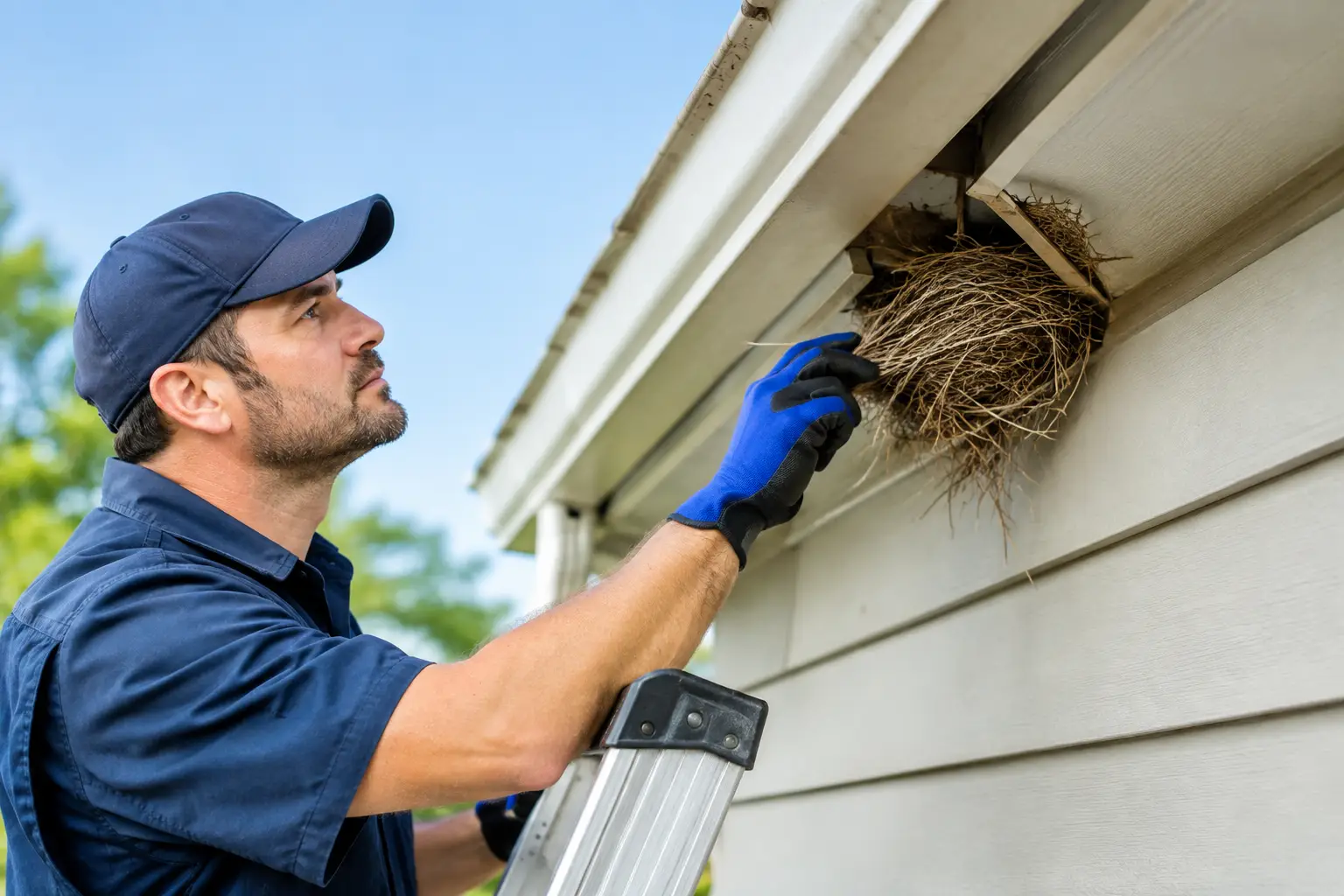
Most recurring rat problems start at a limited number of vulnerable areas. Foundation gaps and deteriorated mortar are common in older brownstones, multifamily buildings, and commercial properties. Rats can also enter where gas, water, cable, HVAC, or electrical lines pass through exterior walls.
Basement doors, loading doors, and garage doors deserve close attention. A door that does not close tightly may leave a gap large enough for rodents to enter after dark. Damaged sweeps, bent thresholds, and broken weather stripping are small maintenance issues until they become an access point.
Exterior vents are another frequent failure point. Dryer vents, crawl-space vents, exhaust openings, and damaged louvers need properly fitted rodent-resistant covers that allow the system to function. Blocking an active exhaust vent with the wrong material can create a fire or moisture risk, so this is not a place for improvised repairs.
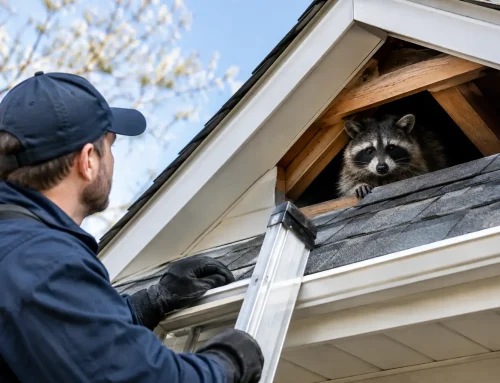
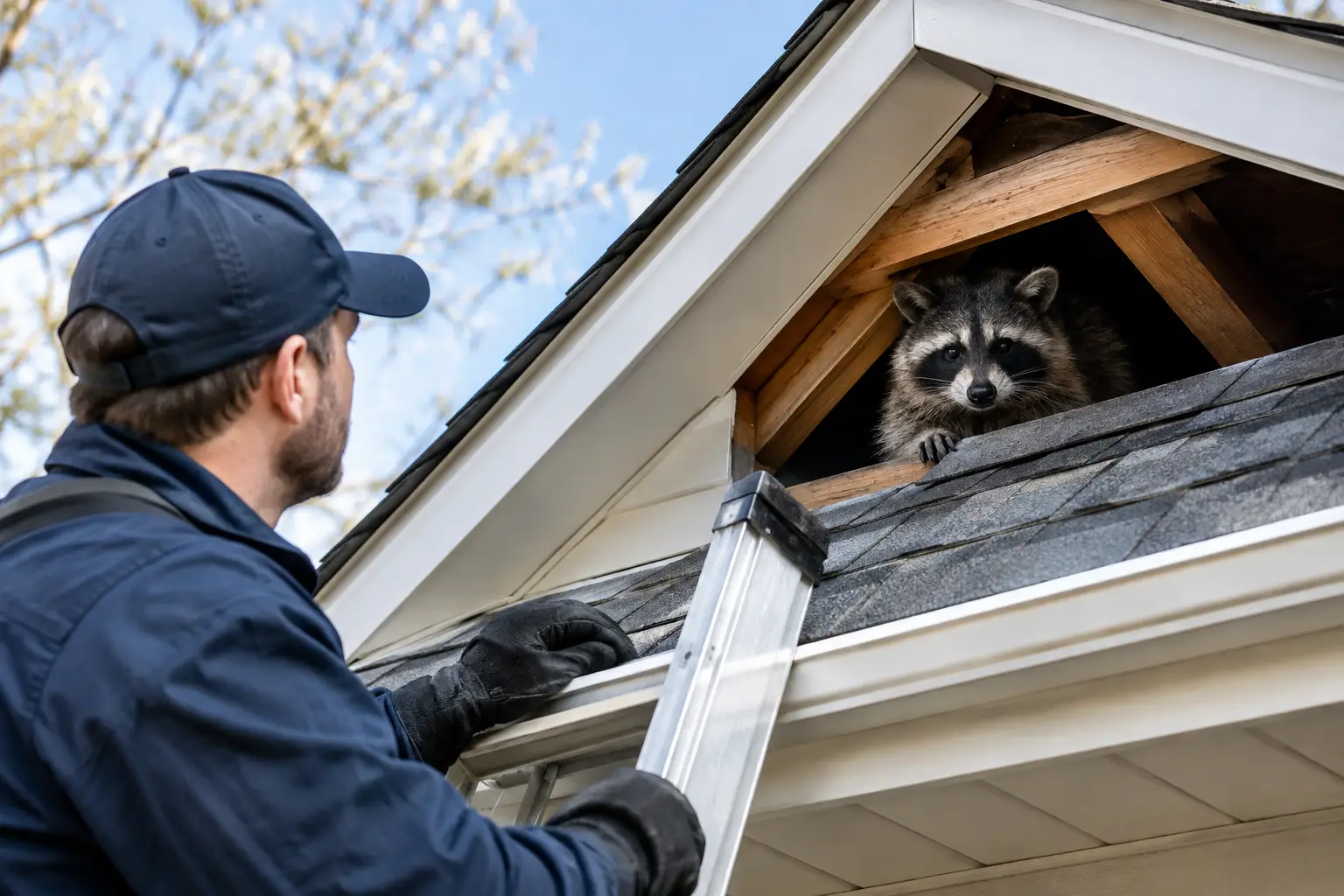
Rats also use vertical pathways. They can climb pipes, vines, rough masonry, stacked materials, and nearby structures. Roof-level activity may begin at ground level, then move through wall cavities and utility routes. If scratching is heard in an attic or ceiling, the inspection must account for both the upper access point and the route that brought the animal there.
Food, Water, and Trash Can Defeat Good Repairs
Exclusion is the foundation of long-term control, but sanitation determines how much pressure a property faces. Rats do not need an overflowing dumpster to stay active. Loose trash bags, spilled pet food, grease buildup, bird seed, standing water, and unsecured compost can sustain an infestation.
For residential properties, keep trash containers closed, avoid leaving pet food outdoors, and clean up fallen fruit from trees. Store bulk goods and seasonal supplies off the floor in basements and garages. A damp, cluttered storage area can provide both shelter and access to nesting materials.
For apartment buildings, restaurants, warehouses, and retail locations, trash management needs to be part of the plan. Dumpster lids should close fully, surrounding areas should be cleaned regularly, and damaged containers should be replaced. Cardboard, pallets, unused equipment, and construction debris should not be allowed to accumulate against exterior walls. These conditions give rats cover while they investigate entry points.
Why DIY Rat Proofing Often Falls Short
Property owners can handle basic maintenance, such as replacing a worn door sweep or removing debris from around a foundation. The trade-off is that visible gaps are not always the gaps rats use. A quick patch may conceal a larger void behind siding, masonry, or a utility panel.
Common DIY materials also fail under rodent pressure. Expanding foam alone is not rat proof. Screen material that is too light can be chewed or pulled loose. Caulk can crack when used across large or moving gaps. And sealing a suspected entrance without confirming whether rats remain inside can lead to odor, contamination, or rodents chewing new exits through interior finishes.
This does not mean every property needs extensive structural work. A minor exterior issue may be resolved with targeted repairs and sanitation improvements. But when there are droppings, grease marks, gnaw damage, multiple sightings, or activity in walls and ceilings, a professional inspection can prevent repeated service calls and escalating repair costs.
A Safer Order of Operations for Active Rat Problems
When rats are actively using a building, the sequence matters. First, identify activity areas and likely travel routes. Next, reduce the active population using methods suited to the property, occupants, pets, and local conditions. Then complete exclusion repairs once the technician can confirm the primary access points and prevent re-entry.
Cleanup is not optional after significant activity. Rat droppings and urine can contaminate insulation, stored belongings, floors, wall cavities, and mechanical areas. Dry sweeping or vacuuming droppings without proper precautions can spread contaminated dust. Professional cleanup may involve removing affected insulation, disinfecting surfaces, addressing odors, and repairing damage caused by gnawing or nesting.
In rental and commercial settings, documentation is also valuable. Property managers need clear findings, repair recommendations, and a workable plan that minimizes disruption for tenants or operations. A full-service approach reduces the handoff between pest control, cleaning crews, and repair contractors.
When to Call for Professional Help
Call for inspection when you see fresh droppings, hear nighttime scratching, find chewed wires or food packaging, notice rub marks along walls, or receive repeated reports from tenants or staff. A dead rat odor behind a wall, flies around an inaccessible area, or activity near electrical equipment should be handled promptly.
Animal Control NYC & NJ provides professional wildlife trapping and removal, sanitation, exclusion, and damage repair for properties dealing with rodent and wildlife access problems. The right response is based on the building, the level of activity, and the conditions attracting animals in the first place.
A rat problem rarely improves by waiting for another sighting. Address the access points, the food sources, and the contamination now, and the property has a far better chance of staying clean, safe, and protected.