A squirrel in the attic can be more than a noisy nuisance. When it chews through cable jackets, insulation, or wiring near a roofline, it can create a serious electrical and fire hazard. So, can squirrels damage electrical wires? Yes. Their constant chewing can expose live conductors, interrupt service, damage connected equipment, and turn a wildlife problem into an urgent property repair.
For homeowners, landlords, and facility managers in NYC and New Jersey, the risk is often hidden behind walls, above ceilings, or inside attics until a breaker starts tripping or a burning odor appears. Fast action protects the building, its occupants, and the squirrel from a dangerous situation.
Why Squirrels Chew Electrical Wires
Squirrels are rodents, and their front teeth never stop growing. They must gnaw regularly to wear those teeth down. In an attic, crawl space, garage, soffit, or utility area, wire insulation can feel and look like a chewable material. Squirrels may also chew around wires while enlarging an entry hole, building a nest, or moving through tight spaces.
Electrical wires are rarely the only target. A squirrel that has entered a structure may chew wood framing, fascia boards, roof decking, ductwork, insulation, plastic plumbing components, and stored belongings. Wire damage is especially concerning because the consequences are not always visible from the room below.
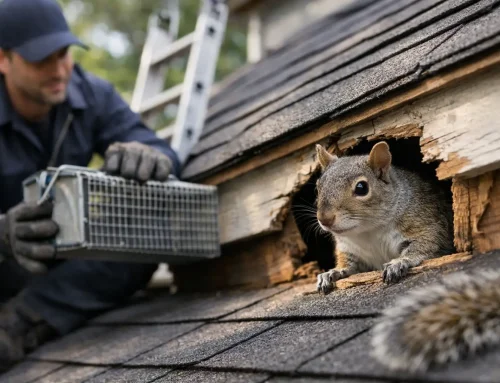
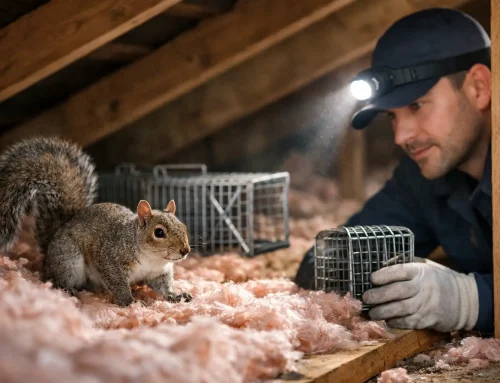
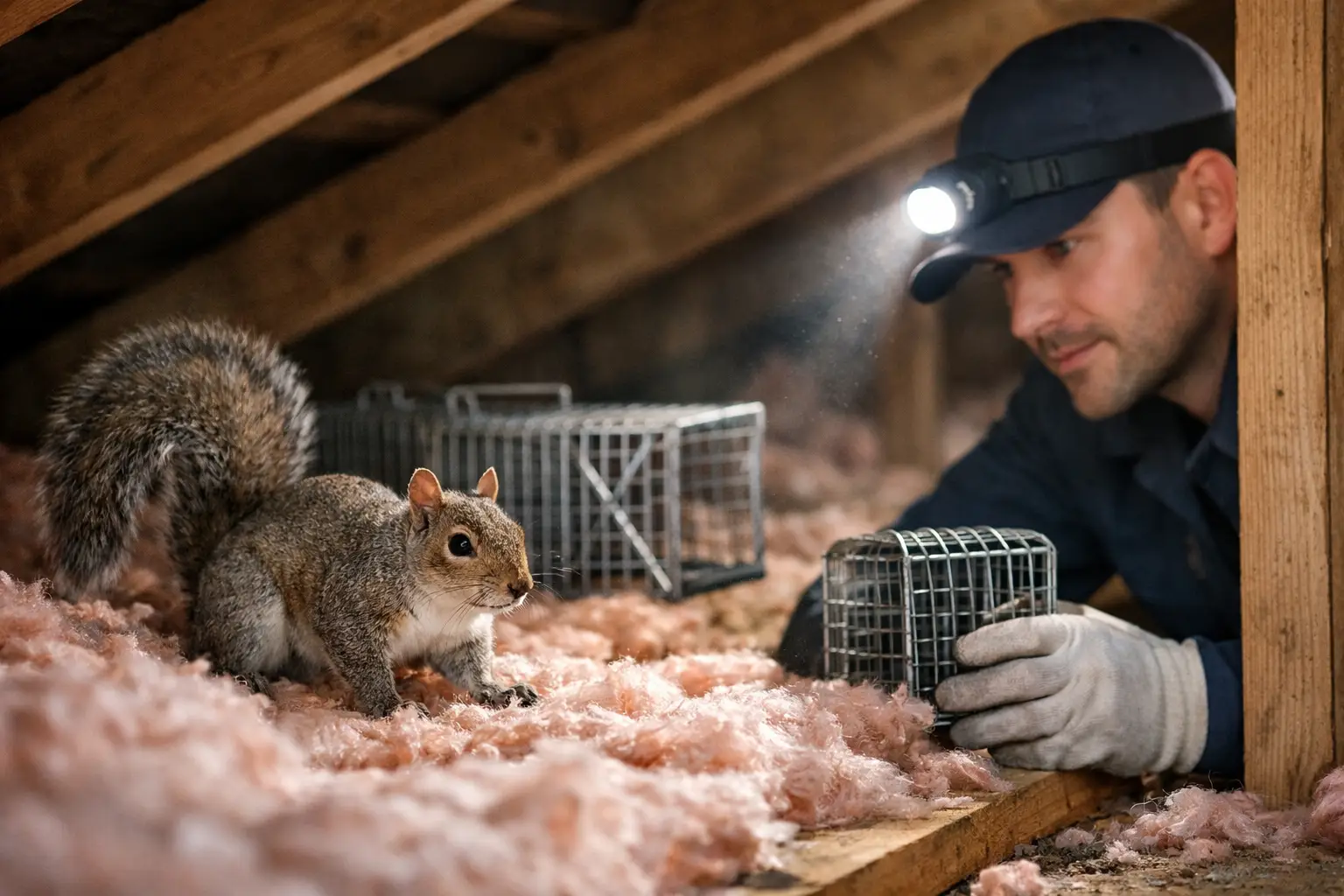
The likelihood of damage depends on where the squirrel has gained access and how long it has been inside. A squirrel briefly passing through a vent may cause little harm. A mother squirrel nesting in an attic with babies can remain in place for weeks, creating repeated chewing and contamination issues until the family is removed safely.
What Squirrel Wire Damage Looks Like
Damaged electrical wiring is not always obvious. A breaker that trips repeatedly, lights that flicker, outlets that stop working, or a sudden loss of power in one section of the property can point to a wiring issue. These symptoms do not prove squirrels are responsible, but they warrant immediate inspection by a qualified electrician.
In attic spaces and utility rooms, common signs include shredded wire jackets, tooth marks on cable insulation, loose or hanging wiring, blackened sections of wire, or exposed copper. You may also hear scratching, running, or chewing sounds early in the morning or near dusk, when squirrels are most active.
Other evidence often appears near the damaged area. Look for nesting material, acorns, leaves, chewed insulation, droppings, and openings around rooflines, soffits, ridge vents, attic vents, chimneys, or gaps where utility lines enter the building. In multi-unit buildings, signs may show up near top-floor ceilings, mechanical rooms, or shared roof access points.
Warning Signs That Require Immediate Action
A burning smell, smoke, visible sparking, warm wall surfaces, or a breaker that will not stay on should be treated as an electrical emergency. Do not enter an attic with a flashlight to investigate if you suspect active wire damage. Do not touch exposed wire, attempt to tape it, or reset a tripped breaker over and over.
Turn off power to the affected circuit only if it can be done safely from the electrical panel. If there is smoke, fire, or immediate danger, leave the area and contact emergency services. Once the immediate hazard is controlled, an electrician should assess and repair the wiring before wildlife cleanup or exclusion work continues in that area.
The Fire Risk From Chewed Wiring
Modern electrical cables are designed with protective insulation, but chewing can strip or weaken that barrier. When conductors become exposed, they can short against another wire, metal surface, insulation, or building material. Arcing and overheating may follow.
Attics are a particular concern because they often contain dry wood framing, paper-backed insulation, stored cardboard, and other combustible materials. A damaged wire may sit unnoticed for a long time, especially in an unoccupied unit, vacant home, seasonal property, or commercial storage space.
Not every chewed wire causes a fire. The severity depends on the type of cable, the amount of insulation removed, whether the circuit is energized, moisture levels, nearby materials, and the condition of the electrical system. Still, it is never a repair to postpone. A professional electrician can determine whether a wire needs replacement, rerouting, junction-box repair, or further testing.
What to Do If You Suspect Squirrels in Your Attic
The right response has two parts: address the electrical concern and solve the animal entry problem. Repairing a wire without removing the squirrels leaves the property exposed to repeat damage. Removing squirrels without checking the electrical system can leave a hidden hazard behind.
First, avoid disturbing an active nest. Sealing an opening while squirrels or babies remain inside can trap animals in the structure and may drive them into walls or living areas. Humane removal should account for seasonal nesting activity and make sure dependent young are not separated from their mother.
Next, have a qualified electrician inspect any suspected electrical damage. This is particularly important if you have experienced breaker issues, flickering lights, power loss, burning odors, or visible chewed cable. Wildlife technicians can identify likely travel routes and damage areas, but electrical repairs should be performed by a licensed electrical professional.
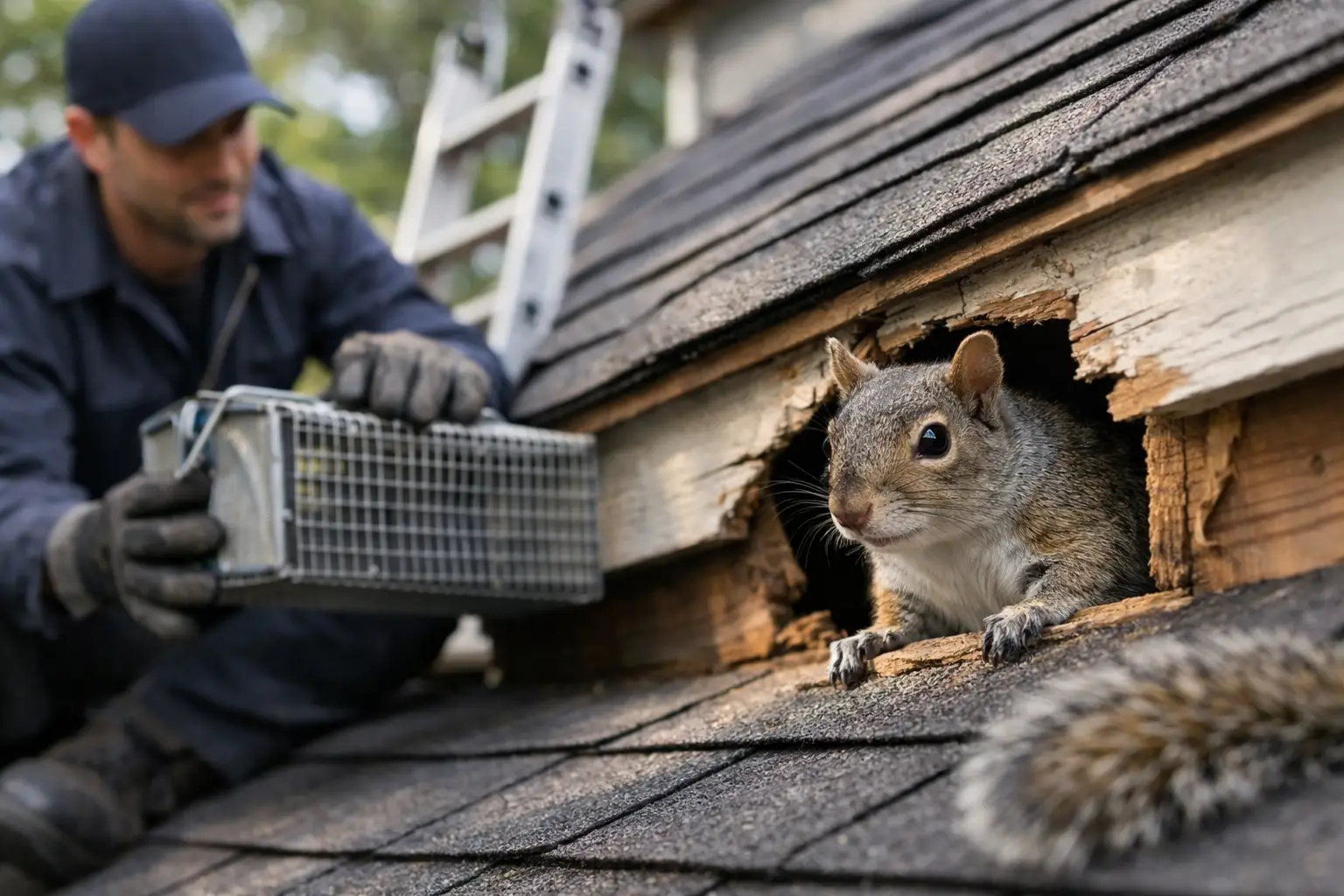
After the squirrels are removed, the entry points need to be professionally sealed. Common access areas include broken or unprotected attic vents, gaps at the roofline, damaged soffits, loose fascia, chimney openings, and openings around pipes or utility penetrations. Exclusion materials must be secured correctly and selected for the specific structure. Foam alone is not a long-term squirrel barrier because squirrels can chew through it.
Can Squirrels Damage Electrical Wires in Commercial Buildings?
Yes. Commercial properties can be just as vulnerable, particularly buildings with roof voids, loading areas, exterior utility runs, warehouses, restaurants, schools, houses of worship, and older multi-family properties. Squirrels may enter through roof damage, open vents, gaps around mechanical equipment, or areas where renovations have left access points exposed.
For property managers, the issue goes beyond repair costs. Electrical interruptions can affect tenants, security systems, refrigeration, lighting, communications equipment, and daily operations. A complaint about scratching above a ceiling or a recurring breaker problem should not be treated as separate maintenance tickets when both may stem from the same animal intrusion.
A coordinated response reduces downtime. The property should be inspected for entry points, active wildlife, nesting areas, contaminated insulation, and structural damage. Once removal is complete and electrical repairs are cleared, cleanup and restoration help return the space to a safe, usable condition.
Preventing Repeat Squirrel Damage
Long-term prevention is about closing the routes squirrels use to reach the building. Tree limbs that touch or hang close to a roof can give squirrels easy access to vents, shingles, and gutters. Trimming branches can reduce that access, although it will not replace proper exclusion because squirrels can jump considerable distances.
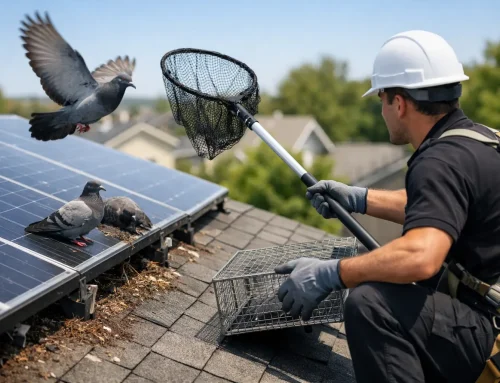
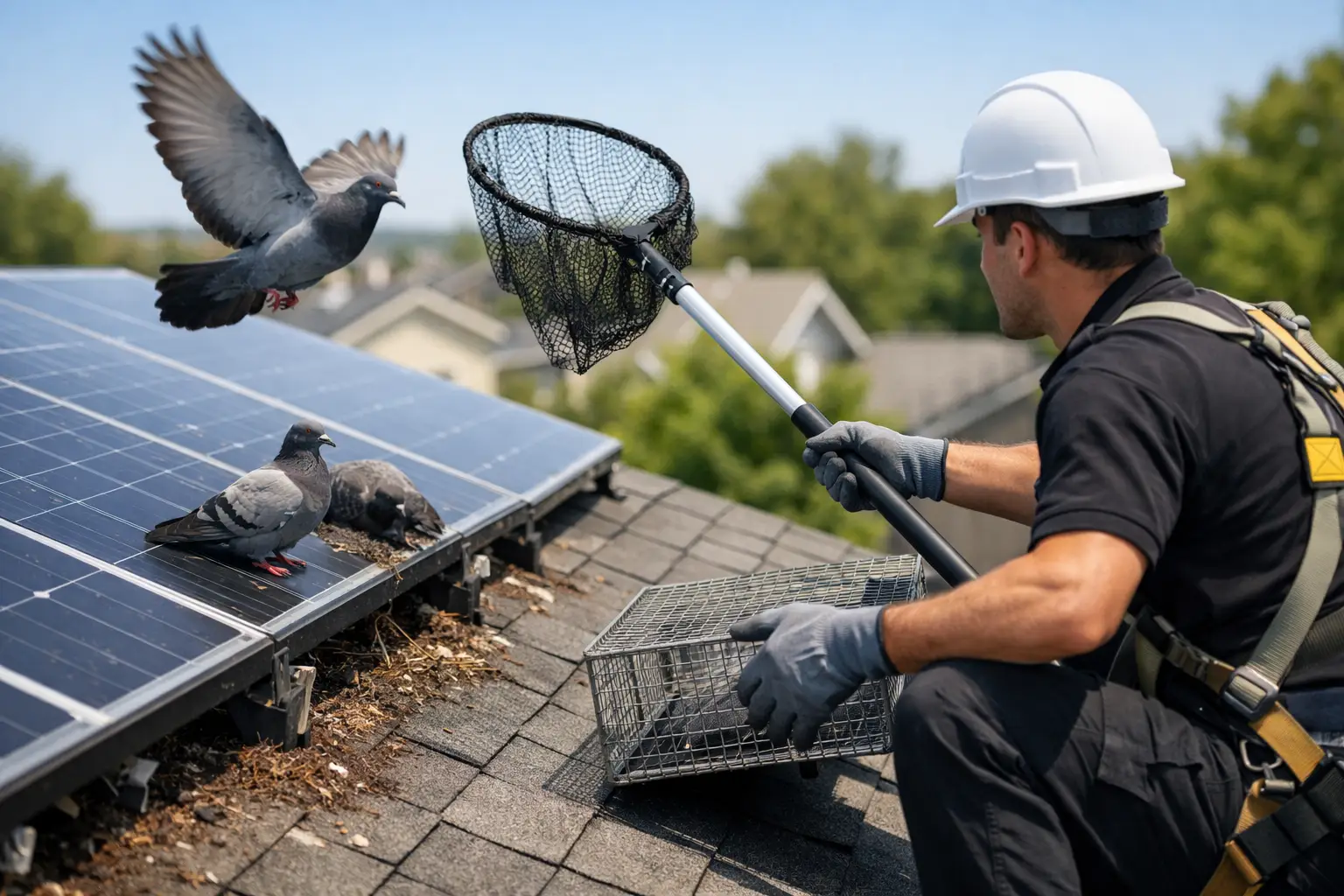
Roof and attic components deserve regular attention. Damaged screens, open ridge vents, loose soffits, cracked fascia, and unprotected gaps can all become entry points. In homes with solar panels, the space beneath the panels can also shelter squirrels and other wildlife, making species-specific proofing worthwhile.
If squirrels have nested in an attic, insulation may require more than a quick sweep. Urine, droppings, nesting material, and damaged insulation can affect indoor air quality and attract other pests. Depending on the extent of contamination, attic restoration, disinfection, insulation replacement, and repairs may be needed after removal.
Animal Control NYC & NJ provides humane squirrel removal, entry-point exclusion, attic cleanup, and damage remediation for homes and commercial properties across the area. A complete inspection can identify where squirrels entered, what they damaged, and what needs to be repaired to help prevent another intrusion.
If you hear activity above the ceiling, notice chewed materials, or have unexplained electrical trouble, do not wait for visible damage to get worse. Treat the electrical system as a safety priority, then address the squirrel access point before a small attic problem becomes a costly repair.