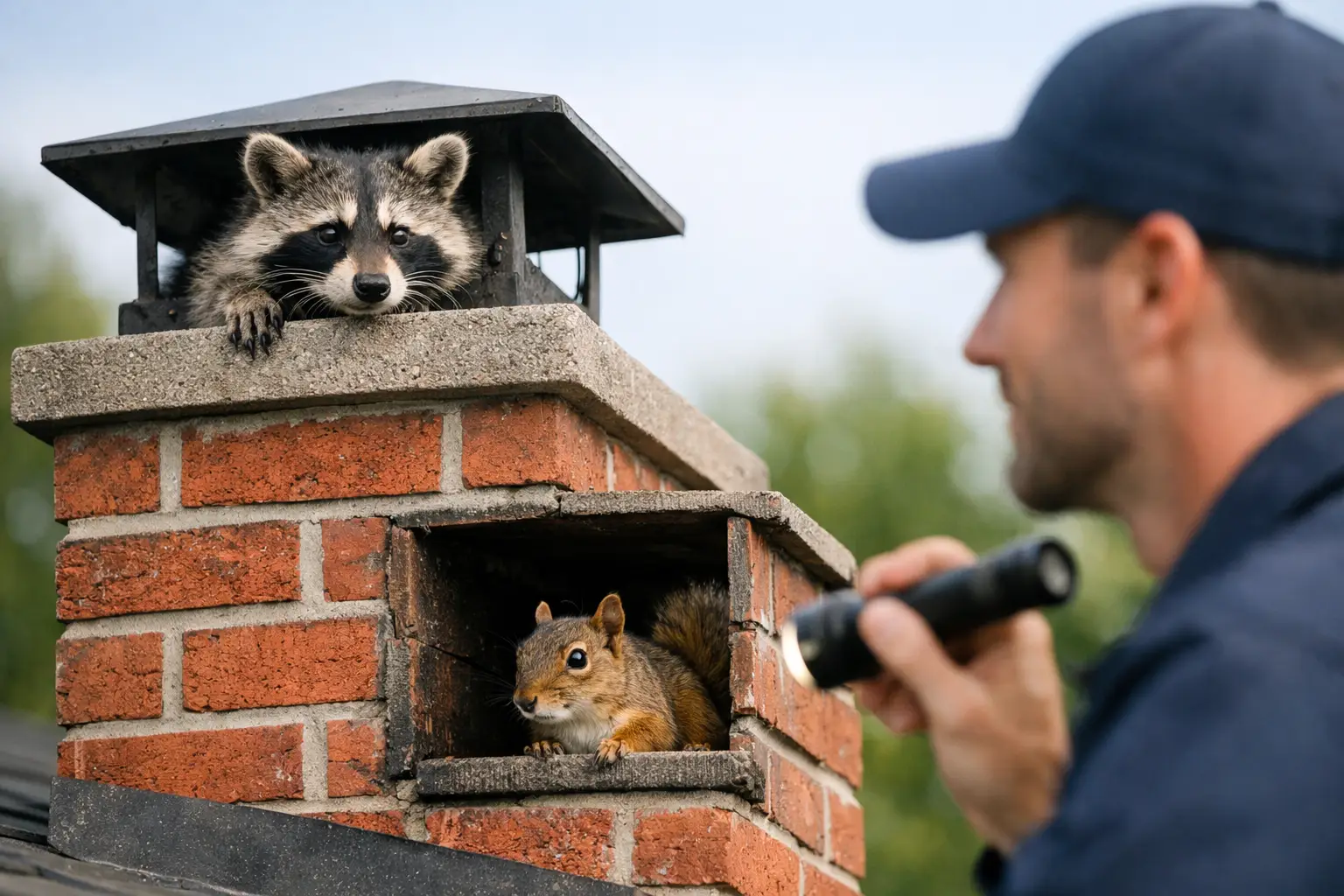
A squirrel running across a roof may be normal. Scratching, rolling noises, or fast footsteps directly above your ceiling are not. Squirrels in attics can turn a small opening near a roofline into a costly property problem, damaging insulation, chewing structural materials, and creating fire risks around electrical wiring. For NYC and NJ property owners, quick action matters because squirrels do not leave on their own once an attic offers warmth, shelter, and access to nesting material.
The right response is not to block every visible hole immediately. A squirrel may still be inside, and during nesting season, babies may be unable to exit. Professional wildlife removal identifies the animal, confirms all active entry points, removes squirrels humanely, and secures the structure only when it is safe to do so.
How Squirrels Get Into Attics
Squirrels are persistent climbers. They use tree limbs, utility lines, fences, gutters, and nearby roof features as routes to your home or building. A gap that looks too small to matter can be enlarged quickly with sharp teeth.
Common entry areas include damaged soffits, loose fascia boards, roof returns, uncapped vents, gaps along the eaves, deteriorated siding, and unsecured ridge vents. In attached homes, multifamily properties, and commercial buildings, squirrels may also travel through connected roof cavities or wall voids. Closing one hole without inspecting the full structure often leaves another access point open.
In dense neighborhoods, squirrels frequently exploit the same weak spots year after year. Seasonal weather, aging materials, roof work, and storm damage can create fresh openings even on otherwise well-maintained properties.
Signs of Squirrels in Attics
Squirrel activity is usually most noticeable shortly after sunrise and again before evening. Unlike nocturnal animals, squirrels are active during the day. You may hear quick scurrying, scratching, gnawing, or objects shifting overhead.
Other signs include torn insulation near attic corners, nesting materials such as leaves and shredded paper, droppings, chewed wood, and damage around vents or roof edges. Outside, look for dark rub marks, claw damage, lifted vent screens, or a frequently used opening near the roofline.
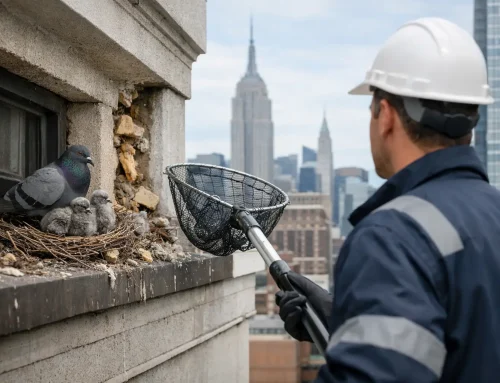
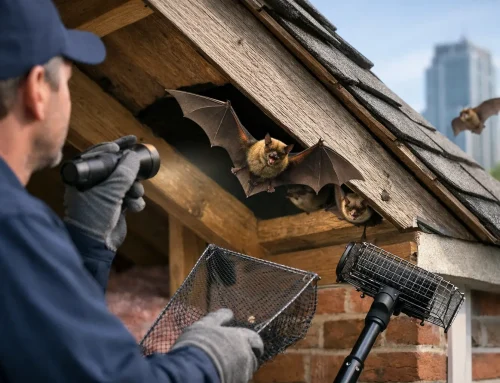
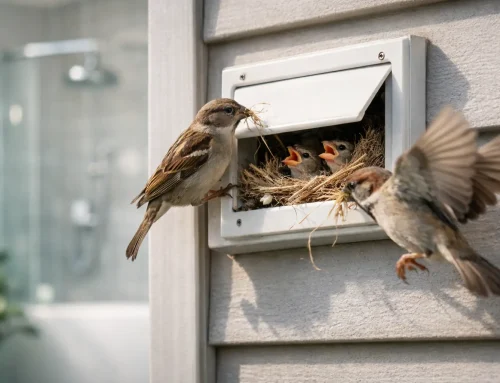
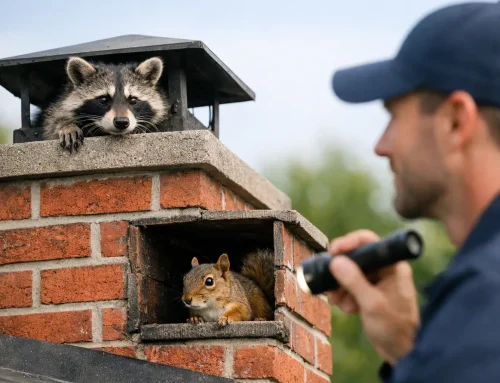
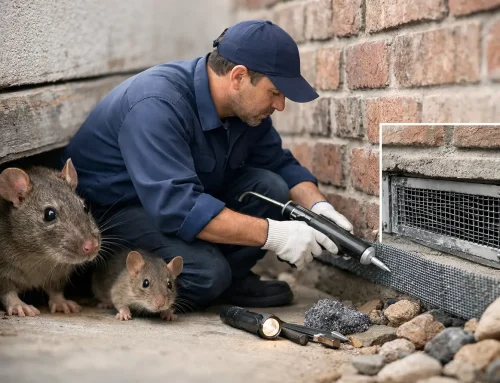
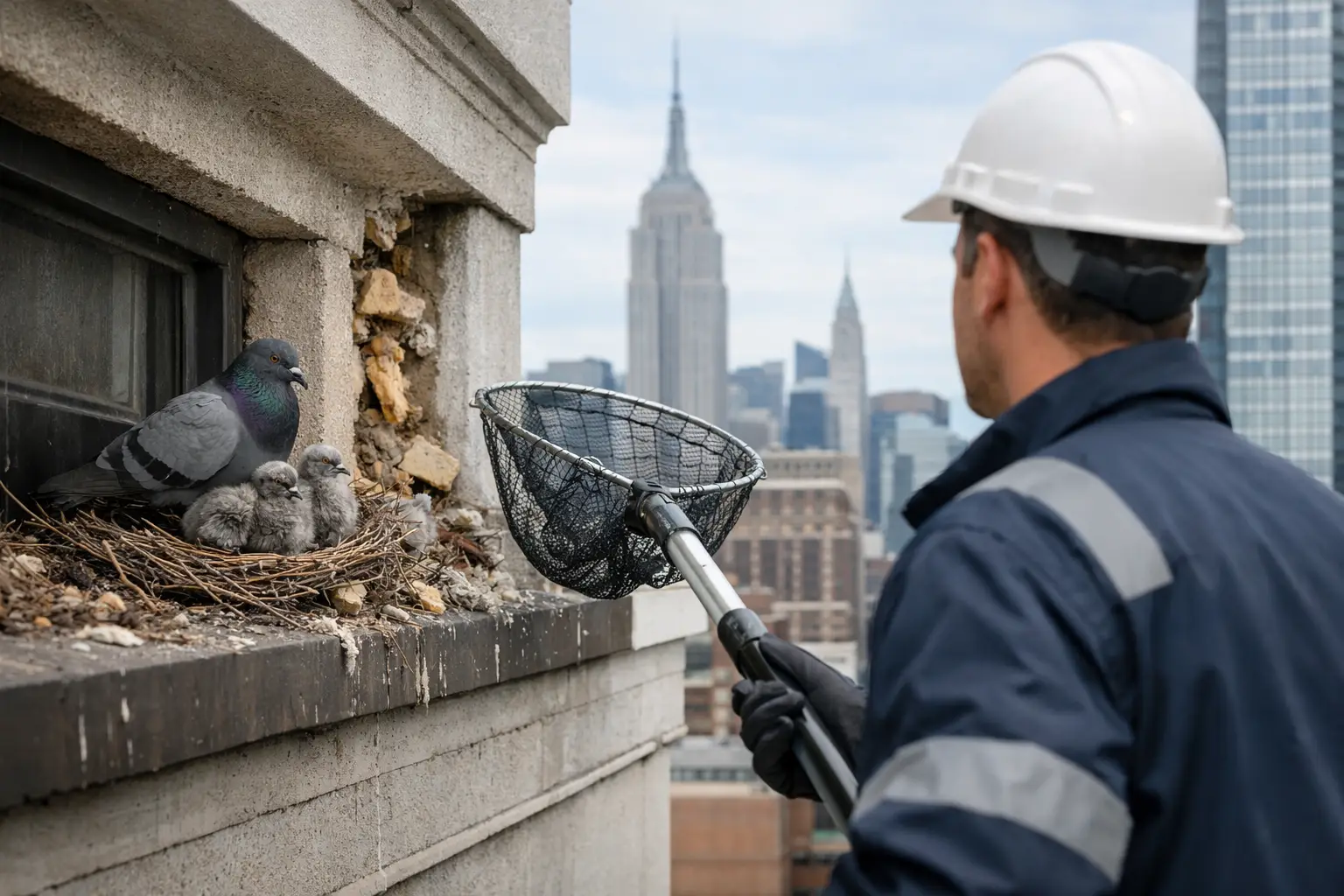
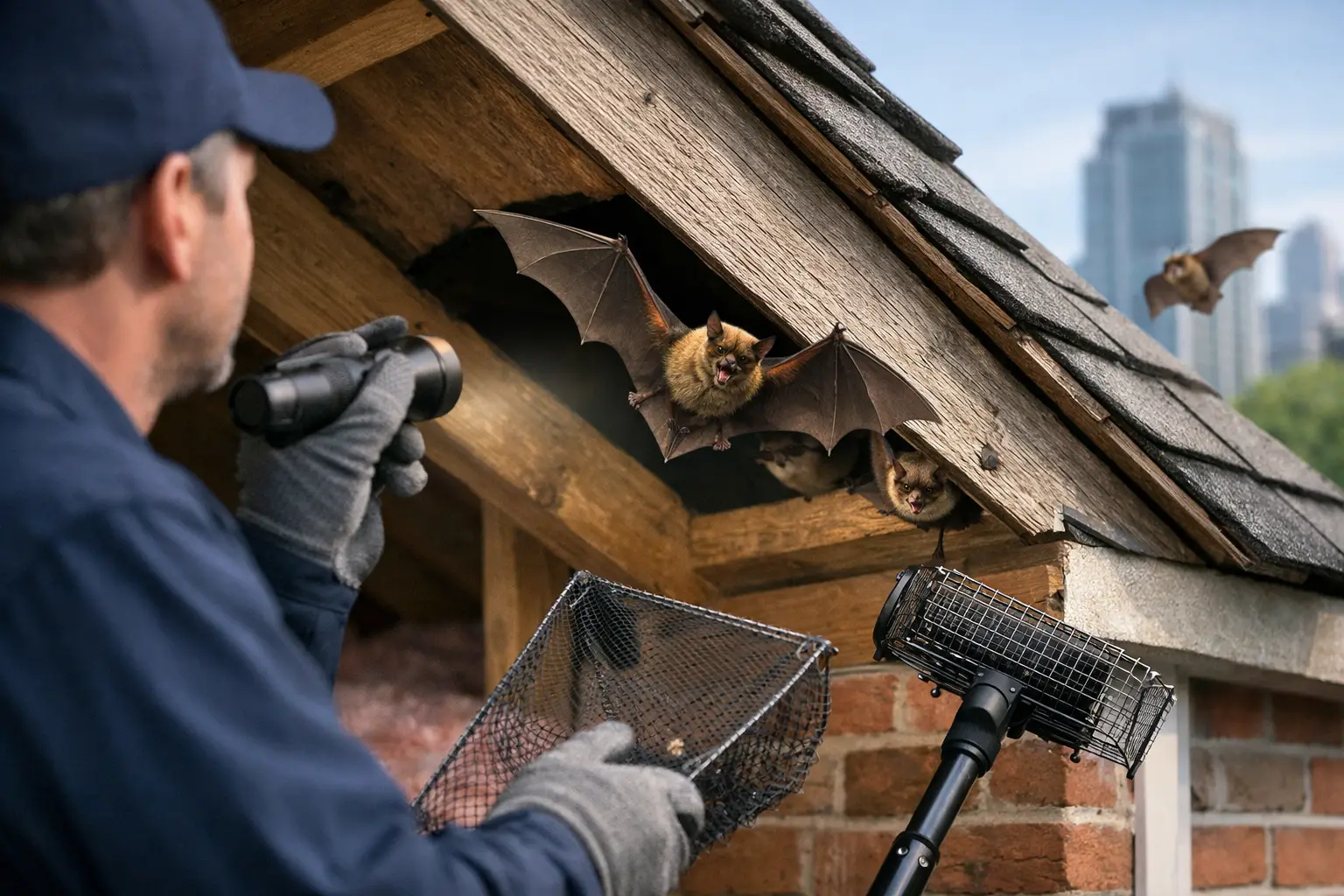
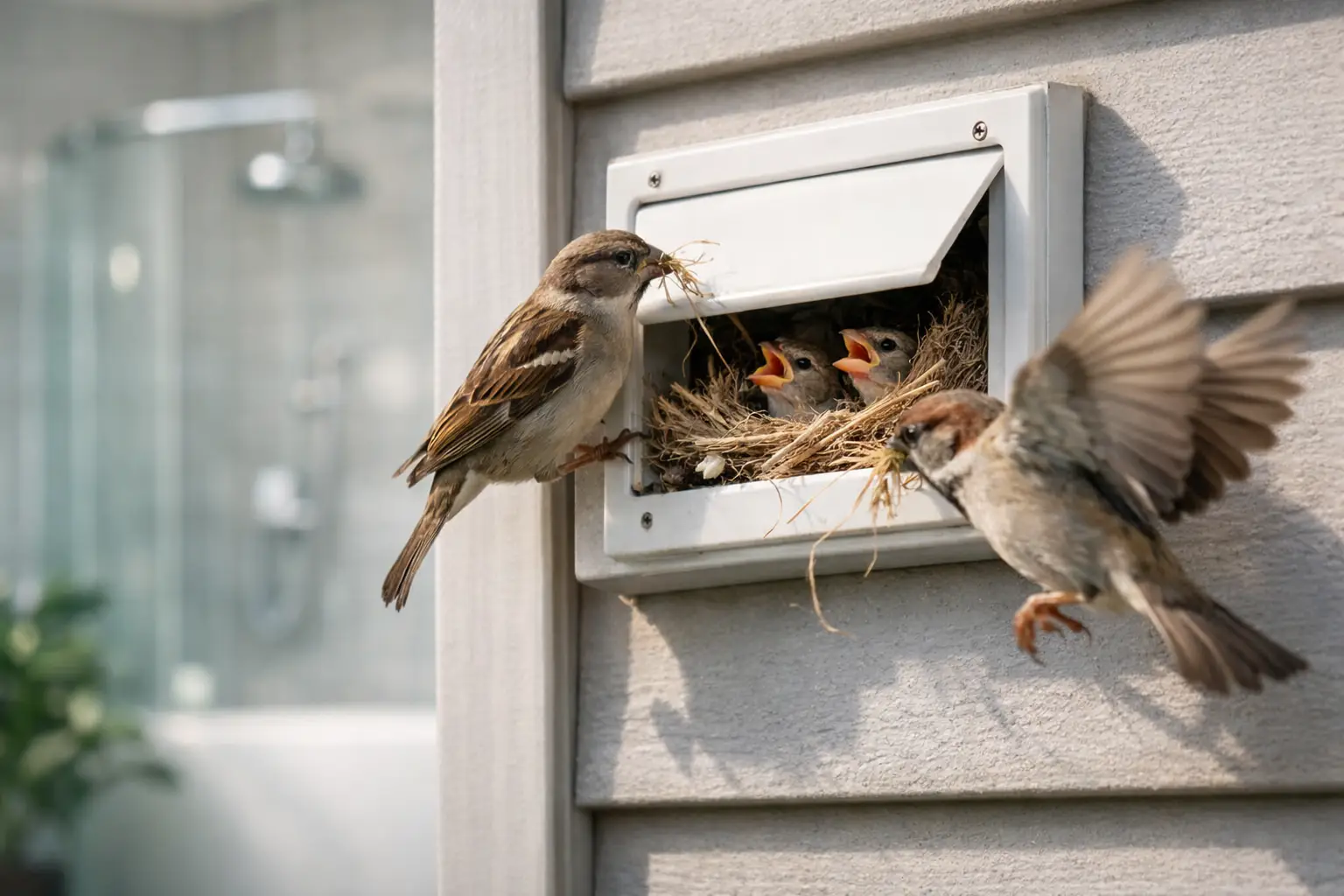
A sound in the attic does not automatically mean squirrels. Rats, mice, raccoons, birds, and bats can also enter structures, and each requires a different removal approach. Raccoons tend to create heavier thumping sounds and larger openings. Mice and rats may be heard inside walls at night. A professional inspection prevents costly guesswork and determines whether the issue involves one animal or an active infestation.
Why Daytime Noises Matter
Daytime attic noise is one of the strongest indicators of squirrel activity. Squirrels may move repeatedly between an outdoor food source and a nest site, especially when feeding young. If the noise is concentrated in one area and seems more active during daylight, do not assume the animal is gone just because it becomes quiet later.
The Damage Is More Than a Noise Problem
Squirrels chew constantly to control tooth growth. In an attic, that behavior can affect wood framing, trim, ductwork, stored items, plastic piping, and electrical wiring. Exposed or damaged wiring is a serious concern because it can increase the risk of short circuits and fire.
Insulation is another major issue. Squirrels flatten, shred, and contaminate insulation while building nests. Once urine, droppings, nesting debris, or animal remains are present, insulation may no longer perform as intended or be appropriate to leave in place. Odors can travel into living spaces, and contaminated materials can attract insects or other wildlife.
The longer squirrels remain inside, the greater the chance that a simple exclusion job becomes a restoration project. Property managers also face a separate problem: noise complaints, odor concerns, and tenant anxiety can escalate quickly when animals are active above occupied units.
Do Not Seal the Opening Yet
It is understandable to want to cover the hole as soon as you find it. However, sealing an active entry point can trap a squirrel inside walls or attic spaces. The animal may then chew through drywall, siding, or another vulnerable area to escape. If young squirrels are present, separating a mother from the nest can create a more complicated and inhumane situation.
Avoid poison, glue traps, and improvised attic trapping. Poison can leave dead animals in inaccessible areas, leading to persistent odor and insect activity. Glue traps cause unnecessary suffering and can capture non-target animals. Handling a frightened squirrel also creates a bite or scratch risk.
Keep the attic access closed, keep pets away from the suspected area, and avoid disturbing any nest. If there is visible wiring damage, a burning smell, or signs of an electrical problem, treat it as urgent and contact an electrician in addition to a wildlife control professional.
Professional Removal for Squirrels in Attics
Effective squirrel control is a process, not just a trap placement. A proper service begins with a detailed inspection of the attic, roofline, vents, soffits, and exterior access routes. The goal is to identify the species, locate all entry points, assess nesting activity, and document damage before removal begins.
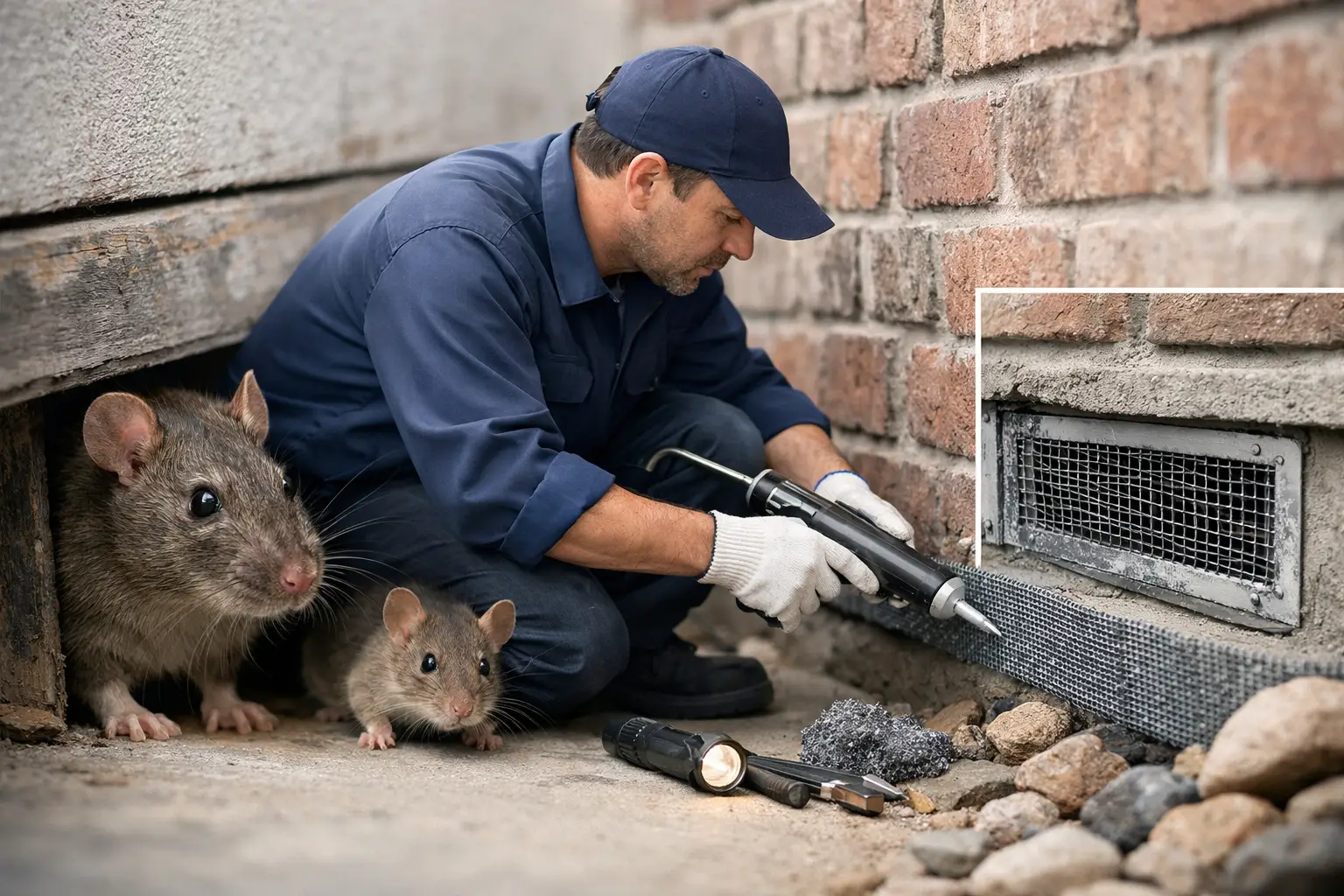
Humane removal methods depend on the season, the structure, and whether young are present. In many cases, technicians use species-appropriate trapping or exclusion methods that allow squirrels to exit while preventing re-entry. Timing is critical. Exclusion work must be coordinated so no animal is trapped inside and no dependent young are abandoned.
After the animals are out, the entry points need durable repair. Temporary foam or lightweight screening rarely holds up against squirrels. Professional exclusion may include reinforced vent protection, soffit and fascia repairs, ridge-vent protection, chimney or roof-gap sealing, and repairs to damaged building materials. The best repair matches the architecture of the property and keeps water drainage and ventilation in mind.
Animal Control NYC & NJ provides full-service wildlife response for homes, apartment buildings, commercial properties, and other facilities. That means the work can extend beyond removal to attic cleanup, disinfection, insulation replacement, odor control, and structural proofing when the damage requires it.
Attic Cleanup and Restoration After Removal
Removing squirrels solves the immediate intrusion, but it does not erase what they left behind. An attic should be inspected for contaminated insulation, droppings, urine staining, nesting debris, chewed wiring, and moisture issues. If the area is heavily contaminated, partial or complete insulation removal may be the more practical option.
Cleanup should be performed with proper protective equipment and containment practices. Dry sweeping or vacuuming droppings without the right controls can spread contaminated dust. Professional remediation focuses on removing affected material safely, disinfecting the area, addressing odors, and restoring insulation to the appropriate level.
Not every attic needs a full restoration. A squirrel that entered briefly may cause limited damage. But where nesting has occurred or activity has continued for weeks, cleanup and repairs are usually necessary to prevent odors, heat loss, and repeat wildlife problems.
Preventing a Repeat Problem
Once the attic is secure, reducing exterior access makes a major difference. Trim tree branches back from the roof where practical, repair loose roofline materials promptly, and inspect vents after storms or construction work. Keep gutters functioning correctly because loose or damaged gutter areas can expose vulnerable roof edges.
Bird feeders can also increase squirrel traffic near a building. You do not always need to remove them, but placing feeders away from the roof and managing spilled seed can reduce repeated visits. For larger properties, scheduled exterior inspections are useful because small defects are easier and less expensive to repair before wildlife finds them.
If you hear daytime scratching overhead or find a damaged vent near the roofline, act before the opening becomes a nesting site. Fast, humane removal and complete exclusion protect the attic, the building, and the animals that need to be kept outside where they belong.