A small, clean opening beside a stoop, patio, foundation wall, or air-conditioning pad can turn into a larger property problem faster than most owners expect. Chipmunk holes around house areas are often the visible entrance to an underground tunnel system, not a shallow spot in the mulch. While chipmunks are small and generally avoid people, repeated burrowing can undermine landscaping, damage hardscape, and create gaps around structures that attract other wildlife.
For homeowners, landlords, and property managers in NYC and New Jersey, the right response is not to fill every hole immediately. First, identify what made it, determine whether the burrow is active, and address the conditions that keep wildlife returning.
What Chipmunk Holes Usually Look Like
Chipmunk burrow entrances are commonly about 2 inches wide, round or slightly oval, and surprisingly tidy. Unlike many rodent holes, there may be little or no pile of loose soil outside the entrance. Chipmunks often carry excavated dirt away or spread it through the surrounding landscape, which makes an active burrow easy to miss.
Look closely around foundation plantings, retaining walls, steps, decks, sheds, stone borders, utility equipment, and patios. These protected locations give chipmunks cover from predators and stable soil for tunnel systems. An entrance may lead to chambers used for resting, nesting, and food storage.
A single hole does not always mean structural damage is underway. The concern rises when there are multiple entrances, soft or sinking soil, cracked pavers, displaced edging, damaged irrigation lines, or burrows directly beneath a slab, walkway, porch, or foundation-adjacent wall.
Are Chipmunk Holes Around House Foundations Dangerous?
It depends on the location, the number of burrows, and the condition of the property. A chipmunk is not capable of chewing through a sound concrete foundation. However, its tunneling can remove soil from places where soil needs to remain compact and stable.
Burrows under a front walk, patio, concrete steps, driveway edge, or retaining wall can contribute to settling over time. Water makes the situation worse. Rain runoff can enter abandoned or active tunnels, wash out soil, and leave voids beneath hard surfaces. In colder parts of New York and New Jersey, freeze-thaw cycles can enlarge cracks and accelerate movement in already weakened areas.
The bigger immediate concern is often the opening itself. A chipmunk tunnel near a foundation, crawl space vent, or utility penetration may reveal gaps that mice, rats, snakes, or other nuisance wildlife can use. Treat the hole as a reason to inspect the surrounding structure, not merely as a landscaping nuisance.
Make Sure the Hole Belongs to a Chipmunk
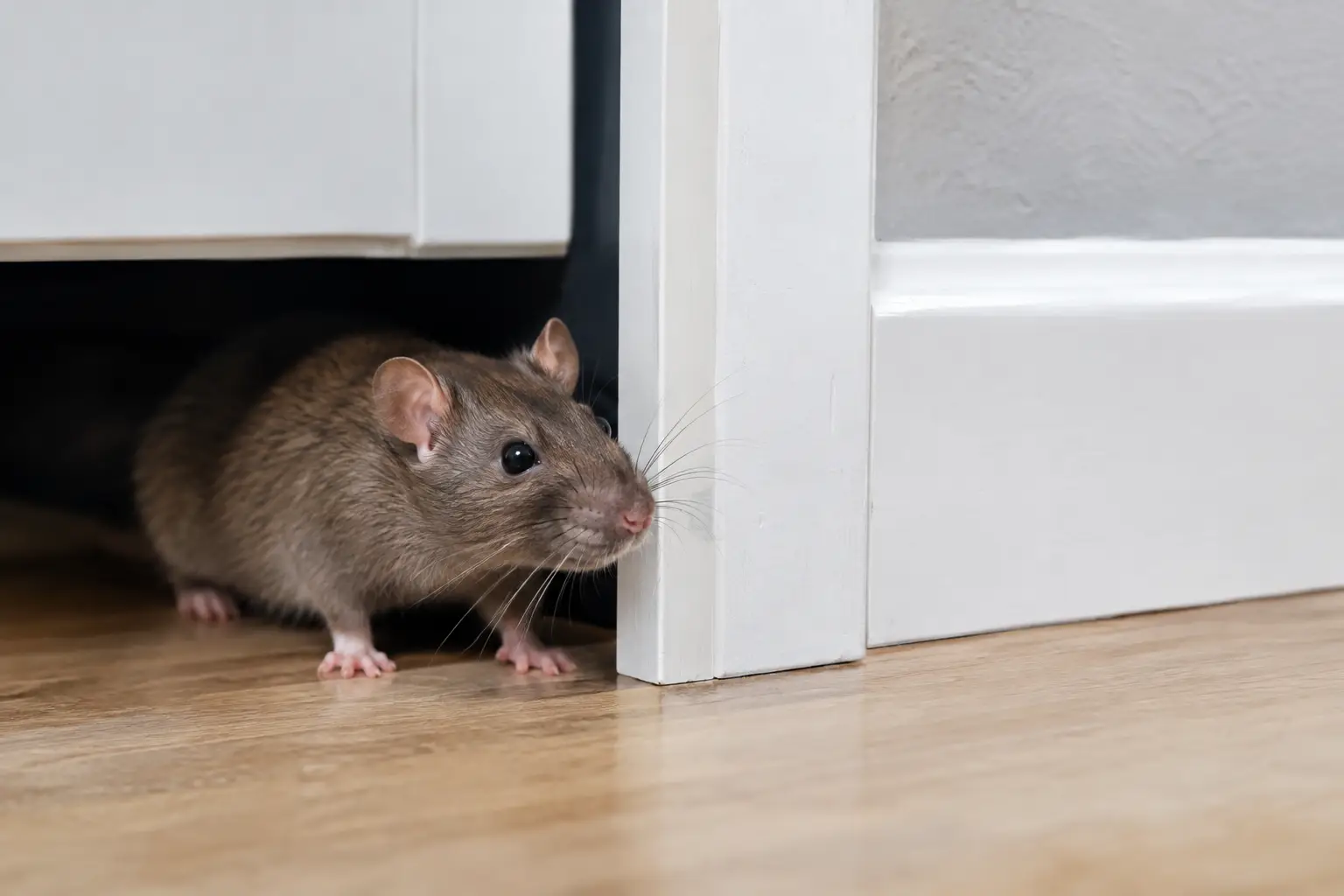
Correct identification matters because the removal and exclusion plan changes by species. Chipmunk entrances are smaller than groundhog burrows, which are usually 8 to 12 inches across and have obvious mounds of excavated soil. Rat holes can be similar in size, but rats commonly leave greasy rub marks, droppings, gnawing damage, and travel paths along walls or fences.
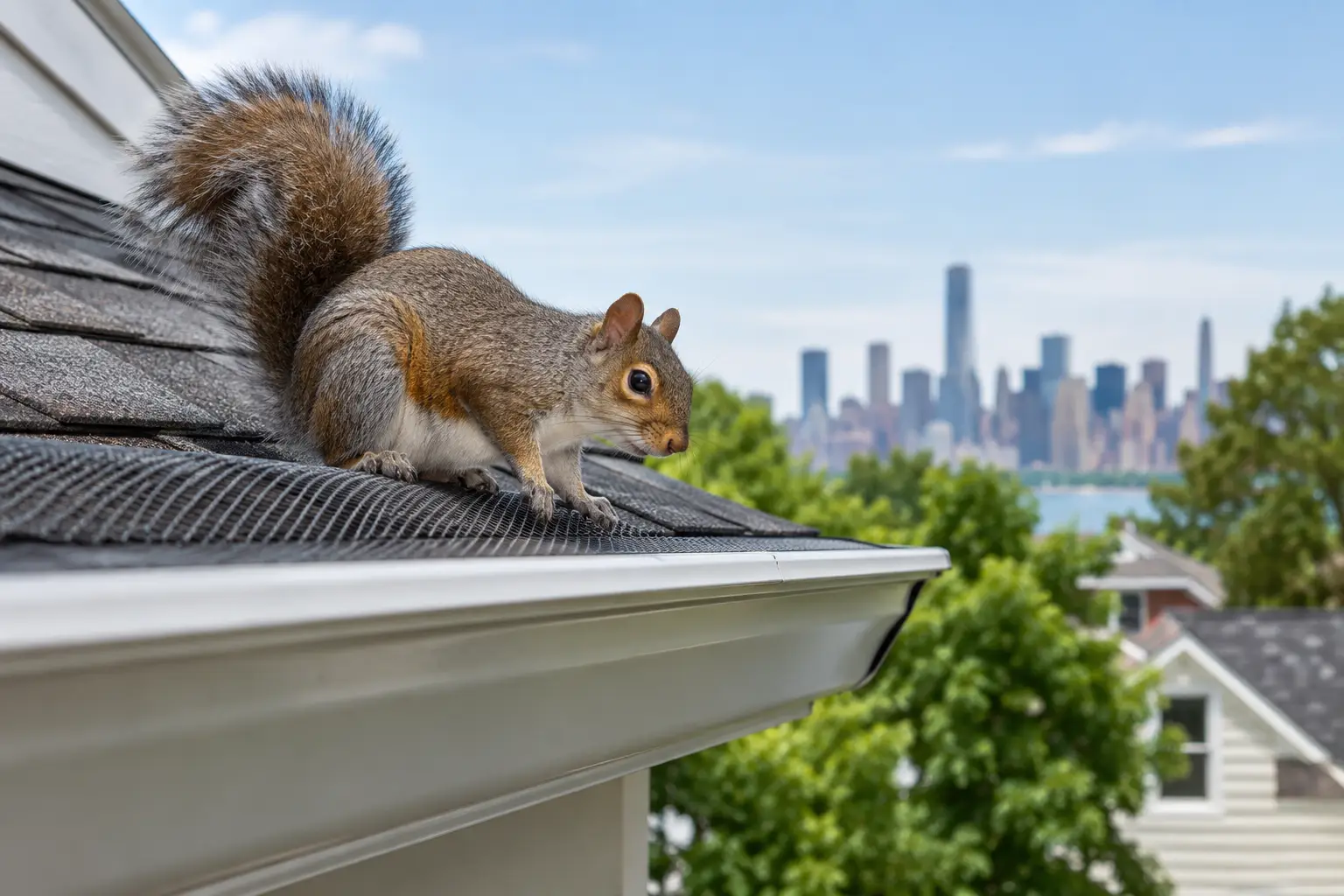
Squirrel activity is more likely to involve trees, soffits, rooflines, attics, and vents than a ground-level burrow. Voles create shallow surface runways through grass, while moles leave raised ridges and soil mounds rather than open, tidy entrances. If you see a striped animal entering the hole during daylight, chipmunks are the likely source.
Do not assume an empty-looking hole is inactive. Wildlife may use more than one entrance, and chipmunks can stay underground for long stretches during poor weather or cold periods. A professional inspection can identify activity, locate hidden tunnels, and rule out rats or other animals that create higher health and building risks.
What Not to Do With an Active Burrow
Home remedies can create a more expensive problem. Avoid flooding a burrow with a hose. Water can drive the animal farther into the tunnel system, saturate soil near a structure, and wash out material beneath pavers or slabs. It can also force an animal to seek another exit, potentially closer to the building.
Do not use poison. Poison is an inhumane approach that can leave an animal to die inside a wall void, crawl space, or inaccessible tunnel. It also creates avoidable risks for pets, children, and wildlife that may consume the poisoned animal.
It is also a mistake to permanently pack or concrete over an entrance before confirming that the tunnel is vacant. If an animal is trapped inside, it may dig toward the foundation, garage, basement, or another vulnerable area. The goal is to remove or exclude the animal first, then repair the hole and the conditions that made the location attractive.
A Practical Plan for Chipmunk Burrow Control
Start by keeping people and pets away from the hole, particularly if it is near a walking surface that feels unstable. Take photos of each opening and mark their locations. This helps you track whether new entrances appear after rain, mowing, landscaping work, or temporary repairs.
Next, reduce food sources around the property. Fallen birdseed, unsecured garbage, pet food left outdoors, and dense ground cover can all make an area more attractive. Bird feeders do not need to disappear in every case, but spilled seed should be cleaned up regularly and feeders should be positioned away from the foundation.
After active chipmunk activity has been addressed, repair the site correctly. Depending on the location, that may mean backfilling the tunnel with compactable soil, restoring gravel beneath pavers, resetting loose stones, and repairing damaged edging. A hole beside a foundation or below a hard surface may require more careful soil stabilization than a hole in an open garden bed.
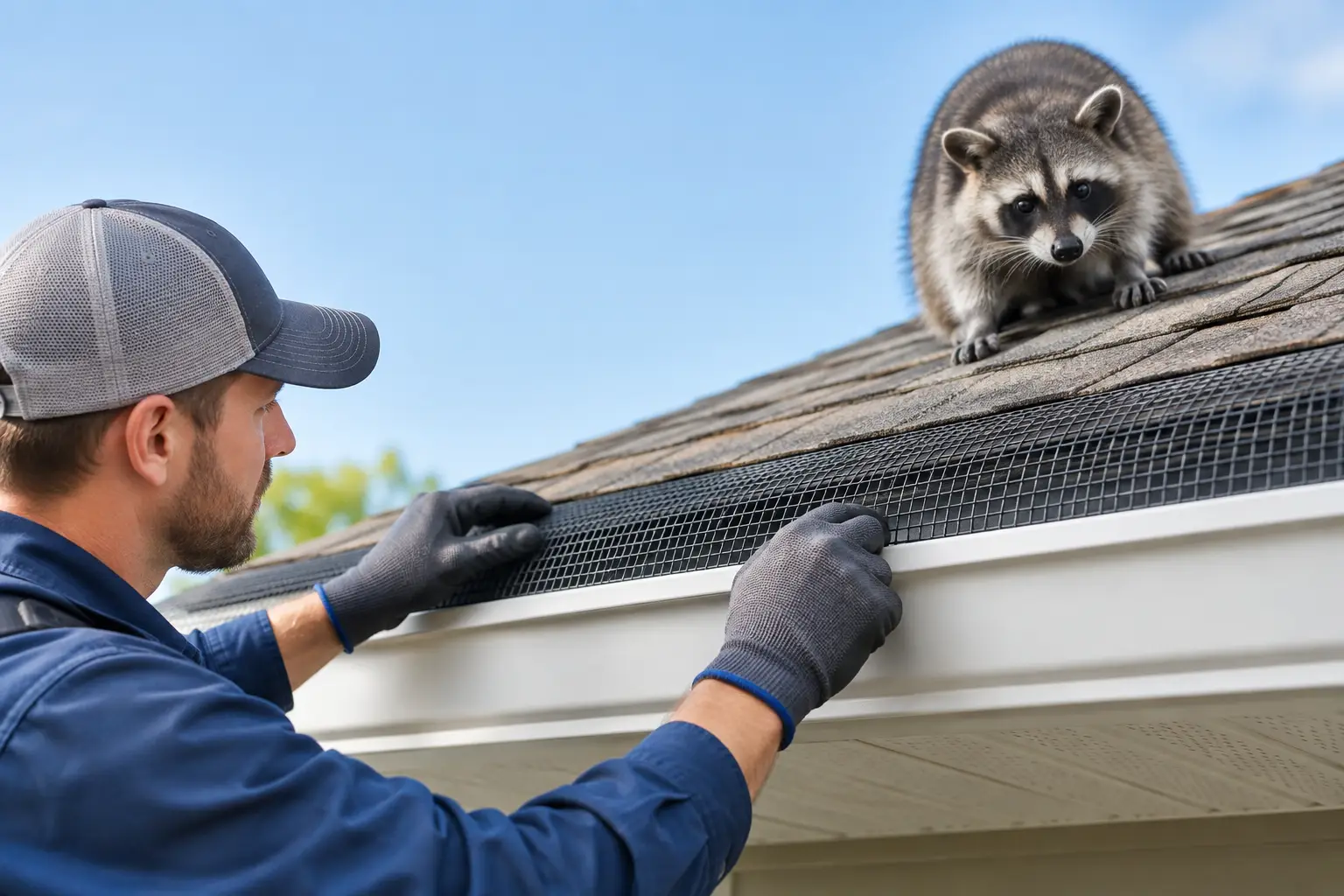
Long-term prevention usually requires a combination of landscaping adjustments and structural exclusion. Trim dense vegetation away from the foundation where possible, correct drainage that directs water toward the building, and inspect gaps around pipes, vents, stairs, decks, and utility lines. Exclusion work should be designed for the specific opening and species involved. Closing gaps without understanding the animal’s travel route can shift the problem rather than solve it.
When to Call a Wildlife Control Professional
Call for professional help when burrows are directly against the foundation, beneath concrete, near a crawl space, around utility equipment, or causing soil movement. Fast service is also warranted when you are unsure whether the hole belongs to a chipmunk, rat, groundhog, or another animal.
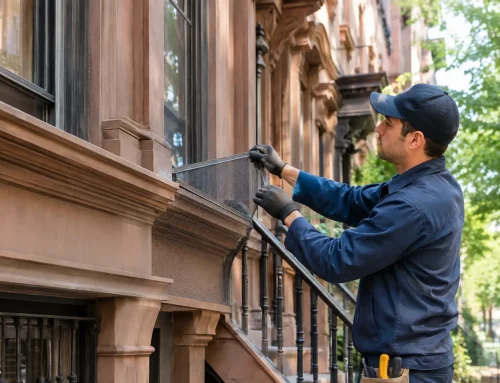
A complete wildlife service should do more than set a trap. It should include an inspection of the property, humane species-appropriate removal where needed, identification of entry points and contributing conditions, and recommendations for cleanup and repair. For commercial properties, multifamily buildings, and managed communities, documentation and a clear prevention plan are especially useful because recurring wildlife complaints can become a tenant-safety and maintenance issue.
Animal Control NYC & NJ provides professional wildlife trapping and removal, exclusion, cleanup, and property repair support for owners who need the animal issue and the damage addressed together. This approach is particularly valuable when a small exterior burrow points to larger concerns around drainage, landscaping, crawl spaces, or building gaps.
Watch for These Signs After the Hole Is Repaired
A repaired entrance should not be treated as a permanent fix until the surrounding area stays quiet. Monitor the site for several days and after rainfall. Fresh loose soil, reopened fill, new openings nearby, chewed landscaping materials, or repeated chipmunk sightings near the same wall suggest the tunnel system remains active or another access point exists.
Also check adjacent areas rather than focusing only on the original hole. Chipmunks may relocate a few feet away to a fence line, retaining wall, shrub bed, or equipment pad. If the property has loose pavers, deteriorated mortar, open crawl space vents, or heavy vegetation against the structure, those conditions should be corrected as part of the repair.
A small hole deserves a measured response, not panic. But when burrowing is close to your house or underneath a hard surface, acting early protects the property from water-related settling, repeat wildlife activity, and a repair that becomes much larger than it needed to be.