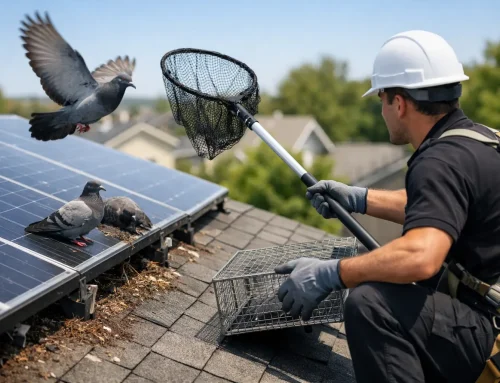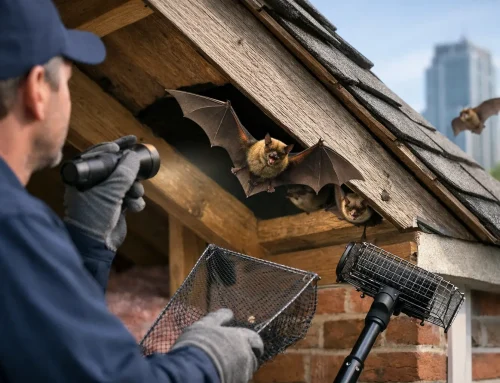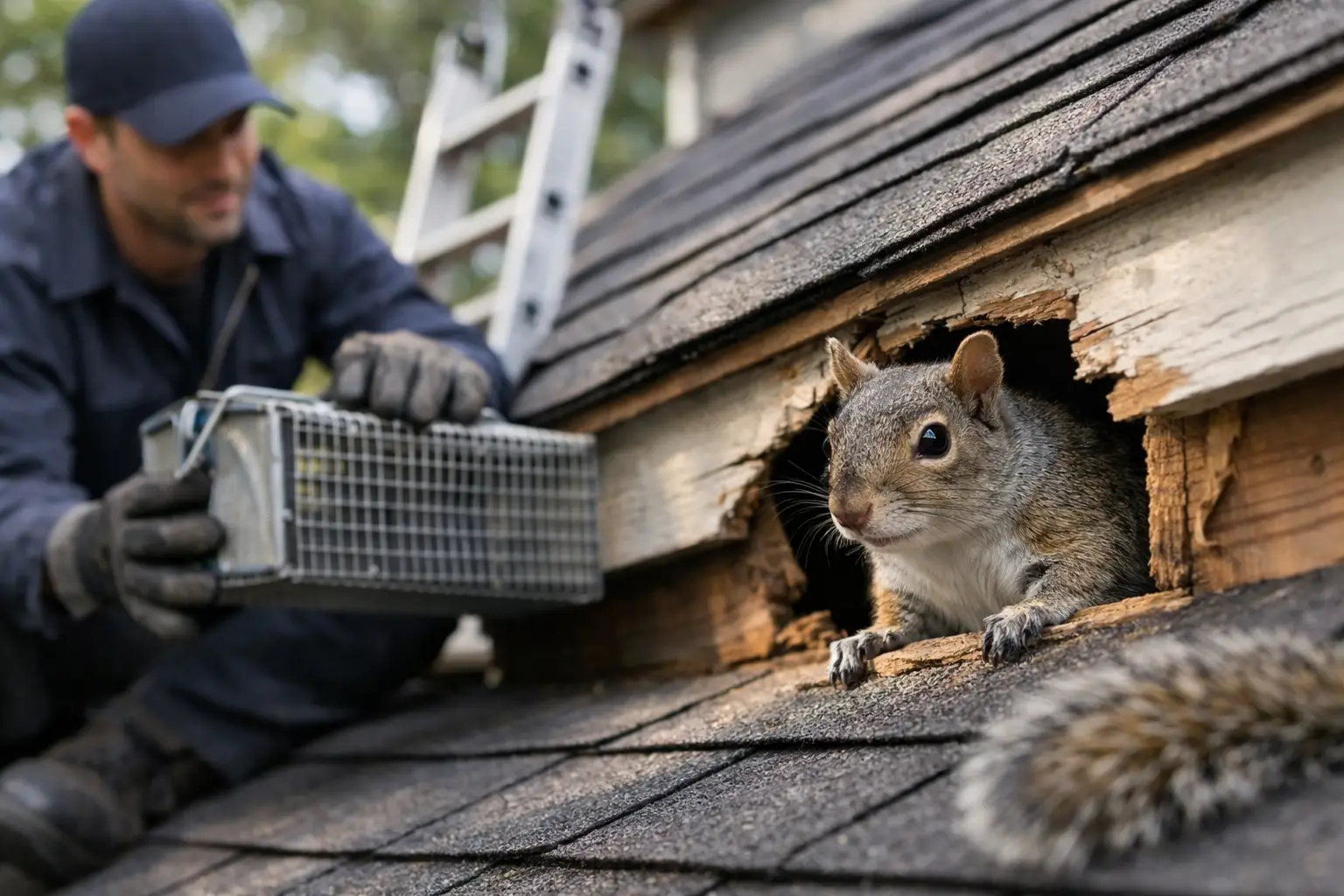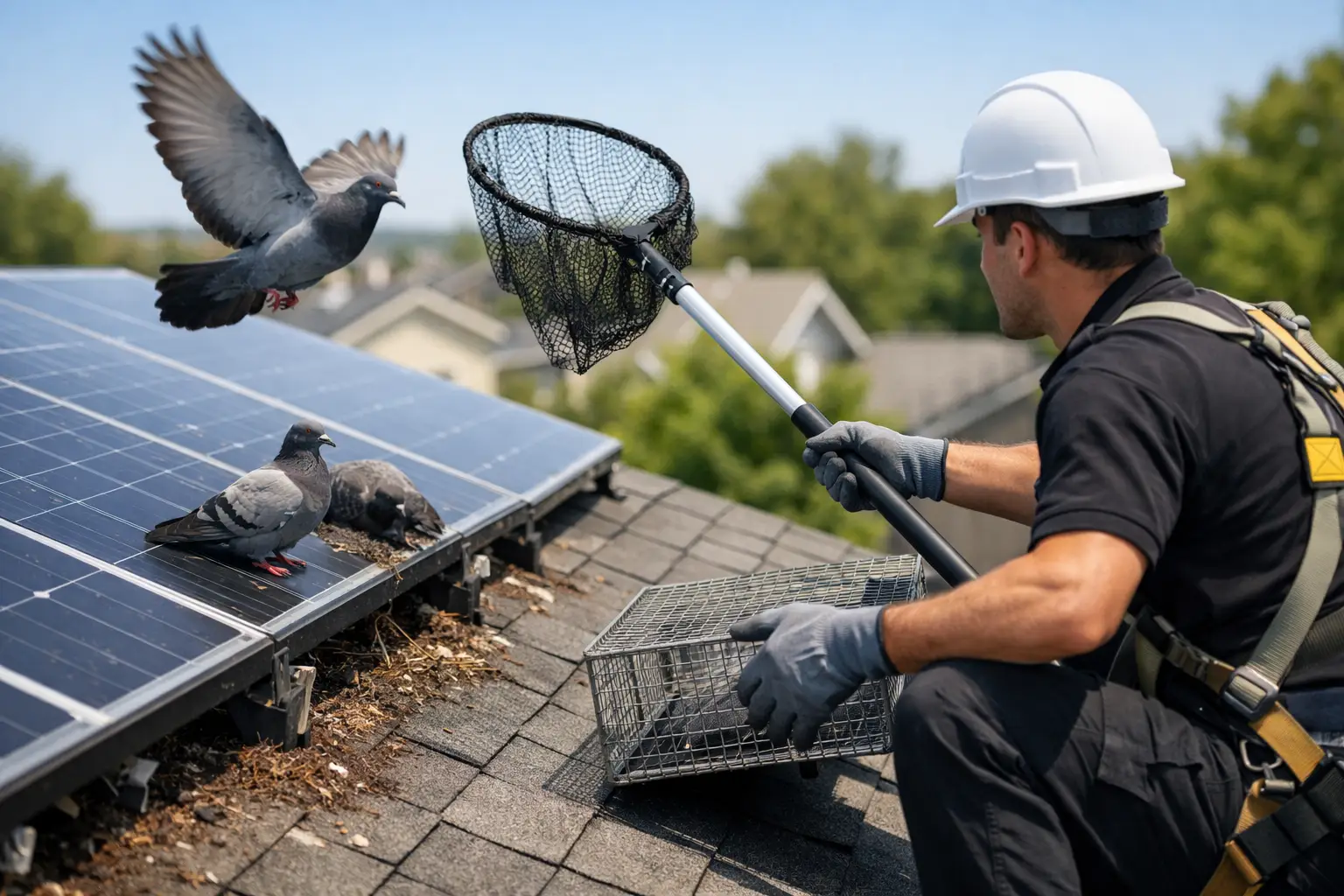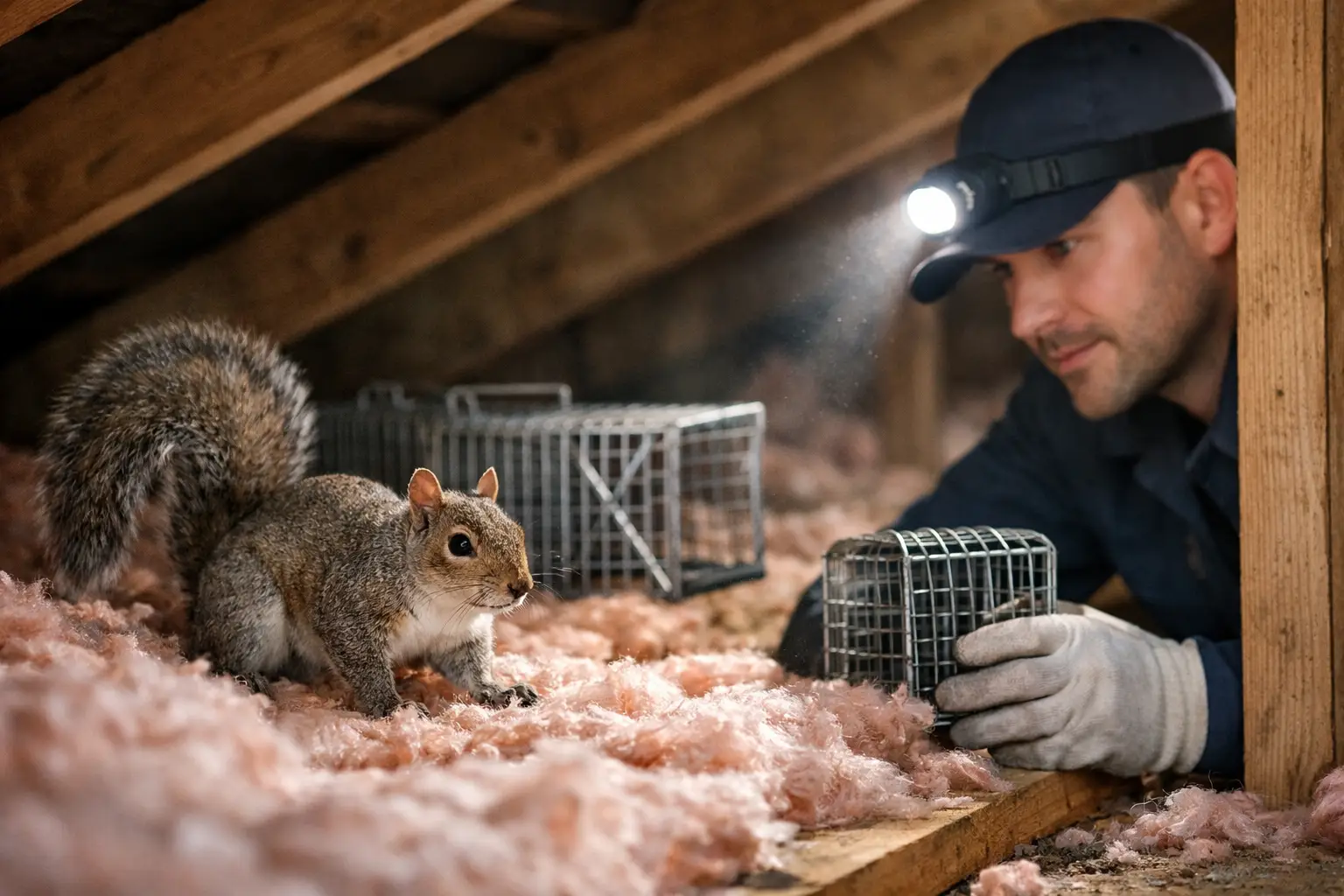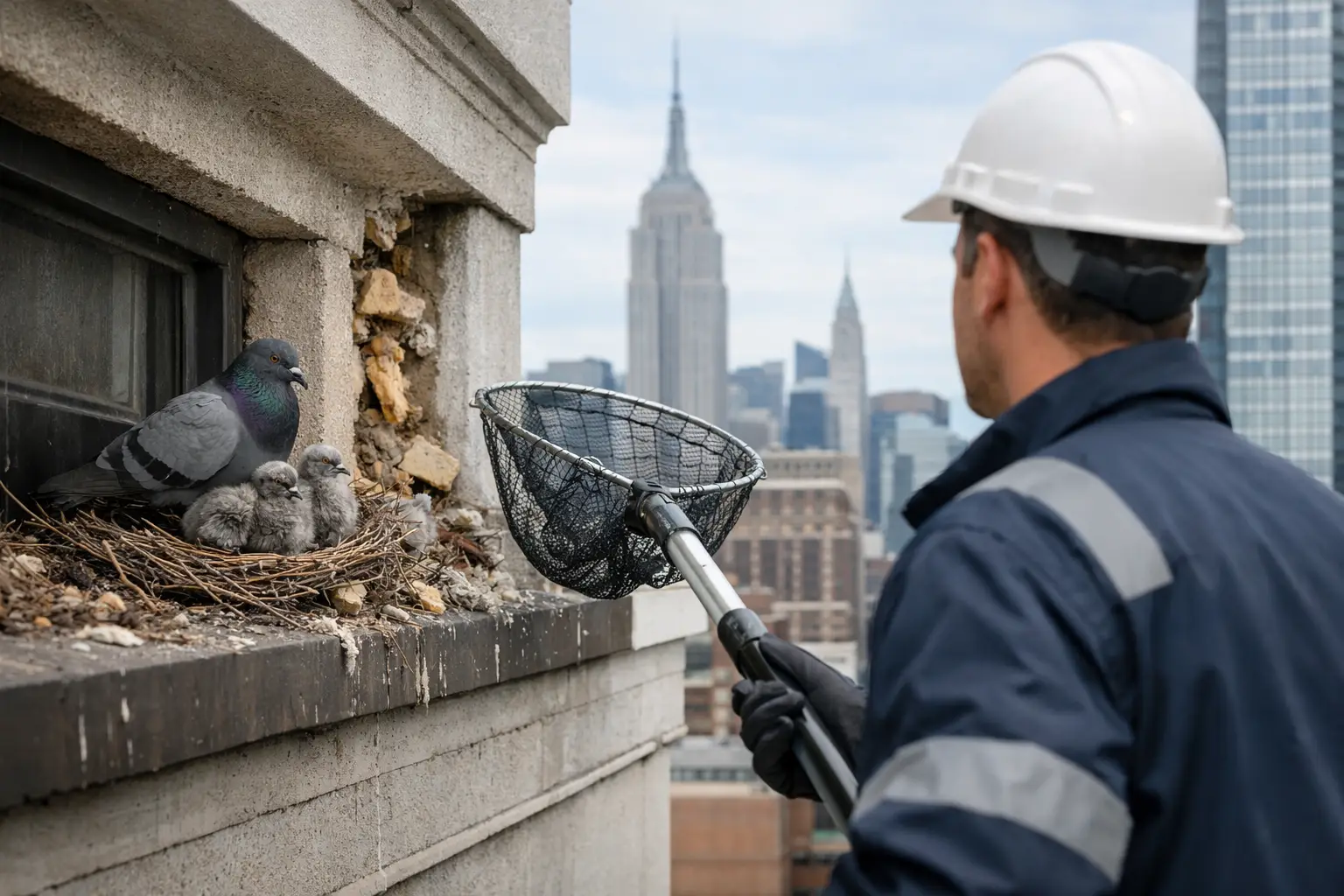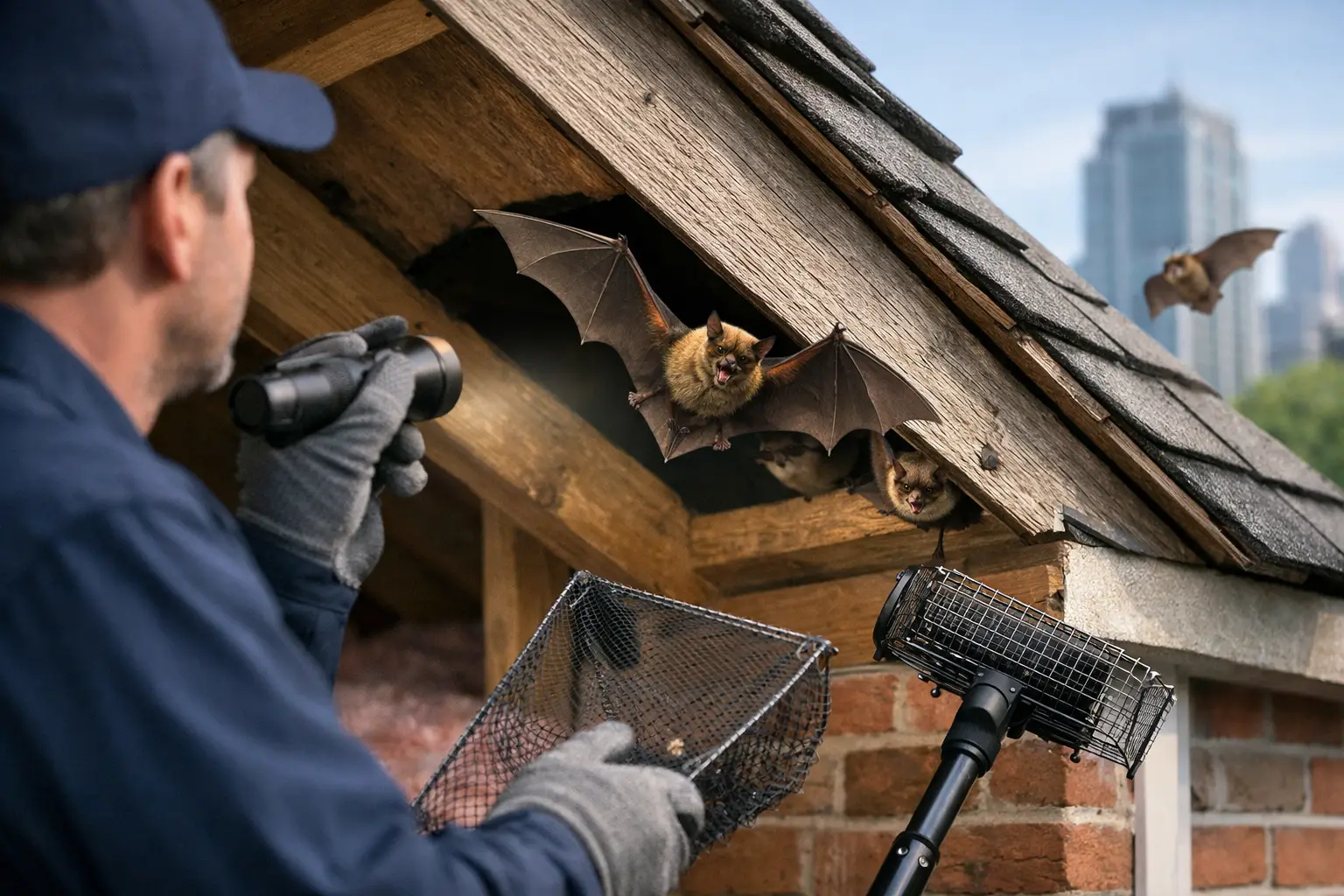
Scratching above the ceiling at 2 a.m., droppings in a tenant’s utility room, a raccoon tearing through a soffit, or pigeons nesting beneath solar panels are not problems to wait out. When you search for wildlife control near me, you need a local professional who can respond quickly, remove the animal humanely, and stop the same problem from happening again.
For homeowners, landlords, property managers, and business owners across New York City and New Jersey, wildlife intrusion can move from a nuisance to a property and health concern fast. The right service should do more than set a trap and leave. It should identify the entry point, address contamination, repair damage, and protect the structure against another intrusion.
What Local Wildlife Control Should Handle
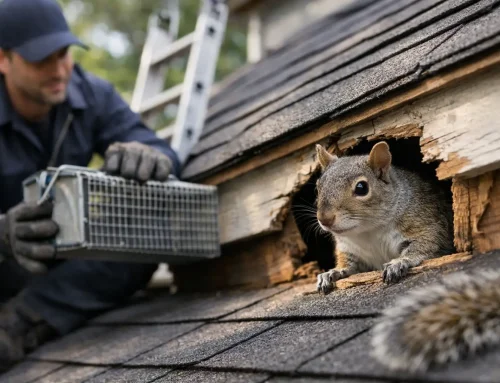
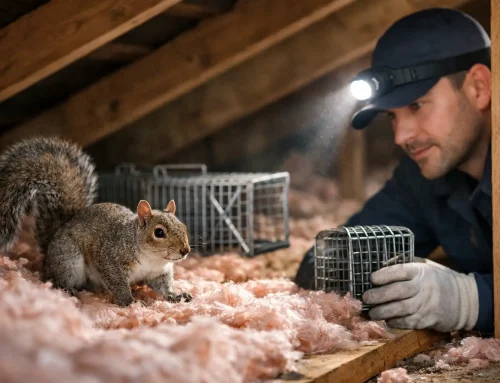
Wildlife problems are rarely limited to the animal you can hear or see. A squirrel in an attic may have chewed wiring and pulled apart insulation. A raccoon may have damaged roof edges or opened a weak vent. Rodents can contaminate food-storage areas, wall cavities, crawl spaces, and commercial utility rooms. Birds and bats may leave droppings that create odor, staining, and sanitation issues.
Professional wildlife control starts with an inspection. A technician should determine the species involved, locate active and potential access points, assess the level of damage, and recommend a plan that fits the property. This matters because the correct method for a rat infestation is not the correct method for a mother raccoon with young in the attic, and neither approach applies to bats roosting near a roofline.
A complete service often includes humane trapping or removal, exclusion work, removal of nesting materials or carcasses, disinfection, odor treatment, and restoration of damaged areas. If the provider only removes the visible animal without securing the building, the problem may return through the same opening within days.
Wildlife Control Near Me for NYC and NJ Properties
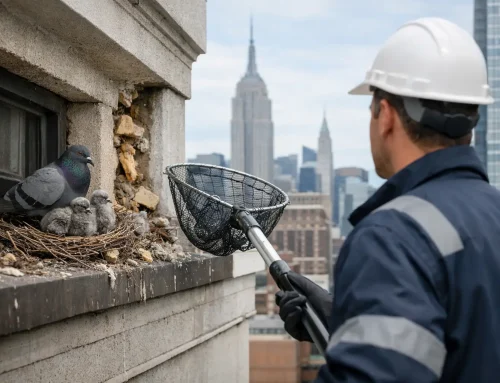
Dense city blocks, older homes, apartment buildings, warehouses, restaurants, and suburban properties all create different wildlife pressures. In NYC and New Jersey, animals take advantage of roof gaps, damaged masonry, crawl space vents, open pipe penetrations, chimney openings, gutters, ridge vents, and gaps around solar panels.
In residential settings, squirrels, raccoons, mice, rats, birds, bats, chipmunks, opossums, snakes, and groundhogs can all create trouble. Commercial properties may face added urgency because animal activity can affect tenants, customers, inventory, health-code compliance, and daily operations. A bird issue near a loading area or restaurant exhaust system, for example, needs a different response than rodents behind a retail wall.
Local experience matters because animal behavior changes by season and property type. Spring often brings nesting activity and young animals in attics or wall voids. Summer can expose roof and gutter weaknesses. Fall pushes rodents and squirrels toward warmer interior spaces. Winter makes existing entry gaps more obvious as animals seek shelter. A qualified local team should recognize these patterns and provide a response that protects both the animal and the building.
Signs You Need Professional Help Now
Some wildlife issues can be easy to miss until damage becomes serious. Call for professional help promptly if you notice persistent scratching, scurrying, chirping, or thumping in ceilings and walls. Other warning signs include droppings, greasy rub marks, chewed wires, foul odors, insulation scattered near attic access, damaged vents, torn soffits, or visible animal tracks around the property.
A dead animal odor is another reason to act quickly. An animal that dies in a wall, attic, crawl space, chimney, or under a deck can create a strong odor, attract insects, and contaminate nearby materials. Dead animal removal should include locating the source, removing it safely, disinfecting the affected area, and evaluating how the animal entered.
If a bat, raccoon, or unknown wild animal has had direct contact with a person or pet, avoid handling it. Keep people and pets away from the area and contact the appropriate medical, animal health, or local public-health authority as needed. A wildlife professional can help with safe removal, but exposure concerns may require additional guidance.
Why Trapping Alone Is Not a Complete Solution
Trapping can be necessary, but it is only one part of wildlife control. If a squirrel is removed from an attic while the chewed roof opening remains exposed, another squirrel may enter. If rats are controlled but exterior gaps, food sources, and utility penetrations remain open, activity can continue.
The lasting solution is exclusion. Exclusion means sealing animal entry points with materials and methods appropriate for the species and structure. This may involve reinforcing vents, repairing soffits, securing chimney openings, sealing crawl space gaps, protecting ridge vents, installing gutter guards, or animal-proofing solar panels. The goal is to allow the property to function normally while denying wildlife a path inside.
There are trade-offs. Sealing an opening too early can trap young animals inside, while waiting too long can allow damage to worsen. That is why species identification and timing are critical. A professional should inspect before closing access points and use a humane plan that accounts for nesting or denning activity.
Cleanup, Sanitation, and Damage Repair Matter
Animal waste, nesting materials, urine, carcasses, and damaged insulation should not be treated as a simple cleanup job. These materials can leave odors behind, attract insects, create unsanitary conditions, and reduce the effectiveness of insulation. In occupied homes, multifamily buildings, and commercial properties, the condition of the affected space can also affect tenant comfort and property value.
After removal, the damaged area may need disinfection, deodorizing, insulation replacement, attic restoration, crawl space sealing, or mold remediation. The right scope depends on how long the animal activity has been present and how extensively the space was contaminated. A small mouse issue near an accessible utility area is different from a long-term raccoon den that has crushed insulation and contaminated an attic.
Animal Control NYC & NJ provides full-service wildlife damage remediation so property owners can address removal, cleanup, exclusion, and structural repairs through one coordinated service. That approach reduces the risk of gaps between contractors and helps get the property back to a clean, protected condition faster.
Questions to Ask Before Hiring Wildlife Control
When comparing local wildlife control companies, ask whether they identify the species before treatment and whether their removal methods are humane and appropriate for the situation. Ask what happens after the animal is removed. Will they inspect and seal entry points? Can they handle attic cleanup, disinfection, damaged insulation, or repairs? Are they available for urgent calls after hours?
You should also ask for a clear explanation of the work. A reliable provider should tell you where animals are getting in, what conditions are attracting them, what removal process will be used, and what repairs are recommended. Be cautious of a quote that promises permanent results without inspecting the property, especially when attic, roof, crawl space, or wall-void access is involved.
Cost depends on the species, number of animals, accessibility, property size, urgency, and the amount of cleanup or repair needed. A simple exterior exclusion repair may be straightforward. A multi-unit rodent issue or a raccoon-damaged attic may require a broader plan. The lowest initial price is not always the lowest overall cost if it leaves contamination or access points unresolved.
Protect Your Property Before the Next Intrusion
Property maintenance helps reduce wildlife pressure, though it cannot replace professional service when animals are already inside. Keep garbage contained, repair roof and siding damage promptly, trim branches that create easy roof access, and watch for gaps around vents, pipes, and utility lines. For commercial properties, keep loading areas clean and address recurring exterior food or waste sources.
Do not attempt to block an active opening with an animal inside. Do not use poison as a shortcut for rodents or wildlife. Poison can lead to dead animals in inaccessible walls and creates risks for pets, children, and non-target wildlife. A professional inspection provides a safer route to removal and long-term prevention.
If you are hearing activity overhead, finding droppings, noticing a persistent odor, or seeing damage around your roofline, act before the next nesting cycle or weather change makes the problem bigger. Fast, humane wildlife control protects the people inside your property and the structure that protects them.