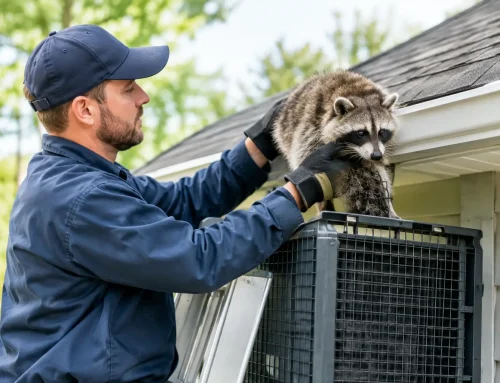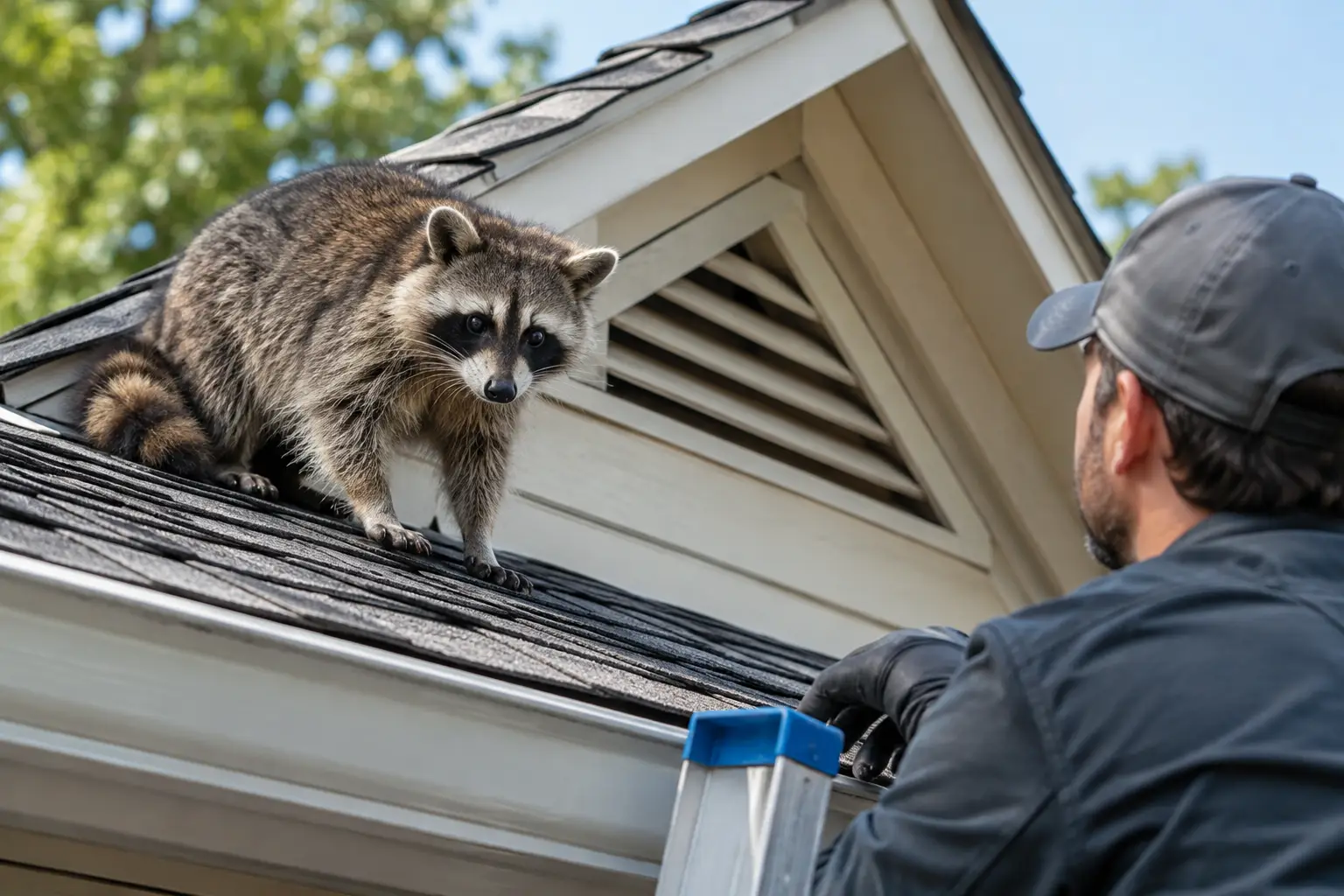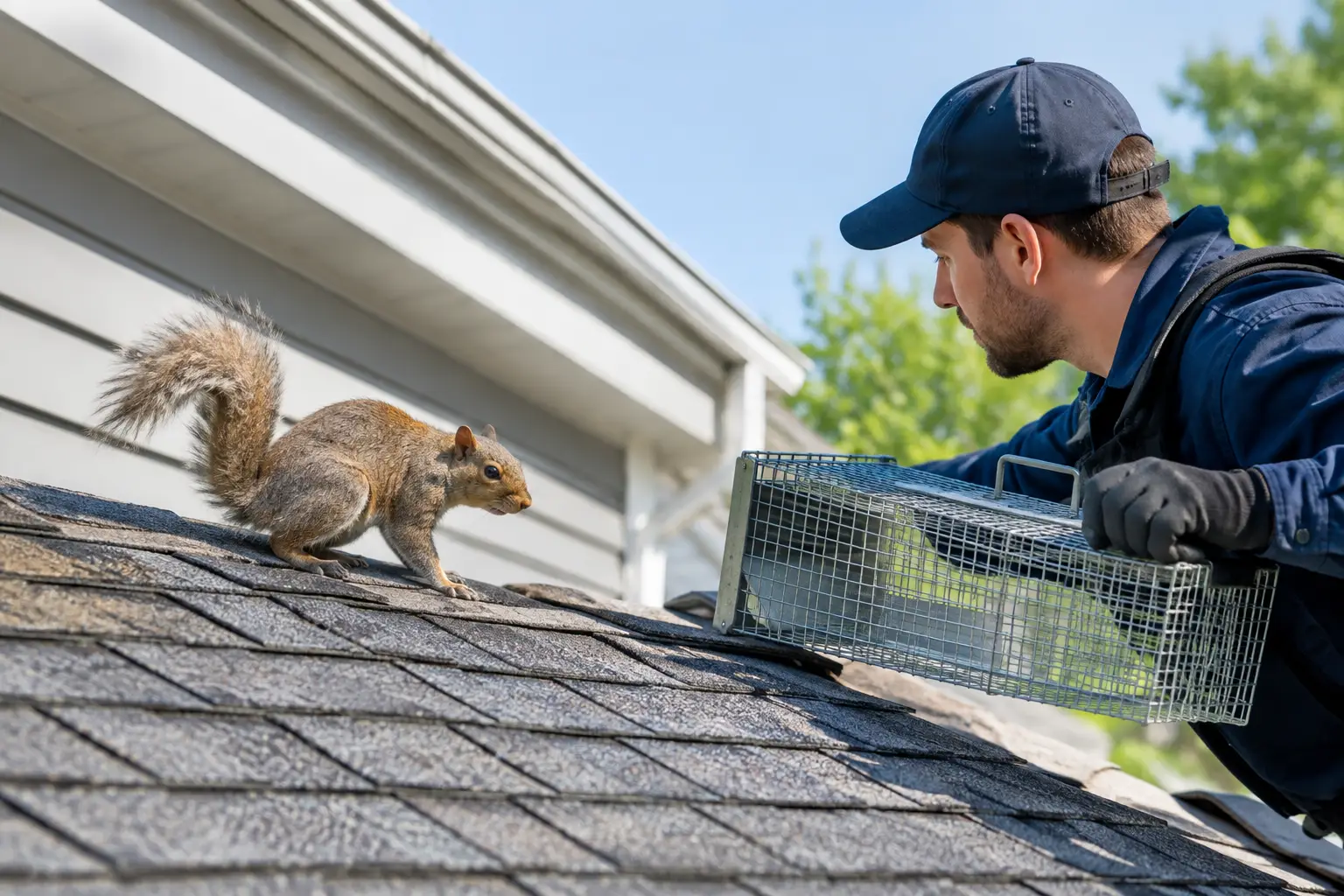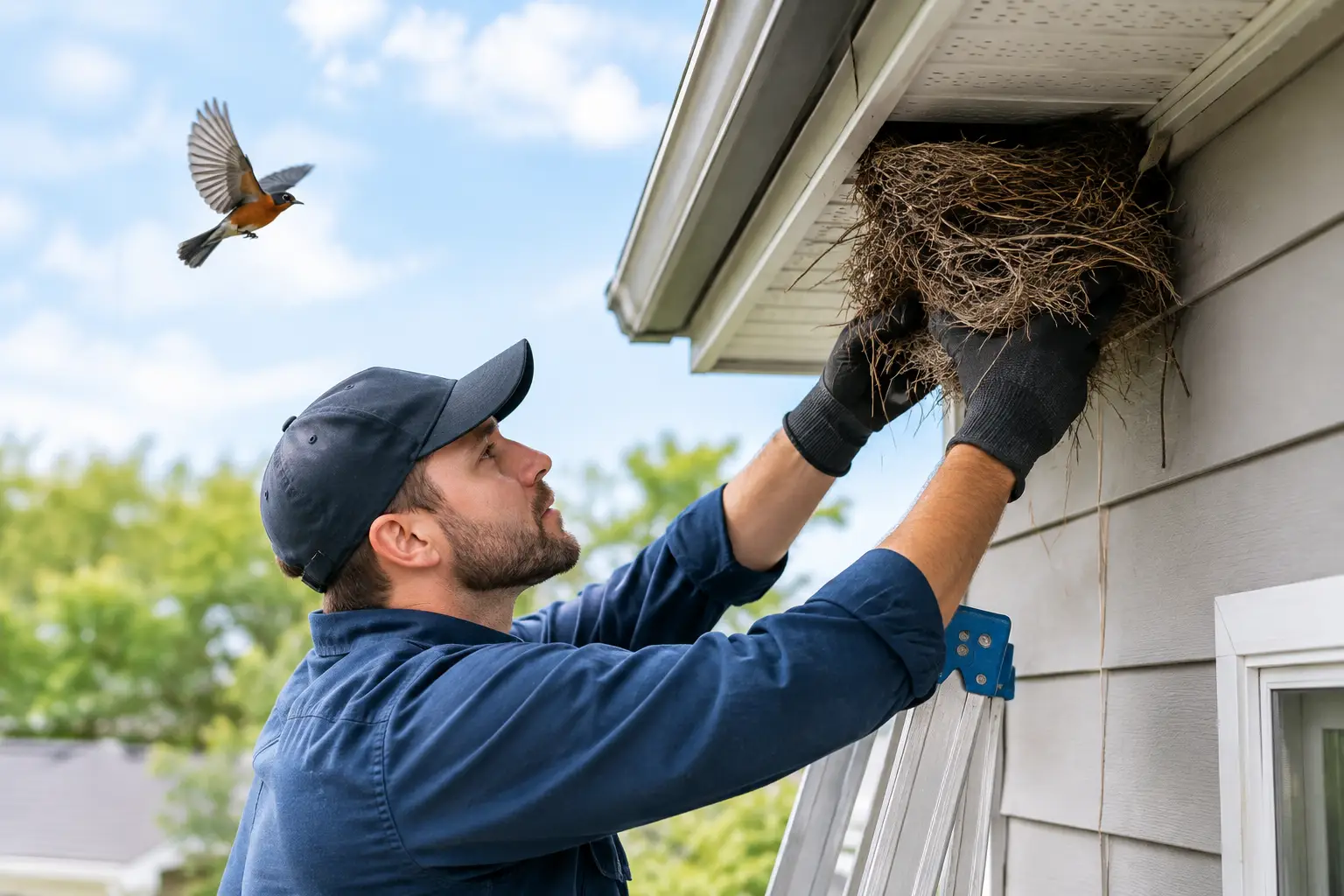
That strong ammonia smell in the hallway, scratching overhead at 2 a.m., and dark stains spreading across the ceiling usually mean the problem did not end when the animal left. A real guide to attic animal cleanup starts after removal, because the mess left behind in insulation, wiring paths, duct lines, and framing can keep causing odors, contamination, and repeat infestations.
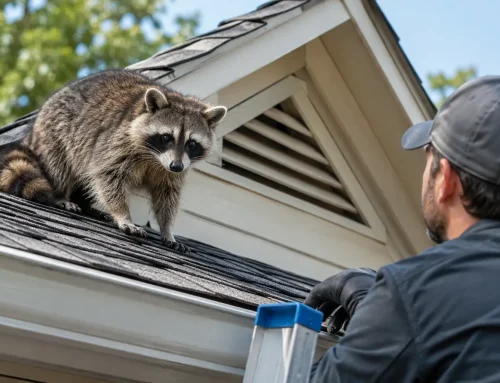
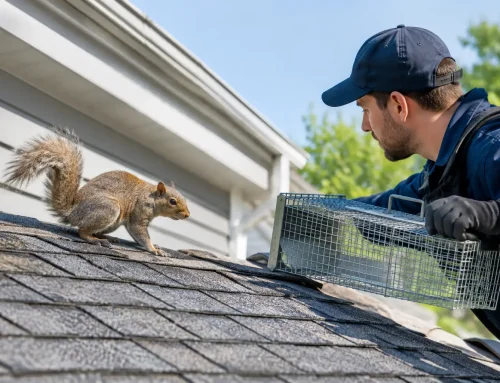
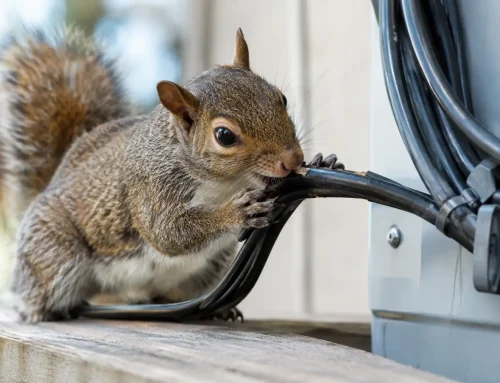
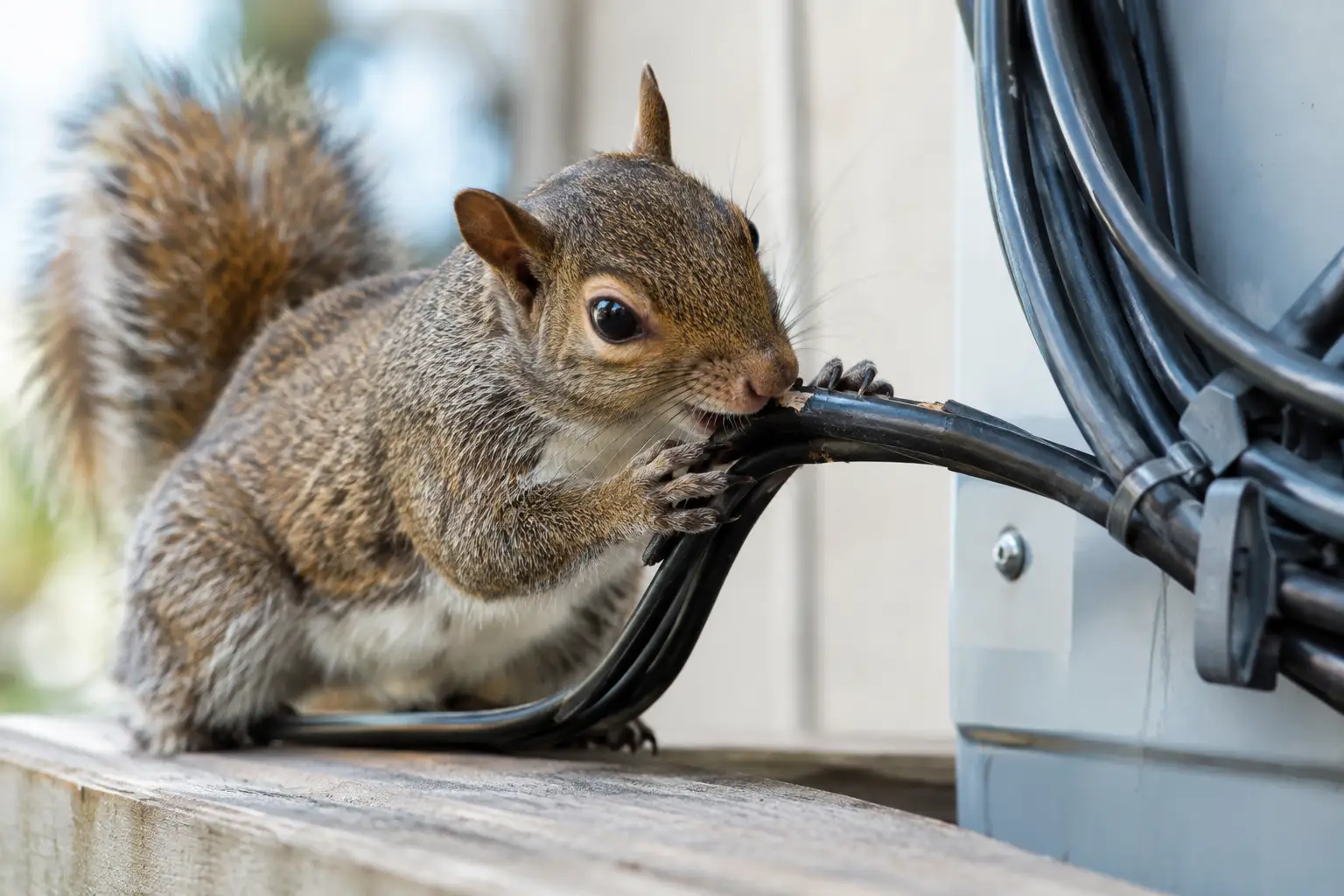
In NYC and New Jersey, attic wildlife problems move fast. Squirrels tear insulation and chew wiring. Raccoons create concentrated latrine areas that soak into wood and drywall. Bats leave guano that can pile up in hidden corners. Birds bring nesting debris and mites. Rats and mice contaminate broad sections of attic space as they travel. If cleanup is partial, the attic may still smell, attract new animals, and create health concerns for occupants, tenants, or maintenance staff.
Why attic animal cleanup has to be thorough
Many property owners think cleanup means removing droppings and spraying deodorizer. That is rarely enough. Animal waste often penetrates insulation, dust, and porous building materials. Urine can wick into wood. Nesting material can hide parasites. In some cases, moisture from waste combines with poor ventilation and leads to mold growth.
There is also the safety side. Disturbed droppings can release particles into the air. Soiled insulation loses effectiveness and can spread odors through the building envelope. Damaged wiring, torn ductwork, and chewed wood can turn an animal problem into a repair problem. For multifamily buildings and commercial properties, lingering odors and contamination can quickly become tenant complaints.
A proper cleanup job is not only about sanitation. It is about restoring the attic so it is clean, safe, and less likely to be invaded again.
Guide to attic animal cleanup: the right process
The exact scope depends on the species, how long the animals were present, and how much contamination exists. A squirrel nesting site is different from a raccoon latrine, and both are different from a widespread rodent infestation. Still, the process should follow a clear sequence.
1. Confirm the animals are gone
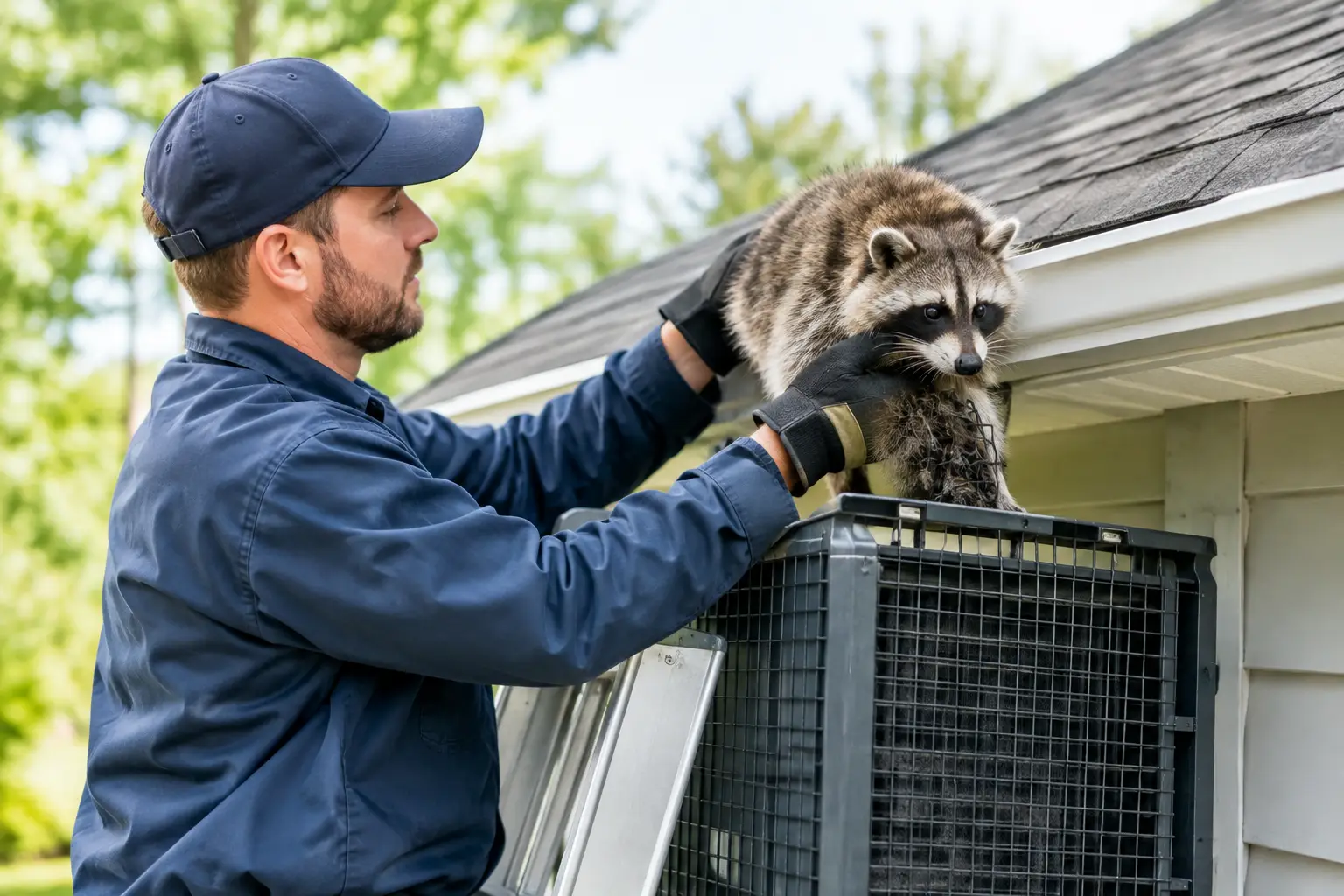
Cleanup should not begin until the attic is fully cleared. If live animals remain inside, new waste will continue to build and trapped young may die in hidden areas. This is one reason professional wildlife work matters. Humane removal has to come first, especially with raccoons, squirrels, bats, birds, and opossums.
A full inspection should also check for carcasses. Dead animals behind insulation, inside soffits, or near duct runs create severe odor issues and raise the sanitation level of the job.
2. Identify contaminated zones
Not every attic needs to be stripped down to bare framing. Some do. The goal is to map where contamination is light, moderate, or heavy. Professionals look for droppings, urine saturation, nesting areas, trails, damaged insulation, and stained structural surfaces.
This step matters because cleanup can be overdone or underdone. If contamination is isolated, targeted removal may be enough. If the entire attic has rodent traffic and urine saturation, spot cleaning will not solve the problem.
3. Remove waste and nesting debris safely
Dry sweeping or shop-vacuuming droppings is a bad idea. It can spread particles and odors through the attic and sometimes into living areas. Waste removal should be handled with the right protective equipment and methods that reduce airborne contamination.
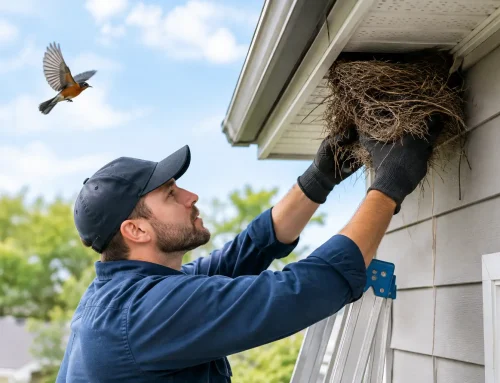
Nesting debris, food caches, feathers, shredded paper, and soiled storage items all need to be removed. With raccoons and squirrels, this phase often reveals hidden damage to vents, soffits, and roof edges that allowed entry in the first place.
4. Remove compromised insulation
This is one of the most important parts of attic restoration. Insulation that has absorbed urine, droppings, or decomposition odor usually cannot be salvaged. Even if the surface looks manageable, the contamination may be embedded well below what can be cleaned.
Insulation replacement is often the difference between an attic that smells clean for a week and one that stays clean long term. It also restores energy performance, which matters in older NYC and NJ buildings where attic heat loss is already a concern.
5. Clean, disinfect, and deodorize surfaces
After debris and contaminated insulation are removed, attic surfaces can be treated. This includes framing, subfloor areas, accessible drywall backs, and other affected structural materials. The right treatment depends on what is present. Light contamination may respond well to focused disinfection. Heavier saturation may require multiple treatments or sealing of affected surfaces.
Odor control should be tied to source removal, not just fragrance. If waste remains in insulation pockets, wall cavities, or inaccessible corners, odor treatments will only mask the issue temporarily.
6. Address damage and vulnerable openings
Cleanup is incomplete if the same entry points remain open. Roof returns, ridge vents, soffits, gable vents, pipe gaps, and construction joints are common problem areas. Animals return to places that already feel familiar and accessible.
This is where exclusion and repairs matter. Sealing holes, protecting vents, repairing chewed areas, and reinforcing weak spots help prevent the next intrusion. On some homes, ridge-vent protection or gutter-related adjustments are part of the fix. On others, the issue may be around solar panels, roof intersections, or crawl-space transitions.
7. Replace insulation and restore the attic
Once the attic is clean and secured, restoration can begin. New insulation should be installed only after sanitation and repair work are complete. Otherwise, fresh insulation can be contaminated again or hide unresolved entry points.
For many property owners, this final stage is where the project shifts from emergency response to property recovery. The attic starts functioning normally again, without odor, contamination, or visible wildlife damage.
When cleanup becomes a health and liability issue
Some attic problems move beyond inconvenience. Bat guano, raccoon waste, heavy rodent contamination, and animal carcasses all raise the risk level. The same is true when contamination reaches HVAC components or when stained ceilings suggest waste has migrated below the attic floor.
Landlords and property managers should take this seriously. Odors and contamination in shared or occupied buildings can lead to complaints, unit access issues, and pressure for immediate resolution. Business owners may face similar concerns if wildlife activity affects storage areas, upper floors, or customer-facing spaces.
The biggest mistake is waiting too long because the noise stopped. Quiet does not mean clean.
DIY vs professional attic animal cleanup
There are small cases where a homeowner can remove a bit of old nesting material near an accessible vent. That is not what most attic wildlife jobs look like. Once droppings are widespread, insulation is soiled, odor is strong, or the species involves raccoons, bats, rats, or a dead animal, professional service is the safer path.
The trade-off is simple. DIY may look cheaper upfront, but partial cleanup often leaves odor behind and misses hidden contamination. It also does nothing to solve entry points unless you know exactly where the animals got in. Professional cleanup costs more than a can of disinfectant, but it usually costs less than repeated infestations, ruined insulation, ceiling damage, or electrical repairs.
For urgent cases, many property owners want one company that can handle removal, sanitation, exclusion, and repairs without handing the job off to multiple contractors. That is often the fastest route back to a usable attic.
What to expect from a complete service
A strong attic cleanup service should start with inspection and species identification, then move into removal verification, debris and waste removal, insulation removal if needed, sanitation, odor treatment, and structural exclusion. If the attic has major contamination or visible damage, restoration should be part of the same scope.
That full-service approach is especially valuable in New York City and New Jersey, where buildings range from older homes with complex rooflines to multifamily properties, mixed-use buildings, and commercial sites with limited access. The cleanup plan has to fit the structure, not just the animal.
Animal Control NYC & NJ handles this type of work as a complete wildlife damage remediation job, which is what many attic cases require. The goal is not just to get animals out. It is to return the space to a sanitary, protected condition.
If you hear movement overhead, smell waste, or know animals were in the attic recently, treat cleanup as the final step of removal, not an optional extra. The right response protects the building, the people inside it, and your chances of not dealing with the same problem again a month from now.
A clean attic should not smell like wildlife, sound like wildlife, or invite wildlife back.