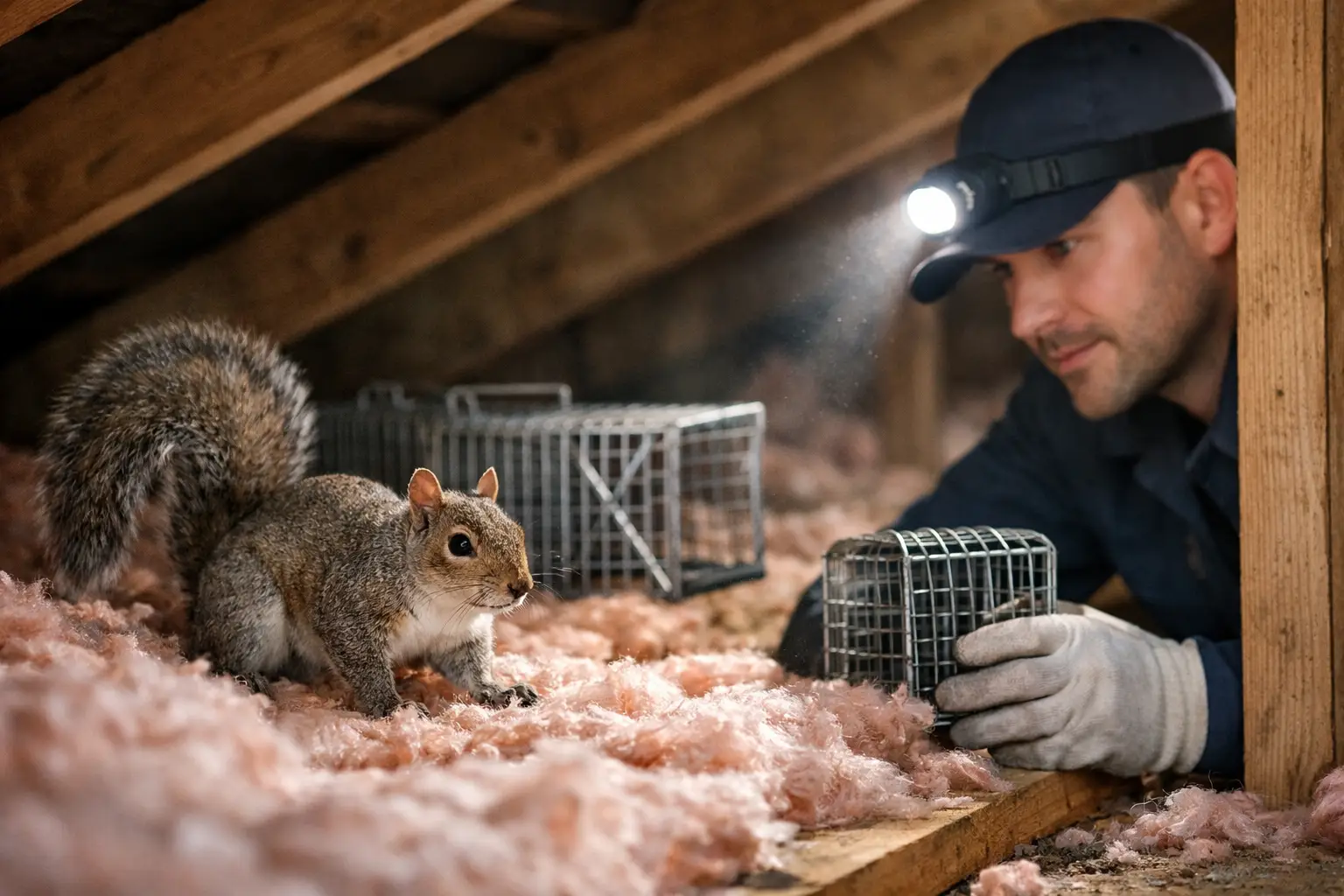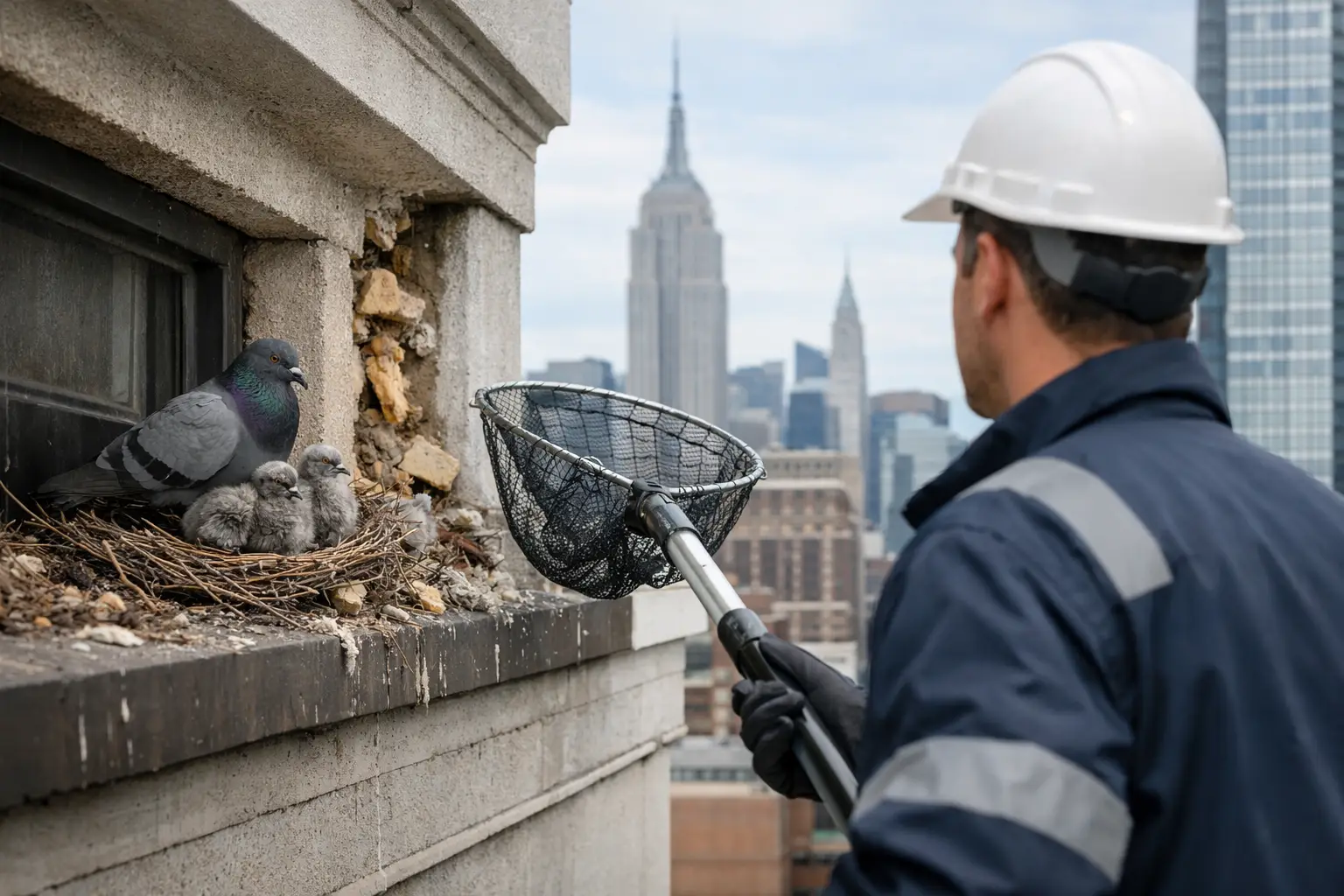
That sour, musky, rotten smell that lingers under a building is rarely “just old house smell.” Crawl space odor after infestation usually means contamination was left behind, even if the animals are gone. For homeowners, landlords, and property managers in NYC and NJ, that odor is a warning sign that the problem is not fully resolved.
A lot of people assume removal is the finish line. It is not. Once rats, raccoons, squirrels, opossums, or other wildlife spend time in a crawl space, they leave waste, urine, nesting debris, food remains, and sometimes a dead animal in an inaccessible spot. If moisture is already present, that contamination soaks into insulation, wood, soil, and vapor barriers. The smell sticks, and in many cases it gets worse when temperatures rise or humidity increases.
Why crawl space odor after infestation does not go away on its own
Odor in a crawl space is not usually coming from one source. It is often a mix of several. Animal droppings and urine are the most common cause, especially with rat and mouse activity. Raccoons and opossums create a stronger, heavier odor because they produce larger waste deposits and tear up insulation or duct coverings while nesting.
If an animal died after getting trapped inside, decomposition can create a sharp, unmistakable smell that spreads through floor gaps, HVAC chases, and utility penetrations. Even after the carcass breaks down or dries out, fluids can remain in surrounding materials. That is one reason DIY odor sprays often fail. They cover the smell for a short time, but they do not remove the source.
There is also the moisture factor. Crawl spaces are already vulnerable to damp air, poor ventilation, and condensation. Once urine and organic waste are introduced, bacteria and mold can start feeding on the mess. At that point, the odor shifts from a wildlife problem to a sanitation and structural problem.
The most common causes of crawl space odor after infestation
The exact smell matters because it helps narrow down what is still in the crawl space. A strong ammonia smell usually points to rodent urine. A foul, sweet, decaying odor can mean a dead animal is present or was present recently. A musty smell often means contaminated insulation or moisture-damaged wood is now supporting mold growth.
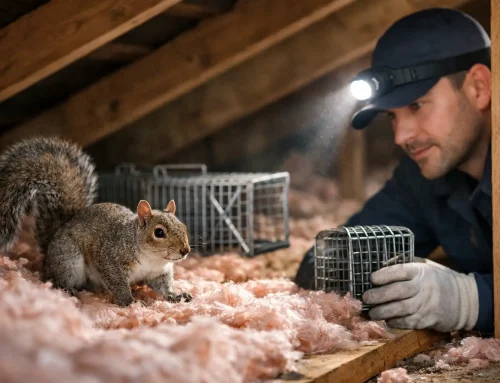
Nesting material is another major issue. Animals drag in shredded insulation, leaves, paper, duct wrap, and other debris. That material holds moisture and odor. In some cases, the infestation is over but the nest remains tucked behind a beam, under insulation, or in a corner with limited access.
Duct damage can also spread odors through the building. If flexible ductwork was torn, crushed, or contaminated, the crawl space smell may circulate into living areas whenever the system runs. Property owners often think the odor is inside the house when the source is actually below it.
Why the smell can come back even after cleanup
This is where many property owners get frustrated. They had animals removed, maybe even had some debris picked up, but the odor returns a few weeks later. Usually that means the original cleanup was partial.
If contaminated insulation was left in place, it can keep releasing odor. If urine soaked into wood framing or subflooring, the smell can reactivate during humid weather. If the crawl space was never sealed properly, new animals may be entering and adding fresh contamination. Odor recurrence is often less about one missed step and more about an incomplete recovery plan.
A proper fix has to address four things together: removal of any animal or carcass, sanitation of contaminated areas, replacement of damaged materials, and exclusion work to keep wildlife out. Skip one of those, and the smell may stay or return.
What a professional inspection should check
A real crawl space odor investigation goes beyond a quick flashlight look. The technician should identify whether the smell is active wildlife, old contamination, a dead animal, moisture-related damage, or a combination of those issues.
That means checking for droppings, urine staining, nesting zones, torn ductwork, damaged insulation, entry points, and signs of water intrusion. In NYC and NJ properties, especially older homes and multifamily buildings, access can be tight and previous repairs may hide the true extent of contamination. A serious inspection should also look at foundation vents, utility openings, crawl space doors, and any structural gaps where animals could still be getting in.
If the odor is strongest in one section, that area may need more aggressive cleanup or removal of materials. If the smell is widespread, the issue may have spread through insulation or porous surfaces over time.
How professionals fix crawl space odor after infestation
The first step is source removal. If there is a carcass, it has to be located and removed. If there are nests, droppings, food caches, or heavily contaminated debris, those need to come out too. This is not just about smell. Animal waste in a confined crawl space can create serious health concerns for residents, tenants, maintenance staff, and anyone doing repairs later.
Next comes sanitation. Professional disinfecting agents are used to treat affected surfaces, but treatment only works when the contaminated material has already been removed. In some situations, the soil itself may need treatment if urine and feces have soaked into the ground beneath the structure.
Then comes restoration. If insulation is saturated, compacted, or torn apart, replacement is usually the right move. If vapor barriers are damaged, they need repair or replacement. If ducts were contaminated or chewed, they should be cleaned, sealed, or replaced depending on condition. Odor control works best when the crawl space is returned to a clean, dry, enclosed environment.
Finally, exclusion seals the job. Entry points around the foundation, crawl space access panels, vents, and utility penetrations have to be secured with materials that actually hold up against wildlife pressure. Otherwise the building is still open for repeat activity.
When DIY makes the problem worse
Air fresheners, bleach, mothballs, and over-the-counter odor bombs are common first attempts. They rarely solve a crawl space odor problem. In some cases, they make the space harder and less safe to work in.
Bleach does not penetrate deeply into porous materials like insulation, wood, or soil. Odor foggers may mask the smell upstairs while contamination continues underneath. Mothballs are not a fix for wildlife contamination and can introduce another strong odor into the property. If a carcass is still present, no spray will solve that.
There is also the safety issue. Crawl spaces can contain low clearance areas, sharp debris, electrical hazards, mold, and airborne contaminants from droppings and urine. If there was a rat, raccoon, bat, or bird issue, proper protective equipment and handling matter.
Why fast action matters for NYC and NJ properties
In dense urban and suburban properties, odors do not stay isolated for long. They can move into basements, first-floor units, utility rooms, hallways, and commercial spaces. For landlords and property managers, that means tenant complaints. For homeowners, it means the smell keeps resurfacing no matter how much they clean upstairs.
Fast action also limits secondary damage. The longer contamination sits, the more likely it is to stain materials, attract insects, support mold growth, and create deeper structural cleanup costs. A small rodent issue left untreated in a crawl space can turn into insulation replacement, duct repair, sanitation, and exclusion work across multiple areas.
That is why full-service wildlife remediation matters. Animal Control NYC & NJ handles the problem from removal through cleanup, disinfection, and repairs, so property owners are not left trying to coordinate multiple contractors while the odor gets worse.
When to call for professional help
If the smell is strong, persistent, worsening with humidity, or spreading into occupied areas, it is time to bring in a professional. The same is true if you hear activity under the floor, notice staining around vents, find droppings near crawl space access, or know an infestation was treated but never fully cleaned up.
A lingering odor is not a cosmetic problem. It usually means something biological is still there or damage was left behind. The longer it sits, the harder and more expensive it can be to correct.
The good news is that crawl space odor problems can be solved when the work is done completely. That means finding the source, removing contamination, restoring damaged materials, and closing the entry points that allowed the infestation in the first place. If your crawl space still smells after animals are gone, treat that odor like what it is – evidence that the job is not finished.