A soffit is supposed to ventilate and protect the edge of your roof. Once a raccoon tears through it, that narrow opening can become a direct route into the attic, wall voids, and insulation. Raccoons in soffits are not a minor exterior nuisance. They can quickly lead to roof damage, contaminated insulation, persistent odors, and expensive repairs if the entry point is not handled correctly.
For homeowners, landlords, and property managers across NYC and New Jersey, the right response is fast removal, a careful inspection, cleanup, and permanent exclusion. Closing a hole before confirming that every animal is out can create an even bigger problem, especially during denning season.
Signs You May Have Raccoons in Soffits
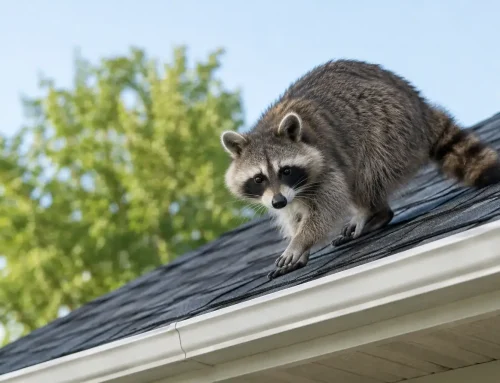
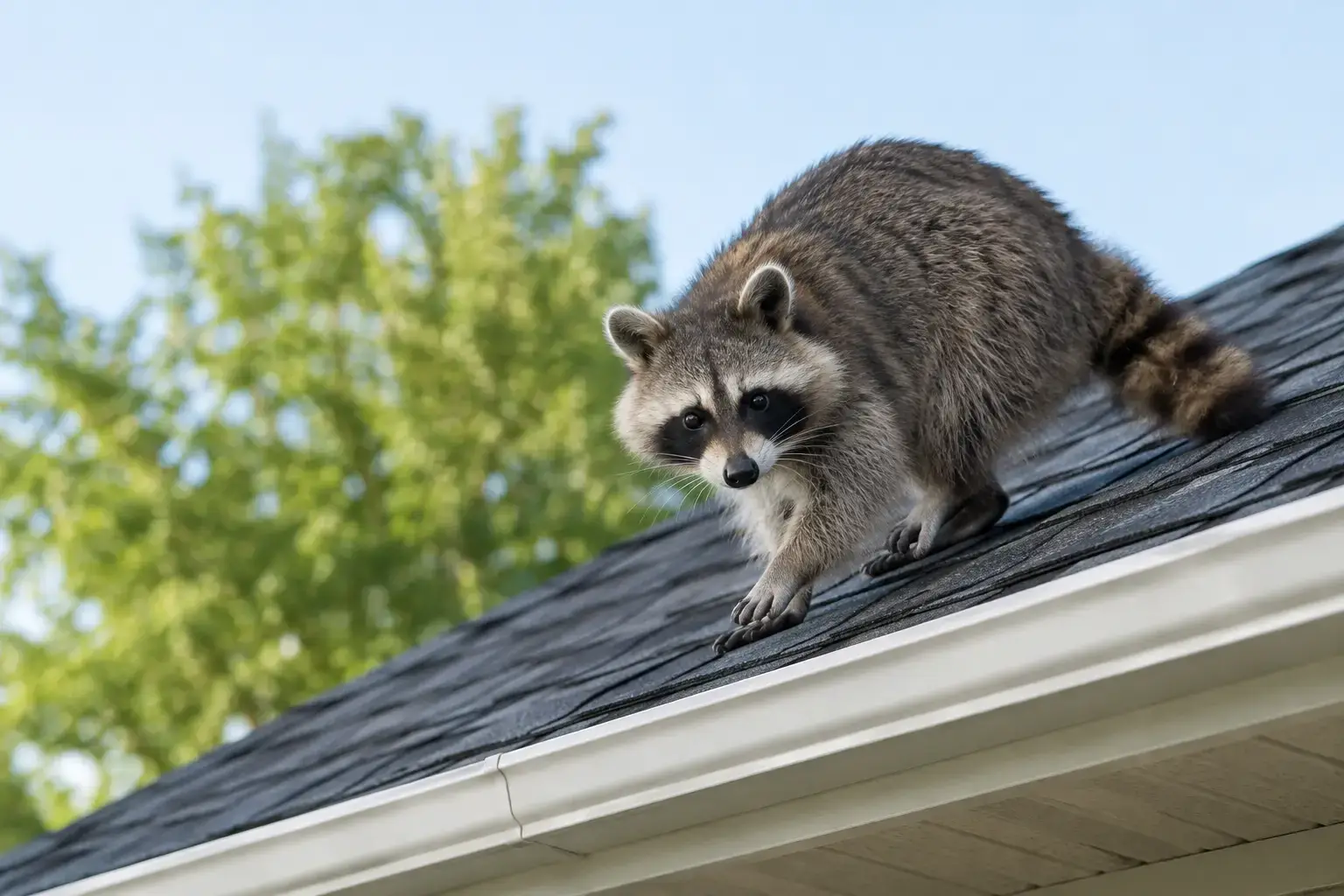
Raccoons are strong, agile, and most active at night. They commonly enter through loose soffit panels, rotted fascia boards, roof returns, damaged vents, and gaps where different rooflines meet. A single weak section of aluminum, vinyl, or wood can be pulled open by a determined adult raccoon.
The first warning is often sound. Homeowners may hear heavy thumping, slow walking, scratching, or chattering above a bedroom ceiling after dark. Unlike mice or squirrels, raccoons make enough noise that their movement can sound like a person shifting items in the attic.
Outside, look for bent or missing soffit material, dark smudge marks near an opening, torn screens, and insulation hanging from the eaves. You may also notice roof shingles lifted near the edge, debris scattered below the entry point, or a strong, musky odor around the attic or upper floor.
In multi-unit buildings and commercial properties, tenant reports matter. Repeated ceiling noises, water stains, flies near upper-floor windows, or odors in hallways can point to wildlife damage that has spread beyond the original entry area.
Why a Soffit Entry Is So Destructive
A raccoon does not need much room to start. Once it gets leverage on a loose panel, it can enlarge the opening and access the attic. The soffit itself may be inexpensive to replace, but the damage behind it is often the real cost.
Raccoons compress and contaminate insulation as they travel and nest. Their droppings and urine can create sanitation concerns and strong odors that linger in drywall, framing, and HVAC-adjacent areas. If rain enters through the damaged soffit or disturbed roof edge, moisture can also soak insulation and encourage mold growth.
Female raccoons frequently choose attics and soffit-adjacent voids as den sites in spring. If babies are present, a simple trap-and-seal approach is not appropriate. Separating a mother from dependent young can leave animals trapped inside, cause extensive new damage as the mother tries to return, and create odor issues if young do not survive.
There is also a structural concern. Raccoons may damage fascia boards, roof decking, vent covers, and gutters while trying to gain entry. On older homes, pre-existing rot makes these areas especially vulnerable. On flat-roofed buildings, they may exploit parapet details, rooftop mechanical penetrations, or poorly protected ventilation openings.
Do Not Seal the Opening Yourself Too Soon
It is tempting to push a soffit panel back into place or cover a hole with hardware cloth. That can be a costly mistake if the raccoon is still inside. An excluded raccoon may tear open another section of the roofline, enter an occupied part of the building, or become trapped in a wall cavity.
Avoid using poison, mothballs, ammonia, or loud devices in the attic. These methods do not reliably solve a raccoon problem and can expose people, pets, and tenants to unnecessary hazards. Do not try to grab, corner, or relocate a raccoon yourself. Raccoons can bite or scratch when threatened, and direct contact carries health risks.
Keep pets away from the suspected entry area and avoid storing food or garbage near the building. If the animal appears sick, unusually aggressive, disoriented, or active during daylight hours, treat it as a potential safety issue and contact a wildlife professional promptly.
The Right Way to Remove Raccoons From a Soffit
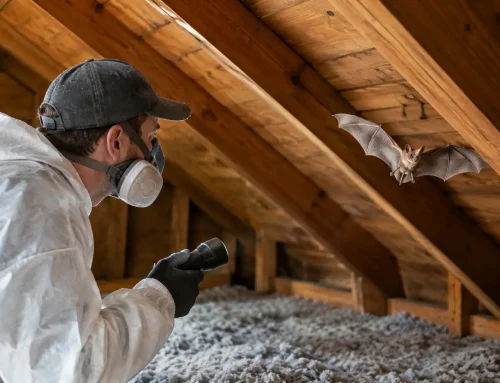
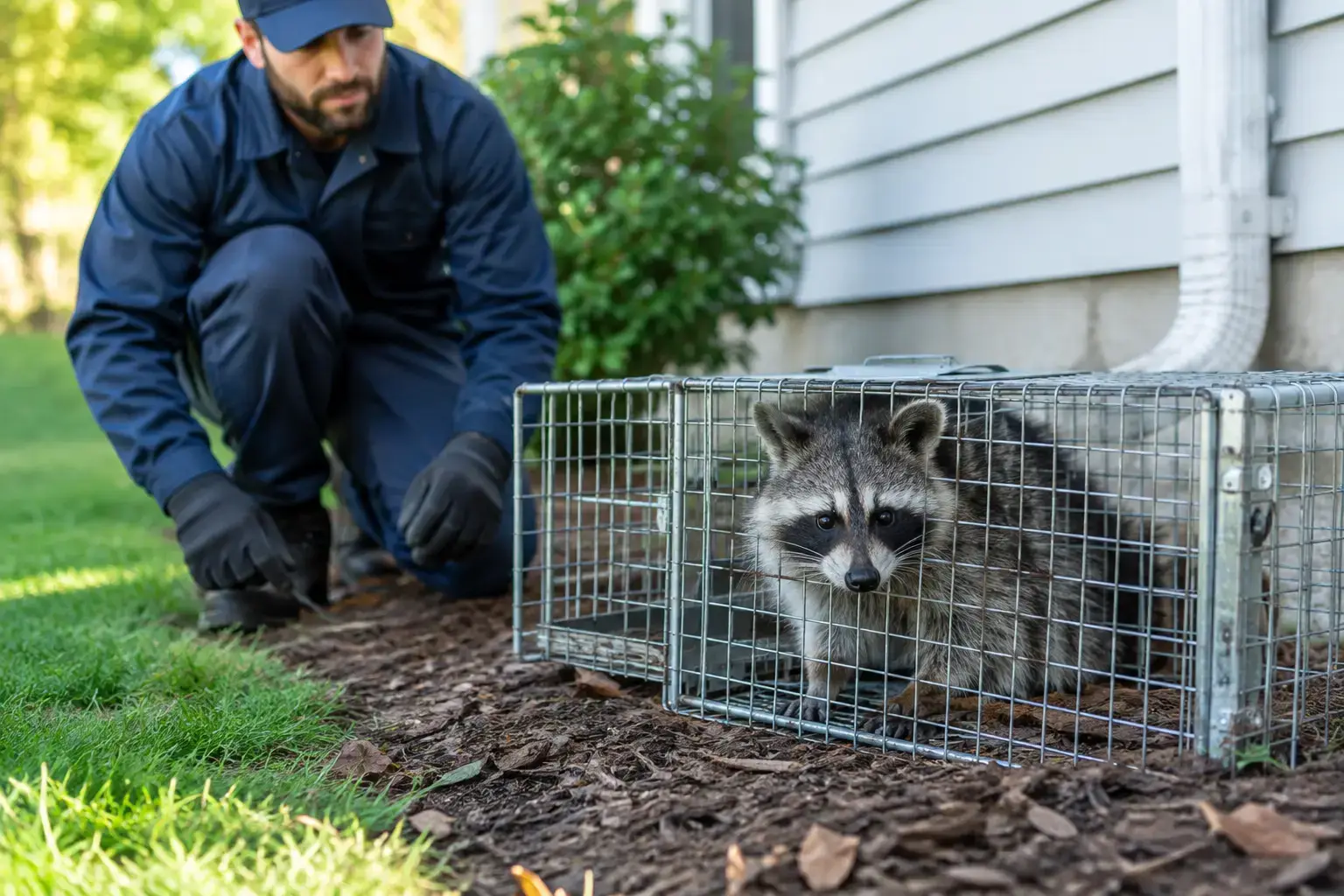
Professional raccoon removal starts with an inspection, not a trap placed at random. A technician should identify the main entry point, secondary weak areas, travel routes, signs of young, and the extent of attic contamination. The inspection should include the roofline, soffits, vents, gutters, attic, crawl spaces, and exterior areas that may attract raccoons.
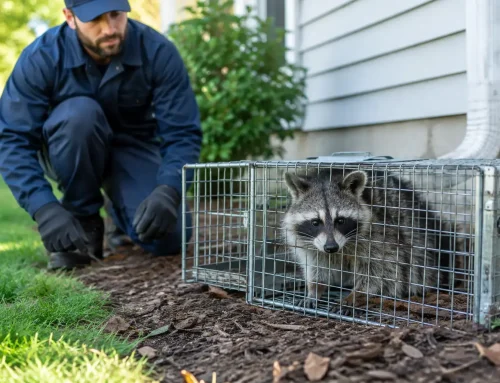
The removal method depends on the property and season. In some situations, humane trapping is appropriate. In others, a one-way exclusion device allows the animal to leave while preventing re-entry. When babies are present, technicians need a plan that addresses the mother and young together rather than sealing them into the structure.
After the animal is out, the entry point needs immediate professional repair. This usually means replacing damaged soffit material, reinforcing vulnerable sections, securing roof vents, repairing fascia, and screening access points with durable wildlife-resistant materials. A patch that looks good from the ground may fail if it does not address the structural weakness that allowed entry in the first place.
Animal Control NYC & NJ provides complete wildlife control service that can include humane removal, attic inspection, sanitization, damaged insulation removal, and exclusion repairs. One coordinated response helps prevent the common problem of paying for removal first, then discovering later that the roofline still needs repair and the attic still needs cleanup.
Cleanup Matters After Raccoon Removal
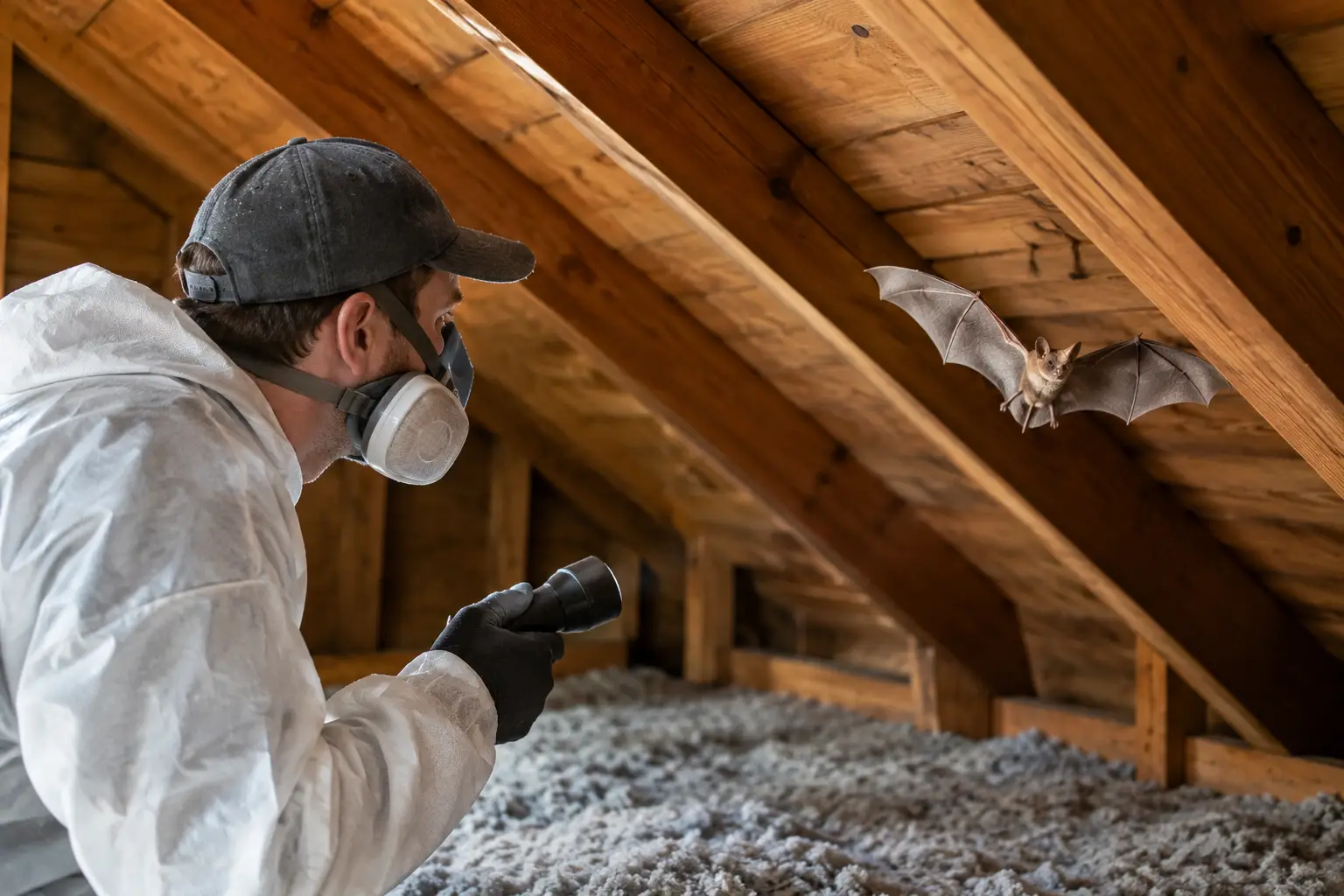
Getting the raccoon out is only part of the job. Droppings, urine, nesting material, and damaged insulation should be evaluated before the attic is closed up again. The level of cleanup depends on how long the raccoon was inside, whether young were present, and how much insulation or framing was affected.
A proper remediation process can include removal of contaminated insulation, HEPA vacuuming, disinfecting affected surfaces, odor treatment, and replacement insulation. If moisture entered through the damaged roofline, the area should also be checked for mold, wet wood, and deteriorated drywall.
For landlords and commercial operators, documentation is helpful. Photos of entry points, damage, repairs, and sanitation work can support maintenance records, insurance discussions, and tenant communication. It also gives property decision-makers a clear record that the wildlife issue was addressed safely and completely.
Preventing Future Soffit Problems
Raccoon prevention is strongest when exterior maintenance and wildlife exclusion work together. Trim branches that provide an easy route to the roof, secure garbage containers, and repair loose gutters or rotted fascia before animals find them. A raccoon can climb downspouts, trees, fences, and rough exterior walls with surprising ease.
Pay close attention to roof returns, gable vents, attic fans, chimney chases, and the transition points around additions or dormers. These are common weak spots on NYC and New Jersey homes, particularly after storms, freeze-thaw cycles, or years of deferred exterior maintenance.
Newer buildings are not immune. Vinyl soffits can flex, and construction gaps around vents or utility lines may be large enough for wildlife access. Older properties may have wood rot hidden beneath gutters or layers of paint. The right repair depends on the building, but the goal is always the same: eliminate access without blocking needed attic ventilation.
When to Call for Immediate Help
Call for professional assistance as soon as you hear heavy nocturnal activity overhead, see a torn soffit, notice an animal entering the roofline, or smell urine in the attic. Act quickly if water is entering near the damaged area, if there are young animals involved, or if a raccoon has reached an interior living or work space.
A fast response can protect the roof, reduce contamination, and keep a small soffit opening from becoming a full attic restoration project. The safest fix is not just getting the raccoon out. It is making sure the animal is removed humanely, the space is clean, and the repaired roofline stays closed.