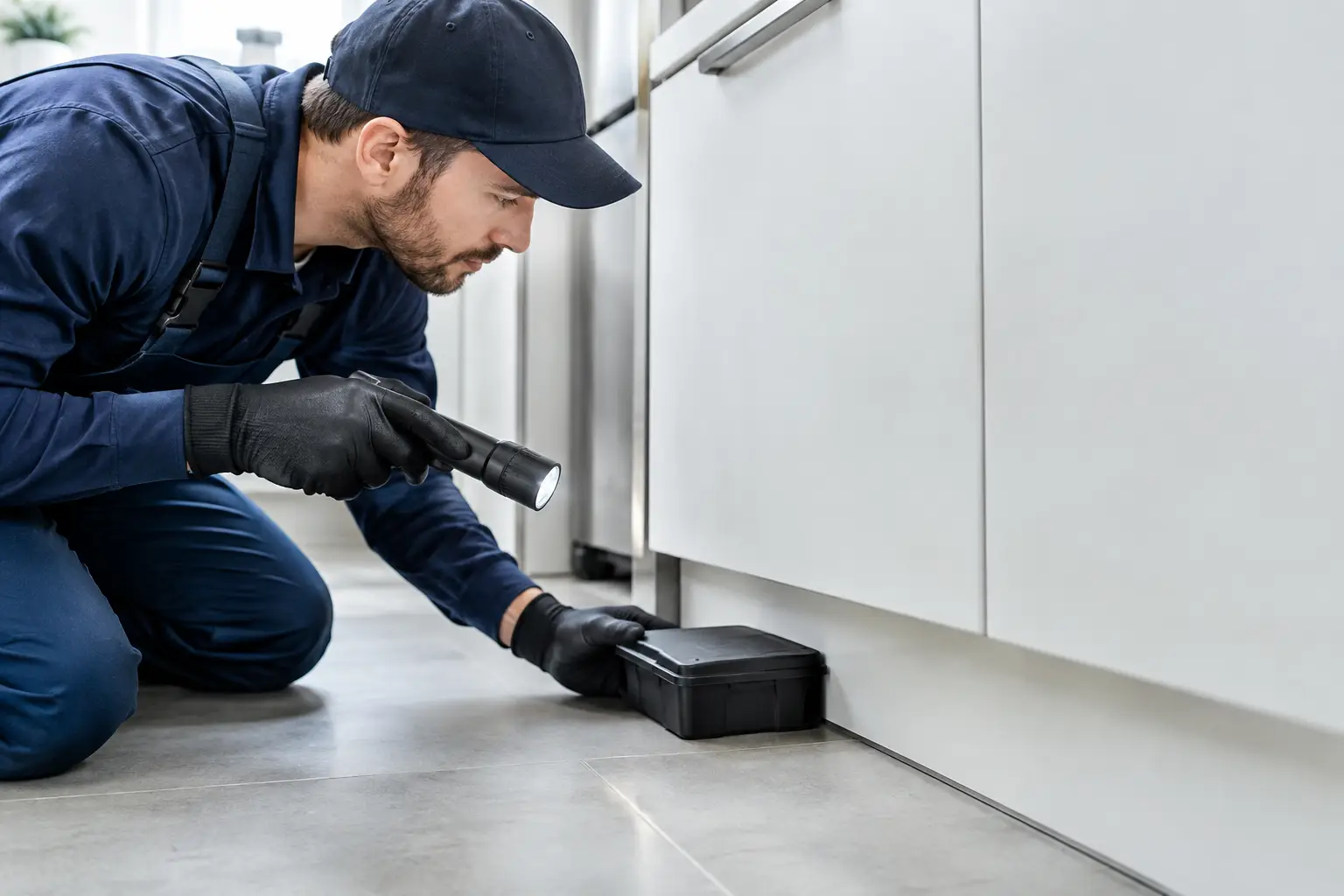
A faint scratch behind drywall at 2 a.m. is easy to dismiss once. When it happens again, moves across the ceiling, or turns into chewing, treat it as a property issue that needs attention. Noises in walls often mean an animal has found a route into a wall void, attic, crawl space, roofline, or utility opening. In NYC and New Jersey, that can quickly become a sanitation problem, a damage problem, and sometimes a fire risk.
The sound alone cannot identify every animal with certainty. A professional inspection matters because a squirrel, mouse, rat, raccoon, bird, or bat can leave very different damage behind and requires a different removal plan. What you should not do is wait for the noise to stop and assume the problem is gone. Animals may simply have moved deeper into the structure, left babies behind, or died in an inaccessible area.
What Different Noises in Walls Can Mean
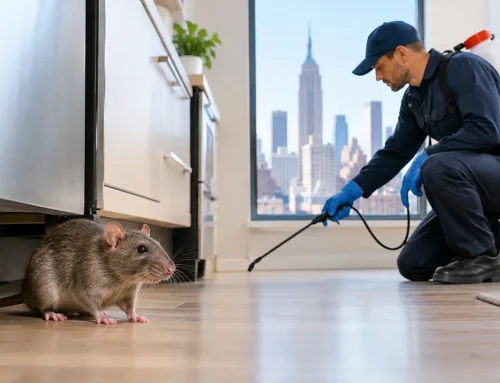
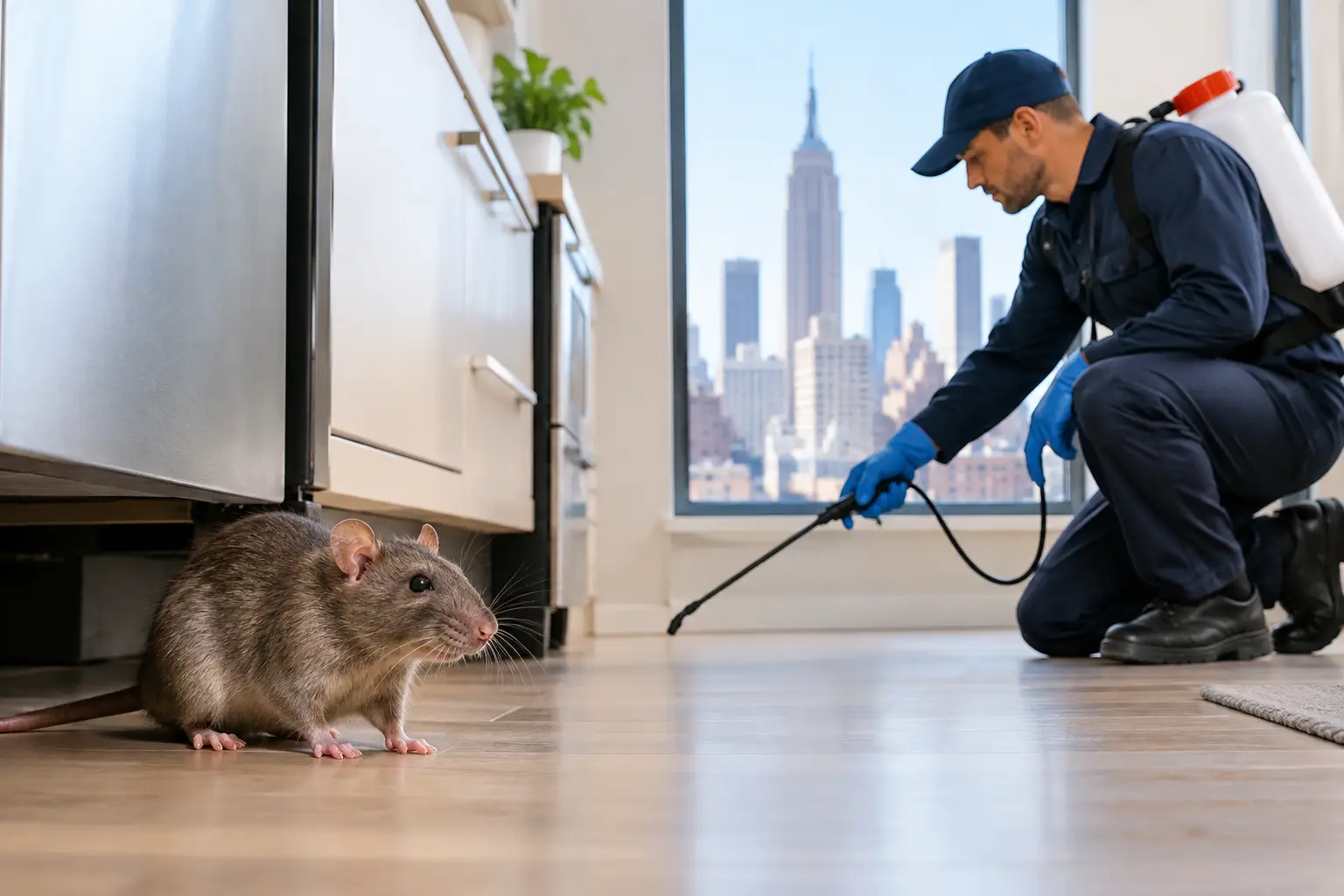
Timing, volume, and location provide useful clues. Light, rapid scratching or scurrying after dark often points to mice or rats. Rodents travel through wall cavities, above dropped ceilings, under cabinets, and alongside plumbing and wiring. They may be heard most clearly near kitchens, utility rooms, basements, and shared walls in multifamily buildings.
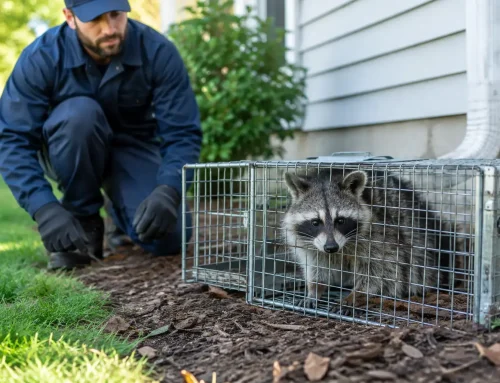
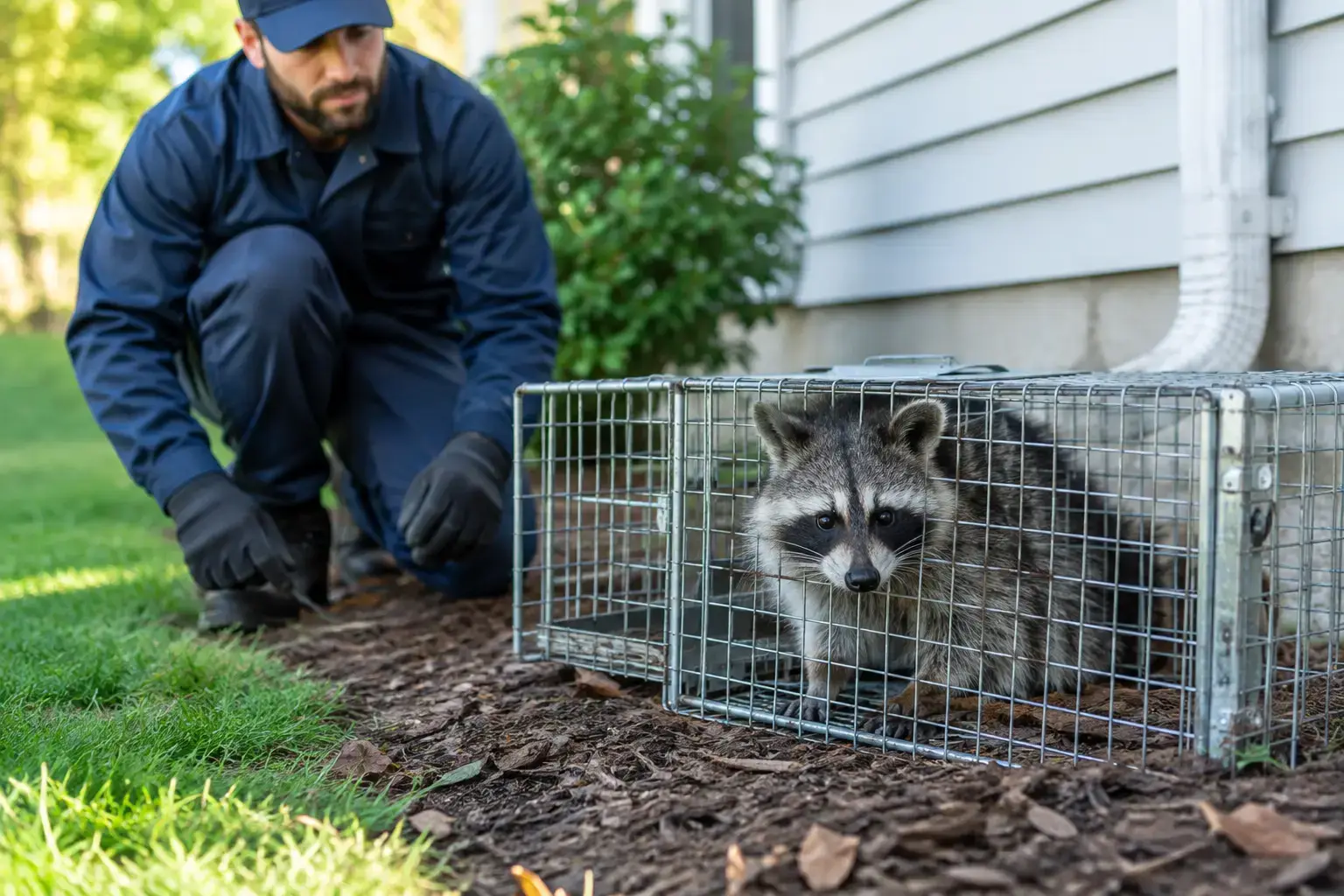
Heavier thumping, slow walking, or loud scratching near the roof or attic can indicate squirrels or raccoons. Squirrels are often active early in the morning and before sunset. Raccoons are primarily nocturnal and can sound surprisingly heavy, especially when they enter an attic or pull apart soffit material, roof vents, or fascia boards.
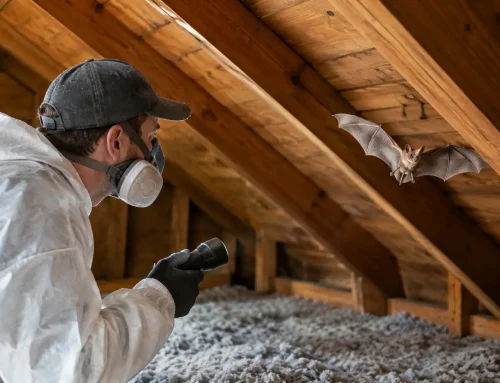
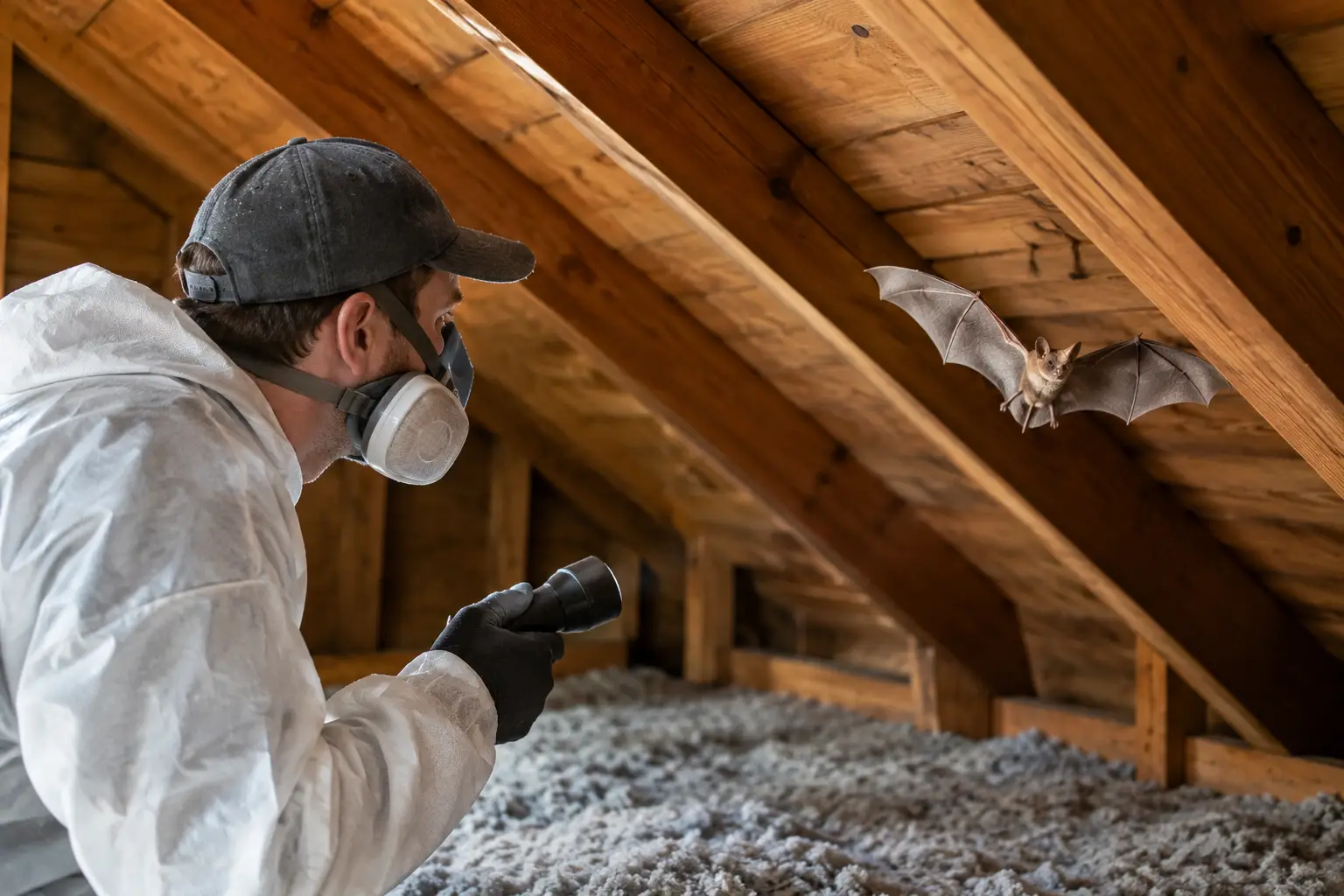
Fluttering, chirping, or persistent pecking near a vent, chimney, or exterior wall may involve birds. Bats can create soft scratching, squeaking, or rustling around dusk and dawn as they enter or exit a gap near the roofline. Because bats and birds may be protected or subject to seasonal restrictions, removal should be handled carefully and legally.
A brief sound may come from plumbing expansion, HVAC ducts, or settling materials. But repeated movement, droppings, odors, gnaw marks, or damage outside the building are strong signs that wildlife is involved.
Why Wall Activity Should Not Be Ignored
Wall cavities are hidden, but the damage is not always contained there. Rodents chew wood, plastic, insulation, and wiring. Exposed or damaged electrical wiring creates a serious safety concern. Raccoons can crush insulation, tear ducts, contaminate attic areas, and enlarge a small entry point into an opening large enough for repeated access.
Urine, droppings, nesting material, and animal remains can introduce odor and contamination into living spaces. In apartments, offices, restaurants, and other commercial settings, one untreated entry point can also become a tenant complaint, health inspection, or operational issue. Wildlife activity can attract insects and leave behind parasites such as fleas, ticks, and mites.
There is also a practical reason to act early: the longer an animal remains inside, the more routes it can create. A mouse-sized gap can become an ongoing rodent pathway. A loose soffit or damaged roof edge can invite larger animals season after season.
Do Not Seal the Opening Too Soon
Finding a gap around a pipe, vent, roof edge, or foundation line may make sealing it tempting. Do not close an active opening until you know what is inside and whether young animals are present. Sealing animals into walls can lead to frantic damage, animals entering living areas, dead-animal odor, or orphaned young.
This is especially important in spring and early summer, when squirrels, raccoons, and other wildlife may be nesting. The right solution may involve humane one-way exclusion devices, species-appropriate trapping, monitoring, and then permanent repairs after all animals are confirmed out.
Poison is also a poor answer for wall noise. Rodenticides can leave dead animals inside inaccessible voids and create persistent odor problems. They can also pose risks to children, pets, and non-target wildlife. Effective control focuses on identifying the species, removing the current activity, and closing the conditions that allowed access.
What to Do While You Wait for Help
Keep people and pets away from the immediate area, particularly if you see an animal enter a room or notice droppings. Do not open a wall, reach into an opening, or attempt to grab an animal. Cornered wildlife may bite or scratch, and damaged walls can conceal wiring, plumbing, or sharp debris.
Make a note of when you hear activity and where it seems loudest. Listen for whether the sounds occur mostly at night, in the early morning, or during the day. Check exterior areas from a safe distance for loose vents, damaged soffits, gaps around utility lines, roof damage, burrows, or tracks. This information helps speed up the inspection.
If a bat is found in a bedroom, nursery, or any room where someone may have been sleeping, do not release or handle it yourself. Contact local health authorities and a wildlife professional promptly for guidance. If you suspect a raccoon, bat, or other animal may have had direct contact with a person or pet, seek medical or veterinary advice right away.
How Professional Wildlife Control Solves the Full Problem
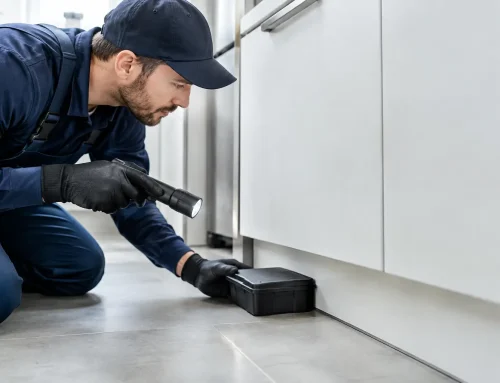
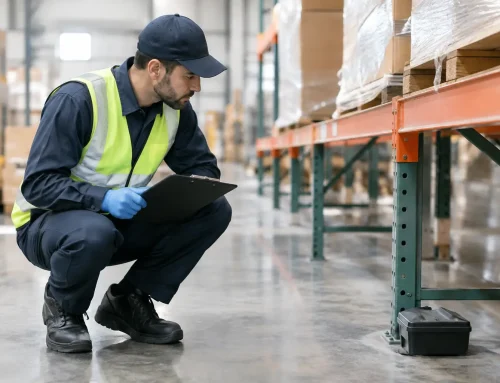
A proper service visit begins with an inspection, not a guess based on sound. A technician evaluates interior clues, exterior entry points, attic or crawl space conditions, roofline vulnerabilities, and signs of current versus old activity. The findings determine whether the issue is rodents, squirrels, raccoons, birds, bats, or another nuisance animal.
Removal methods should fit the species and the property. That can mean humane trapping, targeted rodent control, one-way exclusion, nest-related timing considerations, or dead-animal removal when an odor has already developed. For active wildlife in occupied homes and commercial buildings, fast response matters because the situation can change overnight.
The work should not end when the animal is gone. A complete recovery plan addresses the damage it left behind. Depending on conditions, that may include removing contaminated insulation, sanitizing affected areas, treating odor sources, repairing chewed or torn materials, sealing entry points, protecting ridge vents, and reinforcing vulnerable roof or gutter areas.
Animal Control NYC & NJ provides wildlife removal and property recovery for customers who need the issue handled from inspection through exclusion and cleanup. That approach prevents the common cycle of removing one animal while leaving the same opening available for the next one.
Preventing Future Sounds Behind the Drywall
Prevention depends on the building. Older homes may have gaps where utility lines enter, aging masonry joints, open crawl space vents, or deteriorated soffits. Multifamily and commercial buildings can have service penetrations, loading-area access, trash management issues, and interconnected utility pathways that allow rodents to travel between units.
Regular exterior maintenance makes a difference. Keep tree limbs trimmed back from rooflines, repair loose siding and fascia, secure chimney and roof openings with appropriate materials, and address damaged vents quickly. Store food and garbage securely, especially around restaurants, shared dumpsters, garages, and outdoor storage areas.
For rodent-prone properties, exclusion is more effective when paired with sanitation and monitoring. Sealing a small gap will not solve an infestation if food sources, cluttered storage, leaking pipes, or interior travel routes remain available. The best plan is specific to the property and based on evidence found during inspection.
When the Situation Is an Emergency
Call for immediate help if you hear aggressive scratching near a living space, see an animal inside, smell a strong decay odor, find extensive droppings, notice chewed electrical wiring, or have wildlife activity in a food-service or tenant-occupied building. A raccoon in an attic, rats in wall cavities, or bats around sleeping areas should not wait for a convenient time.
Noises behind a wall are rarely just a noise for long. A prompt inspection gives you a clear answer, protects the building from deeper damage, and makes it possible to remove the animal humanely before a hidden problem becomes a costly repair.