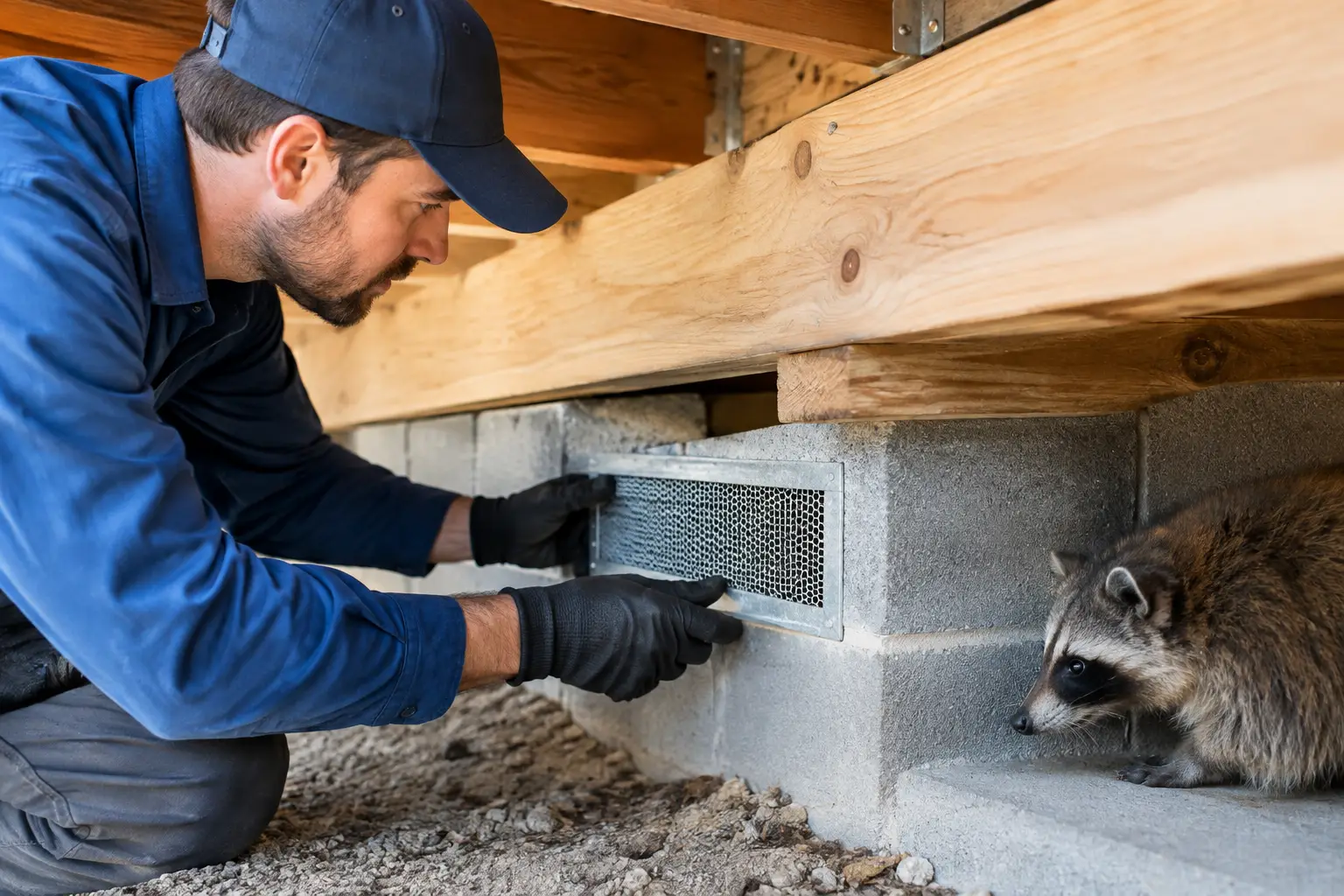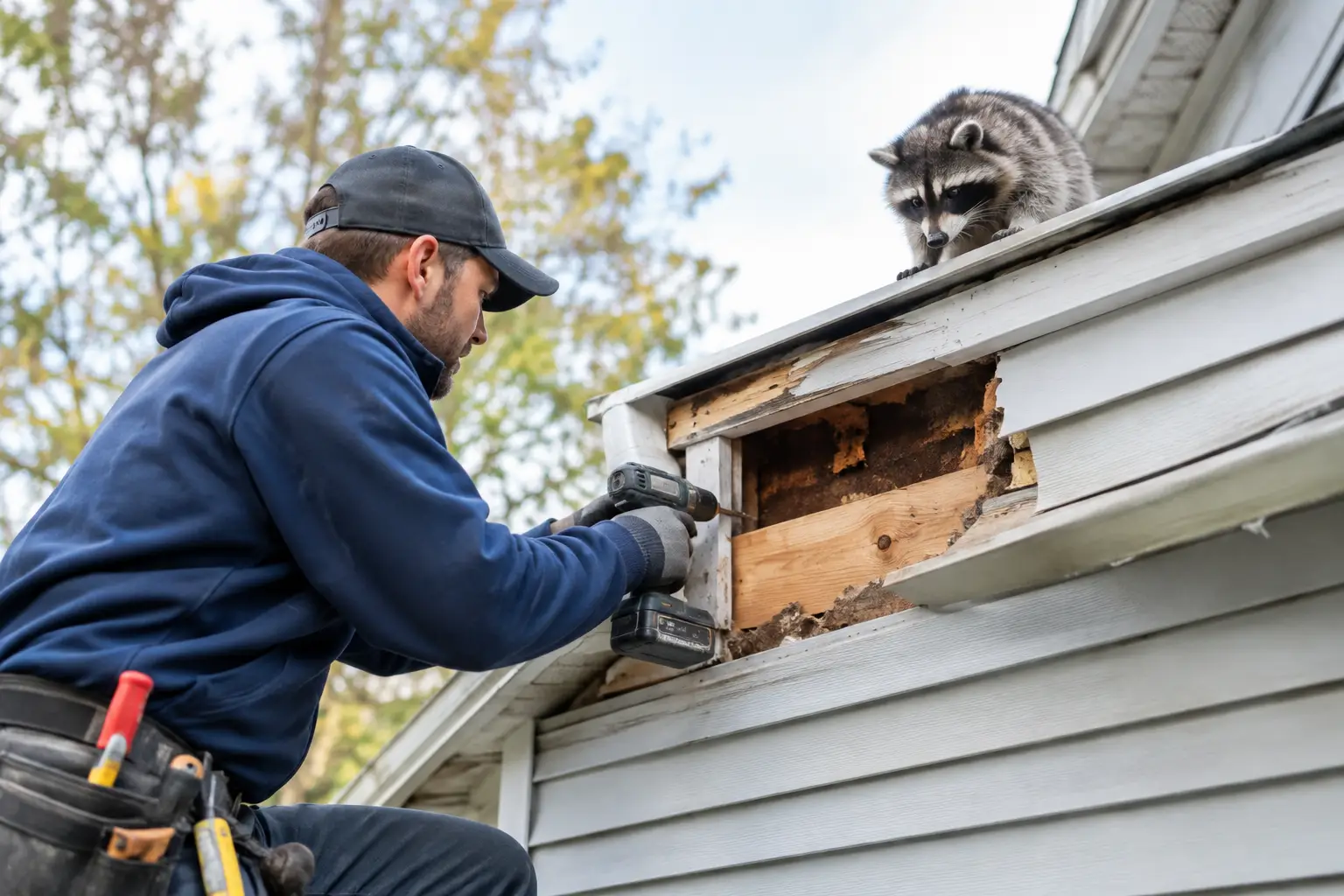
A pigeon roosting above a storefront, starlings in a bathroom vent, or sparrows nesting beneath solar panels can turn into a property problem fast. Professional bird control nj service addresses more than the birds you see. It identifies how they entered, removes active problems safely, cleans contamination, and closes off the areas that invite them back.
For homeowners, the warning signs often start with scratching in a wall, chirping from a soffit, or droppings below a roofline. For property managers and business owners, the issue may be tenant complaints, damaged signage, blocked drains, slippery walkways, or sanitation concerns near entrances and loading areas. Waiting rarely makes the situation easier. Nesting material accumulates, birds establish a routine, and damage spreads to the next vulnerable opening.
When Bird Problems Need Professional Attention
A single bird resting on a roof is normal. Repeated activity at the same vent, ledge, awning, attic opening, or solar array is different. Birds return to locations that offer shelter, warmth, water, and a protected place to nest. Once a nesting site is established, a basic scare tactic usually will not solve the underlying problem.
Call for professional help when birds are entering a building, nesting in a vent or roof cavity, leaving large amounts of droppings, or creating a safety issue around customers, tenants, pets, or employees. Prompt service is particularly important when birds are trapped indoors, a dead bird is creating an odor, or nesting debris is close to wiring, mechanical equipment, or a dryer vent.
Bird droppings are not simply an appearance issue. They can make sidewalks and stairs slick, stain exterior finishes, corrode some surfaces, and contaminate outdoor seating, storage areas, and ventilation components. Dry nesting material can also reduce airflow and create a potential fire concern when it blocks exhaust vents.
Bird Control NJ Starts With a Full Inspection
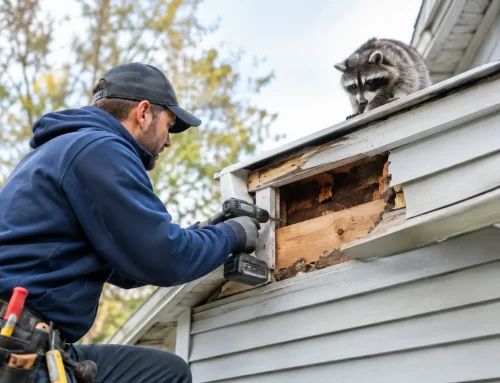
Effective bird control begins at the structure, not with a generic repellent. A trained technician inspects roof edges, gutters, soffits, ridge vents, attic access points, exhaust vents, chimneys, skylights, balconies, loading docks, signs, and solar panels. The goal is to determine the bird species, locate active and former nesting sites, and identify every route birds are using.
This matters because the right solution depends on the location and species. Pigeons often roost on ledges, HVAC equipment, signs, and parking structures. House sparrows and starlings commonly enter small gaps around vents, soffits, and rooflines. Swallows may build mud nests under eaves. Each behavior requires a different exclusion plan.
An inspection also reveals the damage that is easy to miss from the ground. A roof opening can allow nesting material into an attic. A gutter packed with debris can overflow against fascia boards. Birds under solar panels may chew or shift protective components, create odors, and leave droppings that affect the appearance and performance of the system.
Humane Removal and Legal Considerations
Bird work must be handled responsibly. Many wild birds, their nests, and their eggs are protected by state or federal rules, especially during nesting season. A professional wildlife control company evaluates the situation before any removal or exclusion work begins and uses methods appropriate for the species and time of year.
That can mean timing an exclusion project around an active nest, allowing young birds to leave before sealing an opening, or using one-way devices where permitted. The priority is always to prevent birds from becoming trapped inside a structure while protecting your property from repeated intrusion.
This is one reason DIY sealing can create a bigger problem. Closing a vent or gap without confirming that it is empty may trap birds, produce odors, draw insects, and leave you with a more difficult cleanup. Foam, tape, and lightweight screens also tend to fail quickly on exposed roof areas.
The Right Bird-Proofing Method for the Property
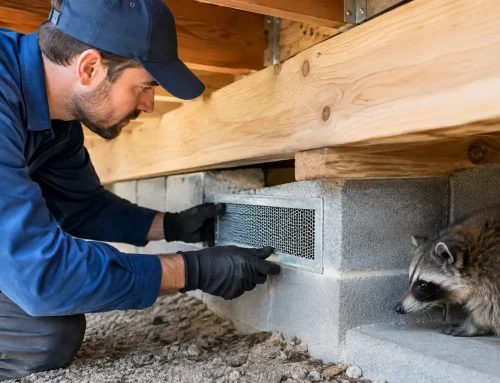
After birds are removed or excluded, the permanent work begins. Bird-proofing is not a one-size-fits-all service. A residential roofline may need heavy-gauge vent guards, soffit repair, chimney screening, and ridge-vent protection. A commercial property may need carefully placed deterrent systems on ledges, signs, canopies, and equipment platforms.
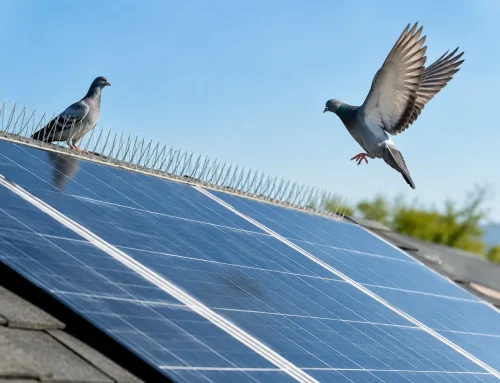
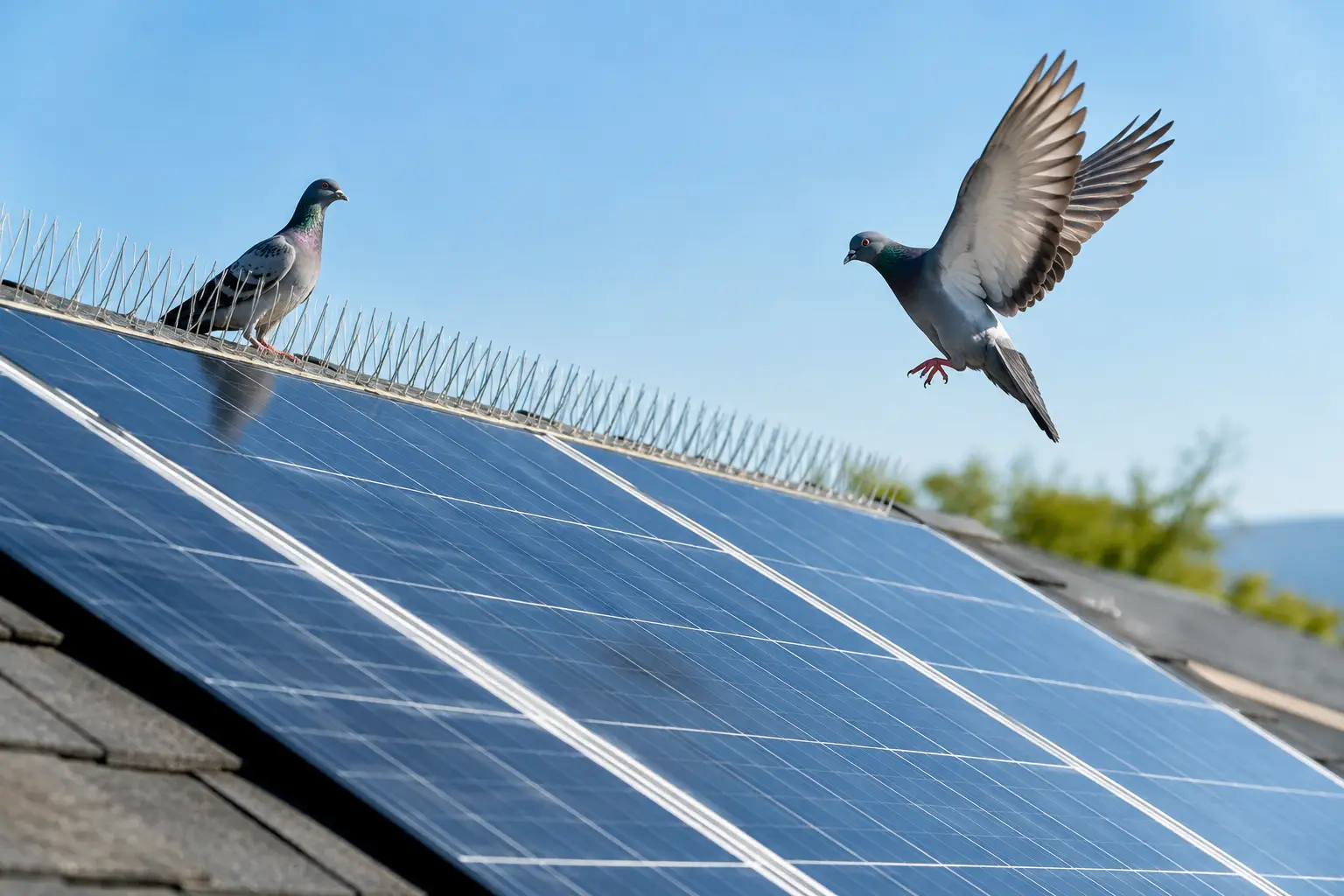
For solar panels, professionally installed mesh creates a barrier around the panel perimeter without drilling into the panels. This prevents birds from nesting underneath while maintaining the clearance needed for the system. For exhaust and dryer vents, properly fitted covers keep birds out without restricting necessary airflow.
The best solution should be durable, discreet where appearance matters, and installed in a way that does not create drainage or ventilation problems. Cheap netting or improperly installed spikes can sag, trap debris, damage a building’s appearance, or shift during severe weather. Quality exclusion work is designed around how the building functions, not just what is visible from the sidewalk.
Cleanup, Sanitation, and Damage Repair Matter
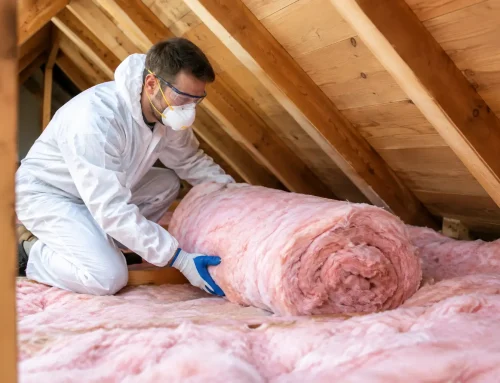
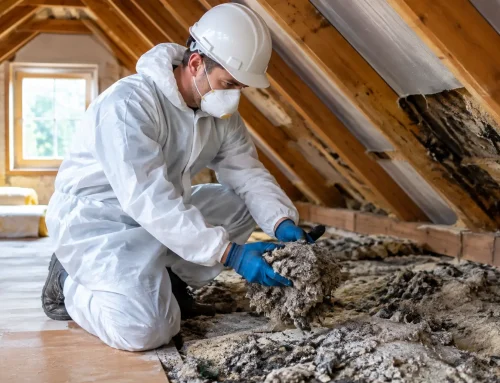
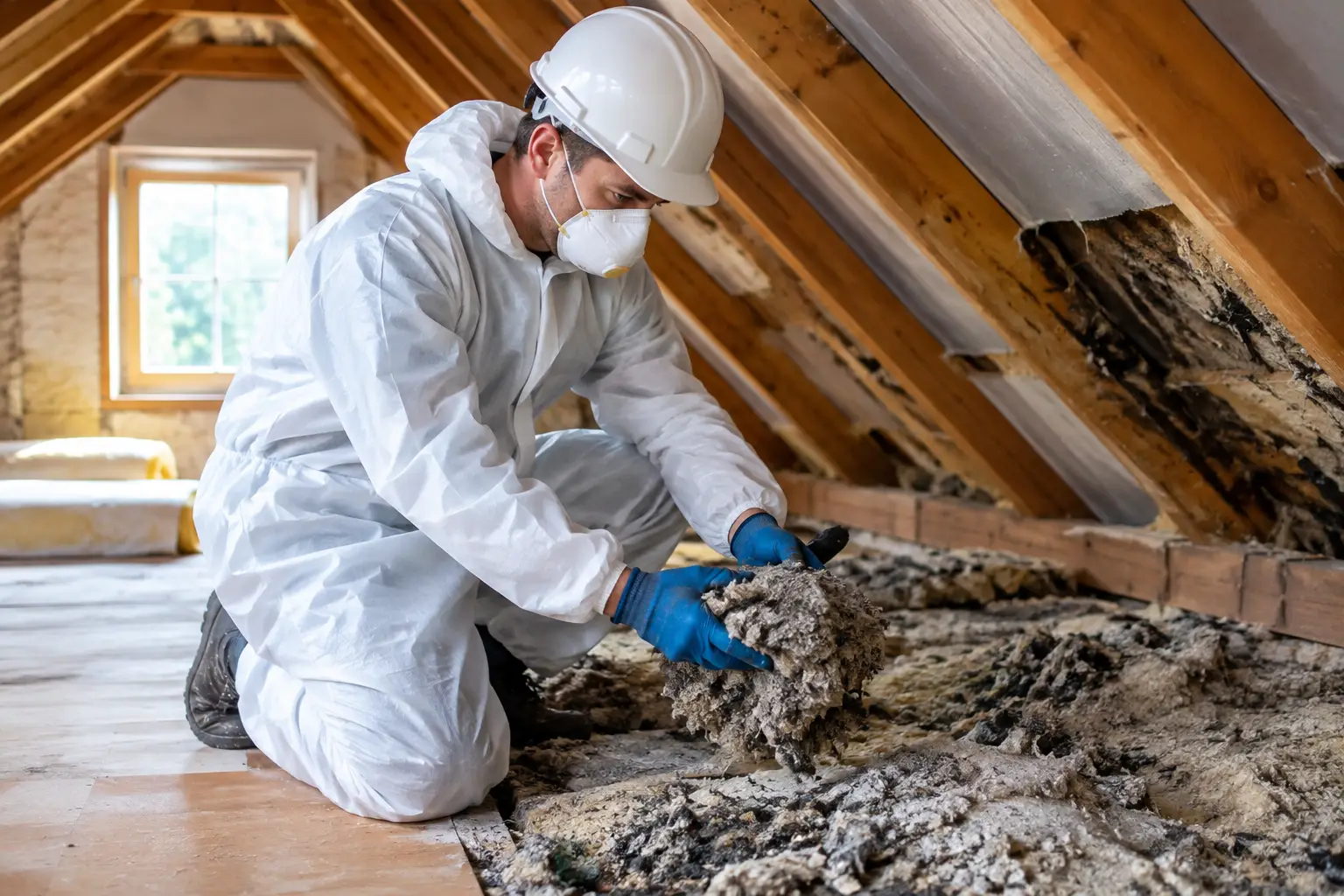
Bird removal alone does not restore the affected area. Nesting materials, droppings, feathers, and carcasses can remain in attics, vents, crawl spaces, gutters, and exterior cavities. These materials attract insects, hold moisture, create odors, and may contaminate insulation or stored items.
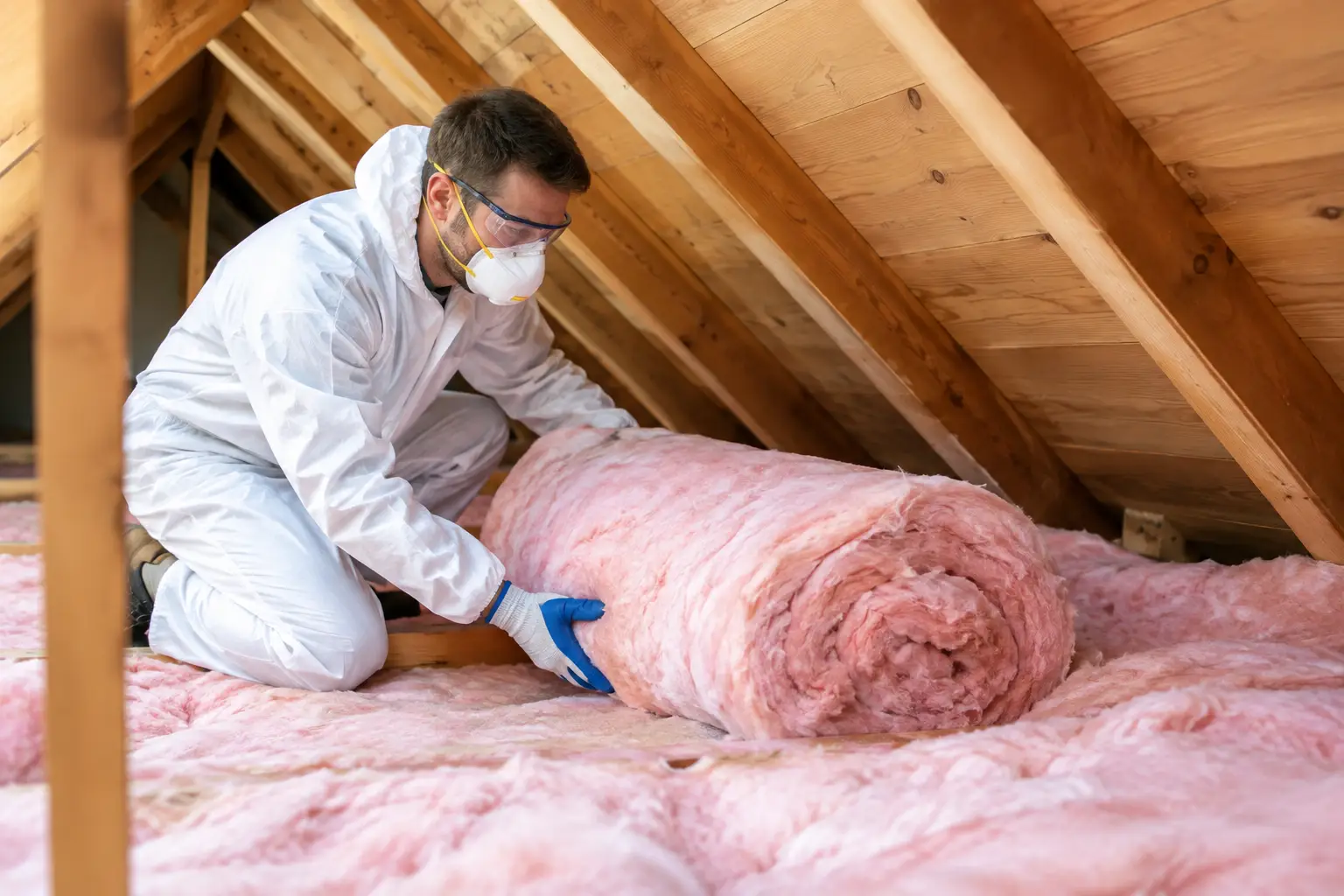
Professional cleanup starts with safe removal of debris and dead animals, followed by targeted disinfection of affected surfaces. If insulation has been heavily soiled, replacement may be the practical choice. Damaged soffits, loose screens, roof gaps, and compromised vent covers should be repaired before the project is considered complete.
For commercial properties, cleanup also protects the customer experience. Bird droppings around entrances, patios, walkways, dumpsters, and loading zones can lead to complaints and repeated maintenance costs. A complete bird-control plan helps property teams stop reacting to the same mess every week.
Why Store-Bought Deterrents Often Fall Short
Reflective tape, plastic owls, sound devices, and scent repellents may create a short-term disturbance, but birds quickly learn when there is no real threat. These products can be useful in limited situations, yet they rarely solve a nesting or building-entry issue on their own.
The trade-off is straightforward: temporary deterrents may seem less expensive at first, but recurring cleanup, damaged vents, and repeated bird activity add up. Physical exclusion is usually the more dependable long-term answer when birds have access to sheltered areas of a structure.
The same applies to feeding. Even occasional food scraps around a dumpster, outdoor dining area, or balcony can keep pigeons and sparrows returning. Property maintenance and bird-proofing work best together. Keep waste containers closed, remove standing water where possible, and address damaged areas before they become nesting sites.
24/7 Help for Urgent Bird Intrusions
Some bird problems cannot wait for a convenient appointment. A bird flying inside a retail space, warehouse, school, apartment hallway, or home can create panic and injury risks. A blocked dryer vent, a bird trapped in a fireplace, or heavy attic contamination also calls for fast, professional action.
Animal Control NYC & NJ provides humane wildlife removal, bird control, cleanup, exclusion, and property repair for residential and commercial customers. The service approach is built around resolving the full problem: inspection, safe removal, sanitation, and repairs that help prevent the next intrusion.
If birds are returning to the same part of your property, treat that activity as a building-maintenance warning. The sooner the access point is inspected and properly protected, the more likely you are to avoid a larger cleanup, repair, or tenant issue later.