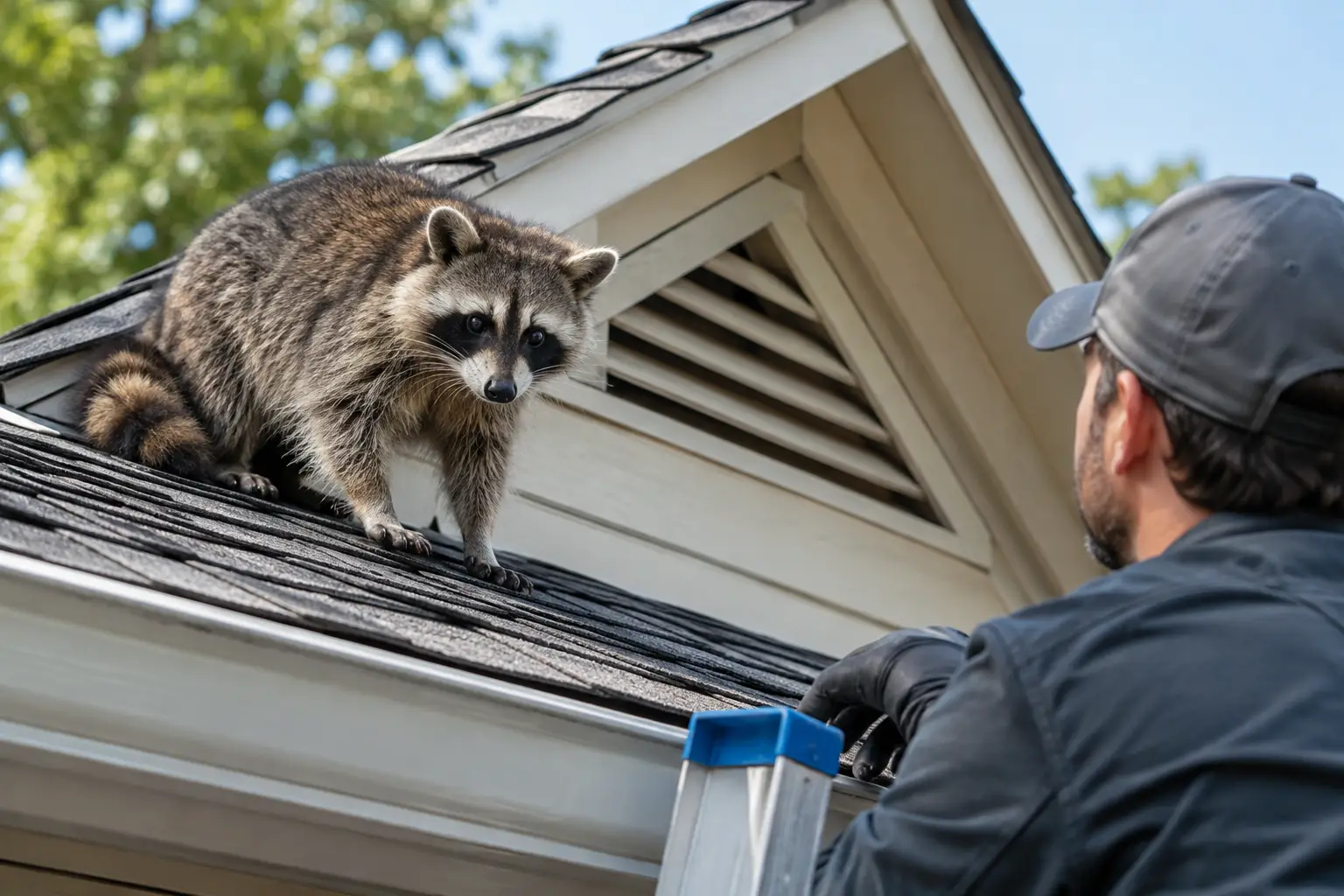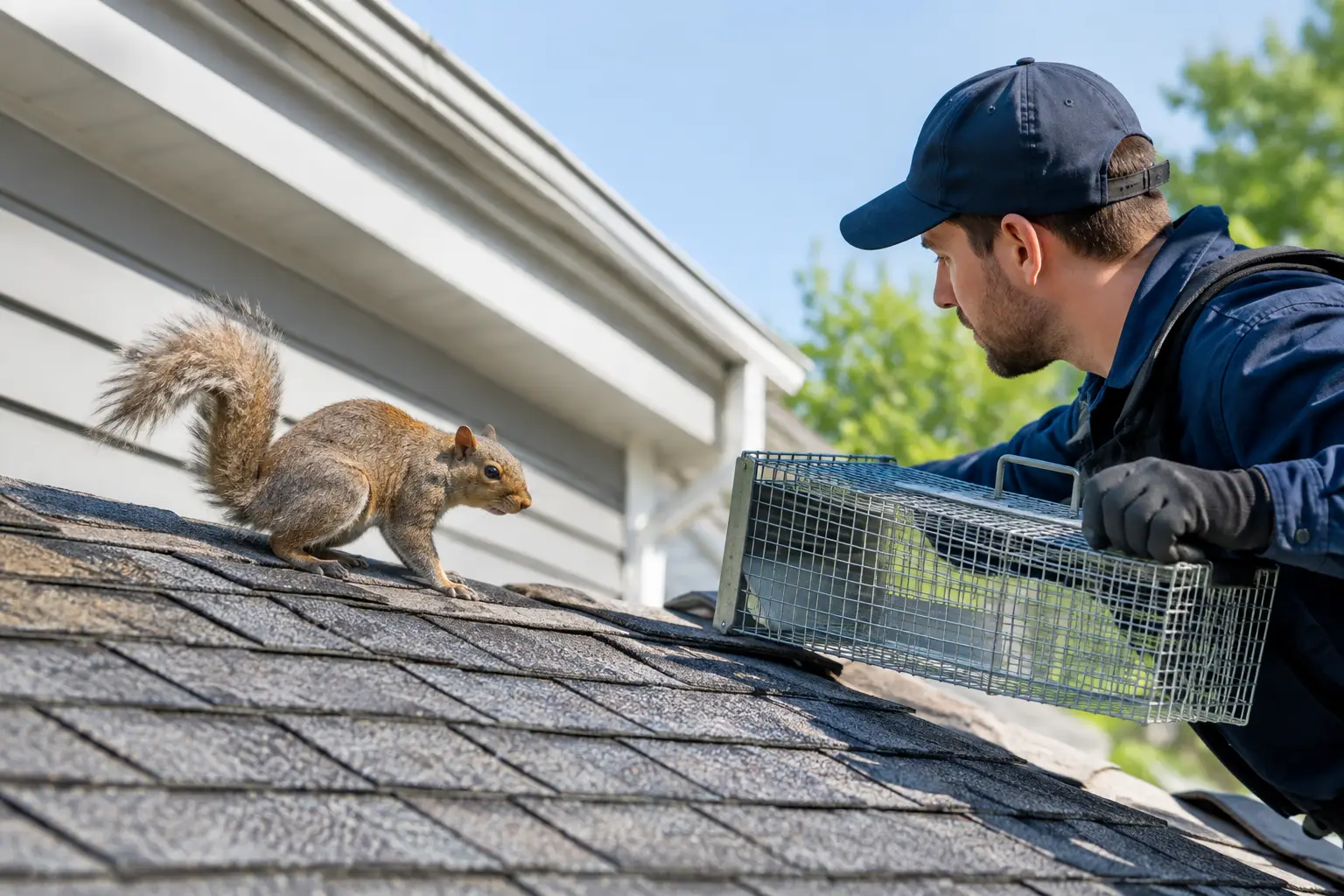
Birds under solar panels are not a harmless inconvenience. Pigeons, sparrows, and starlings can build nests beneath the array, clog gutters with debris, foul the roof, and create a persistent noise and odor problem. If you are searching for how to keep birds away from solar panels, the lasting answer is exclusion: remove the active nesting issue legally and humanely, clean the area, then close the gap without damaging the panels or roof.
For homeowners, landlords, and property managers across NYC and New Jersey, acting early matters. A small amount of nesting material can quickly turn into blocked drainage, insect activity, tenant complaints, and costly roof access work.
Why Birds Nest Under Solar Panels
Solar panels create a protected cavity between the modules and the roof. It is shaded, dry, elevated from predators, and warm from retained heat. To a pigeon, it functions much like a ledge or sheltered roof void.
Once birds establish a nest site, they tend to return. Pigeons especially have strong site loyalty and may attempt to nest several times per year. The droppings and nesting material also attract mites, flies, and other pests. On commercial properties, the buildup can create sanitation concerns around entrances, walkways, HVAC equipment, and parking areas.
The panels themselves are not always the first thing to fail. More often, the damage starts below them. Nesting material can hold moisture against roofing surfaces, obstruct gutters and drains, and hide deteriorating flashing. Rodents may also use bird nests as cover and chew nearby wiring.
How to Keep Birds Away From Solar Panels for Good
The most reliable solution is to install purpose-built solar panel bird proofing around the full perimeter of the array. This usually consists of coated metal mesh secured to the panel frame with non-penetrating clips. The mesh blocks birds from getting underneath while allowing the system to maintain needed airflow and drainage.
A proper installation must fit the panel layout, roof pitch, mounting hardware, and edge clearances. It should sit securely without drilling through the solar modules, compromising the roof, or blocking ventilation. Cheap plastic netting, loose hardware cloth, and improvised foam barriers often fail under wind, weather, and repeated bird pressure.
Do not seal birds inside an active nest area. The space beneath the panels should first be inspected for eggs, chicks, nesting material, dead birds, and signs of electrical or roof damage. Some bird species are protected, and active nests may need to be handled according to applicable wildlife regulations. A professional wildlife technician can identify the species and determine the appropriate humane removal approach.
After removal, all accessible debris should be cleared before the mesh is installed. Leaving old nesting material in place invites insects, retains moisture, and can preserve the odor cues that draw birds back to the site.
Use deterrents only as support measures
Visual deterrents such as reflective tape, predator decoys, and spinning devices may temporarily discourage birds before they settle in. They are not dependable once pigeons have already claimed the area. Birds quickly learn that a stationary owl statue or a shiny object is not a threat.
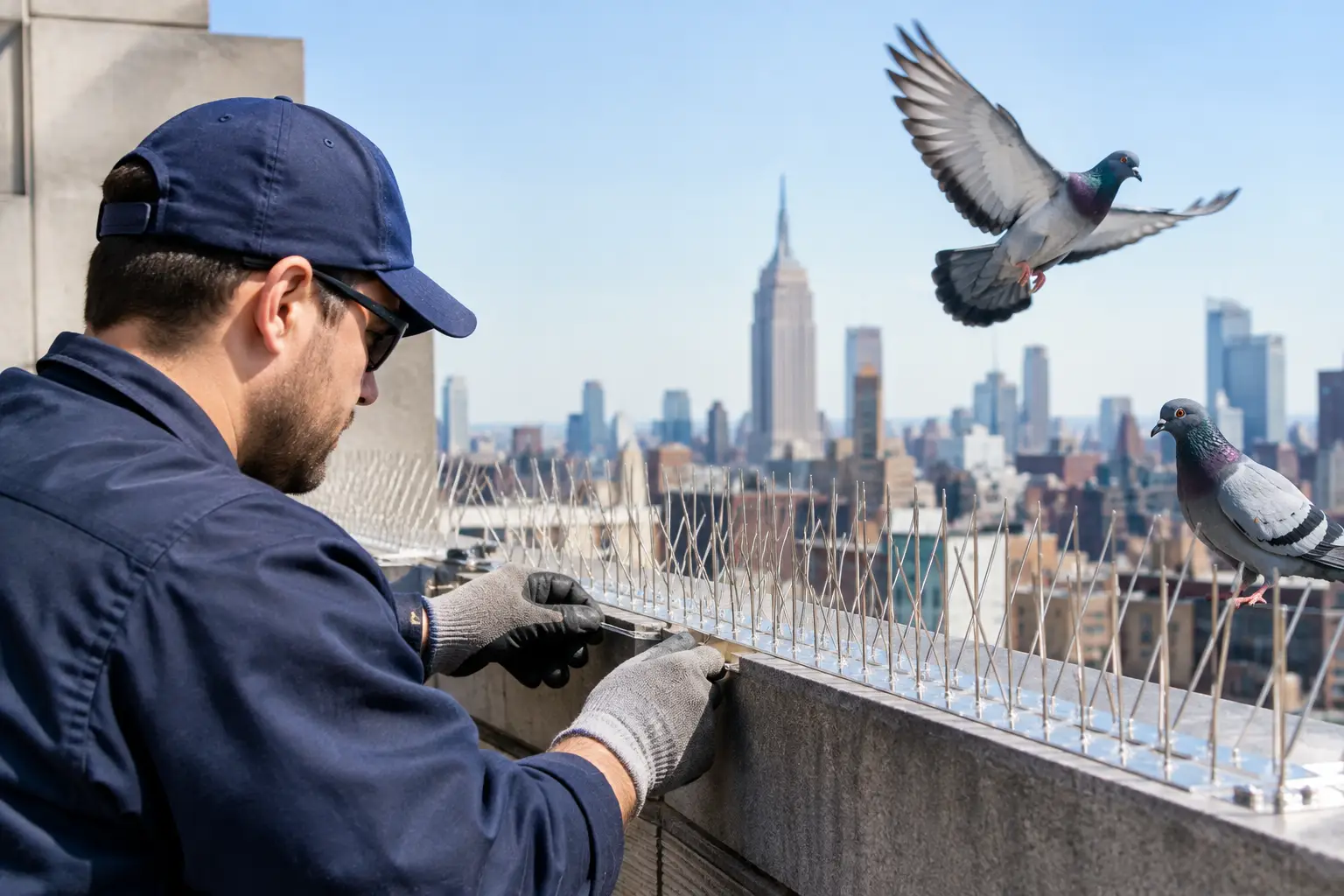
Bird spikes may help on nearby ledges, parapets, signs, or HVAC units where birds perch before accessing the panels. They do not solve the open space beneath a solar array. Likewise, sound devices can create noise issues for neighbors and tenants, while their effectiveness drops as birds become accustomed to them.
If the goal is a permanent result, exclusion mesh does the real work. Deterrents can be useful around the roofline, but they should not replace proofing.
Do Not Ignore the Cleanup
Bird droppings are more than an appearance issue. They can contain bacteria, fungi, and parasites, particularly when accumulations are heavy or dried material becomes airborne during cleaning. Nest debris may include feathers, food waste, eggshells, and insect activity.
Avoid dry sweeping or blowing debris off the roof. That can spread contaminated dust and move waste into gutters, ventilation openings, and neighboring properties. Wear appropriate personal protective equipment if handling a small, dry area, and avoid working near electrical connections or panel wiring.
For established infestations, professional cleanup is the safer choice. The work may involve removing contaminated nesting material, sanitizing the affected roof area, treating insect activity when necessary, clearing gutters, and documenting visible damage. If droppings have reached attic vents, soffits, or exterior wall cavities, those areas may need separate inspection and remediation.
Check for Roof, Gutter, and Electrical Problems
Before bird proofing is installed, inspect the roof around the solar array. Look for lifted shingles, loose flashing, cracked tiles, clogged gutters, pooling water, and staining below the panels. On flat commercial roofs, check scuppers and drains carefully. One blocked drain can create a much larger water-management problem during a heavy storm.
Also look for signs of cable damage. Birds generally do not chew wiring the way rodents do, but nests can conceal chewed insulation, loose conduit, or exposed connectors. If there is any concern about solar electrical components, contact a qualified solar technician or electrician. Wildlife removal professionals can address the animal issue and contamination, but electrical repairs require the right trade expertise.
This is why bird control around solar panels works best as a coordinated repair job, not a one-time nest removal. The property needs to be clean, structurally sound, and sealed against re-entry.
What Not to Do
Avoid using poison, glue traps, or harmful chemicals around solar panels. These methods are inhumane, can affect non-target wildlife, and create a dead-animal cleanup issue beneath equipment that is already difficult to access.
Do not pressure wash directly under or around panels without knowing the roof and solar manufacturer requirements. High-pressure water can force debris into vulnerable areas, damage roof materials, or create unnecessary risk near electrical equipment.
It is also a mistake to install mesh over an uninspected nesting site. If birds, eggs, or young are trapped underneath, the problem becomes more serious, not less. The same applies to partial proofing. Leaving one open corner is often enough for pigeons to get back in.
When to Call a Professional
Call for professional bird control when you see repeated bird traffic under the panels, hear scratching or cooing from the roof, notice droppings on the siding or patio below, or find nest debris in gutters. Fast action is especially important for multifamily buildings, restaurants, warehouses, schools, and other facilities where health concerns and tenant or customer exposure can escalate quickly.
A qualified provider should inspect the entire array, identify the bird activity, remove accessible nesting material humanely, clean and sanitize the affected area, and install durable exclusion material. Ask whether the work includes perimeter proofing, gutter cleanup, roof-condition observations, and a clear explanation of any repairs needed.
Animal Control NYC & NJ provides professional wildlife removal, cleanup, and solar panel animal proofing for properties throughout New York City and New Jersey. For active nests, heavy droppings, or recurring pigeon activity, a full inspection prevents the common cycle of removing debris today and finding another nest next month.
Birds do not need much space to turn a solar array into a nesting site. Close that space correctly, keep the roof clean, and address damage before the next breeding cycle gives them another reason to return.