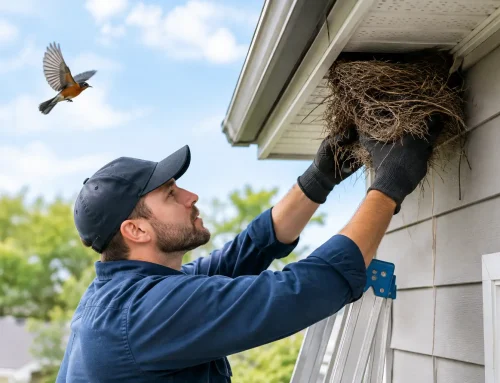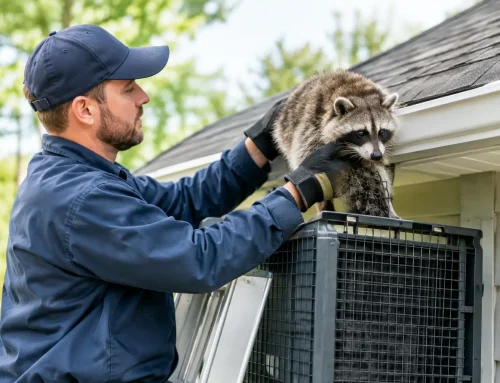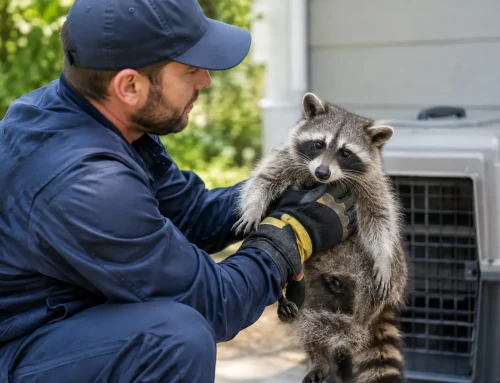
A squirrel running across a roof is normal in New York City. A squirrel scratching above your ceiling at 5 a.m., chewing a soffit, or dropping debris into an attic is a property problem that needs fast attention. Professional squirrel removal NYC service addresses more than the animal itself. It identifies how squirrels got inside, removes them humanely, protects against re-entry, and repairs the damage before a small opening becomes a costly restoration project.
Squirrels are persistent climbers. In NYC and New Jersey, they use tree limbs, utility lines, fire escapes, gutters, rooflines, and even brick ledges to reach vulnerable areas of a building. Once inside an attic, wall void, crawl space, or commercial roof structure, they can chew wiring, tear insulation, damage ductwork, and create ongoing noise and sanitation concerns.
When Squirrel Activity Requires Immediate Action
Not every squirrel sighting calls for trapping. Seeing one in a backyard, park, or on a utility wire is part of city and suburban life. The situation changes when the animal enters the structure of your home or building.
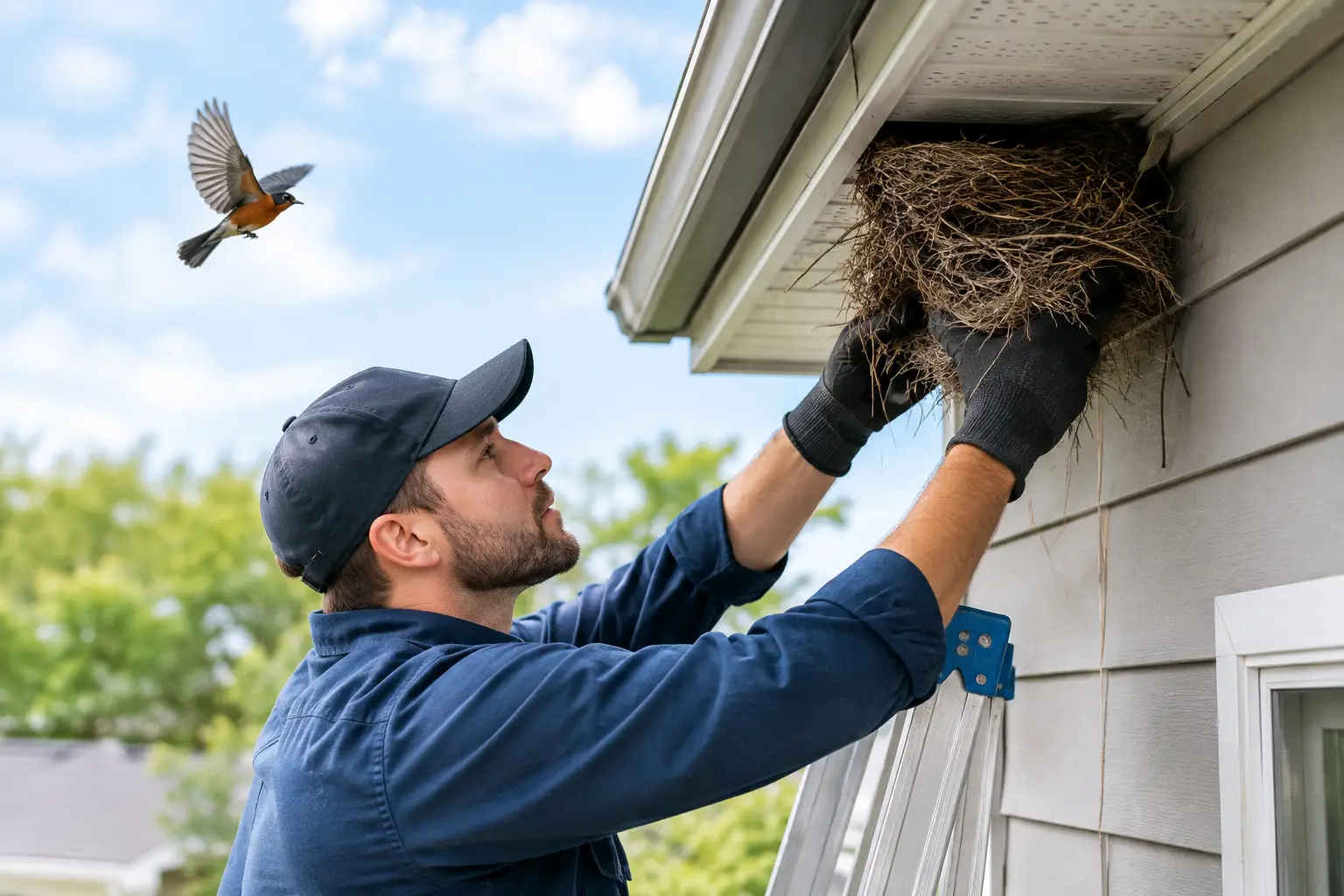
Call for professional help when you hear repeated scurrying, scratching, or rolling sounds in the ceiling or walls, particularly around dawn and late afternoon. Other warning signs include chewed fascia boards, gnawed roof vents, loose siding, nesting material around a roofline, droppings in an attic, or a strong odor from a trapped or deceased animal.
Property managers should take tenant reports seriously, even when the sounds seem minor. A squirrel may be using one small entry point, but that opening can also allow rain, insects, birds, or rodents into the structure. In multifamily buildings, the animal may travel through interconnected wall cavities and create complaints in more than one unit.
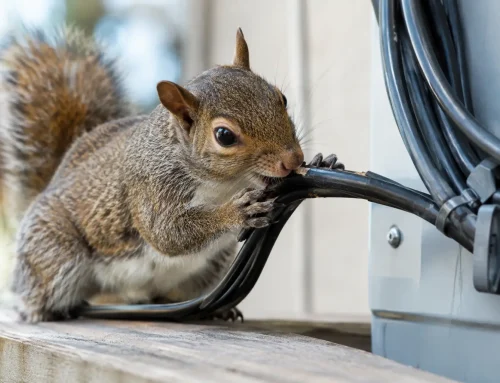
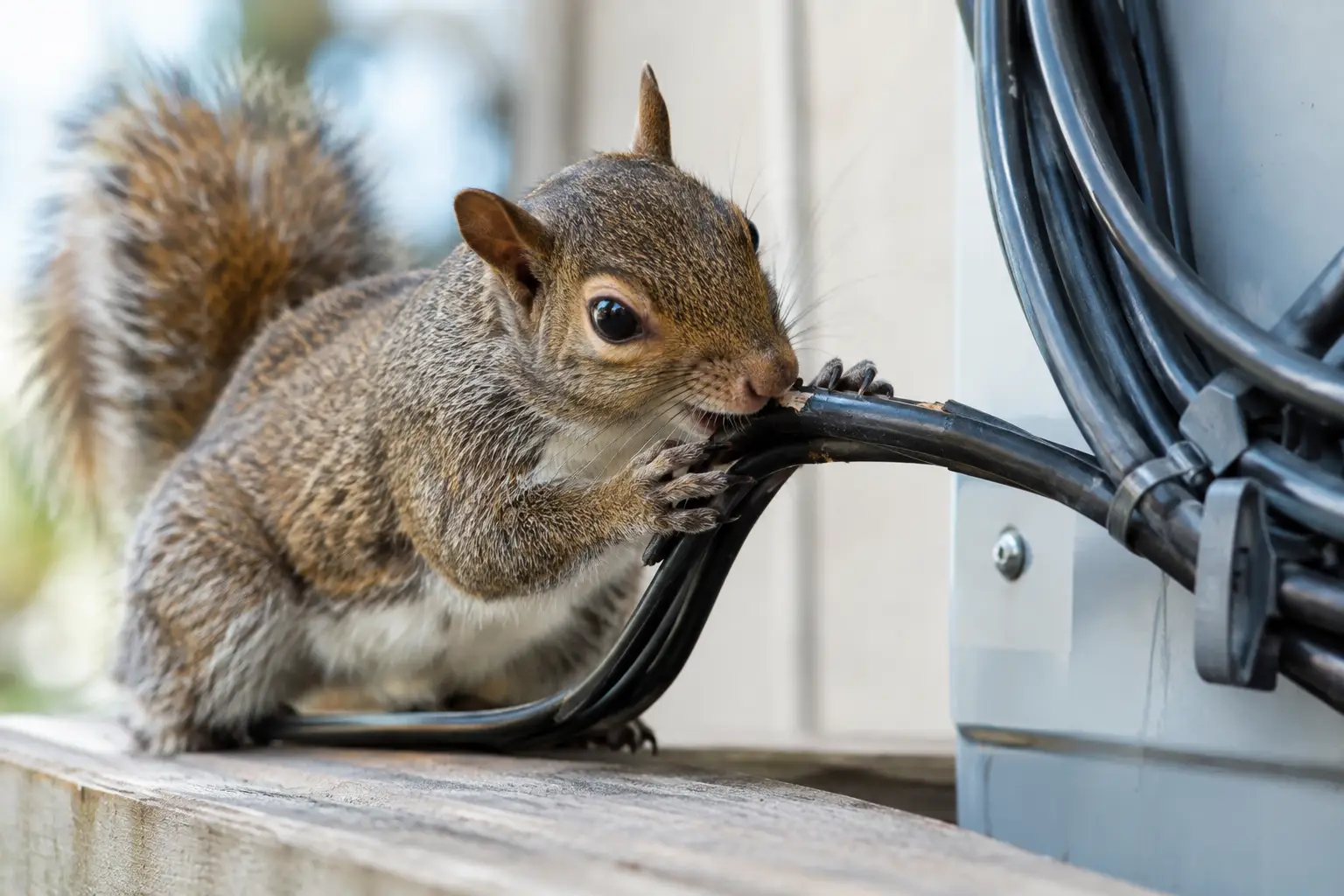
Electrical damage is one of the biggest concerns. Squirrels have continuously growing teeth and chew hard materials to wear them down. Wiring, cable insulation, PVC pipes, wood framing, and stored belongings can all become targets. If you notice flickering power, damaged cables, or exposed wiring near suspected activity, avoid the area and arrange an inspection promptly.
Why DIY Squirrel Removal Often Makes the Problem Worse
It can be tempting to block a hole, set a store-bought trap, or try to scare squirrels out with noise. Those approaches often fail because they do not account for where the animals are nesting or whether young are present.
Sealing an entry point while a squirrel is inside can trap it in the attic or force it into walls and occupied spaces. Sealing an opening while babies are inside can separate the mother from her young, creating odor, noise, and a more difficult removal situation. Spring and late summer are especially sensitive periods because squirrels may be raising litters.
Poisons are not an appropriate solution for squirrels in a structure. They create the risk of an animal dying in an inaccessible wall or ceiling void, followed by odor, flies, staining, and costly opening of finished surfaces. They also introduce unnecessary risks to children, pets, and non-target wildlife.
Repellents, bright lights, loud music, and scent products may temporarily disturb an animal, but they rarely solve an active infestation. A squirrel that has found a dry, protected nesting site will often wait out the disturbance or move deeper into the building.
How Professional Squirrel Removal in NYC Works
Effective squirrel control begins with an inspection, not a trap placed at random. A trained wildlife technician examines the roofline, attic, vents, soffits, siding, chimneys, gutters, crawl spaces, and other likely access areas. The purpose is to identify active entry points, assess damage, and determine whether the issue involves a single squirrel, a nesting female, or multiple animals.
Humane Removal Matched to the Situation
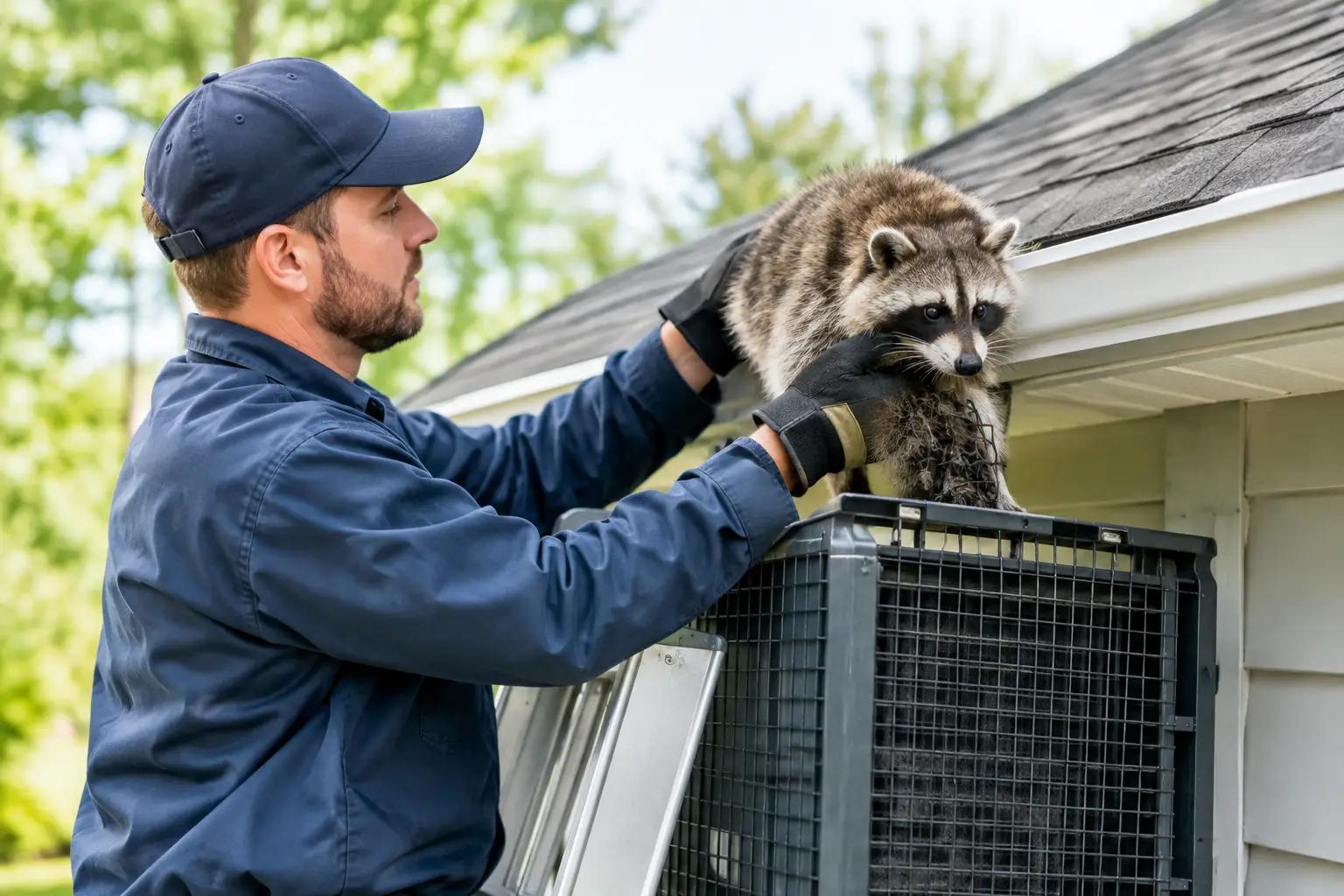
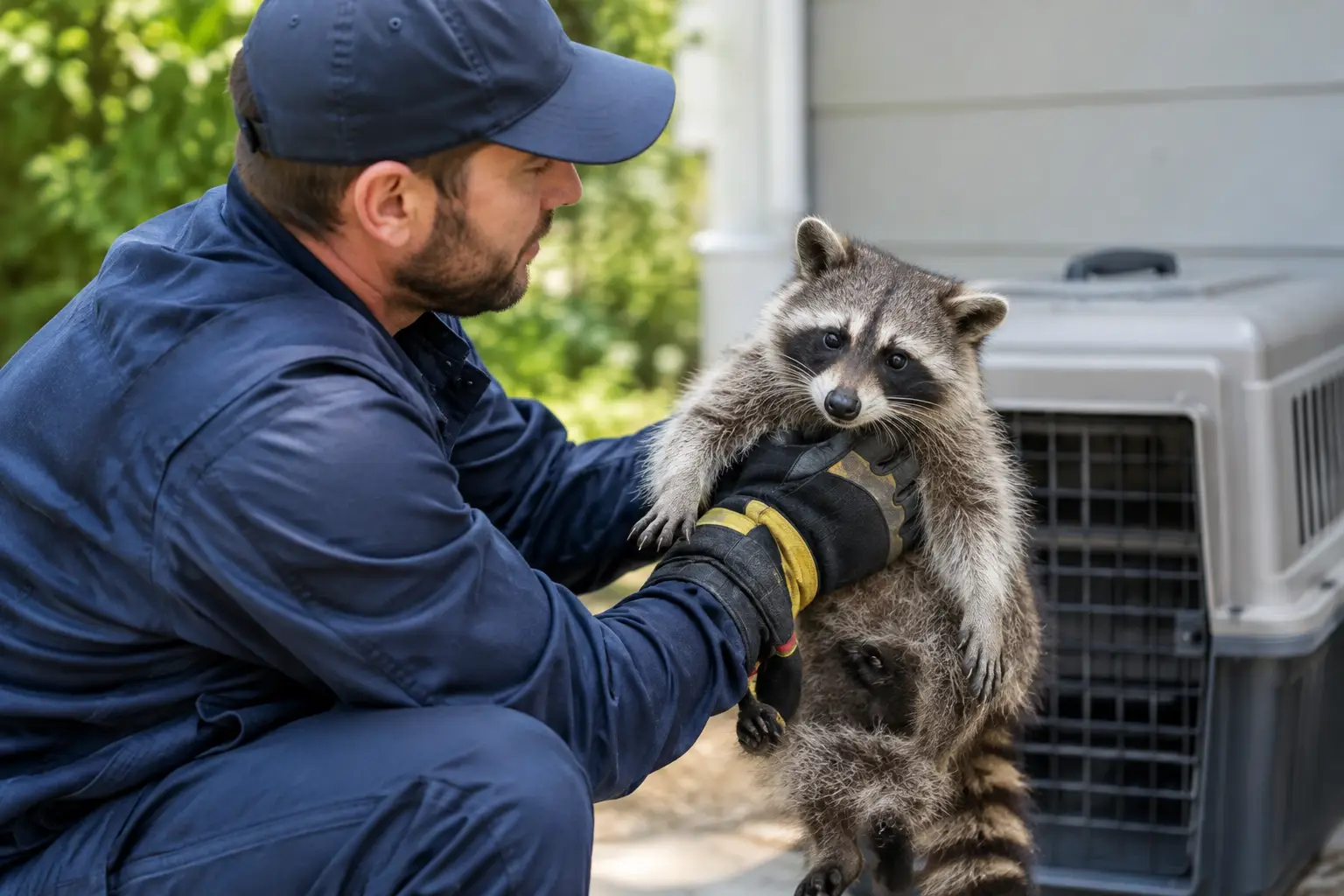
The removal method depends on the property and the season. Humane live trapping may be appropriate when squirrels are actively entering a particular exterior area. In other cases, one-way exclusion devices allow animals to exit while preventing them from returning.
When young squirrels are involved, the process requires extra care. The goal is to keep the family from being separated and prevent animals from becoming trapped inside. This is one reason professional assessment matters. The right approach is not always the fastest-looking one, but it is the one that resolves the problem without creating a worse issue behind walls or ceilings.
Entry-Point Sealing and Exclusion
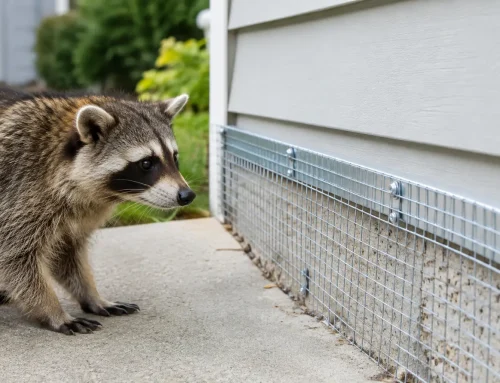
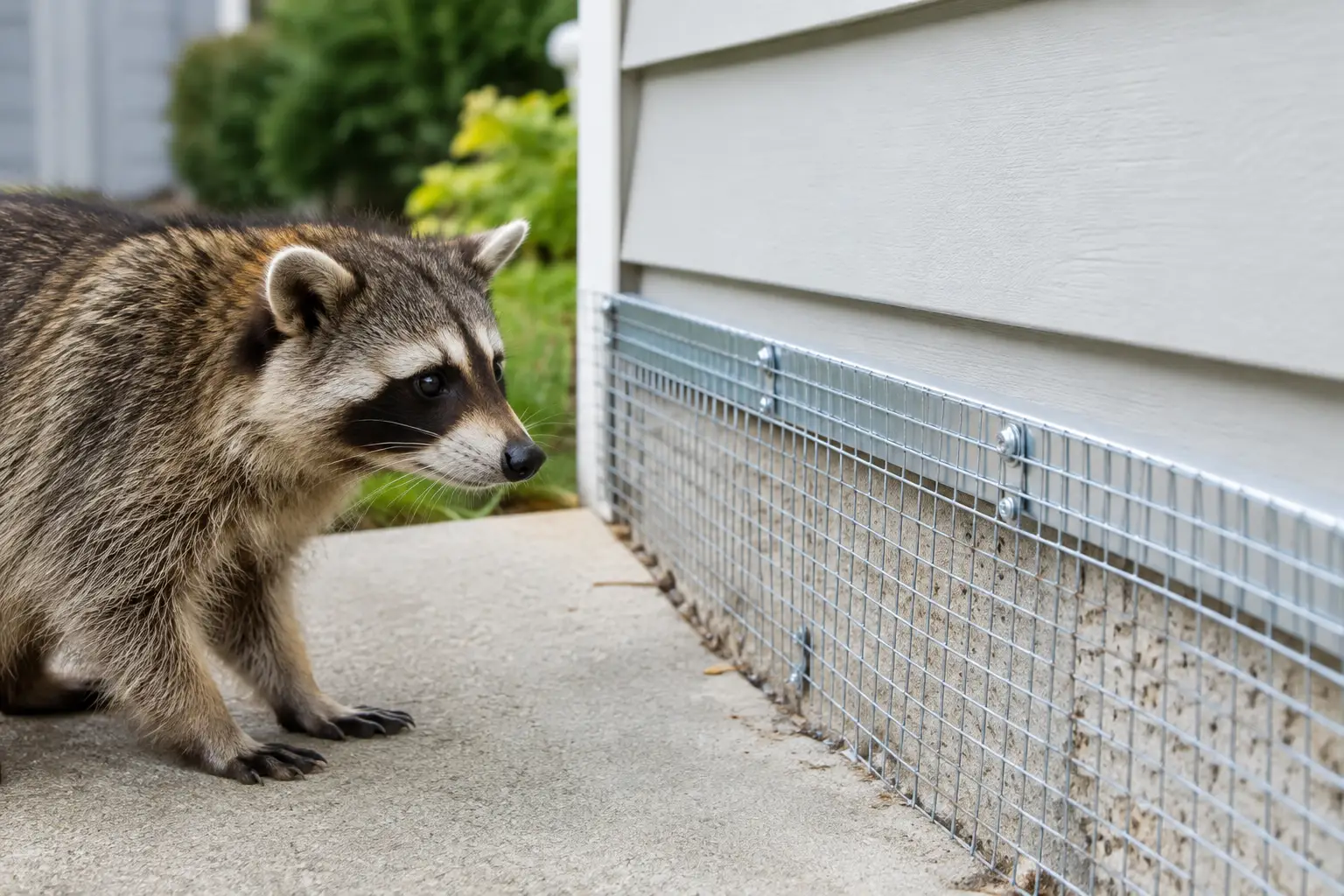
Removal without exclusion is only temporary. Once squirrels are out, technicians seal vulnerable openings using materials designed to withstand chewing and weather exposure. Common repair areas include roof vents, ridge vents, soffits, fascia gaps, dormers, chimney intersections, pipe penetrations, damaged siding, and loose or compromised gutter areas.
The best exclusion work is precise. Buildings need ventilation, drainage, and access for legitimate systems. Covering everything with generic mesh or foam can create moisture issues, violate building requirements, or fail quickly under squirrel pressure. Professional wildlife exclusion focuses on securing actual vulnerabilities while preserving the function of the structure.
Cleanup, Sanitization, and Attic Restoration
A squirrel infestation can leave behind shredded insulation, nesting material, droppings, urine contamination, and damaged stored items. If the activity has continued for weeks or months, cleanup may be as important as removal.
Attic restoration can include removal of contaminated insulation, disinfection of affected surfaces, odor treatment, replacement insulation, and repair of damaged areas. In some properties, moisture from roof damage or long-term contamination can contribute to mold conditions that should be addressed as part of the recovery plan.
Animal Control NYC & NJ provides a full-service approach that can include humane removal, cleanup, sanitation, exclusion, and structural repairs. That means property owners do not have to coordinate one contractor for trapping and another for attic or roof-related recovery.
Squirrel Problems in Homes, Rentals, and Commercial Buildings
Single-family homes often experience squirrel entry near roofs, attics, chimneys, and attached garages. Mature trees close to the home make access easier, but trees are not the only route. Squirrels can climb downspouts, masonry, fences, and exterior utility equipment.
In apartment buildings and brownstones, squirrels may enter through aging roof details, shared attic spaces, façade gaps, or wall openings around utilities. Fast response is particularly important when tenants report animal sounds, droppings, or damaged ceiling materials. Clear documentation of the inspection, findings, and repairs also helps property managers address maintenance concerns responsibly.
Commercial properties face different complications. Restaurants, warehouses, offices, schools, houses of worship, and retail locations may have large rooflines, loading areas, mechanical penetrations, and hard-to-reach voids. The priority is to remove the wildlife safely while limiting disruption to tenants, employees, customers, and operations.
What You Can Do Before Help Arrives
Do not seal suspected entry holes, climb onto the roof, or handle a squirrel yourself. Keep pets and children away from the area, especially if an animal appears injured, trapped, or unusually aggressive.
From a safe distance, make note of where you hear activity and when it occurs. If you can see squirrels entering near a vent, soffit, or roof edge, take a photo from the ground. This information can help speed up the inspection, but do not delay service while trying to confirm every detail.
If a squirrel has entered a living space, close interior doors to contain it if possible, remove pets, and leave the animal a clear path away from people. Avoid cornering it with brooms, towels, or boxes. A frightened squirrel can bite or injure itself while trying to escape.
Preventing the Next Squirrel Intrusion
Prevention is a combination of building maintenance and wildlife-proofing. Trim branches that physically touch the roof where feasible, but do not assume trimming alone will solve the issue. Squirrels can jump surprising distances and may still use gutters, wires, or walls to reach the building.
Inspect roof vents and soffits after storms, construction work, or seasonal temperature changes. Replace damaged screens, repair loose fascia, and address gaps before they become nesting sites. Keep bird feeders away from structures when possible, and clean fallen seed that attracts wildlife near entry points.
For buildings with a history of attic intrusions, a professional exclusion inspection is more reliable than waiting for the next noise overhead. Small defects are easier and less expensive to correct before an animal turns them into a larger opening.
When squirrels are already inside, quick action protects the structure, the occupants, and the animals involved. A humane removal plan followed by durable exclusion and cleanup gives your property the best chance of staying quiet, clean, and secure through the next nesting season.