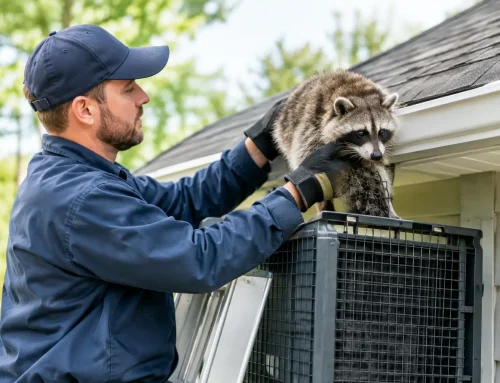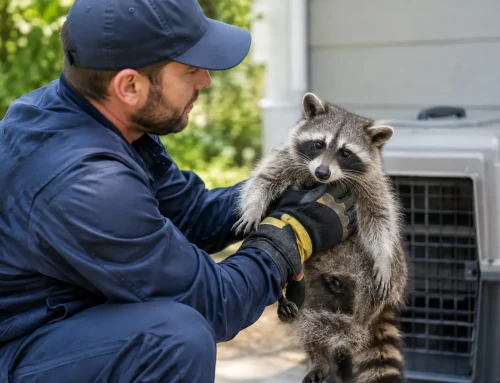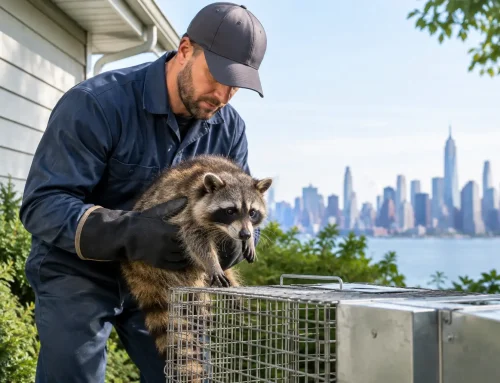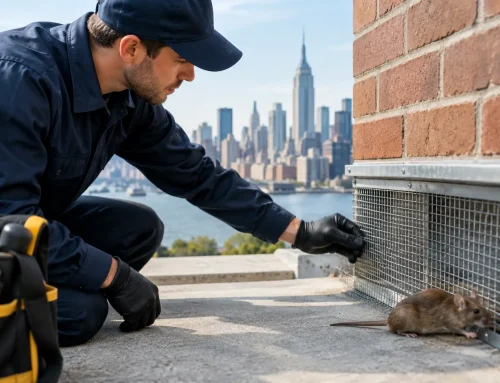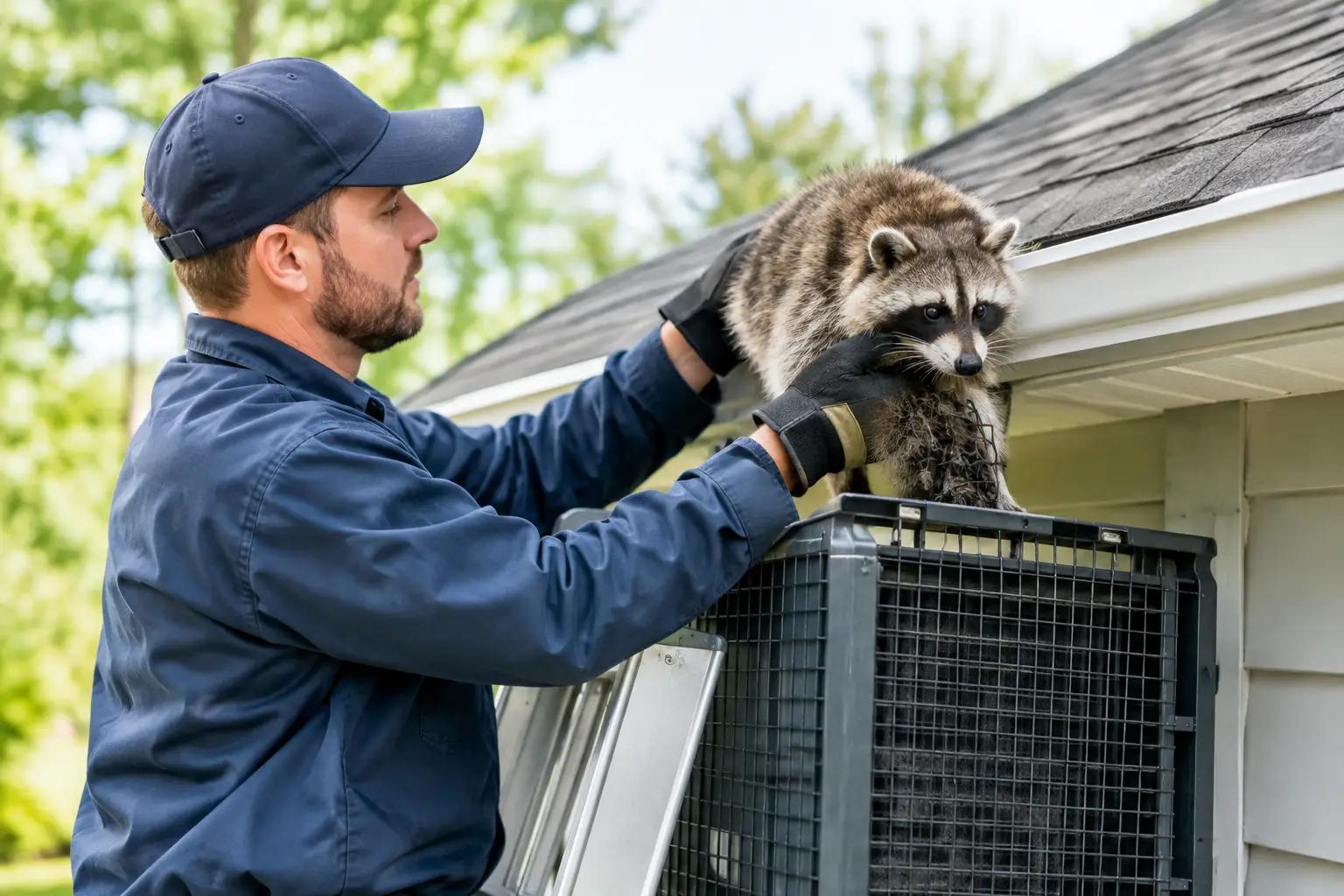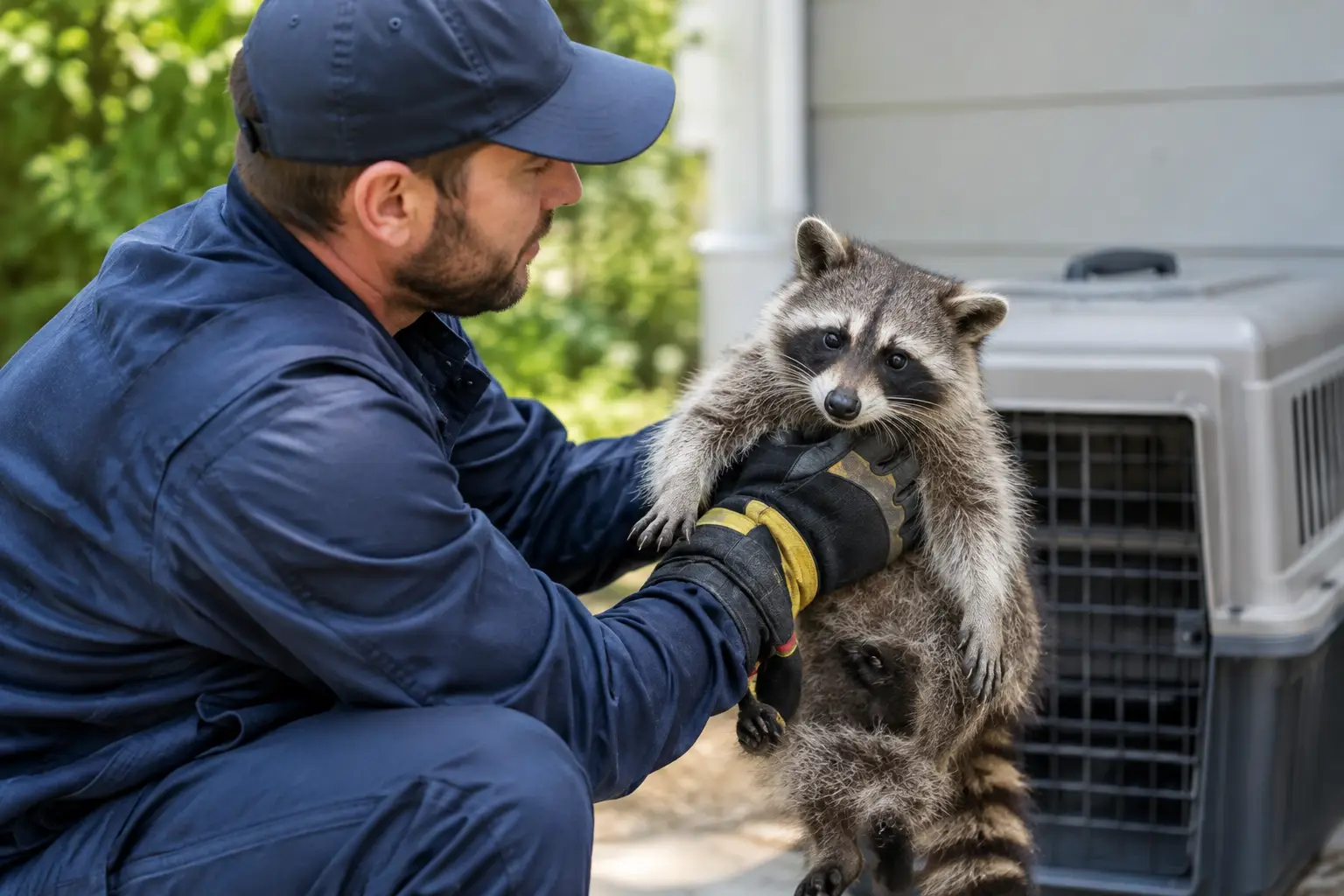
A squirrel in the attic is not just a noise problem. Squirrels chewing wires can expose live electrical conductors, shut down appliances, create repeated breaker trips, and, in the worst cases, start a fire inside a wall or ceiling. For homeowners, landlords, property managers, and business owners across NYC and New Jersey, this is a problem that needs a fast, professional response.
Squirrels do not understand the difference between a branch, a cable, or a low-voltage communications line. They chew to wear down their continuously growing teeth, build nesting areas, and move through tight spaces. When they gain access to an attic, roofline, soffit, crawl space, or utility area, wiring often becomes part of the damage.
Why Squirrels Chew Electrical Wires
Rodent teeth grow throughout an animal’s life. Chewing helps squirrels manage tooth length, but it also helps them investigate and reshape the spaces where they nest. Electrical wiring can be especially appealing because its plastic or rubber coating is easy to grip and tear apart.
Attics provide the combination squirrels look for: warmth, darkness, insulation for nesting, and protection from predators. In NYC and NJ, access often begins at damaged soffits, open roof gaps, uncapped vents, loose fascia boards, compromised ridge vents, or openings around utility lines. A squirrel may enter through a gap that appears too small to matter, then enlarge it over time.
Once inside, the squirrel may strip wire insulation while gathering nesting material or trying to clear a path through a cramped area. The risk increases when a nest is built near junction boxes, recessed lighting, HVAC equipment, or bundles of electrical cable.
The Fire Risk From Squirrels Chewing Wires
Electrical wire insulation is designed to keep energized conductors safely separated from surrounding materials. When that insulation is gnawed away, bare wire may contact another wire, metal ductwork, wood framing, insulation, or moisture. This can cause arcing, short circuits, overheating, or intermittent power loss.
Not every chewed wire immediately causes a visible emergency. That is what makes the damage dangerous. A breaker may trip once and seem normal after being reset. A light may flicker only occasionally. An outlet may stop working in one room while the rest of the property has power. Meanwhile, damaged wiring can remain concealed behind insulation or drywall.
If you smell burning plastic, notice smoke, hear buzzing from a wall or ceiling, see sparks, or have repeated breaker trips, treat the situation as urgent. Turn off power to the affected area if it is safe to do so, keep people away from the location, and contact a licensed electrician. If there is smoke or an active fire risk, call emergency services immediately.
Wildlife removal and electrical repair are separate but connected parts of the solution. Removing the squirrel without locating the damaged wiring can leave a hidden hazard behind. Repairing wiring without closing the entry point invites the next squirrel back into the same space.
Signs You May Have Squirrel Damage in Your Attic
Scratching, running, and rolling sounds overhead are common clues, especially early in the morning and late afternoon when squirrels are active. But noise alone does not confirm wiring damage. Property owners should also watch for changes in their electrical system and signs of fresh wildlife activity.
Common warning signs include chewed insulation, shredded paper or fiberglass nesting material, droppings, visible wire fragments, damaged vent screens, and new holes along the roofline. You may also notice a circuit breaker that trips repeatedly, partial power loss, unexplained flickering lights, or internet, security, and cable problems caused by damaged low-voltage lines.
In multifamily buildings and commercial properties, the issue may first show up as tenant complaints. A top-floor apartment may lose power intermittently, a ceiling light may fail, or staff may report scratching above a suspended ceiling. Fast inspection matters because an attic or ceiling void can connect multiple units, electrical runs, and utility systems.
Do Not Inspect a Potentially Damaged Wire Yourself
It is tempting to climb into the attic with a flashlight and look for the nest. That can create unnecessary risk. Attics may contain exposed wires, unstable flooring, contaminated insulation, animal waste, and protective mothers with young nearby. Squirrels can bite when cornered, and a disturbed animal may move deeper into the structure.
Avoid touching any wire that appears chewed, hanging, or exposed. Do not spray repellents around electrical equipment, seal an active entry hole while animals may still be inside, or set random traps in an attic. Improper trapping can leave young squirrels behind, create odor issues, or cause an animal to die in an inaccessible wall.
What Professional Squirrel Control Should Include
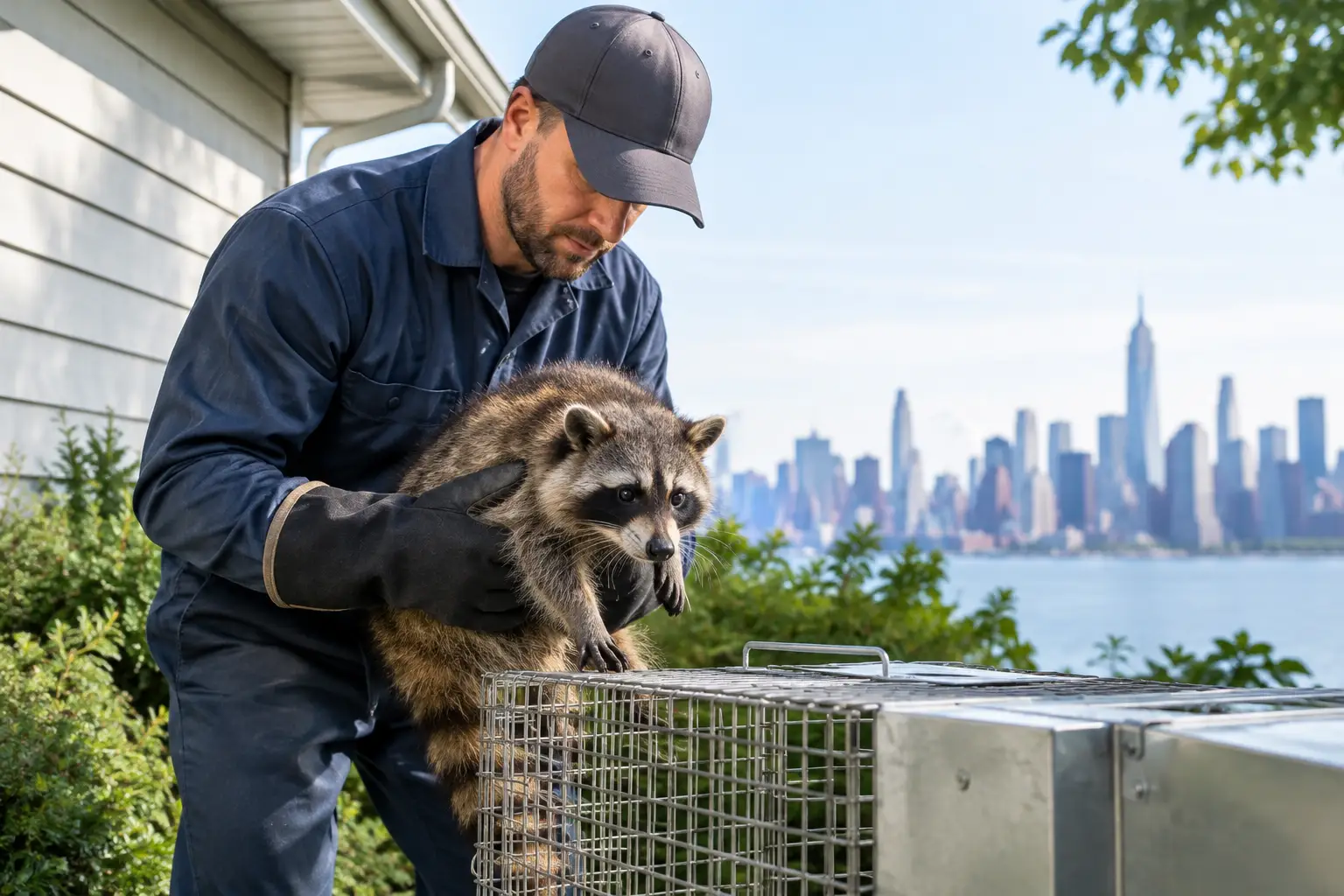
A reliable squirrel control service does more than remove one visible animal. The goal is to identify how squirrels entered, confirm whether young are present, remove the animals humanely, prevent re-entry, and document the damage that needs repair.
A thorough inspection should cover the roofline, soffits, chimney areas, attic vents, ridge vents, gutters, siding transitions, exterior utility penetrations, and accessible attic spaces. Professionals look for rub marks, chew patterns, tracks, nesting material, and entry holes that are easy to overlook from the ground.
Humane removal methods depend on the season, the location of the nest, and whether babies are present. A one-way exclusion device may be appropriate when conditions allow, but it is not suitable for every situation. If young squirrels are inside and unable to leave on their own, exclusion can create a worse problem. The right approach protects the property while keeping animal welfare in view.
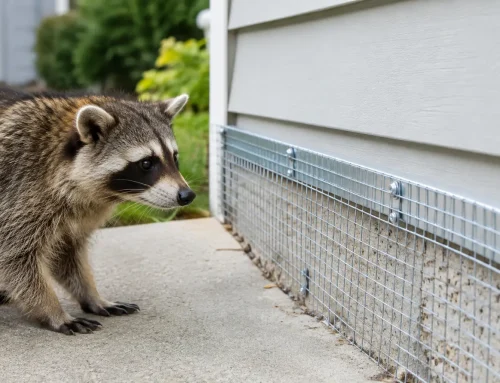
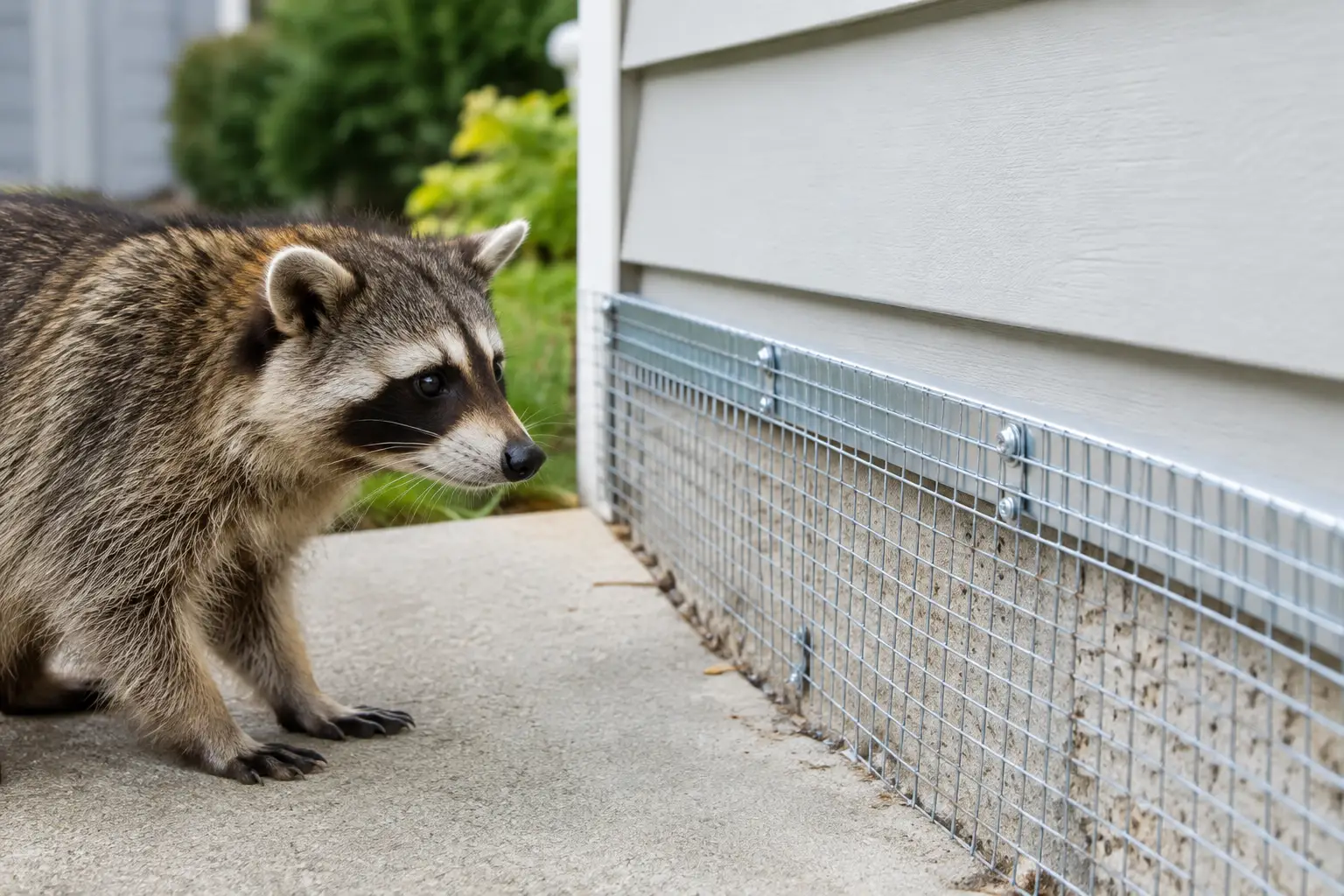
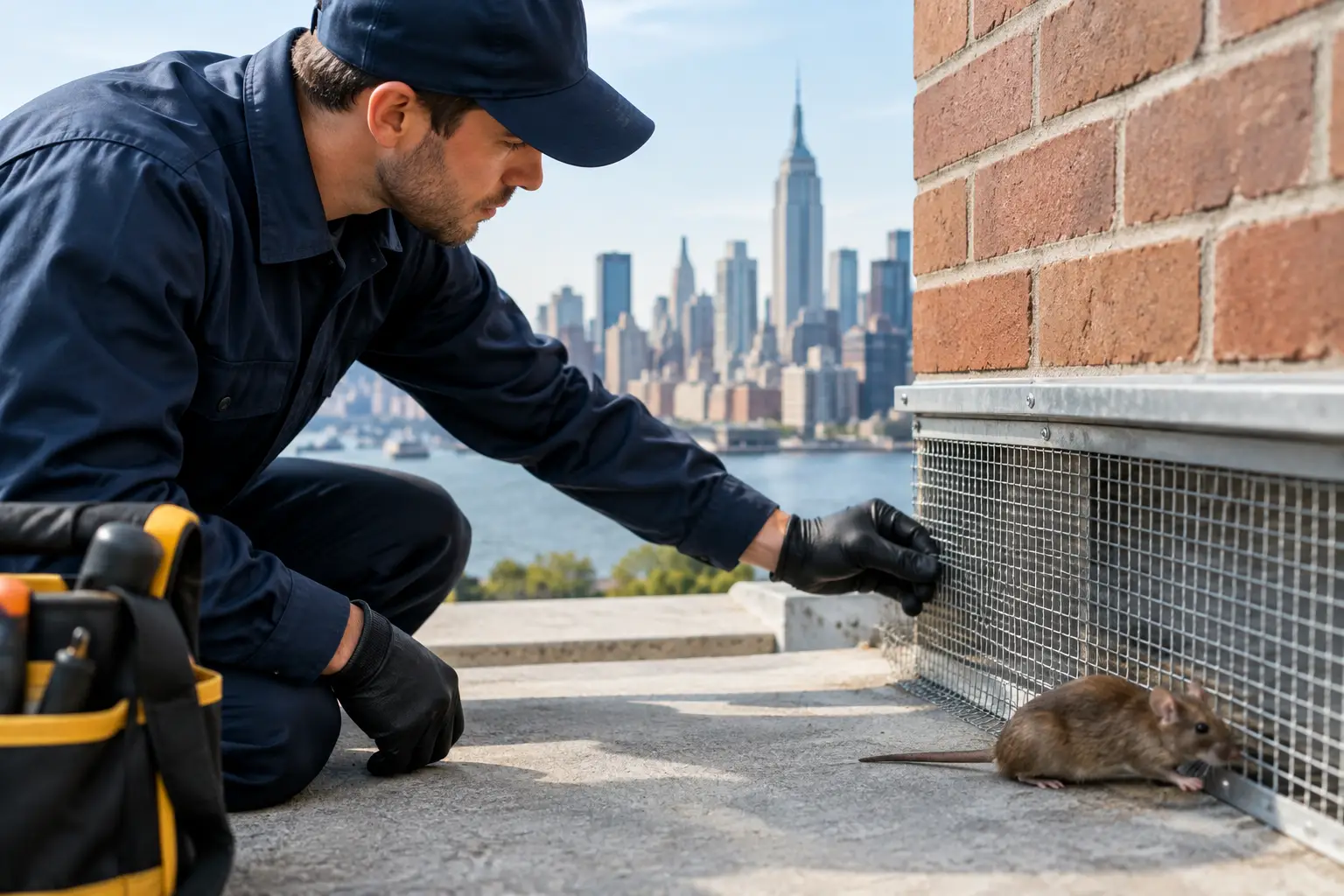
After removal, durable exclusion work is essential. This may involve repairing soffits, securing vulnerable vents, protecting ridge vents, closing construction gaps, and reinforcing other weak points with materials designed to withstand chewing. Foam, tape, and lightweight screening are rarely long-term solutions against determined wildlife.
Electrical Repair, Cleanup, and Attic Restoration
Once squirrels are out, a licensed electrician should inspect any suspected electrical damage. The electrician can identify compromised cables, check junction boxes and circuits, replace damaged sections, and confirm that the system is safe to operate. This step is especially important if breakers have tripped, lights have flickered, or wiring was visibly chewed.
The attic may also need restoration. Squirrels can contaminate insulation with urine, droppings, nesting debris, and parasites. If insulation has been heavily tunneled, compressed, or soiled, replacing only a small patch may not be enough. The correct scope depends on the amount of contamination, the age of the insulation, and whether odors or moisture problems are present.
Professional cleanup can include removal of contaminated materials, sanitation of affected surfaces, odor control, insulation replacement, and sealing of remaining gaps. For property managers, documenting the condition before and after work can also help explain the repair to owners, tenants, or maintenance teams.
Prevention Depends on the Property
No two buildings have exactly the same squirrel pressure. A detached suburban home near mature trees faces different risks than a Brooklyn brownstone, a New Jersey warehouse, or a multifamily building with a complex roofline. Tree branches that touch or overhang a roof can give squirrels an easy travel route, but trimming alone will not solve an existing entry point.
Regular exterior maintenance makes a real difference. Keep vents protected, repair loose roof and soffit materials promptly, inspect gutters and fascia after storms, and address gaps around pipes, conduits, and cable lines. If a property has solar panels, specialized animal proofing may also be needed because squirrels can nest beneath panels and damage nearby wiring.
The most effective prevention is a combination of exclusion, structural repair, and periodic inspection. Repellents and ultrasonic devices may offer limited, temporary results, but they do not repair chewed wires or close a hole in the roof.
Get Help Before the Damage Spreads
A squirrel problem can become an electrical problem quickly, particularly when activity is happening in an attic, wall, ceiling, or utility area. Animal Control NYC & NJ provides professional wildlife trapping and removal, exclusion, cleanup, and damage remediation for properties across New York City and New Jersey.
If you suspect squirrels are in your attic, do not wait for a power outage or a burning smell to confirm the risk. A professional inspection can identify the entry point, determine whether squirrels are nesting inside, and help you coordinate safe removal and needed repairs. The best time to protect your wiring is before the next chew mark becomes a hidden hazard.