A scratching sound above the ceiling at 2 a.m., droppings near a rooftop vent, or insulation falling from an attic hatch are not small maintenance issues. They are signs that an animal may already have access to your building. Animal proofing is the work that stops that access before a squirrel, rat, raccoon, bird, or bat turns a small opening into an expensive property problem.
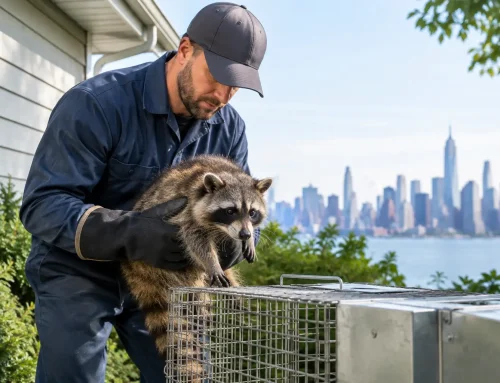
For homeowners, landlords, property managers, and commercial operators in New York City and New Jersey, the goal is not simply to get an animal out. The real solution is to remove it humanely, identify how it entered, clean up the contamination, and close every practical entry point so the problem does not return.
Why Animal Intrusions Keep Returning
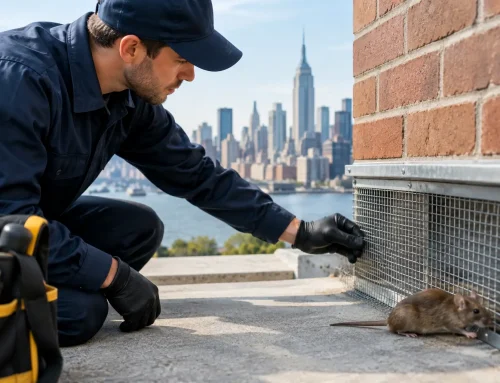
Wildlife does not need a wide-open door. A mouse can enter through a gap about the width of a pencil. Rats exploit utility penetrations, damaged masonry, open pipe chases, and gaps around basement doors. Squirrels and raccoons may pull apart loose soffits, roof edges, ridge vents, or weakened fascia. Birds and bats often use vent openings, roofline gaps, and voids behind exterior cladding.
In dense NYC neighborhoods and suburban New Jersey communities, animals have plenty of reasons to target structures. Buildings offer warmth, shelter from predators, nesting space, and easy access to food. A property near trees, dumpsters, restaurant waste, standing water, construction activity, or neighboring infestations can be especially vulnerable.
Removal alone does not change those conditions. If an attic squirrel is trapped but the damaged roof vent remains open, another squirrel can return. If rats are controlled inside a commercial property but exterior gaps around pipes are left untreated, activity may continue. Effective exclusion addresses the cause, not just the animal seen on site.
What Professional Animal Proofing Looks Like
Animal proofing is a species-specific process. The material and method used to keep out mice are not necessarily appropriate for raccoons. A repair that blocks birds may create problems if bats are present and young animals still need to exit. That is why a careful inspection comes before sealing work.
A professional inspection looks at the full structure, including the roofline, gutters, chimney areas, attic vents, plumbing and utility entries, foundation openings, crawl spaces, basement doors, garage doors, exterior siding, and rooftop equipment. Technicians also look for staining, rub marks, tracks, gnawing, droppings, nesting material, and damaged insulation. These signs help determine what species is active, where it entered, and whether animals may still be inside.
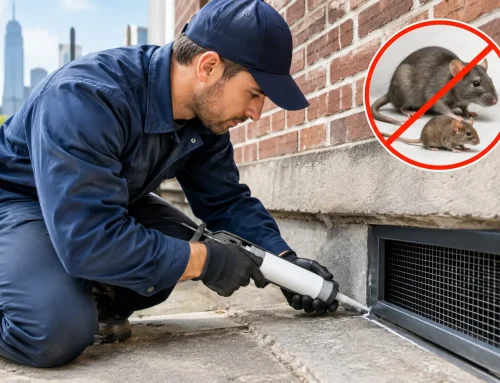
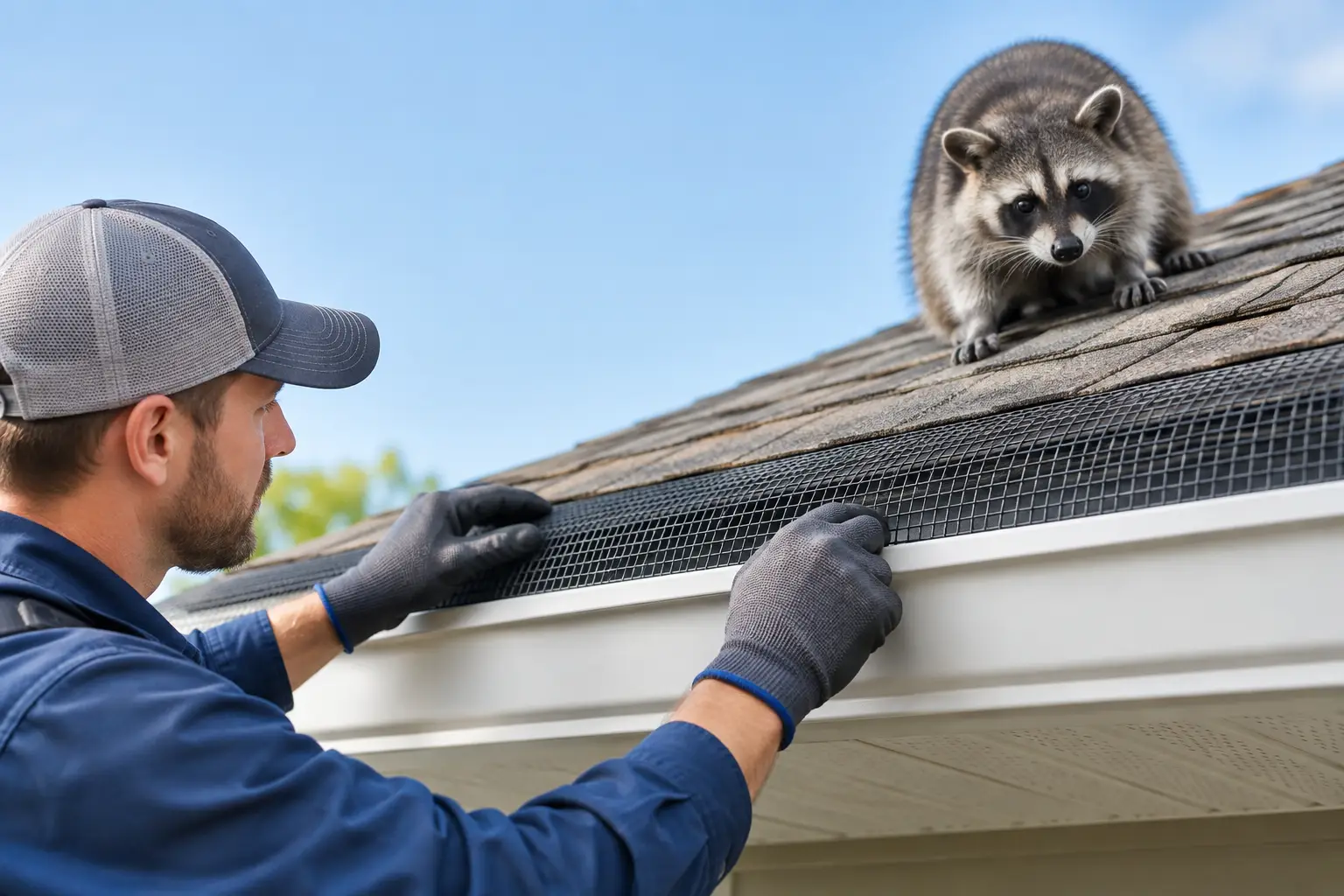
After the inspection, exclusion work may include repairing or screening vents, securing soffits and fascia, sealing gaps around pipes and conduits, reinforcing vulnerable roofline areas, closing foundation openings, repairing damaged screens, and installing protective barriers where wildlife commonly enters. Materials need to be durable enough for the location and the animal involved. Lightweight screening may deter birds but will not reliably stop a determined raccoon or a rat capable of chewing through weak materials.
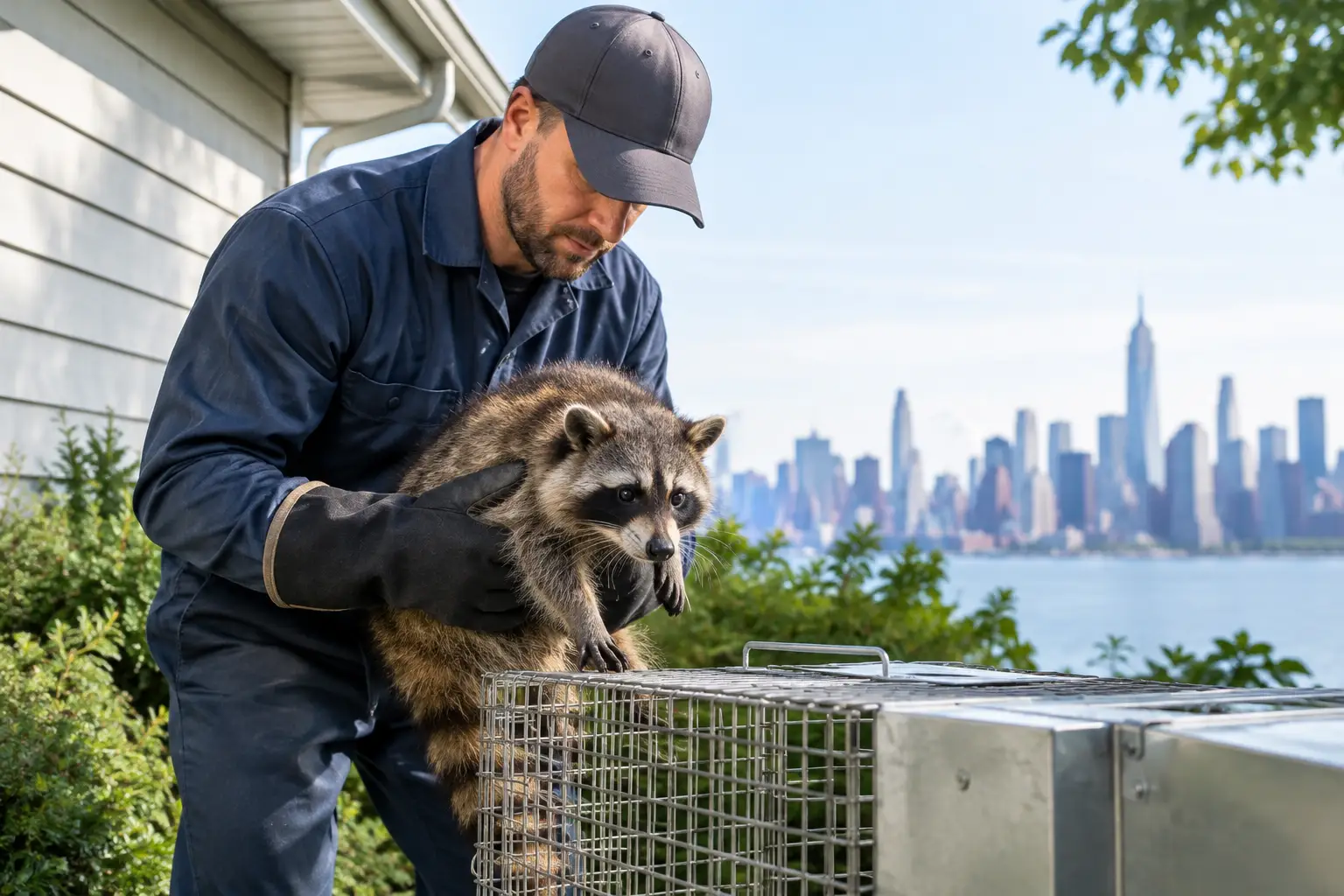
The order of work matters. Active animals must be removed or allowed to exit safely before permanent closure. Sealing an opening too early can trap wildlife in walls, attics, or crawl spaces, creating odor, noise, damage, and animal welfare concerns. Humane exclusion is designed to prevent re-entry while avoiding unnecessary harm.
Roofs, Attics, and Ridge Vents
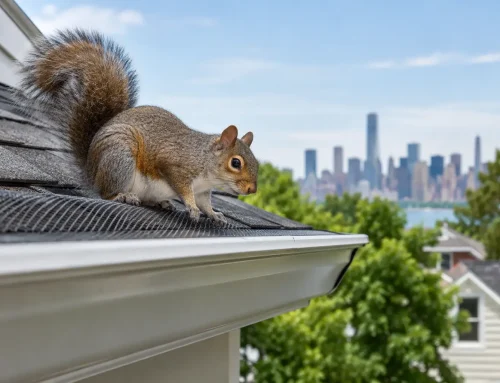
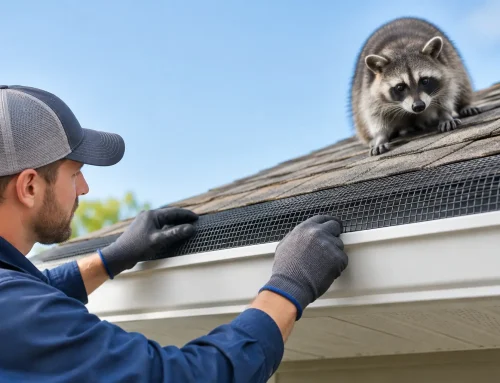
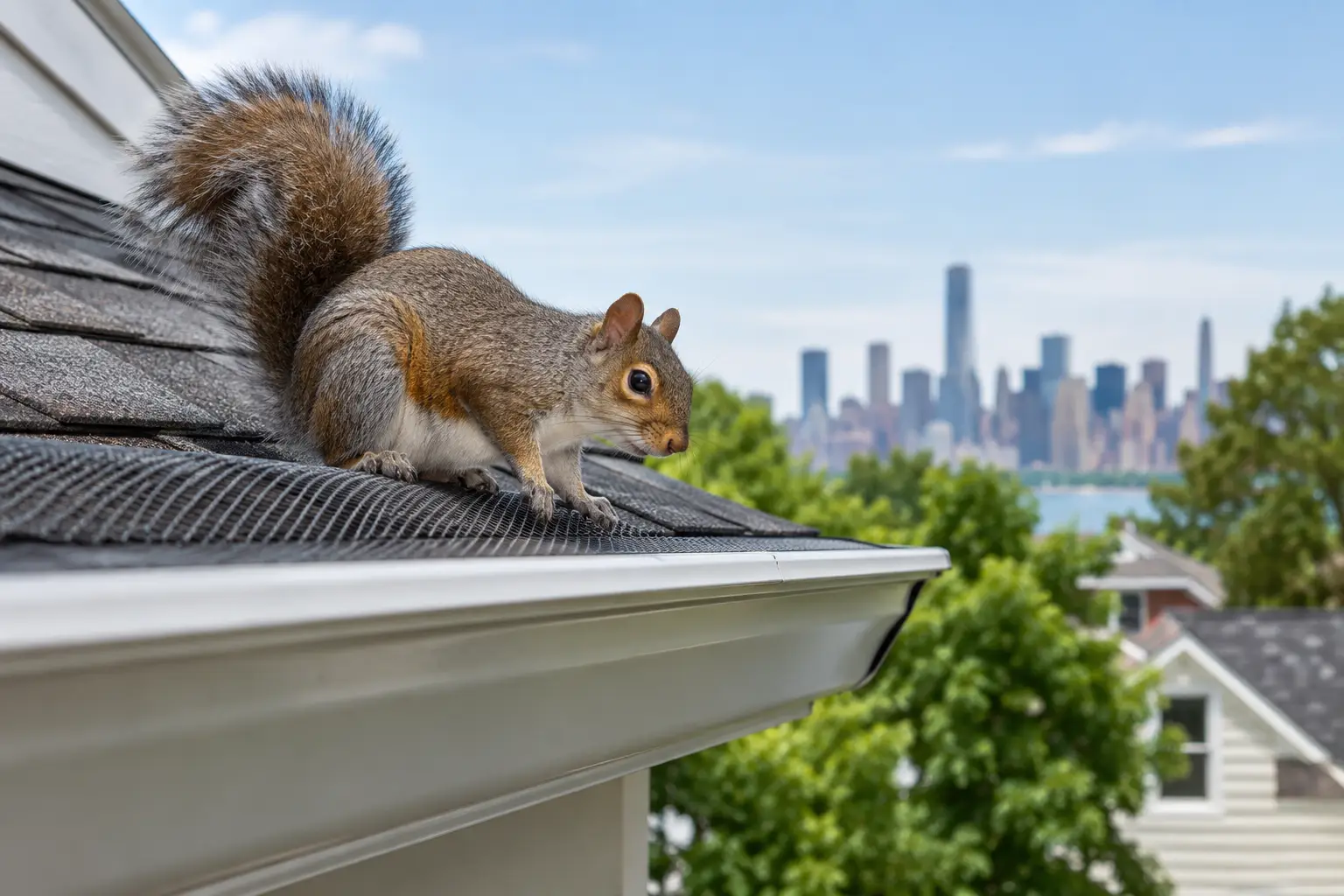
The roofline is one of the most common access points because it is difficult to inspect from the ground. Raccoons can tear open loose vent covers and weak soffit sections. Squirrels can widen existing gaps near eaves and roof returns. Birds may nest in vents or behind damaged trim, while bats can use narrow openings around flashing, shingles, and fascia.
Ridge vents deserve particular attention. They provide needed airflow, but unprotected or damaged ridge vents can become an entry route for rodents, squirrels, birds, and bats. Proper ridge-vent protection preserves ventilation while closing the route wildlife uses. The wrong repair can restrict airflow or create a new roof leak, so the installation should match the roof design.
Once animals have occupied an attic, proofing often needs to be paired with attic restoration. Contaminated insulation, nesting debris, urine, and droppings can create odors and attract future activity. In some cases, insulation replacement, disinfection, deodorization, and repair of chewed wiring or damaged ductwork are necessary to return the space to a safe condition.
Crawl Spaces, Basements, and Foundations
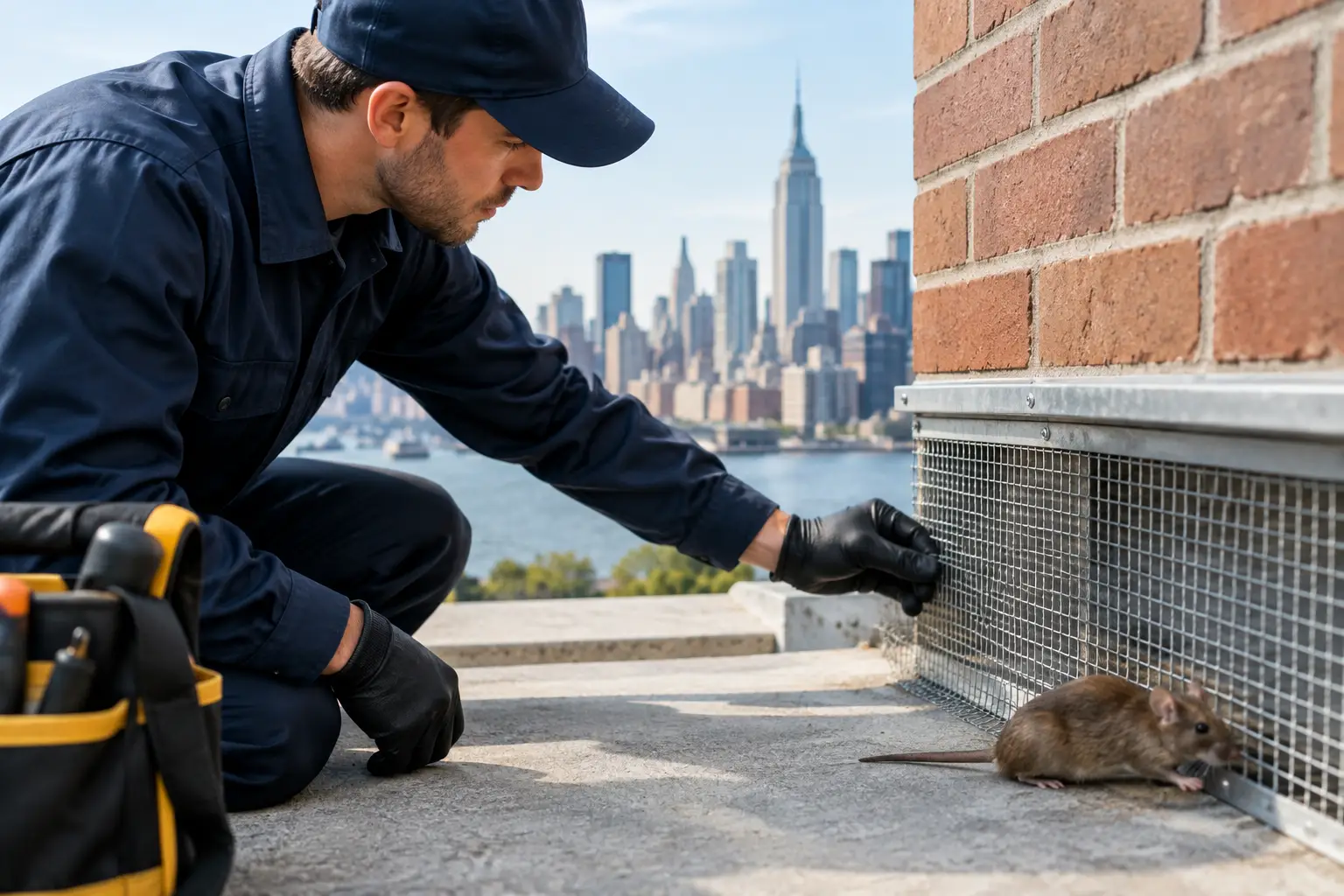
Ground-level access can be just as serious. Rats, mice, opossums, groundhogs, and other animals may enter through foundation gaps, damaged crawl-space vents, broken basement windows, open door sweeps, and utility openings. Moist crawl spaces are particularly attractive because they offer cover and can conceal nesting areas.
Crawl-space sealing should account for drainage, ventilation requirements, and access for future maintenance. Simply covering every opening without understanding moisture conditions can lead to another problem. The right approach blocks animal entry while protecting the building envelope and allowing necessary systems to function.
For commercial properties, loading areas, trash storage, kitchen utility lines, and rear service doors deserve close attention. Rodents follow food and shelter. A single gap near a trash enclosure or a door that does not close tightly can undermine otherwise effective control efforts.
Solar Panels and Gutters Need Protection Too
Solar panels create a sheltered gap between the panel and roof that birds and squirrels can use for nesting. Nesting material can clog drainage paths, damage wiring, create noise, and leave droppings across the roof and walkways below. Solar panel animal proofing uses properly fitted barriers to keep animals from getting underneath while preserving panel performance and access for service.
Gutters can also become a wildlife issue. Leaves, nesting material, and debris hold moisture and create hiding places near the roofline. When gutters overflow, water can damage fascia and soffits, making those areas easier for animals to exploit. Gutter guard installation and routine maintenance help reduce debris buildup and protect the edges of the roof where intrusion often begins.
When DIY Sealing Can Make the Problem Worse
Small repairs such as replacing a torn window screen or adding a door sweep can be reasonable for a property owner. But active wildlife, attic contamination, roof access, and recurring rodent activity are not good candidates for guesswork.
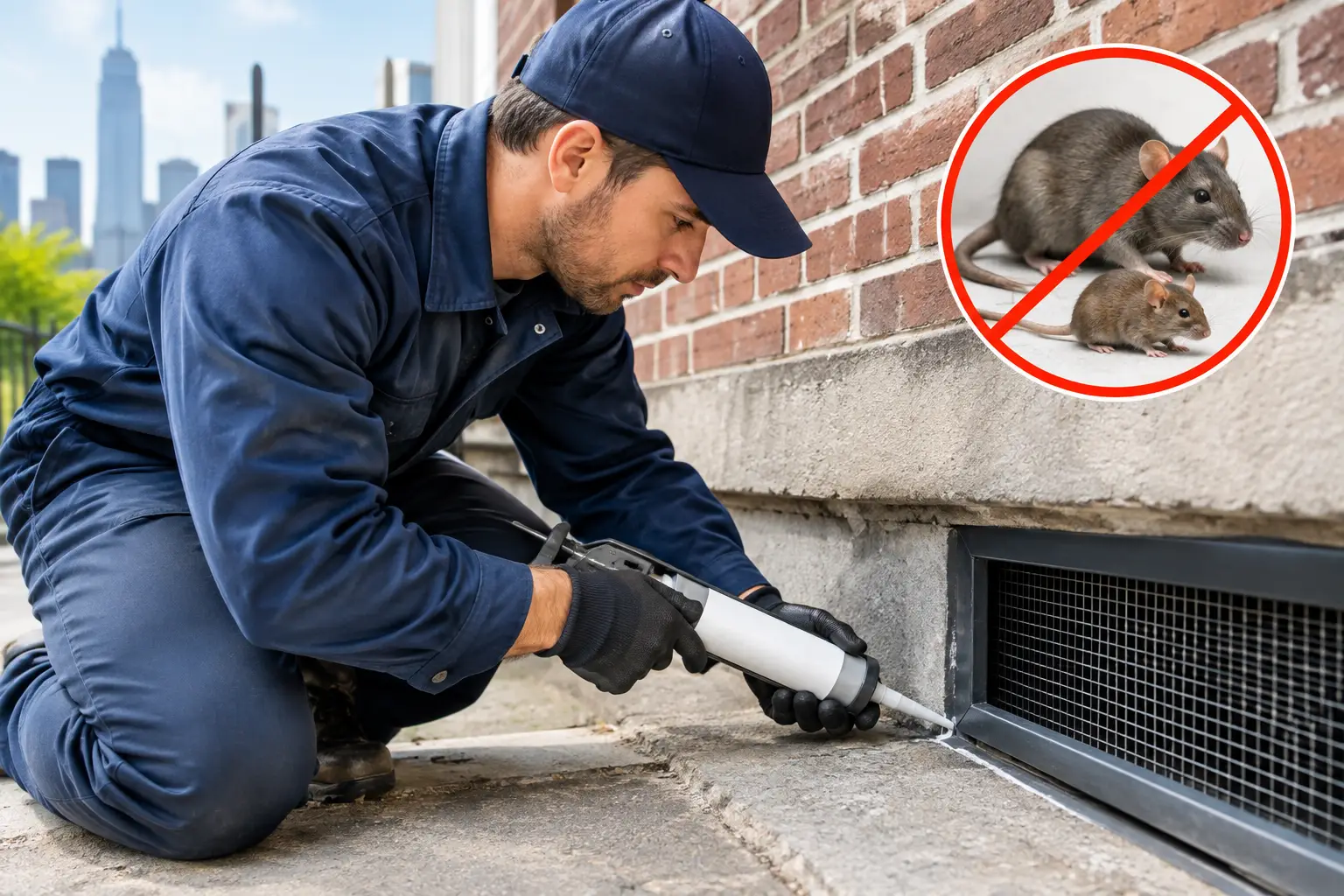
Expanding foam alone is rarely a lasting animal-proofing solution. Rodents can chew through it, weather can break it down, and it may hide a larger structural gap. Hardware cloth, metal flashing, vent guards, and properly installed exclusion materials are often needed, but even strong materials fail if they are installed over an active entry point or attached to deteriorated wood.
There are also safety concerns. Raccoons, bats, rodents, and birds can carry parasites and pathogens, and droppings should not be swept or vacuumed dry in an enclosed area. A dead animal in a wall, attic, or crawl space requires proper removal and sanitization. If you hear movement, find fresh droppings, notice a strong odor, or see damage growing around the same area, treat the situation as active until a professional inspection confirms otherwise.
A Complete Fix Protects the Structure
The strongest animal-proofing plan combines removal, exclusion, cleanup, and repair. It should account for the animal species, the season, the age and condition of the building, and the location of the entry points. A historic brownstone, a multifamily building, a warehouse, and a single-family home will not have identical vulnerabilities.
Animal Control NYC & NJ provides 24/7 wildlife response for properties that need more than a trap set at the curb. The work can include humane removal, targeted exclusion, dead animal removal, sanitization, attic and crawl-space restoration, roofline repairs, and protection for vents, gutters, and solar panels.
If you can see an opening, hear movement behind a wall, or smell an attic odor, act before the next nesting cycle or weather event gives wildlife another reason to move in. Early proofing is usually cleaner, safer, and far less disruptive than repairing a long-term infestation.