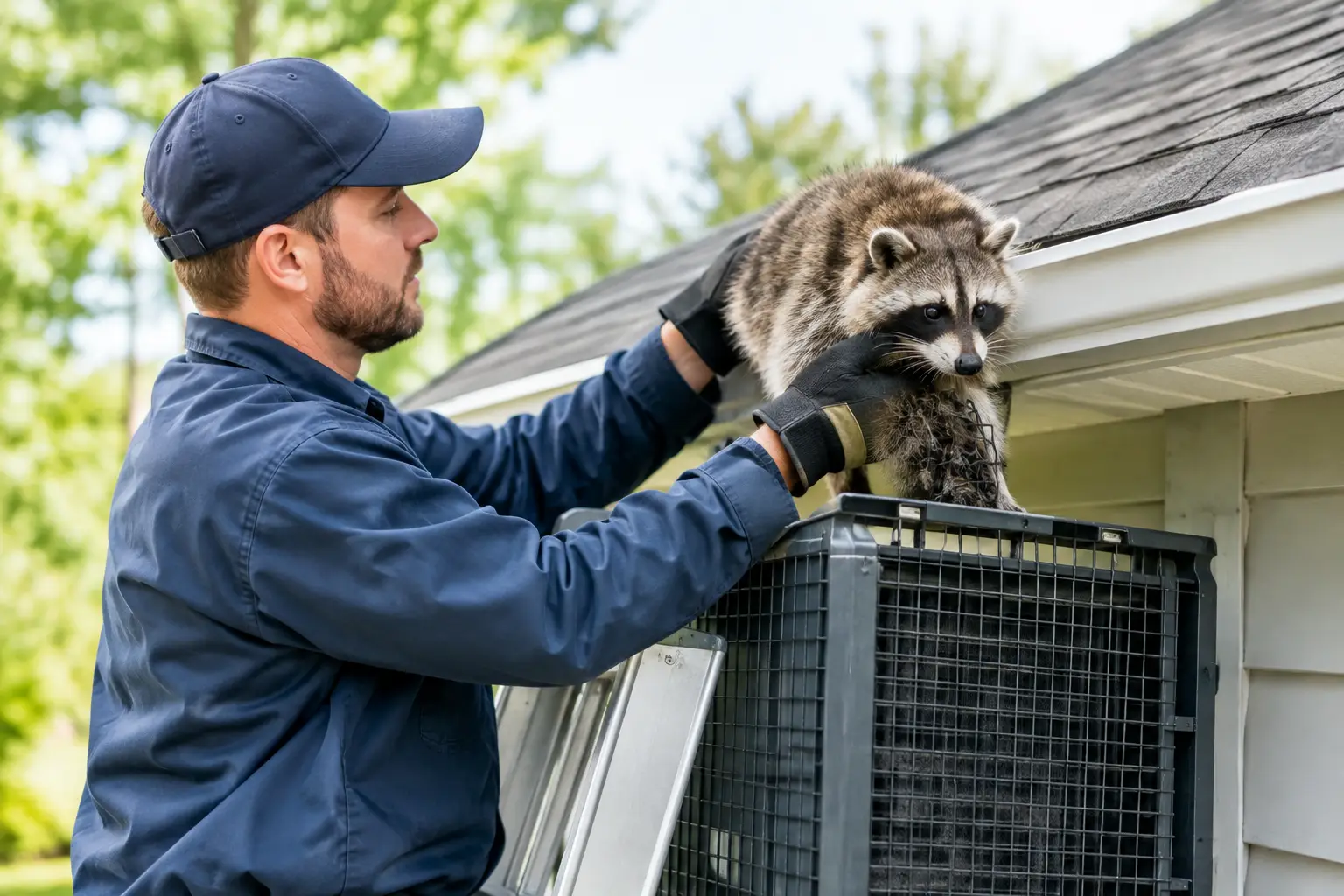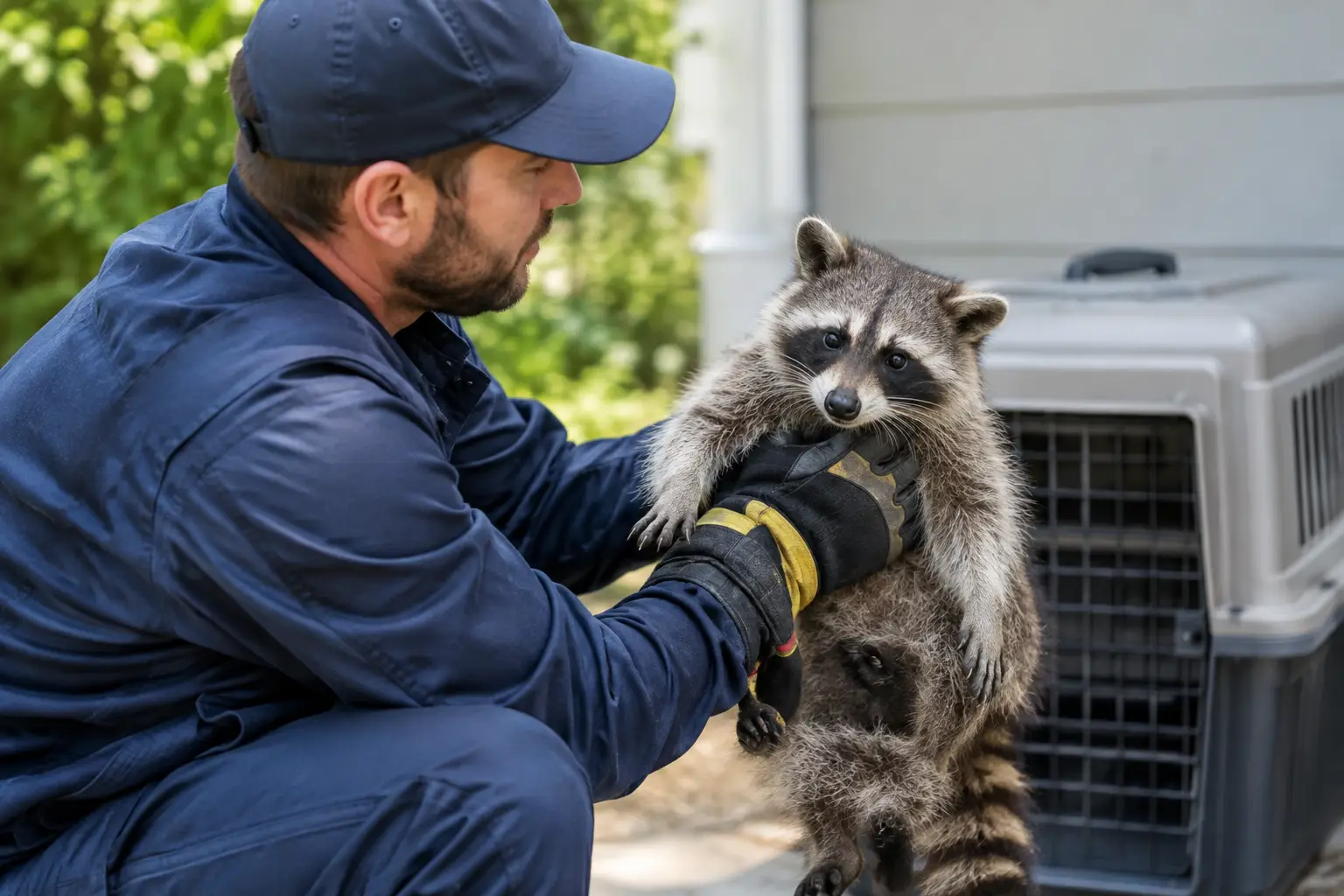
Hearing faint scratching above the ceiling at dusk, finding droppings near a gable vent, or seeing bats slip through a roof gap is a problem that needs more than a quick patch. Professional bat removal NJ service identifies how bats entered, removes them humanely, protects the structure from re-entry, and addresses contamination left behind in the attic or walls.
Bats can enter through openings as small as 3/8 of an inch. A loose ridge vent, warped fascia board, uncapped chimney, roofline gap, or damaged soffit can become an access point. Once inside, bats often settle in quiet, dark areas such as attics, wall voids, church steeples, warehouses, apartment buildings, and commercial roofs.
Why bats in a building require professional action
Bats provide real benefits outdoors by feeding on insects, but they do not belong inside occupied buildings. A single bat may have entered accidentally through an open door or chimney. Repeated activity at the same point near sunset usually points to a roosting site, which requires a complete inspection and a species-appropriate removal plan.
The primary concern is not just the sight of a bat. Droppings can accumulate in insulation, behind walls, and around vent systems. When dry guano is disturbed, particles can become airborne. Strong odors may develop over time, and urine can stain ceilings or insulation. Large colonies can create substantial cleanup needs, especially in attics that have been occupied for several seasons.
There is also a health concern if a bat is found in a bedroom, near a sleeping person, around a child, or in a space with pets. Never touch, trap, or release a bat with bare hands. Keep people and animals away from it, close interior doors if possible, and contact qualified wildlife professionals and appropriate local health authorities for guidance. The response may differ depending on whether there was potential direct contact.
Bat removal NJ services start with the entry points
Effective bat control is exclusion work, not routine trapping. The goal is to let bats leave safely while preventing their return. Sealing every visible gap immediately can create a worse problem if bats are still inside. They may die in wall cavities, enter living areas while searching for an exit, or separate from young bats that cannot yet fly.
A professional inspection looks at the full exterior, not just the hole where activity was first noticed. Technicians inspect roof intersections, ridge vents, gable vents, soffits, chimneys, dormers, siding transitions, utility penetrations, flashing, and gaps around exterior trim. They also assess the attic or upper structure for droppings, staining, rub marks, nesting evidence, and damaged insulation.
The right exclusion schedule depends on the species, the property layout, the size of the roost, and the season. During maternity periods, humane removal requires particular care because flightless young may be present. A responsible operator will explain whether exclusion can proceed safely now or whether a temporary timing adjustment is necessary. Fast service matters, but a rushed seal-up that traps bats inside is not a real solution.
Once conditions allow, one-way exclusion devices are installed at active exits. These devices allow bats to leave at night but prevent them from getting back in. Secondary gaps are sealed with durable materials suited to the structure. After activity has stopped and the exit period is complete, the final entry points are secured.
What a complete bat job should include
A bat problem is rarely solved by covering one opening with hardware cloth or spray foam. Those materials can fail when they are not properly fitted, and bats may simply use another gap along the roofline. Complete work addresses the colony, the structure, and the affected interior areas.
A professional service plan may include:
- Exterior and attic inspection to locate active access points and assess contamination
- Humane one-way exclusion that allows bats to exit without trapping them inside
- Sealing and repair of roofline gaps, vent openings, soffits, fascia, chimney areas, and siding transitions
- Removal of contaminated insulation or debris when conditions require it
- Disinfection, odor control, and restoration of the attic or crawl space
- Recommendations for long-term bat-proofing and future maintenance
For many New Jersey homes, ridge vents deserve close attention. They provide needed attic ventilation, but unprotected or poorly installed ridge vents can offer an easy path into the roof structure. Ridge-vent protection can preserve ventilation while blocking wildlife access. The same principle applies to gable vents, chimneys, and attic louvers.
Do not rely on repellents or DIY sealing
Ultrasonic devices, mothballs, bright lights, and household sprays are not dependable answers to a bat colony. At best, these methods may create temporary disturbance. At worst, they drive bats deeper into hidden voids or leave property owners with a contamination problem that remains untreated.
DIY exclusion also carries safety and timing risks. Working on a steep roof at dusk is dangerous, and identifying bat entry points takes more than finding the largest visible hole. Properties may have multiple access routes, particularly older homes with complex rooflines, additions, dormers, or aging trim.
If you see a bat flying indoors, avoid swinging at it or trying to catch it. Move people and pets out of the immediate area, isolate the room if practical, and get professional advice. If there is any possibility of a bite, scratch, or unknown contact, treat it as a health-related concern rather than a standard nuisance wildlife call.
Cleanup matters after bats are gone
Bat exclusion stops the active entry, but the attic may still need attention. Guano can compress insulation, reduce its performance, and leave odors that continue long after the bats are gone. In severe cases, contaminated insulation should be removed and replaced. The area may also require disinfecting and deodorizing before restoration work begins.
This is where using one provider for removal and remediation can save time. Instead of coordinating a wildlife company, a cleaning crew, a roofer, and an insulation contractor, property owners can have the issue assessed as one connected job. Animal Control NYC & NJ provides humane wildlife removal along with attic restoration, insulation replacement, sanitization, sealing, and structural proofing for residential and commercial properties.
For landlords and property managers, thorough documentation and prompt action are especially valuable. Tenants may report noises, odors, or bats near hallways and upper-floor units before the full scope is visible. Addressing the entry points and cleanup quickly helps limit disruption, preserve the condition of the building, and reduce repeat complaints.
When to call for emergency bat help
Some situations should be treated as urgent. Call for prompt professional service when bats are entering occupied rooms, a bat is found in a sleeping area, tenants are reporting repeated indoor sightings, droppings are falling through a ceiling, or a colony appears to be using an active commercial building entrance.
A sudden increase in bat activity can also signal a seasonal change or an opening that has worsened after wind, rain, or roof damage. Do not wait for a small access point to become a large colony problem. Early inspection often means fewer repairs, less cleanup, and a more straightforward exclusion process.
The best result is not simply seeing fewer bats around the house. It is knowing they have been handled humanely, the building has been sealed correctly, and the attic or roof area is clean enough to move forward with confidence.