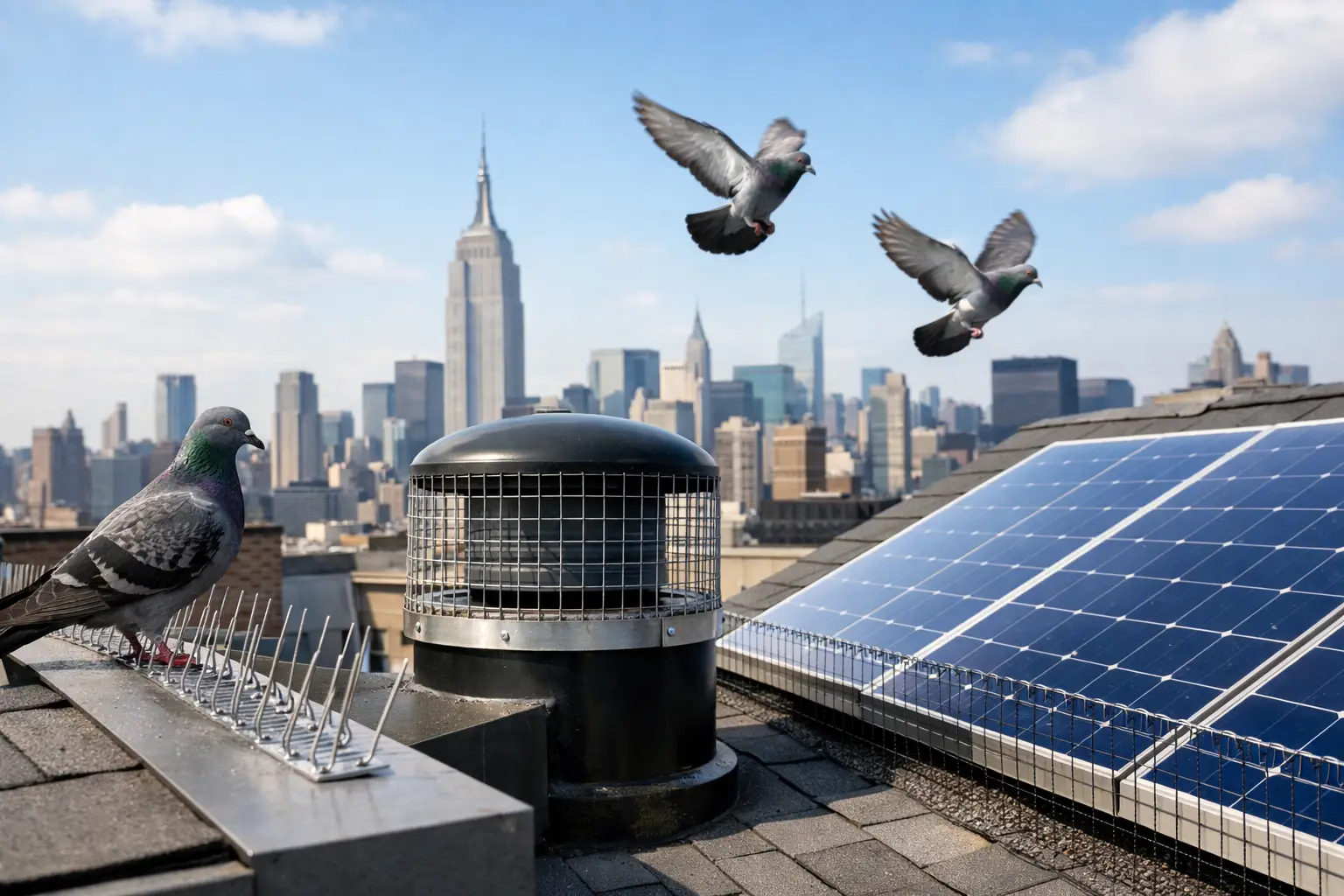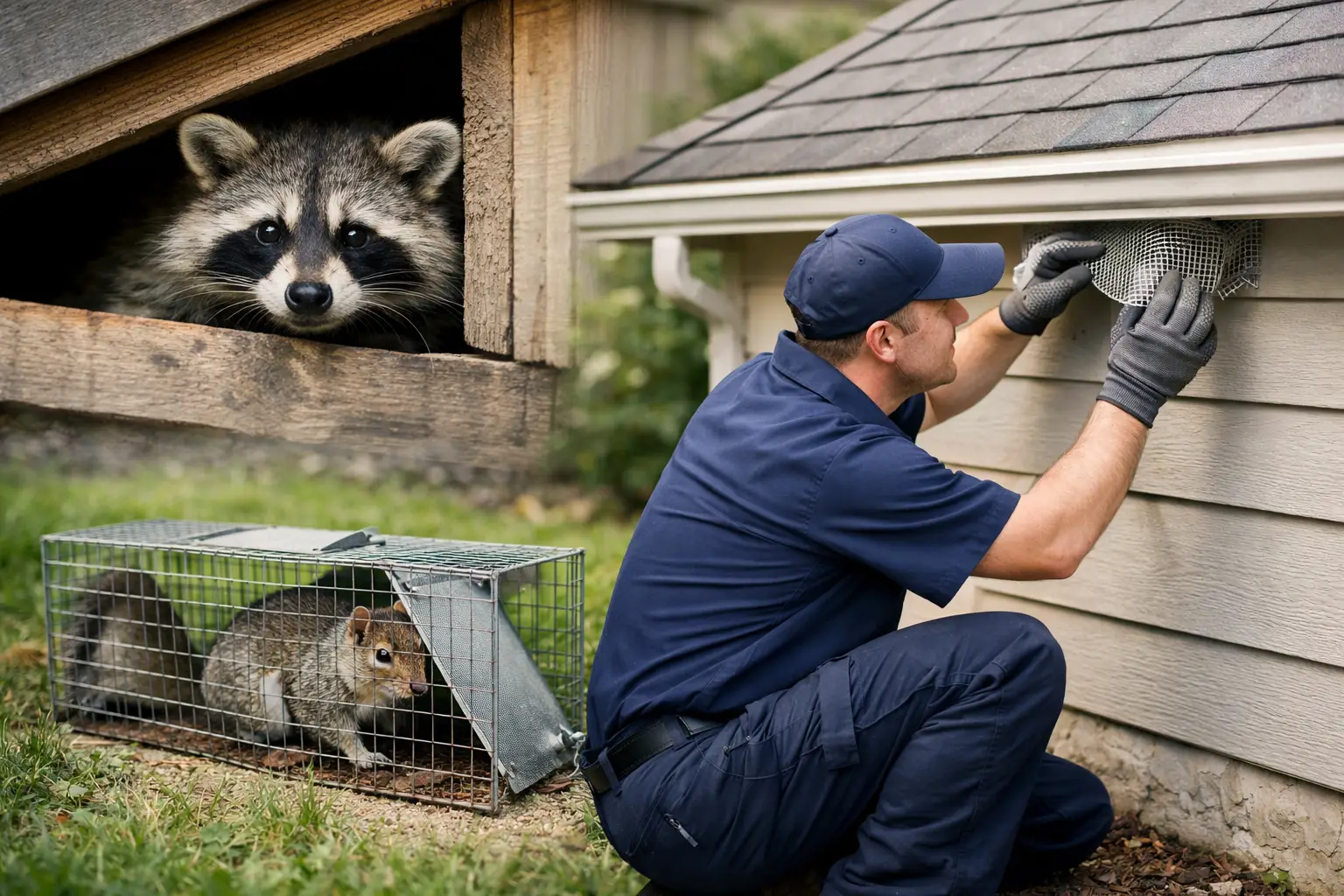
That fluttering, scratching, or chirping behind the bathroom wall is not just an annoying sound. If you are asking, why are birds nesting in my bathroom vent?, the vent opening has likely become a protected nesting site – and it may already be restricting moisture removal from your bathroom.
In New York City and New Jersey, exterior bath vent covers are common entry points for sparrows, starlings, pigeons, and other birds looking for shelter near buildings. A nest can form surprisingly quickly. Once eggs or young birds are present, removing it incorrectly can create legal, safety, and sanitation problems. The right response protects the birds where required while restoring safe ventilation to your property.
Why Birds Nest in Bathroom Vents
A bathroom vent offers what a bird naturally looks for: a small enclosed cavity, protection from wind and rain, and a high location that is difficult for predators to reach. The exterior vent hood may also retain warmth from indoor air, especially in early spring when birds are selecting nesting locations.
Many vent covers have a loose flap, broken louvers, gaps around the duct, or no wildlife-resistant guard at all. To a bird, that opening can look like a ready-made nest box. In attached homes, apartment buildings, and multi-unit properties, exterior vents may be close to ledges, gutters, rooflines, fire escapes, and utility lines that make access easy.
The problem is often seasonal, but it is not limited to spring. Some species may return to the same successful location year after year. If an old nest was removed but the vent was not properly protected, the opening remains an invitation for the next nesting pair.
Bathroom Vents Are Different From Dryer Vents
Bathroom exhaust vents carry humid air outdoors. A bird nest inside the duct or vent hood can trap that moisture in the bathroom, wall cavity, or ceiling area. You may notice a foggy mirror that takes longer to clear, lingering odors, peeling paint, mildew, or a fan that sounds strained.
A blocked dryer vent can create a more immediate fire hazard and should never be confused with a bathroom vent. Still, a bathroom vent blockage is not harmless. Restricted airflow can damage the fan, contribute to moisture problems, and allow droppings, nesting debris, and parasites to affect the area around the duct.
Signs Birds Are Inside Your Bathroom Vent
The clearest sign is repeated bird activity at the same exterior vent cover. You may see a bird carrying grass, leaves, feathers, string, or other nesting materials into the opening. A parent bird visiting the vent several times an hour usually means there are eggs or chicks inside.
From indoors, people often hear light scratching, rustling, peeping, or wing movement near the fan grille. The bathroom may feel more humid than usual after showers. In some cases, debris falls through the fan housing, or an unusual odor develops as nesting material becomes damp.
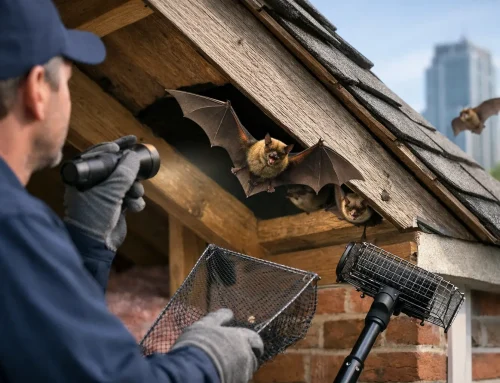
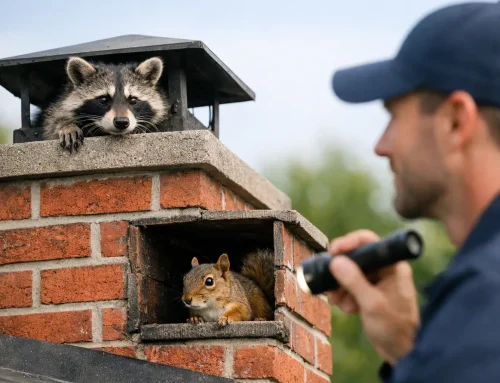
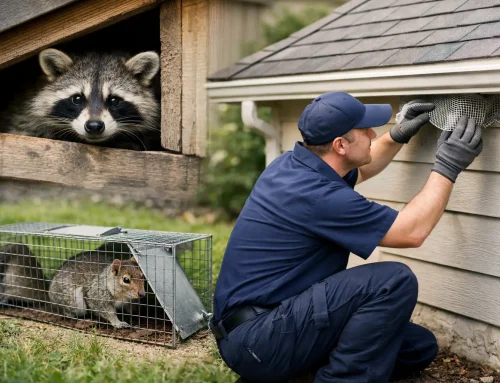
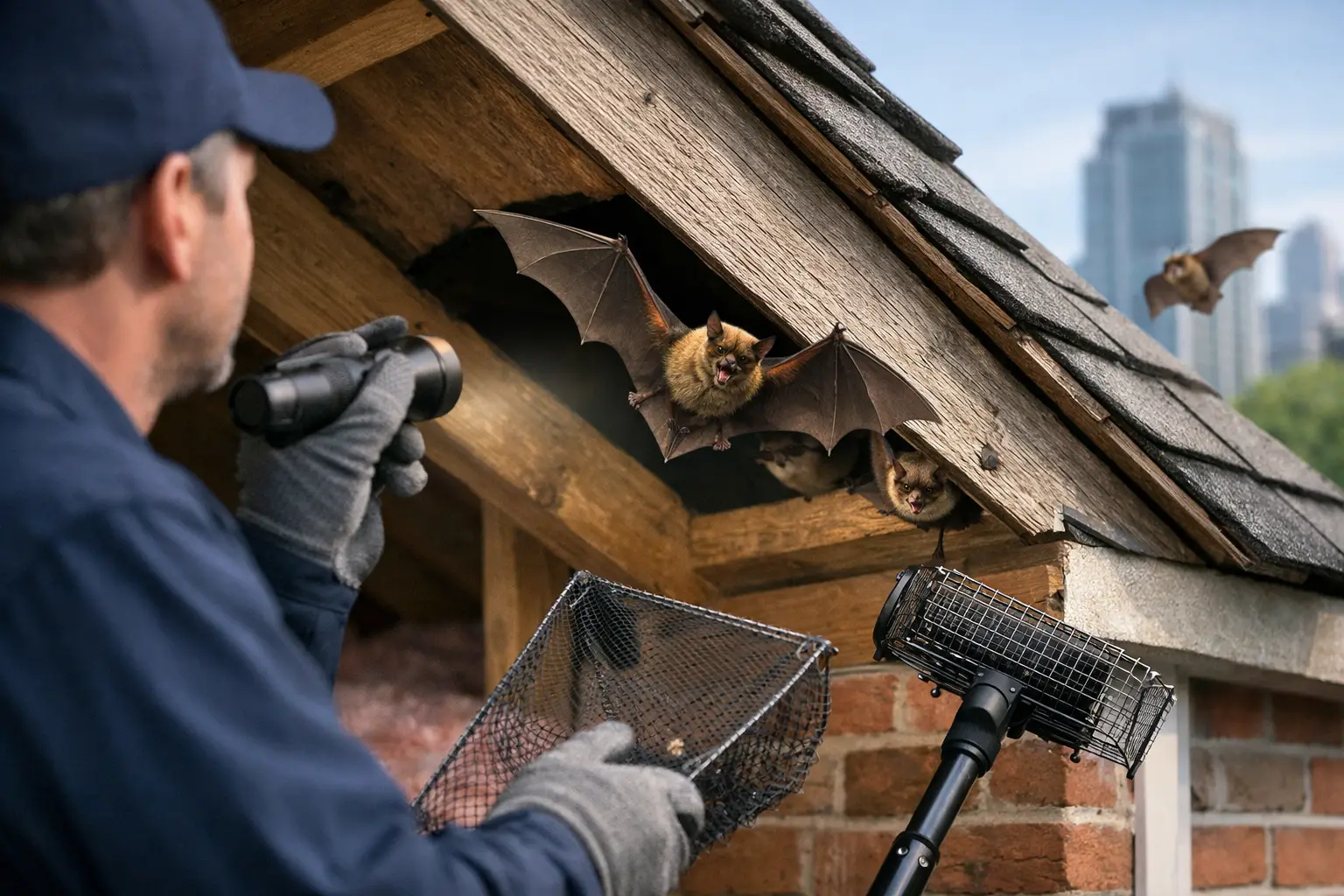
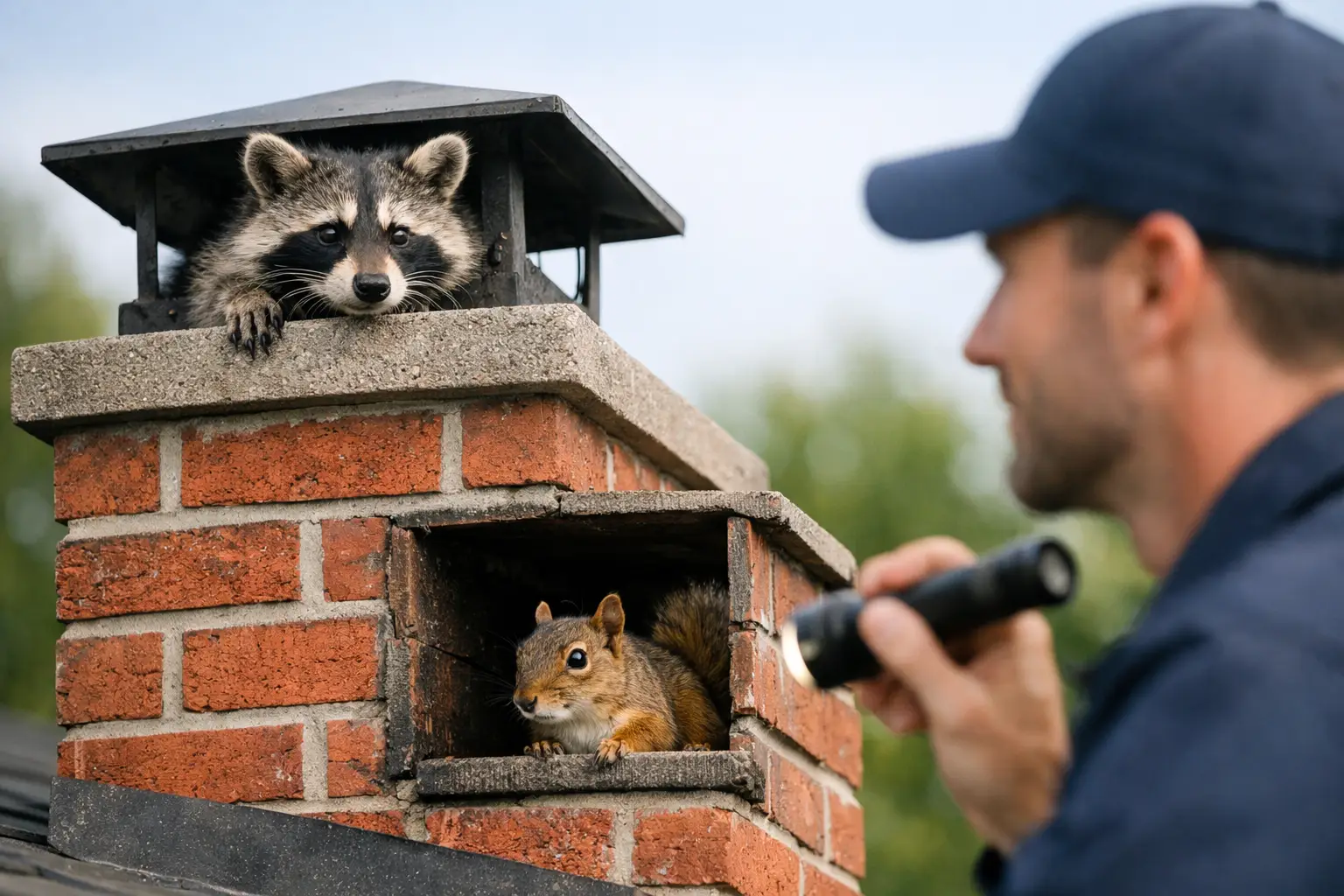
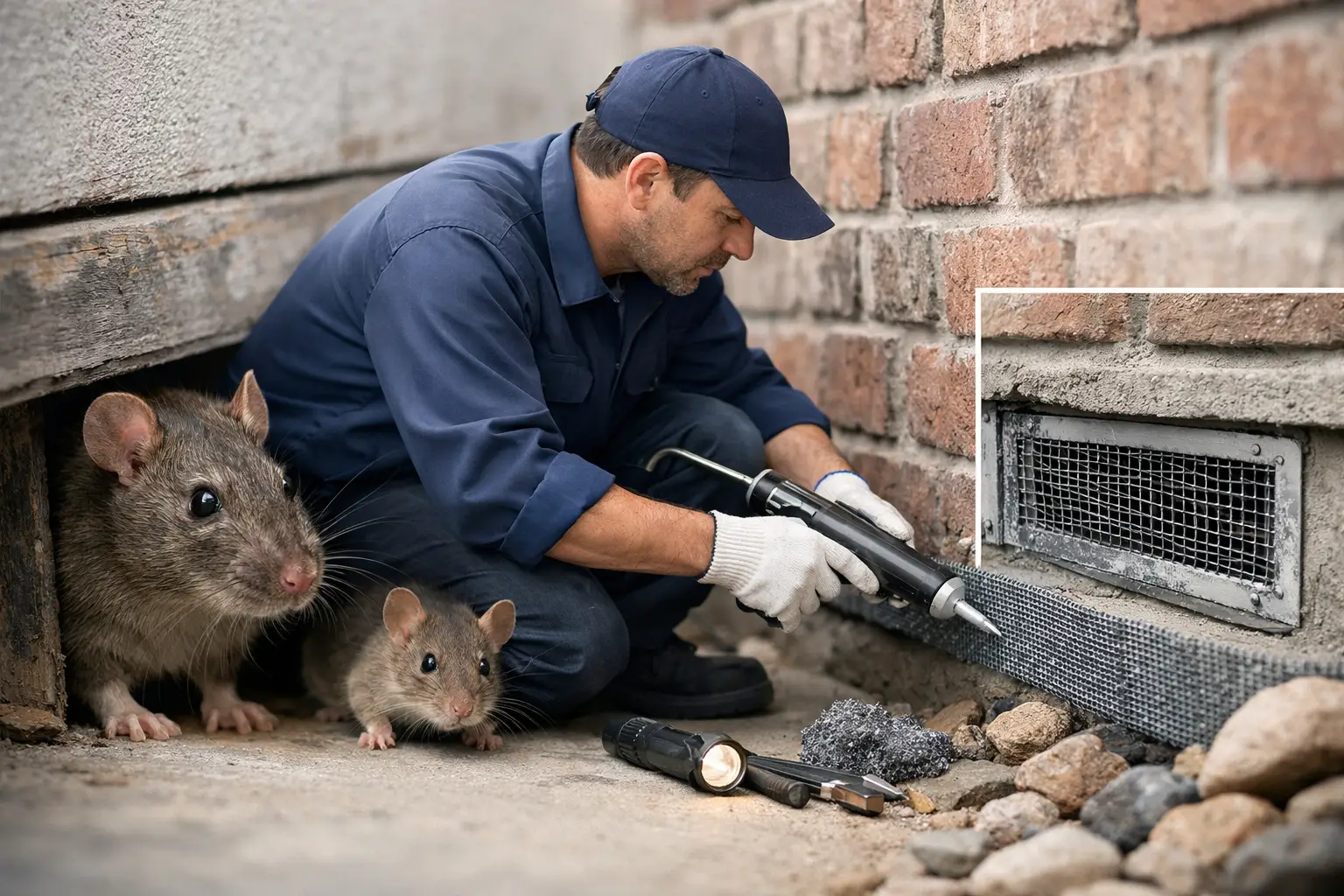
Do not assume every sound is a bird. Squirrels, mice, bats, and insects can also use damaged exterior vents. An inspection is the safest way to identify the animal and determine whether the obstruction is in the exterior hood, the duct run, or a nearby wall or roof void.
What Can Happen if You Leave a Nest in the Vent
A nest may seem small from the outside, but it can hold enough material to significantly reduce airflow. Bathroom humidity that should leave the home can remain indoors, increasing the chance of condensation, mold growth, and damage to drywall, insulation, trim, and paint.
Bird droppings and nesting debris can carry bacteria, fungal material, and bird mites. These issues are especially concerning in rental properties, shared ventilation areas, restaurants, offices, medical settings, and homes with young children, older adults, or people with respiratory conditions.
There is also a property-damage concern. Birds may pull apart vent flaps, enlarge weak seams, or bring flammable and moisture-holding material into the duct. If a bird dies inside an inaccessible portion of the vent, odor and insect activity can follow. Waiting rarely makes the repair simpler.
Do Not Seal an Active Nest Inside the Vent
The urge to cover the opening immediately is understandable, but sealing a vent while birds, eggs, or young are inside can trap animals in the duct and create a dead-animal problem. It can also block your bathroom exhaust completely.
Many native bird species, their active nests, eggs, and young are protected by federal and state laws. The rules vary by species and nesting status. A professional wildlife inspection can identify what is using the vent and determine the lawful, humane removal approach. In many cases, the safest plan is to wait until the young have fledged, monitor the vent, then remove all nesting material and install proper exclusion.
Avoid spraying chemicals, pushing objects into the duct, using expanding foam, or turning the fan on repeatedly to force birds out. Those actions can injure animals, spread debris farther into the ventilation line, and damage the fan.
How Professional Bird Removal Protects Your Property
A complete service should solve more than the noise at the vent. The first step is an exterior and interior inspection to confirm the species, locate the nest, assess whether it is active, and check the condition of the fan and ductwork.
When removal can legally and humanely proceed, technicians remove the nest material, inspect the duct for remaining debris or dead animals, and clean contamination from accessible areas. If droppings or damp nesting material affected insulation, wall cavities, or surrounding surfaces, cleanup and sanitization may be needed to restore the area safely.
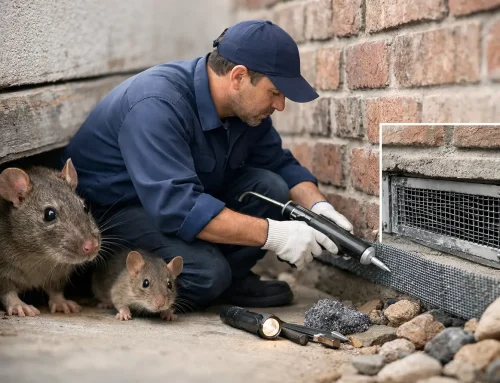
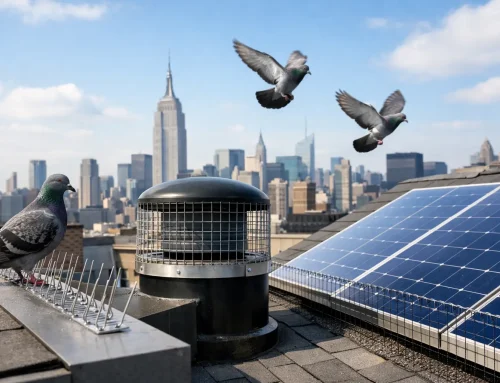
The final step is exclusion. A proper vent guard must keep birds out without choking off airflow or creating a lint and moisture trap. Generic window screen, taped-on mesh, and improvised covers commonly fail. The right solution depends on the type of vent hood, duct size, building exterior, roofline access, and local weather exposure.
Animal Control NYC & NJ provides humane bird removal, vent inspection, cleanup, and exclusion work for homes and commercial properties throughout the area. For an active nest, a blocked fan, or birds entering a high exterior vent, professional service prevents the mistake of solving the visible problem while leaving contamination or an entry gap behind.
How to Prevent Birds From Returning to the Bathroom Vent
Prevention works best after the nest is empty and the duct has been cleared. The vent cover should close properly, be securely fastened, and fit tightly against the siding, brick, stucco, or roof surface. Cracked plastic hoods and missing louvers should be replaced rather than patched.
Look beyond the vent itself. Loose soffits, uncapped roof penetrations, damaged fascia, open gaps near pipe chases, and compromised ridge vents can give birds and other wildlife alternate access points. A building with several open exterior features may continue to attract animals even after one bathroom vent is protected.
For property managers, make vent checks part of seasonal exterior maintenance. Spring inspections are especially useful before nesting activity becomes established, while fall inspections can identify weather damage and debris buildup. Residents should be encouraged to report bird sounds, humidity changes, and exterior vent activity early rather than waiting for a full blockage.
When to Call for Help
Call for professional assistance promptly if you hear chicks, see repeated bird traffic, find droppings near the fan, smell an odor from the vent, or notice that your bathroom exhaust is no longer moving moisture outdoors. Fast action matters, but the solution must account for active nesting laws and the condition of the ventilation system.
A bathroom vent should remove moisture, not house a bird family. Getting the nest assessed early gives you the best chance to protect wildlife responsibly, avoid unnecessary damage, and keep your home or building ventilating the way it should.