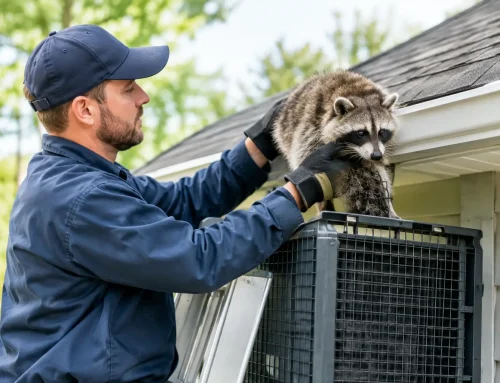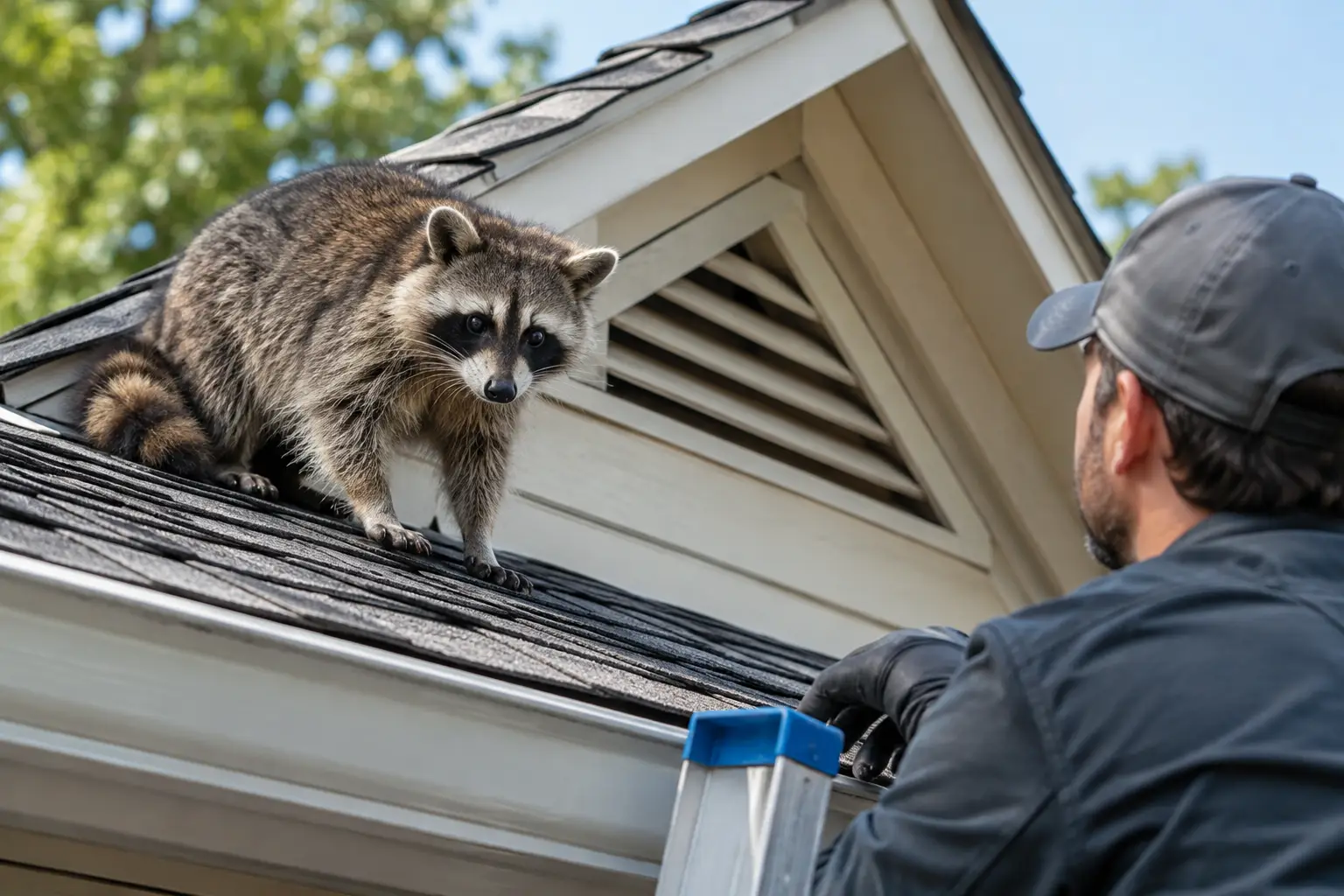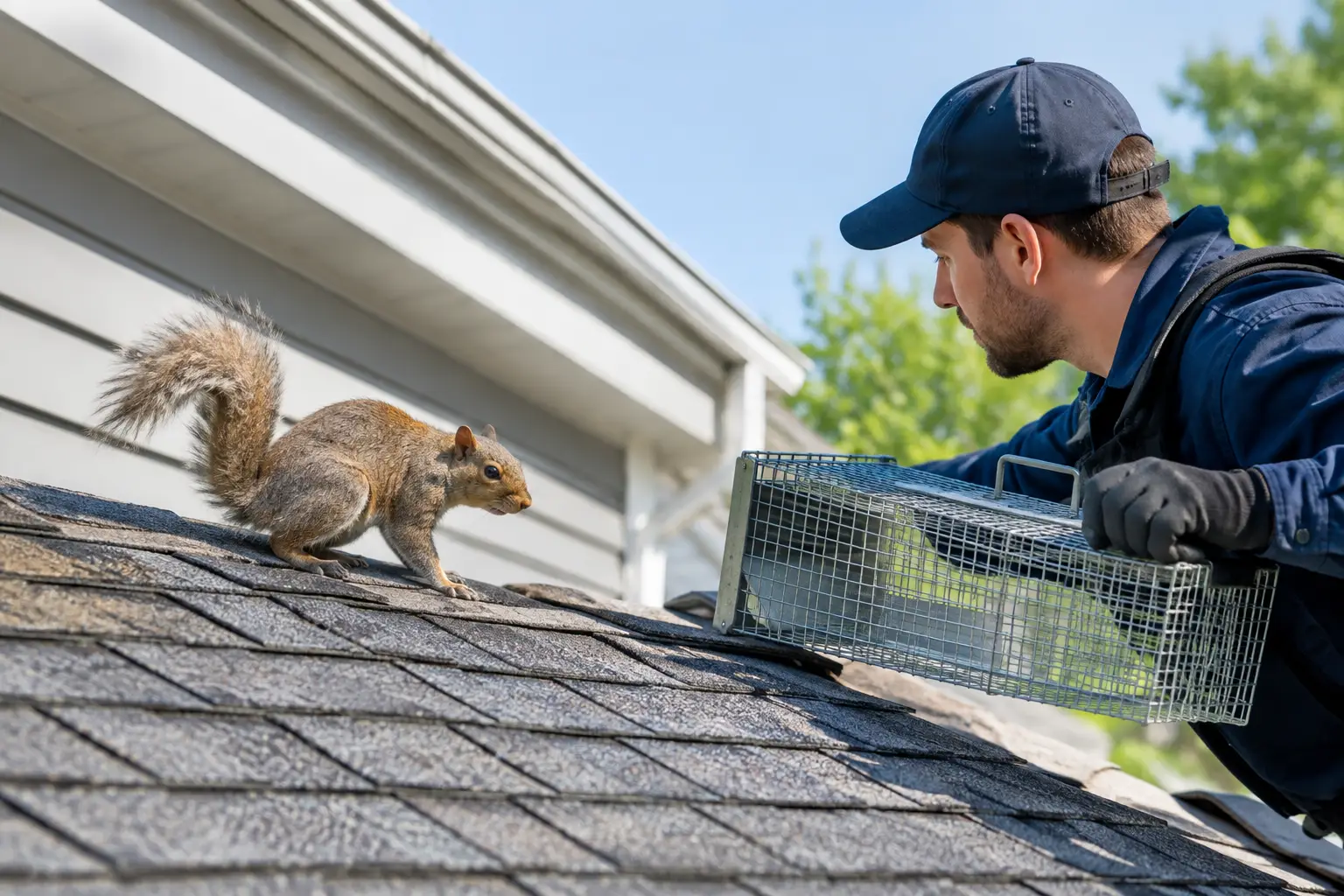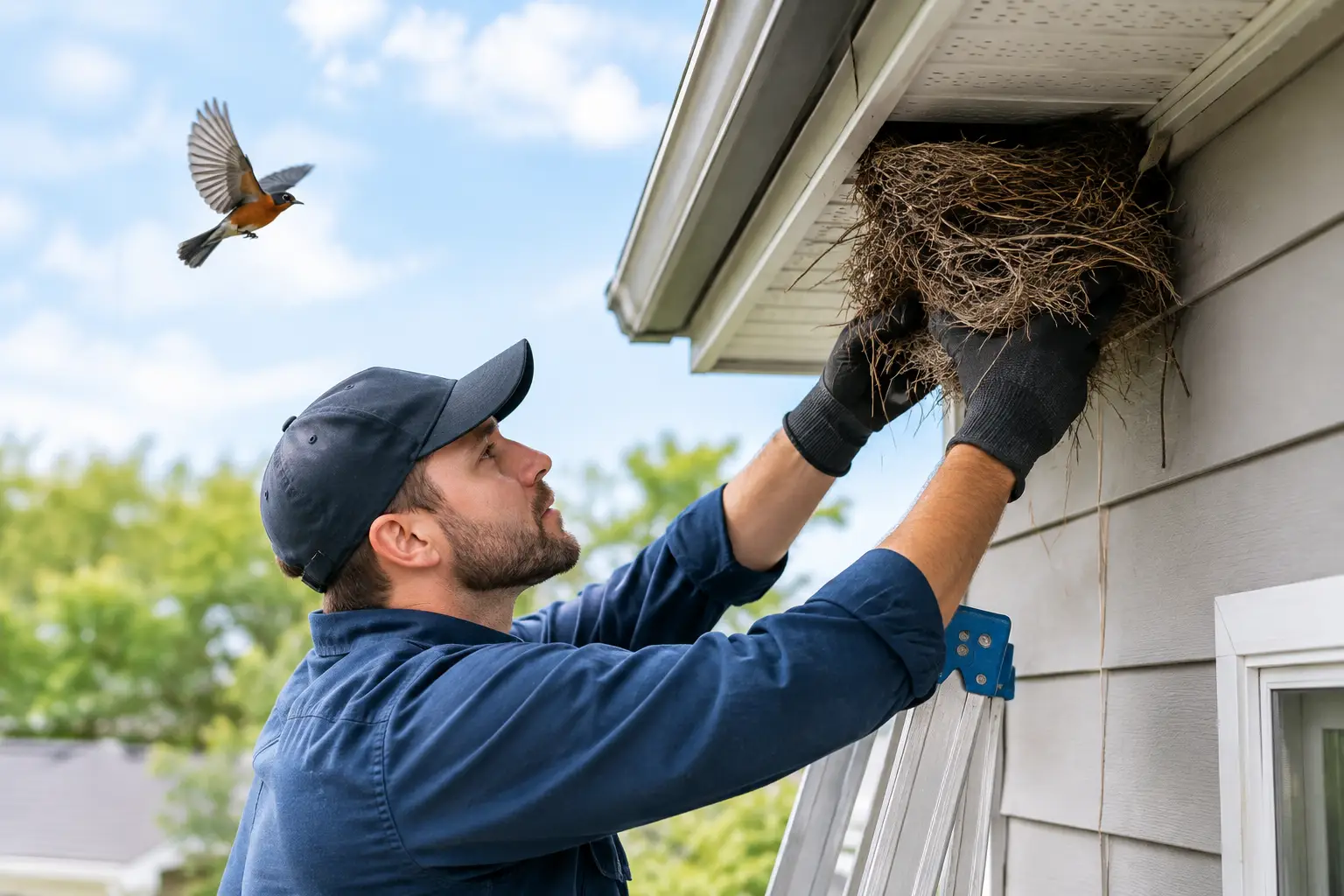
A heavy thump above a top-floor bedroom at 2 a.m. is not normal city noise. Neither is insulation falling from a ceiling register, a torn soffit near the roofline, or a trash-like odor coming from the attic. Homeowners and property managers asking, “how do raccoons get into NYC homes?” are usually already seeing the result of a small exterior weakness that has become a major wildlife entry point.
Raccoons are powerful, patient climbers that thrive around New York City’s dense buildings, rooflines, alleys, parks, and backyard food sources. Once inside, they can damage insulation, chew materials, contaminate attic spaces, and create expensive problems for owners and tenants. Fast removal matters, but so does finding and repairing the route that let the animal in.
How Do Raccoons Get Into NYC Homes?
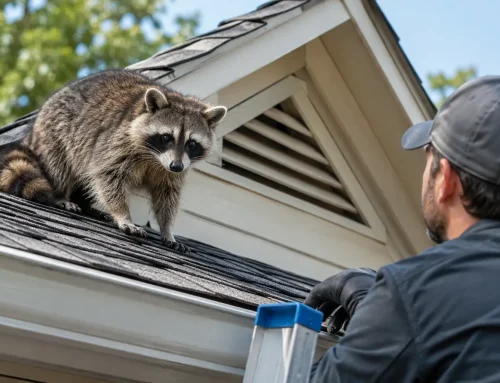
Most raccoons do not need a wide-open door to enter a structure. An adult can force its way through weakened building materials, pull apart a loose vent cover, or enlarge a gap that may have started as a minor repair issue. They commonly enter from above because the roof offers cover and direct access to attic voids, wall cavities, and upper floors.
In NYC, connected buildings and closely spaced homes can make the problem worse. A raccoon may climb a fence, fire escape, scaffolding, drainpipe, tree, garage roof, or neighboring structure before reaching a vulnerable roof edge. Flat roofs, low parapet walls, and aging exterior components often give wildlife more opportunities than owners realize.
The most common access points include damaged soffits and fascia boards, open roof returns, uncapped chimneys, loose attic or gable vents, deteriorated eaves, gaps around utility lines, and broken roof vents. Raccoons also enter through unsecured crawl space openings, ground-level basement vents, garage gaps, and poorly sealed additions.
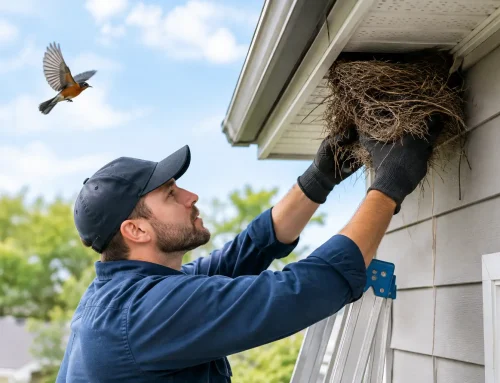
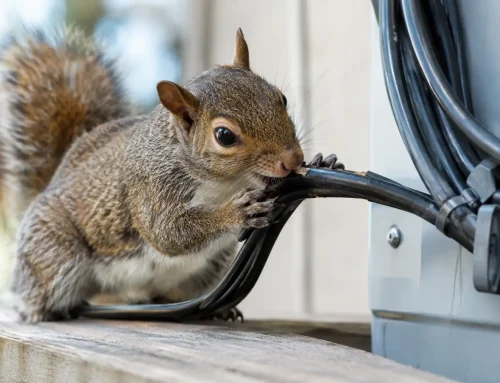
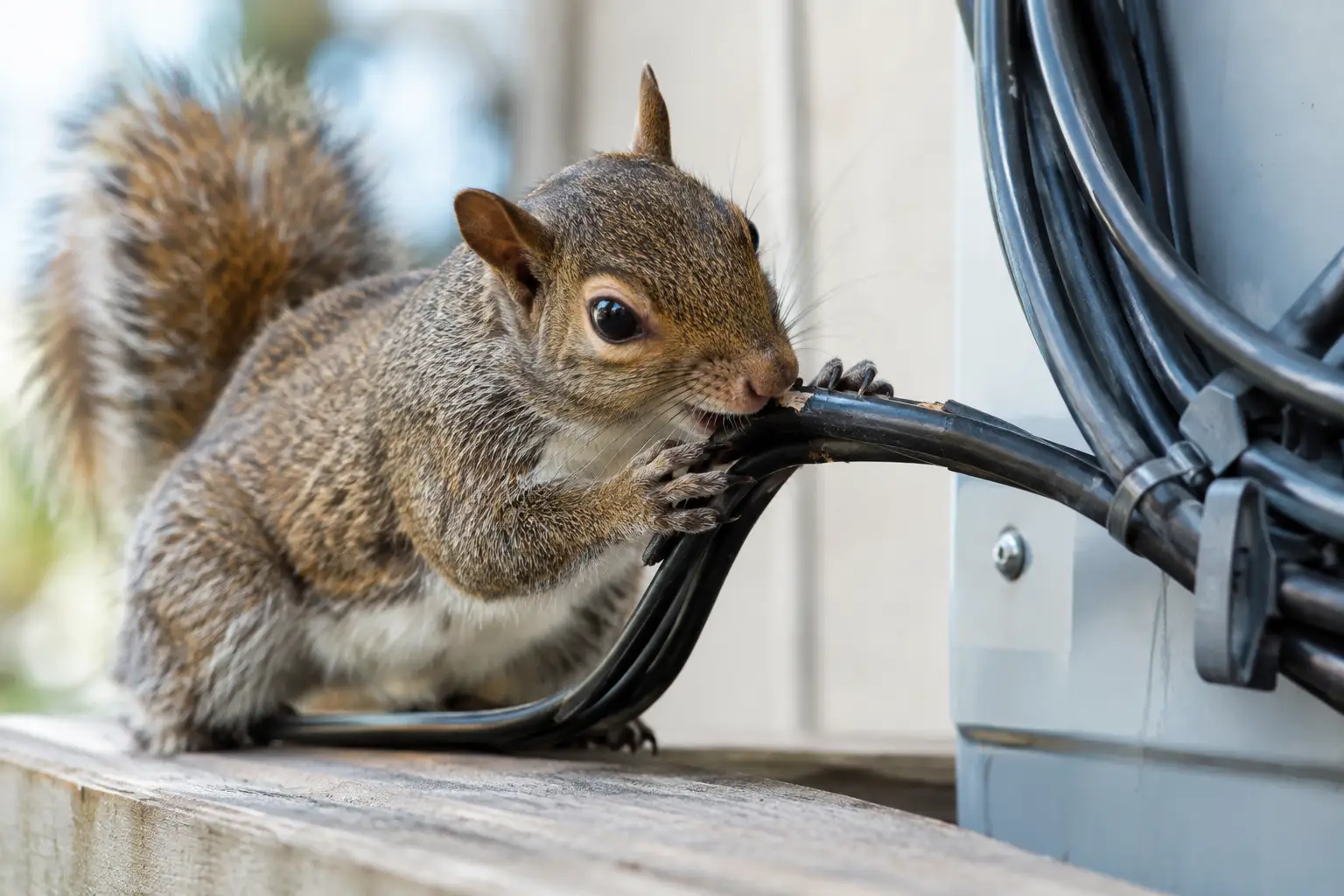
A raccoon can also take advantage of a problem created by another animal. Squirrels, rats, birds, and weather can weaken a vent screen or open a small gap first. The raccoon then turns that weakness into a usable entry hole. That is why a quick visual check from the ground is not always enough to identify the full problem.
Why NYC Properties Are Attractive to Raccoons
Raccoons need reliable food, water, and a dry place to rest or raise young. NYC offers all three. Overflowing garbage, unsecured bins, pet food, bird feeders, outdoor grills, fallen fruit, and accessible compost can keep raccoons active near a property long before they enter it.
Attics are especially appealing in late winter and spring, when female raccoons look for quiet, protected den sites. A female may enter an attic to give birth and remain there with her kits for weeks. In that situation, sealing the hole immediately can trap animals inside, create additional damage, and lead to odor problems if a separated young animal dies in a wall or attic space.
Commercial buildings are not immune. Restaurants, multifamily properties, warehouses, schools, and offices may have loading areas, dumpsters, roof equipment, open utility penetrations, or neglected exterior maintenance issues. A rooftop HVAC area can provide cover while an unprotected vent or flashing gap becomes the actual point of entry.
The Entry Points That Need Immediate Attention
Roof damage is a leading issue. Raccoons can peel back loose shingles, pull at aluminum or vinyl soffits, and tear through rotten wood around eaves. They are much stronger than they appear, and a patch that might hold against wind may not hold against an animal repeatedly pulling and climbing on it.
Vents are another frequent target. Standard plastic or lightweight screens are not wildlife-proof. A raccoon may tear them out or bend them until there is enough room to enter. This includes roof vents, gable vents, dryer vents, bathroom exhaust exits, and attic fan openings. Any repair needs to preserve ventilation while using properly fitted, durable exclusion materials.
Chimneys require special attention. An open chimney can act like a vertical tunnel into the home, while a damaged chimney cap can be removed or displaced. Raccoons that enter a chimney may become trapped, enter through a fireplace opening, or leave debris and waste behind. A professional inspection can determine whether the animal is in the flue, on the roof, or already inside an adjoining structure.
Ground-level openings matter too. A loose crawl space door, broken foundation vent, open window well, or gap under a deck can allow raccoons beneath the building. From there, they may damage ducts, insulation, wiring, or vapor barriers. For attached homes and multifamily buildings, the animal may move through shared voids and emerge far from the original entrance.
Signs a Raccoon May Be Inside Your Home
Raccoons are mostly active at night, so residents often hear them before they see them. Their movement is heavier and more deliberate than the light scratching often associated with mice. A raccoon in an attic may sound like a person walking, dragging something, or shifting boxes overhead.
Watch for these signs, especially near the roofline, attic, crawl space, or exterior vents:
- Heavy footsteps, thumping, chattering, growling, or repeated scratching after dark
- Torn soffit panels, bent screens, displaced vent covers, or fresh damage around eaves
- Droppings, a strong musky odor, urine staining, or insulation pulled into nests
- Paw prints, greasy rub marks, claw marks, or muddy tracks near walls and downspouts
- Increased activity from flies or insects around an attic, chimney, or inaccessible wall void
Seeing a raccoon leave at night does not mean the structure is empty. It may return before dawn, and a mother may have kits inside. Do not assume that one animal means one simple entry point.
Why DIY Raccoon Removal Can Make the Damage Worse
Blocking a visible hole is tempting, particularly when there is an immediate concern about noise or tenant complaints. But the timing and method matter. If young raccoons are inside, the adult may tear open another section of the roofline while trying to return. If an animal is trapped, it can create greater damage and a serious sanitation problem.
Raccoons can also carry parasites and diseases that require careful handling. Droppings and urine should not be swept up or vacuumed dry in an enclosed attic. Contaminated insulation may need to be removed, affected surfaces disinfected, and the space evaluated for odor, moisture, and secondary pest activity.
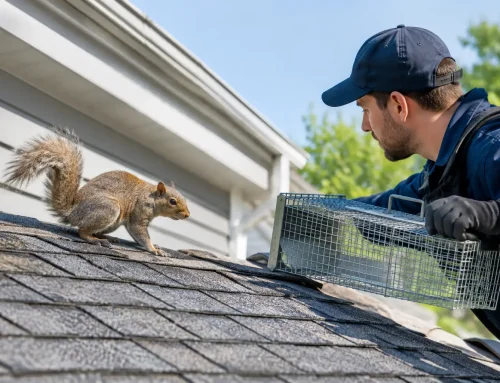
Traps are not a complete solution either. Removing one raccoon without correcting the entry point leaves the property open to another animal. In some cases, a nearby raccoon will investigate the same den site within days. Effective raccoon control is a process: inspect, remove the animal humanely, confirm that no young remain, clean the affected area, and permanently secure access points.
Professional Removal and Full Property Recovery
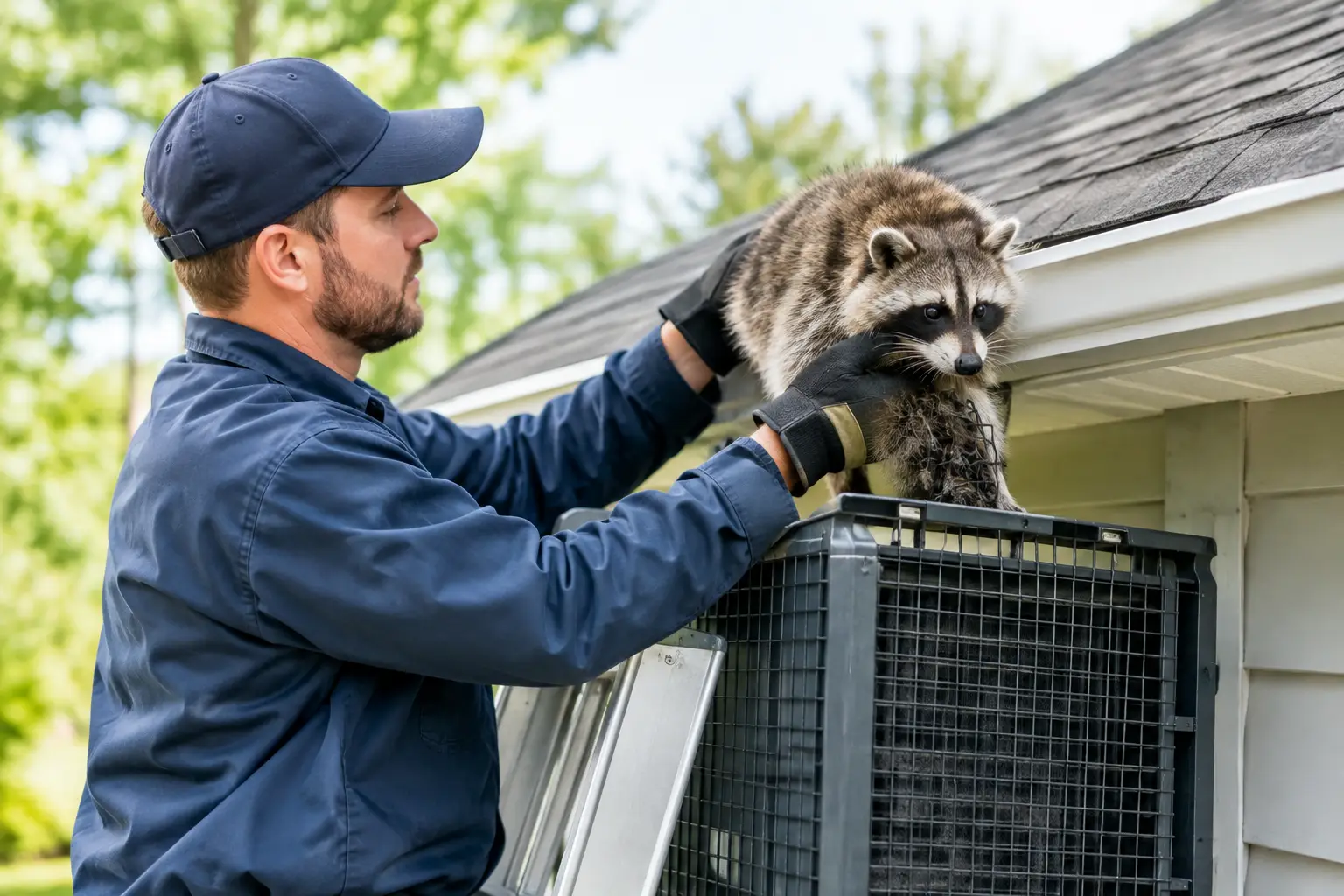
A proper raccoon inspection starts outside, not just in the attic. A wildlife technician should examine roof edges, soffits, vents, chimneys, gutters, exterior walls, crawl spaces, and the climbing routes that lead to the structure. The goal is to identify active entry points, potential weak spots, and damage that could invite another intrusion.
The removal plan depends on the season, the number of animals, the location, and whether kits are present. Humane methods may involve controlled trapping, one-way exclusion devices when appropriate, and careful retrieval of young animals. The right approach protects the property while avoiding unnecessary harm to wildlife.
After removal, the work should not stop at the trap. Attic restoration may include removing contaminated insulation, disinfecting the affected area, controlling odor, repairing damaged soffits or vents, sealing gaps, and installing durable protection at recurring weak points. Ridge-vent protection, gutter guards, chimney caps, and reinforced vent covers can all be useful, but only when matched to the building’s design and ventilation needs.
Animal Control NYC & NJ provides 24/7 professional wildlife trapping, humane raccoon removal, sanitation, and exclusion repairs for homes and commercial properties across NYC and New Jersey. For urgent attic, roof, chimney, or crawl space activity, a prompt inspection can prevent a small opening from becoming a larger structural and health concern.
Preventing the Next Raccoon Problem
Prevention starts with maintenance, but it works best after active animals are confirmed out. Keep garbage containers closed, do not leave pet food outdoors overnight, and clean grease from grills. Trim tree limbs away from the roof where practical, and check that downspouts, fences, and stored materials are not creating an easy climbing path.
Inspect roofline components after storms and seasonal temperature changes. In older NYC buildings, small areas of rot or loose flashing can develop quickly around parapets, dormers, and eaves. Property managers should also take tenant reports of nighttime noise seriously, because early activity may be the first indication that a raccoon is testing or using an entry point.
The safest response is not to wait for a ceiling stain, a stronger odor, or a raccoon encounter inside the living space. Address the noise, inspect the exterior, and have the entry route professionally resolved while the damage is still manageable.