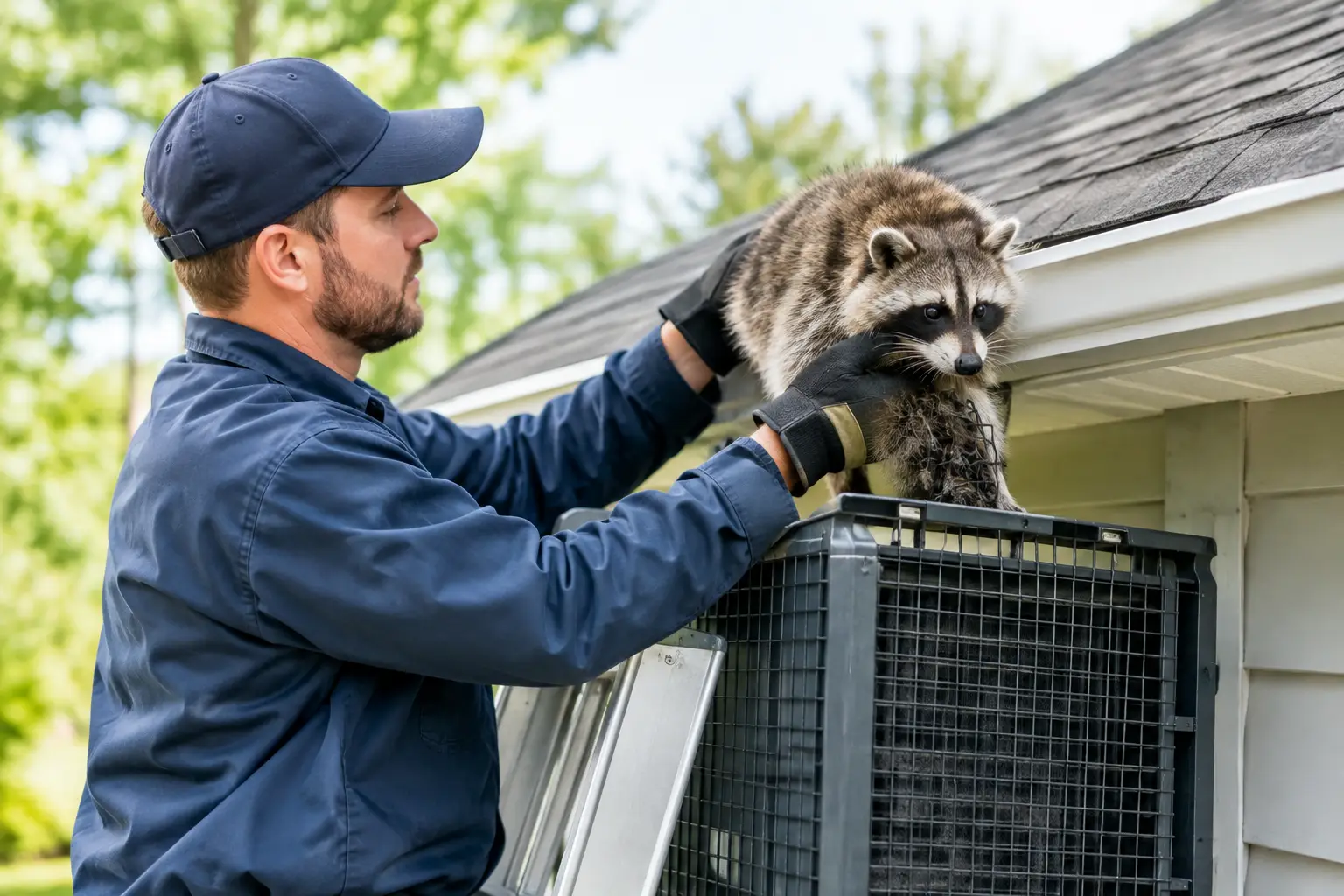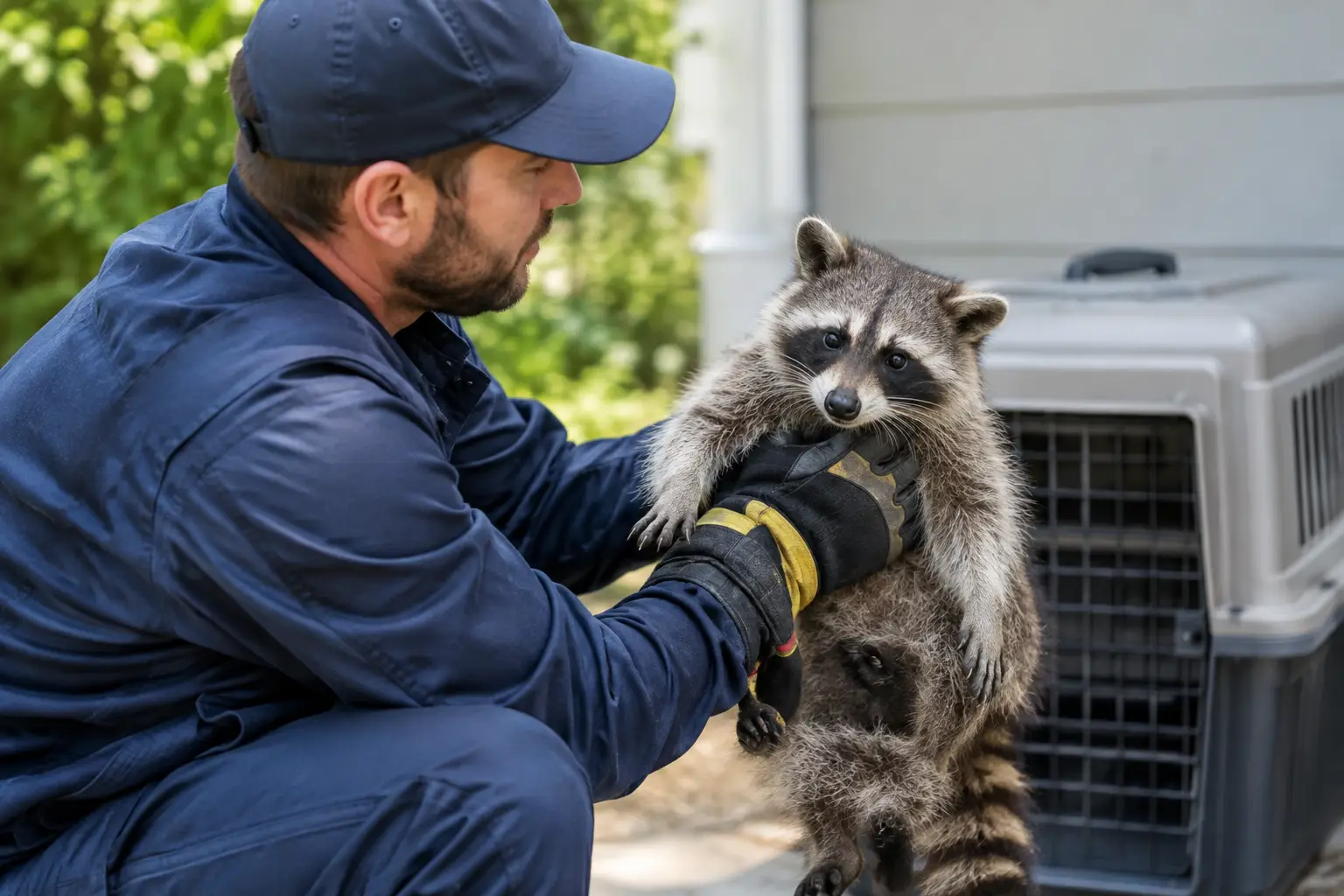
Hearing a heavy shuffle under the deck after dark is one thing. Finding droppings in a crawl space, a torn soffit, or a frightened opossum trapped in a window well is another. Professional opossum removal nj service protects your property without taking chances with an animal that may be stressed, injured, or raising young nearby.
Opossums are generally solitary, slow-moving animals, but they can create a serious sanitation and access problem once they settle beneath a structure or enter a building. Animal Control NYC & NJ provides humane trapping, removal, cleanup, and exclusion work for residential and commercial properties across New Jersey, including urgent after-hours situations.
When Opossum Removal NJ Should Not Wait
An opossum wandering through a yard at night is not automatically an emergency. They often pass through while looking for insects, fallen fruit, pet food, or shelter. If it is simply moving along and has no access to the building, removing it may not be necessary.
The situation changes when the animal is inside, trapped, injured, or repeatedly using your property as a den. Calls for professional help are common when an opossum is in an attic, crawl space, garage, basement, chimney, window well, shed, or beneath a porch or deck. Property managers may also need fast service when tenants report scratching sounds, odor, droppings, or an animal near trash areas and loading zones.
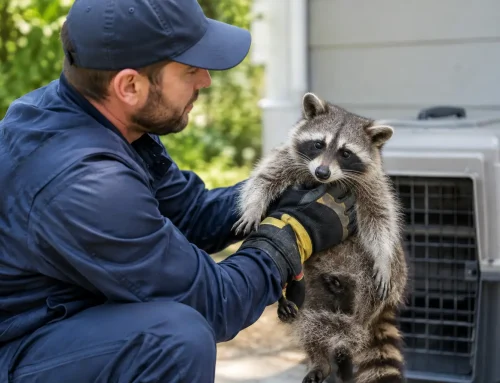
Do not try to corner, grab, poison, or relocate an opossum yourself. Although opossums are known for playing dead when frightened, a scared animal can still bite or scratch. More importantly, direct handling exposes people and pets to parasites, bacteria, and contaminated waste. A professional inspection determines whether the animal is actually living on-site, where it entered, and whether young may be present before any removal plan begins.
Signs an Opossum Is Living on Your Property
Opossums are nocturnal, so most property owners hear them before they see them. Their movement can sound heavier than mice or squirrels, especially when they travel across a ceiling void or through an attic. They may also create a dragging or thumping sound under porches and decks.
Other signs include droppings in crawl spaces or garages, overturned trash, pet food disappearing overnight, foul odor around an enclosed area, and torn or displaced screening near vents. Opossums do not usually create major openings from solid materials, but they take advantage of weak points left by rodents, raccoons, construction gaps, broken lattice, damaged vent covers, and unsealed utility penetrations.
A mother opossum can carry babies in her pouch, and older young may travel on her back. That is why timing matters. Sealing an opening before confirming that all animals are out can trap wildlife inside the structure or separate dependent young from the mother. The result can be stronger odors, noise, animal distress, and a more difficult removal job.
Why Trapping Alone Is Not a Complete Fix
Removing the visible opossum solves only part of the problem. If food, shelter, and an open entry point remain, another animal may use the same location. This is especially common under decks, in crawl spaces, around sheds, and near unsecured garbage storage.
A complete service starts with a detailed inspection of the affected area and surrounding exterior. The technician identifies active travel routes, den locations, vulnerable openings, contaminated materials, and conditions attracting wildlife. Humane trapping or a one-way exclusion method may be recommended depending on the animal’s location, local requirements, weather, and whether young are suspected.
Once the animal is safely removed, the property needs to be secured. This can include repairing damaged vent covers, reinforcing crawl space entries, sealing gaps around foundations and utility lines, replacing broken lattice, and protecting roofline openings. If the opossum accessed an attic or crawl space, cleanup and disinfection are often just as important as exclusion.
Health and Property Concerns After an Opossum Intrusion
Opossums are not aggressive by nature, but their presence indoors or under a structure should be treated as a health and sanitation issue. Droppings and urine can contaminate insulation, stored belongings, crawl space surfaces, and areas near HVAC equipment. Fleas, ticks, and other parasites may also be carried into areas used by people or pets.
The risk level depends on the location and duration of the intrusion. A single opossum in an open garage may require straightforward removal and access-point repair. An animal denning in a damp crawl space for weeks can leave contaminated debris, odor, damaged vapor barriers, and conditions that support mold growth. In those cases, cleanup may involve removing soiled insulation, disinfecting surfaces, deodorizing the area, and restoring damaged materials.
For commercial properties, wildlife activity can quickly become a tenant, customer, or compliance concern. Restaurants, apartment buildings, warehouses, retail sites, and facilities with loading areas need secured waste handling and prompt removal when animals enter occupied or operational spaces. The goal is not simply to get the animal out. It is to restore a clean, secure property with minimal disruption.
What Professional Opossum Removal Looks Like
Reliable opossum control is a process, not a rushed trap placement. A trained wildlife technician first confirms the species and assesses the structure. This prevents common mistakes, such as treating a raccoon, skunk, feral cat, or groundhog problem as an opossum issue.
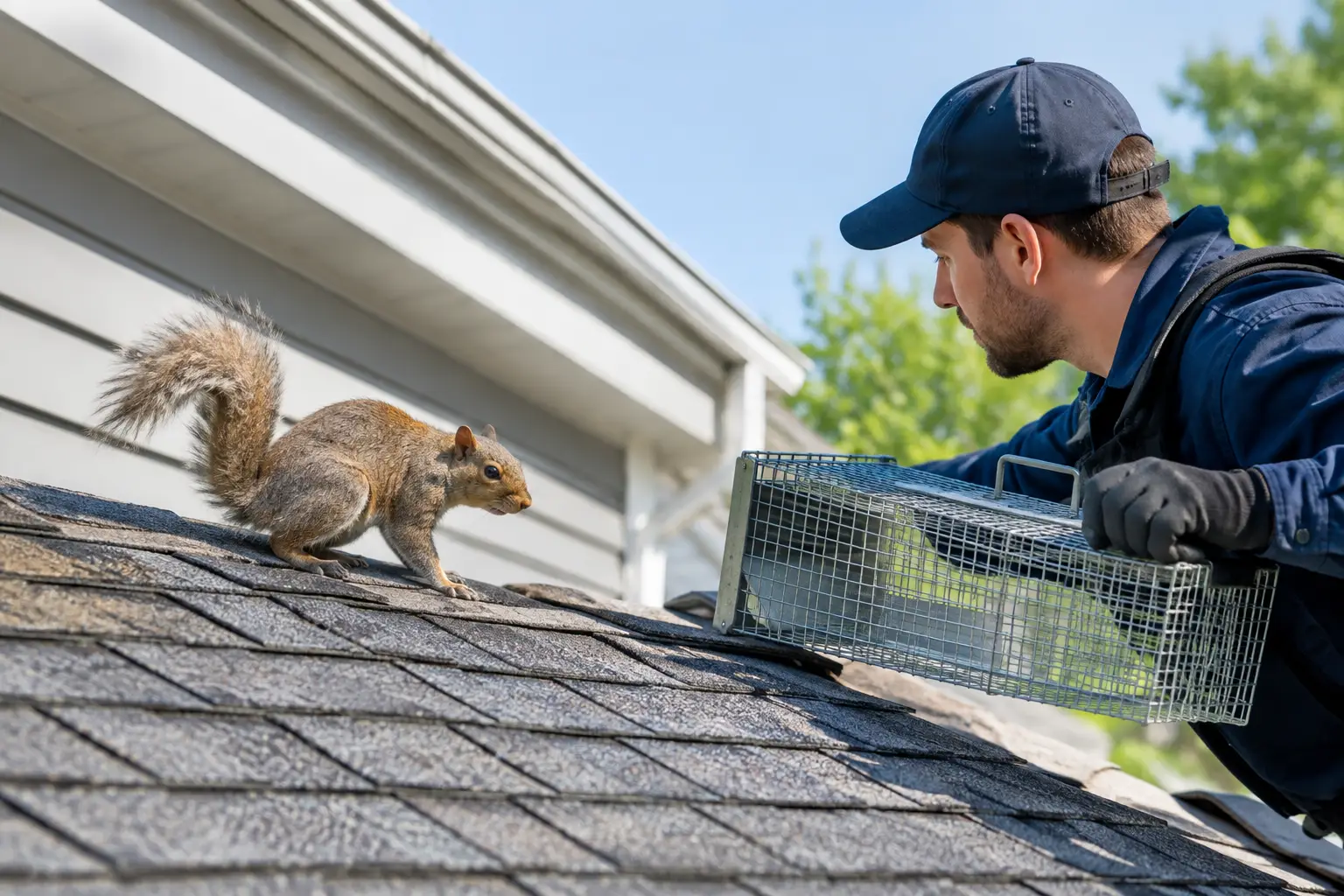
The removal plan should prioritize humane handling and site-specific solutions. Live trapping may be appropriate for an animal trapped inside a building or actively denning in an accessible area. Exclusion may be safer when an animal is leaving nightly to forage and can be directed out after a thorough inspection. The correct approach depends on the exact location, the condition of the animal, and the possibility of young.
After removal, technicians should address the reason the animal got in. At a minimum, that means securing the access point. For more involved cases, it may include crawl space sealing, attic restoration, insulation replacement, odor control, disinfection, gutter or roofline protection, and repairs to damaged exterior materials. This full-service approach prevents you from paying for removal now and facing the same problem again next month.
What You Can Do While Waiting for Service
Keep children and pets away from the animal and do not block its escape route if it is outside. If an opossum is in a room, close interior doors when it is safe to do so, keep the area quiet, and avoid using brooms, traps, or other objects to force it out. An animal that feels cornered may hide deeper inside the structure.
Remove outdoor pet food before nightfall and secure trash lids. Clean up fallen fruit, birdseed, and accessible food waste near decks, garages, and entry doors. These steps reduce attraction, but they are not a substitute for professional removal when an opossum is already inside or repeatedly denning on the property.
If you find a dead opossum, avoid direct contact. Dead animal removal should include safe pickup and sanitation of the affected area, particularly if the animal was located in a crawl space, attic, wall void, or near an occupied entrance.
Choose Fast, Humane Help for New Jersey Properties
A small opening under a deck or beside a crawl space vent can become a recurring wildlife problem if it is ignored. The right response is fast inspection, humane removal, thorough cleanup, and durable repairs that keep the next animal from moving in.
If you are hearing nighttime activity, seeing droppings, or dealing with an opossum inside a home, business, attic, garage, or crawl space, arrange professional service as soon as possible. Prompt action protects your family, tenants, pets, and property while giving the animal a safe, responsible path out.