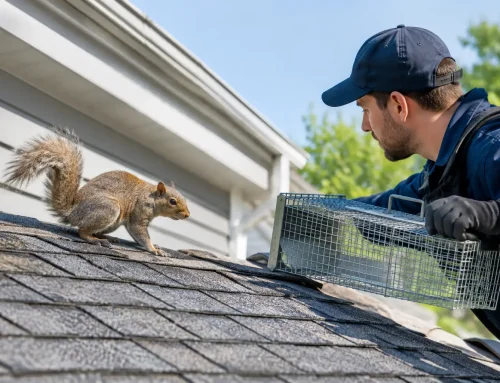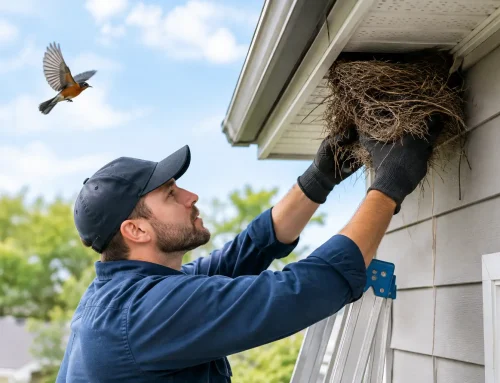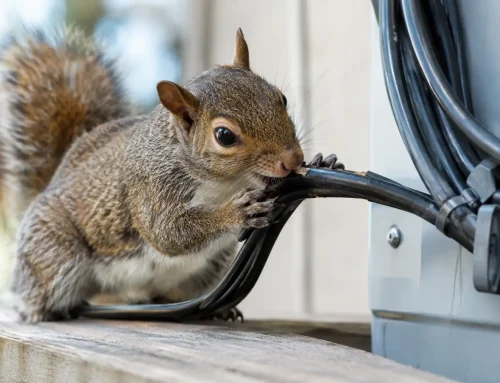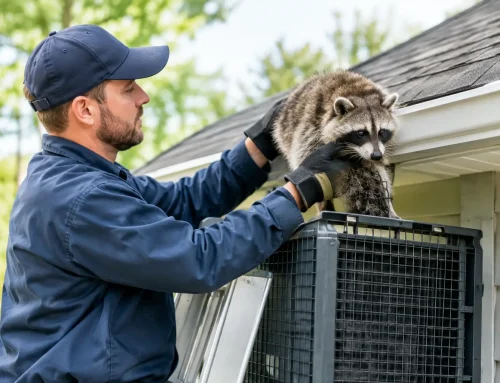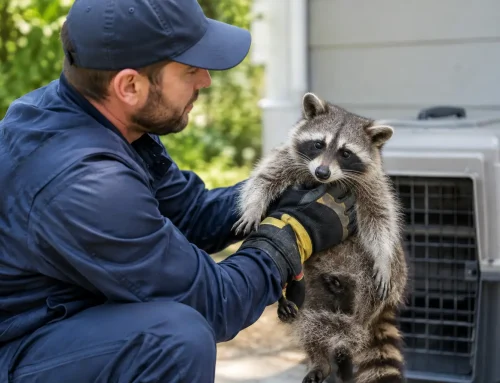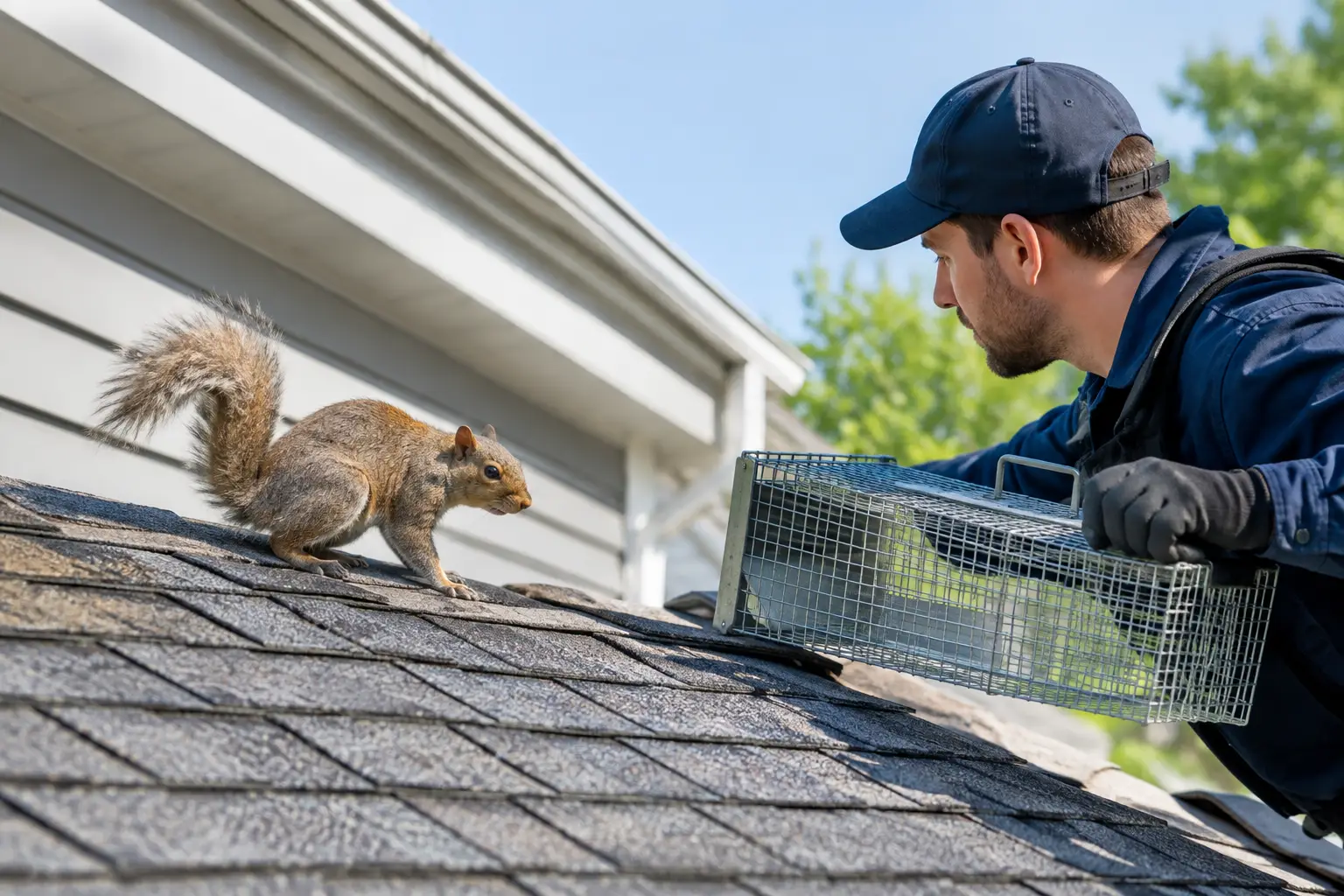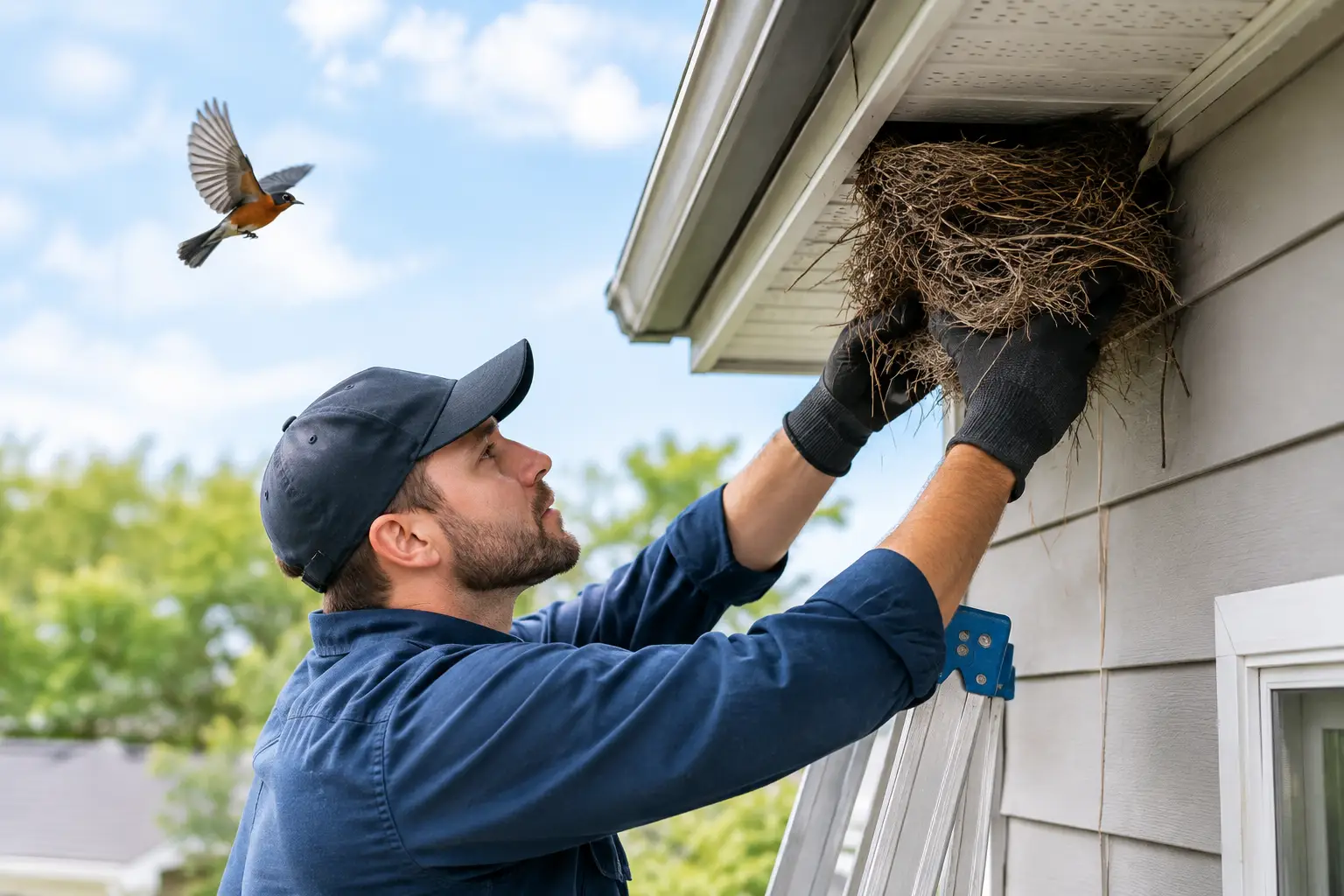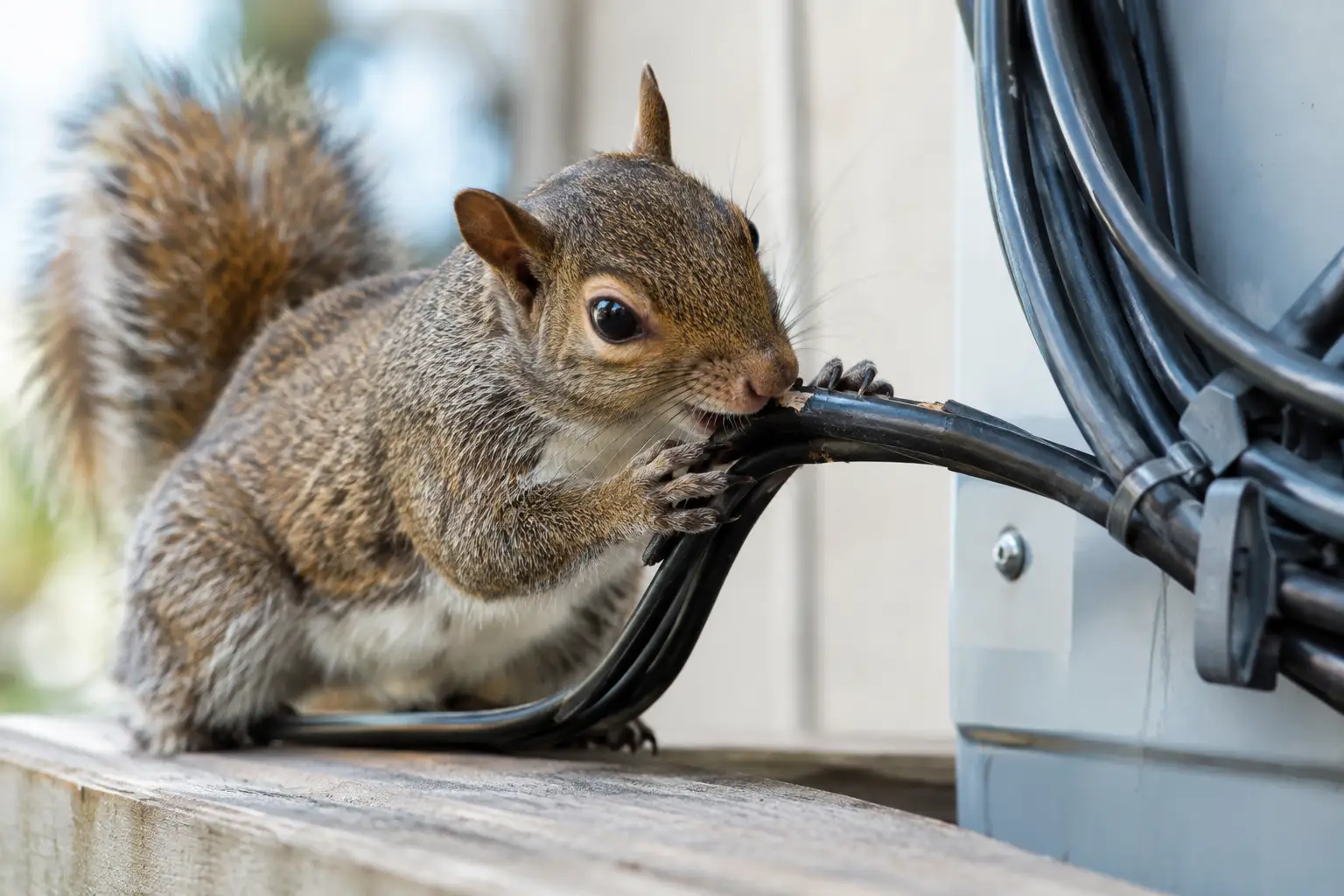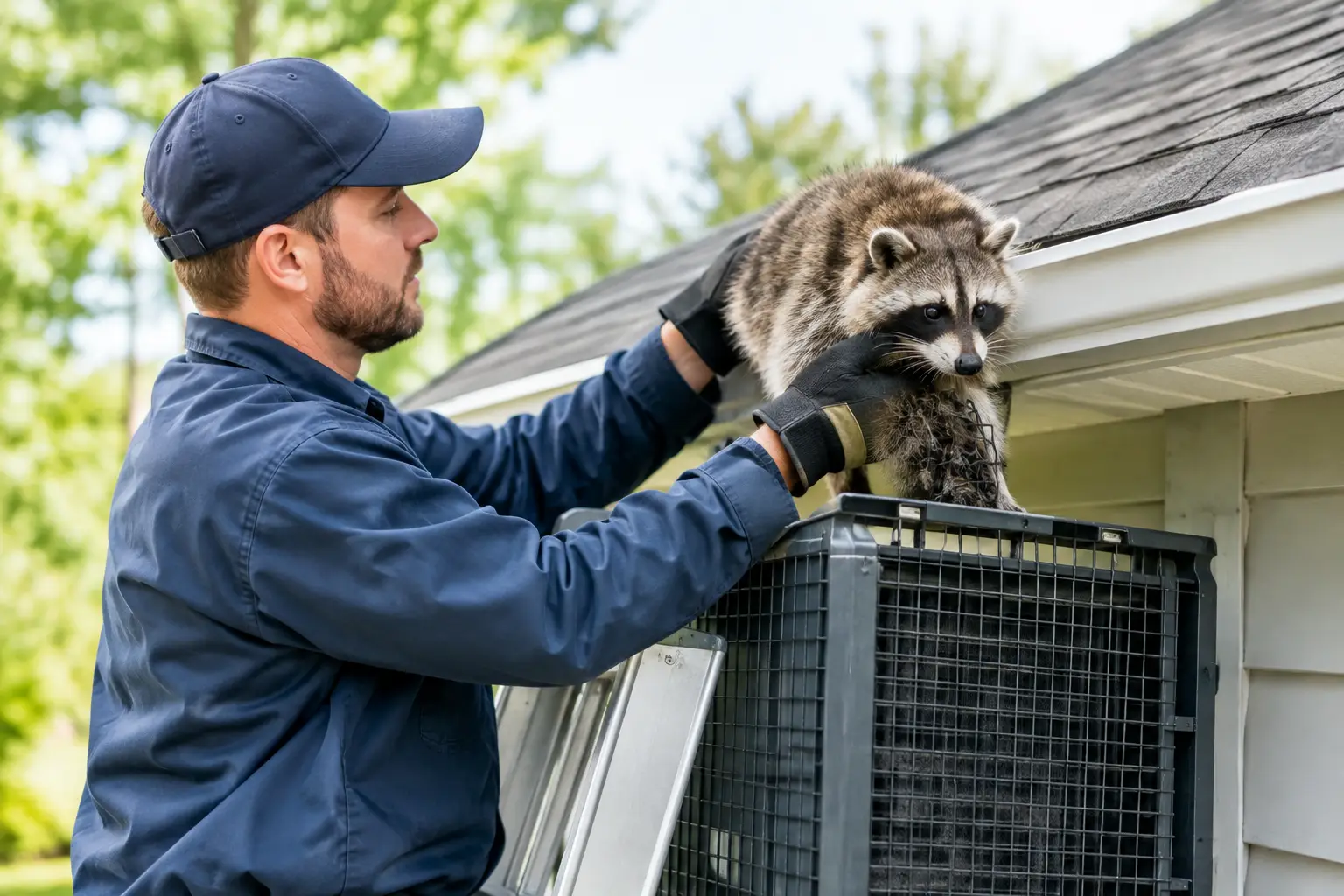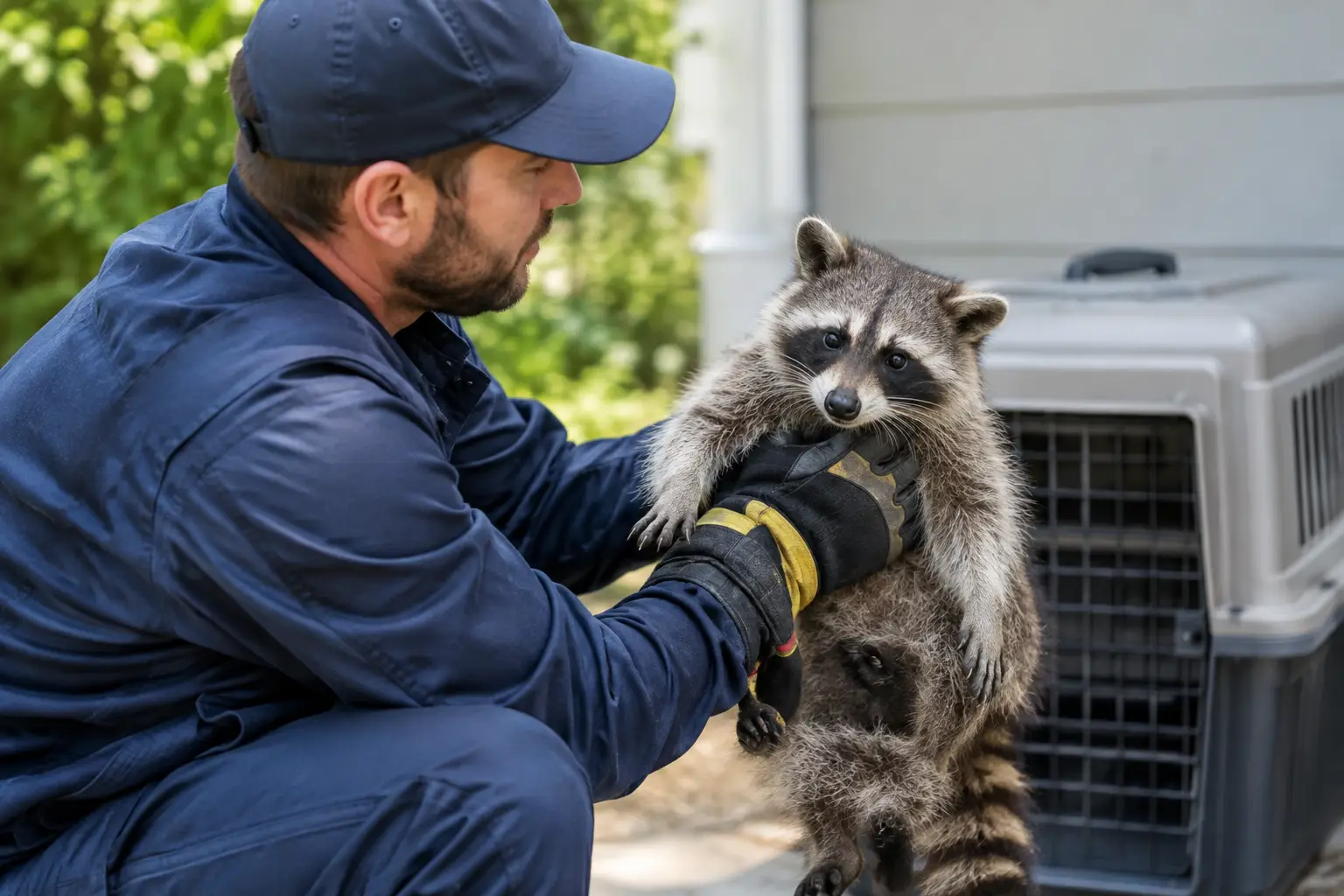
A raccoon removed from an attic is not a finished job if the roof return, soffit gap, or damaged vent remains open. The same is true when squirrels leave a chewed hole at the fascia, rats travel through utility penetrations, or birds nest behind a commercial sign. Wildlife exclusion is the work that prevents the next animal from getting in – and it is often the difference between a one-time removal and a repeat infestation.
For homeowners, landlords, property managers, and business owners in NYC and New Jersey, exclusion protects more than the building envelope. It helps prevent contaminated insulation, damaged wiring, nesting debris, odors, tenant complaints, and the stress of hearing movement overhead again weeks after an animal was removed.
What Wildlife Exclusion Actually Means
Wildlife exclusion is the professional process of locating and securing animal entry points without trapping animals inside. It combines a detailed inspection with species-appropriate materials and repairs. Depending on the property and animal activity, that may include screening roof vents, reinforcing soffit and fascia areas, sealing pipe and utility gaps, repairing damaged siding, protecting chimney openings, securing crawl space vents, and adding barriers around solar panels.
It is not simply filling every visible crack with foam. Foam may work for minor air gaps, but rodents can chew through it, weather can break it down, and it does not solve a structural opening. Effective exclusion uses durable materials selected for the location, the animal involved, and the way water moves across the structure.
The goal is straightforward: let the animal leave safely when necessary, confirm the structure is clear, then close the routes it used to enter. That sequence matters. Sealing an active den site too early can leave young animals inside, create odor problems, and cause desperate animals to damage new repairs trying to get out.
Why Removal Without Exclusion Usually Fails
Wildlife looks for buildings because they offer protection from weather, predators, and urban activity. An attic can provide a warm nesting space. A crawl space can offer cover and easy access to plumbing lines. Rooftop structures, loading areas, dumpsters, and exterior signs can attract birds and rodents.
Once an animal finds a workable opening, it may return repeatedly. Other animals can also follow scent trails or use the same weak spot. In dense NYC neighborhoods and suburban New Jersey communities, neighboring trees, attached buildings, rooflines, utility wires, and narrow side yards create easy travel paths to vulnerable areas.
A professional removal service should address the full chain of the problem: identify the species, remove or evict the animal humanely, inspect for young or secondary entry points, clean contaminated areas when needed, and complete lasting repairs. Skipping the repair stage often turns an emergency call into an ongoing maintenance issue.
The Entry Points Professionals Check First
A proper inspection goes beyond the hole a customer first noticed. Animals regularly exploit openings that are difficult to see from the ground or hidden behind gutters, trim, insulation, stored materials, and rooftop equipment.
Common problem areas include roof intersections, ridge vents, attic louvers, loose soffit panels, damaged fascia boards, chimney caps, wall vents, dryer exhaust covers, crawl space screens, garage corners, and gaps around gas, cable, and plumbing lines. Older buildings may have settling cracks or deteriorated mortar. Newer buildings can have incomplete flashing, poorly fitted vent covers, or gaps around utility installations.
The size and shape of an opening provide useful clues. Mice can enter through surprisingly small gaps. Rats need more room but can gnaw and enlarge weak materials. Squirrels commonly target roof edges, vents, and fascia. Raccoons use force to pull apart loose materials or exploit damaged sections near the roofline. Bats may use narrow construction gaps, while birds often seek ledges, vents, eaves, and protected equipment areas.
A field inspection also looks for staining, rub marks, droppings, nesting material, paw prints, chewed edges, and travel routes. These signs help determine whether an opening is current, old, or likely to become a future problem.
Exclusion Must Match the Animal and the Structure
The right repair for a squirrel is not always the right repair for a rat, bird, or bat. Species behavior affects the materials, timing, and method used.
For rodents, exclusion often focuses on low-level foundation gaps, utility penetrations, basement windows, garage areas, crawl spaces, and exterior service lines. The work may require metal mesh, reinforced covers, door sweeps, and repairs to damaged masonry or siding. Any nearby food source, unsecured trash, or moisture issue should also be addressed, because exclusion works best when the property is less attractive to rodents overall.
For squirrels and raccoons, the roofline is a priority. Repairs may include reinforced ridge-vent protection, heavy-duty vent covers, fascia repair, soffit restoration, and screening of vulnerable roof openings. Tree limbs that provide direct roof access may need to be trimmed back by a qualified tree professional, although trimming alone will not close an existing opening.
Bird exclusion can involve vent protection, ledge barriers, netting in suitable commercial settings, and cleanup of nesting material. The approach must account for the bird species and applicable rules, especially when active nests, eggs, or young are present.
Bat exclusion requires particular care. Bats are beneficial insect predators, but they should not be living in a home, school, office, or occupied building. Exclusion is typically scheduled and performed with one-way devices and sealing methods that allow bats to exit without allowing re-entry. Timing matters because bat maternity periods can restrict when exclusion can be completed safely and legally.
Do Not Seal an Opening Before You Know What Is Inside
This is the most costly mistake property owners make. Hearing movement in the attic may mean one adult animal, but it can also mean a mother with young, multiple squirrels, a raccoon family, or a bat colony. A quick seal may stop the sound temporarily while creating a much worse sanitation, odor, or structural damage issue inside the building.
Professionals assess activity before closure. Depending on the species and season, they may use humane trapping, one-way exclusion devices, monitoring, or a planned return visit to verify the area is empty. Only then should permanent repairs be completed.
This is also why hardware-store materials are not always enough. A cover that appears secure may leave an edge animals can pry open. A poorly installed screen can trap water or interfere with ventilation. Exclusion has to protect the structure without creating moisture problems, roof damage, or blocked exhaust systems.
Cleanup and Restoration Protect the Building After Entry Stops
Animals can leave behind more than visible damage. Urine, droppings, nesting materials, food debris, and carcasses can contaminate insulation and create persistent odors. In some cases, contamination can attract insects or encourage new animal activity.
After exclusion, the affected attic, crawl space, wall cavity, or exterior area may need disinfection, odor treatment, insulation removal and replacement, mold remediation, or repair of chewed wiring and damaged wood. The required scope depends on how long the animal was present and the level of contamination.
For rental and commercial properties, this work is especially valuable because an incomplete repair can become a health concern, a tenant issue, or a repeated service call. A single coordinated response is generally faster and easier to manage than hiring separate companies for trapping, cleaning, roofing, and repairs.
When to Schedule a Wildlife Exclusion Inspection
Call for an inspection when you hear scratching, running, chirping, or thumping in walls, ceilings, attics, or crawl spaces. Other warning signs include droppings, foul odors, insulation on the ground, chewed trim, visible roof damage, birds entering vents, or animals repeatedly moving along the same roof edge.
An inspection is also smart after a storm, roof repair, siding project, gutter replacement, or construction work. These events can expose weak points that animals find quickly. Solar panel systems deserve attention as well, since birds and squirrels can nest or chew beneath panels where the area is sheltered and difficult to access.
Animal Control NYC & NJ provides 24/7 professional wildlife removal, exclusion, cleanup, and repair for properties across New York City and New Jersey. The right response is not just getting the animal out. It is making sure your attic, roofline, crawl space, or commercial building is no longer an easy way in.
If you have seen animal activity or noticed an opening, avoid blocking it yourself until the species and occupancy are confirmed. A timely inspection can keep a small gap from becoming a damaged attic, a contaminated crawl space, or another emergency call.