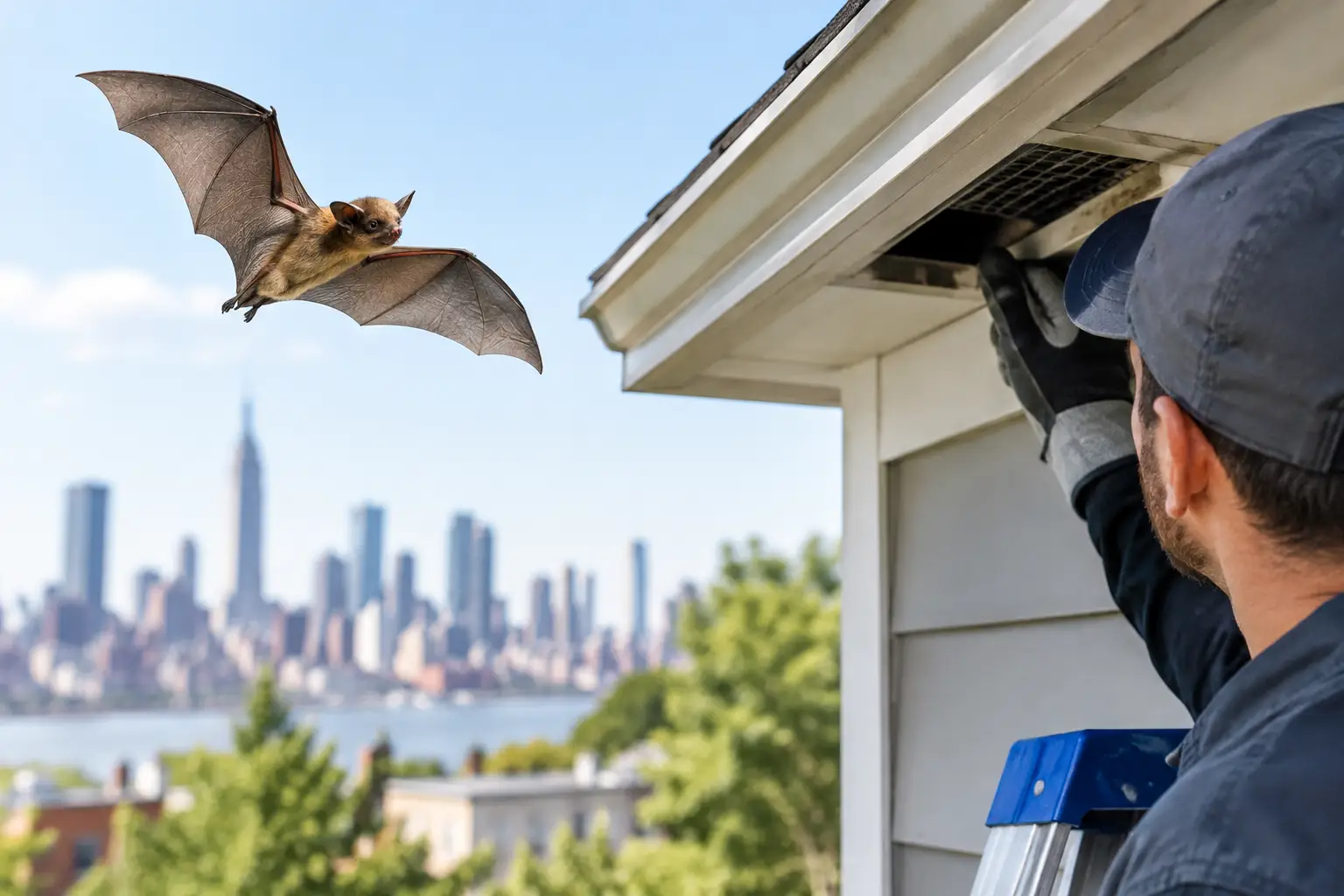
A few pigeons on a loading dock can become a building-wide problem faster than most property managers expect. Droppings build up on walkways, nests block drains and vents, customers complain, and maintenance crews are left working around an avoidable health and safety risk. This guide to commercial bird control explains how NYC and New Jersey businesses can address active bird problems, protect the structure, and prevent the same birds from returning.
Commercial bird control is not just about making birds leave. The reliable solution starts with identifying why the site is attractive, then combining humane removal, cleanup, exclusion, and ongoing maintenance where needed. A one-time scare tactic may move birds temporarily. It rarely solves a well-established roost or nesting site.
Start With the Risks on Your Property
Bird activity affects different commercial properties in different ways. A restaurant may be dealing with pigeons around outdoor dining, grease areas, and dumpsters. A warehouse may have nesting birds above loading bays or inside roof voids. Apartment buildings, schools, medical facilities, retail centers, parking garages, and office properties often see birds on ledges, signs, HVAC units, rooftops, and solar panels.
The most visible issue is droppings. Bird waste can make sidewalks and entry areas slippery, stain masonry and metal, and create an unsanitary impression for tenants, employees, and visitors. When droppings collect around air intakes, food-handling areas, or frequently used entrances, the concern becomes more urgent.
Nesting brings another set of problems. Nesting material can clog gutters, roof drains, exhaust openings, and ventilation systems. Birds may pull insulation or debris into rooftop equipment areas. Pigeons and other nuisance birds can also damage signs, awnings, solar arrays, and exterior finishes over time.
Do not overlook the operational cost. A property that needs repeated cleanup, tenant complaint response, or emergency drain clearing is already paying for bird activity. Proper control is often less expensive than allowing the problem to become routine maintenance.
Inspect Before Choosing a Bird Control Method
Effective commercial bird control begins with a thorough inspection. The goal is to identify the species, the access points, the location of roosting and nesting activity, and the conditions keeping birds on the property.
A professional inspection should assess rooflines, parapet walls, ledges, signs, canopies, loading areas, parking structures, roof drains, vents, solar panels, and gaps around mechanical equipment. In dense NYC and NJ neighborhoods, nearby food sources and adjacent buildings can keep bird pressure high even after a site is cleaned.
The inspection also determines whether there are active nests, eggs, or young birds. This matters because certain bird species are protected under federal and state laws. A control plan must be species-appropriate and timed correctly. Removing a nest without checking the species and status can create legal and humane concerns.
For property managers, documentation is useful. Photos of droppings, nest locations, damaged areas, and affected equipment help establish the scope of the issue, support maintenance planning, and demonstrate that the property responded responsibly to a health or safety concern.
Choose the Right Commercial Bird Control System
There is no single bird deterrent that works for every building. The right system depends on where birds land, how long they have been established, the species involved, public visibility, and the building’s architecture.
Physical Exclusion Works Best for Access Points
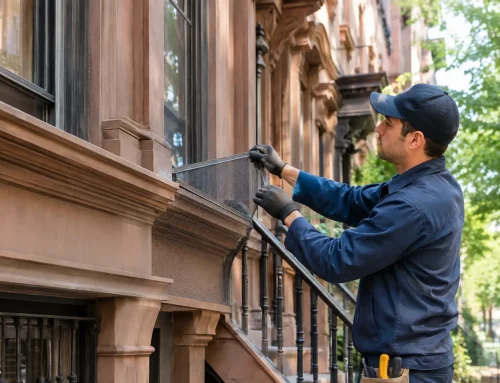
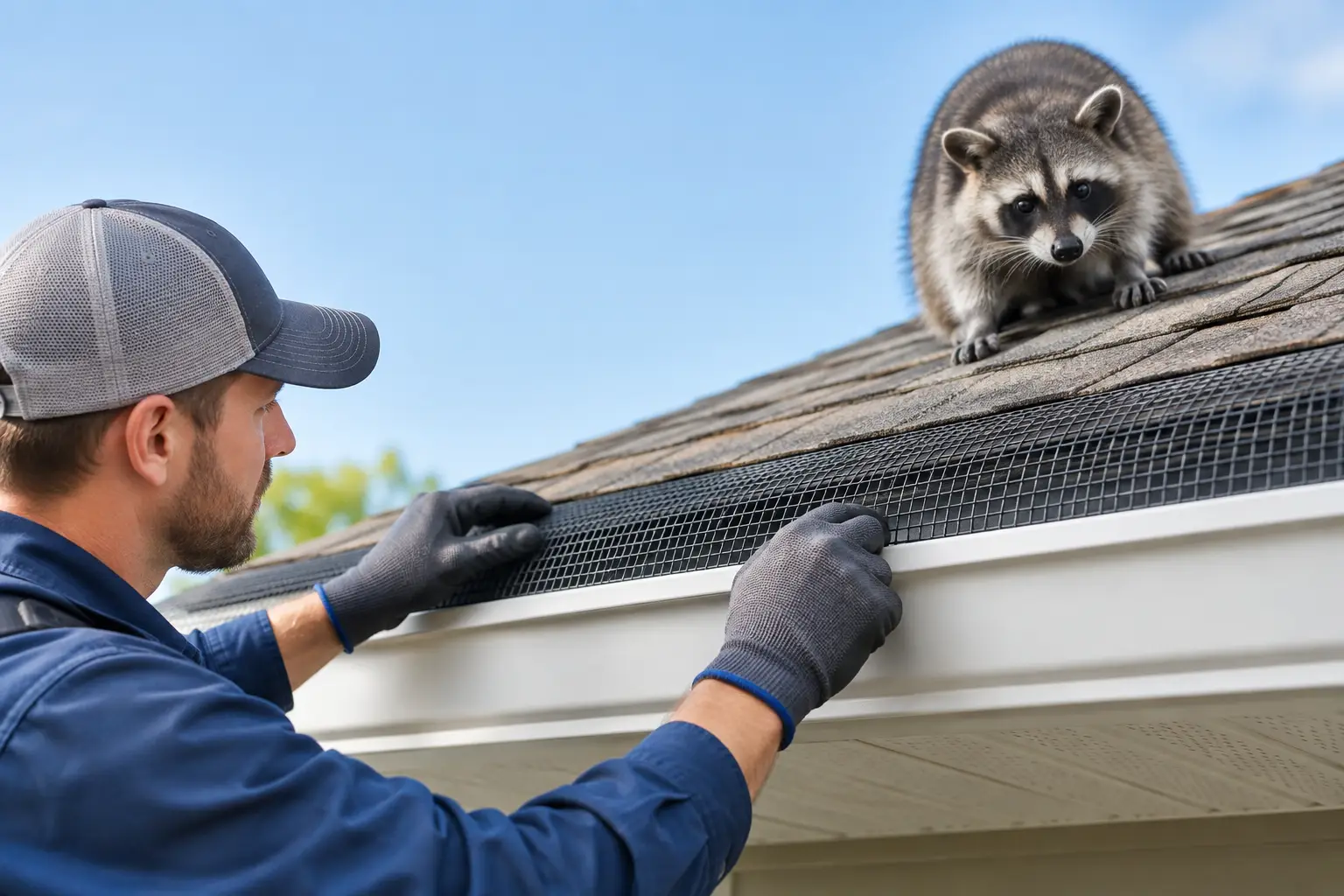
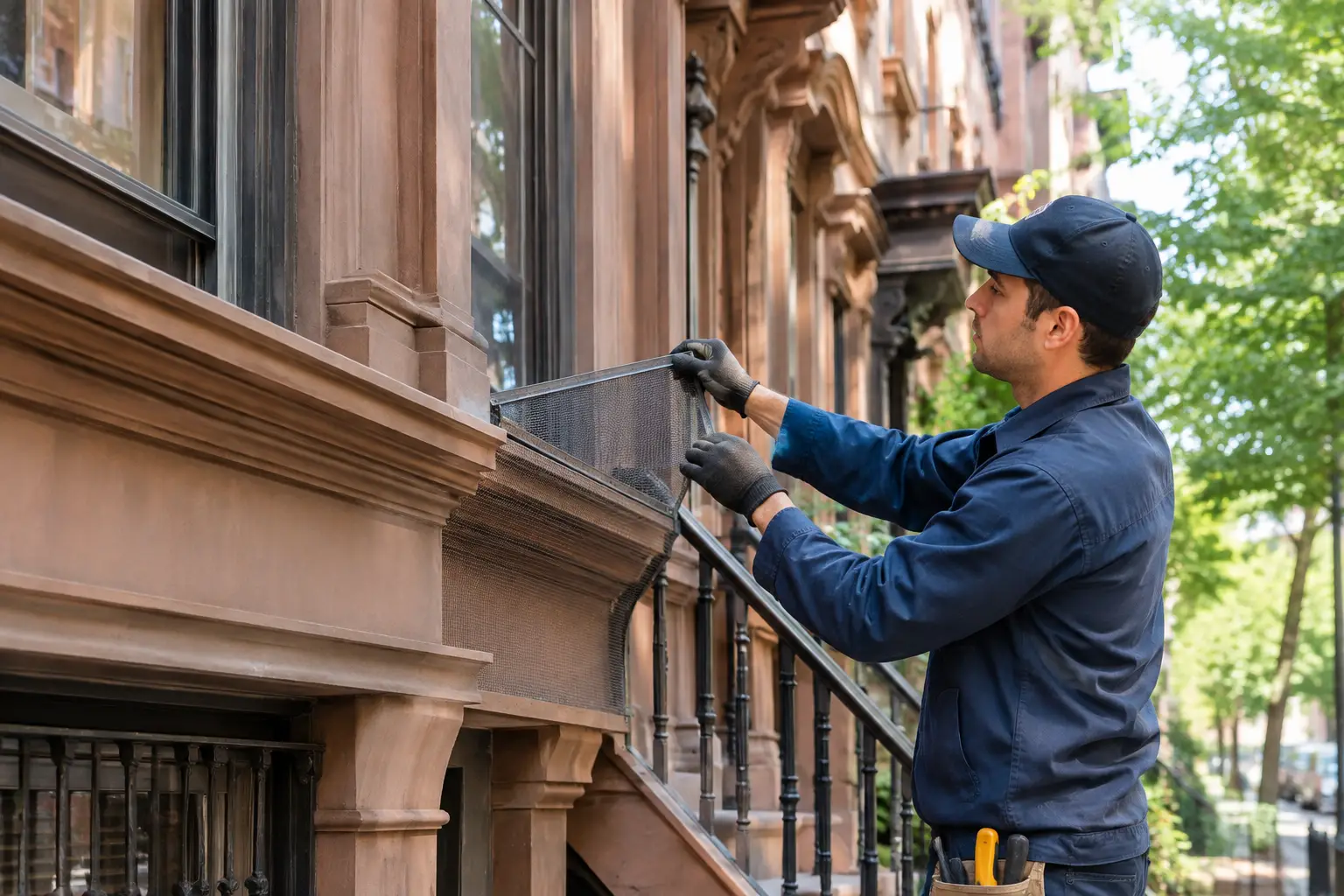
When birds are entering a covered loading dock, warehouse opening, canopy, rooftop enclosure, or similar protected space, exclusion is often the strongest long-term option. Professional bird netting, screening, and properly fitted barriers prevent access without harming birds.
This approach is especially useful where birds are nesting or roosting inside a structure. Closing access after confirming birds are out prevents repeat activity and protects sensitive areas from fresh contamination. Poorly installed netting can sag, leave gaps, or create entanglement hazards, so commercial installations should be designed for the structure rather than treated as a temporary patch.
Ledge Deterrents Protect Roosting Areas
Pigeons commonly return to familiar ledges, beams, signs, pipes, and rooftop edges. Physical ledge deterrents can prevent landing when they are correctly selected and installed across the full roosting surface.
The details matter. A narrow window ledge needs a different approach than a wide parapet wall or an I-beam in a parking garage. Leaving a small unprotected section can simply move the birds a few feet away. A professional plan considers the entire flight path and surrounding surfaces, not just the most heavily soiled spot.
Low-Profile Electrical Systems May Fit High-Value Sites
For prominent building facades, hotel entrances, signs, and other high-visibility locations, discreet electrical bird deterrent systems may be appropriate. These systems create an unpleasant landing surface without causing injury when installed and maintained correctly.
They are not the right answer for every property. They require a reliable power source, proper placement, and regular inspection. On a neglected rooftop or an area with heavy debris buildup, physical exclusion or ledge systems may be more practical.
Visual and Sound Deterrents Have Limited Roles
Reflective devices, decoys, and sound-based products can help in short-term or low-pressure situations. They are usually not dependable solutions for established pigeon activity on commercial buildings. Birds quickly learn when a device poses no actual obstacle, particularly where food, shelter, or nesting space remains available.
Use these measures as part of a larger plan, not as the entire plan. If the property has years of roosting history, expect to need professional exclusion or landing deterrents.
Cleanup and Sanitization Cannot Be Skipped
Installing bird control devices over old droppings and nesting debris is a common mistake. The contamination remains, odors can continue attracting birds, and workers may still be exposed to waste around equipment or walkways.
Commercial bird cleanup should include removal of nests and accumulated droppings where legally permitted, followed by disinfection of affected surfaces. The scope may include rooftop equipment pads, awnings, walkways, loading zones, attic spaces, ventilation areas, and garage beams. Heavily contaminated insulation or damaged materials may need replacement.
Cleanup teams should use appropriate protective equipment and containment practices. Dry sweeping or blowing bird droppings can spread dust into the air. This is not a job for an untrained maintenance worker, particularly in enclosed spaces or areas with significant buildup.
After cleanup, inspect for damage that may have been hidden by debris. Corroded metal, blocked drains, damaged insulation, compromised vent covers, and loose gutters can all need repair before the property is fully protected.
Reduce What Attracts Birds to the Site
Bird proofing works best when the property is less rewarding to birds in the first place. That may mean securing dumpster lids, cleaning spilled food around trash areas, removing standing water where practical, and maintaining outdoor dining or break areas.
On rooftops, address open gaps, pooling water, unsecured debris, and equipment areas that create protected nesting pockets. In parking garages and warehouses, inspect for open doors, broken louvers, and gaps around utility penetrations. Exclusion work should be coordinated with building operations so new vulnerabilities are not created during repairs or renovations.
It depends on the property, but maintenance is often the difference between a one-season fix and a long-term solution. A building near a transit hub, waterfront, food market, or active restaurant corridor may need periodic inspections because bird pressure from the surrounding area remains constant.
When to Call for Professional Bird Control
Call a professional promptly when birds are inside the building, nesting around HVAC or ventilation equipment, contaminating food-service areas, blocking drains, creating slip hazards, or generating tenant and customer complaints. Immediate service is also appropriate when a large roost develops on a sign, garage, loading dock, or rooftop.
Animal Control NYC & NJ provides humane commercial bird removal, cleanup, exclusion, and damage remediation for properties across the area. The objective is to remove the immediate problem while correcting the openings, ledges, and conditions that allowed it to develop.
A clean entrance and a protected roof do more than improve appearance. They give your staff, tenants, and customers confidence that the property is being managed safely and professionally before bird activity turns into a larger repair or health concern.