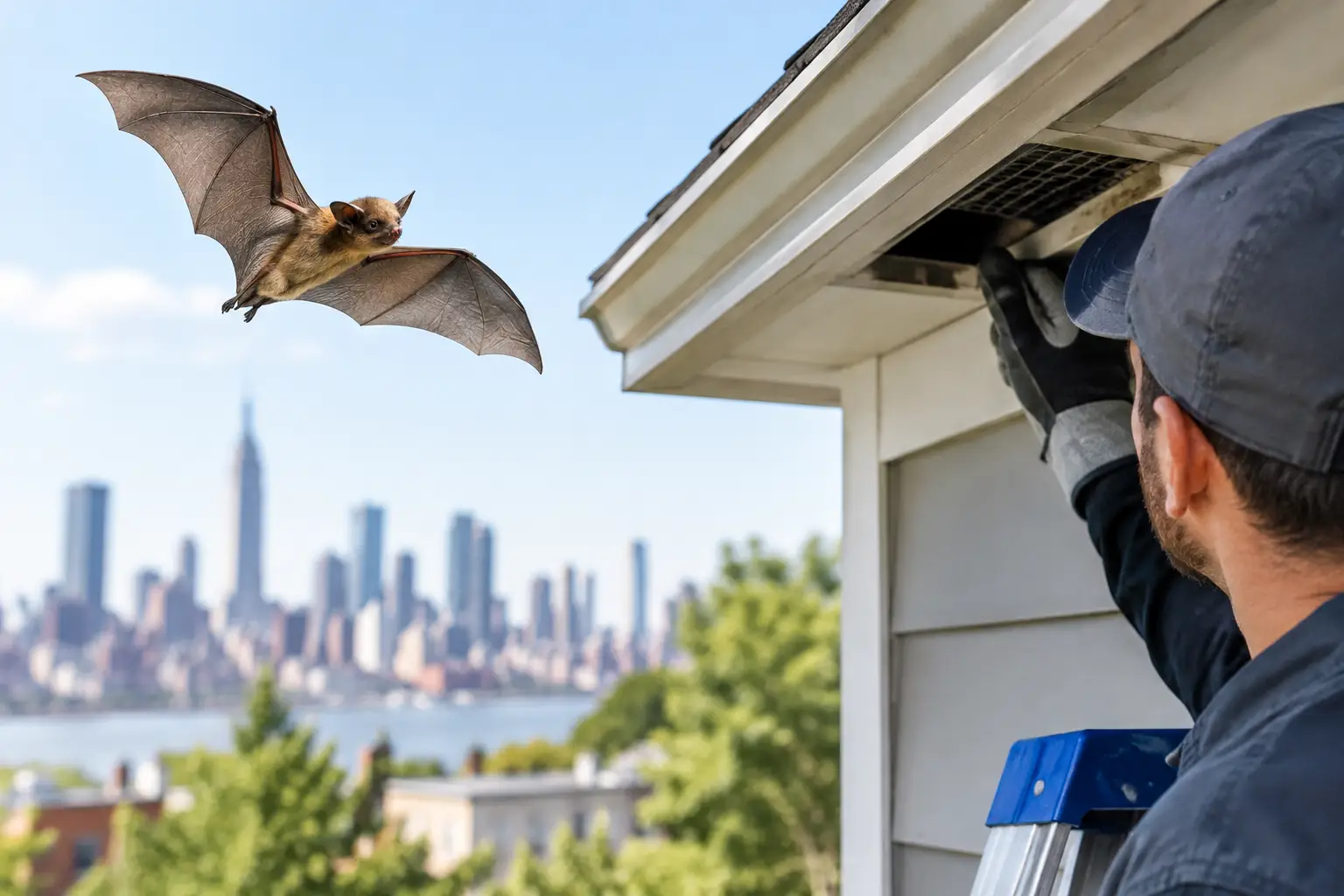
A solar panel critter guard is not a cosmetic add-on. It is a physical exclusion system that closes the open space beneath your solar array, where pigeons, squirrels, rats, and other animals can nest, chew, and leave behind contamination. For property owners in NYC and New Jersey, that small gap can quickly become an expensive roof and wildlife-control problem.
Solar panels create a sheltered, elevated space that animals naturally seek out. Once nesting material, droppings, or chewed wiring are present, waiting rarely makes the problem smaller. Professional solar panel animal proofing addresses the intrusion before it affects your roof, electrical equipment, tenants, or energy production.
Why Animals Nest Under Solar Panels
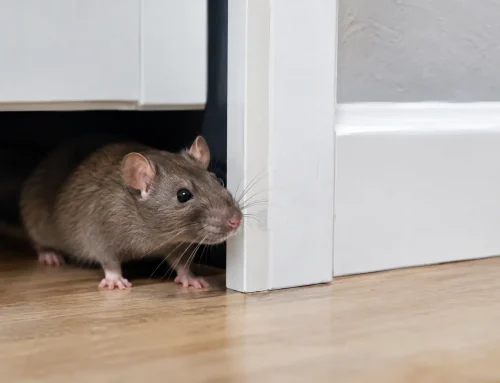
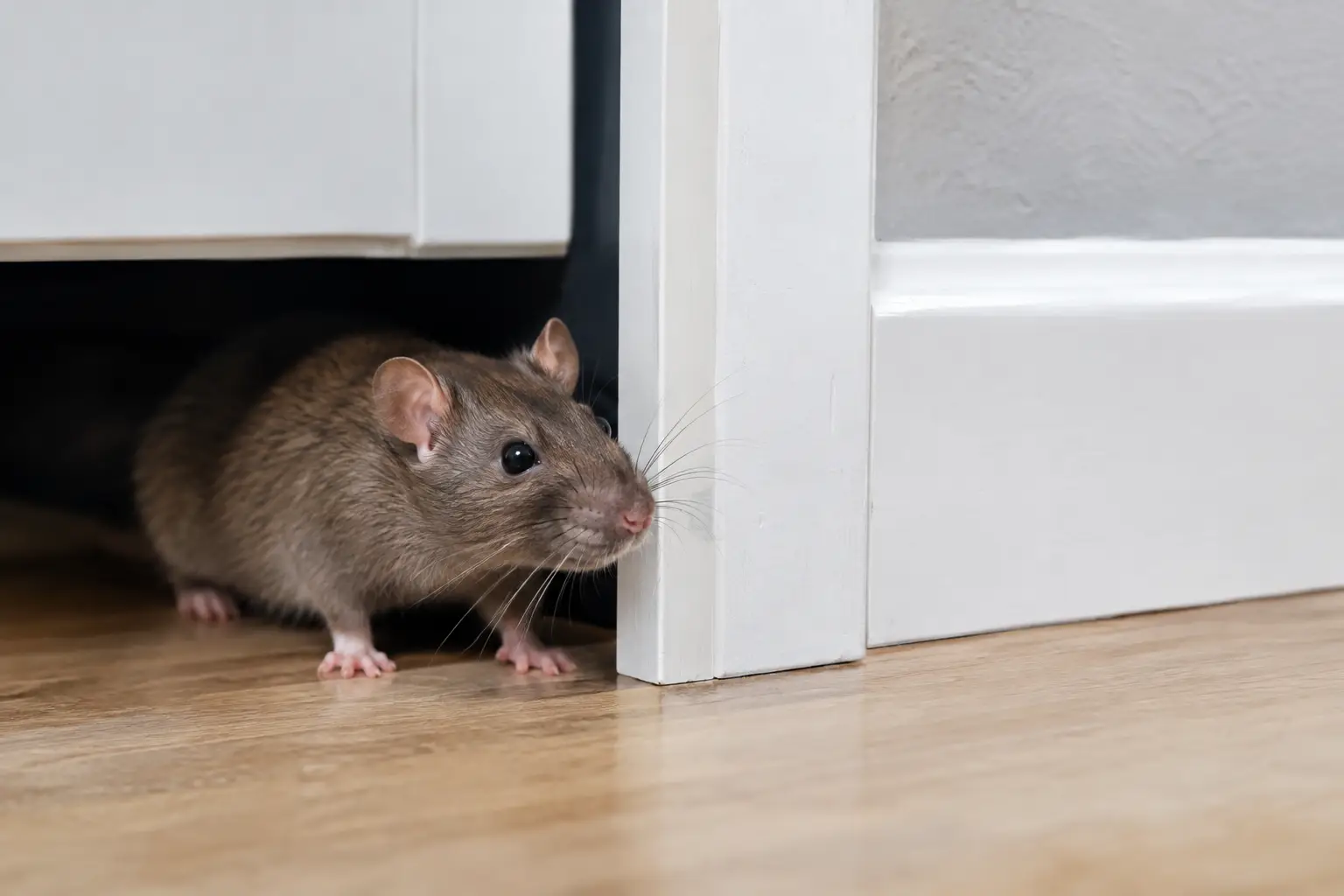
The area below a solar array is dry, shaded, and protected from wind and predators. Pigeons are especially common under rooftop panels in New York City, while squirrels are frequent offenders in suburban New Jersey. In some locations, rats may follow bird nesting activity because food debris, feathers, and droppings create an attractive environment.
Pigeons can build large, messy nests beneath the panels and return to the same site repeatedly. Their droppings can stain roofing materials, block gutters, attract insects, and create sanitation concerns around HVAC equipment and rooftop access areas. A nest may also interfere with drainage, allowing debris and moisture to collect where it does not belong.
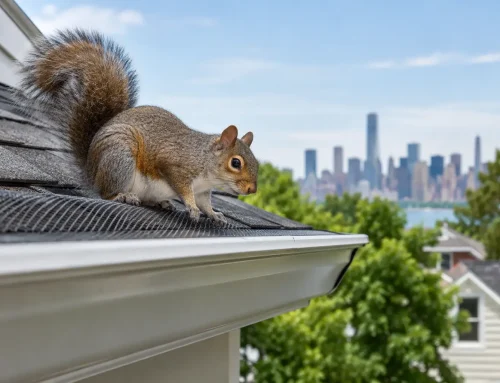
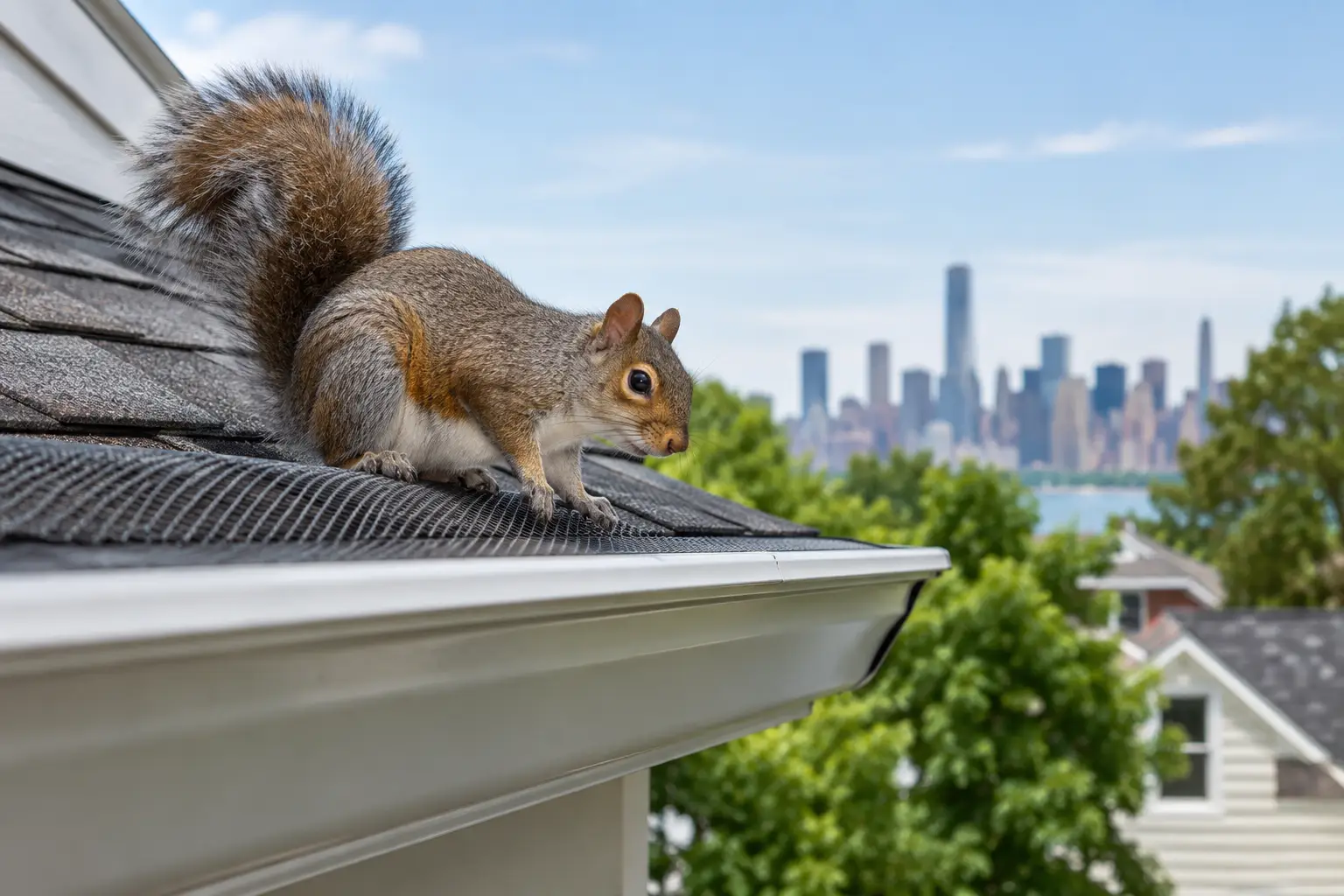
Squirrels bring a different risk. They may chew cable insulation, wiring covers, and nearby roof components. Damage to solar wiring can reduce system performance and may require evaluation by a qualified solar or electrical professional. Wildlife should never be handled around energized equipment by an untrained person.
What a Solar Panel Critter Guard Does
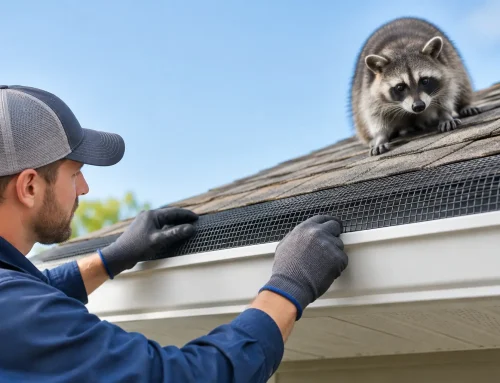
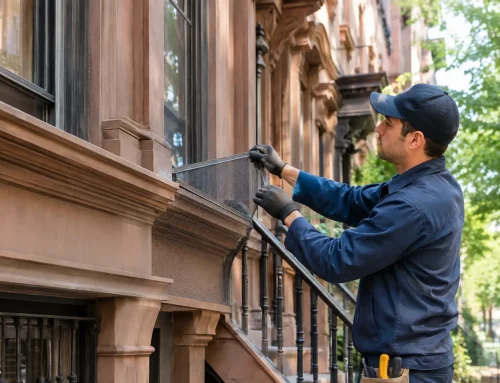
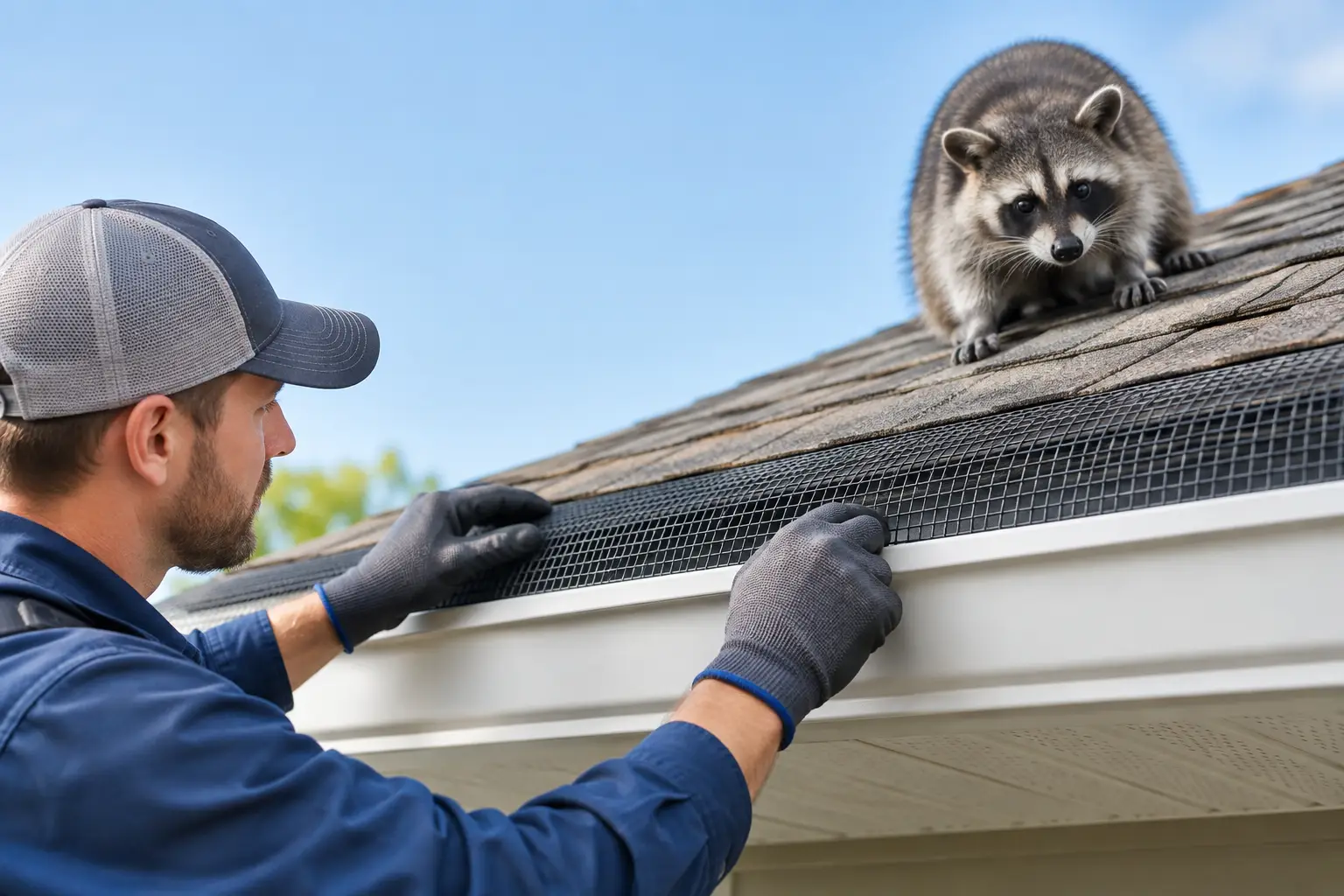
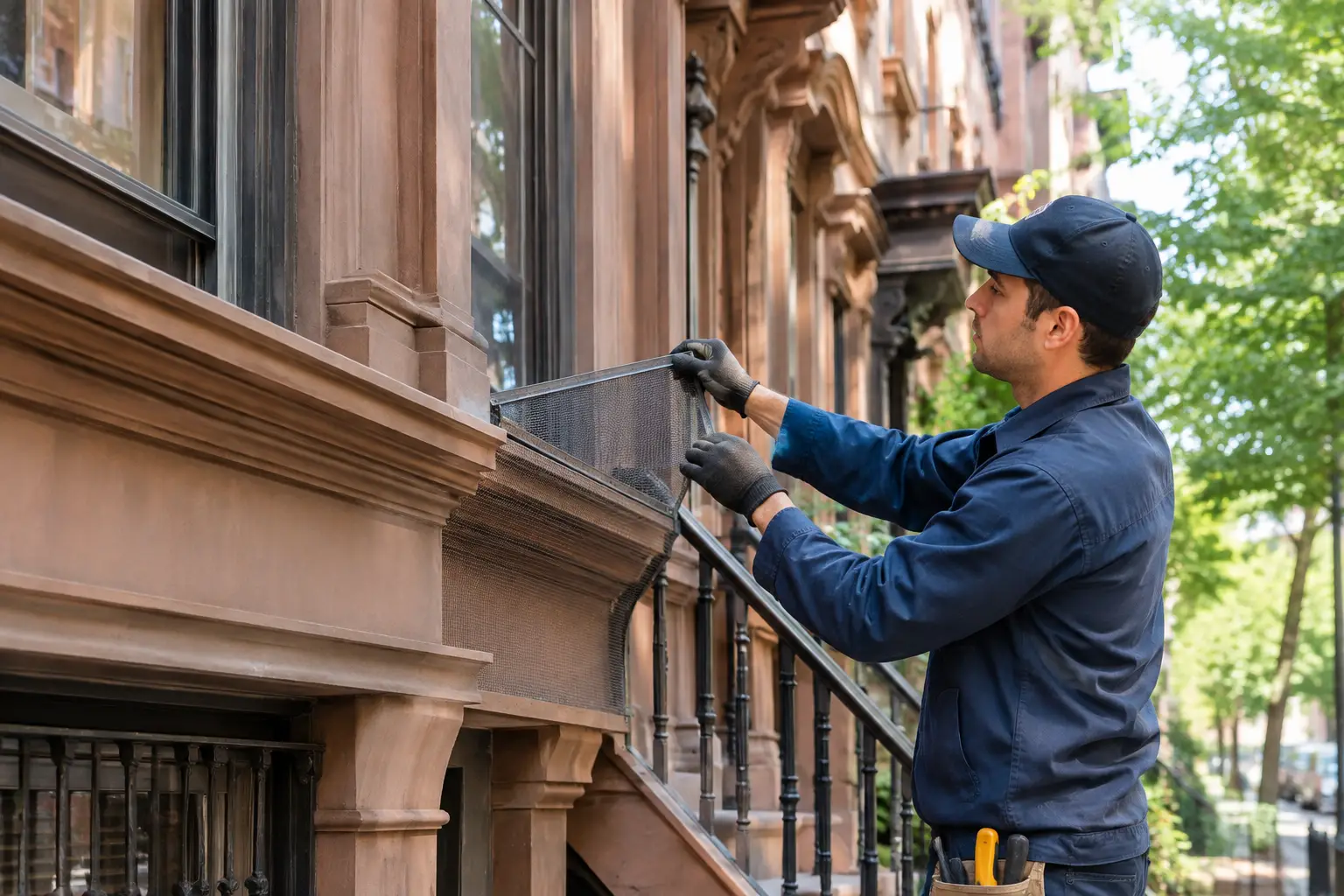
A properly installed solar panel critter guard uses durable coated wire mesh or a purpose-built exclusion barrier around the array perimeter. It blocks access to the underside of the panels while preserving the airflow the system needs. The guard is secured to the solar panel frame with appropriate clips or fasteners rather than drilling into the panels, roof, or mounting system.
The goal is simple: animals cannot enter, nest, or return beneath the array. But correct installation matters. A loose edge, oversized opening, or poorly fitted corner can become the new entry point. Professional wildlife technicians inspect the full perimeter, including areas close to roof valleys, vents, chimneys, parapet walls, and utility lines.
The best guard material depends on the problem. Pigeon exclusion may require a mesh sized to block birds and nesting materials. Squirrel and rodent pressure may call for a stronger material and closer attention to gaps at corners and roof transitions. A one-size-fits-all screen is not always enough.
Signs You Need Solar Panel Animal Proofing
You may not see an animal every day, especially if the activity is taking place underneath the solar panels. The warning signs are usually visible from the ground, along the roofline, or in the areas below the array.
Watch for repeated bird traffic to the same section of the roof, sticks and nesting material protruding from beneath panels, droppings on the roof or siding, scratching sounds, or debris accumulating in gutters. Squirrels may be seen running along roof edges and entering below the array. In more severe cases, property owners notice foul odors, flies, roof leaks near debris buildup, or a drop in solar output.
Commercial properties and multifamily buildings should take these signs seriously. Bird waste near entrances, loading areas, rooftop HVAC units, fire escapes, and walkways can create sanitation complaints and maintenance issues. A small nesting problem can become a recurring building-management concern if the access point remains open.
Removal Must Come Before Exclusion
Installing mesh while animals are still under the panels can trap them inside. That is inhumane and can create odors, dead-animal removal needs, additional damage, and more difficult cleanup. The correct sequence is inspection, removal or eviction when necessary, cleanup, then exclusion.
Bird activity also requires care during active nesting periods. Certain bird species and nests may be protected, and the appropriate response depends on the species, whether eggs or young are present, and local regulations. Professionals identify the animal activity and use humane, lawful methods before closing access.
For squirrels, technicians inspect for alternate entry points around fascia, soffits, attic vents, roof returns, and utility penetrations. If a squirrel has access under the panels, it may also be testing other weak areas of the structure. Exclusion should address the full property risk, not just the visible gap.
How Professional Installation Protects Your Roof
Solar panels are valuable equipment, and roofs are expensive to repair. Improvised solutions such as foam, loose hardware cloth, adhesive strips, or wire attached directly to roofing materials can cause problems of their own. They may trap water, come loose in wind, interfere with maintenance access, or create warranty concerns.
A professional installation begins with an assessment of the array, roof condition, animal evidence, and access points. Existing nests, droppings, carcasses, and debris are removed safely. The area is cleaned and sanitized as needed, particularly when heavy pigeon activity has contaminated the roof surface or gutters.
The guard is then fitted around the full exterior perimeter of the solar array. Quality work accounts for corners, uneven roof lines, panel spacing, and areas where animals might squeeze behind conduits or flashing. The finished barrier should be secure, cleanly attached, and designed to allow normal drainage and ventilation.
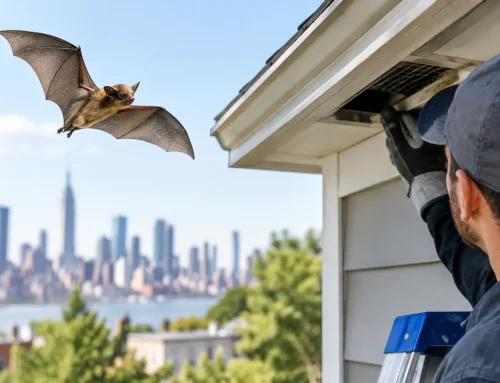
Animal Control NYC & NJ also evaluates related wildlife vulnerabilities, including open ridge vents, damaged soffits, unprotected attic vents, and gutter issues that may be contributing to animal activity around the roof.
When a Guard May Not Be Enough
A solar panel guard is highly effective for preventing access beneath an array, but it does not solve every bird or wildlife issue on a property. If pigeons are roosting on ledges, signs, HVAC units, or roof edges, those locations may need separate bird-control measures. If rodents are entering the building through foundation gaps or utility lines, solar exclusion is only one part of the solution.
Likewise, a guard cannot reverse existing damage. Chewed wiring, compromised roofing, clogged gutters, and contaminated insulation should be inspected and repaired by the appropriate professionals. If there is evidence of electrical damage, avoid touching solar components or attempting to remove animals yourself.
The right service plan depends on the species, the roof design, the condition of the panels, and the amount of contamination already present. Early action generally means a simpler installation and less cleanup.
Protect Solar Panels Before Nesting Season
The best time to install a solar panel critter guard is before birds establish a nest or squirrels begin using the array as a routine shelter. Still, it is never too late to inspect an active problem. Fast removal and exclusion can stop repeat nesting, protect the roof, and reduce the risk of wildlife damage spreading to other parts of the property.
If you see repeated bird activity, nesting materials, droppings, or squirrels entering under your panels, arrange a professional inspection before the next nesting cycle turns a roofline issue into a repair project.