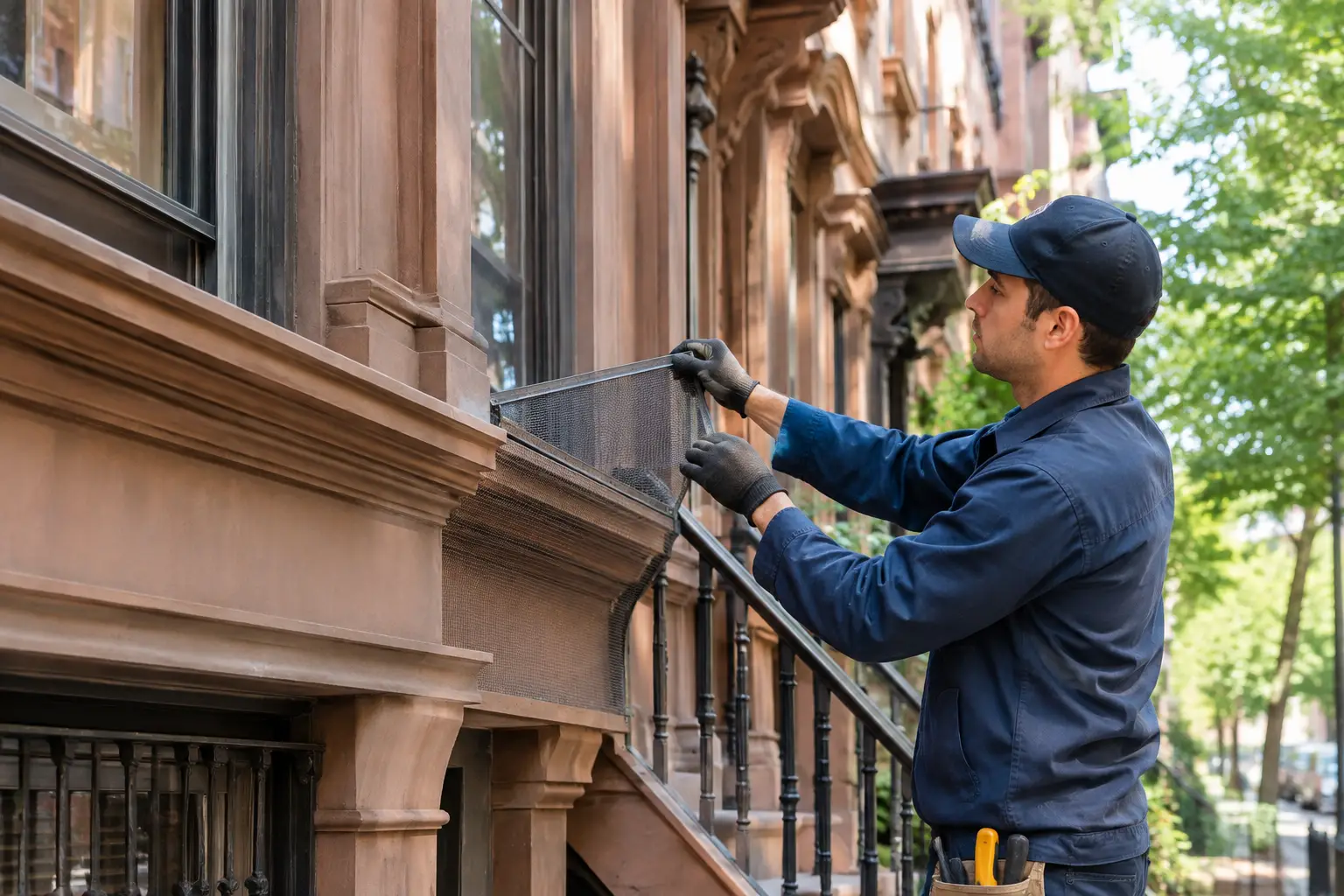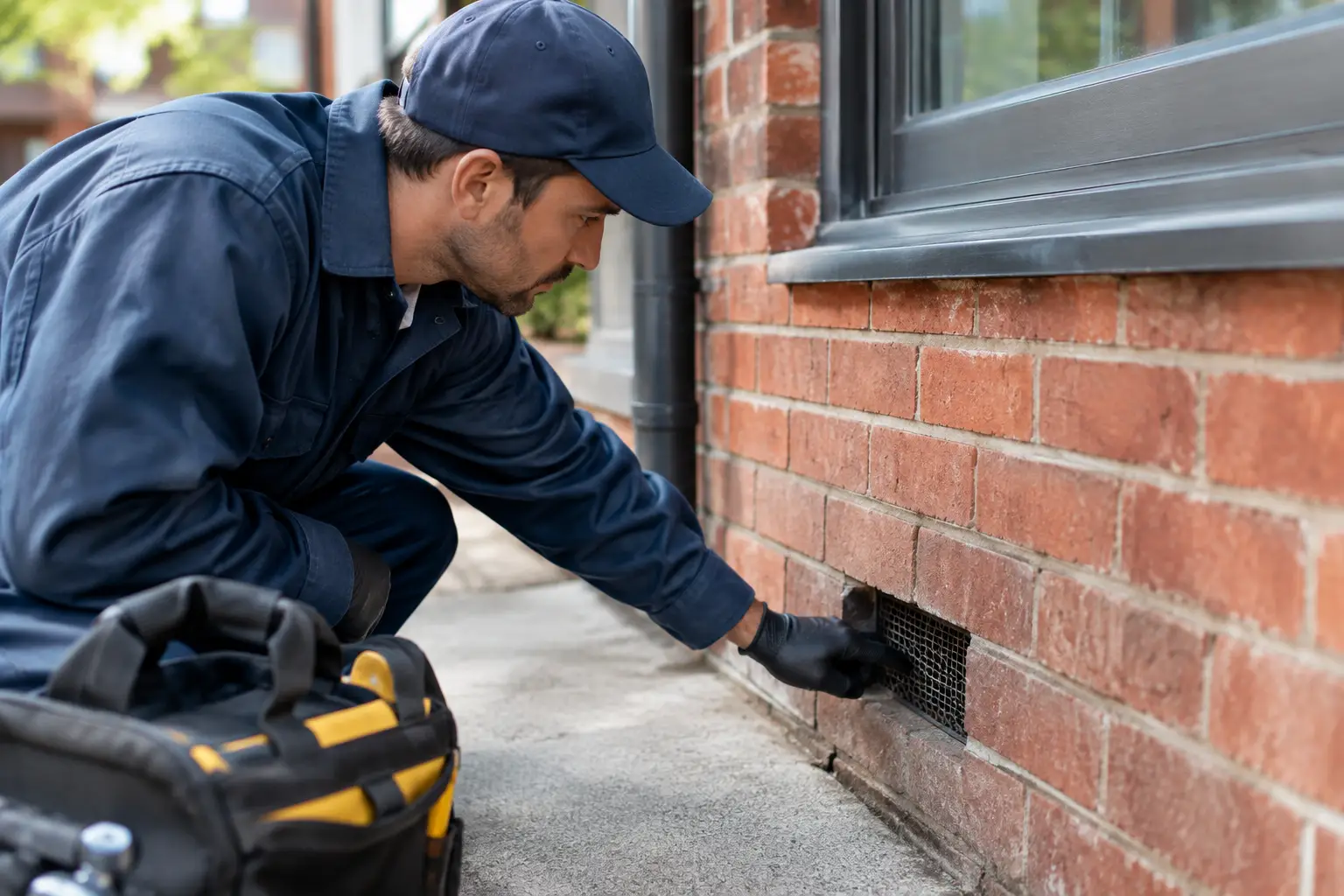
A ridge vent can look like a narrow, harmless line at the top of your roof. To squirrels, raccoons, birds, bats, and even mice, it can be an attic entrance. This guide to ridge vent protection explains how to secure that opening without blocking the ventilation your roof needs to stay dry, stable, and energy-efficient.
For property owners in New York City and New Jersey, this is not a minor maintenance issue. One loose ridge vent section can lead to nesting animals, contaminated insulation, chewed wiring, foul odors, and repeated noise overhead. The right repair addresses the entry point, the animal already inside, and the damage left behind.
Why Ridge Vents Attract Wildlife
A ridge vent runs along the highest point of a sloped roof. It allows warm, moist air to escape from the attic, helping prevent heat buildup, condensation, and premature roof deterioration. Proper attic ventilation is necessary. An open, weak, or poorly installed vent is not.
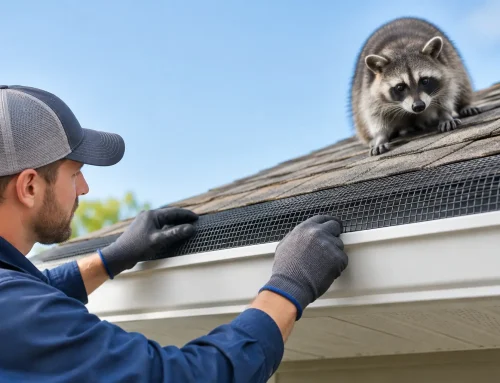
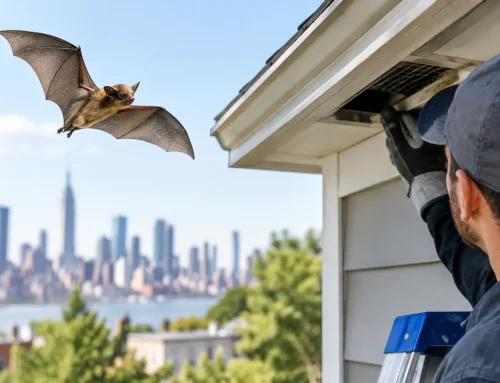
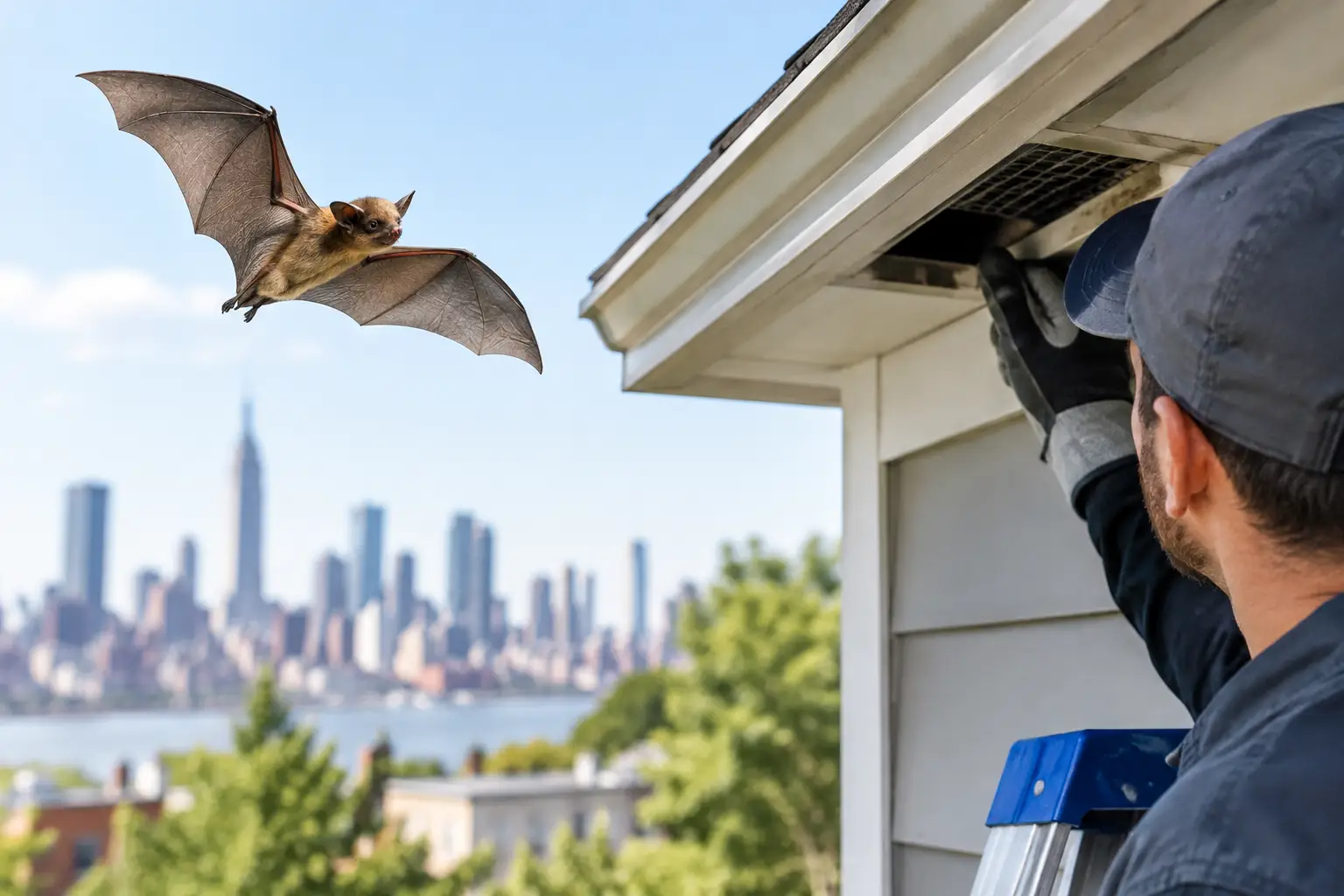
Wildlife is drawn to ridge vents because they are elevated, sheltered, and often difficult for a homeowner to inspect from the ground. Squirrels can chew or pull apart vulnerable vent materials. Raccoons have the strength to lift loose sections or widen damaged gaps. Birds may build nests beneath vent openings, while bats can enter through surprisingly small spaces around the vent system.
The trouble often begins after high winds, heavy rain, aging shingles, roof work, or a prior animal attempt. A small opening may not be visible from the driveway, but it is enough for a determined animal to investigate.
Common signs your ridge vent is compromised
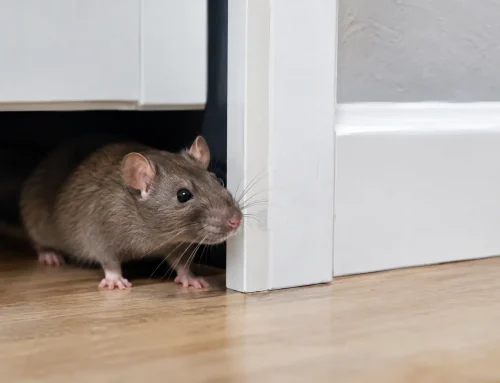
Attic activity is usually the first warning. You may hear scratching, scurrying, chirping, thumping, or movement shortly after sunrise or after dark. Squirrels tend to be active during the day. Raccoons are more active at night. Birds may create persistent chirping, while bats can produce light scratching or squeaking around dusk.
Other warning signs include torn vent material, displaced ridge caps, nesting debris in the attic, droppings, urine staining, damaged insulation, and an odor that becomes stronger during warm weather. Outside, look for lifted shingles, chew marks, dark staining near the roof peak, or animals repeatedly climbing onto the roof.
Do not assume an animal has left simply because the noise has stopped. Many animals leave during the day to feed and return later. Sealing an active entry point too soon can trap animals in the structure or separate a mother from dependent young.
Guide to Ridge Vent Protection: The Right Order of Work
Effective ridge vent protection is a process, not just a strip of mesh nailed over a roof opening. The order matters because exclusion work can fail if the animal problem has not been handled correctly first.
1. Inspect the roofline and attic
A professional inspection identifies where animals are entering and whether the ridge vent is actually the only issue. Squirrels and raccoons may use ridge vents, but they also exploit soffits, roof returns, fascia gaps, chimney flashing, plumbing penetrations, and damaged vents elsewhere on the home.
Inside the attic, an inspection can reveal travel paths, nesting areas, droppings, babies, damaged ductwork, and insulation contamination. On commercial properties, the inspection should also consider parapet walls, rooftop equipment, loading areas, and adjacent structures that create access routes.
The goal is to find every active and potential entry point before repairs begin. Closing only the visible hole may redirect the animal to a weaker opening nearby.
2. Remove animals humanely before sealing
If animals are currently using the ridge vent, removal must come before permanent exclusion. Depending on the species and conditions, this may involve humane trapping, one-way exclusion devices, or carefully timed removal methods.
This is especially important during spring and early summer, when squirrels, raccoons, and other wildlife may have young in attics. A mother excluded from the roof can cause severe damage trying to get back inside. Babies left behind can die, creating odor and sanitation problems. Bird and bat issues may also involve legal protections or seasonal restrictions, so the correct approach depends on the species.
A wildlife professional can determine whether the entry point is active, identify the animal involved, and use a removal method that avoids creating a larger problem.
3. Install animal-resistant ridge vent protection
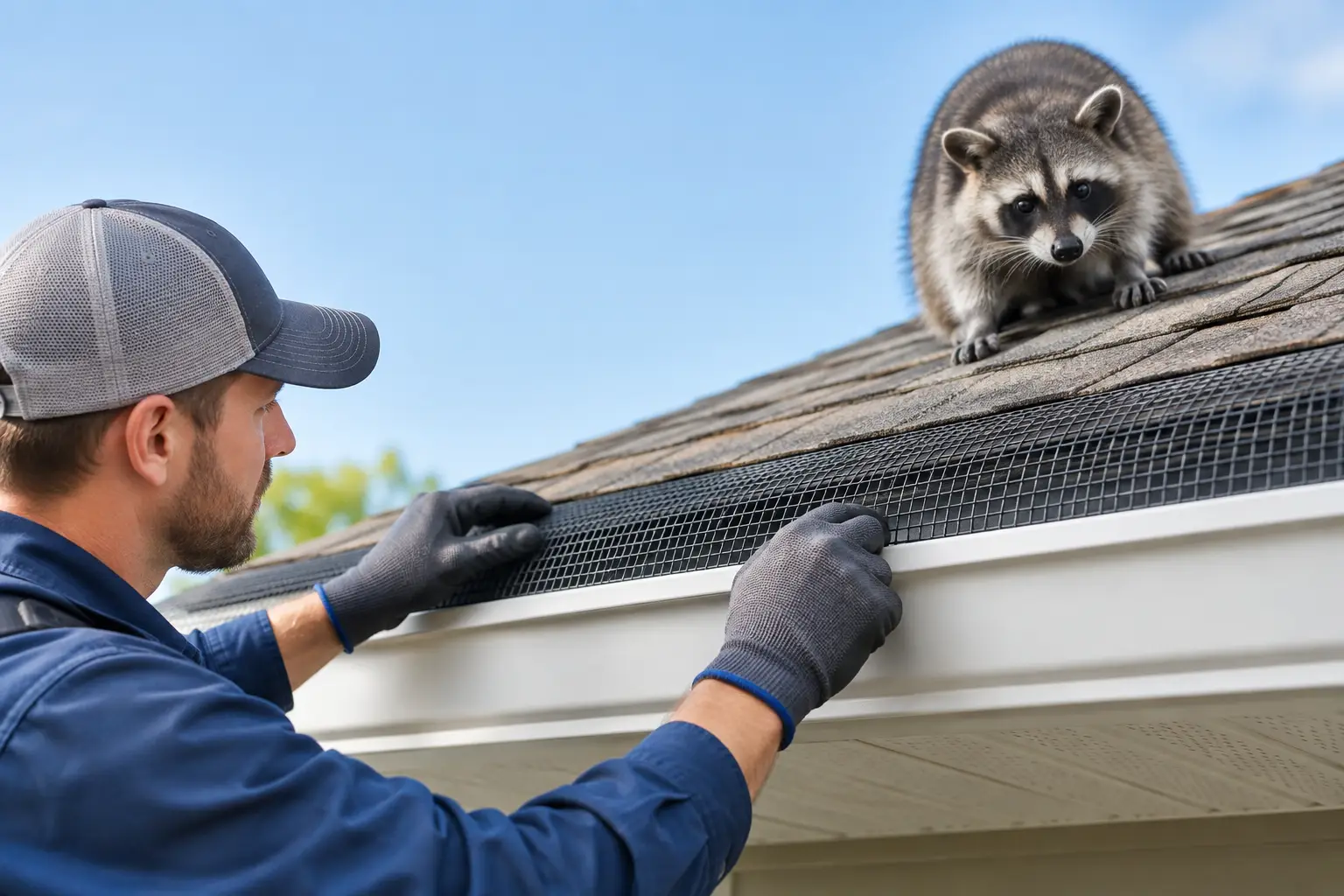
Once the attic is clear, the ridge vent needs durable protection that preserves airflow. This generally means installing a properly fitted wildlife barrier beneath or integrated with the ridge vent system, then securing the roof components so animals cannot lift, chew, or squeeze past them.
The materials and installation method depend on the roof design. A barrier must be strong enough to resist raccoon pressure and squirrel chewing, but it cannot crush, clog, or block the ventilation channel. Improperly installed mesh can restrict airflow, hold moisture, interfere with shingles, or create a new leak point.
Quality work also accounts for the ridge cap shingles, fasteners, roof pitch, vent style, and condition of the surrounding decking. If the vent itself is cracked, flattened, or incorrectly installed, it may need replacement rather than a surface patch.
4. Seal secondary access points
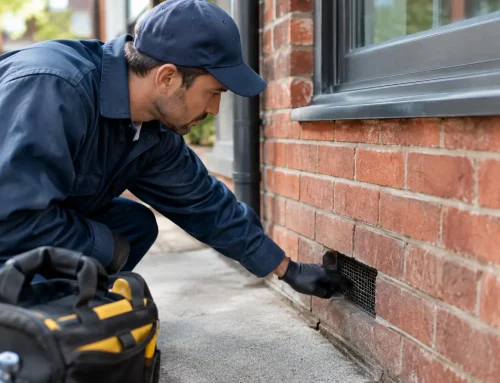
A secure ridge vent will not solve the problem if the soffits are open or the fascia is rotted. Wildlife exclusion works best when the entire roofline is evaluated as one system.
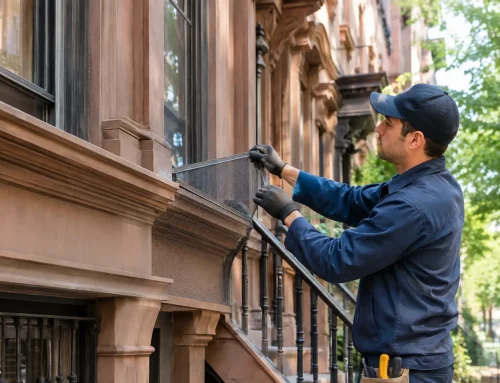
Common secondary vulnerabilities include damaged soffit panels, open construction gaps, uncapped chimney openings, loose flashing, attic fan vents, gable vents, and holes where utility lines enter the building. Repair materials should match the threat. What stops birds may not stop squirrels. What stops squirrels may not withstand a raccoon.
For multi-unit buildings and commercial properties, this step is often where recurring complaints are resolved. Animals do not care which unit they enter from. They follow the easiest route into the structure.
What Not to Do With a Damaged Ridge Vent
Roof work and wildlife control overlap at the ridge vent, which is why quick fixes often create expensive consequences. Avoid spraying repellents into the attic, stuffing insulation into the vent opening, or sealing gaps with foam alone. Repellents are temporary at best, while foam is easy for rodents to chew through and does not provide structural protection.
Do not place standard window screening over a ridge vent and assume the job is done. Lightweight screen can bend, tear, corrode, or pull loose under animal pressure. It may also collect debris and reduce attic ventilation.
It is also risky to climb onto a steep roof without the right equipment. Roof peaks are difficult to access, especially after rain, ice, or leaf buildup. A fall risk is not worth a temporary patch, and an incorrect repair can void roofing warranties or cause leaks.
Why Ventilation Still Matters After Exclusion
Some homeowners worry that ridge vent protection will make the attic hotter. That can happen if the vent is blocked instead of properly protected. The purpose of a ridge vent is to move air, usually in combination with intake ventilation at the soffits. The purpose of wildlife exclusion is to keep animals out while allowing that system to function.
Poor attic ventilation can contribute to moisture accumulation, mold conditions, damaged sheathing, ice dams in colder weather, and higher cooling costs in summer. In a dense city neighborhood, where nearby trees, utility lines, fences, and adjoining structures give animals easy roof access, keeping both ventilation and exclusion in working order is essential.
A professional repair should never treat airflow as an afterthought. The best result is a roofline that is protected from wildlife and still able to breathe as designed.
When Ridge Vent Damage Requires Attic Cleanup
If an animal entered through the ridge vent, the repair may be only one part of the job. Animals can compress insulation, tear vapor barriers, damage stored belongings, and leave urine, droppings, nesting material, parasites, and odors behind.
Minor activity may require targeted removal of nesting debris and disinfection. A long-term infestation may call for insulation removal, attic sanitization, odor treatment, and replacement insulation. Raccoons in particular can leave substantial contamination because they often use repeated locations as latrine areas. Rodent droppings and bird debris can also create health concerns when disturbed.
Animal Control NYC & NJ handles the full sequence: humane removal, ridge vent protection, entry-point sealing, cleanup, and restoration. That means you do not have to coordinate a wildlife trapper, roofer, and cleanup crew while the damage continues.
Protect the Roof Before the Next Animal Finds It
Ridge vent problems rarely improve on their own. A small lifted edge can become a large opening after one determined squirrel, a heavy storm, or a raccoon searching for a warm nesting site. If you hear attic noises, see roofline damage, or notice animals returning to the same part of the roof, arrange an inspection before sealing the opening yourself. A properly protected ridge vent keeps wildlife outside, keeps attic air moving, and gives your property one less vulnerable place to fail.